
Finding the right electric bike as a heavier rider isn’t just about comfort—it’s about safety, performance, and long-term reliability. Standard e-bikes are often designed with average weight limits in mind, typically capping out around 220–250 pounds. But for riders over that threshold, choosing a bike that can’t handle your weight can lead to premature wear, motor strain, frame fatigue, or even dangerous mechanical failures. That’s why investing in an electric bike specifically built for heavy-duty use is essential. Whether you’re commuting daily, exploring trails, or simply looking for a more accessible way to stay active, the right e-bike can transform your experience—offering power, stability, and confidence on every ride.
This comprehensive buying guide is designed to help you navigate the crowded e-bike market with clarity and confidence. You’ll learn exactly what to look for in a heavy-duty electric bike, from reinforced frames and high-capacity motors to extended warranties and real-world user feedback. We’ll break down key technical specs, compare different categories of e-bikes, highlight common pitfalls to avoid, and provide expert-backed recommendations tailored to various budgets and riding styles. By the end, you’ll have all the knowledge needed to make a smart, informed decision—one that prioritizes your safety, comfort, and enjoyment.
The electric bike market has exploded in recent years, with hundreds of models flooding both online retailers and local bike shops. While this abundance offers more choices than ever, it also makes it harder to distinguish between bikes that claim to support heavier riders and those that actually deliver under real-world conditions. Many manufacturers advertise impressive weight limits, but cut corners on components like brakes, suspension, or battery capacity—leaving riders vulnerable to breakdowns or poor performance. Our goal is to cut through the marketing noise and spotlight only those e-bikes that combine robust engineering, thoughtful design, and proven durability for riders weighing 250 pounds or more.

What to Look for When Buying an Electric Bike for Heavy Riders
1. Weight Capacity & Frame Strength
The most critical factor when shopping for an electric bike as a heavier rider is the bike’s official weight capacity—also known as the payload or gross vehicle weight rating (GVWR). This number includes your body weight plus any cargo (backpacks, groceries, etc.). Look for bikes rated for at least 300 pounds, with many top-tier models supporting 350–400+ pounds. But don’t stop at the number: examine the frame material and construction. High-quality steel (like chromoly) or reinforced aluminum alloys offer superior strength and shock absorption compared to standard aluminum. Weld quality matters too—look for clean, continuous welds at stress points like the head tube, bottom bracket, and rear dropouts. A well-built frame won’t just hold your weight; it will dampen vibrations and resist fatigue over thousands of miles.
2. Motor Power & Torque
Motor specs are often misunderstood. While peak wattage (e.g., 750W) grabs headlines, torque—measured in Newton-meters (Nm)—is far more important for heavy riders. Torque determines how easily the bike accelerates from a stop, climbs hills, or carries extra load. For riders over 250 lbs, aim for a mid-drive or geared hub motor with at least 80 Nm of torque. Mid-drive motors (like those from Bosch or Bafang) are especially effective because they leverage the bike’s gears, delivering power efficiently across all speeds. Avoid cheap, low-torque hub motors that may overheat or struggle under sustained load. Also consider whether the motor offers pedal-assist levels that let you fine-tune effort—this helps conserve battery and reduces strain during long rides.
3. Battery Capacity & Range
Heavier riders naturally consume more battery power due to increased rolling resistance and higher energy demands. A standard 400–500Wh battery might give a lighter rider 40–60 miles of range, but you could see that drop to 20–30 miles under similar conditions. To compensate, look for batteries with 600Wh or higher capacity. Removable batteries are a plus—they allow you to carry a spare or charge indoors. Lithium-ion (Li-ion) cells from reputable brands (Samsung, LG, Panasonic) offer better longevity and consistent output. Also check the battery management system (BMS): a good BMS protects against overcharging, overheating, and deep discharge, which is crucial for maintaining battery health over time.
4. Braking System
Stopping power is non-negotiable. Standard mechanical disc brakes may suffice for lighter riders, but heavier loads demand hydraulic disc brakes with large rotors (180mm or larger). Hydraulic systems provide stronger, more consistent braking force with less hand effort—critical when descending hills or making sudden stops. Look for brands like Shimano, Tektro, or Magura, which are known for reliability under heavy use. Avoid rim brakes entirely; they wear quickly, lose effectiveness when wet, and can’t handle the heat generated by frequent braking under load. Test the brakes if possible: they should engage smoothly without sponginess or excessive lever travel.
5. Suspension & Comfort Features
A rigid frame might save weight, but it transfers every bump directly to your body—especially problematic for heavier riders who exert more downward force. Front suspension forks (with at least 80–100mm of travel) absorb road imperfections and reduce fatigue. For maximum comfort, consider full-suspension models, though these are rarer and pricier. Seat posts with suspension or gel-padded saddles also help. Tire width matters too: wider tires (2.4” to 4.0”) provide better cushioning, grip, and stability. Fat tires (3.0”+) are ideal for off-road or uneven terrain, while 2.4”–2.8” tires strike a balance for urban and light trail use. Tubeless-ready tires reduce puncture risk and allow lower pressures for a smoother ride.
6. Wheel & Tire Durability
Wheels bear the brunt of your weight and must be built to last. Look for double-walled rims with reinforced spokes (at least 32–36 per wheel) made from stainless steel. Avoid lightweight racing wheels—they’re not designed for heavy loads. Hubs should feature sealed bearings to prevent dirt and moisture ingress. Tires should have reinforced casings (look for terms like “puncture-resistant” or “double-wall”) and adequate tread for your riding surface. For city commuting, smooth or lightly treaded tires reduce rolling resistance. For trails, aggressive knobbies improve traction. Always check the tire’s maximum PSI rating—higher PSI supports heavier loads but reduces comfort, so find a balance based on your weight and terrain.
7. Brand Reputation & Real-World Testing
Not all brands are created equal. Some specialize in heavy-duty e-bikes with rigorous testing protocols, while others repackage generic models with inflated weight claims. Research brands known for durability: Rad Power Bikes, Aventon, Juiced Bikes, and QuietKat have strong track records with heavier riders. Read independent reviews (not just manufacturer testimonials) and check forums like Reddit’s r/ebikes or Electric Bike Report for user experiences. Pay attention to reports of frame cracks, motor failures, or battery degradation after 6–12 months. A reputable brand will stand behind its products and provide transparent specs—not vague marketing fluff.
8. Warranty & Customer Support
A generous warranty is a strong indicator of a manufacturer’s confidence in their product. For heavy riders, aim for at least a 2-year comprehensive warranty covering the frame, motor, battery, and electrical components. Some premium brands offer 3–5 years. Read the fine print: does it cover wear items like brake pads or tires? Is labor included? How easy is it to file a claim? Customer support responsiveness matters too—can you reach a human quickly? Do they offer replacement parts readily? Avoid brands with “lifetime” frame warranties that exclude fatigue or stress fractures—these are common failure points for heavy riders. Good support can mean the difference between a quick fix and weeks without your bike.
Different Types of Electric Bikes for Heavy Riders

Common Buying Mistakes to Avoid
❌ Mistake: Ignoring the Fine Print on Weight Limits
Why it’s bad: Many e-bikes list a “maximum rider weight” but exclude cargo, accessories, or even the battery itself from that calculation. Riding over the true capacity voids warranties and risks catastrophic failure.
What to do instead: Always check the GVWR (gross vehicle weight rating), which includes everything. If it’s not listed, contact the manufacturer directly. Add 20–30 lbs to your body weight to account for typical cargo.
❌ Mistake: Prioritizing Price Over Build Quality
Why it’s bad: Cheap e-bikes often use thin tubing, weak welds, and low-grade motors that can’t sustain heavy loads. You’ll end up replacing parts frequently or buying a new bike within a year.
What to do instead: Invest in a mid-range or premium model with proven durability. Think of it as a long-term investment in your health and mobility—not just a purchase.
❌ Mistake: Overlooking Brake Performance
Why it’s bad: Inadequate brakes increase stopping distance, especially downhill. This is dangerous for heavier riders who generate more kinetic energy.
What to do instead: Test ride the bike if possible. Apply brakes firmly at moderate speed—they should stop you confidently without squealing or fading. Choose hydraulic discs with large rotors.
❌ Mistake: Assuming All “Heavy-Duty” Claims Are Equal
Why it’s bad: Marketing terms like “heavy-duty” or “reinforced” are unregulated. Some brands use them loosely without meaningful upgrades.
What to do instead: Look for specific engineering details: frame material thickness, spoke count, motor torque specs, and third-party testing certifications (like ISO 4210).
❌ Mistake: Neglecting Suspension and Tire Choice
Why it’s bad: A harsh ride leads to discomfort, joint pain, and reduced willingness to ride regularly—defeating the purpose of getting an e-bike.
What to do instead: Match suspension and tire width to your terrain. Urban riders benefit from front suspension and 2.4” tires; trail riders need full suspension and fat tires.
❌ Mistake: Skipping the Test Ride
Why it’s bad: Fit and handling are subjective. What looks good on paper might feel unstable or uncomfortable under your weight.
What to do instead: Visit local dealers or attend e-bike demo events. Pay attention to steering responsiveness, seat comfort, and how the bike feels when accelerating or braking.
❌ Mistake: Forgetting About Maintenance Access
Why it’s bad: Heavy-use e-bikes require more frequent maintenance. If parts are hard to find or service is expensive, you’ll face downtime and high costs.
What to do instead: Choose brands with wide dealer networks or strong online support. Ensure common parts (brake pads, chains, tires) are readily available.
Budget Guidelines: How Much Should You Spend?
Electric bikes for heavy riders require robust components, which naturally increases cost. Here’s a realistic breakdown of what to expect at each price tier:
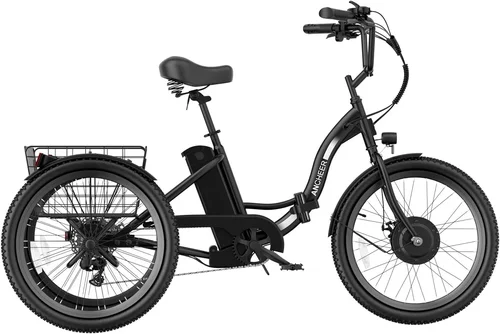
Entry-Level ($1,200–$2,000): At this range, you’ll find basic models with aluminum frames, modest motors (500–750W), and batteries around 500Wh. Weight capacities typically start at 250–300 lbs. Examples include the Ancheer AN-EB003 or Swagtron EB7 Plus. These are suitable for flat urban commuting but may struggle on hills or with frequent use. Expect shorter lifespans and limited warranty coverage.
Mid-Range ($2,000–$3,500): This is the sweet spot for most heavy riders. Bikes here feature reinforced frames, hydraulic brakes, 600–750Wh batteries, and motors with 80+ Nm torque. Brands like Rad Power Bikes (RadCity 5 Plus), Aventon (Level.2), and Lectric XP 3.0 offer excellent value. Most support 300–350 lbs and include features like integrated lights, fenders, and racks. Warranties usually cover 2 years.
Premium ($3,500–$5,500): Designed for serious riders, these e-bikes boast top-tier components: mid-drive motors (Bosch Performance Line, Bafang M600), full suspension, 750–1000Wh batteries, and frames rated for 350–400+ lbs. Models like the Riese & Müller Load 75 or Trek Allant+ 9.9S excel in performance and durability. Ideal for daily commuting, long-distance touring, or mixed-terrain adventures.
Luxury ($5,500+): These are the Ferraris of e-bikes—engineered for enthusiasts who demand the absolute best. Expect carbon-fiber reinforcements, custom geometry, advanced battery tech (swappable dual packs), and bespoke accessories. Brands like Stromer, Specialized (Turbo Vado SL Comp), and Benno offer models supporting 400+ lbs with cutting-edge tech. Perfect for those who view their e-bike as a primary vehicle or lifestyle investment.
Expert Tips for Getting the Best Deal
- Shop During Off-Season: Late fall and winter see fewer buyers, so retailers often discount inventory. January–March is prime time for deals on previous-year models.
- Compare Online vs. Local: Online retailers (like Rad Power Bikes or Lectric) often have lower prices and better warranties, but local shops offer test rides and immediate support. Some shops price-match—ask!
- Look for Bundle Deals: Many brands offer free accessories (helmets, locks, racks) during promotions. These can save $100+ and ensure compatibility.
- Check Return Policies: Ensure you have at least 14–30 days to return the bike if it doesn’t fit or perform as expected. Some brands charge restocking fees—read carefully.
- Negotiate Extended Warranties: If buying from a dealer, ask if they’ll include an extra year of coverage at no cost. It’s common and shows confidence in the product.
- Join Owner Communities: Forums and Facebook groups often share exclusive discount codes or early access to sales. Members also warn about known issues.
- Consider Certified Pre-Owned: Reputable dealers sell inspected, refurbished e-bikes at 20–40% off retail. Ensure the battery has been tested and replaced if needed.
- Verify Shipping & Assembly: Some brands include free white-glove delivery and assembly—worth $100–$200. Others ship flat-packed, requiring DIY setup (or paying extra).

Frequently Asked Questions
Q: Can I modify a regular e-bike to support more weight?
A: Not safely. Adding aftermarket parts like stronger wheels or seats won’t address core weaknesses in the frame, motor, or drivetrain. Structural integrity starts at the design level—modifications can void warranties and create hidden failure points.
Q: Will a higher weight limit reduce battery range?
A: Yes, but only moderately. A 300-lb rider might see 15–25% less range than a 180-lb rider on the same bike. Choosing a larger battery (750Wh+) compensates effectively.
Q: Are fat-tire e-bikes slower?
A: They can be on pavement due to increased rolling resistance, but modern fat-tire bikes with efficient motors and gearing perform well. On soft terrain, they’re significantly faster and more stable.
Q: Do I need a special license or insurance?
A: In most U.S. states, Class 1 and 2 e-bikes (pedal-assist up to 20 mph) require no license or insurance. Class 3 (up to 28 mph) may have age or helmet requirements. Check local laws.
Q: How often should I service my heavy-duty e-bike?
A: Every 300–500 miles: check brake pads, tire pressure, chain lubrication, and bolt tightness. Annually, have a professional inspect the motor, battery, and frame for stress cracks.
Q: Can I ride in the rain?
A: Most e-bikes are water-resistant (IP65 rating), not waterproof. Avoid submerging the battery or motor. Dry the bike after wet rides and store indoors.
Q: What if I gain or lose weight after buying?
A: Choose a bike with a weight capacity 50–100 lbs above your current weight. This buffer accommodates fluctuations and ensures long-term usability.
Q: Are there e-bikes for riders over 400 lbs?
A: Yes. Brands like QuietKat, Benno, and Yuba offer models rated for 400+ lbs. These often feature extended wheelbases, extra-wide tires, and industrial-grade components.
Q: How do I know if the frame will fit my body size?
A: Check standover height (distance from ground to top tube) and reach (distance from saddle to handlebars). Most brands provide size charts. If between sizes, go larger for comfort.
Q: Is it worth paying extra for a mid-drive motor?
A: For heavy riders, absolutely. Mid-drives provide better weight distribution, leverage gears for efficiency, and reduce strain on the rear wheel—ideal for hills and long rides.
Our Final Recommendations
Best for Budget-Conscious Buyers: Lectric XP 3.0 ($1,099) – With a 300-lb capacity, 750W motor, and 65+ mile range, this folding fat-tire bike punches above its weight. Great for urban riders who need portability without sacrificing power.
Best Overall Value: Rad Power Bikes RadCity 5 Plus ($1,999) – A step-through commuter with 300-lb capacity, hydraulic brakes, 672Wh battery, and thoughtful细节 like a rear rack and integrated lights. Consistently praised for reliability and customer service.
Best Premium Option: Riese & Müller Load 75 ($5,999) – A cargo e-bike engineered for 400+ lbs, featuring a Bosch Performance Line CX motor, dual-battery option, and full suspension. Perfect for families or heavy hauling.
Best for Beginners: Aventon Level.2 ($1,799) – Intuitive controls, comfortable geometry, and a 300-lb limit make it ideal for new riders. Includes a color display, app connectivity, and reliable Shimano components.
Best for Advanced Users: Specialized Turbo Vado SL Comp 6.0 ($4,500) – Lightweight yet strong, with a 300-lb capacity, Future Shock suspension, and a whisper-quiet mid-drive motor. Built for long-distance performance and technical terrain.
Conclusion: Making the Right Choice
Choosing the best electric bike as a heavy rider is about more than just specs—it’s about finding a partner in mobility that empowers you to move confidently, comfortably, and safely. By prioritizing weight capacity, motor torque, braking power, and build quality, you’ll avoid the pitfalls that plague ill-equipped bikes and enjoy years of reliable service. Remember, the cheapest option isn’t always the most economical—investing in a well-engineered e-bike pays dividends in durability, performance, and peace of mind.
Take the time to assess your needs: Where will you ride? How much cargo will you carry? What’s your ideal range? Use this guide as your roadmap, and don’t hesitate to reach out to brands directly with questions. Your perfect e-bike is out there—one that doesn’t just support your weight, but enhances your life. So charge up, hit the road, and ride with pride.