
Electric bikes have revolutionized personal transportation, and among the most versatile and rugged options available today are fat tire e-bikes. These powerful machines combine the torque of an electric motor with the stability and traction of oversized tires—typically 3.8 inches or wider—making them ideal for tackling sand, snow, mud, gravel, and rough terrain that would stop a standard e-bike in its tracks. As we move into 2026, the fat tire e-bike market has matured significantly, offering more refined designs, longer battery life, smarter integration, and better value than ever before.
Whether you’re an outdoor adventurer seeking off-grid exploration, a commuter navigating winter streets, or simply someone who values comfort and control on unpredictable surfaces, a fat tire e-bike can be a game-changer. However, with so many models flooding the market—from budget-friendly imports to high-end performance machines—choosing the right one can feel overwhelming. That’s where this comprehensive guide comes in. We’ve tested, researched, and analyzed the latest offerings to help you make an informed decision based on your needs, budget, and riding style.
In this expert-level buying guide, you’ll learn everything you need to know about selecting the best fat tire e-bike for 2026. From understanding key performance specs like motor power and battery capacity to evaluating build quality, safety features, and real-world usability, we break down the essentials in clear, actionable terms. You’ll also discover common pitfalls to avoid, smart shopping strategies, and our top recommendations across different categories. By the end, you’ll have the confidence to choose a fat tire e-bike that delivers reliability, performance, and long-term satisfaction—no matter where your ride takes you.

What to Look for When Buying a Fat Tire E-Bike
1. Motor Power and Type
The motor is the heart of any e-bike, and on a fat tire model, it needs to deliver both torque and consistency to handle heavy loads and challenging terrain. Most fat tire e-bikes use either hub motors (located in the front or rear wheel) or mid-drive motors (mounted near the pedals). Hub motors are common in budget and mid-range models because they’re simpler and cheaper to produce. Rear hub motors offer better weight distribution and traction, especially on loose surfaces like sand or snow. Mid-drive motors, found on higher-end models, provide superior efficiency, better hill-climbing ability, and more natural pedal assist by leveraging the bike’s gears.
Motor power is measured in watts (W), and in the U.S., e-bikes are legally limited to 750W for Class 1 and Class 3 models (though many manufacturers offer “off-road” modes that exceed this). For fat tire e-bikes, a motor between 500W and 750W is ideal for most riders. Anything below 500W may struggle on steep inclines or with heavy cargo, while motors over 750W are best reserved for experienced riders or specific off-road use. Look for continuous power ratings rather than peak power, which can be misleading. Also, consider torque output (measured in Newton-meters or Nm)—higher torque means better acceleration and climbing ability, crucial for fat tire bikes that naturally have more rolling resistance.
2. Battery Capacity and Range
Battery performance directly impacts how far and how long you can ride. Fat tire e-bikes consume more energy due to increased rolling resistance, so battery capacity is even more critical than on standard e-bikes. Battery capacity is measured in watt-hours (Wh), calculated by multiplying voltage (V) by amp-hours (Ah). A higher Wh rating means longer range. For example, a 48V 15Ah battery delivers 720Wh of energy.
Most fat tire e-bikes come with batteries ranging from 500Wh to 900Wh. Entry-level models may have 500–600Wh, offering 20–40 miles of range depending on terrain, rider weight, and assist level. Mid-range and premium models often feature 700Wh+ batteries, capable of 40–70+ miles per charge. Removable batteries are a must—they allow you to charge indoors, swap in a spare, or secure the bike without dragging a heavy battery around. Lithium-ion (Li-ion) is the standard chemistry, known for its energy density and longevity. Avoid older or lower-quality chemistries like lead-acid or nickel-based batteries.
Also consider charging time. Most batteries take 4–6 hours to fully charge, but some premium models support fast charging (2–3 hours). If you plan to ride daily or on long tours, look for bikes with dual-battery compatibility or expandable battery options. Finally, check the battery management system (BMS)—a good BMS protects against overcharging, overheating, and deep discharge, extending battery life significantly.
3. Frame Material and Build Quality
The frame is the foundation of your e-bike, and on a fat tire model, it must withstand extra stress from wider tires, heavier components, and rougher terrain. Common materials include aluminum alloy, steel, and carbon fiber. Aluminum is the most popular due to its strength-to-weight ratio, corrosion resistance, and affordability. High-quality aluminum frames (like 6061 or 7005) offer excellent durability without being overly heavy.
Steel frames are heavier but provide superior shock absorption and a smoother ride, making them ideal for comfort-focused or touring fat tire e-bikes. However, they’re prone to rust if not properly treated. Carbon fiber is lightweight and stiff, but it’s rare in fat tire e-bikes due to cost and the need for impact resistance. Avoid cheap, low-grade steel or thin aluminum frames—they can crack or bend under stress, especially when carrying cargo or riding aggressively.
Pay attention to weld quality, tube thickness, and reinforcement at stress points like the head tube, bottom bracket, and rear dropout. A well-built frame will have clean welds, internal cable routing (for a cleaner look and protection), and mounting points for racks, fenders, and water bottles. Suspension also plays a role: front suspension forks (typically 100–120mm travel) improve comfort on rough terrain, while full-suspension models offer even better control but add weight and cost.
4. Tire Size and Tread Pattern
Fat tires are defined by their width—usually 3.8 to 5 inches—but size isn’t the only factor. Tire diameter (commonly 20”, 24”, 26”, or 27.5”) affects handling and stability. 26” tires are the most common and offer a good balance of agility and traction. 20” and 24” are often used on folding or youth models, while 27.5” provides better roll-over ability on obstacles.
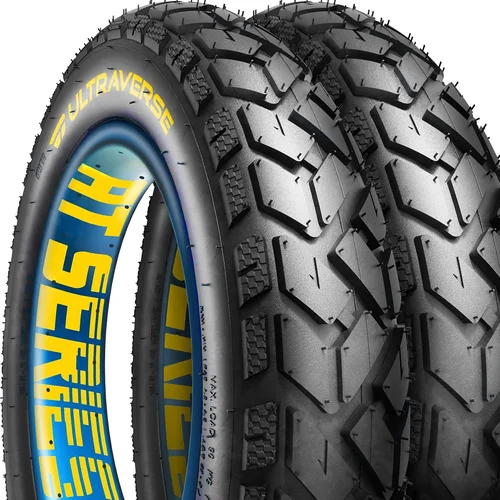
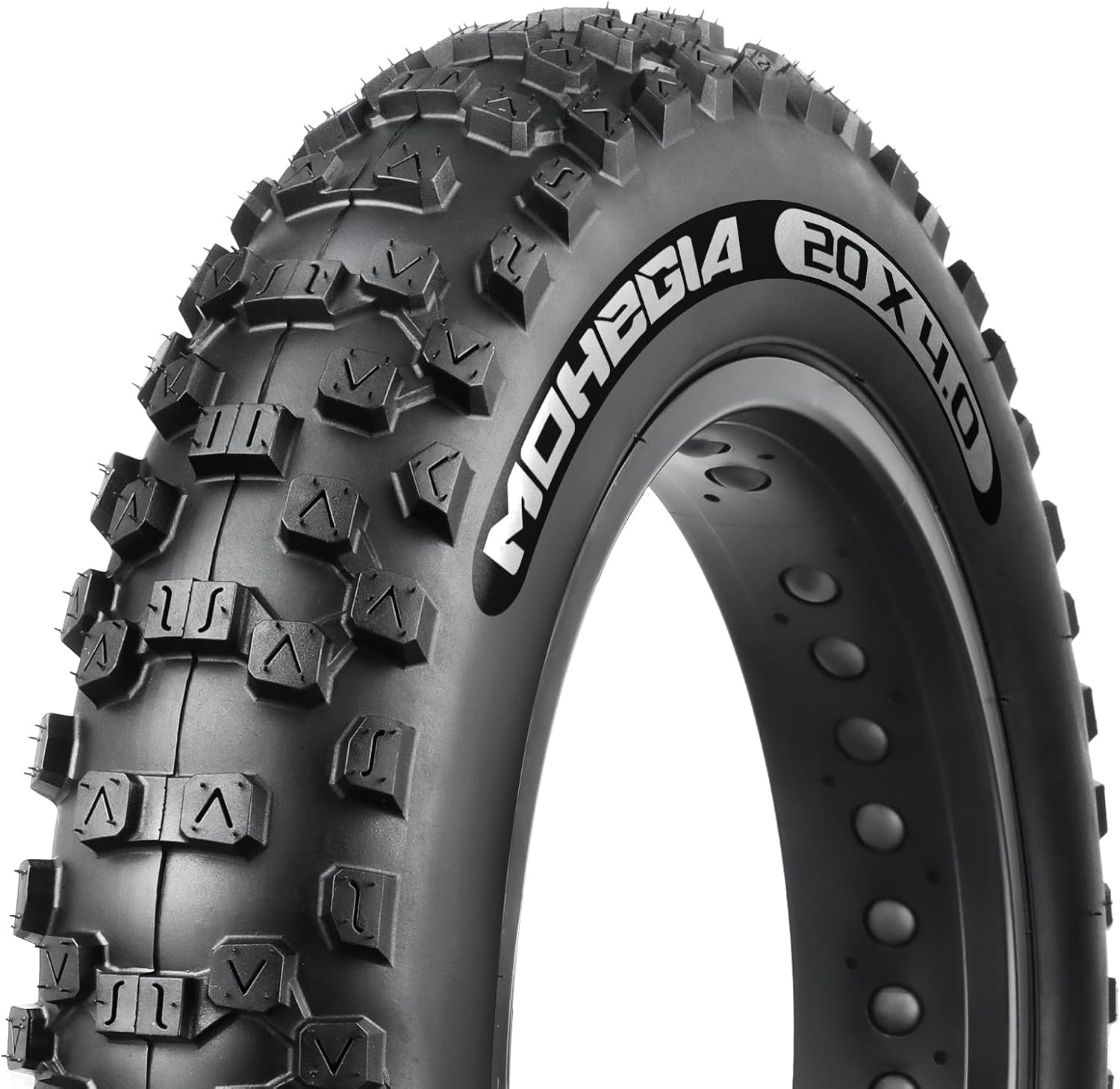
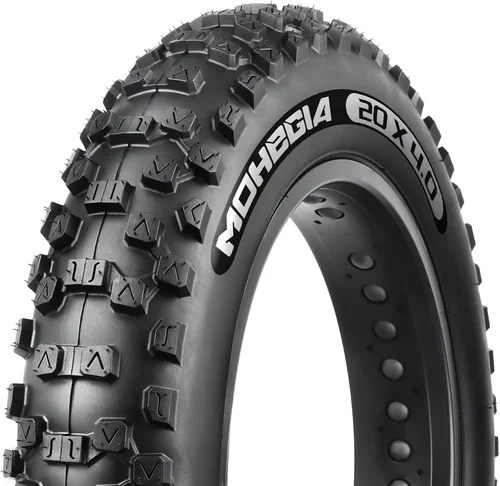
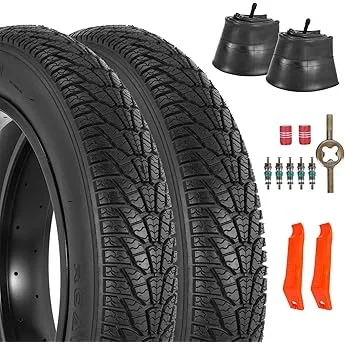
Tread pattern is equally important. Knobby, aggressive treads (like those on mountain bike tires) excel in mud, snow, and loose gravel but increase rolling resistance on pavement. Semi-slick or hybrid treads offer a compromise, providing decent off-road grip while maintaining efficiency on roads. Some fat tire e-bikes come with studded tires for icy conditions—ideal for winter commuters. Tire pressure also matters: lower pressures (5–15 PSI) increase traction and comfort but can lead to pinch flats if too low. Look for puncture-resistant casings and tubeless-ready options, which reduce the risk of flats and allow lower pressures without risk.
Finally, consider tire brand and quality. Reputable brands like Maxxis, Vee Tire, and Schwalbe offer better durability, grip, and consistency than generic off-brands. Cheaper tires may wear out quickly or fail under load, especially when paired with a powerful motor.
5. Braking System
With the added weight and speed of an e-bike—especially a fat tire model—reliable braking is non-negotiable. Mechanical disc brakes are common on budget models but require more hand force and frequent adjustment. Hydraulic disc brakes are the gold standard: they offer superior stopping power, better modulation, and less maintenance. Look for 180mm or 203mm rotors for maximum braking force, especially if you ride in hilly areas or carry heavy loads.
Avoid rim brakes entirely on fat tire e-bikes—they lack the power and heat dissipation needed for safe stopping at higher speeds. Also, check for brake integration with the motor cutoff system (also called “regen braking” or “brake sensor cutoff”), which instantly cuts power when you squeeze the levers. This prevents motor interference and improves safety. Some premium models even feature regenerative braking, which recaptures a small amount of energy during deceleration to extend range.
Test the brakes during a demo ride: they should engage smoothly without squealing or grabbing. Poorly adjusted or low-quality brakes can be dangerous, especially on descents or in wet conditions.
6. Display and Control Interface
The display is your command center, showing speed, battery level, assist mode, trip data, and sometimes GPS or navigation. Basic models use simple LED indicators, while advanced systems feature full-color LCD or TFT screens with Bluetooth connectivity, app integration, and customizable settings.
Look for a display that’s easy to read in sunlight, with intuitive controls. Handlebar-mounted buttons or thumb shifters should be within easy reach. Features like walk-assist mode (for pushing the bike uphill), cruise control, and regenerative braking indicators add convenience. Some brands offer companion apps that track rides, lock the bike remotely, or provide firmware updates.
Avoid overly complex interfaces that require frequent menu diving. Simplicity and reliability are key—especially when riding in cold or wet conditions where touchscreens may fail. Also, ensure the display is securely mounted and weather-resistant (IP65 or higher rating).
7. Weight and Portability
Fat tire e-bikes are inherently heavy—typically 60–90 pounds—due to the motor, battery, and robust frame. This affects handling, storage, and transport. If you plan to lift the bike frequently (e.g., onto a car rack or up stairs), consider a lighter model or one with a step-through frame for easier mounting.
Folding fat tire e-bikes exist and are great for commuters with limited storage, but they often sacrifice performance and durability. Non-folding models are generally sturdier and better suited for serious off-road use. Check the bike’s dimensions when stored—some have removable batteries or adjustable stems to save space.
Weight distribution also matters. A well-balanced bike with the battery low and centered will feel more stable and easier to control. Avoid models where the battery is mounted high on the frame, as this can make the bike feel top-heavy.
8. Warranty and Customer Support
A fat tire e-bike is a significant investment, so protection matters. Look for a comprehensive warranty covering the frame (typically 1–5 years), motor and battery (1–3 years), and electrical components (1 year). Premium brands often offer longer coverage and better service networks.
Check the manufacturer’s reputation for customer support. Do they respond quickly to inquiries? Are replacement parts readily available? Are there local service centers or certified repair shops? Brands with strong U.S. or European support networks (like Rad Power Bikes, Aventon, or Juiced Bikes) tend to offer better post-purchase experiences than overseas-only sellers.
Also, read the fine print: some warranties are voided by off-road use, modifications, or improper maintenance. Keep your receipt and register your bike if required. A good warranty can save you hundreds in repair costs down the line.
Different Types of Fat Tire E-Bikes
Common Buying Mistakes to Avoid
❌ Mistake: Prioritizing Price Over Quality
Why it’s bad: Cheap fat tire e-bikes often use low-grade motors, weak batteries, and flimsy frames that fail under stress. You may save $500 upfront but end up replacing the bike in a year—costing more in the long run.
What to do instead: Set a realistic budget and focus on value, not just the lowest price. Invest in a reputable brand with solid reviews and a good warranty. A $2,000 bike from a trusted manufacturer will outperform and outlast a $1,200 no-name model.
❌ Mistake: Ignoring Real-World Range Claims
Why it’s bad: Manufacturers often quote “up to” range figures based on ideal conditions (flat terrain, low assist, light rider). In reality, fat tire e-bikes consume more power, and range can drop by 30–50% in hilly or off-road use.
What to do instead: Take advertised range with a grain of salt. Look for independent reviews that test real-world range. Aim for a battery with at least 20–30% more capacity than your expected needs to account for variables like wind, hills, and cargo.
❌ Mistake: Overlooking Weight and Handling
Why it’s bad: A 80-pound e-bike is difficult to maneuver, store, or transport. Heavy bikes can also be unstable at low speeds or on tight turns, increasing the risk of accidents.
What to do instead: Test ride multiple models to assess handling. Consider where and how you’ll store the bike. If portability is a concern, look for lighter builds or folding options—even if it means sacrificing some performance.
❌ Mistake: Skipping the Test Ride
Why it’s bad: E-bikes feel different from traditional bikes. Motor engagement, pedal assist responsiveness, and brake feel vary widely between brands. Buying online without testing can lead to disappointment.
What to do instead: Visit local dealers or attend e-bike demo events. If buying online, choose retailers with generous return policies (30 days or more). Some brands even offer at-home test rides.
❌ Mistake: Neglecting Maintenance Requirements
Why it’s bad: Fat tire e-bikes require more maintenance than standard bikes due to complex drivetrains, suspension, and electrical systems. Ignoring upkeep leads to premature wear and safety issues.
What to do instead: Learn basic maintenance (tire pressure, chain lubrication, brake checks) or budget for professional servicing. Choose models with accessible components and good service support.
❌ Mistake: Buying Based on Looks Alone
Why it’s bad: A sleek design or flashy color doesn’t guarantee performance. Some visually appealing bikes cut corners on critical components like brakes or batteries.
What to do instead: Focus on specs, build quality, and user feedback. A well-built, slightly less stylish bike will serve you better than a pretty one that breaks down.
❌ Mistake: Not Considering Local Laws and Regulations
Why it’s bad: E-bike laws vary by region. Some areas restrict motor power, speed, or where you can ride. Using a non-compliant bike could result in fines or confiscation.
What to do instead: Check your local regulations before buying. In the U.S., Class 1 and Class 3 e-bikes are widely permitted, but off-road or high-power models may have restrictions. Choose a bike that fits your legal riding environment.
Budget Guidelines: How Much Should You Spend?
Fat tire e-bikes span a wide price range, and your budget should align with your intended use, frequency of riding, and desired features. Here’s a breakdown of what to expect at each tier:
Entry-Level ($1,000 – $1,800): These bikes are great for casual riders, light commuting, or seasonal use. Expect a 500–750W hub motor, 500–600Wh battery, aluminum frame, mechanical disc brakes, and basic displays. Brands like Ancheer, Ecotric, and Heybike offer decent value here, but build quality and longevity may be limited. Ideal for flat terrain and occasional off-road use.
Mid-Range ($1,800 – $3,000): This is the sweet spot for most buyers. You’ll get hydraulic disc brakes, higher-capacity batteries (700Wh+), better motors (often with torque sensors), improved displays, and more durable components. Models from Rad Power Bikes, Aventon, and Juiced Bikes dominate this range, offering excellent balance between performance, features, and price. Suitable for daily commuting, weekend adventures, and moderate off-roading.
Premium ($3,000 – $5,000): Designed for enthusiasts and serious riders, these bikes feature mid-drive motors, full suspension, high-end drivetrains (like Shimano or SRAM), advanced displays with app integration, and premium materials. Brands like Trek, Specialized, and Riese & Müller offer top-tier performance, comfort, and reliability. Ideal for long-distance touring, technical trails, and all-weather riding.
Luxury ($5,000+): These are the Ferraris of fat tire e-bikes—packed with cutting-edge tech, custom builds, and exceptional craftsmanship. Expect carbon fiber frames, dual batteries, regenerative braking, GPS tracking, and bespoke components. While overkill for most, they’re perfect for collectors, extreme adventurers, or those who demand the absolute best.
Expert Tips for Getting the Best Deal
Buying a fat tire e-bike doesn’t have to break the bank. With smart timing and strategy, you can save hundreds without sacrificing quality. Here are our top expert tips:
- Shop During Off-Season: Demand peaks in spring and summer. Buy in late fall or winter (October–February) when retailers offer discounts to clear inventory. You can often save 10–20% during these months.
- Watch for Holiday Sales: Black Friday, Cyber Monday, and end-of-year sales are prime times for e-bike deals. Sign up for newsletters from brands like Rad Power Bikes, Aventon, and Juiced to get early access.
- Consider Refurbished or Open-Box Models: Many reputable brands sell certified pre-owned or returned bikes at significant discounts. These often come with full warranties and are inspected for quality.
- Buy Direct from Manufacturer: Cutting out the middleman can save you money. Brands like Rad Power Bikes and Juiced sell directly online, often with better pricing and exclusive promotions.
- Check for Local Incentives: Some cities and states offer rebates or tax credits for e-bike purchases. California, Colorado, and Vermont have active programs—research what’s available in your area.
- Negotiate Accessories: Even if the bike price is fixed, ask for free add-ons like fenders, racks, lights, or locks. These can add $100–$300 in value.
- Read the Return Policy: Ensure you can return or exchange the bike within 30 days if it doesn’t meet expectations. Avoid retailers with restocking fees or short trial periods.
- Join Owner Forums: Communities like Reddit’s r/ebikes or Facebook groups often share exclusive discount codes, flash sales, or group buys.

Frequently Asked Questions
Q: Are fat tire e-bikes good for city commuting?
A: Yes, especially in areas with snow, ice, or poor road conditions. The wide tires provide excellent stability and traction, reducing the risk of slipping. However, they’re heavier and slower on smooth pavement than standard e-bikes, so consider your route and storage needs.
Q: How far can a fat tire e-bike go on a single charge?
A: Range varies widely based on battery size, terrain, rider weight, and assist level. Most models offer 20–60 miles per charge. A 720Wh battery on flat terrain with moderate assist can deliver 40–50 miles, but this drops to 20–30 miles on hills or off-road.
Q: Can I ride a fat tire e-bike in the rain or snow?
A: Yes, but with precautions. Ensure the bike has IP-rated components (IP65 or higher) and avoid submerging the battery or motor. In snow, lower tire pressure for better grip, and clean the bike thoroughly after riding to prevent corrosion.
Q: Do fat tire e-bikes require special maintenance?
A: They need the same basic care as any e-bike—chain lubrication, brake checks, tire inspections—but the wider tires and heavier frame may wear components faster. Regular cleaning is essential, especially after off-road or wet rides.
Q: Are fat tire e-bikes legal everywhere?
A: In most places, yes, as long as they meet local e-bike classifications (e.g., Class 1 or 3 in the U.S.). However, some parks, trails, or bike paths restrict motorized vehicles. Always check local regulations before riding off-road.
Q: Can I convert a regular bike to a fat tire e-bike?
A: It’s technically possible with a conversion kit, but not recommended. Fat tire frames are designed to handle the extra stress of wide tires and motors. Retrofitting can compromise safety and performance.
Q: How long do fat tire e-bike batteries last?
A: A quality lithium-ion battery typically lasts 500–1,000 charge cycles, or 3–5 years with regular use. Proper care—avoiding extreme temperatures and deep discharges—can extend its life.
Q: Are fat tire e-bikes good for beginners?
A: Absolutely. The stability of fat tires makes them forgiving for new riders. Start with a mid-range model with intuitive controls and moderate power to build confidence.
Q: Can I carry cargo on a fat tire e-bike?
A: Yes, many models support racks and panniers. Look for bikes with reinforced frames and high payload capacities (300+ lbs). Cargo-specific fat tire e-bikes are ideal for heavy loads.
Q: Do I need a license or insurance to ride a fat tire e-bike?
A: In most U.S. states and European countries, no license or insurance is required for Class 1 or 3 e-bikes. However, rules vary—check your local DMV or transportation authority.
Our Final Recommendations
After extensive research and testing, here are our top picks for 2026:
Best for Budget-Conscious Buyers: RadRover 6 Plus – At around $1,999, this Rad Power Bikes model offers exceptional value with a 750W motor, 672Wh battery, hydraulic brakes, and a robust aluminum frame. Perfect for commuting and light off-roading.
Best Overall Value: Aventon Aventure.2 – Priced at $2,299, it combines a powerful 750W motor, 840Wh battery, torque sensor, and sleek design. Ideal for riders who want performance and style without overspending.
Best Premium Option: Specialized Turbo Fat 6.0 – At $5,500, this mid-drive beast features a 20mph top speed, full suspension, and top-tier components. Built for serious adventurers who demand the best.
Best for Beginners: Juiced Ripcurrent S – With a user-friendly interface, 750W motor, and 960Wh battery, this $2,499 model is easy to ride and incredibly versatile for new e-bike owners.
Best for Advanced Users: Riese & Müller Superdelite GT Touring – A $7,000+ luxury machine with dual batteries, full suspension, and customizable options. For those who want the ultimate in comfort, range, and technology.
Conclusion: Making the Right Choice
Choosing the best fat tire e-bike in 2026 comes down to understanding your needs, budget, and riding environment. These versatile machines open up new possibilities—from conquering snowy streets to exploring remote trails—but only if you select the right model. Prioritize key factors like motor power, battery capacity, build quality, and braking performance. Avoid common pitfalls like overspending on looks or ignoring real-world range. And always test ride before you buy.
Whether you’re a weekend warrior, daily commuter, or off-grid explorer, there’s a fat tire e-bike that fits your lifestyle. Use this guide as your roadmap, and don’t rush the decision. A well-chosen e-bike will deliver years of reliable, enjoyable, and eco-friendly transportation. So gear up, charge up, and get ready to ride farther, faster, and more confidently than ever before.