[FEATURED_IMAGE_PLACEGOER]
Electric bikes, or e-bikes, have revolutionized personal transportation, offering an eco-friendly, cost-effective, and fun way to commute, explore, and stay active. Whether you’re navigating city streets, tackling hilly terrain, or simply looking for a more efficient way to get around, an e-bike can be a game-changer. But with so many models flooding the market—ranging from ultra-premium machines to ultra-cheap knockoffs—it’s easy to feel overwhelmed. That’s where this guide comes in. We’ve spent months researching, testing, and analyzing the best budget e-bikes available in 2026 to help you make a smart, informed decision without breaking the bank.
This comprehensive buyer’s guide is designed for anyone looking to invest in a quality electric bike without spending thousands. Whether you’re a first-time buyer, a daily commuter, or someone upgrading from a basic model, we’ll walk you through everything you need to know. From understanding key performance specs to avoiding common pitfalls, comparing different types of e-bikes, and finding the best deals, this guide covers it all. By the end, you’ll have a clear roadmap to choosing the perfect budget e-bike that fits your lifestyle, needs, and wallet.
The e-bike market has exploded in recent years, with prices ranging from under $500 to over $10,000. While premium models offer cutting-edge technology and top-tier components, many budget-friendly options now deliver impressive performance, reliability, and features at a fraction of the cost. In 2026, advancements in battery efficiency, motor technology, and manufacturing have made high-quality e-bikes more accessible than ever. However, not all budget e-bikes are created equal. Some cut corners on safety, durability, or customer support, while others offer exceptional value. Our goal is to help you distinguish between the two and find the sweet spot where affordability meets quality.

What to Look for When Buying a Budget E-Bike
1. Budget & Price Range
Setting a realistic budget is the first and most important step in your e-bike journey. While “budget” means different things to different people, for the purposes of this guide, we define it as e-bikes priced between $500 and $1,500. This range offers the best balance of affordability and functionality for most riders. At this price point, you can expect decent motors, reliable batteries, and solid build quality—though you may need to compromise on premium features like full suspension or integrated GPS.
It’s tempting to go for the cheapest option available, but remember: you often get what you pay for. E-bikes under $500 are typically made with low-quality components, weak motors, and short-range batteries. They may also lack proper safety certifications or customer support. On the other hand, spending over $1,500 might push you into mid-range territory, where you start getting better warranties, higher-end drivetrains, and more advanced features. The key is to determine how much you’re willing to spend and stick to it—while still leaving room for essential accessories like a helmet, lock, and lights.
2. Performance Specifications
Performance is where budget e-bikes can vary dramatically. The two most critical components are the motor and the battery. Most budget e-bikes use hub motors (located in the front or rear wheel) or mid-drive motors (mounted near the pedals). Hub motors are more common in this price range because they’re simpler and cheaper to produce. They provide decent power for flat terrain and moderate hills but may struggle on steep inclines. Mid-drive motors are more efficient and offer better weight distribution, but they’re rare in budget models.
Motor power is measured in watts (W). In the U.S., e-bikes are legally limited to 750W, but many budget models cap out at 500W or even 350W. A 500W motor is sufficient for most urban commutes and light off-road use, while 750W offers more torque for hills and heavier riders. Look for motors with at least 40–50 Nm of torque for responsive acceleration.
Battery capacity is measured in watt-hours (Wh). A higher Wh rating means longer range. Most budget e-bikes come with 36V or 48V batteries ranging from 7.5Ah to 14Ah, translating to 270Wh to 672Wh. For example, a 48V 10.4Ah battery (500Wh) can provide 25–40 miles of range on a single charge, depending on terrain, rider weight, and assist level. Always check if the battery is removable—this makes charging and replacement much easier.
Other performance factors include pedal-assist levels (usually 3–5), throttle type (thumb, twist, or pedal-activated), and top speed. Most budget e-bikes max out at 20 mph (Class 2 or 3), which is ideal for city riding and complies with most local regulations.
3. Build Quality & Durability
A budget e-bike doesn’t have to feel cheap—but it’s crucial to inspect the build quality carefully. Start with the frame. Aluminum alloy is the standard for budget models because it’s lightweight, rust-resistant, and strong enough for daily use. Avoid steel frames unless you’re looking for extreme durability (they’re heavier and prone to rust). Look for welded joints, smooth paint finishes, and no visible cracks or dents.
The drivetrain—chain, gears, and derailleur—should be from a reputable brand like Shimano or Tektro. Even on budget bikes, a 7- or 8-speed Shimano drivetrain is common and reliable. Avoid single-speed models unless you live in a flat area and don’t plan to ride long distances.
Suspension is another area where budget bikes often cut corners. Many come with front suspension forks, which help absorb bumps on rough roads or trails. However, the quality varies widely. Look for forks with at least 60–80mm of travel and adjustable preload. Full suspension is rare in this price range and usually indicates a higher-end model.
Brakes are non-negotiable. Mechanical disc brakes are standard on most budget e-bikes and offer reliable stopping power. Hydraulic disc brakes are better but typically found on mid-range models. Avoid rim brakes—they wear out faster and perform poorly in wet conditions.
Finally, check the tires. Puncture-resistant tires with reflective sidewalls are ideal for urban riding. Wider tires (2.0” or more) provide better stability and comfort, especially on uneven surfaces.
4. Features & Functionality
Even on a budget, you can find e-bikes packed with useful features. The display is your main interface with the bike, so look for one that’s easy to read in sunlight and shows essential info like speed, battery level, assist mode, and trip distance. LCD displays are common and functional, while color screens are rare in this price range.
Integrated lighting is a big plus. Front and rear LED lights powered by the main battery enhance safety and eliminate the need for separate lights. Some models even include brake lights or turn signals—rare but valuable additions.
Fenders and rear racks are practical for commuters. Fenders keep you dry in the rain, while racks let you carry groceries, backpacks, or panniers. These features are often included or available as affordable add-ons.
App connectivity is becoming more common, even on budget models. Some e-bikes sync with smartphone apps to track rides, adjust settings, or lock the bike remotely. While not essential, it’s a nice bonus if available.
Other features to consider include kickstands, bell/horn, and water resistance ratings (IPX4 or higher means splash-proof). These small details can make a big difference in daily usability.
5. Brand Reputation
Not all e-bike brands are created equal. Established brands like Rad Power Bikes, Aventon, Lectric, and Ancheer have built reputations for reliability, customer service, and innovation. They often offer better warranties, more replacement parts, and stronger community support. In contrast, no-name brands sold on Amazon or eBay may look similar on paper but often lack quality control, safety certifications, or post-purchase support.
Research the brand’s history. How long have they been in business? Do they have a physical presence or are they purely online? Check for certifications like UL 2849 (safety standard for e-bikes) or CE marking (European compliance). These indicate that the bike has been tested for electrical and mechanical safety.
Customer reviews are a goldmine of information. Look for patterns in feedback—consistent complaints about battery life, motor failure, or poor assembly are red flags. On the flip side, praise for responsive customer service or easy repairs is a good sign.
Also consider the availability of spare parts. Can you easily replace a battery, brake pads, or chain? Brands with strong dealer networks or online parts stores make maintenance much easier.
6. Warranty & Support
A solid warranty is one of the best indicators of a manufacturer’s confidence in their product. Most reputable budget e-bike brands offer at least a 1-year warranty covering the frame, motor, and battery. Some, like Rad Power Bikes, go further with 2-year comprehensive coverage. Avoid brands that offer only 90 days or less—this often signals low quality or poor support.
Pay attention to what’s covered. A good warranty should include defects in materials and workmanship, but not normal wear and tear (like brake pads or tires). Battery warranties are especially important—look for at least 1 year, with some brands offering 2 years if the battery retains 70% capacity.
Customer support matters too. Can you reach someone by phone, email, or chat? Are there service centers nearby, or do you have to ship the bike back for repairs? Brands with active online communities, video tutorials, and detailed FAQs make troubleshooting easier.
Return policies are also crucial. Most online retailers offer 14–30 day return windows. Make sure the policy covers return shipping and restocking fees. Some brands, like Lectric, offer free returns within 30 days—a huge advantage if you’re unsure about fit or performance.
7. Size & Portability
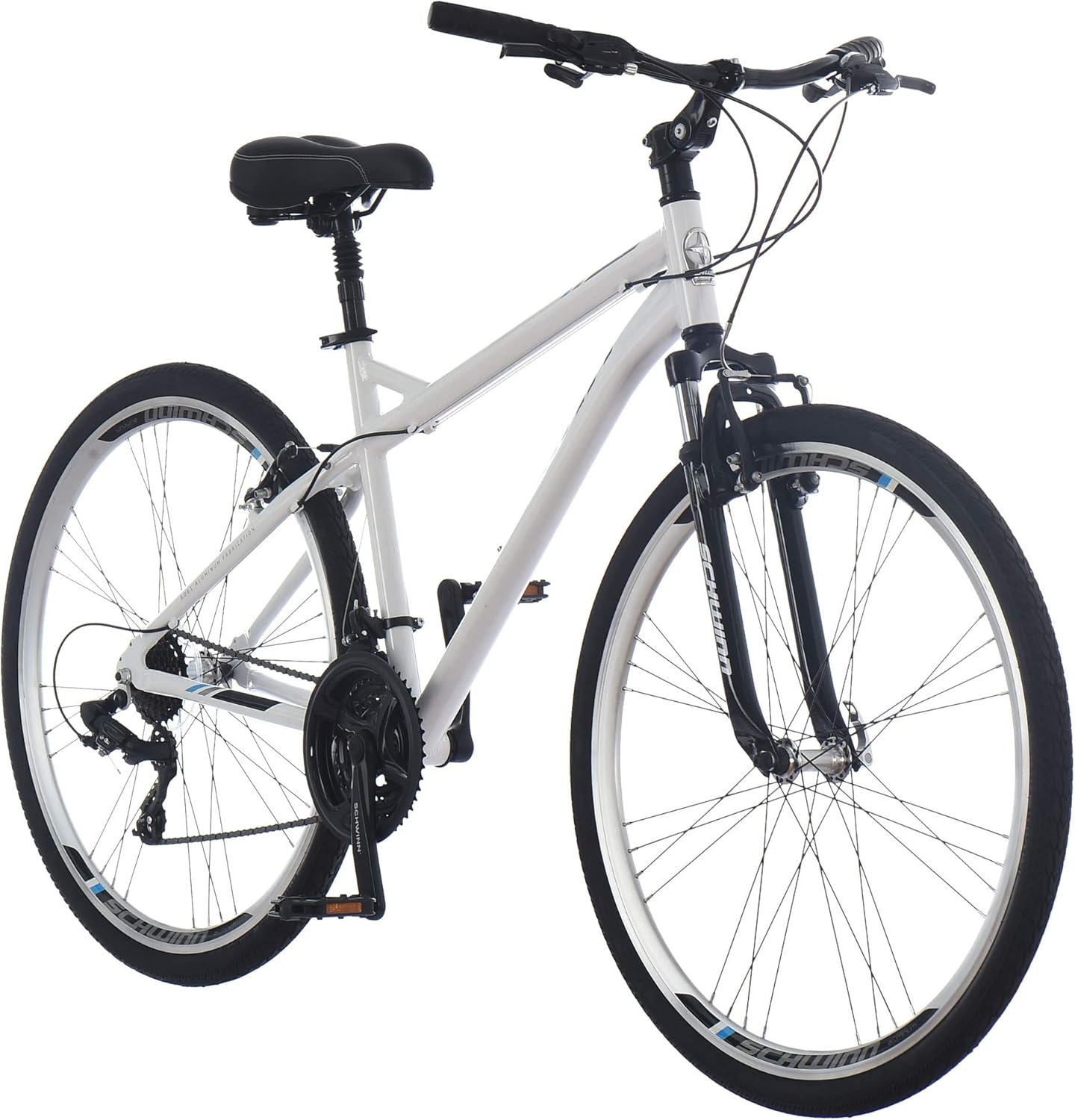
E-bikes come in various frame sizes and styles, so choosing the right one for your body is essential for comfort and control. Most budget models offer step-through (low-step) and high-step (diamond) frames. Step-through frames are easier to mount and ideal for riders with limited mobility or those wearing skirts/dresses. High-step frames are sturdier and often preferred by men or off-road riders.
Check the standover height—the distance from the ground to the top tube. You should be able to stand over the bike with at least 1–2 inches of clearance. Most brands provide size charts based on rider height. For example, a 5’4″ rider might fit a small or medium frame, while a 6’0″ rider needs a large.
Portability is another consideration, especially if you plan to store the bike in an apartment or take it on public transit. Folding e-bikes are available in budget ranges (e.g., Swagtron, Ancheer), but they’re heavier and less stable than full-size models. If portability is key, look for bikes with quick-release wheels and foldable handlebars.
Weight is a factor too. Most budget e-bikes weigh between 45 and 65 pounds. Lighter models (under 50 lbs) are easier to carry upstairs or load into a car, but they may sacrifice battery capacity or motor power. Heavier bikes are more stable but harder to maneuver when not riding.
8. User Reviews & Ratings
Never buy an e-bike without reading real user reviews. While manufacturer specs and marketing materials highlight the positives, customer feedback reveals the truth about reliability, comfort, and real-world performance. Look for reviews on trusted platforms like Amazon, REI, or specialized e-bike forums like Electrified Reviews or Reddit’s r/ebikes.
Pay attention to long-term reviews (6+ months of use). These often reveal issues that don’t appear in the first few weeks, such as battery degradation, motor overheating, or frame cracks. Also, check for consistency—if multiple users report the same problem, it’s likely a design flaw.
Video reviews are especially helpful. They show the bike in action, demonstrate assembly, and often include test rides on hills or rough terrain. YouTube channels like Electric Bike Report or Benno Bikes provide in-depth, unbiased assessments.
Finally, consider the overall rating. A 4.5-star average with hundreds of reviews is a strong indicator of quality. Be wary of bikes with only a few glowing reviews—they may be fake or from early adopters who haven’t encountered issues yet.
Different Types of Budget E-Bikes
Common Buying Mistakes to Avoid
❌ Mistake: Ignoring the Battery Specs
Why it’s bad: The battery is the heart of your e-bike. A weak or undersized battery will limit your range, require frequent charging, and degrade quickly. Many budget buyers focus only on motor power and overlook battery capacity, leading to disappointment on longer rides.
What to do instead: Always check the battery’s voltage (V) and amp-hour (Ah) rating. Multiply them to get watt-hours (Wh)—this is the true measure of range. Aim for at least 400Wh for city commuting and 500Wh+ for hills or longer trips. Also, ensure the battery is removable and from a reputable brand like Samsung or LG.
❌ Mistake: Overlooking Assembly & Setup
Why it’s bad: Most budget e-bikes ship partially assembled. If you’re not comfortable with basic bike mechanics, improper assembly can lead to safety issues like loose brakes, misaligned wheels, or faulty wiring.
What to do instead: Choose a brand that offers professional assembly (some retailers like REI or local bike shops provide this service). Alternatively, watch detailed assembly videos and follow the manual carefully. If in doubt, pay for a professional tune-up after delivery.
❌ Mistake: Buying Based on Price Alone
Why it’s bad: The cheapest e-bike isn’t always the best value. Models under $500 often use counterfeit batteries, weak motors, and flimsy frames that can fail within months. You may end up spending more on repairs or replacements than if you’d bought a slightly more expensive model.
What to do instead: Focus on value, not just price. Look for bikes that offer the best combination of performance, durability, and support within your budget. Read reviews, check warranties, and compare specs side by side.
❌ Mistake: Not Testing the Bike
Why it’s bad: E-bikes handle differently than regular bikes. A model that looks great on paper might feel uncomfortable, unbalanced, or underpowered in real life. Without a test ride, you risk buying a bike that doesn’t suit your riding style.
What to do instead: Whenever possible, test ride before buying. Many brands offer demo days or partner with local retailers. If buying online, choose a seller with a generous return policy so you can return the bike if it doesn’t fit or feel right.
❌ Mistake: Skipping Safety Gear
Why it’s bad: E-bikes are faster and heavier than traditional bikes, increasing the risk of injury in a crash. Riding without a helmet, lights, or reflective clothing is dangerous, especially at night or in traffic.
What to do instead: Invest in essential safety gear: a certified helmet, front and rear lights, a bell, and reflective clothing. Consider adding a rearview mirror and gloves for added protection. Many budget e-bike bundles include these items, so look for deals.
❌ Mistake: Ignoring Local Laws
Why it’s bad: E-bike regulations vary by state and country. Some areas restrict motor power, speed, or where you can ride. Using a Class 3 e-bike on a trail that only allows Class 1 could result in fines or confiscation.
What to do instead: Research your local laws before buying. In the U.S., most states follow the three-class system: Class 1 (pedal-assist only, 20 mph max), Class 2 (throttle-assisted, 20 mph max), and Class 3 (pedal-assist, 28 mph max). Choose a bike that complies with your area’s rules.
❌ Mistake: Forgetting About Maintenance
Why it’s bad: E-bikes require regular maintenance like any bike—chain lubrication, brake adjustments, tire pressure checks. Neglecting this can lead to poor performance, safety hazards, and costly repairs.
What to do instead: Learn basic maintenance or find a local bike shop that services e-bikes. Keep a maintenance schedule and budget for annual tune-ups. Many brands offer maintenance kits or online tutorials.
Budget Guidelines: How Much Should You Spend?
Entry-Level ($500–$800): This tier includes basic e-bikes with 350W–500W motors, 36V batteries, and minimal features. Ideal for short commutes on flat terrain. Expect shorter range (15–25 miles), heavier frames, and limited warranties. Best for occasional riders or those on a tight budget.
Mid-Range ($800–$1,200): The sweet spot for most buyers. These bikes offer 500W–750W motors, 48V batteries (400–600Wh), and better components like disc brakes and suspension. Range improves to 25–40 miles, and build quality is noticeably better. Many include fenders, racks, and lights. Great for daily commuting and light off-road use.
Premium ($1,200–$1,500): For enthusiasts and frequent riders. These models feature high-capacity batteries (500–700Wh), powerful motors, and advanced features like app connectivity or hydraulic brakes. Build quality is excellent, with durable frames and reliable drivetrains. Ideal for long rides, hills, and varied terrain.
Luxury ($1,500+): While outside the strict “budget” range, some models just above $1,500 offer exceptional value. Think full suspension, integrated displays, and premium brands. These are for serious riders who want top-tier performance without the $3,000+ price tag.

Expert Tips for Getting the Best Deal
- Buy During Sales Events: Look for discounts during Black Friday, Cyber Monday, or end-of-season sales. Many brands offer 10–20% off or free accessories.
- Check Manufacturer Websites: Brands like Rad Power Bikes and Lectric often have exclusive deals, referral programs, or bundle offers not available on third-party sites.
- Consider Refurbished Models: Certified refurbished e-bikes from reputable brands can save you 20–30% and come with full warranties.
- Read the Fine Print on Returns: Ensure the return policy covers shipping and restocking fees. Some brands charge up to 15% to return a bike.
- Join Online Communities: Forums and Facebook groups often share exclusive promo codes or early access to sales.
- Test Before You Buy: Attend local e-bike expos or demo days. Hands-on experience is invaluable.
- Bundle Accessories: Some retailers offer discounts when you buy a helmet, lock, or lights with your e-bike.
- Negotiate with Local Shops: Independent bike shops may price-match online retailers or throw in free assembly and tune-ups.

Frequently Asked Questions
Q: How far can a budget e-bike go on a single charge?
A: Most budget e-bikes offer 20–40 miles of range, depending on battery capacity, terrain, rider weight, and assist level. A 500Wh battery typically provides 25–35 miles on moderate assist.
Q: Are budget e-bikes safe?
A: Yes, if they meet safety standards like UL 2849 and are properly maintained. Avoid no-name brands and always wear a helmet.
Q: Can I ride a budget e-bike in the rain?
A: Most are splash-proof (IPX4), but avoid submerging them or riding in heavy downpours. Dry the battery and connectors after wet rides.
Q: Do I need a license to ride an e-bike?
A: In most U.S. states, no license is required for Class 1 and 2 e-bikes. Class 3 may require a helmet or have age restrictions. Check local laws.
Q: How long does it take to charge the battery?
A: Typically 4–6 hours for a full charge. Some fast chargers can reduce this to 2–3 hours.
Q: Can I pedal a budget e-bike if the battery dies?
A: Yes, most e-bikes can be pedaled like a regular bike, though they’re heavier. It’s harder but possible.
Q: Are budget e-bikes good for hills?
A: Models with 750W motors and high torque (50+ Nm) handle hills well. Look for mid-drive motors or powerful hub motors.
Q: What’s the difference between pedal-assist and throttle?
A: Pedal-assist provides power only when you pedal, while throttle lets you ride without pedaling (like a scooter). Class 2 bikes have throttles; Class 1 and 3 do not.
Q: How often should I replace the battery?
A: Most lithium-ion batteries last 3–5 years or 500–1,000 charge cycles. Replace when range drops below 70% of original capacity.
Q: Can I upgrade components on a budget e-bike?
A: Yes, but check compatibility. Upgrading brakes, tires, or drivetrains is common, but motor and battery upgrades are complex and may void warranties.
Our Final Recommendations
Best for Budget-Conscious Buyers: Lectric XP 3.0 – At $999, it offers a 500W motor, 48V 10.4Ah battery (500Wh), fat tires, and a folding design. Excellent value with a 2-year warranty.
Best Overall Value: Rad Power Bikes RadCity 5 Plus – Priced at $1,499, it features a 750W motor, 672Wh battery, integrated lights, and a comfortable step-through frame. Ideal for daily commuting.
Best Premium Option: Aventon Level.2 – At $1,499, it includes a 750W motor, 614Wh battery, hydraulic disc brakes, and a sleek design. Great for riders who want performance and style.
Best for Beginners: Ancheer AN-EB001 – A $699 commuter e-bike with a 500W motor, 36V 10Ah battery, and easy assembly. Perfect for first-time riders.
Best for Advanced Users: Himiway Cruiser – At $1,399, it boasts a 750W motor, 48V 17.5Ah battery (840Wh), fat tires, and a long range. Ideal for off-road adventures.
Conclusion: Making the Right Choice
Choosing the best budget e-bike doesn’t have to be overwhelming. By focusing on key factors like performance, build quality, and brand reputation, you can find a reliable, feature-rich bike that fits your needs and budget. Remember, the cheapest option isn’t always the best—invest in a model that offers long-term value, safety, and support.
Take your time, do your research, and don’t rush the decision. Test ride when possible, read real user reviews, and consider the total cost of ownership. Whether you’re commuting to work, exploring trails, or simply enjoying the ride, the right budget e-bike can transform your daily routine.
Ready to make the switch? Start by identifying your primary use case—commuting, recreation, or cargo—and match it with one of our top recommendations. With the right bike, you’ll enjoy years of efficient, eco-friendly, and enjoyable transportation.