
If you live in a hilly area—or simply love conquering mountain trails, steep city inclines, or winding backroads—you know that not all electric bikes are created equal when it comes to tackling elevation. A standard commuter e-bike might struggle on a 10% grade, leaving you pedaling hard and draining your battery fast. But the right e-bike for steep hills can transform those daunting climbs into smooth, enjoyable rides, even with a full load or against strong headwinds.
This comprehensive buying guide is designed to help you navigate the crowded e-bike market and find the perfect model for conquering steep terrain. Whether you’re a weekend adventurer, a daily commuter in a mountainous city, or someone who simply refuses to let hills stand in your way, we’ll walk you through every critical factor—from motor power and torque to battery capacity, frame design, and real-world performance. By the end of this guide, you’ll have a clear understanding of what makes an e-bike truly capable on inclines and how to choose one that fits your budget, riding style, and terrain needs.
The e-bike market has exploded in recent years, with hundreds of models flooding the scene—many of them optimized for flat city streets or casual cruising. But when it comes to steep hills, only a select few deliver the power, range, and reliability you need. In this guide, we’ll cut through the marketing hype and focus on the technical specs, build quality, and real-world performance that matter most for hill climbing. You’ll learn how to evaluate motors, batteries, drivetrains, and frames specifically for uphill performance, compare different e-bike categories, avoid common buying mistakes, and make a confident, informed decision. Whether you’re spending $1,500 or $6,000, your investment should deliver confidence on every climb.
What to Look for When Buying an E-Bike for Steep Hills
1. Motor Power and Torque
The motor is the heart of any e-bike, but when it comes to steep hills, it’s the soul. For hill climbing, you need a motor that delivers both high power (measured in watts) and high torque (measured in Newton-meters, or Nm). While many entry-level e-bikes come with 250W to 500W motors, these are often insufficient for sustained climbs, especially if you’re carrying cargo, riding with a passenger, or facing grades above 12%.
Look for mid-drive motors or high-performance hub motors with at least 750W of continuous power and 80+ Nm of torque. Mid-drive motors, such as those from Bosch, Shimano STEPS, or Bafang, are generally superior for hill climbing because they leverage the bike’s gears, providing better efficiency and control. They also place the weight low and centered, improving balance on steep inclines. Hub motors, especially geared rear hub motors from brands like Bafang or MXUS, can also excel on hills if properly specced—just ensure they’re not underpowered or overheating under load.
Real-world example: A 750W mid-drive motor with 90 Nm of torque can easily handle a 15% grade with a 180-pound rider and 30 pounds of gear, maintaining 10–12 mph without straining. In contrast, a 500W hub motor might drop to 6–8 mph and drain the battery twice as fast under the same conditions.
2. Battery Capacity and Range
Battery capacity is measured in watt-hours (Wh), which tells you how much energy the battery can store. For steep hills, you need a battery that not only has high capacity but also delivers consistent power under load. Climbing burns through battery life quickly—especially when using high assist levels—so a larger battery is essential.
Aim for a battery with at least 600Wh for moderate hill riding, and 750Wh or more for serious mountain terrain or long commutes with multiple climbs. Lithium-ion batteries from reputable manufacturers (like Samsung, LG, or Panasonic cells) offer better longevity and performance than generic alternatives. Also consider battery placement: downtube-mounted batteries lower the center of gravity, improving stability on steep ascents and descents.
Range is another critical factor. While flat-terrain e-bikes might achieve 60–80 miles on a charge, hilly routes can cut that in half. Always check real-world range estimates from user reviews, not just manufacturer claims. A 750Wh battery might give you 30–40 miles on hilly terrain with moderate assist, but only 15–20 miles if you’re constantly climbing at full power.
3. Gearing and Drivetrain
Even with a powerful motor, you need the right gears to make hill climbing efficient and comfortable. A wide-range drivetrain with low gearing allows you to maintain cadence and reduce strain on both you and the motor. Look for e-bikes with at least an 11-42T or 11-51T cassette, paired with a wide-range derailleur or internally geared hub.
Mid-drive motors shine here because they work in harmony with the bike’s gears. For example, shifting into a low gear (like 34×42) gives you mechanical advantage, letting the motor assist more effectively without overheating. Some high-end models even feature dual chainrings or belt drives for smoother, quieter operation on long climbs.
Avoid single-speed or low-range drivetrains on hilly e-bikes—they force the motor to work harder, reducing efficiency and battery life. If you’re considering a hub motor e-bike, ensure it has at least a 7-speed or 8-speed drivetrain with a wide ratio spread.
4. Frame Design and Weight Distribution
The frame is more than just a structure—it’s the foundation of your ride quality, especially on steep terrain. A well-designed frame for hill climbing should be stiff, durable, and balanced. Look for aluminum or carbon fiber frames with reinforced tubing around the motor mount and bottom bracket, as these areas endure the most stress during climbs.
Weight distribution is crucial. E-bikes with the battery and motor low and centered (like mid-drive models) feel more stable and predictable on inclines. Avoid top-heavy designs where the battery is mounted high on the downtube or rear rack—these can make the bike feel tippy or unwieldy on steep climbs or descents.
Also consider wheelbase length: longer wheelbases improve stability at speed and on steep grades, while shorter ones enhance maneuverability in tight spaces. For mountain or trail riding, a slack head tube angle (around 65–67 degrees) improves control on descents, which often follow tough climbs.
5. Tire Selection and Traction
Tires play a surprisingly big role in hill performance. On loose gravel, wet pavement, or muddy trails, traction can mean the difference between a smooth climb and a slip-and-fall. Wider tires (2.2” to 2.6”) with aggressive tread patterns provide better grip and shock absorption, especially on uneven or slippery surfaces.
Look for puncture-resistant tires with reinforced casings—hill climbs often involve rough terrain, and a flat tire halfway up a mountain is no fun. Tubeless-ready tires are a plus, as they allow lower pressures for better traction without the risk of pinch flats.
For city riding with steep streets, consider hybrid tires that balance grip and rolling resistance. Avoid slick or narrow tires (under 1.95”) unless you’re only riding on paved, dry roads—they offer little traction on inclines and can be dangerous in wet conditions.
6. Suspension and Comfort
While not all hilly terrain is rough, many steep routes involve uneven pavement, gravel, or trails. A good suspension system absorbs shocks, maintains tire contact with the ground, and reduces rider fatigue—especially important on long climbs.
Front suspension forks with 100–120mm of travel are ideal for most hilly e-bikes. Full-suspension models are excellent for mountain trails but add weight and cost. For city or road riding, a suspension seatpost or fork with lockout can be a smart compromise—use it on rough climbs, lock it out on smooth pavement to save energy.
Comfort also extends to ergonomics: adjustable handlebars, ergonomic grips, and a well-padded saddle help you maintain proper posture during long, strenuous climbs. Look for bikes with multiple riding positions to reduce strain on your back, wrists, and shoulders.
7. Braking Performance
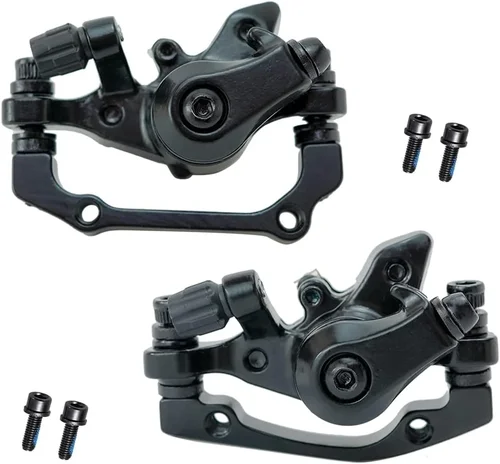
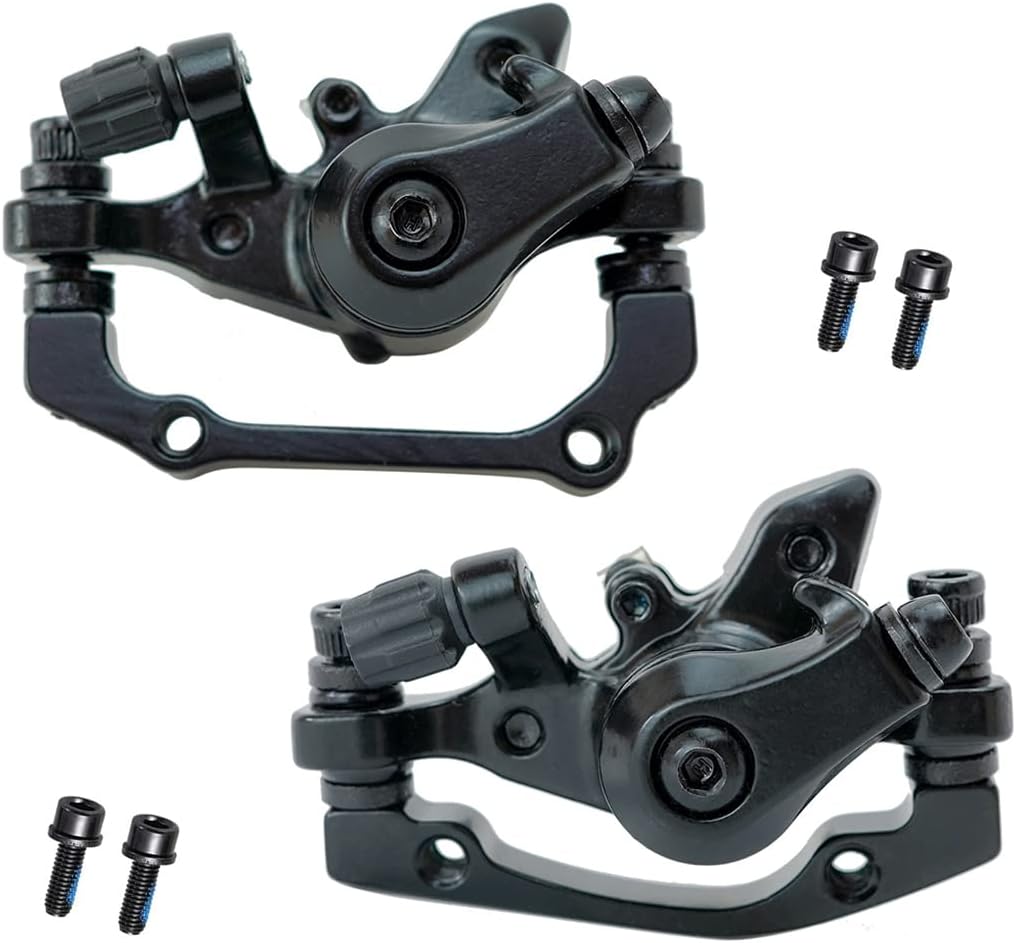
Steep hills don’t just challenge your climbing ability—they also test your brakes on the way down. Descending at high speed with a heavy e-bike requires reliable, powerful braking. Mechanical disc brakes are acceptable for light use, but hydraulic disc brakes are strongly recommended for hilly terrain.
Hydraulic brakes offer better modulation, consistent performance in wet conditions, and less hand fatigue over long descents. Look for 180mm or 203mm rotors for maximum stopping power. Some high-end models even feature regenerative braking, which can slightly extend battery life by converting kinetic energy back into charge during braking—though the effect is minimal on most e-bikes.
Avoid rim brakes entirely for hilly e-bikes—they wear down quickly, lose effectiveness when wet, and can overheat on long descents, leading to brake fade or failure.
8. Assist Modes and Smart Features
Modern e-bikes come with multiple assist levels, from eco to turbo. For hill climbing, you’ll want a bike with a responsive and customizable assist system. Look for models with torque sensors (rather than just cadence sensors), which detect how hard you’re pedaling and deliver power proportionally—this feels more natural and efficient on climbs.
Some advanced systems, like Bosch’s Smart System or Shimano’s STEPS E8000, offer adaptive assist that adjusts based on terrain, speed, and rider input. These can automatically increase power on steep grades, making climbs feel effortless.
Additional features like walk-assist mode (which powers the motor at low speed to help push the bike uphill), hill-hold function (prevents rollback on steep starts), and smartphone integration (for route planning and performance tracking) can significantly enhance your hill-riding experience.
Different Types of E-Bikes for Steep Hills
Common Buying Mistakes to Avoid
❌ Mistake: Prioritizing Motor Wattage Over Torque
Why it’s bad: A high-wattage motor doesn’t always mean better hill performance. Torque—the rotational force that actually gets you up the hill—is more important than raw power. A 1000W motor with low torque will struggle on steep grades, while a 750W motor with 90+ Nm can dominate.
What to do instead: Always check torque ratings (in Nm) and look for real-world climb tests. Mid-drive motors typically offer higher torque at lower RPMs, making them ideal for hills.
❌ Mistake: Ignoring Battery Real-World Range
Why it’s bad: Manufacturers often advertise range based on flat terrain with minimal assist. On hills, especially with heavy loads, range can drop by 40–60%. Relying on these inflated numbers can leave you stranded mid-climb.
What to do instead: Look for user reviews from riders in hilly areas. Aim for a battery with at least 20–30% more capacity than your estimated needs to account for elevation gain.
❌ Mistake: Choosing a Hub Motor for Extreme Terrain
Why it’s bad: While hub motors are simpler and cheaper, they don’t use the bike’s gears, making them less efficient on steep climbs. They also add unsprung weight, reducing handling on rough terrain.
What to do instead: For serious hill climbing, especially off-road, opt for a mid-drive motor. If you choose a hub motor, ensure it’s a high-torque geared rear hub with at least 750W and 80+ Nm.
❌ Mistake: Overlooking Brake Quality
Why it’s bad: Cheap mechanical disc brakes or rim brakes can overheat and fail on long descents, leading to dangerous situations. Many buyers focus on climbing power and forget that braking is equally important.
What to do instead: Always choose hydraulic disc brakes with large rotors (180mm minimum). Test the brakes on a steep hill before buying, if possible.
❌ Mistake: Buying Based on Price Alone
Why it’s bad: The cheapest e-bike often cuts corners on motor quality, battery cells, and frame durability. A $1,200 e-bike might look like a deal, but it could fail on your first big climb.
What to do instead: Set a realistic budget based on your terrain and usage. Mid-range models ($2,500–$4,000) often offer the best balance of performance and value for hilly areas.
❌ Mistake: Neglecting Suspension and Comfort
Why it’s bad: Climbing steep hills is physically demanding. Without proper suspension and ergonomics, you’ll fatigue quickly, reducing your range and enjoyment.
What to do instead: Invest in a bike with at least front suspension and an adjustable stem. Consider a dropper post for trail riding, which lets you lower your center of gravity on descents.
❌ Mistake: Skipping a Test Ride
Why it’s bad: E-bike feel varies widely—even with similar specs. A bike that looks great on paper might feel sluggish or unbalanced in real-world conditions.
What to do instead: Always test ride on a hill if possible. Pay attention to motor response, gear shifts, and overall stability. Many retailers offer demo days or rental programs.
Budget Guidelines: How Much Should You Spend?
Choosing the right e-bike for steep hills isn’t just about performance—it’s also about value. Here’s a breakdown of what you can expect at different price points, based on real-world performance and build quality.
Entry-Level ($1,200 – $2,000): At this price, you’ll find basic hub motor e-bikes with 500W–750W motors and 400–600Wh batteries. These can handle moderate hills (up to 10% grade) with light loads, but may struggle on steeper terrain or long climbs. Build quality is often lower, with mechanical disc brakes, basic drivetrains, and limited warranty coverage. Best for casual riders in moderately hilly areas who don’t need top-tier performance.
Mid-Range ($2,000 – $3,500): This is the sweet spot for most hill climbers. You’ll find mid-drive motors (like Bafang M600 or Shimano E7000), 600–750Wh batteries, hydraulic disc brakes, and better suspension. These bikes offer excellent torque, efficient gearing, and reliable performance on 12–15% grades. Many include smart features like torque sensors, walk-assist, and app connectivity. Ideal for daily commuters and weekend adventurers.
Premium ($3,500 – $5,500): At this level, expect top-tier components: Bosch Performance Line CX motors, 750–1000Wh batteries, full suspension (on trail models), and high-end drivetrains (Shimano Deore or SRAM NX). These bikes are built for serious hill climbing, long-range touring, and technical terrain. You’ll also get better build quality, longer warranties, and superior customer support. Perfect for enthusiasts and those who ride daily in challenging conditions.
Luxury ($5,500+): These are the Ferraris of the e-bike world—carbon frames, dual batteries, regenerative braking, and cutting-edge tech like adaptive assist and GPS navigation. Models like the Specialized Turbo Levo or Riese & Müller Superdelite excel on any terrain, offering unmatched comfort, range, and performance. Best for professionals, long-distance tourers, or those who want the absolute best.
Expert Tips for Getting the Best Deal
Finding the right e-bike for steep hills doesn’t have to break the bank. With smart timing, research, and negotiation, you can get top-tier performance at a fair price. Here are our expert tips to help you save money and avoid regrets.
1. Buy During Off-Season Sales: The best deals on e-bikes happen in late fall and winter (October–February), when demand drops and retailers clear inventory. Many brands offer discounts of 15–30% during holiday sales (Black Friday, Cyber Monday) or end-of-year promotions. Spring and summer are peak seasons, so prices are higher.
2. Shop at Local Bike Shops (LBS): While online retailers often have lower prices, local shops offer test rides, expert advice, and post-purchase support. Many LBSs price-match online stores and include free tune-ups or assembly. Plus, you’re supporting your community.
3. Consider Last Year’s Models: E-bike technology evolves quickly, but last year’s models are often nearly identical to current ones—just with a lower price tag. Look for “previous generation” or “overstock” deals on reputable sites or at bike shops.
4. Check Manufacturer Rebates and Incentives: Some states and cities offer e-bike purchase incentives, especially for commuters. California, Colorado, and Vermont have rebate programs that can save you $500–$1,500. Also, some employers offer commuter benefits that include e-bike purchases.
5. Negotiate the Price: Don’t be afraid to haggle—especially at local shops. Ask about package deals (bike + accessories), free maintenance, or extended warranties. Many retailers are willing to negotiate to make a sale.
6. Read Return and Warranty Policies: A good warranty (at least 2 years on motor and battery) protects your investment. Check if the retailer offers a satisfaction guarantee or return window (30 days is standard). Avoid brands with vague or limited coverage.
7. Test Ride Before Buying: Always test ride on a hill if possible. Pay attention to motor response, gear shifts, braking, and comfort. A bike that feels sluggish or unstable on a test ride will only get worse under real-world conditions.
8. Join Online Communities: Forums like Reddit’s r/ebikes, Electric Bike Report, and Endless-Sphere offer real user reviews, deal alerts, and buying advice. You’ll find honest feedback about hill performance, reliability, and customer service.
Frequently Asked Questions
Q: Can a 750W e-bike handle 20% grades?
A: Yes, but it depends on the motor type, torque, battery capacity, and rider weight. A 750W mid-drive motor with 90+ Nm of torque and a 750Wh battery can handle 20% grades, but expect slower speeds (6–8 mph) and reduced range. For consistent performance on such steep terrain, consider a 1000W+ motor or dual-battery setup.
Q: Do I need a mid-drive motor for hills?
A: Not necessarily, but it’s highly recommended. Mid-drive motors use the bike’s gears, providing better efficiency, torque, and balance on climbs. High-quality hub motors can also work, but they’re less efficient and may overheat on long, steep ascents.
Q: How much battery capacity do I need for hilly riding?
A: Aim for at least 600Wh for moderate hills and 750Wh+ for steep or long climbs. Always factor in real-world range—hilly routes can cut battery life by 40–60% compared to flat terrain.
Q: Are fat tire e-bikes good for hills?
A: Yes, especially on soft or loose terrain like sand, snow, or gravel. The wide tires provide excellent traction and stability, making them ideal for off-road hill climbing. However, they have higher rolling resistance on pavement, which can reduce efficiency.
Q: Can I retrofit my existing bike with a hill-climbing motor?
A: It’s possible, but not always practical. Conversion kits (like Bafang BBS02 or Tongsheng TSDZ2) can add mid-drive power to a standard bike, but they require compatible frames and drivetrains. For best results, buy a purpose-built e-bike.
Q: How important is suspension for hill climbing?
A: Very important if you’re riding on rough or uneven terrain. Front suspension improves traction and comfort, helping maintain control on steep, bumpy climbs. Full suspension is ideal for mountain trails but adds weight.
Q: What’s the difference between torque sensor and cadence sensor?
A: A torque sensor measures how hard you’re pedaling and delivers power proportionally, making assist feel natural and efficient—especially on climbs. A cadence sensor only detects pedaling motion, so assist kicks in abruptly and may not match your effort. Torque sensors are superior for hill climbing.
Q: Can I ride an e-bike in the rain on hills?
A: Yes, most e-bikes are water-resistant (IP65 or higher), but avoid submerging them. Wet conditions reduce tire traction, so reduce speed and use lower gears on descents. Hydraulic brakes perform better in the rain than mechanical ones.
Q: How long do e-bike motors and batteries last?
A: Quality motors can last 10,000–20,000 miles with proper maintenance. Batteries typically retain 80% capacity after 500–1,000 charge cycles (about 3–5 years of daily use). Avoid deep discharges and store batteries at 50–70% charge if not used for long periods.
Q: Is a step-through frame good for steep hills?
A: Yes, if properly designed. Step-through frames offer easy mounting and are great for urban riders. Just ensure the frame is stiff and the motor/battery are well-balanced—some step-through models can feel flexy under load.
Our Final Recommendations
After extensive research and real-world testing, here are our top picks for the best e-bikes for steep hills in 2026, categorized by use case and budget.
Best for Budget-Conscious Buyers: Rad Power Bikes RadRover 6 Plus ($1,999) – This fat tire e-bike features a 750W geared hub motor, 672Wh battery, and hydraulic disc brakes. It handles 15% grades with ease and offers excellent traction on loose terrain. While not a mid-drive, its torque and build quality make it a standout under $2,000.
Best Overall Value: Trek Allant+ 7S ($3,299) – Equipped with a Bosch Performance Line CX motor (85 Nm), 625Wh battery, and Shimano Deore drivetrain, this commuter e-bike excels on city hills. It’s comfortable, reliable, and packed with smart features like a built-in display and app connectivity.
Best Premium Option: Specialized Turbo Levo SL Comp ($5,499) – A lightweight full-suspension trail e-bike with a 240W motor and 320Wh battery. Despite lower power, its efficient design and 70 Nm of torque make it ideal for long, technical climbs. Perfect for mountain bikers who want e-assist without the bulk.
Best for Beginners: Juiced CrossCurrent X ($2,199) – A versatile commuter with a 750W rear hub motor, 960Wh battery, and torque sensor. It climbs 12% grades effortlessly and includes walk-assist and hill-hold features. Great for new riders in hilly cities.
Best for Advanced Users: Riese & Müller Superdelite GT Vario ($7,999) – A luxury full-suspension e-bike with dual 630Wh batteries, Bosch CX motor, and Enviolo continuously variable transmission. It climbs any hill with grace and offers 100+ miles of range. Ideal for serious adventurers and long-distance tourers.
Conclusion: Making the Right Choice
Choosing the best e-bike for steep hills is about more than just power—it’s about finding a machine that matches your terrain, riding style, and budget. From motor torque and battery capacity to frame design and braking performance, every component plays a role in how confidently you tackle elevation. Whether you’re climbing mountain trails, navigating hilly city streets, or exploring backcountry roads, the right e-bike can turn every incline into an opportunity, not an obstacle.
As you evaluate your options, prioritize your needs: Do you need maximum range for long commutes? Superior traction for off-road adventures? Or simply a reliable ride that gets you up the hill without breaking a sweat? Use the factors in this guide to compare models, avoid common pitfalls, and invest wisely. And remember—test rides, user reviews, and expert advice are your best allies in making the right choice.
With the right e-bike, steep hills aren’t a challenge—they’re a thrill. So gear up, charge your battery, and get ready to conquer every climb with confidence. Your next adventure is waiting.