
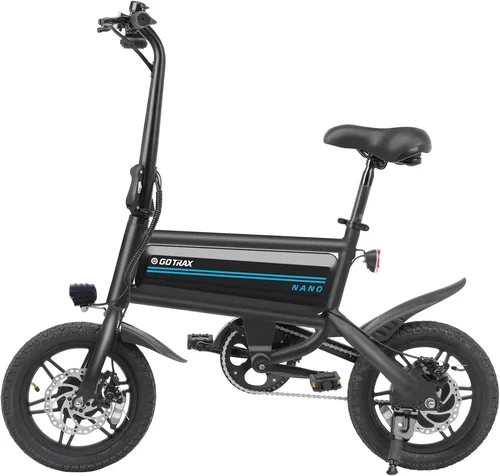
Electric bikes have transformed the way people commute, explore, and stay active—offering a perfect blend of human power and electric assistance that makes cycling accessible, efficient, and fun. Whether you’re navigating city streets, tackling hilly terrain, or simply looking for a greener alternative to driving, an e-bike can be a game-changer. But with so many models, brands, and features flooding the market in 2026, choosing the right one can feel overwhelming. That’s where this guide comes in. We’ve done the research, tested the trends, and spoken with real riders to bring you a comprehensive, expert-level buying guide that cuts through the noise.
In this article, you’ll learn exactly what to look for when buying an electric bike—from performance specs and battery life to build quality and after-sales support. We’ll walk you through the key factors that matter most, compare different types of e-bikes, highlight common pitfalls to avoid, and offer actionable tips to help you get the best value for your money. Whether you’re a first-time buyer or upgrading from an older model, this guide is designed to empower you with the knowledge and confidence to make a smart, informed decision. The e-bike market in 2026 is more competitive than ever, with innovations in motor efficiency, smart connectivity, and sustainable materials—so it’s the perfect time to invest, as long as you know what to prioritize.
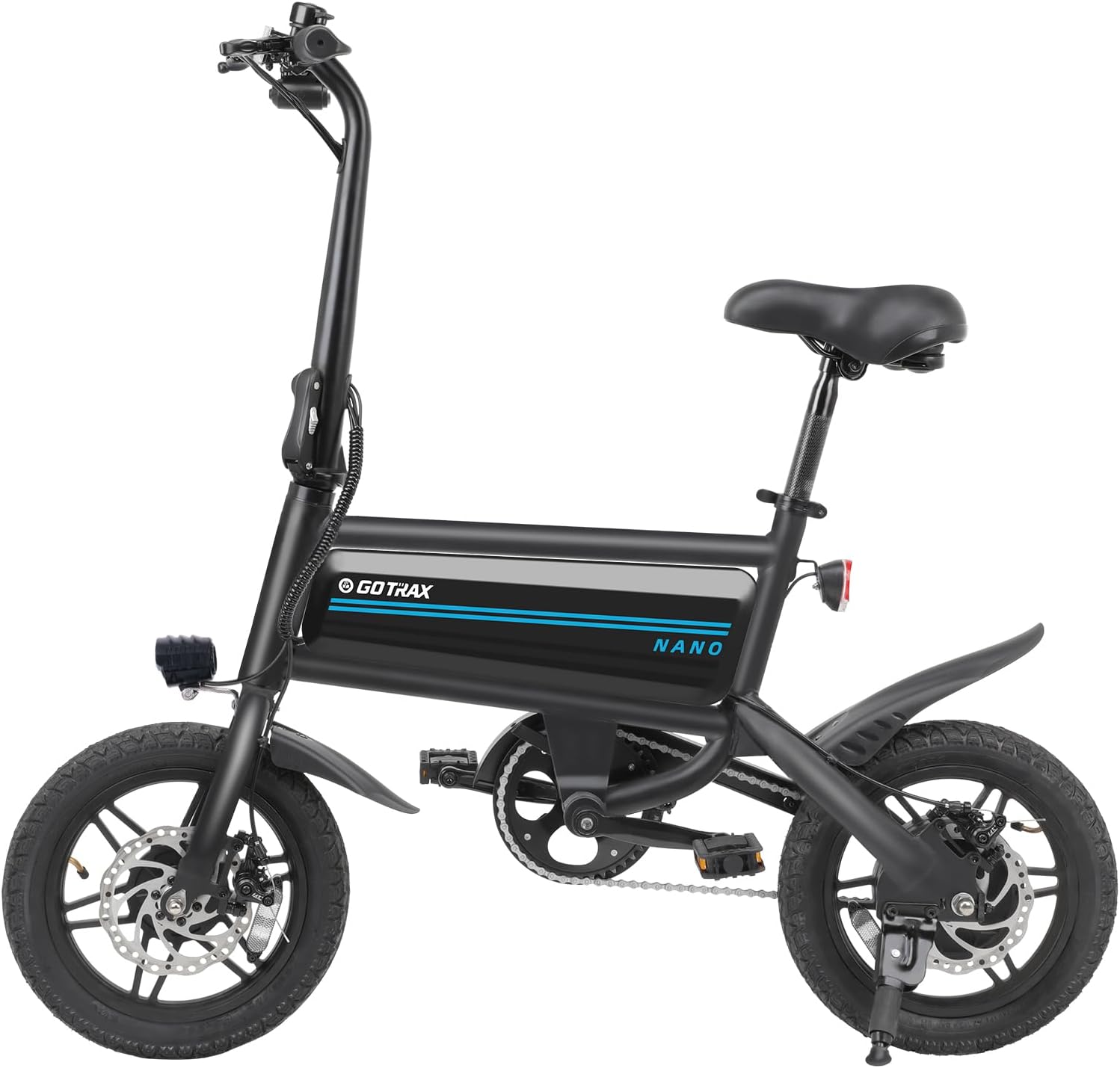
What to Look for When Buying an Electric Bike
1. Budget & Price Range
Your budget is the foundation of your e-bike purchase. While it might be tempting to go for the cheapest option available, skimping on price often leads to disappointment in performance, durability, or safety. On the flip side, spending more doesn’t always mean better value—some premium models come with features you may never use. The key is to align your spending with your actual needs and usage patterns.
In 2026, the e-bike market offers a wide spectrum of price points. Entry-level models typically start around $800 and go up to $1,500. These bikes are great for casual riders or those testing the waters, but they often come with basic components, shorter battery life, and limited warranties. Mid-range e-bikes, priced between $1,500 and $3,000, offer the best balance of quality, performance, and features for most riders. You’ll find reliable motors, decent battery capacity, and better build quality in this range. Premium models ($3,000–$5,000) cater to enthusiasts and daily commuters who demand top-tier components, advanced electronics, and superior comfort. Finally, luxury e-bikes ($5,000+) often include cutting-edge tech, custom builds, and extended service plans—ideal for serious cyclists or those who want the absolute best.
2. Motor Type & Power
The motor is the heart of your electric bike, and its type and power output directly affect how the bike performs. In 2026, there are three main motor types: hub motors, mid-drive motors, and friction drive motors—though the latter is rare and generally not recommended.
Hub motors are located in the front or rear wheel and are common in budget and mid-range e-bikes. They’re simple, quiet, and reliable, making them ideal for flat terrain and casual riding. Rear hub motors offer better traction and a more natural riding feel, while front hub motors can sometimes cause wheel slippage on loose surfaces. Mid-drive motors, found near the bike’s crankset, are more advanced and efficient. They leverage the bike’s gears, providing better hill-climbing ability, balanced weight distribution, and longer battery life. These are typically found on higher-end models and are preferred by serious riders and commuters.
Motor power is measured in watts (W), with most e-bikes ranging from 250W to 750W. In the U.S., federal law limits e-bikes to 750W (1 horsepower) for Class 1 and Class 2 bikes, though many states allow up to 1,000W for off-road use. A 250W–500W motor is sufficient for city commuting and light hills, while 500W–750W motors are better for steep inclines, heavier riders, or cargo hauling. More power doesn’t always mean better performance—efficiency, torque, and integration with the drivetrain matter just as much.
3. Battery Capacity & Range
Battery life is one of the most critical factors for e-bike buyers. It determines how far you can ride on a single charge and how often you’ll need to plug in. Battery capacity is measured in watt-hours (Wh), which is calculated by multiplying voltage (V) by amp-hours (Ah). For example, a 36V 10Ah battery has a capacity of 360Wh.
In 2026, most quality e-bikes come with batteries ranging from 300Wh to 700Wh. A 400Wh battery typically provides 20–40 miles of range, depending on terrain, rider weight, assist level, and weather. Higher-capacity batteries (600Wh+) can extend range to 50–80 miles, making them ideal for long commutes or weekend adventures. Lithium-ion (Li-ion) batteries are standard due to their high energy density, long lifespan, and lightweight design. Avoid older battery chemistries like lead-acid or nickel-metal hydride—they’re heavier, less efficient, and degrade faster.
Battery placement also matters. Integrated batteries (built into the frame) offer a sleek look and better protection, while removable batteries make charging more convenient, especially if you live in an apartment or don’t have outdoor outlets. Some premium models now feature dual-battery systems or fast-charging capabilities, reducing downtime significantly.
4. Build Quality & Durability
An e-bike is a significant investment, and you want it to last. Build quality encompasses the frame material, component reliability, and overall craftsmanship. Most e-bikes use aluminum alloy frames because they’re lightweight, corrosion-resistant, and cost-effective. Higher-end models may use carbon fiber for even greater weight savings and vibration damping, though this comes at a premium price.
Pay attention to the quality of components like brakes, drivetrain, suspension, and wheels. Hydraulic disc brakes are superior to mechanical ones, offering better stopping power and modulation, especially in wet conditions. A reliable drivetrain from brands like Shimano, SRAM, or Bosch ensures smooth shifting and longevity. If you plan to ride on rough terrain, a front suspension fork or full suspension system can greatly improve comfort and control.
Durability also depends on how the bike is assembled and tested. Look for brands that conduct rigorous stress tests and offer detailed service manuals. A well-built e-bike should handle daily use, occasional bumps, and varying weather conditions without frequent breakdowns. Check for water resistance ratings (IPX4 or higher) if you ride in the rain.
5. Features & Functionality
Modern e-bikes come packed with features that enhance convenience, safety, and performance. While not all are essential, some can significantly improve your riding experience. Common features include:
– LCD Display: Shows speed, battery level, assist mode, distance, and sometimes navigation or fitness tracking.
– Pedal Assist Levels: Most e-bikes offer 3–5 levels of assistance, from eco (minimal boost) to turbo (maximum power).
– Throttle: Allows you to ride without pedaling (common on Class 2 e-bikes). Useful for starting from a stop or climbing steep hills.
– Integrated Lights: Front and rear lights powered by the bike’s battery improve visibility and safety.
– Smart Connectivity: Bluetooth or app integration lets you track rides, lock the bike remotely, or receive firmware updates.
– Cargo Racks & Panniers: Essential for commuters or errand runners who need to carry groceries, bags, or kids.
Consider which features align with your lifestyle. A city commuter might prioritize lights, a rack, and a throttle, while a trail rider may value suspension and off-road tires more. Avoid bikes with overly complex electronics if you prefer simplicity and reliability.
6. Brand Reputation & Reliability
Not all e-bike brands are created equal. Some have built strong reputations for quality, innovation, and customer service, while others cut corners to offer lower prices. Researching a brand’s track record can save you from headaches down the road.
Established brands like Rad Power Bikes, Trek, Specialized, Bosch, and Gazelle have proven reliability and extensive service networks. They often invest in R&D, offer better warranties, and provide accessible customer support. Emerging brands may offer competitive pricing and modern designs, but they might lack long-term support or spare parts availability.
Look for brands that are transparent about their sourcing, manufacturing, and testing processes. Customer reviews, especially on independent platforms like Reddit, Trustpilot, or eBike Review, can reveal common issues like battery failures, motor overheating, or poor assembly. A brand that listens to feedback and updates its models regularly is usually a safer bet.
7. Warranty & Support
A solid warranty is a sign of a manufacturer’s confidence in their product. Most reputable e-bike brands offer at least a 1–2 year warranty on the frame and motor, and 6–12 months on the battery. Premium brands may extend coverage to 2–3 years or offer extended warranty options.
Pay close attention to what’s covered. Some warranties exclude wear-and-tear items like tires, brakes, or chains, while others cover full system diagnostics. Battery warranties are especially important—look for ones that guarantee a minimum capacity (e.g., 60% after 2 years) rather than just time-based coverage.
Customer support matters too. Can you easily reach a technician? Are there local service centers or authorized dealers? Some brands offer on-site repairs or loaner bikes during servicing. A strong support network ensures your e-bike stays on the road with minimal downtime.
8. Size & Portability
E-bikes come in various frame sizes and styles, so choosing the right fit is crucial for comfort and control. Most brands offer size charts based on rider height, but it’s best to test ride if possible. A properly sized bike allows you to reach the handlebars comfortably, keep your feet flat on the ground when stopped, and maintain a natural riding posture.
Portability is another consideration, especially if you live in an apartment, take public transit, or need to store the bike in a small space. Folding e-bikes are compact and easy to carry, but they often sacrifice performance and range. Step-through frames are easier to mount and dismount, making them ideal for older riders or those with mobility issues. Weight is also a factor—most e-bikes weigh 40–70 pounds, so lifting or carrying them can be challenging.
Different Types of Electric Bikes
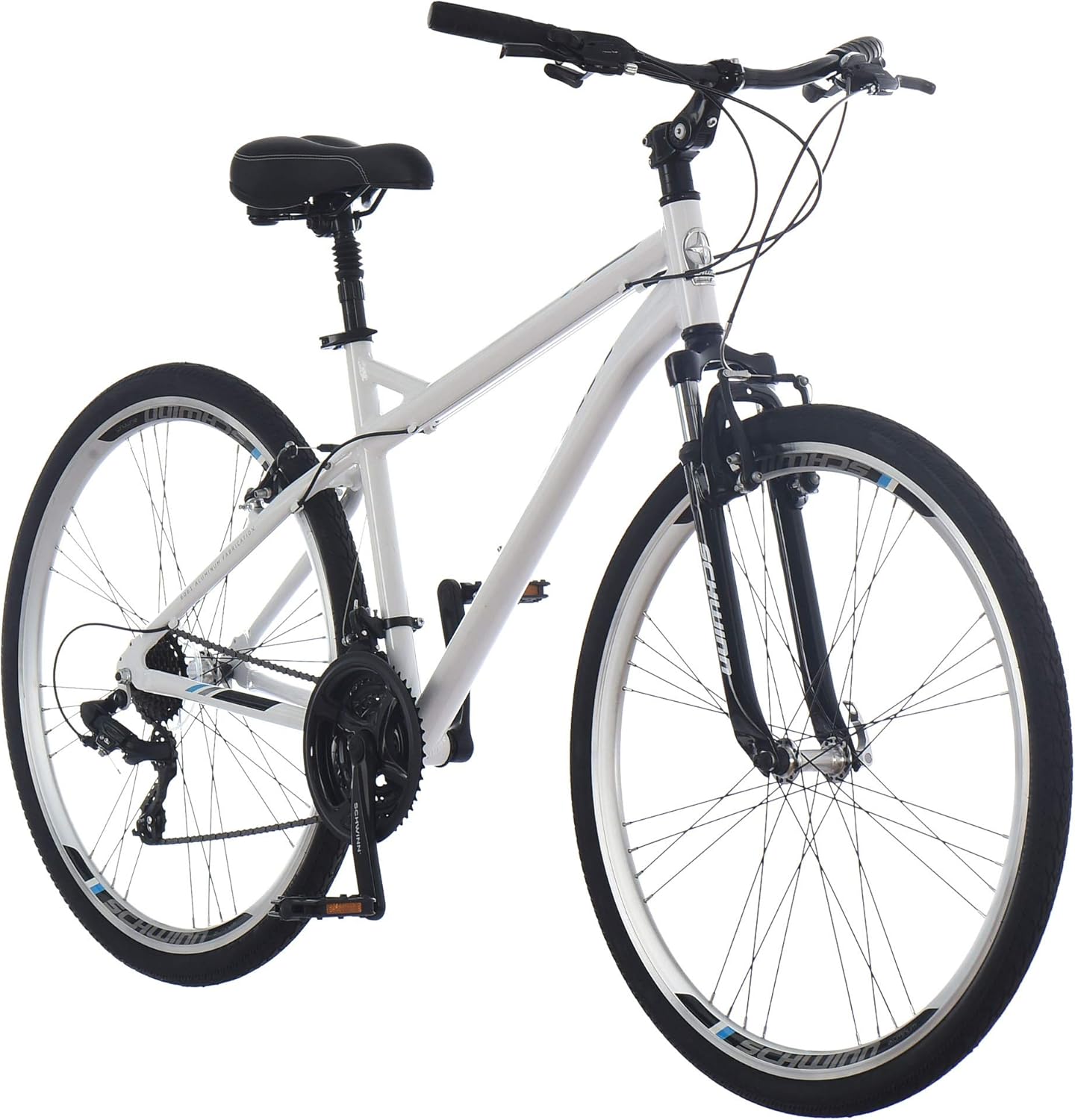
Common Buying Mistakes to Avoid
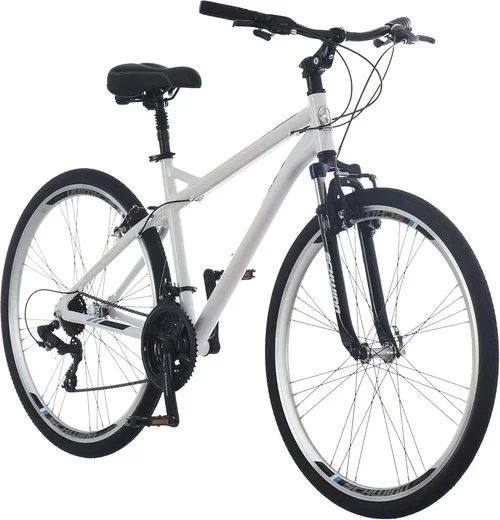
❌ Mistake: Prioritizing Price Over Quality
Why it’s bad: Choosing the cheapest e-bike often means compromising on motor performance, battery life, and build quality. These bikes may break down frequently, have poor resale value, or even pose safety risks due to subpar components.
What to do instead: Focus on value, not just cost. A mid-range e-bike with reliable components and a good warranty will save you money in the long run through fewer repairs and longer lifespan.
❌ Mistake: Ignoring Test Rides
Why it’s bad: E-bikes handle differently based on motor placement, weight distribution, and frame geometry. Buying without riding can lead to discomfort, poor control, or buyer’s remorse.
What to do instead: Always test ride before purchasing. If buying online, choose retailers with generous return policies and local demo days.
❌ Mistake: Overlooking Battery Realism
Why it’s bad: Manufacturers often advertise maximum range under ideal conditions. In reality, factors like hills, wind, and assist level drastically reduce range.
What to do instead: Look for real-world range estimates from independent reviewers. Choose a battery with at least 20–30% more capacity than your expected needs.
❌ Mistake: Skipping the Warranty Fine Print
Why it’s bad: Some warranties exclude critical components or require you to pay for shipping and diagnostics. You could end up with a broken bike and no support.
What to do instead: Read the warranty terms carefully. Prefer brands that cover motor, battery, and frame for at least 1–2 years with clear service options.
❌ Mistake: Buying Based on Looks Alone
Why it’s bad: A sleek design doesn’t guarantee performance. Some stylish e-bikes sacrifice functionality for aesthetics.
What to do instead: Balance form and function. Choose a bike that looks good but also meets your performance, comfort, and practical needs.
❌ Mistake: Neglecting Local Laws
Why it’s bad: E-bike regulations vary by state and city. Some areas restrict speed, motor power, or where you can ride.
What to do instead: Check local laws before buying. Ensure your e-bike complies with Class 1, 2, or 3 definitions and any trail or road restrictions.
❌ Mistake: Forgetting About Maintenance
Why it’s bad: E-bikes require regular maintenance like tire checks, brake adjustments, and battery care. Neglecting this can shorten the bike’s life.
What to do instead: Learn basic maintenance or choose a brand with accessible service centers. Budget for annual tune-ups.
Budget Guidelines: How Much Should You Spend?
Entry-Level ($800 – $1,500): These e-bikes are ideal for casual riders, short commutes, or weekend fun. Expect basic hub motors, 300–400Wh batteries, and simpler components. Brands like Ancheer or Swagtron offer affordable options, but build quality and support may be limited. Great for trying e-biking without a big commitment.
Mid-Range ($1,500 – $3,000): This is the sweet spot for most buyers. You’ll find reliable mid-drive or rear hub motors, 400–600Wh batteries, hydraulic disc brakes, and better frames. Brands like Rad Power Bikes, Aventon, and Lectric offer excellent value with strong warranties and customer support. Perfect for daily commuting, fitness, and light recreation.
Premium ($3,000 – $5,000): Designed for enthusiasts and serious riders. These bikes feature high-end motors (Bosch, Shimano Steps), long-range batteries, full suspension (on eMTBs), and advanced electronics. Expect superior comfort, durability, and performance. Ideal for long-distance touring, mountain trails, or heavy daily use.
Luxury ($5,000+): Top-tier e-bikes with cutting-edge tech, custom builds, and premium materials. Think carbon frames, dual batteries, smart integration, and concierge service. Brands like Specialized, Trek, and Riese & Müller dominate this space. Best for those who want the absolute best and are willing to pay for it.
Expert Tips for Getting the Best Deal
– Buy During Off-Season: Late fall and winter often bring discounts as retailers clear inventory. You can save 10–20% on last year’s models.
– Check for Rebates and Incentives: Many cities and states offer e-bike rebates or tax credits. Some employers even provide commuter benefits.
– Compare Online and In-Store: Online retailers often have lower prices, but local shops offer test rides, assembly, and service. Some offer price matching.
– Look for Bundle Deals: Some shops include free accessories (helmet, lock, lights) or service packages with purchase.
– Read Return Policies: Ensure you can return or exchange the bike within 30 days if it doesn’t meet your expectations.
– Join Loyalty Programs: Some brands offer discounts, early access to sales, or free maintenance for members.
– Consider Certified Pre-Owned: High-quality used e-bikes from reputable dealers can offer significant savings with warranty coverage.

Frequently Asked Questions
Q: How far can an electric bike go on a single charge?
A: Range varies widely based on battery capacity, terrain, rider weight, and assist level. Most e-bikes offer 20–60 miles per charge. A 500Wh battery typically provides 30–50 miles under normal conditions.
Q: Are electric bikes legal everywhere?
A: In the U.S., e-bikes are legal in all 50 states, but regulations differ. Most states follow the three-class system (Class 1: pedal-assist up to 20 mph; Class 2: throttle-assisted up to 20 mph; Class 3: pedal-assist up to 28 mph). Check local laws for trail access and helmet requirements.
Q: Do I need a license or insurance to ride an e-bike?
A: In most states, no license or insurance is required for Class 1 and 2 e-bikes. Class 3 may require a helmet and have age restrictions. Always verify local rules.
Q: Can I ride an e-bike in the rain?
A: Yes, most e-bikes are water-resistant (IPX4 or higher), but avoid submerging them or riding through deep puddles. Dry the bike after wet rides to prevent corrosion.
Q: How often should I charge the battery?
A: Charge regularly but avoid letting the battery drop to 0% frequently. Most experts recommend keeping it between 20% and 80% for longevity. Charge after long rides or before storage.
Q: Can I pedal an e-bike if the battery dies?
A: Yes, e-bikes function like regular bikes when the battery is dead, though they’re heavier. You’ll just lose motor assistance.
Q: How long do e-bike batteries last?
A: Most lithium-ion batteries last 500–1,000 charge cycles, equating to 3–5 years of regular use. Capacity gradually decreases over time.
Q: Are e-bikes good for exercise?
A: Absolutely. Even with motor assistance, you’re still pedaling and burning calories. Lower assist levels provide more workout, while higher levels help with hills and fatigue.
Q: Can I upgrade my e-bike later?
A: Some components like tires, seats, and lights can be upgraded. However, motor and battery upgrades are usually not feasible due to integration and warranty issues.
Our Final Recommendations
– Best for Budget-Conscious Buyers: Lectric XP 3.0 – At under $1,000, it offers impressive range, foldability, and solid build quality. Great for city commuting and casual riders.
– Best Overall Value: Rad Power Bikes RadCity 5 Plus – Priced around $1,800, it combines reliability, comfort, and practicality with a powerful motor, long battery life, and excellent customer support.
– Best Premium Option: Specialized Turbo Vado SL 5.0 – A high-performance commuter e-bike with a lightweight frame, smart features, and smooth ride quality. Ideal for serious urban riders.
– Best for Beginners: Aventon Level.2 – User-friendly, well-equipped, and affordable. Comes with integrated lights, a comfortable frame, and easy setup.
– Best for Advanced Users: Trek Allant+ 9.9S – A top-tier e-bike with Bosch Performance Line motor, full suspension, and advanced electronics. Perfect for long-distance touring and performance enthusiasts.
Conclusion: Making the Right Choice
Choosing the right electric bike in 2026 is about more than just picking a model—it’s about finding a partner for your daily adventures, commutes, and explorations. By focusing on your budget, performance needs, and lifestyle, you can narrow down the options and avoid common pitfalls. Remember to prioritize quality over price, test ride whenever possible, and consider long-term support and maintenance.
The e-bike market has never been more exciting, with innovations that make cycling accessible, sustainable, and enjoyable for everyone. Whether you’re replacing a car, improving your fitness, or simply rediscovering the joy of riding, the right e-bike can transform your routine. Use this guide as your roadmap, and don’t rush the decision. Take your time, ask questions, and choose a bike that fits you—not just your wallet.
Your perfect e-bike is out there. Ride smart, ride safe, and enjoy the journey.