
Buying your first adult bicycle is an exciting step toward a healthier, more active lifestyle. Whether you’re looking to commute to work, explore local trails, or simply enjoy weekend rides in the park, choosing the right bike can make all the difference between a rewarding experience and one filled with frustration. For adult beginners, the bicycle market can feel overwhelming—filled with technical jargon, countless models, and price points that range from budget-friendly to luxury. This guide is designed to cut through the noise and help you make a confident, informed decision based on your needs, lifestyle, and goals.
In this comprehensive buying guide, you’ll learn everything you need to know to select the best bicycle as a first-time adult rider. We’ll walk you through the most important factors to consider—from frame size and bike type to budget and safety features—and explain how each element impacts your riding experience. You’ll also discover common pitfalls to avoid, expert tips for getting the best value, and real-world recommendations tailored to different rider profiles. Whether you’re planning short neighborhood rides or longer weekend adventures, this guide will equip you with the knowledge to choose a bike that fits you—literally and figuratively.
The bicycle market in 2026 continues to evolve, with innovations in materials, gearing systems, and smart technology making bikes more accessible and enjoyable than ever. From lightweight aluminum frames to electric-assist options and improved suspension systems, today’s beginner bikes offer a level of comfort and performance that was once reserved for seasoned cyclists. However, with so many options available, it’s easy to get lost in the details. That’s why this guide focuses not just on features, but on what truly matters for someone just starting out: ease of use, comfort, reliability, and value for money.

What to Look for When Buying a Bicycle
1. Budget & Price Range
Your budget is one of the most critical factors when buying a bicycle, especially as a beginner. While it’s tempting to go for the cheapest option, investing in a quality bike from the start can save you money in the long run by reducing maintenance costs and increasing durability. For adult beginners, a reasonable starting budget typically falls between $300 and $800. This range offers a solid balance of build quality, components, and comfort without breaking the bank.
Bikes under $300 are often entry-level models made with heavier materials and lower-quality components. While they may be fine for occasional, short rides, they can quickly become uncomfortable or unreliable with regular use. On the other hand, spending over $1,000 as a beginner may not be necessary unless you have specific performance goals or plan to ride frequently on challenging terrain. A mid-range bike in the $400–$700 range usually includes better gear systems, lighter frames, and improved braking—key upgrades that enhance your riding experience.
2. Bike Type & Riding Purpose
The type of bike you choose should align with how and where you plan to ride. Different bike categories are designed for specific environments and uses, so understanding your primary riding goals is essential. For most adult beginners, hybrid bikes are the ideal starting point. They combine the comfort of a city bike with the versatility of a light trail bike, making them perfect for paved roads, bike paths, and light gravel.
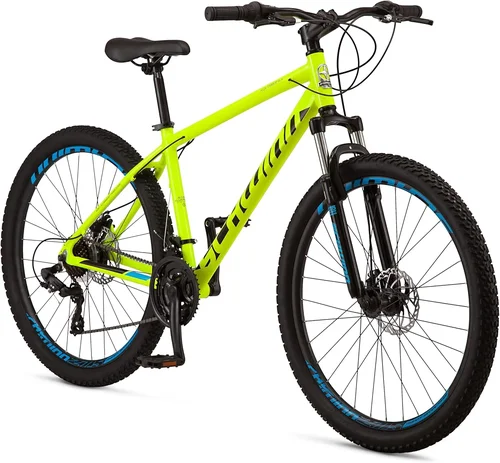
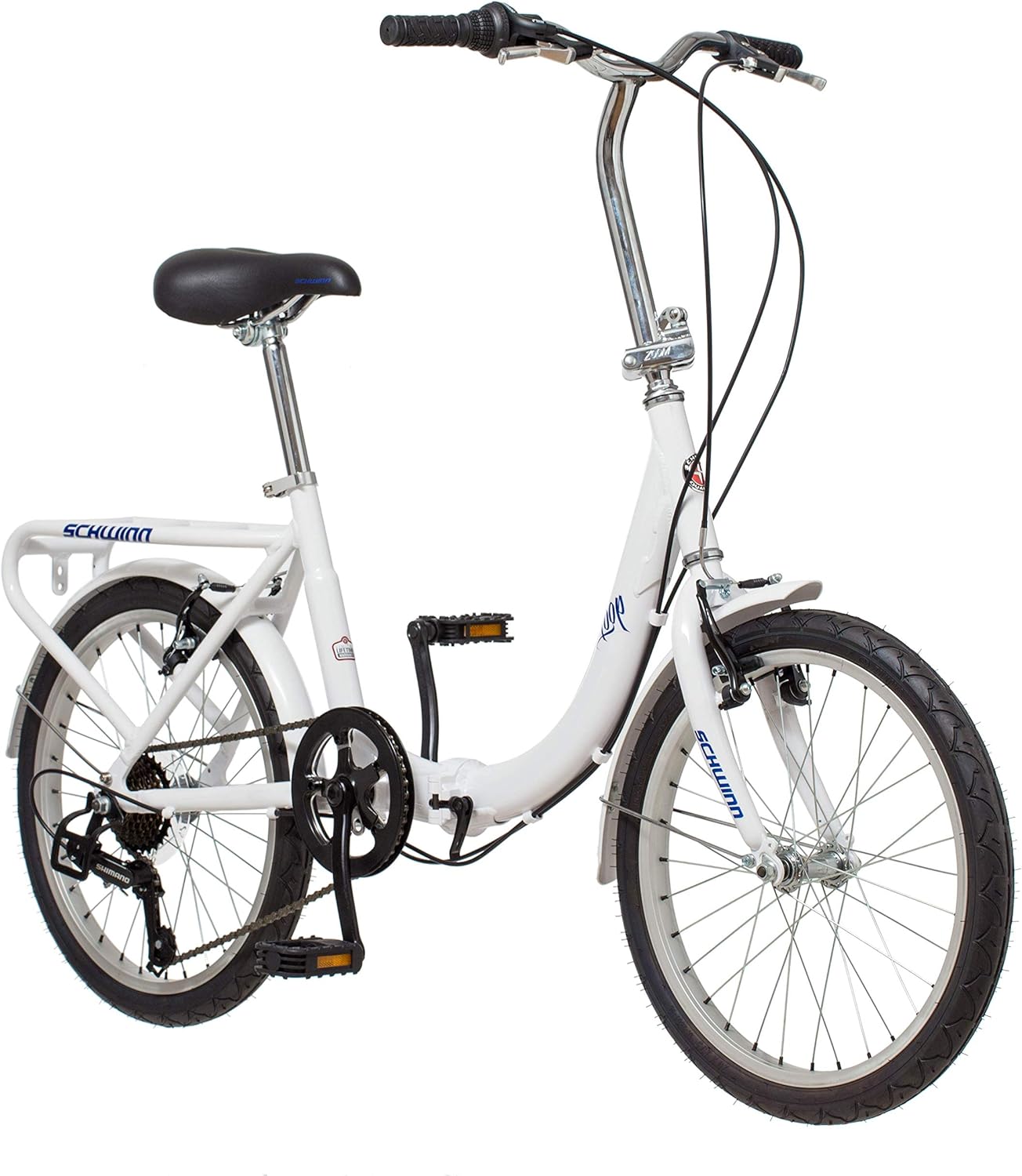
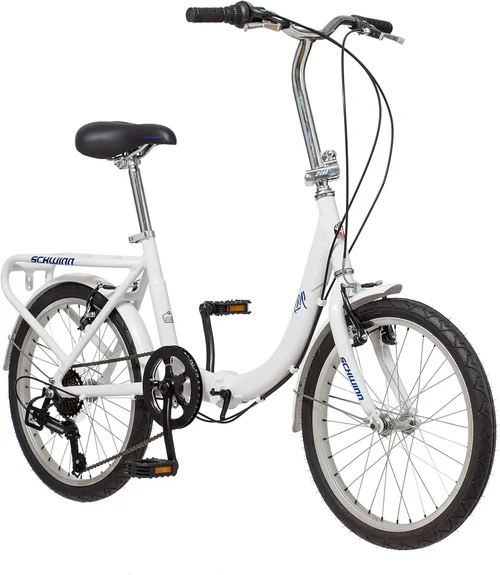
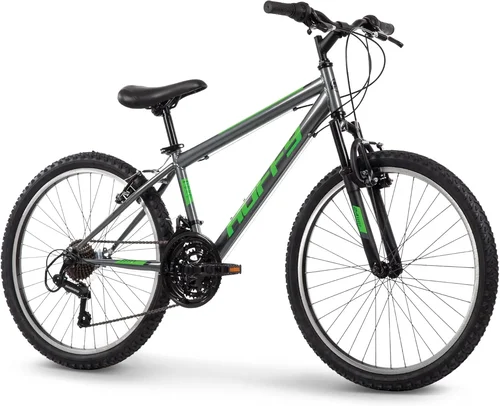
If you’re primarily commuting in the city, a commuter or city bike might be more suitable. These bikes often come with built-in racks, fenders, and lights—features that make daily riding more practical. For those interested in off-road adventures, a hardtail mountain bike (with front suspension only) offers a good balance of capability and affordability. Road bikes, while fast and efficient, are generally less comfortable for beginners due to their aggressive riding position and thin tires.
Consider your typical ride distance and terrain. Short, casual rides around the neighborhood? A comfort or cruiser bike might suit you. Longer rides on mixed surfaces? A hybrid or gravel bike would be better. Matching your bike type to your intended use ensures you’ll enjoy your rides and stay motivated to keep cycling.
3. Frame Size & Fit
One of the most common mistakes beginners make is choosing a bike that doesn’t fit properly. A poorly sized bike can lead to discomfort, pain, and even injury over time. Frame size is determined by your height and inseam length, and most manufacturers provide size charts to help you find the right fit. For example, someone who is 5’6″ might ride a medium frame, while a person who is 6’0″ would likely need a large.
When test-riding a bike, pay attention to how it feels. Your feet should touch the ground when seated, and you should be able to reach the handlebars comfortably without straining. A proper fit allows for a slight bend in your elbows and knees when pedaling, promoting efficient power transfer and reducing fatigue. Many bike shops offer professional fitting services, which can be especially helpful if you’re unsure about your measurements.
4. Build Quality & Durability
The materials and construction of your bike directly impact its longevity and performance. Most beginner bikes feature aluminum frames, which offer a great balance of strength, lightness, and affordability. Steel frames are heavier but provide a smoother ride due to their natural shock absorption, making them a good choice for casual riders who prioritize comfort over speed.
Avoid bikes with overly flimsy components or poorly welded joints, as these are signs of low build quality. Check the welds on the frame—they should be clean and consistent. Also, inspect the wheels, pedals, and handlebars for sturdiness. A well-built bike will feel solid and responsive when you ride it, while a poorly made one may wobble or creak under pressure.
Durability also extends to the drivetrain and brakes. Look for reputable component brands like Shimano, SRAM, or Tektro, which are known for reliability. A bike with a 7- or 8-speed drivetrain is usually sufficient for beginners, offering enough gears to handle hills and varying terrain without overwhelming complexity.
5. Comfort & Ergonomics
Comfort is paramount for adult beginners, especially if you plan to ride for more than 20–30 minutes at a time. A comfortable bike encourages longer rides and helps prevent soreness or fatigue. Key comfort features include a well-padded saddle, ergonomic handlebars, and a relaxed riding position.
Hybrid and comfort bikes typically have wider saddles and upright handlebars that reduce strain on your back, neck, and wrists. Some models also feature suspension seat posts or front suspension forks to absorb bumps on rough roads. While full suspension is overkill for city riding, even a small amount of cushioning can make a big difference on uneven pavement.
Test-riding is the best way to assess comfort. Pay attention to how your body feels after 10–15 minutes of riding. Are your hands numb? Is your lower back aching? These are signs that the bike may not be the right fit. Don’t hesitate to ask for a different saddle or adjust the seat height—small tweaks can significantly improve your experience.
6. Braking System
Brakes are one of the most critical safety features on any bicycle. For beginners, reliable stopping power is essential, especially in traffic or on downhill slopes. There are three main types of brakes found on beginner bikes: rim brakes, disc brakes, and coaster brakes.
Rim brakes, such as caliper or V-brakes, are common on entry-level bikes and work by squeezing the wheel’s rim to slow down. They’re lightweight and easy to maintain but can lose effectiveness in wet or muddy conditions. Disc brakes, on the other hand, use a rotor attached to the wheel hub and provide superior stopping power in all weather. Mechanical disc brakes are affordable and reliable, while hydraulic disc brakes offer even better performance but at a higher cost.
Coaster brakes, found on some cruiser bikes, allow you to brake by pedaling backward. While simple and low-maintenance, they offer less control and are not suitable for fast or technical riding. For most adult beginners, mechanical disc brakes or high-quality V-brakes are the best balance of performance and affordability.
7. Gearing & Drivetrain
The drivetrain includes the pedals, chain, gears, and shifters—and it plays a major role in how easy or difficult your ride feels. Beginners should look for a bike with a simple, reliable gear system that allows them to tackle hills without excessive effort. Most entry-level bikes come with 7 to 9 speeds, which is sufficient for city riding and light trails.
Shimano’s Tourney or Altus groupsets are common on budget bikes and offer smooth shifting at an affordable price. As you move up in price, you’ll find better components like Shimano Acera or Deore, which provide more precise shifting and durability. Avoid bikes with no gears (single-speed) unless you live in a completely flat area—gears give you flexibility and make riding more enjoyable.
When test-riding, shift through all the gears to ensure smooth transitions. Listen for any grinding or hesitation, which could indicate poor adjustment or low-quality components. A well-tuned drivetrain should shift quietly and instantly, allowing you to focus on the ride rather than the mechanics.
8. Weight & Portability
The weight of your bike affects how easy it is to ride, carry, and store. Lighter bikes are easier to pedal uphill and maneuver in tight spaces, but they often come at a higher price. For adult beginners, a bike weighing between 25 and 30 pounds is typical and manageable for most riders.
Aluminum frames are lighter than steel, making them a popular choice for hybrid and road bikes. However, if you plan to carry your bike upstairs or load it onto a car rack frequently, consider a model with a step-through frame or folding design for added convenience. Some commuter bikes even come with built-in handles or kickstands to make parking and lifting easier.
Keep in mind that lighter doesn’t always mean better—especially if it compromises durability. A slightly heavier bike with strong components may serve you better in the long run than a lightweight model that feels flimsy or breaks down quickly.
9. Brand Reputation & Customer Support
Choosing a reputable brand can give you peace of mind knowing that your bike is backed by reliable engineering and customer service. Well-known brands like Trek, Giant, Specialized, Cannondale, and Raleigh have decades of experience and offer consistent quality across their product lines. They also tend to have better warranties and wider dealer networks, making repairs and maintenance easier.
While lesser-known or direct-to-consumer brands may offer lower prices, they sometimes lack the same level of support or part availability. Read customer reviews and check forums to see how owners rate the brand’s reliability and service. A bike from a trusted manufacturer is more likely to receive timely repairs and genuine replacement parts if something goes wrong.
10. Warranty & Return Policy
A solid warranty and flexible return policy are essential when buying a bicycle, especially if you’re purchasing online. Most reputable brands offer a limited lifetime warranty on the frame and 1–2 years on parts. This covers manufacturing defects but not normal wear and tear or damage from accidents.
Before buying, check the warranty terms carefully. Some brands require registration within 30 days of purchase, while others may only honor warranties through authorized dealers. Also, consider the return policy—can you return the bike if it doesn’t fit or meet your expectations? Many online retailers offer 30-day return windows, but shipping costs may apply.
Buying from a local bike shop often includes free tune-ups and adjustments during the first year, which can be a huge value add. Even if the initial price is slightly higher, the included service and personal support can make it worth the investment.
Different Types of Bicycles
Common Buying Mistakes to Avoid
❌ Mistake: Buying the Wrong Size
Why it’s bad: A bike that’s too big or too small can cause discomfort, reduce control, and increase the risk of injury. Many beginners choose a bike based on looks or price without considering fit, leading to a poor riding experience.
What to do instead: Always check the manufacturer’s size chart and, if possible, test-ride the bike. If buying online, look for retailers with detailed fit guides and flexible return policies.
❌ Mistake: Ignoring Comfort Features
Why it’s bad: A stiff saddle, narrow handlebars, or aggressive riding position can make even short rides painful. Discomfort discourages regular use and can lead to abandoning cycling altogether.
What to do instead: Prioritize bikes with ergonomic designs, padded seats, and upright handlebars. Consider upgrading the saddle later if needed—many riders find aftermarket seats more comfortable.
❌ Mistake: Overlooking Maintenance Needs
Why it’s bad: All bikes require regular maintenance, but some models are more maintenance-intensive than others. Beginners may not realize how often tires need air, chains need lubrication, or brakes need adjustment.
What to do instead: Choose a bike with reliable, low-maintenance components. Learn basic upkeep like checking tire pressure and cleaning the chain. Many bike shops offer free first-year tune-ups with purchase.
❌ Mistake: Choosing Based on Price Alone
Why it’s bad: The cheapest bike isn’t always the best value. Low-cost models often use inferior materials and components that wear out quickly, leading to higher long-term costs.
What to do instead: Focus on value, not just price. A $500 bike with quality parts and a good warranty may be a smarter investment than a $250 model that needs frequent repairs.
❌ Mistake: Skipping Safety Gear
Why it’s bad: Riding without a helmet, lights, or reflective clothing increases the risk of accidents, especially in traffic or low-light conditions.
What to do instead: Always wear a certified helmet and equip your bike with front and rear lights. Consider reflective clothing or accessories for added visibility.
❌ Mistake: Not Test-Riding Before Buying
Why it’s bad: A bike that looks great on paper may feel awkward or uncomfortable in real life. Without a test ride, you risk buying a bike that doesn’t suit your body or riding style.
What to do instead: Visit local bike shops to try different models. If buying online, choose retailers that allow returns or exchanges within a reasonable window.
❌ Mistake: Ignoring Local Terrain
Why it’s bad: A road bike won’t perform well on gravel trails, and a cruiser won’t handle steep hills. Choosing a bike unsuited to your environment leads to frustration and limited use.
What to do instead: Assess your typical riding conditions—flat city streets, hilly neighborhoods, or off-road paths—and select a bike type that matches.
Budget Guidelines: How Much Should You Spend?
Entry-Level ($250–$400): This range is ideal for occasional riders or those on a tight budget. Bikes here are typically made with basic components and heavier frames. Look for models from reputable brands that offer at least a 1-year warranty. While not the most durable, they’re a good starting point for casual use.
Mid-Range ($400–$700): This is the sweet spot for most adult beginners. Bikes in this range offer better gear systems, lighter frames, and improved comfort. You’ll find reliable brands like Trek, Giant, and Raleigh offering excellent value. Many include features like disc brakes, suspension seat posts, and ergonomic grips.
Premium ($700–$1,200): For riders who plan to cycle regularly or tackle more challenging terrain, this tier offers high-quality components, advanced materials, and superior craftsmanship. You’ll find hydraulic disc brakes, lightweight aluminum or carbon frames, and smoother shifting systems. These bikes are built to last and perform well over time.
Luxury ($1,200+): At this level, you’re paying for top-tier engineering, cutting-edge technology, and brand prestige. While not necessary for beginners, these bikes offer the best performance, comfort, and durability. They’re ideal for enthusiasts or those planning long-distance rides or competitive cycling.
Expert Tips for Getting the Best Deal
– Shop at the End of the Season: Late summer and fall are the best times to buy, as retailers discount current-year models to make room for new inventory. You can often save 15–30% on last year’s bikes.
– Buy from Local Bike Shops: While online prices may be lower, local shops offer personalized service, free tune-ups, and expert advice. Supporting local businesses also ensures better long-term support.
– Look for Package Deals: Some retailers bundle bikes with helmets, locks, and lights at a discounted rate. These packages can save you money compared to buying items separately.
– Check Manufacturer Rebates: Brands like Trek and Specialized occasionally offer rebates or financing options, especially during holiday sales or new model launches.
– Consider Certified Pre-Owned: Many bike shops sell refurbished or demo bikes that have been inspected and tuned. These can offer premium features at a fraction of the new price.
– Read Reviews Carefully: Look beyond star ratings and read detailed user reviews. Pay attention to comments about comfort, durability, and customer service.
– Ask About Trade-In Programs: If you upgrade later, some shops offer trade-in credit toward a new bike, helping offset the cost.

Frequently Asked Questions
Q: What’s the best bike for a complete beginner?
A: A hybrid bike is usually the best choice for adult beginners. It offers a comfortable upright position, versatile tires, and reliable components—perfect for city streets, bike paths, and light trails.
Q: Do I need gears as a beginner?
A: Yes, gears help you ride more efficiently, especially on hills or into headwinds. A 7- or 8-speed drivetrain is sufficient for most beginners and provides enough range without being overwhelming.
Q: Can I ride a bike if I’m overweight or out of shape?
A: Absolutely. Many bikes are designed to support heavier riders, and cycling is a low-impact exercise that’s great for building fitness gradually. Look for models with reinforced frames and wider tires for added stability.
Q: How often should I maintain my bike?
A: Basic maintenance like checking tire pressure and lubricating the chain should be done weekly. A full tune-up is recommended every 6–12 months, depending on usage.
Q: Is an electric bike worth it for a beginner?
A: E-bikes can be a great option if you live in a hilly area, have a long commute, or want to ride longer distances with less effort. However, they’re more expensive and heavier than traditional bikes.
Q: How do I know if a bike fits me?
A: When seated, your feet should touch the ground, and your knees should have a slight bend at the bottom of the pedal stroke. You should be able to reach the handlebars comfortably without leaning too far forward.
Q: Should I buy online or in-store?
A: In-store purchases allow you to test-ride and get professional advice, which is invaluable for beginners. Online shopping offers more selection and often lower prices, but make sure the retailer has a good return policy.
Q: What accessories do I really need?
A: At minimum, you need a helmet, front and rear lights, and a sturdy lock. A water bottle holder, phone mount, and repair kit are also highly recommended.
Q: Can I ride in the rain?
A: Yes, but wet conditions reduce traction and increase braking distance. Use fenders to stay dry and avoid sudden movements. Dry and clean your bike after riding in the rain to prevent rust.
Q: How long will my bike last?
A: With proper care, a quality bike can last 10+ years. Regular maintenance, proper storage, and timely part replacements are key to longevity.
Our Final Recommendations
Best for Budget-Conscious Buyers: Trek FX 1 – A reliable hybrid bike with a lightweight aluminum frame, 21-speed drivetrain, and comfortable geometry. Priced around $500, it offers excellent value for beginners.
Best Overall Value: Giant Escape 3 – This versatile hybrid features a durable frame, smooth-shifting gears, and ergonomic grips. At under $400, it’s a standout in its class.
Best Premium Option: Specialized Sirrus X 3.0 – With hydraulic disc brakes, a carbon fork, and wide tires, this bike is built for performance and comfort. Ideal for riders ready to invest in quality.
Best for Beginners: Cannondale Quick 6 – Easy to ride, well-equipped, and backed by a strong warranty. Its upright position and reliable components make it perfect for new cyclists.
Best for Advanced Users: Trek Dual Sport 3 – A hybrid mountain bike with front suspension, disc brakes, and trail-ready tires. Great for riders who want to explore beyond paved paths.
Conclusion: Making the Right Choice
Choosing your first adult bicycle is a personal decision that should reflect your lifestyle, goals, and comfort needs. While the market offers endless options, focusing on key factors like fit, bike type, and build quality will help you narrow down your choices and find a model that truly suits you. Remember, the best bike is not necessarily the most expensive or the most feature-rich—it’s the one that makes you excited to ride.
Take your time, do your research, and don’t hesitate to seek advice from experienced riders or local bike shops. Test-ride multiple models, ask questions, and prioritize comfort and safety. With the right bike, cycling can become a lifelong passion that improves your health, expands your horizons, and connects you with your community.
Whether you’re commuting to work, exploring nature, or simply enjoying the freedom of two wheels, your bicycle is more than just a mode of transport—it’s a gateway to adventure. Invest wisely, ride safely, and enjoy the journey ahead.