
Electric bikes have revolutionized personal transportation, offering a perfect blend of convenience, sustainability, and fun. Whether you’re commuting to work, exploring scenic trails, or simply looking for a healthier way to get around town, an e-bike can be a game-changer. But with so many models flooding the market in 2026—ranging from budget-friendly commuter bikes to high-performance off-road machines—choosing the right one as a beginner can feel overwhelming. That’s exactly why this guide exists: to cut through the noise, simplify your decision-making process, and help you find the electric bike that truly fits your lifestyle, budget, and riding goals.
In this comprehensive buying guide, we’ll walk you through every critical factor you need to consider before making your purchase. From understanding key performance specs like motor power and battery range to evaluating build quality, warranty coverage, and real-world user feedback, we’ve got you covered. You’ll also learn about the different types of e-bikes available, common pitfalls to avoid, smart budgeting strategies, and expert tips to help you get the best value for your money. By the end, you’ll not only know what to look for—you’ll feel confident enough to make an informed choice that sets you up for years of enjoyable, hassle-free riding.
The electric bike market in 2026 is more diverse and competitive than ever. Major brands like Rad Power Bikes, Trek, Specialized, and Aventon continue to innovate, while new entrants bring fresh designs and aggressive pricing. Meanwhile, advancements in battery technology, motor efficiency, and smart connectivity features mean today’s entry-level models often outperform premium bikes from just a few years ago. Whether you’re after a lightweight folding e-bike for city commutes or a rugged fat-tire model for weekend adventures, there’s never been a better time to go electric. Let’s dive in and help you find your perfect match.
What to Look for When Buying Electric Bikes
1. Budget & Price Range
Your budget is the single most important starting point when shopping for an electric bike. Prices in 2026 range widely—from under $800 for basic commuter models to over $5,000 for high-end performance or cargo e-bikes. As a beginner, it’s tempting to go for the cheapest option, but remember: e-bikes are long-term investments. A poorly built bike with a weak motor or unreliable battery may save you money upfront but could cost more in repairs, replacements, or frustration down the line.
Set a realistic budget that includes not just the bike itself, but also essential accessories like a helmet, lock, lights, and possibly a rack or panniers. Many reputable brands offer financing options or seasonal discounts, so don’t hesitate to stretch slightly if it means getting significantly better components. Aim for at least $1,200–$1,800 for a solid beginner-friendly model that balances affordability with reliability.
2. Performance Specifications
Performance specs determine how your e-bike behaves on the road—and they’re especially crucial for beginners who may not yet understand their own riding needs. The three core specs to focus on are motor power (measured in watts), battery capacity (watt-hours or Wh), and range (how far you can go on a single charge).
Most beginner e-bikes feature motors between 250W and 750W. In the U.S., Class 1 and Class 2 e-bikes (which are street-legal without special licensing) typically cap motor assistance at 20 mph. A 500W motor is usually sufficient for flat urban commutes, while hilly terrain or heavier riders may benefit from 750W. Battery capacity directly affects range: a 400Wh battery might give you 25–35 miles, whereas a 672Wh pack can deliver 50+ miles, depending on assist level, terrain, and rider weight.
Don’t overlook pedal-assist levels and throttle options. Most e-bikes offer multiple assist modes (Eco, Tour, Sport, etc.), allowing you to conserve battery or boost speed as needed. Throttle-only mode (like a scooter) is convenient for quick starts or steep hills but drains the battery faster.
3. Build Quality & Durability
An e-bike is only as good as its frame, components, and assembly. Look for frames made from aluminum alloy—lightweight, rust-resistant, and strong enough to handle daily use. Avoid steel frames unless you’re buying a heavy-duty cargo bike; they’re durable but significantly heavier.
Check the quality of key components: brakes should be hydraulic disc brakes (not mechanical or rim brakes), which offer better stopping power and require less maintenance. Gears matter too—a 7- or 8-speed drivetrain is plenty for most beginners, though single-speed models exist for ultra-simple city riding.
Pay attention to IP ratings for water resistance (IP65 or higher is ideal for rainy climates) and whether critical parts like the motor and battery are well-sealed. Also, inspect weld quality, cable routing, and overall fit-and-finish. A bike that looks polished and feels solid during a test ride is likely built to last.
4. Features & Functionality
Modern e-bikes come packed with features that enhance comfort, safety, and usability. For beginners, prioritize essentials like integrated lights (front and rear), fenders (mudguards), and a rear rack—these make daily commuting practical and weather-resistant.
Display screens vary widely: basic LCDs show speed and battery level, while color TFT displays offer GPS navigation, ride stats, and smartphone connectivity. While flashy, these aren’t necessary for everyone. Simpler displays are often more reliable and easier to read in sunlight.
Other helpful features include:
– Step-through frames for easy mounting/dismounting
– Suspension forks (or full suspension) for rough roads or trails
– USB charging ports to power your phone
– App integration for firmware updates and ride tracking
Avoid bikes loaded with gimmicks you won’t use. Focus on functionality that matches your routine—e.g., if you ride at night, lights are non-negotiable.
5. Brand Reputation
Buying from a reputable brand isn’t just about prestige—it’s about trust, support, and long-term value. Established companies like Rad Power Bikes, Trek, Specialized, Aventon, and Lectric have proven track records, extensive dealer networks, and responsive customer service.
Research brands by reading professional reviews, checking BBB ratings, and joining online communities like Reddit’s r/ebikes. Pay attention to how they handle warranty claims, part availability, and software updates. A brand with a strong reputation is more likely to stand behind its products and provide replacement batteries or motors years down the line.
Be cautious with no-name brands or those sold exclusively through third-party marketplaces. If you can’t find service centers or spare parts easily, you may be stuck with a broken bike.
6. Warranty & Support
A solid warranty is your safety net. Most reputable e-bike brands offer at least a 1-year comprehensive warranty, with some extending coverage to 2–3 years. Pay special attention to battery warranties—lithium-ion batteries degrade over time, and a good policy will cover capacity loss below 70% within 2–3 years.
Check what the warranty includes: frame, motor, battery, electronics, and labor? Is it transferable if you sell the bike? Also, verify whether you need to register the bike or keep original packaging for claims.
Customer support matters too. Can you reach a human quickly? Do they offer live chat, phone, or email support? Are there local service partners? Brands with U.S.-based support teams (like Rad or Aventon) typically resolve issues faster than those relying on overseas distributors.
7. Size & Portability
E-bikes are heavier than traditional bikes—typically 40–70 lbs—so size and portability are real considerations, especially if you live in an apartment, take public transit, or need to carry your bike upstairs.
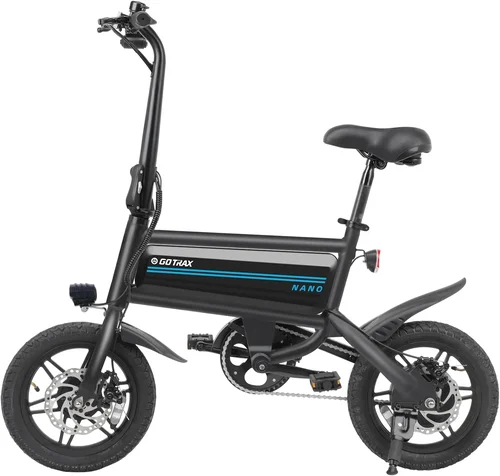
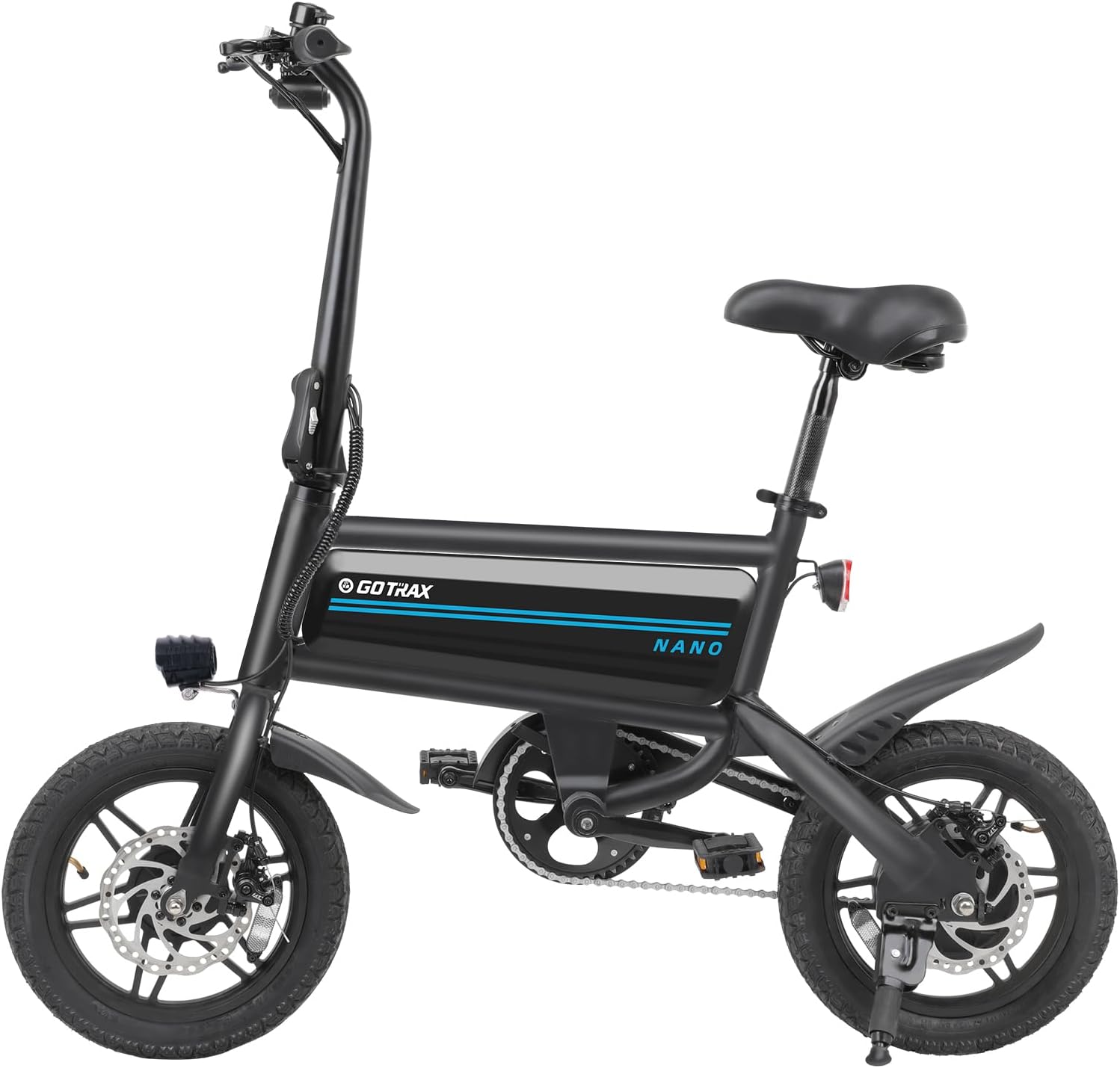
Step-through frames are ideal for beginners, seniors, or anyone with limited mobility. Folding e-bikes (like the Lectric XP or Brompton Electric) are great for commuters who combine biking with trains or buses, though they often sacrifice range and stability.
Consider wheel size: 20-inch wheels are compact and agile but less stable on rough terrain; 26–29-inch wheels offer better roll-over ability and comfort. If storage space is tight, look for models with removable batteries and foldable handlebars.
Always check the bike’s weight and dimensions before buying. Test lifting it—if it feels unwieldy, it’ll be a chore to manage daily.
8. User Reviews & Ratings
Don’t rely solely on manufacturer specs or marketing claims. Real-world user reviews reveal nuances that specs can’t capture: how the bike performs in rain, how intuitive the controls are, whether the battery truly lasts as advertised, or if the seat is comfortable for long rides.
Look for detailed reviews on trusted sites like Electric Bike Review, BikeRumor, or YouTube channels dedicated to e-bikes. Pay attention to patterns: if multiple users complain about the same issue (e.g., loose bolts, poor customer service), it’s likely a systemic problem.
Also, check recent reviews—e-bike models often get updated yearly, so a 2024 review might not reflect the 2026 version. Forums and Facebook groups are goldmines for honest, unfiltered feedback from everyday riders.
Different Types of Electric Bikes

Common Buying Mistakes to Avoid
❌ Mistake: Ignoring Local E-Bike Laws
Why it’s bad: E-bike regulations vary by state, city, and even trail system. Riding a Class 3 e-bike (28 mph top speed) on a path that only allows Class 1 can result in fines or confiscation. Some areas ban e-bikes entirely from certain parks or bike lanes.
What to do instead: Check your local Department of Transportation or parks department website before buying. Stick to Class 1 or 2 bikes unless you’re certain higher classes are permitted where you ride.
❌ Mistake: Overlooking Test Rides
Why it’s bad: E-bikes feel different from regular bikes—the weight distribution, motor engagement, and handling can be surprising. Buying online without testing may lead to discomfort, poor fit, or buyer’s remorse.
What to do instead: Visit local bike shops or brand showrooms (many offer free test rides). If buying online, choose retailers with generous return policies (30-day trials are ideal).
❌ Mistake: Choosing Based Solely on Price
Why it’s bad: The cheapest e-bikes often cut corners on safety, battery quality, and component durability. You might end up replacing the bike within a year—costing more than a mid-range model would have.
What to do instead: Prioritize value over price. Look for the best combination of reliable components, good warranty, and positive user feedback within your budget.
❌ Mistake: Neglecting Maintenance Needs
Why it’s bad: E-bikes require regular maintenance—brake adjustments, tire checks, chain lubrication, and battery care. Beginners often assume they’re “maintenance-free,” leading to breakdowns.
What to do instead: Learn basic upkeep or budget for annual tune-ups ($100–$150). Choose bikes with easily serviceable parts and clear maintenance guides.
❌ Mistake: Forgetting About Battery Replacement Costs
Why it’s bad: E-bike batteries last 3–5 years. Replacement costs $400–$800. Some brands make batteries proprietary or hard to source.
What to do instead: Buy from brands with widely available, standardized batteries. Factor future replacement costs into your total ownership calculation.
❌ Mistake: Not Considering Total Weight
Why it’s bad: Heavy e-bikes (60+ lbs) are difficult to lift, store, or maneuver when the motor fails. This becomes a major hassle in apartments, staircases, or during flats.
What to do instead: Test lift the bike before buying. Opt for lighter frames (aluminum) and removable batteries if portability matters.
❌ Mistake: Skipping Essential Accessories
Why it’s bad: Riding without a helmet, lock, or lights is unsafe and may violate local laws. Many “complete” e-bike packages still lack these basics.
What to do instead: Budget $150–$300 extra for a quality helmet, U-lock, lights, and possibly a phone mount or mirror.
Budget Guidelines: How Much Should You Spend?
Entry-Level ($800 – $1,200): These bikes are best for very light use—short, flat commutes on good roads. Expect basic components, limited range (20–30 miles), and minimal features. Brands like Ancheer or ECOTRIC offer models here, but quality can be inconsistent. Only consider if you’re certain about minimal usage and have a tight budget.
Mid-Range ($1,200 – $2,200): This is the sweet spot for most beginners. You’ll get reliable motors (500–750W), decent batteries (400–600Wh), hydraulic disc brakes, and practical features like lights and racks. Models from Rad Power Bikes, Aventon, and Lectric dominate this tier with excellent value and strong support.
Premium ($2,200 – $3,500): Ideal for serious commuters, weekend adventurers, or those wanting higher performance. Expect better suspension, longer range (50+ miles), premium components (Shimano gears, Bosch motors), and advanced displays. Brands like Trek, Specialized, and Riese & Müller shine here.
Luxury ($3,500+): Reserved for enthusiasts, long-distance tourers, or cargo haulers. These bikes offer top-tier engineering, ultra-long range, smart connectivity, and exceptional build quality. Think Gazelle, Stromer, or high-end eMTBs. Only necessary if you ride daily in challenging conditions or need maximum cargo capacity.
Expert Tips for Getting the Best Deal
– Buy during off-seasons: Late fall and winter (October–February) are prime times for discounts as retailers clear inventory. Spring and summer see higher demand and prices.
– Shop direct from manufacturers: Brands like Rad, Aventon, and Lectric often offer exclusive online deals, free shipping, and extended return windows you won’t find at third-party retailers.
– Sign up for newsletters: Most brands send subscriber-only promo codes (10–15% off) and early access to sales.
– Check for bundle deals: Some retailers include free accessories (helmet, lock, rack) with purchase—this can add $100+ in value.
– Read the fine print on returns: Ensure the policy covers at least 14–30 days, includes return shipping, and doesn’t require restocking fees.
– Test ride multiple models: Even within the same price range, handling and comfort vary greatly. Don’t settle for the first bike that “looks okay.”
– Ask about trade-in programs: Some shops offer credit for your old bike, which can offset the cost of an e-bike.
– Consider certified pre-owned: Reputable dealers sell inspected, warrantied used e-bikes at 20–40% off retail. Great for stretching your budget.

Frequently Asked Questions
Q: Do I need a license or insurance to ride an e-bike?
A: In most U.S. states, no license or insurance is required for Class 1 and Class 2 e-bikes (motor cuts off at 20 mph). Class 3 bikes (28 mph) may require a helmet and have age restrictions. Always check your local laws—some cities have additional rules.
Q: How far can I really ride on one charge?
A: Range depends on battery size, assist level, terrain, rider weight, and weather. A 500Wh battery might give 30 miles in Eco mode on flat ground but only 15–20 miles in Turbo on hills. Start conservatively and recharge before the battery dips below 20%.
Q: Can I ride an e-bike in the rain?
A: Yes, most e-bikes are designed for wet conditions with IP-rated components. Avoid submerging the battery or motor, and dry the bike after heavy rain to prevent corrosion.
Q: How often should I charge the battery?
A: Charge regularly—ideally after each ride or at least weekly. Avoid letting the battery sit at 0% for long periods. Store it at 50–60% charge if not using for weeks.
Q: Are e-bikes safe for seniors or people with limited mobility?
A: Absolutely. Step-through frames, low center of gravity, and pedal assist make e-bikes ideal for older riders or those with joint issues. Many models offer stability and ease of use that traditional bikes don’t.
Q: Can I convert my regular bike to electric?
A: Yes, with conversion kits (e.g., Bafang, Voilamart), but it’s rarely cost-effective for beginners. Kits start around $500 and require technical skill. Buying a purpose-built e-bike is usually simpler and more reliable.
Q: What’s the difference between hub motors and mid-drive motors?
A: Hub motors (in the wheel) are simpler, quieter, and cheaper—great for flat terrain. Mid-drive motors (near the pedals) offer better balance, efficiency on hills, and longer drivetrain life—but cost more. Beginners can start with hub motors.
Q: How do I maintain my e-bike’s battery?
A: Keep it charged between 20–80% for daily use, store in a cool, dry place, and avoid extreme temperatures. Use the manufacturer’s charger only.
Q: Can I take my e-bike on public transportation?
A: Many buses and trains allow e-bikes, especially folding models. Check local transit rules—some require bikes to be bagged or restrict peak-hour use.
Q: What if my e-bike breaks down far from home?
A: Carry a basic toolkit, spare tube, and tire levers. Most mechanical issues (flat tires, loose bolts) can be fixed on the go. For motor/battery problems, call the manufacturer—many offer roadside assistance or partner with local shops.
Our Final Recommendations
Best for Budget-Conscious Buyers: Lectric XP 3.0 ($999) – A folding fat-tire e-bike with surprising performance, 45-mile range, and a 30-day trial. Perfect for urban explorers on a tight budget.
Best Overall Value: Rad Power Bikes RadCity 5 Plus ($1,699) – Reliable, feature-packed, and backed by excellent U.S. support. Ideal for daily commuting with its step-through frame, integrated lights, and 50-mile range.
Best Premium Option: Trek Allant+ 7S ($3,299) – Bosch motor, high-capacity battery, and premium components make this a joy to ride. Built for serious commuters who want German engineering and long-term durability.
Best for Beginners: Aventon Level.2 ($1,599) – Smooth ride, intuitive controls, and a comfortable upright position. Comes with everything you need to start riding safely right out of the box.
Best for Advanced Users: Specialized Turbo Levo SL Comp ($5,500) – Lightweight eMTB with trail-shredding capability. For riders ready to tackle technical terrain with smart motor tuning and top-tier suspension.
Conclusion: Making the Right Choice
Choosing your first electric bike doesn’t have to be stressful—it should be exciting. By focusing on your real-world needs, setting a realistic budget, and prioritizing reliability over flashy features, you’ll find a bike that enhances your daily life, reduces your carbon footprint, and brings genuine joy to every ride. Remember, the best e-bike isn’t necessarily the most expensive or the most powerful—it’s the one that fits seamlessly into your routine, feels comfortable under you, and inspires you to get out and explore.
Take your time, test ride whenever possible, and don’t hesitate to ask questions. The e-bike community is welcoming and full of helpful riders who’ve been in your shoes. Whether you’re commuting, cruising, or conquering trails, there’s a perfect electric companion waiting for you in 2026. So gear up, charge up, and get ready to experience the freedom of electric riding—one pedal-assisted mile at a time.