
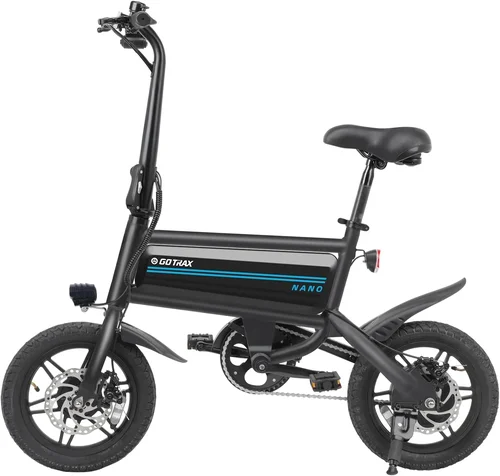
Electric bicycles—or e-bikes—have evolved from niche curiosities into mainstream transportation solutions, fitness tools, and even lifestyle statements. In 2026, the market is more dynamic than ever, with innovations in battery technology, motor efficiency, smart connectivity, and sustainable design reshaping what’s possible on two wheels. Whether you’re commuting through city traffic, exploring mountain trails, or simply looking for a greener way to get around, there’s an e-bike tailored to your needs. But with hundreds of models flooding the market—from budget-friendly commuter bikes to high-performance off-road machines—choosing the right one can feel overwhelming.
This comprehensive buying guide is designed to cut through the noise and help you make a confident, informed decision. We’ll walk you through every critical factor that should influence your purchase, compare different types of e-bikes, highlight common pitfalls to avoid, and offer expert-backed recommendations based on real-world performance and user feedback. By the end of this guide, you’ll not only understand what makes a great e-bike in 2026 but also know exactly which model aligns with your lifestyle, budget, and riding goals.
The electric bicycle market has matured significantly over the past decade. What once started as clunky, heavy contraptions with limited range has transformed into sleek, lightweight, and highly efficient machines capable of covering 50+ miles on a single charge. Major advancements in lithium-ion battery chemistry, regenerative braking systems, torque-sensing motors, and integrated digital displays have made e-bikes smarter, safer, and more enjoyable to ride. At the same time, growing environmental awareness, rising fuel costs, and improved urban cycling infrastructure have fueled widespread adoption. From students to seniors, delivery workers to weekend warriors, e-bikes are now a practical and appealing option for millions. This guide will help you navigate that growing ecosystem with clarity and confidence.
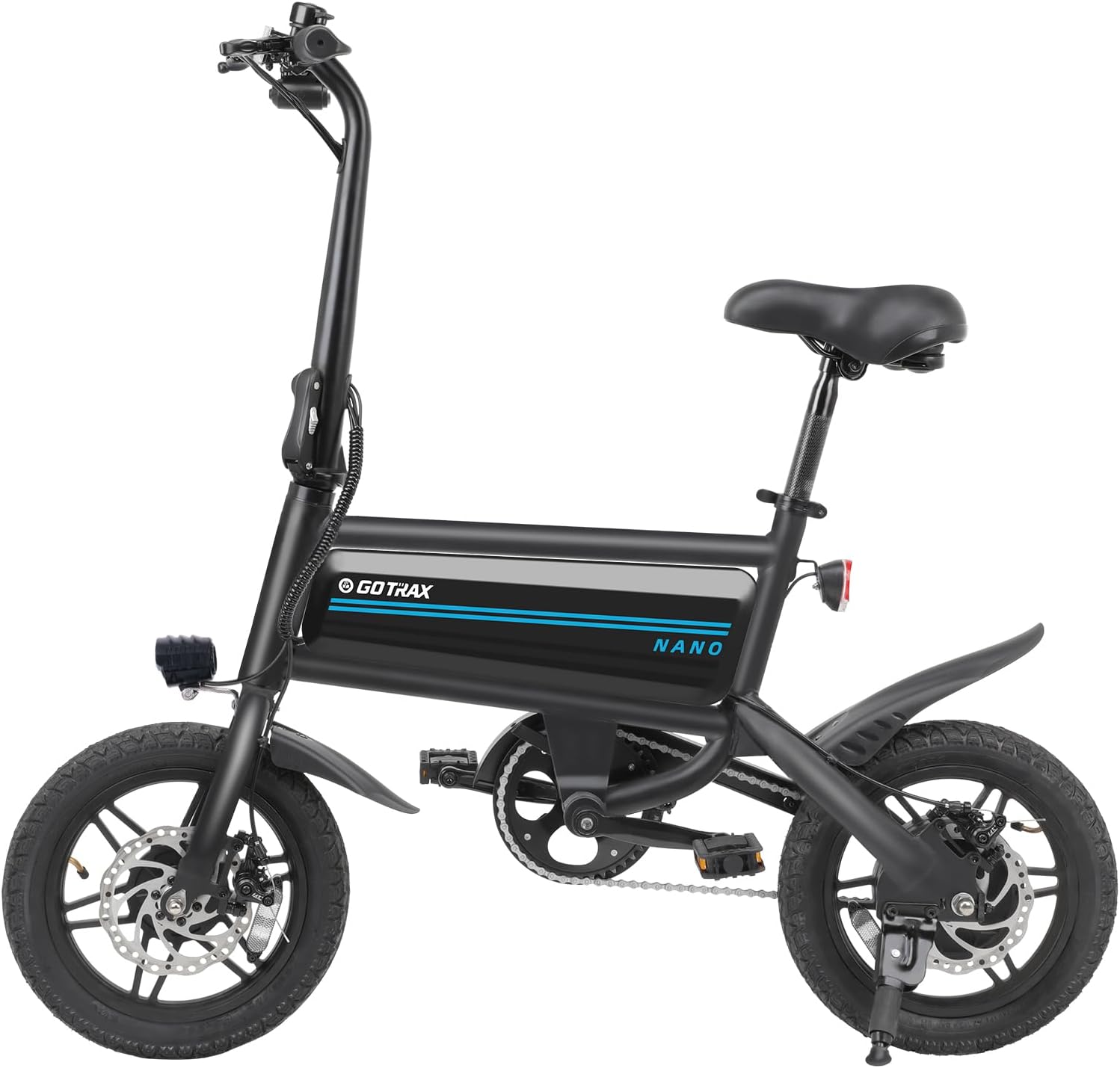
What to Look for When Buying an Electric Bicycle in 2026
1. Motor Type and Power Output
The motor is the heart of any e-bike, determining how much assistance you get and how smoothly it delivers power. In 2026, there are three main types of motors: hub motors (located in the front or rear wheel) and mid-drive motors (mounted near the pedals). Hub motors are generally quieter, simpler, and more affordable, making them ideal for flat-city commuting. Mid-drive motors, on the other hand, offer better weight distribution, superior hill-climbing ability, and more natural pedal feel—especially beneficial for off-road or hilly terrain.
Power output is measured in watts (W), with most consumer e-bikes ranging from 250W to 750W. In the U.S., federal law limits Class 3 e-bikes to 750W peak power, though many European models cap at 250W for pedal-assist only. Higher wattage doesn’t always mean better performance—efficiency, torque, and responsiveness matter just as much. Look for motors with high torque ratings (measured in Newton-meters or Nm), especially if you plan to carry cargo or ride uphill frequently. Brands like Bosch, Shimano, and Bafang continue to lead in motor innovation, offering refined systems with minimal noise and maximum reliability.
2. Battery Capacity and Range
Battery performance is arguably the most critical factor for long-term satisfaction. Measured in watt-hours (Wh), battery capacity determines how far you can ride on a single charge. A 400Wh battery might give you 25–35 miles in ideal conditions, while a 700Wh+ pack can easily exceed 60 miles—especially with efficient motors and conservative assist levels.
In 2026, most quality e-bikes use removable lithium-ion batteries with smart management systems that prevent overcharging, overheating, and deep discharge. Look for batteries with at least IP65 water resistance and warranties covering 2–3 years or 500–1,000 charge cycles. Removable batteries are a major plus—they allow you to charge indoors, swap in a spare, or replace the pack when it eventually degrades. Some premium models now feature fast-charging capabilities (0–80% in under 2 hours) and even solar-compatible charging options for off-grid adventures.
Real-world range varies widely based on terrain, rider weight, assist level, tire pressure, and weather. Always check independent range tests rather than relying solely on manufacturer claims. For daily commuters, a 500Wh battery is usually sufficient; for weekend explorers or cargo haulers, aim for 600Wh or higher.
3. Frame Material and Build Quality
The frame is the foundation of your e-bike’s durability, comfort, and handling. Aluminum alloy remains the most popular choice due to its excellent strength-to-weight ratio, corrosion resistance, and affordability. High-end models may use carbon fiber for reduced weight and enhanced vibration damping, but these come at a significant price premium.
Pay close attention to weld quality, tube thickness, and overall geometry. A well-designed frame should feel stable at speed, absorb road vibrations, and accommodate your body size comfortably. Integrated cable routing, internal battery compartments, and reinforced motor mounts are signs of thoughtful engineering. Avoid ultra-cheap e-bikes with flimsy frames—they often crack under stress or fail prematurely.
For riders over 200 lbs or those planning heavy cargo loads, look for reinforced frames with higher weight capacities (300+ lbs). Step-through frames offer easier mounting for shorter riders or those with mobility concerns, while traditional diamond frames provide greater rigidity for performance-oriented use.
4. Drivetrain and Gearing System
Unlike traditional bikes, e-bikes amplify your pedaling effort, so having the right gearing is essential for efficiency and comfort. Most modern e-bikes come with either internal hub gears (like Shimano Nexus or Enviolo) or derailleur-based systems (such as Shimano Deore or SRAM NX).
Internal gear hubs are low-maintenance, weather-resistant, and allow gear shifts while stationary—perfect for stop-and-go city riding. Derailleurs offer a wider gear range and lighter weight, ideal for varied terrain and higher speeds. In 2026, many mid-drive e-bikes pair seamlessly with 8–12 speed drivetrains, enabling smooth transitions across steep hills and flat roads alike.
Single-speed or 3-speed setups are common on budget commuter e-bikes but limit versatility. If you live in a hilly area or plan to ride long distances, invest in a model with at least 7 speeds. Also consider whether the bike supports automatic shifting—some premium models now adjust gears based on speed, cadence, and incline.
5. Braking System
Safety starts with reliable brakes. Mechanical disc brakes are common on entry-level models, but hydraulic disc brakes are strongly recommended for 2026 e-bikes due to their superior stopping power, modulation, and fade resistance—especially important given the added weight and speed of electric bikes.
Look for 160mm or 180mm rotors for optimal heat dissipation. Regenerative braking, found on select premium models, recovers energy during deceleration and feeds it back into the battery, extending range by 5–10%. While not a game-changer, it’s a nice efficiency boost for frequent stop-and-go riders.
Avoid rim brakes entirely—they wear out quickly, lose effectiveness in wet conditions, and struggle to stop heavier e-bikes safely. Always test braking performance during a demo ride, paying attention to lever feel and response time.
6. Tires and Suspension
Tires significantly impact ride quality, traction, and puncture resistance. In 2026, most e-bikes come with puncture-resistant, reflective, and tubeless-ready tires ranging from 2.0″ to 4.0″ in width. Wider tires (2.8″+) provide better cushioning and grip on rough surfaces, making them ideal for gravel, trails, or poorly maintained roads.
Suspension systems vary by category: hardtail (front suspension only) is common on hybrid and trail e-bikes, while full-suspension models offer rear shocks for serious off-roading. For city commuting, rigid forks or short-travel suspension (80–100mm) is usually sufficient. Full suspension adds weight and cost but dramatically improves comfort on technical terrain.
Consider tire tread pattern too—slick or semi-slick tires reduce rolling resistance on pavement, while knobby tires enhance off-road control. Some brands now offer adaptive tires that adjust pressure based on terrain via smartphone apps.
7. Smart Features and Connectivity
The rise of “smart e-bikes” has introduced features once reserved for smartphones and cars. Integrated color displays show speed, battery level, navigation, ride stats, and even weather forecasts. Bluetooth and GPS connectivity allow syncing with apps like Strava, Komoot, or manufacturer-specific platforms for route planning, theft tracking, and firmware updates.
In 2026, expect advanced features like:
– Over-the-air (OTA) software updates
– Anti-theft alarms with geofencing
– Automatic light activation
– Ride mode customization (eco, sport, turbo)
– Integration with smart home systems
While these features enhance convenience, they also increase complexity and potential points of failure. If you’re not tech-savvy, prioritize simplicity and reliability over flashy gadgets.
8. Warranty, Support, and Service Network
A great e-bike is only as good as the support behind it. Reputable brands offer comprehensive warranties—typically 2 years on the frame, 1–2 years on the battery, and 1 year on electrical components. Some, like Rad Power Bikes or Trek, provide lifetime frame warranties.
Check if the brand has local service centers or certified repair partners. DIY repairs are possible, but motor and battery issues often require specialized tools and expertise. Avoid brands with no U.S. or EU presence—you don’t want to be stuck with a dead bike and no way to fix it.
Read customer service reviews on forums like Reddit or Bicycle Stack Exchange. Responsive support teams can make all the difference when troubleshooting issues or ordering replacement parts.
Different Types of Electric Bicycles in 2026

Common Buying Mistakes to Avoid
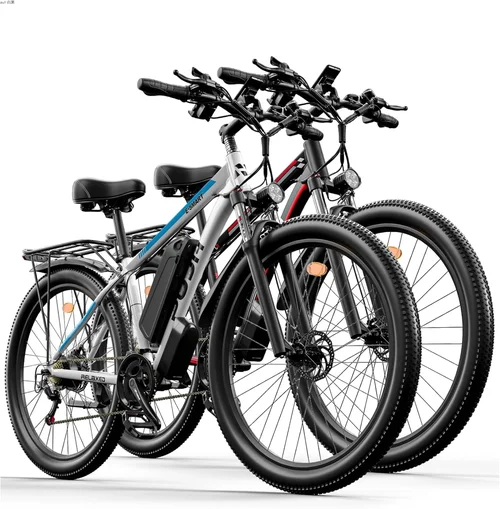
❌ Mistake: Prioritizing Price Over Quality
Why it’s bad: Ultra-cheap e-bikes (under $800) often use low-grade components, weak motors, and non-removable batteries that degrade quickly. They may lack safety certifications and have poor售后 support, leading to frustration and higher long-term costs.
What to do instead: Set a realistic budget based on your usage. Even entry-level models from reputable brands like Aventon or Lectric offer far better value and reliability than no-name imports.
❌ Mistake: Ignoring Local Laws and Classifications
Why it’s bad: E-bike regulations vary by region. In the U.S., Class 1 (pedal-assist up to 20 mph), Class 2 (throttle-assisted up to 20 mph), and Class 3 (pedal-assist up to 28 mph) have different road access rules. Riding an illegal class can result in fines or confiscation.
What to do instead: Research your local laws before buying. Most cities allow Class 1 and 2 on bike paths; Class 3 may be restricted to roads or require helmets.
❌ Mistake: Overlooking Fit and Ergonomics
Why it’s bad: An ill-fitting e-bike causes discomfort, reduces control, and increases injury risk. Many buyers choose based on looks alone, ignoring standover height, reach, and saddle position.
What to do instead: Test ride multiple sizes. Use online fit calculators, and consider professional bike fitting if investing in a premium model.
❌ Mistake: Assuming All Batteries Are Equal
Why it’s bad: Battery chemistry and build quality vary widely. Cheap cells lose capacity faster and pose fire risks. Non-removable batteries trap you if they fail.
What to do instead: Choose brands with certified batteries (UL 2271 or EN 15194) and removable designs. Check cycle life ratings—aim for 800+ cycles to 80% capacity.
❌ Mistake: Skipping the Test Ride
Why it’s bad: Spec sheets don’t reveal how a bike feels. Motor lag, brake responsiveness, and frame stiffness are only apparent during real-world riding.
What to do instead: Always test ride before purchasing. Many retailers offer 14–30 day return policies—use them wisely.
❌ Mistake: Neglecting Maintenance Requirements
Why it’s bad: E-bikes require regular upkeep: tire checks, brake adjustments, chain lubrication, and firmware updates. Ignoring maintenance shortens lifespan and compromises safety.
What to do instead: Learn basic maintenance or find a local shop that services e-bikes. Budget $100–$200 annually for tune-ups.
❌ Mistake: Buying Based on Hype Alone
Why it’s bad: Influencer endorsements and viral ads can exaggerate capabilities. Some “revolutionary” features are gimmicks with little real benefit.
What to do instead: Rely on independent reviews, user forums, and long-term ownership reports. Focus on proven performance over marketing claims.
Budget Guidelines: How Much Should You Spend?
Entry-Level ($800 – $1,500):
These bikes are ideal for casual riders, students, or those testing the e-bike waters. Expect hub motors (250–500W), 300–400Wh batteries, basic components, and limited smart features. Brands like Lectric XP, Ancheer, and Swagtron dominate this space. While functional, they may lack durability for daily heavy use.
Mid-Range ($1,500 – $3,500):
This is the sweet spot for most buyers. You’ll find quality aluminum frames, reliable mid-drive or high-end hub motors, 500–600Wh batteries, hydraulic brakes, and integrated lighting. Models from Rad Power Bikes, Aventon, and Trek offer excellent value with strong warranties and service networks.
Premium ($3,500 – $7,000):
Designed for enthusiasts and serious commuters, these e-bikes feature advanced motors (Bosch Performance Line, Shimano EP8), full suspension options, carbon fiber elements, and sophisticated electronics. Expect 60+ mile ranges, app integration, and premium drivetrains. Perfect for hilly cities or long-distance touring.
Luxury ($7,000+):
At this tier, you’re paying for cutting-edge innovation, bespoke design, and top-tier materials. Think lightweight carbon frames, dual-battery systems, AI-assisted riding modes, and concierge-level support. Brands like Specialized, Riese & Müller, and Stromer lead here—ideal for collectors or those who demand the absolute best.
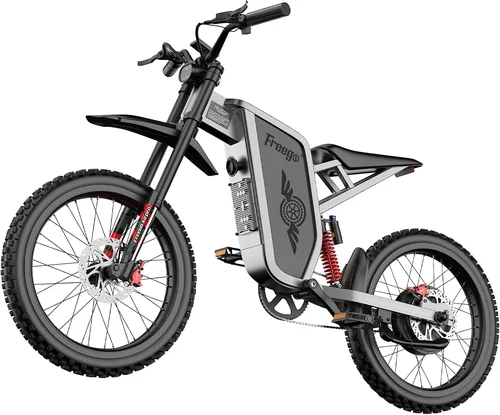
Expert Tips for Getting the Best Deal
– Shop During Off-Seasons: Late fall and winter see the biggest discounts as retailers clear inventory for new models. January and February often feature 15–25% off deals.
– Buy Direct from Manufacturers: Brands like Rad Power Bikes, Lectric, and Juiced Bikes sell online-only, cutting out middlemen and passing savings to you—often with free shipping.
– Look for Bundle Deals: Many retailers include free accessories (helmets, locks, racks) during promotions. These can save $100–$300 in added value.
– Check Return Policies: Ensure at least a 14-day trial period. Some brands offer 30-day money-back guarantees—critical for testing fit and performance.
– Consider Certified Pre-Owned: Reputable dealers sell inspected, warrantied used e-bikes at 30–50% off retail. Great for stretching your budget.
– Join Loyalty Programs: Sign up for newsletters to get early access to sales, exclusive coupons, and member-only events.
– Negotiate Add-Ons: Even at MSRP, ask for free assembly, extended warranties, or accessory discounts—many shops will accommodate to close a sale.
– Verify Certification: Only buy e-bikes certified by recognized bodies (UL, CE, EN). Uncertified bikes may be unsafe and ineligible for insurance.
Frequently Asked Questions
Q: How far can an e-bike really go on one charge?
A: Real-world range depends on battery size, terrain, rider weight, assist level, and weather. A 500Wh battery typically delivers 30–50 miles in mixed conditions. Use manufacturer range calculators and read independent tests for accurate estimates.
Q: Do I need a license or insurance to ride an e-bike?
A: In most U.S. states and EU countries, no license or insurance is required for Class 1 and 2 e-bikes. Class 3 may require a helmet and have age restrictions. Always check local laws.
Q: Can I ride an e-bike in the rain?
A: Yes—most modern e-bikes are water-resistant (IP65 or higher). Avoid submerging the battery or motor, and dry components after wet rides to prevent corrosion.
Q: How often should I charge my e-bike battery?
A: Charge when the battery drops to 20–30%. Avoid full discharges. Store at 50–60% charge if not riding for weeks. Never leave plugged in indefinitely.
Q: Are e-bikes safe for seniors?
A: Absolutely. Step-through frames, low center of gravity, and pedal assist make e-bikes ideal for older riders. Choose models with stable geometry and easy-to-use controls.
Q: Can I convert my regular bike to electric?
A: Yes, with conversion kits (e.g., Bafang, Tongsheng). However, results vary based on bike compatibility. For most, buying a purpose-built e-bike offers better integration and reliability.
Q: What’s the lifespan of an e-bike battery?
A: Quality lithium-ion batteries last 3–5 years or 800–1,200 charge cycles before dropping to 70–80% capacity. Proper care extends life significantly.
Q: Are e-bikes worth the investment?
A: For regular riders, yes. Savings on gas, parking, and public transit often offset the upfront cost within 1–2 years. Plus, health and environmental benefits add intangible value.
Q: Can I take my e-bike on public transportation?
A: Most buses and trains allow folding e-bikes. Full-size models may be restricted during peak hours. Check local transit policies.
Q: What happens if my e-bike breaks down far from home?
A: Carry a basic toolkit, spare tube, and portable charger. Many brands offer roadside assistance plans. Download offline maps and share your route with someone.
Our Final Recommendations
Best for Budget-Conscious Buyers: Lectric XP 3.0 – At under $1,000, it delivers surprising performance with a 500W motor, 460Wh removable battery, and foldable design. Perfect for city commuting and light trails.
Best Overall Value: Rad Power Bikes RadCity 5 Plus – Combines a powerful 750W geared hub motor, 672Wh battery, hydraulic brakes, and integrated lights. Excellent customer service and a 2-year warranty make it a standout.
Best Premium Option: Specialized Turbo Vado SL 6.0 – Lightweight, sleek, and packed with tech. Features a custom 240W motor, 700Wh battery, and MasterMind TCD display. Ideal for discerning commuters who want performance and style.
Best for Beginners: Aventon Level.2 – User-friendly interface, step-through option, and reliable Shimano components. Great entry point with room to grow.
Best for Advanced Users: Trek Allant+ 9.9S – Equipped with Bosch Performance Line CX motor, 750Wh battery, and Enviolo continuously variable transmission. Built for long-distance touring and technical riding.
Conclusion: Making the Right Choice
Choosing the best electric bicycle in 2026 isn’t just about specs—it’s about aligning your purchase with your lifestyle, priorities, and long-term goals. Whether you’re seeking eco-friendly transportation, a fitness companion, or an adventure vehicle, the right e-bike can transform how you move through the world. By focusing on motor quality, battery life, build integrity, and after-sales support, you’ll avoid common pitfalls and invest in a machine that serves you reliably for years.
Remember, the “best” e-bike is the one that fits your body, meets your needs, and inspires you to ride more. Don’t rush the decision. Test ride, compare, ask questions, and trust your instincts. With the insights from this guide, you’re now equipped to navigate the 2026 e-bike market with confidence. So gear up, charge up, and hit the road—your perfect ride awaits.