
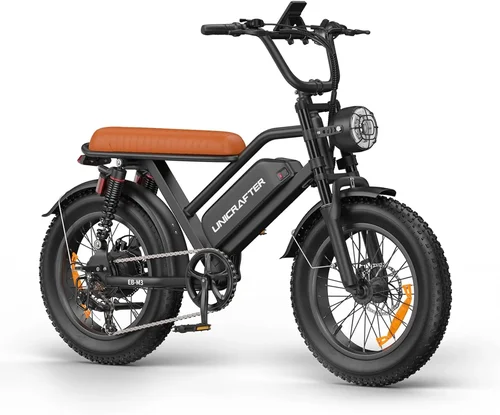
Electric cargo bikes have revolutionized urban transportation, family mobility, and last-mile delivery in ways few could have predicted just a decade ago. Once considered niche vehicles for European commuters or eco-conscious families, e-cargo bikes are now mainstream solutions for parents, small business owners, delivery riders, and even retirees looking to stay active without sacrificing practicality. With cities increasingly prioritizing low-emission transport, bike lanes expanding, and battery technology improving at a rapid pace, the electric cargo bike market has exploded—offering more choices than ever before. But with that abundance comes complexity: How do you choose the right model for your needs? What features truly matter? And how much should you realistically expect to spend?
This comprehensive buyer’s guide is designed to cut through the noise and help you make an informed, confident decision. Whether you’re hauling groceries, transporting kids, running a mobile coffee cart, or simply replacing your car for short trips, we’ll walk you through every critical factor—from motor power and battery life to frame design, safety features, and long-term support. You’ll learn how to match your lifestyle and cargo needs to the right type of e-cargo bike, avoid common pitfalls, understand budget tiers, and even score the best deals. By the end, you’ll have a clear roadmap to finding the perfect electric cargo bike that fits your life—not the other way around.
The electric cargo bike market in 2026 is more dynamic and competitive than ever. Major brands like Rad Power Bikes, Tern, Riese & Müller, and Yuba continue to innovate, while newer entrants like Lectric, Addmotor, and Bunch are pushing boundaries with affordable, feature-rich models. Advances in mid-drive motors, integrated lighting, smart connectivity, and modular cargo systems mean today’s e-cargo bikes are smarter, safer, and more versatile than their predecessors. At the same time, rising demand has led to better supply chains, longer warranties, and more robust customer service—making now an excellent time to buy. However, with prices ranging from under $1,500 to well over $8,000, and configurations varying wildly in capacity, range, and usability, choosing wisely requires careful consideration. This guide equips you with the knowledge to navigate that complexity and invest in a bike that will serve you reliably for years.
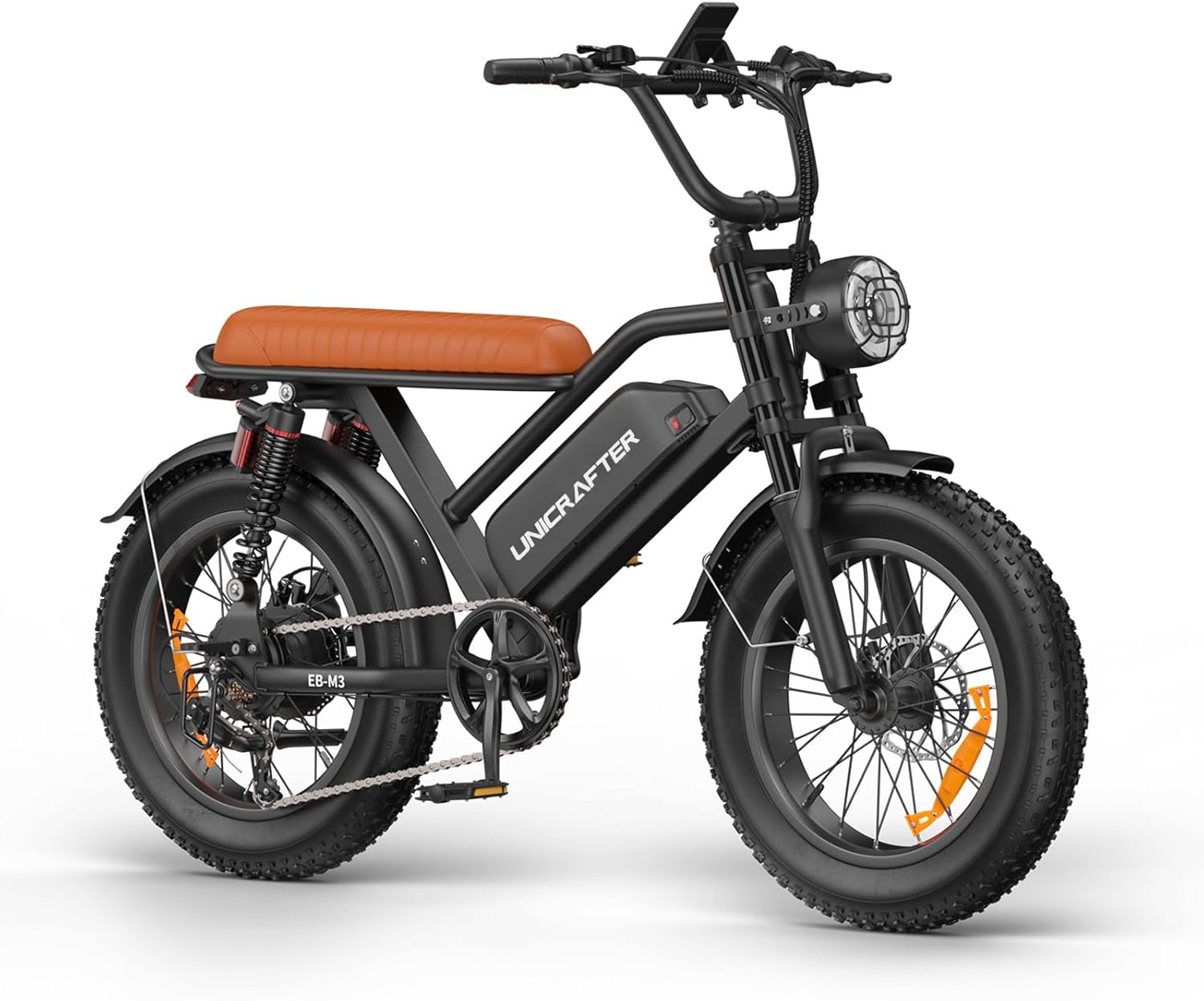
What to Look for When Buying an Electric Cargo Bike
1. Budget & Price Range
Your budget is the single most important starting point when shopping for an electric cargo bike. Unlike standard e-bikes, cargo models come with significantly higher price tags due to reinforced frames, larger batteries, heavy-duty components, and specialized cargo features. Prices typically range from $1,200 for basic entry-level models to $8,000+ for premium, professionally built machines. Setting a realistic budget upfront prevents frustration and helps narrow your options quickly.
When determining your budget, consider not just the upfront cost but also long-term value. A $2,500 bike with a reliable motor, good battery, and solid warranty may outperform a $4,000 model with flashy features but poor build quality. Also factor in potential add-ons like child seats, rain covers, panniers, or upgraded locks—these can add $300–$800 to your total investment. If you plan to use the bike for income-generating activities (like food delivery or mobile vending), view it as a business expense and prioritize durability and uptime over aesthetics.
2. Performance Specifications
Performance specs determine how well your e-cargo bike handles real-world conditions—especially when loaded. Key metrics include motor power (measured in watts), torque (Nm), battery capacity (Wh), and range (miles per charge). Most e-cargo bikes use either hub motors (mounted in the wheel) or mid-drive motors (integrated into the crankset). Hub motors are simpler and often cheaper, ideal for flat terrain and lighter loads. Mid-drive motors offer better weight distribution, hill-climbing ability, and efficiency—especially important for hilly cities or heavy cargo.
Motor power typically ranges from 250W (EU-compliant) to 750W (US standard) or even 1,000W+ for high-performance models. While more watts don’t always mean better performance, they do provide extra thrust when starting from stops or climbing hills with a full load. Torque, measured in Newton-meters (Nm), is equally critical—look for at least 60–80 Nm for reliable cargo hauling. Battery capacity (measured in watt-hours, or Wh) directly impacts range. A 400–500Wh battery might give you 20–30 miles under load, while 700–1,000Wh systems can deliver 50–80+ miles, depending on assist level, terrain, and cargo weight.
Range anxiety is real, especially for delivery riders or long-distance commuters. Always check real-world range tests—not just manufacturer claims—and consider investing in a second battery if you regularly exceed 40 miles per trip. Also, ensure the bike supports fast charging (many now offer 2–4 hour full charges) and has regenerative braking or eco modes to extend battery life.
3. Build Quality & Durability
Cargo bikes endure far more stress than regular e-bikes. They carry heavier loads, travel longer distances, and often face rougher conditions—so build quality isn’t optional; it’s essential. Start with the frame: high-tensile steel offers excellent strength and shock absorption but adds weight. Aluminum alloys are lighter and corrosion-resistant but may flex under extreme loads. Premium models often use hydroformed aluminum or chromoly steel for the best balance of strength and weight.
Pay close attention to welds, joints, and stress points—especially around the rear rack, fork, and motor mount. Look for reinforced dropouts, double- or triple-butted tubing, and internal cable routing to reduce wear. Components matter too: hydraulic disc brakes (not mechanical) are a must for safe stopping with heavy loads. Look for reputable drivetrain brands like Shimano, SRAM, or Enviolo (for belt drives), and ensure the bike has puncture-resistant tires (at least 2.2” wide) with good tread for wet or uneven surfaces.
Weight capacity is another critical metric. Most e-cargo bikes support 300–400 lbs total (rider + cargo), but verify this includes child passengers if applicable. Overloading can damage the frame, strain the motor, and void your warranty. Finally, check for rust-resistant coatings, sealed bearings, and weatherproof electronics—especially if you live in a rainy or salty coastal climate.
4. Features & Functionality
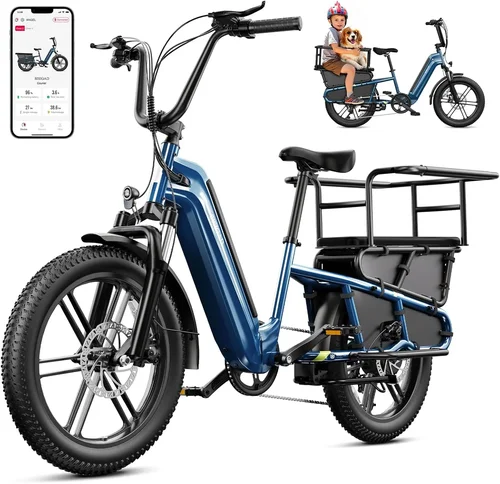
Modern e-cargo bikes come packed with features that enhance safety, convenience, and usability. Prioritize based on your use case. For families, integrated child seats (with 5-point harnesses), footrests, and safety harnesses are non-negotiable. Look for models with low step-through frames for easy mounting/dismounting with kids. For delivery or commercial use, consider bikes with lockable cargo boxes, USB charging ports, and mounts for tablets or GPS units.
Lighting is often overlooked but vital: front and rear LED lights (preferably with daytime running modes) improve visibility. Some models include turn signals, brake lights, or even brake-activated taillights—game-changers for urban riding. Fenders, chain guards, and kickstands are practical additions that protect you and your cargo from mud and grime.
Smart features are increasingly common: Bluetooth connectivity, app integration (for battery monitoring, ride tracking, or anti-theft alerts), and GPS tracking can add peace of mind. However, avoid “feature bloat”—don’t pay extra for tech you won’t use. Instead, focus on functional upgrades like adjustable handlebars, suspension forks (for rough roads), or modular cargo systems that let you switch between boxes, benches, and panniers.
5. Brand Reputation & Ecosystem
Not all e-cargo bike brands are created equal. Established players like Tern, Riese & Müller, and Yuba have decades of experience in utility cycling and offer proven reliability, extensive dealer networks, and strong resale value. Newer brands like Lectric and Addmotor focus on affordability and direct-to-consumer sales, often delivering impressive specs at lower prices—but may lack long-term service infrastructure.
Research brand reputation by reading owner forums (like Electric Bike Report or Reddit’s r/ebikes), checking BBB ratings, and looking for third-party certifications (e.g., UL 2849 for electrical safety). A strong ecosystem matters too: does the brand offer spare parts, accessories, service centers, or trade-in programs? Can you easily find replacement batteries or tires locally? Brands with global support networks (like Bosch or Shimano for motors) add extra confidence.
Also consider community support. Brands with active user groups often have better firmware updates, accessory compatibility, and troubleshooting resources. Avoid obscure brands with no online presence or unclear warranty terms—they may disappear before your bike needs repairs.
6. Warranty & Support
A comprehensive warranty is your safety net against manufacturing defects, battery degradation, and component failures. Most reputable brands offer 1–2 years on the frame, 1 year on electrical components, and 6–12 months on batteries. Premium brands like Riese & Müller or Tern often provide 2–3 years of full coverage, including roadside assistance.
Read the fine print: some warranties exclude “commercial use” or require professional assembly. Battery warranties are especially important—lithium-ion cells degrade over time, and a good policy should cover capacity loss below 70% within the warranty period. Also check if the warranty is transferable (important for resale) and whether service is available locally or requires shipping.
Customer support quality varies widely. Test responsiveness by calling or emailing before purchase. Do they answer technical questions clearly? Is there a service center nearby? Brands with U.S.-based support (like Rad Power Bikes) typically resolve issues faster than those relying on overseas teams. Avoid brands that only offer email support with 5-day response times—you don’t want to be stranded with a dead bike.
7. Size, Fit & Portability
E-cargo bikes are inherently larger and heavier than standard e-bikes, so fit and maneuverability matter greatly. Step-through frames are ideal for riders with limited mobility or those frequently loading/unloading cargo. Standover height should allow you to stand flat-footed while straddling the top tube.
Wheelbase length affects stability: longer wheelbases (common in longtail designs) offer better cargo space but can be harder to turn in tight spaces. Shorter wheelbases (like those on front-loader “bakfiets” models) are more agile but may feel twitchy when loaded. Test ride if possible—many dealers offer demo days or rental programs.
Portability is another consideration. If you need to store the bike in an apartment or carry it upstairs, look for models with folding handlebars, removable batteries, or compact designs. Some bikes weigh 70+ lbs, so lifting isn’t trivial. For garage or shed storage, measure your space—many e-cargo bikes are 7–8 feet long and 2–3 feet wide.
8. User Reviews & Real-World Testing
Spec sheets tell part of the story; real user experiences tell the rest. Scour verified purchase reviews on retailer sites (like REI, Amazon, or brand websites), YouTube reviews, and independent testing blogs. Look for patterns: Do multiple users report the same battery issues? Is the motor noisy under load? How does it handle in rain or snow?
Pay special attention to long-term reviews (6+ months of use). Early adopters often praise new models, but durability issues emerge over time. Check for comments on comfort, ease of maintenance, and customer service interactions. Also, see if the bike has been tested by organizations like Consumer Reports or Eurobike Award winners—these provide unbiased performance benchmarks.
Avoid relying solely on influencer content; many receive free products and may not disclose limitations. Instead, prioritize detailed, critical reviews from everyday users who’ve lived with the bike through seasons and real cargo loads.
Different Types of Electric Cargo Bikes

Common Buying Mistakes to Avoid
❌ Mistake: Prioritizing Price Over Total Cost of Ownership
Why it’s bad: A cheap e-cargo bike may save you $1,000 upfront but cost more in repairs, replacements, and downtime. Low-quality batteries degrade faster, motors burn out under load, and frames crack—leading to expensive fixes or premature replacement.
What to do instead: Calculate total cost over 3–5 years, including maintenance, battery replacement (~$500–$800), and potential resale value. Invest in a mid-range model with a solid warranty and proven reliability.
❌ Mistake: Ignoring Local Laws and Regulations
Why it’s bad: E-bike laws vary by state and country. In the U.S., Class 1 and 2 e-bikes (pedal-assist or throttle up to 20 mph) are widely allowed, but Class 3 (28 mph) may require helmets or have road restrictions. Some cities prohibit e-cargo bikes on certain paths or require special permits.
What to do instead: Check your local Department of Transportation or city website for e-bike classifications, speed limits, and where you can ride. Ensure your chosen model complies—especially if it has a throttle or high-speed capability.
❌ Mistake: Overlooking Test Rides
Why it’s bad: E-cargo bikes handle differently than regular bikes—especially when loaded. What looks good on paper may feel unstable, too heavy, or uncomfortable in real life.
What to do instead: Always test ride before buying. Many brands offer demo days, rental programs, or partner with local shops. Ride with a typical load (e.g., backpack for groceries or child seat) to assess balance, braking, and comfort.
❌ Mistake: Neglecting Maintenance Requirements
Why it’s bad: Cargo bikes endure more wear and tear. Neglecting chain lubrication, brake adjustments, or tire pressure can lead to safety issues or component failure.
What to do instead: Learn basic maintenance or find a local bike shop experienced with e-cargo bikes. Budget $100–$200 annually for tune-ups, and keep spare tubes, brake pads, and a multi-tool handy.
❌ Mistake: Buying Without Considering Storage
Why it’s bad: E-cargo bikes are large and heavy. Storing one in a narrow hallway, upstairs apartment, or crowded garage can be impractical—or impossible.
What to do instead: Measure your storage space and compare it to the bike’s dimensions. Consider vertical storage racks, wall mounts, or models with folding features. If space is tight, a compact or short-wheelbase model may be better.
❌ Mistake: Assuming All Batteries Are Equal
Why it’s bad: Battery quality varies widely. Cheap lithium cells may lose capacity quickly, overheat, or fail safety tests. Non-removable batteries limit flexibility and make charging inconvenient.
What to do instead: Choose bikes with removable, branded batteries (e.g., Samsung, LG, or Panasonic cells). Look for UL certification and check warranty terms for battery degradation coverage.
❌ Mistake: Skipping Insurance or Theft Protection
Why it’s bad: E-cargo bikes are expensive and attractive to thieves. Without insurance or a strong lock, a single theft could cost you thousands.
What to do instead: Invest in a high-quality U-lock or chain lock (like Kryptonite New York Fahgettaboudit). Consider adding the bike to your homeowner’s or renter’s insurance policy, or get specialized e-bike insurance (e.g., Velosurance or Markel).
Budget Guidelines: How Much Should You Spend?
Entry-Level ($1,200–$2,500): These bikes offer basic functionality for light cargo or occasional use. Expect hub motors (500–750W), 400–500Wh batteries, and steel or basic aluminum frames. Brands like Lectric, Addmotor, and Emojo dominate this space. Ideal for budget-conscious buyers doing short grocery runs or light commuting. Downsides include limited range, fewer safety features, and shorter warranties.
Mid-Range ($2,500–$4,500): The sweet spot for most buyers. You’ll find better motors (mid-drive options), larger batteries (600–800Wh), hydraulic brakes, and improved build quality. Models from Rad Power Bikes, Tern, and Yuba fall here. Great for families, daily commuters, and small businesses. Expect 40–60 mile range, child seat compatibility, and solid customer support.
Premium ($4,500–$7,000): For enthusiasts and professionals who demand reliability and performance. Features include Bosch or Shimano mid-drive motors, 800–1,000Wh batteries, full suspension, integrated lighting, and modular cargo systems. Brands like Riese & Müller, Tern, and Urban Arrow excel here. Ideal for hilly terrain, long distances, or commercial use.
Luxury ($7,000+): Top-tier engineering with bespoke designs, carbon components, smart connectivity, and concierge service. These bikes prioritize comfort, aesthetics, and cutting-edge tech. Perfect for those who view their e-cargo bike as a long-term investment or status symbol. Expect 5+ year lifespans with proper care.
Expert Tips for Getting the Best Deal
– Buy during off-seasons: Late fall and winter often see discounts as retailers clear inventory. Spring and summer are peak buying times—prices are higher, and stock may be limited.
– Check manufacturer rebates and incentives: Some states (like California and Colorado) offer e-bike purchase rebates of $500–$1,500. Utility companies may also provide incentives for replacing car trips.
– Compare direct-to-consumer vs. local dealers: Online brands (Rad, Lectric) often have lower prices, but local shops offer assembly, fitting, and service. Some dealers price-match online offers.
– Negotiate accessories: Ask for free or discounted add-ons like fenders, racks, or locks—especially during sales events.
– Read return policies carefully: Ensure you can return or exchange within 14–30 days if the bike doesn’t fit or perform as expected. Some brands charge restocking fees.
– Join loyalty programs: Brands like Tern and Yuba offer member discounts, early access to sales, and exclusive accessories.
– Consider certified pre-owned: Some dealers sell refurbished e-cargo bikes with warranties at 20–40% off retail. Great for testing premium models affordably.
– Time your purchase with trade-in programs: A few brands (e.g., Rad Power Bikes) offer trade-in credits for old e-bikes, reducing your net cost.
Frequently Asked Questions
Q: Can I ride an electric cargo bike in the rain?
A: Yes, most e-cargo bikes are designed for all-weather use. Look for IP65 or higher-rated electrical components, sealed motors, and corrosion-resistant frames. However, avoid submerging the bike or charging a wet battery. Fenders and mudguards are highly recommended.
Q: How much weight can an electric cargo bike carry?
A: Most support 300–400 lbs total (rider + cargo). Always check the manufacturer’s rated capacity—overloading can damage the frame and void warranties. For heavy loads, choose models with reinforced racks and dual suspension.
Q: Do I need a license or insurance to ride an e-cargo bike?
A: In most U.S. states, no license is required for Class 1–3 e-bikes. Insurance is optional but recommended for high-value bikes. Check local laws—some cities require helmets for passengers or restrict e-bikes on sidewalks.
Q: How long do e-cargo bike batteries last?
A: Quality lithium-ion batteries last 800–1,200 charge cycles, equating to 3–5 years of daily use. Capacity gradually declines; most warranties cover replacement if capacity drops below 70% within the warranty period.
Q: Can I use an e-cargo bike for food delivery?
A: Absolutely. Many delivery riders prefer e-cargo bikes for their cargo space, stability, and lower operating costs vs. cars or scooters. Look for models with lockable boxes, USB ports, and high payload ratings.
Q: Are e-cargo bikes safe for kids?
A: Yes, when equipped with certified child seats, harnesses, and safety flags. Choose models with low centers of gravity (like front loaders) and always follow weight limits. Helmets are mandatory for all passengers.
Q: How do I maintain my e-cargo bike?
A: Regular maintenance includes cleaning the chain, checking tire pressure, inspecting brakes, and updating firmware. Service the motor and battery annually at a certified shop. Keep a log of mileage and repairs.
Q: Can I upgrade components later?
A: Some components (tires, seats, lights) are easily upgradeable. Motors and batteries are harder to swap—check compatibility before buying. Modular systems (like Tern’s GSD) offer more upgrade flexibility.
Q: What’s the difference between a hub motor and a mid-drive motor?
A: Hub motors are simpler, quieter, and cheaper but less efficient on hills. Mid-drive motors use the bike’s gears, offering better torque, balance, and range—ideal for heavy loads and varied terrain.
Q: How do I charge the battery?
A: Most batteries are removable and charge via a standard wall outlet. Charging takes 3–6 hours. Avoid draining to 0% regularly; keep between 20–80% for longest life. Use only the manufacturer’s charger.
Our Final Recommendations
Best for Budget-Conscious Buyers: Lectric XP Cargo – At under $1,800, it delivers 750W power, 48V battery, and a 400 lb capacity. Great for light hauling and city commuting, though build quality is basic.
Best Overall Value: Rad Power Bikes RadWagon 4 – Priced around $2,200, it offers a 750W motor, 672Wh battery, hydraulic brakes, and modular cargo options. Reliable, well-supported, and family-friendly.
Best Premium Option: Riese & Müller Load 75 – A front-loader masterpiece with Bosch Performance Line CX motor, 1,000Wh battery, and full suspension. Priced near $7,500, it’s built for serious families and urban adventurers.
Best for Beginners: Yuba Spicy Curry – A user-friendly longtail with step-through frame, 750W motor, and intuitive handling. Around $3,500, it’s perfect for new riders transitioning from cars.
Best for Advanced Users: Tern GSD S10 – Compact, powerful, and modular. With a 500 lb capacity, dual-battery option, and Enviolo automatic transmission, it’s ideal for tech-savvy riders who want versatility and performance.
Conclusion: Making the Right Choice
Choosing the best electric cargo bike isn’t just about specs or price—it’s about aligning your vehicle with your lifestyle, needs, and values. Whether you’re reducing your carbon footprint, saving on gas, keeping your kids safe, or building a mobile business, the right e-cargo bike can transform how you move through the world. By focusing on build quality, performance, safety, and long-term support—and avoiding common pitfalls—you’ll invest in a bike that serves you reliably for years to come.
Remember: the cheapest option isn’t always the most economical, and the most expensive isn’t always the best fit. Prioritize your must-have features, test ride whenever possible, and don’t rush the decision. With the insights from this guide, you’re equipped to navigate the crowded market with confidence. So go ahead—embrace the freedom, efficiency, and joy of electric cargo biking. Your future self (and your cargo) will thank you.