
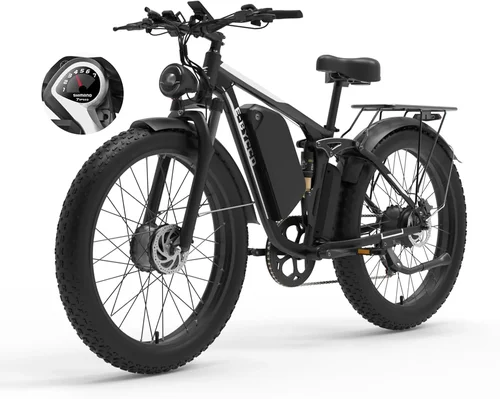
Electric bikes have transformed the way adults commute, explore, and stay active. Once seen as a niche alternative to traditional bicycles, e-bikes have surged in popularity over the past decade—and for good reason. They offer a powerful blend of convenience, sustainability, and accessibility that appeals to a wide range of riders, from urban commuters tired of traffic jams to weekend adventurers seeking longer, hillier rides without the exhaustion. Whether you’re looking to reduce your carbon footprint, improve your fitness, or simply enjoy the freedom of two wheels with a little extra boost, an adult electric bike could be the perfect solution.
This comprehensive buyer’s guide is designed to help you navigate the rapidly evolving world of e-bikes with confidence. With hundreds of models on the market—ranging from budget-friendly commuter bikes to high-performance off-road machines—it’s easy to feel overwhelmed. That’s where we come in. In this guide, you’ll learn how to evaluate key factors like motor power, battery life, build quality, and price, so you can make a smart, informed decision tailored to your lifestyle. We’ll break down the different types of e-bikes, highlight common pitfalls to avoid, and share expert tips to help you get the best value for your investment. By the end, you’ll have everything you need to choose the right electric bike for your needs—whether you’re riding to work, cruising through the countryside, or tackling rugged trails.
The adult electric bike market has matured significantly in recent years. Major manufacturers like Rad Power Bikes, Trek, Specialized, and Aventon now offer reliable, feature-rich models that rival traditional bikes in performance and design. At the same time, innovative startups are pushing the boundaries with lightweight frames, smart connectivity, and long-range batteries. Prices have also become more accessible, with quality entry-level options available under $1,500 and premium models offering cutting-edge technology for under $5,000. As battery efficiency improves and charging infrastructure expands, e-bikes are no longer just a novelty—they’re a practical, sustainable transportation solution for millions. This guide will help you cut through the noise and find the best adult electric bike for your unique needs.

What to Look for When Buying an Adult Electric Bike
1. Motor Power and Type
The motor is the heart of any electric bike, and its power and placement significantly affect performance. Most adult e-bikes use either hub motors (located in the front or rear wheel) or mid-drive motors (mounted near the pedals). Hub motors are common in budget and commuter models—they’re simple, reliable, and provide consistent assistance. Rear hub motors offer better traction and a more natural riding feel, while front hub motors can feel less stable on hills. Mid-drive motors, found on higher-end models, deliver power through the bike’s drivetrain, resulting in smoother acceleration, better weight distribution, and improved hill-climbing ability. They’re ideal for off-road or hilly terrain but come at a higher cost.
Motor power is measured in watts (W), with most consumer e-bikes ranging from 250W to 750W. In the U.S., federal law limits Class 3 e-bikes to 750W motors, though some states allow lower limits. A 250W motor is sufficient for flat city riding, while 500W–750W motors are better for hills, heavier riders, or cargo hauling. Don’t be fooled by “peak power” claims—look for continuous wattage, which reflects real-world performance. Also consider torque, measured in Newton-meters (Nm). Higher torque means quicker acceleration and better climbing power. For example, a 50Nm motor will feel noticeably stronger than a 35Nm one, especially on inclines.
2. Battery Capacity and Range
Battery life is one of the most critical factors when choosing an e-bike. Capacity is measured in watt-hours (Wh), which determines how far you can ride on a single charge. A higher Wh rating means longer range. For instance, a 400Wh battery might give you 25–40 miles, while a 700Wh battery could last 50–80 miles, depending on terrain, rider weight, assist level, and weather. Most e-bikes use lithium-ion batteries, which are lightweight, long-lasting, and rechargeable. Removable batteries are a major plus—they allow you to charge indoors and swap in a spare for extended rides.
Range anxiety is real, so don’t rely solely on manufacturer claims. Real-world range varies widely. A flat commute with minimal pedaling will drain the battery faster than a hilly ride with moderate assist. Look for bikes with regenerative braking (rare but emerging) or dual-battery options for long-distance touring. Also consider charging time: most batteries take 3–6 hours to fully charge. Fast-charging models are available but may reduce battery lifespan over time. Always check if the battery is UL-certified for safety—this ensures it meets rigorous fire and electrical standards.
3. Frame Material and Build Quality
The frame is the foundation of your e-bike’s durability and ride quality. Common materials include aluminum, steel, and carbon fiber. Aluminum is the most popular—lightweight, rust-resistant, and affordable. It offers a good balance of strength and weight, making it ideal for most riders. Steel frames are heavier but provide a smoother, more forgiving ride due to their natural flex. They’re often found on vintage-style or cargo e-bikes. Carbon fiber is lightweight and stiff, offering excellent performance, but it’s expensive and less impact-resistant.
Build quality extends beyond the frame. Check the welds, cable routing, and component finishes. A well-built e-bike should feel solid, with no creaks or loose parts. Look for reputable component brands like Shimano, SRAM, or Tektro for drivetrains and brakes. Suspension systems also matter—front suspension forks absorb bumps on rough roads, while full suspension (front and rear) is essential for off-road riding. Even on city bikes, a quality suspension fork can make a big difference in comfort.
4. Pedal Assist vs. Throttle
Most e-bikes offer two ways to get motor assistance: pedal assist (PAS) and throttle. Pedal assist activates the motor when you pedal, providing varying levels of support based on your effort. It’s efficient, extends battery life, and feels more natural. Throttle, like on a scooter, lets you ride without pedaling at all. It’s great for quick starts, hills, or when you’re tired, but it drains the battery faster.
Some bikes offer both, giving you flexibility. Class 1 e-bikes have pedal assist only, up to 20 mph. Class 2 bikes include a throttle and also cap speed at 20 mph. Class 3 bikes have pedal assist up to 28 mph but no throttle (in most cases). Consider your riding style: if you want a workout, go for pedal assist. If you need help with hills or carrying cargo, a throttle can be a lifesaver. However, throttles are restricted in some cities, so check local laws.
5. Braking System
Brakes are non-negotiable for safety, especially on heavier e-bikes that can reach high speeds. Mechanical disc brakes are common on budget models—they’re reliable but require more hand force. Hydraulic disc brakes offer superior stopping power, better modulation, and less maintenance. They’re standard on mid-range and premium e-bikes and are highly recommended for hilly areas or wet conditions.
Rim brakes (like V-brakes) are rare on modern e-bikes due to their inferior performance, especially in the rain. Always test the brakes during a demo ride. They should engage smoothly without squealing or pulling to one side. Regenerative braking, which recharges the battery slightly when you brake, is still rare but worth noting if available.
6. Weight and Portability
E-bikes are heavier than regular bikes due to the motor and battery. Most weigh between 40 and 70 pounds. A lighter bike (under 50 lbs) is easier to carry upstairs, load onto a rack, or maneuver in tight spaces. Heavier models offer more stability and durability but can be cumbersome. If you plan to transport your e-bike frequently, consider a folding model or one with a step-through frame for easier mounting.
Portability also includes features like integrated lights, fenders, and racks. These add convenience but also weight. Some bikes come with rear racks pre-installed, which is great for carrying groceries or a backpack. If you live in a city, look for bikes with built-in lights and reflective elements for safety.
7. Display and Connectivity
The display shows essential info like speed, battery level, assist mode, and distance. Basic LCD screens are functional but limited. Color displays with backlighting are easier to read in sunlight. Some high-end models include GPS, Bluetooth, and smartphone integration via apps. These let you track rides, lock the bike remotely, or customize assist levels.
Smart features can enhance the experience but aren’t essential. If you’re tech-savvy, look for bikes with ANT+ or Bluetooth connectivity. However, avoid overly complex systems that may require frequent updates or subscriptions. A simple, intuitive display is often better for daily use.
8. Warranty and Customer Support
A good warranty protects your investment. Most reputable brands offer at least a 1-year warranty on the frame and motor, and 6–12 months on the battery. Premium brands may extend coverage to 2–3 years. Check what’s covered—some exclude wear items like tires or brake pads. Also, consider the brand’s customer service reputation. Can you get parts easily? Is there a local dealer or service center?
Online-only brands may have limited support, so read reviews about their responsiveness. A strong warranty and reliable support can save you hundreds in repairs. Don’t skip the fine print—some warranties are voided if the bike is modified or used commercially.
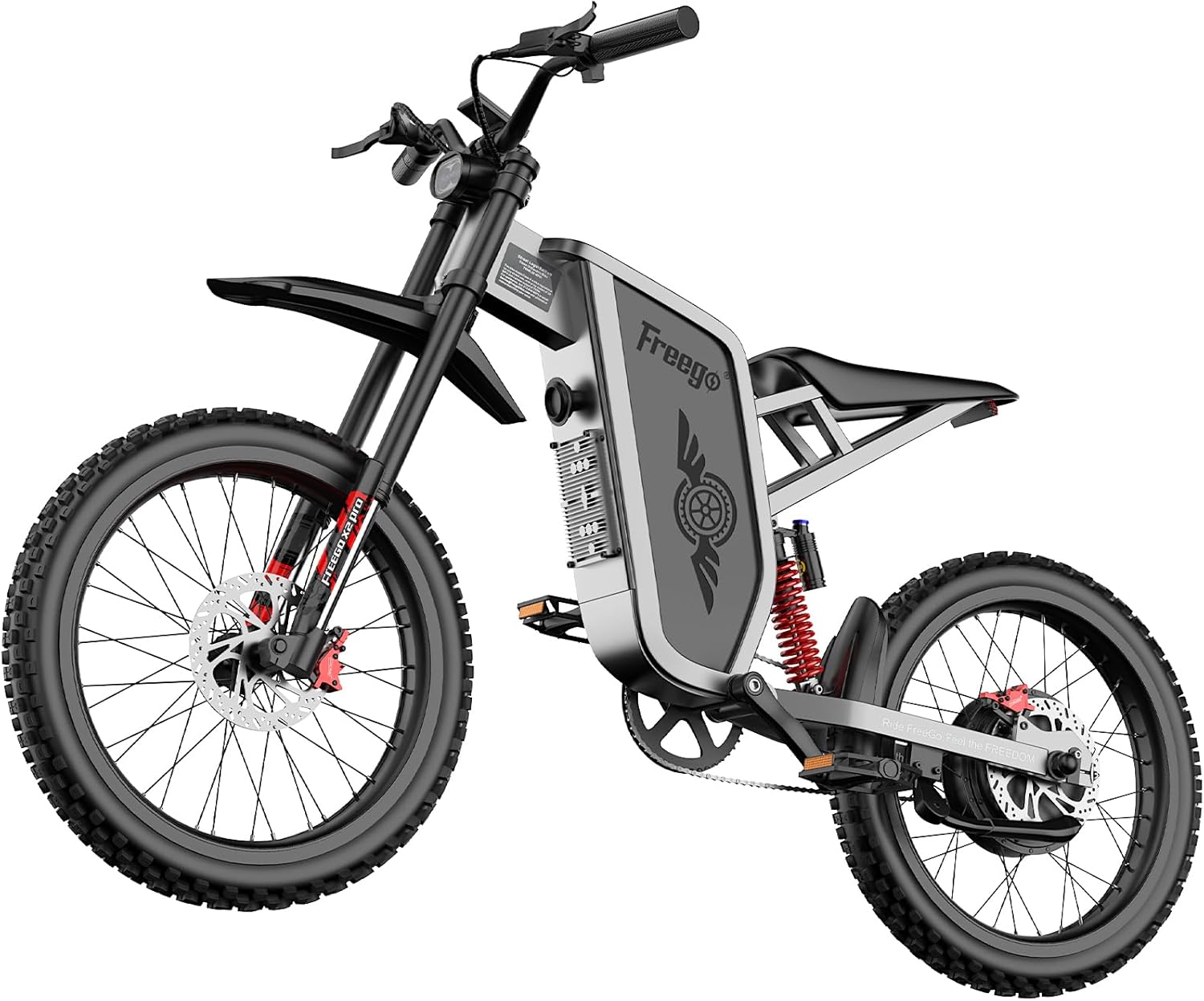
Different Types of Adult Electric Bikes
Common Buying Mistakes to Avoid
❌ Mistake: Ignoring Local E-Bike Laws
Why it’s bad: E-bike regulations vary by state and city. Some areas restrict motor power, speed, or where you can ride (e.g., bike lanes vs. sidewalks). Riding an illegal e-bike can result in fines or confiscation.
What to do instead: Research your local laws before buying. In the U.S., most states follow the three-class system, but some ban throttles or limit e-bikes to certain paths. Always check municipal codes—especially if you plan to ride in parks or on trails.
❌ Mistake: Choosing Based on Price Alone
Why it’s bad: The cheapest e-bike may have a weak motor, poor battery, or flimsy frame. You’ll likely replace it within a year, costing more in the long run.
What to do instead: Set a realistic budget and prioritize value over price. A $1,500 bike with a reliable motor and good warranty is often better than a $900 model with hidden flaws. Look for mid-range options that balance cost and quality.
❌ Mistake: Overlooking Test Rides
Why it’s bad: E-bikes feel different from regular bikes. A model that looks great online might be uncomfortable or hard to control in real life.
What to do instead: Always test ride before buying. Visit local dealers or attend e-bike demo events. Pay attention to seat comfort, handlebar position, and how the motor responds. If buying online, choose retailers with generous return policies.
❌ Mistake: Neglecting Maintenance Needs
Why it’s bad: E-bikes require regular upkeep—brake adjustments, tire checks, battery care. Ignoring maintenance leads to breakdowns and safety risks.
What to do instead: Learn basic maintenance or find a local shop that services e-bikes. Keep the battery charged (but not at 100% all the time), clean the chain, and inspect tires monthly. Some brands offer free first service—take advantage.
❌ Mistake: Buying Without Considering Storage
Why it’s bad: E-bikes are heavy and bulky. Storing one in a small apartment or on a balcony can be challenging.
What to do instead: Measure your space before buying. Consider folding models or wall mounts. If you live in a humid area, store the battery indoors to prevent damage.
❌ Mistake: Ignoring Battery Replacement Costs
Why it’s bad: Batteries degrade over time and typically last 3–5 years. Replacement can cost $500–$800—sometimes more than the bike’s resale value.
What to do instead: Choose a brand with affordable, widely available batteries. Check if the battery is user-replaceable. Some companies offer battery leasing or trade-in programs.
❌ Mistake: Skipping Insurance
Why it’s bad: E-bikes can cost thousands. Theft is common, especially in cities. Without insurance, you lose everything if stolen.
What to do instead: Add your e-bike to your homeowner’s or renter’s insurance policy, or get specialized e-bike insurance. Some brands include theft protection or offer discounts on coverage.
Budget Guidelines: How Much Should You Spend?
Entry-Level ($800 – $1,500): These bikes are great for casual riders or those on a tight budget. Expect basic components, hub motors, and limited range (20–30 miles). Brands like Ancheer, Swagtron, and Ecotric offer affordable options, but build quality and support may be inconsistent. Ideal for flat commutes under 10 miles.
Mid-Range ($1,500 – $3,000): This is the sweet spot for most buyers. You’ll get reliable motors (500W–750W), better batteries (500Wh+), hydraulic brakes, and improved frames. Brands like Rad Power Bikes, Aventon, and Lectric offer excellent value. These bikes handle hills, longer rides, and daily use with ease.
Premium ($3,000 – $5,000): For enthusiasts and serious commuters. Expect mid-drive motors, high-capacity batteries, full suspension (on MTBs), and smart features. Trek, Specialized, and Riese & Müller dominate this space. These bikes are built to last, with superior components and customer support.
Luxury ($5,000+): Top-tier performance and design. Think carbon frames, dual batteries, GPS tracking, and custom builds. Models from Bosch-powered brands or boutique makers like Stromer or Benno offer cutting-edge tech. Best for long-distance touring, off-road adventures, or those who want the best.
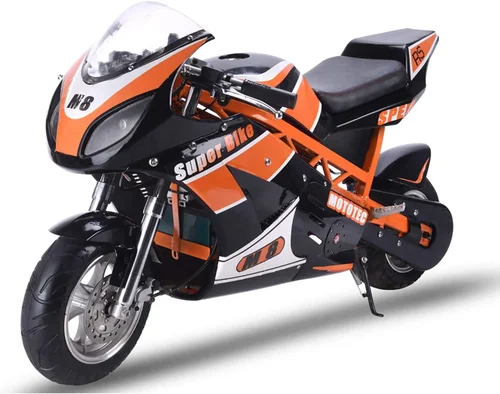
Expert Tips for Getting the Best Deal
1. Buy During Off-Season Sales: E-bike prices drop in late fall and winter. Many retailers clear inventory before new models arrive. Black Friday and end-of-year sales offer the best discounts—sometimes 15–25% off.
2. Shop at Local Dealers When Possible: Local shops often price-match online retailers and offer free tune-ups, assembly, and test rides. Supporting local businesses also ensures better service and faster repairs.
3. Look for Refurbished or Open-Box Models: Certified pre-owned e-bikes from reputable brands can save you 20–30%. These are inspected, tested, and often come with warranties. Rad Power Bikes and Aventon offer certified refurbished options.
4. Check for Government Incentives: Some states and cities offer rebates or tax credits for e-bike purchases. California, Colorado, and Vermont have active programs. Even if your area doesn’t, federal tax credits for clean transportation may apply in the future.
5. Read Real User Reviews: Manufacturer sites often feature glowing testimonials. Instead, check third-party review sites like Electric Bike Review or Reddit’s r/ebikes. Look for patterns—repeated complaints about battery life or customer service are red flags.
6. Negotiate Accessories: Many dealers will throw in free accessories (lights, locks, racks) if you ask. It costs them little but adds value for you. Don’t be shy—politely request a bundle deal.
7. Consider Financing Options: Some brands offer 0% APR financing for 6–12 months. This lets you spread payments without interest. Just make sure you can pay it off before the promotional period ends.
8. Test Multiple Models: Don’t settle for the first bike you try. Ride at least 2–3 different models to compare comfort, handling, and power delivery. Your body will tell you which one feels right.

Frequently Asked Questions
Q: How fast can an adult electric bike go?
A: Most e-bikes are limited to 20 mph (Class 1 and 2) or 28 mph (Class 3) under motor power. You can pedal faster, but the motor cuts off at the legal limit. Speed depends on motor power, terrain, and rider input.
Q: Do I need a license or insurance to ride an e-bike?
A: In most U.S. states, no license or insurance is required for Class 1–3 e-bikes. However, some cities have additional rules. Always check local regulations. Helmets are recommended, especially for Class 3 bikes.
Q: How long does an e-bike battery last?
A: A lithium-ion battery typically lasts 500–1,000 charge cycles, or 3–5 years with regular use. Proper care—avoiding extreme temperatures and not draining to 0%—can extend lifespan.
Q: Can I ride an e-bike in the rain?
A: Yes, most e-bikes are water-resistant (IP65 or higher). Avoid submerging the battery or motor. Dry the bike after wet rides and store it indoors when possible.
Q: How much does it cost to charge an e-bike?
A: Charging a 500Wh battery costs about $0.08–$0.15, depending on electricity rates. That’s less than a cup of coffee for 30+ miles of riding.
Q: Can I pedal an e-bike without the motor?
A: Absolutely. E-bikes are fully functional bicycles. You can ride in pedal-only mode anytime, though the added weight may make it slightly harder than a regular bike.
Q: Are e-bikes good for exercise?
A: Yes! Even with motor assist, you’re still pedaling and engaging muscles. Using lower assist levels or turning off the motor increases workout intensity. Many riders report improved fitness over time.
Q: What’s the difference between a hub motor and a mid-drive motor?
A: Hub motors are in the wheel—simple and affordable. Mid-drive motors are near the pedals, offering better balance, efficiency, and hill performance. Mid-drives are preferred for off-road and hilly terrain.
Q: Can I upgrade my e-bike’s battery?
A: Some brands allow battery upgrades, but compatibility varies. Check with the manufacturer. Swapping to a higher-capacity battery may void the warranty.
Q: How do I secure my e-bike from theft?
A: Use a high-quality U-lock through the frame and rear wheel. Add a secondary cable for the front wheel. Park in well-lit, busy areas. Consider GPS trackers like Apple AirTag or specialized bike alarms.
Our Final Recommendations
Best for Budget-Conscious Buyers: Rad Power Bikes RadCity 5 Plus ($1,699)
A reliable commuter with a 750W motor, 617Wh battery, and integrated lights. Great value, excellent customer support, and a 1-year warranty.
Best Overall Value: Aventon Level.2 ($1,799)
Smooth ride, 500W motor, 614Wh battery, and a sleek design. Includes a color display, fenders, and rack—perfect for daily use.
Best Premium Option: Specialized Turbo Vado SL 5.0 ($4,200)
Lightweight, powerful, and packed with smart features. Ideal for serious commuters who want performance and style.
Best for Beginners: Lectric XP 3.0 ($999)
Affordable, foldable, and easy to ride. Great for first-time e-bike owners or those with limited storage space.
Best for Advanced Users: Trek Rail 9.9 XTR ($8,999)
A high-end eMTB with full suspension, Bosch motor, and top-tier components. Built for serious trail riders and long adventures.
Conclusion: Making the Right Choice
Choosing the best adult electric bike isn’t just about picking the shiniest model or the one with the longest range. It’s about finding a bike that fits your lifestyle, budget, and riding goals. Whether you’re commuting to work, exploring mountain trails, or simply enjoying weekend rides, the right e-bike can transform your experience. By focusing on key factors like motor power, battery life, build quality, and safety features, you’ll avoid common pitfalls and make a smart investment.
Remember, the best e-bike is the one you’ll actually ride. Don’t get swayed by flashy specs or aggressive marketing. Instead, prioritize comfort, reliability, and real-world performance. Test ride whenever possible, read honest reviews, and consider long-term costs like maintenance and battery replacement. And don’t forget to check local laws—compliance ensures you can ride safely and legally.
Electric bikes are more than a trend—they’re a sustainable, enjoyable, and practical way to move through the world. With the insights from this guide, you’re now equipped to make a confident, informed decision. So go ahead: find your perfect ride, hit the road, and enjoy the freedom that comes with every pedal-assisted mile. Your future self—and the planet—will thank you.