
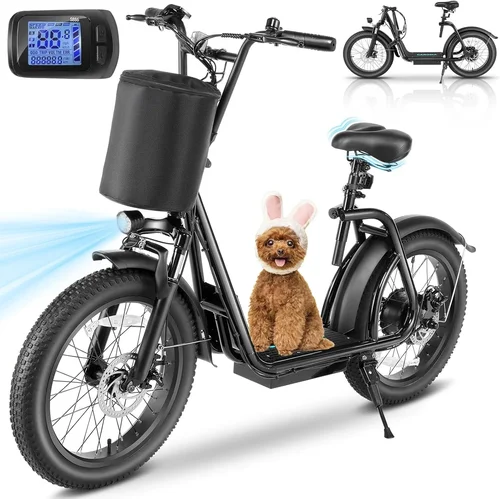
Electric bikes, or e-bikes, have exploded in popularity over the past few years—and for good reason. They offer a fun, eco-friendly, and efficient way to get around, especially for teens who are eager to explore their neighborhoods, commute to school, or simply enjoy the thrill of riding with a little extra boost. But with so many models flooding the market in 2026, choosing the right e-bike for a teenager can feel overwhelming. Parents want safety, durability, and value, while teens often prioritize style, speed, and tech features. This guide cuts through the noise to help you make a smart, informed decision.
Whether you’re shopping for your first teen e-bike or upgrading from an older model, this comprehensive buyer’s guide will walk you through every critical factor—from budget and performance to safety and long-term support. We’ll compare different types of e-bikes, highlight common pitfalls to avoid, and share expert tips to ensure you get the best possible ride for your money. By the end, you’ll know exactly what to look for and which models stand out in today’s competitive market.
The teen e-bike market has evolved rapidly. No longer just scaled-down versions of adult bikes, modern youth e-bikes are engineered with younger riders in mind—offering age-appropriate power limits, lightweight frames, intuitive controls, and enhanced safety features. From sleek commuter models to rugged off-road machines, there’s an e-bike tailored to nearly every lifestyle and terrain. But not all e-bikes are created equal. Some prioritize affordability over build quality, while others pack in so many features that they become unnecessarily complex for a first-time rider. Our goal is to help you find the sweet spot: a reliable, safe, and enjoyable e-bike that grows with your teen and delivers real value over time.

What to Look for When Buying an Ebike for Teens
1. Safety Features and Compliance
Safety should always be the top priority when selecting an e-bike for a teenager. Unlike adult riders, teens may lack the experience to anticipate traffic hazards, handle high speeds, or react quickly in emergencies. Look for models equipped with essential safety features such as front and rear LED lights, reflective strips, audible horns or bells, and reliable disc brakes (preferably hydraulic). Many reputable brands now include automatic brake lights that activate when slowing down—a small but crucial detail for visibility.
Equally important is compliance with local regulations. In most U.S. states and many countries, e-bikes are classified by speed and motor power. For teens, Class 1 (pedal-assist only, up to 20 mph) or Class 2 (throttle-assisted, also capped at 20 mph) are typically the safest and most legally appropriate choices. Avoid Class 3 models (28 mph), which may require helmets by law and pose higher risks for inexperienced riders. Always verify your local laws—some areas restrict e-bike use on sidewalks, trails, or public roads based on age or bike class.
2. Motor Power and Performance
Motor power directly affects how your teen experiences the ride. Most teen-friendly e-bikes feature motors ranging from 250W to 750W. A 250W–350W motor is sufficient for flat urban commuting and gentle hills, offering smooth assistance without overwhelming acceleration. These are ideal for younger teens or those new to e-biking.
For teens who plan to tackle steeper inclines, carry backpacks, or ride longer distances, a 500W–750W motor provides noticeable extra torque and quicker response. However, higher wattage often means shorter battery life and increased weight—so balance power needs with practicality. Also, note that motors can be hub-driven (in the wheel) or mid-drive (near the pedals). Hub motors are simpler and more affordable, while mid-drives offer better weight distribution and efficiency but come at a premium price.
Performance isn’t just about raw power—it’s also about responsiveness. Look for bikes with multiple pedal-assist levels (e.g., Eco, Tour, Sport) so your teen can adjust effort based on terrain or fatigue. Smooth transitions between assist modes prevent jerky starts and improve control.
3. Battery Life and Charging
Battery capacity—measured in watt-hours (Wh)—determines how far your teen can ride on a single charge. For daily school commutes or weekend adventures, aim for a battery rated between 300Wh and 600Wh. Real-world range varies based on terrain, rider weight, assist level, and weather, but here’s a rough guide:
– 300Wh: ~15–25 miles
– 400Wh: ~25–35 miles
– 500Wh+: ~35–50+ miles
Removable batteries are a major plus—they allow easy charging indoors (away from extreme temperatures) and replacement if needed. Lithium-ion (Li-ion) batteries are standard and offer good energy density, but check for reputable cell brands like Samsung or LG for longevity. Avoid no-name batteries, which may degrade faster or pose fire risks.
Charging time typically ranges from 3 to 6 hours. Some premium models support fast charging (under 2 hours), but this can reduce overall battery lifespan if used frequently. Always follow manufacturer guidelines for optimal battery health.
4. Frame Size and Fit
An ill-fitting bike is uncomfortable, unsafe, and discouraging to ride. Teenagers come in all shapes and sizes, so choosing the right frame size is essential. Most e-bikes for teens use step-through or low-step frames, making mounting and dismounting easier—especially for younger riders or those wearing school uniforms.
Check the manufacturer’s height recommendations. For example:
– Riders 4’10″–5’3″: XS or Small frame
– Riders 5’3″–5’7″: Medium frame
– Riders 5’7″–5’11”: Large frame
Adjustable seat posts and handlebars add flexibility as your teen grows. A proper fit ensures efficient pedaling, better control, and reduced strain on joints. Test rides are ideal—if buying online, look for brands with generous return policies or virtual fit tools.
5. Build Quality and Durability
Teenagers aren’t always gentle with their gear. Look for e-bikes built with sturdy materials like aluminum alloy frames, which resist rust and handle bumps well. Avoid cheap steel frames—they’re heavy and prone to corrosion.
Check component quality too: Shimano or SRAM drivetrains, Tektro or Zoom brakes, and puncture-resistant tires (like Schwalbe or Kenda) signal a well-built machine. Suspension forks (even basic ones) improve comfort on rough pavement or gravel paths. While full suspension is rare in this segment, front suspension is common and highly beneficial.
Water resistance matters too. While no e-bike is fully waterproof, look for IPX4 or higher ratings—this means it can handle light rain and splashes. Never submerge the battery or motor!
6. Weight and Portability
E-bikes are inherently heavier than traditional bikes due to motors and batteries. For teens, a total weight under 50 pounds is ideal—anything over 55 lbs becomes difficult to lift, carry upstairs, or maneuver when the battery dies.
Lightweight aluminum frames help, as do compact designs. Foldable e-bikes (like the Swagtron EB5 or Ancheer Folding) are great for small apartments or combining with public transit, but they often sacrifice stability and range. Consider portability needs based on where and how your teen will store and use the bike.
7. Display and User Interface
The display is your teen’s command center. Look for clear, backlit LCD or LED screens that show speed, battery level, assist mode, and trip distance. Touchscreens are rare in this price range but not necessary—simple button controls are more durable and easier to use with gloves.
Some models integrate with smartphone apps via Bluetooth, offering route tracking, ride stats, anti-theft alerts, and firmware updates. While not essential, these features can enhance engagement and safety. Ensure the interface is intuitive—complicated menus frustrate new riders.
8. Warranty and Customer Support
A good warranty reflects confidence in product quality. Most reputable brands offer at least a 1-year comprehensive warranty covering the frame, motor, and battery. Premium models may extend to 2–3 years. Pay attention to what’s included: some warranties exclude wear items like tires or brake pads.
Customer support matters too. Can you reach a real person quickly? Are replacement parts readily available? Brands like Rad Power Bikes, Aventon, and Lectric XP have strong U.S.-based support networks. Avoid obscure brands with no service centers—you don’t want to be stuck with a broken bike and no help.
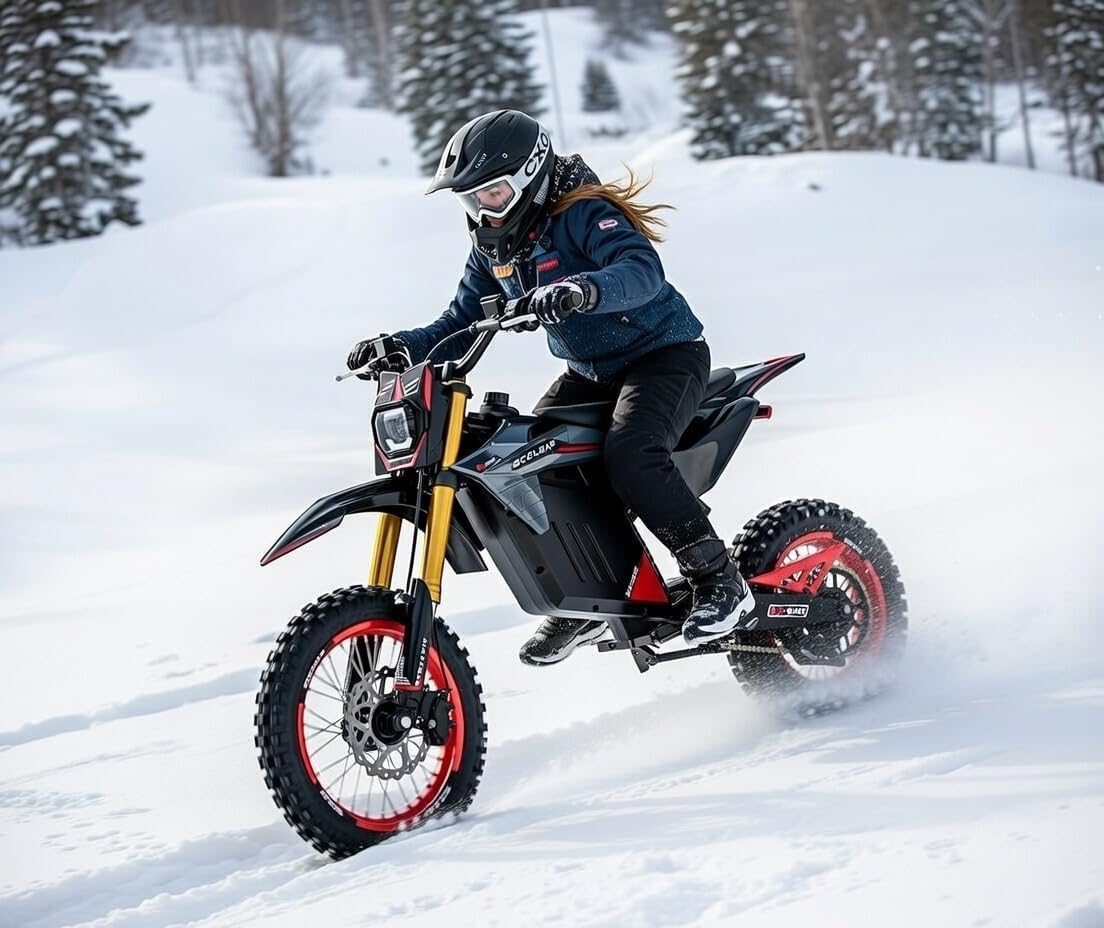
Different Types of Ebikes for Teens
Common Buying Mistakes to Avoid
❌ Mistake: Prioritizing Speed Over Safety
Why it’s bad: High-speed e-bikes (especially Class 3 or modified models) increase accident risk for inexperienced riders. Teens may not have the reflexes or judgment to handle sudden bursts of speed, especially in traffic or crowded areas.
What to do instead: Stick to Class 1 or 2 e-bikes with speed limiters. Many brands offer “teen mode” settings that cap assist levels. Emphasize helmet use and traffic rules—speed isn’t cool if it leads to injury.
❌ Mistake: Ignoring Local Laws and Age Restrictions
Why it’s bad: Some states prohibit riders under 16 from operating certain e-bikes. Others require helmets, registration, or restrict where e-bikes can be ridden (e.g., bike lanes only).
What to do instead: Research your state and city regulations before buying. The PeopleForBikes website offers a handy state-by-state guide. When in doubt, choose a compliant model to avoid fines or confiscation.
❌ Mistake: Choosing Based Solely on Price
Why it’s bad: The cheapest e-bikes often cut corners on safety, battery quality, and durability. A $400 e-bike might save money upfront but cost more in repairs or early replacement.
What to do instead: View the purchase as a long-term investment. Spend a little more for reputable brands with solid warranties. Mid-range models ($1,000–$1,500) typically offer the best balance of quality and value.
❌ Mistake: Overlooking Maintenance Needs
Why it’s bad: E-bikes require regular upkeep—brake adjustments, tire checks, chain lubrication, and battery care. Neglect leads to breakdowns and safety hazards.
What to do instead: Teach your teen basic maintenance or schedule tune-ups at a local bike shop. Choose models with accessible components and clear service manuals.
❌ Mistake: Buying Without Test Riding
Why it’s bad: Comfort and handling vary widely between models. A bike that looks great online might feel unstable or awkward in person.
What to do instead: Visit local dealers that carry e-bike demo fleets. If buying online, choose retailers with generous return windows (30 days or more). Some brands, like Rad Power Bikes, offer virtual consultations.
❌ Mistake: Forgetting About Storage and Theft Protection
Why it’s bad: E-bikes are expensive targets for thieves. Leaving one unlocked or in a dimly lit area invites trouble.
What to do instead: Invest in a high-quality U-lock (like Kryptonite) and always secure both wheels and frame. Consider GPS trackers (e.g., Apple AirTag in the battery compartment) and insurance coverage.
Budget Guidelines: How Much Should You Spend?
Entry-Level ($600–$900): These e-bikes are best for occasional use or short commutes. Expect basic components, shorter battery life (15–25 miles), and minimal features. Brands like Ancheer, ECOTRIC, and Swagtron offer decent options here, but scrutinize build quality and warranty terms. Ideal for younger teens or those new to e-biking.
Mid-Range ($900–$1,600): This is the sweet spot for most families. You’ll find reliable motors (500W), better batteries (400–500Wh), improved brakes, and thoughtful design details. Models from Aventon, Lectric XP, and Heybike deliver excellent value, safety, and performance. Most teens will be happy and safe in this range.
Premium ($1,600–$2,500): For serious riders or those tackling challenging terrain, premium e-bikes offer top-tier components, advanced displays, longer range (40+ miles), and superior build quality. Brands like Rad Power Bikes, Trek, and Specialized have youth-oriented models here. Worth it if your teen rides daily or plans long adventures.
Luxury ($2,500+): These are enthusiast-grade machines with cutting-edge tech, custom frames, and professional-grade parts. While impressive, they’re often overkill for typical teen use. Only consider if you’re building a long-term riding habit or participating in e-bike sports.
Expert Tips for Getting the Best Deal
– Shop during off-season sales: Late fall and winter (October–February) often bring discounts as retailers clear inventory. Black Friday and Cyber Monday are prime times for e-bike deals.
– Compare online vs. in-store: Online retailers (like RadPowerBikes.com or Aventon.com) often have lower prices and exclusive bundles. Local bike shops provide test rides and service—some even price-match.
– Look for bundle deals: Many brands include free accessories (helmets, locks, lights) with purchase. These can save $100+ compared to buying separately.
– Check for student or family discounts: Some companies offer 5–10% off for students, educators, or military families. Always ask!
– Read return policies carefully: Ensure you can return or exchange within 30 days if the bike doesn’t fit or perform as expected. Avoid retailers with restocking fees or short windows.
– Consider certified pre-owned: Reputable dealers sometimes sell refurbished e-bikes with warranties at 20–30% off retail. Great for budget-conscious buyers.
– Join loyalty programs: Brands like Lectric reward repeat customers with points, early access to sales, and free shipping.
– Don’t rush firmware updates: After purchase, check the manufacturer’s app for firmware updates—these can improve performance, fix bugs, or add features.

Frequently Asked Questions
Q: Are e-bikes safe for teenagers?
A: Yes—when chosen wisely and used responsibly. Opt for Class 1 or 2 e-bikes with speed limits, ensure proper fit, enforce helmet use, and teach traffic safety. Supervised riding and gradual exposure build confidence and skill.
Q: Do teens need a license to ride an e-bike?
A: In most U.S. states, no license is required for Class 1 or 2 e-bikes. However, some states set minimum ages (often 14–16). Always verify local laws—requirements vary by jurisdiction.
Q: How long do e-bike batteries last?
A: A quality lithium-ion battery typically lasts 500–1,000 charge cycles, equating to 2–4 years of regular use. Proper care (avoiding full discharges, storing at moderate temps) extends lifespan.
Q: Can my teen ride an e-bike in the rain?
A: Light rain is generally fine if the bike has an IPX4 rating or higher. Avoid deep puddles, heavy downpours, and submersion. Dry the bike thoroughly after wet rides.
Q: What’s the difference between pedal-assist and throttle?
A: Pedal-assist (Class 1) provides power only when pedaling. Throttle (Class 2) lets the rider accelerate without pedaling—like a scooter. Both are safe for teens, but pedal-assist encourages more exercise.
Q: How much maintenance do e-bikes need?
A: Basic maintenance includes checking tire pressure weekly, cleaning the chain monthly, and inspecting brakes every few months. Annual professional tune-ups are recommended.
Q: Can I upgrade my teen’s e-bike later?
A: Some components (tires, seats, lights) are easily upgraded. However, motors and batteries are usually not user-replaceable. Choose a model with room to grow in terms of fit and features.
Q: Are there eco-friendly e-bike options?
A: Yes! Many brands now use recyclable packaging, offer battery recycling programs, and source sustainable materials. Look for companies with environmental certifications or carbon-neutral initiatives.
Q: What if my teen outgrows the bike?
A: Well-maintained e-bikes hold decent resale value. List on platforms like Facebook Marketplace or Craigslist, or trade in at local shops. Some brands even offer upgrade programs.
Our Final Recommendations
Best for Budget-Conscious Buyers: Lectric XP Lite ($899)
A lightweight, foldable commuter with a 300W motor, 20-mile range, and solid build quality. Perfect for short trips and first-time riders.
Best Overall Value: Aventon Pace 350 Step-Thru ($1,299)
Offers a smooth 350W motor, 45-mile range, integrated lights, and a comfortable upright ride. Excellent safety features and responsive customer service.
Best Premium Option: Rad Power Bikes RadCity 5 Plus (Youth) ($1,799)
Built specifically for younger riders, this model includes a lower standover height, adjustable components, and Rad’s legendary reliability. Ideal for daily commuting.
Best for Beginners: Swagtron EB5 Pro ($649)
Ultra-lightweight (37 lbs), simple controls, and easy folding make this ideal for teens new to e-biking. Great for apartment dwellers.
Best for Advanced Users: Heybike Mars 2.0 ($1,399)
With a 750W motor, fat tires, and full front suspension, this hybrid handles trails and streets alike. Best for active teens who want versatility.
Conclusion: Making the Right Choice
Choosing the best e-bike for your teen doesn’t have to be stressful—it should be exciting! By focusing on safety, fit, and long-term value, you’ll find a ride that boosts independence, encourages outdoor activity, and builds confidence. Remember: the “best” e-bike isn’t the most expensive or fastest—it’s the one that matches your teen’s needs, your budget, and your peace of mind.
Take your time, involve your teen in the decision, and don’t hesitate to ask questions. Whether they’re cruising to school, exploring local trails, or just enjoying the freedom of two wheels with a little electric help, the right e-bike can open up a world of adventure. So gear up, stay safe, and happy riding!