
Electric bikes are revolutionizing how we commute, exercise, and explore our cities—offering a sustainable, efficient, and fun alternative to cars and traditional bicycles. But for many, the biggest barrier to entry isn’t performance or features—it’s price. With premium e-bikes often costing $2,000 or more, it’s easy to assume that quality and affordability can’t coexist. That’s where budget electric bikes under $500 come in. These entry-level models are making e-mobility accessible to a wider audience, from students and urban commuters to weekend adventurers looking for an eco-friendly ride without breaking the bank.
This comprehensive buying guide is designed to help you navigate the often-confusing world of affordable e-bikes. Whether you’re a first-time buyer or upgrading from a standard bike, we’ll walk you through everything you need to know to make a smart, informed decision. You’ll learn how to evaluate key factors like motor power, battery life, build quality, and safety features—all within a tight budget. We’ll also debunk common myths, highlight hidden pitfalls, and share expert tips to help you stretch every dollar. By the end, you’ll have a clear understanding of what’s possible under $500 and how to find the best value for your needs.
The market for budget e-bikes has exploded in recent years, with brands like Ancheer, Swagtron, and ECOTRIC offering surprisingly capable models at rock-bottom prices. While these bikes may not match the speed or range of high-end counterparts, they’re more than adequate for short commutes, errands, or leisurely rides. However, not all budget e-bikes are created equal. Some cut corners on critical components, while others deliver exceptional value. Our goal is to help you distinguish between the two—so you don’t end up with a bike that’s more trouble than it’s worth. Let’s dive in and find the perfect budget e-bike for you.

What to Look for When Buying a Budget Electric Bike
1. Motor Power and Type
The motor is the heart of any electric bike, and it plays a crucial role in determining how well your bike performs—especially on hills, headwinds, or when carrying extra weight. For bikes under $500, you’ll typically find motors ranging from 250W to 500W. While 250W is the legal limit for Class 1 and Class 2 e-bikes in many regions (including the U.S.), a 350W or 500W motor can provide noticeably better assistance, particularly on inclines.
There are two main types of motors: hub motors and mid-drive motors. Hub motors are located in the front or rear wheel and are common in budget e-bikes due to their simplicity and low cost. They’re reliable and easy to maintain but can feel less natural when pedaling. Mid-drive motors, which power the crankshaft, offer better weight distribution and more efficient power transfer—but they’re almost never found in this price range.
When evaluating motor specs, don’t just focus on wattage. Look at torque (measured in Newton-meters), which indicates how much pulling power the motor has. A higher torque rating means better acceleration and hill-climbing ability. For example, a 500W motor with 50Nm of torque will outperform a 500W motor with only 35Nm, even if the wattage is the same.
2. Battery Capacity and Range
Battery life is one of the most misunderstood aspects of e-bikes—and one of the biggest sources of disappointment for new buyers. The battery determines how far you can go on a single charge, and in the sub-$500 category, range is often limited. Most budget e-bikes come with lithium-ion batteries ranging from 250Wh to 400Wh.
To estimate real-world range, divide the battery’s watt-hour (Wh) rating by 20. For example, a 360Wh battery might give you 15–18 miles of range, depending on terrain, rider weight, and assist level. Keep in mind that “up to 40 miles” claims on product pages are usually based on ideal conditions—light rider, flat terrain, minimal pedal assist. In reality, expect 12–20 miles for most budget models.
Battery placement also matters. Rear rack-mounted batteries are common and easy to remove for charging, but they can make the bike feel tail-heavy. Integrated batteries (built into the frame) look sleeker and improve balance but are harder to replace. Removable batteries are a major plus—they let you charge indoors and reduce theft risk.
3. Build Quality and Frame Material
At under $500, you can’t expect aerospace-grade materials or hand-welded frames—but that doesn’t mean you should settle for flimsy construction. The frame is the foundation of your bike, and poor build quality can lead to cracks, wobbles, and safety issues down the line.
Most budget e-bikes use aluminum alloy frames, which offer a good balance of strength, weight, and corrosion resistance. Avoid steel frames unless they’re specifically marketed as “high-tensile” or “chromoly”—basic steel is heavy and prone to rust. Look for reinforced joints, smooth welds, and a sturdy feel when you lift the bike.
Pay attention to weight capacity too. Many sub-$500 e-bikes list a max load of 220–260 lbs. If you’re near or above that limit, the motor will strain, the battery will drain faster, and components like brakes and tires may wear out prematurely. Always choose a bike rated for at least 20–30 lbs above your body weight plus cargo.
Suspension is another area where budget bikes vary. Some come with front suspension forks, which help absorb bumps on rough roads or trails. Others are rigid (no suspension), which saves weight and cost but can be uncomfortable on uneven surfaces. If you’ll be riding on gravel paths or city potholes, a front suspension fork is worth the extra $20–$50.
4. Braking System
Brakes are non-negotiable when it comes to safety—and unfortunately, they’re often the first thing manufacturers skimp on in budget models. You’ll typically find either mechanical disc brakes, hydraulic disc brakes, or rim brakes (V-brakes) on e-bikes under $500.
Mechanical disc brakes use cables to actuate the brake pads and offer decent stopping power, especially in wet conditions. They’re affordable and easy to maintain but require more hand force than hydraulic systems. Hydraulic disc brakes, which use fluid to transfer force, provide smoother, more responsive braking—but they’re rare in this price range.
Rim brakes (like V-brakes) are the cheapest and lightest option but struggle in wet or muddy conditions and wear down your rims over time. Avoid them if possible, especially on heavier e-bikes.
Always test the brakes before buying—either in person or by watching detailed review videos. A good brake should stop the bike confidently from 15 mph without locking the wheels or feeling spongy.
5. Pedal Assist and Throttle Modes
Most budget e-bikes offer multiple levels of pedal assist (PAS), which amplifies your pedaling effort. Common setups include 3, 5, or 7 levels, with Level 1 providing minimal help and Level 5 or higher giving near-full motor power. More levels give you finer control over speed and battery usage.
Throttle mode—where the motor engages without pedaling—is a key feature for many riders. It’s great for starting from a stop, climbing steep hills, or taking a break from pedaling. However, throttle use drains the battery much faster than pedal assist. Some budget bikes only offer throttle, while others combine both.
Check whether the throttle is twist-grip (like a motorcycle) or thumb-press. Twist throttles are intuitive but can be tricky to control precisely. Thumb throttles are easier to modulate but may feel less natural.
Also, verify the bike’s class. In the U.S., Class 1 e-bikes have pedal assist only (no throttle) and max out at 20 mph. Class 2 bikes include a throttle and also cap at 20 mph. Class 3 bikes go up to 28 mph but are rarely found under $500. For city commuting, Class 2 is usually the best fit.
6. Tires and Wheels
Tires might seem like a minor detail, but they have a huge impact on comfort, grip, and puncture resistance. Budget e-bikes often come with basic 26-inch or 27.5-inch wheels and thin, smooth tires designed for pavement.
For city riding, look for tires with some tread pattern and a width of at least 2.0 inches. Wider tires (2.3” or more) provide better cushioning and stability, especially on rough roads. Puncture-resistant tires or those with Kevlar belts are a smart upgrade—flats can be a major hassle, especially if you’re far from home.
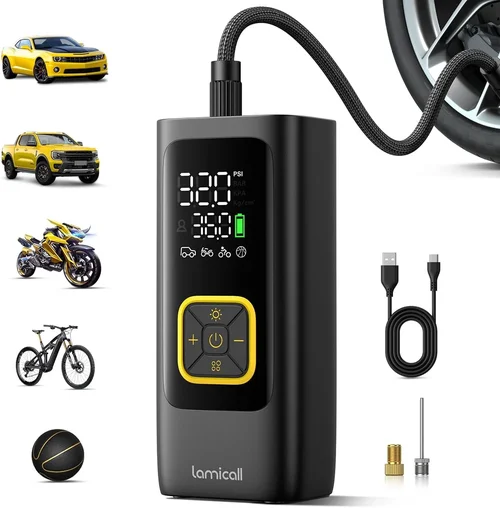
Tire pressure also matters. Most e-bike tires recommend 30–50 PSI. Underinflated tires increase rolling resistance and wear out faster; overinflated ones feel harsh and are more prone to blowouts. A simple floor pump with a pressure gauge is a worthwhile investment.
Avoid bikes with solid rubber tires—they’re maintenance-free but offer a jarring ride and poor traction. Air-filled tires are always better for performance and comfort.
7. Display and Controls
The display is your interface with the bike’s electronics. On budget models, you’ll usually find a basic LCD or LED screen showing speed, battery level, assist mode, and sometimes distance traveled. Some displays are backlit and water-resistant—important if you ride in rain or low light.
Look for intuitive controls: buttons should be easy to press while riding, and the display should be readable in sunlight. Avoid bikes with tiny, dim screens or confusing menus. A few models include Bluetooth connectivity or smartphone apps, but these are rare under $500 and often buggy.
Some bikes have a “walk-assist” mode, which slowly powers the bike forward at walking speed—useful for pushing it up stairs or through crowds. It’s a small feature, but one that adds real convenience.
8. Warranty and Customer Support
When you’re spending under $500, you need to know the company will stand behind its product. Unfortunately, many budget e-bike brands offer minimal warranties—sometimes just 30 or 90 days. That’s not enough time to uncover hidden defects or wear issues.
Aim for at least a 1-year warranty on the frame and motor, and 6 months on the battery and electronics. Some brands, like ECOTRIC and Ancheer, offer 1-year comprehensive coverage, which is a good sign. Check what’s included: does it cover labor? Are replacement parts readily available?
Customer support is just as important. Read recent reviews to see how responsive the company is to issues. Do they reply to emails? Do they send replacement batteries quickly? A brand with poor support can turn a minor problem into a months-long ordeal.
Also, consider where the bike is shipped from. Bikes assembled in the U.S. or EU often have better quality control than those shipped directly from overseas warehouses. Local assembly centers can also mean faster service and easier returns.
Different Types of Budget Electric Bikes

Common Buying Mistakes to Avoid
❌ Mistake: Focusing Only on Price
Why it’s bad: The cheapest bike isn’t always the best deal. A $299 e-bike with a weak motor, poor brakes, and no warranty might cost you more in repairs and frustration than a $450 model with solid components.
What to do instead: Set a budget range ($400–$500) and prioritize value over the lowest sticker price. Look for bikes that balance cost with essential features like disc brakes, removable batteries, and decent motor power.
❌ Mistake: Ignoring Weight and Portability
Why it’s bad: Many budget e-bikes weigh 50–70 lbs due to heavy motors and batteries. If you need to carry it upstairs or load it into a car, this can be a dealbreaker.
What to do instead: Check the bike’s weight before buying. If portability matters, consider a folding model or look for bikes under 55 lbs. Also, verify if the battery is removable—this can reduce lifting weight by 10–15 lbs.
❌ Mistake: Overestimating Range Claims
Why it’s bad: Manufacturers often advertise “up to 40 miles” based on ideal conditions. In reality, most riders get half that—especially with throttle use or hills.
What to do instead: Divide the battery’s Wh rating by 20 to estimate real-world range. If a bike claims 40 miles but has a 300Wh battery, be skeptical. Aim for a buffer—plan on 60–70% of advertised range.
❌ Mistake: Skipping the Test Ride
Why it’s bad: E-bikes feel different from regular bikes. A poorly tuned motor, stiff brakes, or uncomfortable geometry can ruin the experience—even if specs look good on paper.
What to do instead: If buying online, watch detailed review videos that show real-world riding. If possible, visit a local dealer or attend an e-bike demo event. Some brands offer 30-day return policies—use them.
❌ Mistake: Neglecting Maintenance Costs
Why it’s bad: Budget e-bikes often use lower-quality components that wear out faster. Tires, brake pads, and chains may need replacement sooner than on higher-end models.
What to do instead: Factor in ongoing costs. Learn basic maintenance (tire changes, brake adjustments) or budget for a local bike shop tune-up every 6–12 months.
❌ Mistake: Buying Without Checking Local Laws
Why it’s bad: E-bike regulations vary by state and country. Some areas restrict motor power, speed, or where you can ride. A 500W throttle bike might be illegal in your city.
What to do instead: Research your local laws before buying. In the U.S., check your state’s Department of Motor Vehicles or transportation website. Stick to Class 1 or Class 2 bikes unless you’re sure Class 3 is allowed.
❌ Mistake: Ignoring Return and Warranty Policies
Why it’s bad: If the bike arrives damaged or defective, a strict return policy can leave you stuck with a lemon. Some sellers charge restocking fees or require you to pay return shipping.
What to do instead: Only buy from retailers with clear, customer-friendly return policies (30 days or more). Read the fine print on warranties—know what’s covered and how to file a claim.
Budget Guidelines: How Much Should You Spend?
Entry-Level ($300–$375):
At this price, expect basic functionality with compromises. Motors are typically 250W–350W, batteries are 250–300Wh, and components are minimal. You might get rim brakes, no suspension, and a non-removable battery. These bikes are best for very light use—short, flat commutes under 10 miles. Brands like Swagtron and Razor offer models here, but quality can be inconsistent.
Mid-Range ($375–$450):
This is the sweet spot for most buyers. You’ll find 350W–500W motors, 300–400Wh batteries, mechanical disc brakes, and removable batteries. Many include front suspension, fenders, and rear racks. Brands like Ancheer, ECOTRIC, and HITWAY deliver solid value here. Range improves to 15–25 miles, and build quality is noticeably better.
Premium ($450–$500):
At the top of the budget range, you can get near-mid-tier performance. Look for 500W motors, 400Wh+ batteries, hydraulic or dual-piston disc brakes, and upgraded displays. Some models include fat tires, folding frames, or integrated lights. This tier offers the best balance of features, durability, and support—ideal for daily commuters or weekend explorers.
Luxury ($500+):
While this guide focuses on sub-$500 bikes, it’s worth noting that spending just $100–$200 more can unlock significantly better performance, warranties, and brand reputation. If your budget allows, consider stretching to $600–$700 for models from Rad Power Bikes, Aventon, or Lectric—these offer superior components and customer service.
Expert Tips for Getting the Best Deal
1. Buy During Off-Season Sales: E-bike demand peaks in spring and summer. Shop in late fall or winter (November–February) for discounts of 10–25%. Retailers often clear inventory before new models arrive.
2. Check Retailer Reputation: Stick to established online retailers like Amazon, Walmart, or specialized e-bike stores. Avoid unknown websites with too-good-to-be-true prices—they may sell counterfeit or refurbished bikes as new.
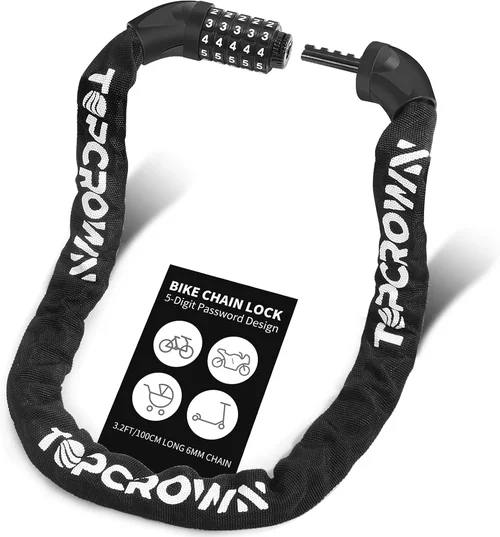
3. Look for Bundle Deals: Some sellers offer free accessories (helmets, locks, lights) with purchase. These can save you $50–$100 and add real value.
4. Read Recent Reviews: Product pages often show outdated or filtered reviews. Check third-party sites like YouTube, Reddit (r/ebikes), or Trustpilot for honest, recent feedback.
5. Consider Refurbished or Open-Box: Certified refurbished e-bikes from reputable sellers can offer 20–30% savings with full warranties. Open-box items (returned but unused) are another way to save.
6. Test Before You Buy: If possible, visit a local bike shop that carries e-bikes. Even if they don’t stock your exact model, you can get a feel for weight, ergonomics, and motor responsiveness.
7. Negotiate or Ask for Extras: Some online retailers have chat support. Politely ask if they can include a free lock, pump, or extended warranty—many will accommodate to close the sale.
8. Join Loyalty Programs: Sign up for newsletters from e-bike brands. They often send exclusive discount codes for first-time buyers or seasonal promotions.

Frequently Asked Questions
Q: Can I ride a budget e-bike in the rain?
A: Most budget e-bikes are water-resistant but not fully waterproof. Avoid submerging the battery or motor, and dry the bike after wet rides. Look for IPX4 or higher ratings for better protection.
Q: How long does it take to charge the battery?
A: Typically 4–6 hours for a full charge. Some fast chargers can do it in 3 hours, but they may reduce battery lifespan over time.
Q: Will a $500 e-bike last more than a year?
A: With proper care, yes. Regular maintenance, avoiding extreme temperatures, and not over-discharging the battery can extend life to 3–5 years.
Q: Can I convert a regular bike to electric for less?
A: Conversion kits start around $300, but installation requires tools and knowledge. For most beginners, a complete e-bike is safer and more reliable.
Q: Are budget e-bikes safe?
A: Safety depends on components and usage. Choose models with disc brakes, lights, and reflectors. Always wear a helmet and follow traffic laws.
Q: Do I need insurance for my e-bike?
A: Not usually, but some homeowners’ or renters’ policies cover e-bike theft or damage. Check your policy or consider specialized e-bike insurance.
Q: Can I ride on bike paths?
A: In most U.S. states, Class 1 and Class 2 e-bikes are allowed on bike paths unless locally restricted. Always check local rules.
Q: What’s the difference between pedal assist and throttle?
A: Pedal assist requires you to pedal—the motor helps based on your effort. Throttle lets the motor run without pedaling, like a scooter.
Q: How do I maintain my budget e-bike?
A: Keep tires inflated, clean the chain, check brake pads, and store the battery at 30–80% charge if not used for weeks.
Q: Can I upgrade components later?
A: Some parts like tires, seats, and lights are easy to upgrade. Motors and batteries are harder—and may void the warranty. Stick to compatible, brand-recommended parts.
Our Final Recommendations
Best for Budget-Conscious Buyers: Ancheer AN-EB001 – At around $399, this 350W commuter e-bike offers a removable 360Wh battery, mechanical disc brakes, and a lightweight aluminum frame. It’s ideal for short, flat commutes and includes a rear rack and fenders.
Best Overall Value: ECOTRIC Fat Tire Bike – Priced at $479, this 500W fat-tire model delivers impressive power and off-road capability. With a 480Wh battery, dual-piston disc brakes, and front suspension, it’s versatile enough for city streets and light trails.
Best Premium Option (Under $500): HITWAY Folding E-Bike – At $499, this folding model combines portability with performance. It features a 360Wh battery, 350W motor, and a sturdy foldable frame—perfect for apartment dwellers or transit users.
Best for Beginners: Swagtron EB7 Plus – This $449 folding e-bike is user-friendly, with a simple display, 360Wh battery, and 350W motor. Its compact size and intuitive controls make it great for first-time e-bike riders.
Best for Advanced Users: ECOTRIC 26″ 500W Mountain E-Bike – While still under $500, this model offers near-mid-tier specs: 500W motor, 480Wh battery, hydraulic disc brakes, and full front suspension. It’s built for riders who want more power and durability without overspending.
Conclusion: Making the Right Choice
Finding the best budget electric bike under $500 doesn’t mean settling for less—it means being smart about where you spend your money. By focusing on essential features like motor power, battery capacity, braking performance, and build quality, you can find a reliable, fun, and practical e-bike that fits your lifestyle and budget.
Remember, the cheapest option isn’t always the best value. Prioritize safety, durability, and usability over flashy extras. Read reviews, compare specs, and don’t rush the decision. A well-chosen budget e-bike can transform your daily commute, reduce your carbon footprint, and bring joy to your rides for years to come.
Whether you’re cruising city streets, exploring local trails, or just getting from point A to point B with less effort, there’s a sub-$500 e-bike out there that’s right for you. Use this guide as your roadmap, trust your instincts, and enjoy the ride. The future of affordable, sustainable transportation is here—and it’s electric.