
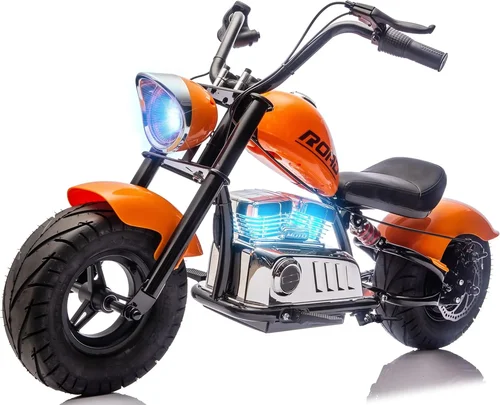
Electric dirt bikes for kids have surged in popularity over the past few years, transforming from niche novelty items into serious tools for outdoor fun, skill development, and even competitive youth racing. As parents and guardians seek safe, eco-friendly alternatives to traditional gas-powered motorcycles, electric models offer a compelling blend of performance, quiet operation, and low maintenance. Whether your child is a complete beginner eager to explore off-road trails or an aspiring young rider looking to hone their skills, choosing the right electric dirt bike can make all the difference in their experience—and safety.
This comprehensive buying guide is designed to cut through the noise and help you make an informed decision. We’ll walk you through every critical factor—from motor power and battery life to build quality and age-appropriate sizing—so you can confidently select a bike that matches your child’s abilities, your budget, and your expectations. The market in 2026 is more diverse than ever, with options ranging from lightweight starter bikes under $300 to high-performance machines rivaling entry-level adult models. By the end of this guide, you’ll understand not only what to look for but also how to avoid common pitfalls, maximize value, and ensure years of safe, thrilling rides.
Whether you’re shopping for a birthday gift, a holiday surprise, or simply investing in your child’s outdoor activity, this guide equips you with expert-level knowledge. You’ll learn how to interpret technical specs, compare brands, evaluate real-world performance, and even negotiate the best deal. Our goal isn’t just to list products—it’s to empower you as a smart consumer who prioritizes safety, durability, and long-term satisfaction. Let’s dive into the key factors that truly matter when buying the best electric dirt bike for your kid.

What to Look for When Buying Electric Dirt Bikes for Kids
1. Age, Weight, and Skill Level Compatibility
One of the most crucial—and often overlooked—factors when selecting an electric dirt bike for a child is ensuring it matches their physical size, weight, and riding experience. A bike that’s too large or powerful can be intimidating or even dangerous, while one that’s too small may frustrate a growing rider. Most manufacturers specify recommended age ranges (e.g., 3–6 years, 6–10 years, or 10+), but these should be treated as starting points, not absolutes.
Consider your child’s height and inseam: they should be able to comfortably place both feet flat on the ground when seated. This ensures stability during stops and low-speed maneuvers. Weight capacity is equally important—many entry-level bikes support up to 100 lbs, while premium models can handle 150–200 lbs. Overloading a bike strains the motor, drains the battery faster, and compromises braking performance.
Skill level also dictates control features. Beginners benefit from bikes with adjustable speed limiters, gradual throttle response, and training wheels (on some models). More advanced riders might prefer responsive throttles, higher top speeds, and suspension systems that handle jumps and rough terrain. Always err on the side of caution: a slightly underpowered bike is far safer than one that overwhelms a novice rider.
2. Motor Power and Performance Specifications
The motor is the heart of any electric dirt bike, determining acceleration, hill-climbing ability, and overall ride quality. Motors are typically rated in watts (W), with common ranges for kids’ bikes falling between 250W and 1,500W. For context, a 250W–500W motor suits toddlers and young beginners on flat or gently sloped terrain, while 800W–1,200W models offer enough punch for older kids tackling hills, dirt tracks, or light motocross practice.
Don’t just focus on peak wattage—look at continuous power output and torque. A bike with high peak power but poor torque may struggle on inclines. Brushless motors are preferred over brushed ones because they’re more efficient, generate less heat, and last longer. Also consider whether the bike offers multiple speed modes. Many top-tier models include 2–3 preset speeds (e.g., Low/Medium/High), allowing parents to restrict performance as needed.
Top speed is another key metric, but it shouldn’t be the sole deciding factor. Most kids’ electric dirt bikes cap out between 10 mph and 25 mph. For ages 3–6, 10–12 mph is ideal; for 7–12-year-olds, 15–20 mph offers a good balance of fun and control. Always pair speed capabilities with reliable braking systems—more on that below.
3. Battery Life, Charging Time, and Range
Battery performance directly impacts how much your child can ride before needing a recharge. Most kids’ electric dirt bikes use lithium-ion (Li-ion) batteries due to their lightweight, high energy density, and long cycle life. Battery capacity is measured in amp-hours (Ah) or watt-hours (Wh)—higher numbers generally mean longer runtime.
Expect runtimes between 30 minutes and 2 hours, depending on terrain, rider weight, and speed settings. Flat, smooth surfaces maximize range; hills, jumps, and aggressive riding drain the battery quickly. A 48V 12Ah battery, for example, might deliver 60–90 minutes of moderate use for a 70-lb child. Always check if the battery is removable—this allows for spare swaps or convenient indoor charging away from the bike.
Charging time typically ranges from 2 to 6 hours. Some premium models feature fast-charging technology (e.g., 1–2 hours), which is a major convenience if your child wants back-to-back rides. Avoid bikes with non-removable or sealed batteries unless they come with robust warranties—replacement costs can be steep. Also, look for built-in battery management systems (BMS) that prevent overcharging, overheating, and deep discharge, extending battery life and safety.
4. Build Quality, Frame Material, and Durability
Kids are tough on equipment, so durability isn’t optional—it’s essential. The frame should be made from high-tensile steel or reinforced aluminum, both of which offer strength without excessive weight. Steel frames are generally more impact-resistant and affordable, while aluminum is lighter and corrosion-resistant but can be pricier.
Inspect weld quality, joint reinforcement, and overall fit-and-finish. Loose bolts, flimsy plastics, or wobbly handlebars are red flags. Suspension systems matter too: front forks and rear shocks absorb bumps and improve control. Entry-level bikes may have basic spring suspension, while mid- to high-end models feature hydraulic or oil-damped systems for smoother rides over rough terrain.
Tires also contribute to durability and traction. Pneumatic (air-filled) tires provide better grip and shock absorption than solid rubber ones, though they require occasional maintenance. Look for knobby tread patterns designed for dirt, grass, and light mud. Finally, check for protective features like chain guards, skid plates, and reinforced footpegs—these small details prevent injuries and extend the bike’s lifespan.
5. Safety Features and Braking Systems
Safety must always come first. The best electric dirt bikes for kids include multiple layers of protection. Disc brakes (front and rear) are vastly superior to coaster or drum brakes—they offer consistent stopping power even in wet or muddy conditions. Many models now feature hydraulic disc brakes, which require less hand force and provide smoother modulation.
Throttle safety is equally critical. Look for bikes with keyed ignition switches or parental remote kill switches that let you instantly cut power if your child loses control. Some advanced models include speed limiters controllable via Bluetooth apps, giving you real-time oversight. Additionally, ensure the bike has a kill switch or emergency stop button within easy reach of the rider.
Other safety considerations include LED headlights for low-light visibility, reflective decals, and stable geometry that resists tipping. Helmets are non-negotiable—always pair the bike with a DOT- or Snell-certified helmet, knee/elbow pads, and gloves. Remember: no bike, no matter how safe, replaces proper supervision and protective gear.
6. Brand Reputation and Customer Support
Not all electric dirt bike brands are created equal. Established names like Razor, Segway, Sur-Ron, and OUXI have proven track records for quality, innovation, and customer service. Research brand history: How long have they been making kids’ electric vehicles? Do they specialize in off-road bikes or just dabble in them?
Read verified customer reviews on retailer sites (Amazon, Walmart, REI) and independent forums. Pay attention to recurring complaints—frequent motor failures, poor battery life, or unresponsive support are warning signs. Conversely, brands that actively engage with customers, offer firmware updates, or provide detailed troubleshooting guides demonstrate commitment beyond the sale.
Also consider regional availability. If you live outside the U.S., ensure the brand ships to your country and offers local service centers or authorized repair shops. Importing a bike with no support network can turn a minor issue into a costly headache.
7. Warranty, Return Policy, and After-Sales Service
A solid warranty is a strong indicator of a manufacturer’s confidence in their product. Most reputable brands offer at least a 90-day to 1-year warranty covering defects in materials and workmanship. Premium models may include 2-year warranties, sometimes extendable with registration.
Pay close attention to what’s covered: motors, batteries, frames, and electronics should all be included. Beware of “limited” warranties that exclude common failure points like batteries or controllers. Also check labor coverage—some brands only cover parts, leaving you to pay for repairs.
Return policies matter too, especially for online purchases. Look for retailers offering 30-day return windows with free return shipping. This gives you time to test the bike in real conditions and ensure it fits your child properly. Avoid sellers with restocking fees or strict “final sale” terms unless you’re absolutely certain about the model.
8. Portability, Weight, and Storage
While not always top of mind, portability affects everyday usability. Electric dirt bikes for kids typically weigh between 30 and 80 pounds. Lighter models (under 50 lbs) are easier for parents to load into cars, carry upstairs, or store in tight spaces. Foldable handlebars or removable batteries can further enhance portability.
Consider where you’ll store the bike: garage, shed, or indoors? Measure your space and compare it to the bike’s dimensions. Some models come with wall-mount brackets or compact designs ideal for small homes. If you plan to transport the bike frequently, look for integrated carrying handles or compatibility with bike racks.
Also think about maintenance access. Can you easily reach the battery compartment, brake pads, or chain tensioner? User-friendly design saves time and frustration down the line.
Different Types of Electric Dirt Bikes for Kids

Common Buying Mistakes to Avoid
❌ Mistake: Prioritizing Price Over Safety
Why it’s bad: The cheapest bikes often cut corners on brakes, frame strength, and electrical components, increasing the risk of accidents or premature failure. A $250 bike that breaks after two months isn’t a bargain—it’s a liability.
What to do instead: Set a minimum safety threshold. Even on a tight budget, ensure the bike has disc brakes, a sturdy frame, and a reputable brand name. Consider refurbished or open-box models from trusted retailers for better value.
❌ Mistake: Ignoring Weight and Size Compatibility
Why it’s bad: A bike that’s too big or heavy can be impossible for a child to control, leading to falls, frustration, or abandonment of the hobby altogether.
What to do instead: Measure your child’s inseam and compare it to the bike’s seat height. Test ride if possible—many local dealers or toy stores allow demos. When in doubt, choose a model with adjustable seat height.
❌ Mistake: Overlooking Battery Realism
Why it’s bad: Manufacturers often quote “up to” battery life under ideal conditions. In reality, hills, cold weather, and aggressive riding can cut runtime in half.
What to do instead: Assume real-world range is 60–70% of advertised specs. Buy a spare battery if your child plans frequent or long rides. Check user reviews for actual runtime reports.
❌ Mistake: Skipping Protective Gear
Why it’s bad: No matter how safe the bike, falls happen. Without proper gear, even minor spills can result in serious injuries.
What to do instead: Bundle the bike with a certified helmet, knee/elbow pads, gloves, and sturdy shoes. Make gear non-negotiable—just like seatbelts in cars.
❌ Mistake: Buying Based Solely on Looks or Brand Hype
Why it’s bad: Flashy designs or celebrity endorsements don’t guarantee performance or reliability. Some trendy brands prioritize aesthetics over engineering.
What to do instead: Focus on specs, reviews, and real-world testing. Ask other parents in online communities (like Reddit’s r/electricbikes or Facebook groups) for honest feedback.
❌ Mistake: Neglecting Local Laws and Regulations
Why it’s bad: Some states or municipalities restrict where electric bikes can be ridden—especially off-road. Fines or confiscation can result from illegal use.
What to do instead: Check local ordinances before purchasing. Designate private property (with owner permission) or approved trails for riding. Teach your child responsible riding etiquette.
❌ Mistake: Assuming All “Kid-Sized” Bikes Are Equal
Why it’s bad: Just because a bike is labeled “for kids” doesn’t mean it’s appropriate. Some are glorified toys with minimal power; others are scaled-down adult bikes with excessive speed.
What to do instead: Match the bike to your child’s maturity and skill, not just their age. Use the type comparison table above as a guide.
Budget Guidelines: How Much Should You Spend?
Entry-Level ($200–$500): Ideal for toddlers and young beginners, these bikes prioritize simplicity and safety over performance. Expect 250W–500W motors, 30–60 minute runtimes, basic suspension, and plastic components. Brands like Razor and Power Wheels dominate this space. Great for backyard fun or paved paths, but not suited for serious off-roading.
Mid-Range ($500–$1,000): This is the sweet spot for most families. Bikes in this tier offer 500W–1,000W motors, removable Li-ion batteries, hydraulic disc brakes, and improved suspension. Models from Segway, OUXI, and MotoTec provide excellent value, balancing durability, performance, and affordability. Perfect for kids aged 6–12 exploring trails, hills, and dirt tracks.
Premium ($1,000–$2,000): Designed for serious young riders and aspiring racers, these bikes feature 1,000W–1,500W brushless motors, advanced suspension, race-inspired frames, and app connectivity. Expect longer ranges (1.5–2 hours), faster charging, and robust build quality. Brands like Sur-Ron, Cake, and specialized youth motocross manufacturers lead here. Ideal for competitive training or frequent off-road adventures.
Luxury ($2,000+): Top-tier machines built for elite performance and longevity. These often rival entry-level adult electric dirt bikes, with carbon fiber elements, regenerative braking, GPS tracking, and modular designs. While overkill for casual use, they’re worth considering if your child is committed to the sport or you want a bike that grows with them for years.
Expert Tips for Getting the Best Deal
- Shop during off-season sales: Late fall and winter (October–February) often see discounts as retailers clear inventory for new models. Black Friday and Cyber Monday are prime times for deals on electric ride-ons.
- Compare retailers strategically: Check Amazon, Walmart, REI, and specialty stores like Electric Bike Report or Ride1Up. Sometimes smaller retailers offer better warranties or bundled gear.
- Look for refurbished or open-box units: Certified pre-owned bikes from manufacturers or authorized dealers can save 20–40% while still carrying full warranties.
- Sign up for newsletters: Many brands offer 10–15% off first purchases or early access to sales. It’s a small effort for potentially big savings.
- Negotiate with local dealers: If buying in-store, ask about price matching, free assembly, or included accessories. They may throw in a helmet or battery to close the sale.
- Check return policies carefully: Ensure you have at least 30 days to return the bike if it doesn’t fit or perform as expected. Avoid “final sale” items unless you’re certain.
- Test before you buy (if possible): Attend local expos, toy fairs, or demo days where kids can try different models. Hands-on experience beats online specs every time.
- Consider long-term costs: A slightly more expensive bike with a replaceable battery and strong warranty may cost less over 3–5 years than a cheap model that needs frequent repairs.

Frequently Asked Questions
Q: Are electric dirt bikes safe for young children?
A: Yes—when chosen appropriately and used with proper safety gear and supervision. Look for bikes with speed limiters, disc brakes, and age-appropriate sizing. Always pair with helmets and pads, and teach basic riding rules before hitting trails.
Q: How long do electric dirt bike batteries last?
A: Most Li-ion batteries last 300–500 charge cycles before capacity drops significantly. With proper care (avoiding full discharges and extreme temperatures), they can serve 2–4 years. Replacement batteries typically cost $100–$300.
Q: Can my child ride an electric dirt bike on public roads?
A: Generally, no. Most jurisdictions classify electric dirt bikes as off-road vehicles and prohibit them on public streets, sidewalks, or bike lanes. Always check local laws and ride only on private property or designated trails.
Q: Do electric dirt bikes require maintenance?
A: Yes, but far less than gas bikes. Regular tasks include checking tire pressure, tightening bolts, cleaning the chain, and inspecting brakes. Battery care (storing at 50% charge in cool, dry places) is also important for longevity.
Q: What’s the difference between brushed and brushless motors?
A: Brushless motors are more efficient, generate less heat, last longer, and require no maintenance. Brushed motors are cheaper but wear out faster due to internal friction. Always prefer brushless for kids’ bikes.
Q: Can I upgrade my child’s bike as they grow?
A: Some premium models offer upgrade kits (e.g., higher-capacity batteries, performance controllers), but most are not modular. It’s often more cost-effective to buy a new bike when your child outgrows their current one.
Q: Are there financing options available?
A: Yes—many online retailers (like Klarna, Affirm, or PayPal Credit) offer installment plans with 0% APR for qualified buyers. This can make premium bikes more accessible without upfront strain.
Q: How do I know if a bike is too fast for my child?
A: If they can’t control speed confidently, brake smoothly, or handle unexpected obstacles, it’s too fast. Use lower speed modes initially and gradually increase as skills improve. Trust your instincts—safety over speed.
Q: Can electric dirt bikes be used in the rain?
A: Most are water-resistant (IPX4 rating), meaning they can handle light splashes but not submersion or heavy downpours. Avoid riding in rain or puddles to prevent electrical damage and slipping hazards.
Q: Where can I find replacement parts?
A: Reputable brands sell parts directly or through authorized dealers. Check the manufacturer’s website or contact customer service. Avoid third-party “compatible” parts unless verified for safety.
Our Final Recommendations
Best for Budget-Conscious Buyers: Razor MX350 Dirt Rocket – At around $400, this classic offers reliable 350W power, decent range, and Razor’s trusted safety features. Perfect for ages 5–10 on flat terrain.
Best Overall Value: Segway Ninebot Zing E10 – Priced near $600, it delivers 800W brushless power, removable battery, hydraulic disc brakes, and sleek design. Ideal for 8–12-year-olds ready for real off-road fun.
Best Premium Option: Sur-Ron Youth LBX – At $1,800+, this race-ready machine boasts 1,200W power, premium suspension, and modular design. Built for serious young riders aiming for competition.
Best for Beginners: OUXI Mini Electric Dirt Bike – With adjustable speed modes, lightweight frame, and intuitive controls, it’s perfect for first-time riders aged 4–7. Priced around $350.
Best for Advanced Users: Cake Kalk OR Youth – A minimalist, high-performance bike with regenerative braking, app connectivity, and Swedish engineering. For teens and skilled pre-teens seeking a pro-level experience ($2,200+).
Conclusion: Making the Right Choice
Choosing the best electric dirt bike for your child isn’t just about picking the shiniest model or the one with the highest top speed. It’s about aligning performance with safety, durability with budget, and fun with responsibility. Throughout this guide, we’ve emphasized that the right bike matches your child’s physical size, skill level, and intended use—not just their age or your wallet.
Remember: a great electric dirt bike should inspire confidence, encourage outdoor activity, and grow with your child’s abilities. It should also give you peace of mind, knowing that safety, quality, and support back every ride. Whether you’re buying your first starter bike or upgrading to a high-performance machine, take the time to research, compare, and test. Read reviews, ask questions, and involve your child in the process—they’ll appreciate being part of the decision.
Ultimately, the best electric dirt bike is the one that gets used, loved, and ridden safely for years to come. With the insights from this guide, you’re now equipped to make a smart, informed choice that balances excitement with security. So gear up, charge that battery, and let the adventures begin—your young rider is ready to hit the dirt with confidence.