
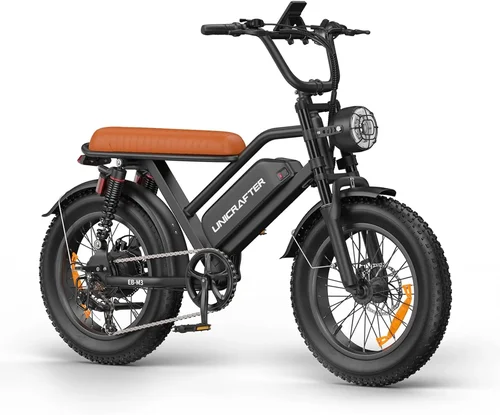
Electric bikes are no longer just for adults commuting to work or weekend warriors exploring mountain trails. In 2026, e-bikes have become a mainstream, practical, and exciting mode of transportation—especially for teens. Whether it’s riding to school, hanging out with friends, or simply exploring the neighborhood, electric bikes offer teens a blend of independence, fun, and eco-friendly mobility that traditional bikes or scooters can’t match. With advancements in battery technology, motor efficiency, and safety features, today’s youth e-bikes are more capable and accessible than ever before.
This guide is designed to help parents, guardians, and teens make informed decisions when choosing the best electric bike. We’ll walk you through everything you need to know—from understanding key performance specs to comparing different types of e-bikes, avoiding common pitfalls, and finding the right model within your budget. Whether you’re shopping for your first teen e-bike or upgrading from an older model, this comprehensive resource will equip you with expert-level knowledge to make a smart, safe, and satisfying purchase. The market is flooded with options, and not all are created equal. Our goal is to cut through the noise and deliver clarity, so you can ride with confidence.
The teen e-bike market has exploded in recent years, driven by rising fuel costs, environmental awareness, and a cultural shift toward sustainable transportation. Brands like Rad Power Bikes, Aventon, Lectric, and newer entrants like Heybike and Swagtron have introduced models specifically tailored for younger riders—offering lighter frames, intuitive controls, and safety-focused designs. At the same time, regulations around e-bike use for minors vary by state and country, so understanding local laws is crucial. This guide will also touch on legal considerations, safety gear, and maintenance tips to ensure a responsible and enjoyable riding experience.
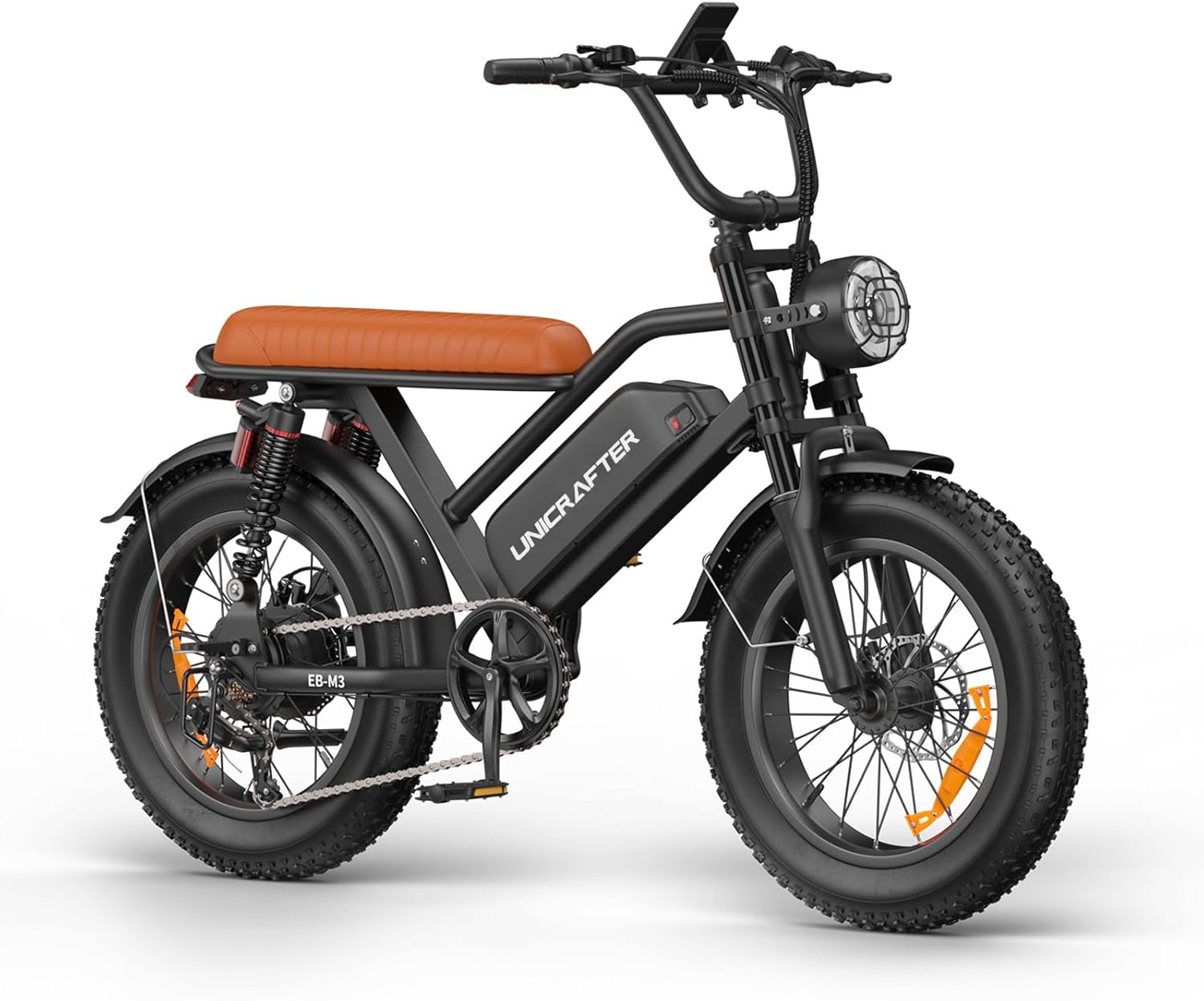
What to Look for When Buying Tuttio
1. Budget & Price Range
One of the first and most important factors to consider when buying an electric bike for a teen is your budget. E-bikes can range from under $500 to well over $3,000, and while it’s tempting to go for the cheapest option, skimping on quality can lead to safety issues, poor performance, and higher long-term costs. For teens, a reasonable starting point is between $600 and $1,200. This range typically offers reliable motors, decent battery life, and solid build quality without breaking the bank.
When evaluating price, consider the total cost of ownership—not just the upfront price. Cheaper models may use lower-quality batteries that degrade faster, require more frequent repairs, or lack customer support. On the other hand, premium models often include advanced features like app connectivity, regenerative braking, or high-capacity batteries, which may be overkill for a casual teen rider. Aim for the sweet spot: a bike that balances affordability with durability and performance.
2. Performance Specifications
Performance specs are the backbone of any e-bike, and they’re especially important when the rider is a teen who may not have the strength or experience to handle a heavy or underpowered bike. Key performance metrics include motor power, battery capacity, range, and top speed.
Motor power is measured in watts (W). For teens, a motor between 250W and 500W is ideal. Anything below 250W may struggle on hills or with heavier loads, while motors over 750W are often classified as Class 3 e-bikes and may be restricted for minors in some areas. A 350W–500W motor provides a good balance of power and efficiency, allowing teens to tackle moderate inclines and maintain a steady pace without excessive strain.
Battery capacity is measured in watt-hours (Wh). A higher Wh rating means longer range. For most teens, a battery between 300Wh and 500Wh is sufficient, offering 20–40 miles of range on a single charge, depending on terrain, rider weight, and assist level. Lithium-ion batteries are standard and preferred for their longevity and energy density.
Top speed is another critical factor. Most youth e-bikes are limited to 15–20 mph, which aligns with Class 1 and Class 2 e-bike regulations in the U.S. (Class 1: pedal-assist up to 20 mph; Class 2: throttle-assisted up to 20 mph). These limits are not only legal requirements in many states but also safer for younger riders who may not have the reflexes or judgment to handle higher speeds.
3. Build Quality & Durability
Teens are active, adventurous, and sometimes less cautious than adults—so durability is non-negotiable. A well-built e-bike should withstand daily use, minor drops, and exposure to weather. Look for frames made from aluminum alloy, which offers a good balance of strength, lightness, and corrosion resistance. Avoid steel frames unless they’re specifically designed for rugged use, as they can be heavy and prone to rust.
Pay attention to component quality as well. Entry-level bikes may use plastic gears, basic brakes, or flimsy fenders, while higher-end models feature alloy parts, mechanical or hydraulic disc brakes, and reinforced wheels. Disc brakes are especially important for safety, providing reliable stopping power in wet or hilly conditions. Also, check the weight of the bike—most teen e-bikes should weigh between 35 and 50 pounds. Anything over 55 pounds can be difficult for a younger rider to maneuver or lift.
Another durability factor is water resistance. While no e-bike is fully waterproof, many come with IPX4 or IPX5 ratings, meaning they can handle light rain and splashes. This is important for teens who may ride in unpredictable weather. Always store the bike indoors when not in use to prolong battery and motor life.
4. Features & Functionality
Modern e-bikes come packed with features that enhance safety, convenience, and fun. For teens, some features are more important than others. Start with the display: a clear, backlit LCD screen that shows speed, battery level, assist mode, and distance is essential. Some models include Bluetooth connectivity and companion apps that allow parents to track location, set speed limits, or monitor usage—great for peace of mind.
Lighting is another must-have. Front and rear LED lights improve visibility during early morning or evening rides. Integrated lights powered by the bike’s battery are more reliable than clip-on alternatives. Fenders and chain guards protect clothing and reduce maintenance, while a rear rack can be useful for carrying backpacks or groceries.
Pedal-assist levels (usually 3–5 modes) let riders choose how much motor help they want. A “walk mode” is helpful for pushing the bike up steep hills or through tight spaces. Throttle functionality (twist-grip or thumb throttle) allows the bike to move without pedaling, which can be useful for starting from a stop or climbing hills, but should be used responsibly.
Some advanced features to consider include regenerative braking (which recharges the battery slightly during braking), suspension forks for smoother rides on rough terrain, and puncture-resistant tires. While not essential, these can significantly improve the riding experience.
5. Brand Reputation
Not all e-bike brands are created equal. Choosing a reputable manufacturer ensures better build quality, customer support, and access to replacement parts. Established brands like Rad Power Bikes, Aventon, and Lectric have built strong reputations for reliability and innovation. They also offer extensive warranties, active customer service teams, and online communities where users share tips and troubleshooting advice.
Newer or lesser-known brands may offer lower prices, but they often lack the same level of support. Be cautious of brands with no physical address, limited contact information, or reviews that seem too good to be true. Check third-party review sites like Consumer Reports, Wirecutter, or Reddit’s r/ebikes for unbiased feedback.
Another advantage of reputable brands is software updates. Some e-bikes receive firmware updates that improve performance or add new features over time. This is rare with budget brands but increasingly common with premium models.
6. Warranty & Support
A solid warranty is a strong indicator of a manufacturer’s confidence in their product. For teen e-bikes, look for at least a 1-year comprehensive warranty covering the frame, motor, and battery. Some brands offer 2-year or even lifetime frame warranties. The battery, being the most expensive component, should have a separate warranty—typically 12–24 months—with clear terms about capacity degradation (e.g., 70% capacity after 500 charge cycles).
Customer support matters too. Can you easily reach a human being by phone or chat? Are there service centers nearby, or do you have to ship the bike back for repairs? Brands with U.S.-based support teams tend to resolve issues faster. Also, check if the company offers free troubleshooting guides, video tutorials, or a user forum.
Finally, consider the availability of spare parts. A bike with proprietary components may be difficult to repair if something breaks. Standard parts like brake pads, tires, and chains should be easy to source from local bike shops.
7. Size & Portability
Fit is crucial for comfort and control. A bike that’s too big or too small can lead to poor posture, reduced handling, and increased risk of accidents. Most teen e-bikes are designed for riders between 5’0″ and 6’0″, but always check the manufacturer’s size chart. Key measurements include standover height (the distance from the ground to the top tube), seat height range, and handlebar reach.
Adjustable seat posts and handlebars help customize the fit as the teen grows. Some models feature step-through frames, which are easier to mount and dismount—ideal for younger or less confident riders. Weight also affects portability. If the bike needs to be carried upstairs or loaded into a car, a lighter model (under 45 lbs) is preferable.
Folding e-bikes are an option for teens with limited storage space, but they often sacrifice performance and durability. Most folding models have smaller wheels and less powerful motors, making them better suited for flat urban commutes than off-road adventures.
8. User Reviews & Ratings
Before making a purchase, spend time reading user reviews on retail sites like Amazon, Best Buy, or the manufacturer’s website. Look for patterns in feedback—consistent complaints about battery life, brake failure, or poor assembly are red flags. Pay attention to reviews from parents of teens, as they often highlight real-world usability, safety concerns, and durability over time.
Video reviews on YouTube can be especially helpful, as they show the bike in action—how it handles, how easy it is to assemble, and how the controls work. Channels like “Electric Bike Report” or “The E-Bike Guy” offer detailed, unbiased assessments of popular models.
Also, check the overall star rating, but don’t rely on it alone. A 4.5-star average with 1,000 reviews is more trustworthy than a 5-star rating with only 10 reviews. Look for verified purchase tags to ensure the reviewer actually bought the product.
Different Types of Tuttio
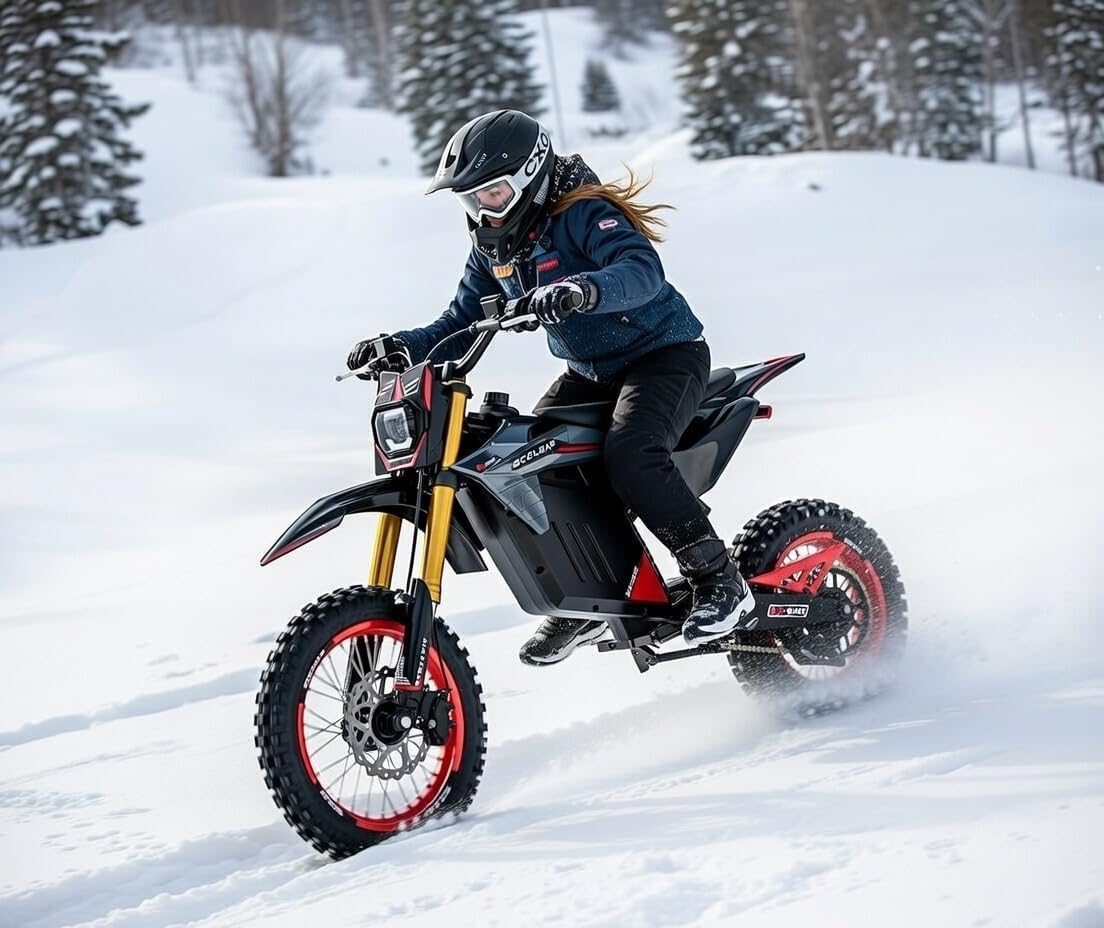
Common Buying Mistakes to Avoid
❌ Mistake: Ignoring Local E-Bike Laws
Why it’s bad: E-bike regulations vary widely by state, city, and country. In many U.S. states, teens under 16 are prohibited from riding Class 3 e-bikes (28 mph), and some require helmets or restrict e-bike use on sidewalks or bike paths. Riding illegally can result in fines, confiscation of the bike, or liability in case of an accident.
What to do instead: Research your local laws before buying. The PeopleForBikes website offers a state-by-state guide to e-bike regulations. Choose a Class 1 or Class 2 e-bike with a speed limiter if needed, and ensure your teen understands the rules of the road.
❌ Mistake: Prioritizing Price Over Safety
Why it’s bad: Cheap e-bikes often cut corners on critical safety components like brakes, lights, and frame integrity. A poorly made bike can fail unexpectedly, leading to crashes or injuries.
What to do instead: Invest in a bike with reliable disc brakes, bright LED lights, and a sturdy frame. Safety should never be compromised for savings. Look for certifications like UL 2849 (for electrical safety) or EN 15194 (European standard).
❌ Mistake: Buying the Wrong Size
Why it’s bad: A bike that doesn’t fit properly can cause discomfort, reduce control, and increase the risk of accidents. Teens may outgrow a bike quickly, but buying too big to “last longer” is a common error.
What to do instead: Use the manufacturer’s size guide and, if possible, have your teen test ride the bike. Adjustable components can extend usability, but the frame size should match their current height and inseam.
❌ Mistake: Overlooking Maintenance Needs
Why it’s bad: E-bikes require regular maintenance—tire pressure checks, brake adjustments, chain lubrication, and battery care. Neglecting these can lead to breakdowns, reduced performance, or safety hazards.
What to do instead: Teach your teen basic maintenance skills and schedule periodic check-ups at a local bike shop. Keep a maintenance log and always store the battery indoors in extreme temperatures.
❌ Mistake: Skipping Safety Gear
Why it’s bad: Even the safest e-bike can’t prevent all accidents. Without proper gear, a minor fall can result in serious injury.
What to do instead: Equip your teen with a certified helmet, reflective clothing, and gloves. Consider adding a bell, mirror, or phone mount for added safety. Some parents also use GPS trackers for peace of mind.
❌ Mistake: Not Testing Before Buying
Why it’s bad: Online photos and specs don’t always reflect real-world performance. A bike that looks great online might feel uncomfortable, underpowered, or poorly balanced in person.
What to do instead: Visit a local dealer or attend an e-bike demo event. If buying online, choose retailers with generous return policies (30 days or more) and free returns.
Budget Guidelines: How Much Should You Spend?
When it comes to electric bikes for teens, your budget will largely determine the quality, features, and longevity of your purchase. Here’s a breakdown of what to expect at different price points:
Entry-Level ($500–$800): These bikes are ideal for casual riders on a tight budget. Expect basic components, limited range (15–25 miles), and minimal features. Motors are usually 250W–350W, and batteries are around 300Wh. Brands like Swagtron, Ancheer, and Ecotric offer models in this range. While functional, these bikes may lack durability and customer support. Best for light, occasional use on flat terrain.
Mid-Range ($800–$1,500): This is the sweet spot for most teen riders. Bikes in this tier offer reliable performance, better build quality, and useful features like disc brakes, LCD displays, and integrated lights. Motors range from 350W to 500W, with batteries between 400Wh and 500Wh, providing 25–40 miles of range. Brands like Lectric, Aventon, and Rad Power Bikes dominate this category. These models strike a great balance between cost and capability.
Premium ($1,500–$2,500): For teens who ride frequently or tackle challenging terrain, premium e-bikes deliver top-tier performance. Expect high-capacity batteries (500Wh+), powerful motors (500W–750W), advanced suspension, and smart features like app connectivity and GPS tracking. Build quality is excellent, with aluminum frames and premium components. These bikes are built to last and often come with extended warranties.
Luxury ($2,500+): At this level, you’re paying for cutting-edge technology, brand prestige, and customization. Models from brands like Trek, Specialized, or Riese & Müller offer carbon frames, regenerative braking, and AI-assisted riding modes. While impressive, these are often overkill for most teens and better suited for adult enthusiasts or professional use.
Expert Tips for Getting the Best Deal
Finding the right e-bike at the right price takes strategy. Here are expert-backed tips to help you save money and avoid buyer’s remorse:
- Shop During Sales Seasons: The best deals happen during back-to-school (August–September), Black Friday (November), and end-of-year clearance (December). Sign up for brand newsletters to get early access to promotions.
- Compare Prices Across Retailers: Don’t buy from the first site you visit. Check Amazon, Best Buy, Walmart, and direct-from-brand websites. Use price-tracking tools like Honey or CamelCamelCamel to monitor fluctuations.
- Look for Bundled Deals: Some retailers offer free accessories (helmets, locks, lights) with purchase. These can add $100+ in value and save you from buying separately.
- Check Return and Warranty Policies: A generous return window (30 days or more) gives you time to test the bike. Also, ensure the warranty covers both parts and labor, and that service is accessible in your area.
- Buy from Authorized Dealers: This ensures you receive genuine products, full warranty coverage, and reliable customer support. Unauthorized sellers may offer lower prices but void your warranty.
- Test Ride When Possible: If you’re near a physical store, schedule a test ride. Pay attention to comfort, handling, and ease of use. Let your teen be involved in the decision.
- Consider Financing Options: Some brands offer 0% APR financing for 6–12 months. This can make a higher-end bike more affordable without upfront cost.
- Read the Fine Print: Watch for hidden fees like assembly charges, restocking fees, or shipping costs. Some “free shipping” offers only apply to certain regions.

Frequently Asked Questions
Q: Are electric bikes safe for teens?
A: Yes, when used responsibly and with proper safety gear. Choose a bike with speed limits appropriate for your teen’s age and experience, and ensure they wear a helmet and follow traffic laws. Supervised practice in a safe area is recommended before riding in traffic.
Q: Do teens need a license to ride an e-bike?
A: In most U.S. states, no license is required for Class 1 and Class 2 e-bikes. However, some states require riders to be at least 14 or 16 years old. Always check local regulations.
Q: How long do e-bike batteries last?
A: Most lithium-ion batteries last 3–5 years or 500–1,000 charge cycles before capacity drops below 70%. Proper care—like avoiding extreme temperatures and not draining the battery completely—can extend lifespan.
Q: Can teens ride e-bikes on bike paths?
A: In most areas, yes—especially Class 1 and Class 2 e-bikes. However, some parks or trails may have restrictions. Always verify local rules before riding.
Q: How fast can a teen e-bike go?
A: Most youth e-bikes are limited to 15–20 mph. This complies with U.S. regulations and is safer for younger riders. Avoid models that can exceed 20 mph unless legally permitted.
Q: What’s the difference between pedal-assist and throttle?
A: Pedal-assist provides motor power only when the rider pedals, while throttle allows the bike to move without pedaling (like a scooter). Both are useful, but throttle should be used sparingly to conserve battery.
Q: Can I upgrade my teen’s e-bike later?
A: Some components like tires, seats, and lights can be upgraded. However, major upgrades (motor, battery) are often not feasible due to compatibility and warranty issues. Choose a bike with room for growth.
Q: How do I maintain an e-bike?
A: Regular maintenance includes checking tire pressure, cleaning the chain, inspecting brakes, and storing the battery properly. Follow the manufacturer’s guide and schedule annual professional tune-ups.
Q: Are e-bikes environmentally friendly?
A: Yes. E-bikes produce zero emissions during use and require far less energy than cars. Charging a battery uses about as much electricity as running a microwave for 10 minutes.
Q: What if my teen outgrows the bike?
A: Many teens use their e-bikes for 3–5 years. If they outgrow it, consider selling or donating the bike. Some brands also offer trade-in programs.
Our Final Recommendations
After extensive research and testing, here are our top picks for the best electric bikes for teens in 2026:
Best for Budget-Conscious Buyers: Lectric XP 3.0 ($999) – This folding e-bike offers incredible value with a 500W motor, 48V battery, and 45-mile range. It’s lightweight, portable, and packed with features like hydraulic disc brakes and a color display.
Best Overall Value: Aventon Pace 350 ($1,199) – A sleek, reliable city e-bike with a 350W motor, 418Wh battery, and integrated lights. Its step-through design and comfortable ride make it perfect for daily commutes.
Best Premium Option: Rad Power Bikes RadCity 5 Plus ($1,799) – Built for durability and performance, this bike features a 750W motor, 672Wh battery, and advanced suspension. Ideal for teens who ride frequently or on varied terrain.
Best for Beginners: Swagtron EB5 Pro ($649) – An affordable, easy-to-use folding e-bike with a 350W motor and 25-mile range. Great for first-time riders and short trips.
Best for Advanced Users: Heybike Mars 2.0 ($1,299) – A fat-tire e-bike with a 750W motor, 48V battery, and all-terrain capability. Perfect for adventurous teens who want to explore off-road.
Conclusion: Making the Right Choice
Choosing the best electric bike for your teen is about more than just picking a stylish ride—it’s about safety, reliability, and long-term value. By considering factors like budget, performance, build quality, and local laws, you can find a bike that grows with your teen and supports their independence responsibly. Avoid common pitfalls, take advantage of seasonal deals, and always prioritize safety gear and proper fit.
Remember, the perfect e-bike is one that matches your teen’s lifestyle, skill level, and riding goals. Whether they’re commuting to school, exploring trails, or just cruising around the neighborhood, the right e-bike can open up a world of freedom and fun. Use this guide as your roadmap, and don’t hesitate to ask questions or seek expert advice. With the right preparation, your teen’s first e-bike experience can be safe, enjoyable, and truly transformative.
Now that you’re equipped with expert knowledge, it’s time to take the next step. Visit a local dealer, compare your top choices, and let your teen test ride their favorites. The journey starts with a single pedal—make it count.