
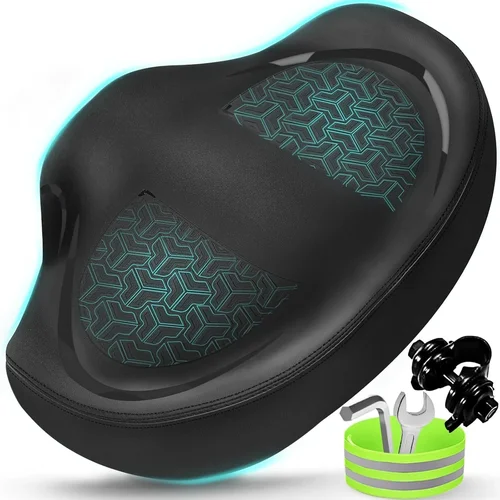
E-bikes have revolutionized personal transportation, offering a blend of pedal-powered freedom and electric-assisted convenience. Whether you’re commuting through city streets, exploring scenic trails, or simply enjoying weekend rides, comfort is paramount—and that starts with your seat. A poor-quality or ill-fitting ebike seat can turn an otherwise enjoyable ride into a painful, frustrating experience within minutes. From numbness and chafing to lower back strain, the wrong saddle can quickly become the weak link in your cycling setup.
That’s why choosing the best ebike seat isn’t just a minor detail—it’s a critical decision that directly impacts your ride quality, endurance, and overall satisfaction. With hundreds of options flooding the market—from minimalist racing saddles to plush, gel-cushioned thrones—it’s easy to feel overwhelmed. This comprehensive buying guide is designed to cut through the noise. You’ll learn exactly what to look for, how to match a seat to your body and riding style, and how to avoid common pitfalls that lead to buyer’s remorse. We’ll explore everything from ergonomic design and material science to budget considerations and real-world performance, so you can make a confident, informed choice.
The ebike seat market has evolved rapidly in recent years, driven by advances in materials, biomechanics, and rider feedback. Today’s top-tier saddles aren’t just padded—they’re engineered for pressure distribution, ventilation, and long-term durability. Brands like Selle Royal, Brooks, Ergon, and Fizik now offer specialized models tailored to e-bike riders, who often carry more weight, ride longer distances, and sit upright more frequently than traditional cyclists. Whether you’re upgrading from a stock seat or building your dream ebike from scratch, this guide will equip you with the knowledge to select a seat that delivers comfort mile after mile.

What to Look for When Buying an Ebike Seat
1. Comfort and Ergonomic Design
Comfort is the single most important factor when selecting an ebike seat, yet it’s also the most subjective. What feels like a cloud to one rider might feel like a rock to another. The key lies in ergonomic design—how well the seat supports your anatomy and riding posture. Most ebike riders sit more upright than road cyclists, which shifts pressure toward the sit bones (ischial tuberosities) and reduces strain on the hands and wrists. A good ergonomic seat will have a contoured shape that cradles these bones while minimizing soft tissue pressure.
Look for features like a central cutout or groove, which relieves pressure on the perineum and helps prevent numbness during long rides. Wider seats (typically 140–160mm) are better for upright riding positions, while narrower profiles suit aggressive, forward-leaning postures. Some high-end models use adaptive foam or gel inserts that mold to your body over time, offering personalized support. Remember, comfort isn’t just about softness—it’s about intelligent pressure distribution. A seat that feels plush at first may bottom out under sustained weight, leading to discomfort after 20 minutes. Test rides are ideal, but if that’s not possible, check for detailed ergonomic specifications and user feedback focused on long-term comfort.
2. Seat Width and Shape
Choosing the right width and shape is essential for proper support and comfort. Seat width should match the distance between your sit bones, which typically ranges from 100mm to 140mm in adults. A seat that’s too narrow will cause your sit bones to hang off the edges, increasing pressure and discomfort. One that’s too wide can lead to chafing and inefficient pedaling due to excessive thigh movement.
Most manufacturers provide width guidelines (e.g., 145mm for medium, 160mm for wide), but the best way to determine your ideal width is through a professional bike fit or a DIY method using corrugated cardboard and tracing your sit bone impressions. Once you know your width, consider the seat’s shape. Flat-top saddles offer more freedom of movement and are ideal for riders who shift positions frequently. Curved or domed seats provide better support for those who maintain a consistent posture. Some models feature a tapered nose for easier leg clearance, while others have a wider rear for enhanced stability. For ebike riders who often carry cargo or ride with a passenger, a wider, more stable seat can make a significant difference in comfort and control.
3. Material and Padding
The materials used in an ebike seat directly affect its comfort, durability, and weight. Padding comes in several forms, each with distinct advantages and drawbacks. Traditional foam padding is lightweight and affordable but can compress over time, losing its cushioning properties. High-density foam offers better longevity and support, making it a popular choice for mid-range seats. Gel padding provides a soft, cushioned feel and excellent shock absorption, but it can retain heat and add weight. Some premium seats use multi-layer systems—combining firm base foam with softer top layers—to balance support and comfort.
The cover material is equally important. Synthetic leather (often called PU or microfiber) is durable, weather-resistant, and easy to clean, making it ideal for daily commuters. Real leather, found in brands like Brooks, offers a classic look and improves with age, molding to your body over time, but requires regular maintenance and is less water-resistant. Mesh covers enhance breathability, reducing sweat buildup on hot days, but may not be as durable. For riders in wet climates, look for water-resistant treatments or integrated fenders. Avoid overly plush seats with thick gel layers if you prioritize efficiency—they can cause energy loss and excessive bouncing on rough terrain.
4. Suspension and Shock Absorption
E-bikes often weigh significantly more than traditional bicycles—sometimes over 50 pounds—which means more stress on your body when riding over bumps, potholes, or uneven terrain. A seat with built-in suspension or shock-absorbing features can dramatically improve ride comfort, especially on longer journeys or off-road adventures.
Suspension systems come in several forms. Some seats use coil or elastomer springs beneath the shell to absorb impacts, while others integrate flexible rails or pivoting mechanisms that allow slight movement. These systems reduce vibration transmission to your spine and pelvis, helping prevent fatigue and discomfort. However, suspension adds weight and complexity, so it’s best suited for riders who frequently encounter rough surfaces. For city commuters on smooth pavement, a well-padded seat without suspension may be sufficient. If you do opt for a suspension seat, ensure it’s adjustable—some models let you tune the firmness based on your weight and riding conditions.
5. Weight and Portability
While comfort is paramount, weight matters—especially if you plan to carry your ebike upstairs, load it onto a rack, or store it in a small space. A heavy seat might not seem like a big deal, but every ounce adds up, particularly on a bike that already weighs 40–70 pounds. Lightweight seats often use carbon fiber rails, minimalist shells, and thin padding, which can reduce overall weight by 100–300 grams compared to standard models.
However, don’t sacrifice comfort for weight savings. A super-light seat with minimal padding may save grams but cost you in discomfort over time. For most riders, a balance is ideal: look for seats under 400 grams that still offer adequate support and durability. If you’re a performance-oriented rider or participate in e-bike races, every gram counts—but for daily commuting or leisure riding, comfort should take precedence. Also consider portability features like quick-release rails or foldable designs if you frequently disassemble your bike for transport.
6. Ventilation and Breathability
Heat and moisture buildup are common complaints among ebike riders, especially during summer months or intense rides. A seat with poor ventilation can lead to sweaty discomfort, skin irritation, and even chafing. Ventilation features include perforations in the cover, mesh panels, central channels, and airflow-optimized shell designs.
Perforated saddles allow air to circulate, keeping the surface cooler and drier. Mesh covers offer the best breathability but may wear faster. Central cutouts not only relieve pressure but also improve airflow, reducing heat retention. Some high-end models use advanced materials like 3D-printed lattice structures that enhance ventilation while maintaining support. If you live in a hot or humid climate, prioritize ventilation—even a small improvement in airflow can make a big difference on long rides. Avoid fully enclosed, non-breathable covers unless you’re riding in cold weather and prioritize warmth over cooling.
7. Durability and Weather Resistance
Your ebike seat is exposed to the elements—rain, sun, dirt, and UV rays—all of which can degrade materials over time. A durable seat should withstand years of daily use without cracking, fading, or losing its shape. Look for reinforced stitching, UV-resistant coatings, and water-repellent treatments. Synthetic covers generally outperform leather in wet conditions, as they dry quickly and resist mold.
Rails should be made of strong materials like stainless steel, chromoly, or carbon fiber. Avoid cheap aluminum rails, which can bend or corrode. The shell—usually made of nylon, polypropylene, or carbon—should be rigid enough to support your weight without flexing excessively. Check warranty terms: reputable brands often offer 2–5 years of coverage, reflecting confidence in their product’s longevity. For riders in rainy regions, consider a seat with a waterproof cover or pair it with a seat cover for added protection during storage.
8. Compatibility and Installation
Not all seats fit all bikes. Compatibility depends on your seatpost type and rail configuration. Most modern ebikes use standard 7mm round rails, but some models feature proprietary systems or integrated seatposts that limit aftermarket options. Before purchasing, verify that the seat’s rail clamp matches your seatpost. Universal clamps work with most setups, but double-check measurements.
Installation should be straightforward: loosen the seatpost clamp, slide the seat into place, adjust the angle and position, and tighten securely. Some seats offer micro-adjustments for fine-tuning. Avoid over-tightening, which can damage rails or cause slippage. If your bike has a suspension seatpost, ensure the seat is compatible—some designs require specific rail lengths or clamping mechanisms. For peace of mind, choose a seat with a secure, tool-free adjustment system or one that includes a torque wrench in the box.
Different Types of Ebike Seats

Common Buying Mistakes to Avoid
❌ Mistake: Choosing Based on Looks Alone
Why it’s bad: A sleek, minimalist seat might look great on your bike, but if it doesn’t match your anatomy or riding style, it will quickly become uncomfortable. Prioritizing aesthetics over function leads to wasted money and poor ride experiences.
What to do instead: Focus on ergonomics, width, and support first. Use appearance as a secondary consideration. Read detailed reviews and look for photos of the seat in use to assess real-world comfort.
❌ Mistake: Ignoring Your Riding Position
Why it’s bad: Ebike riders often sit upright, which requires a wider seat with more rear support. Choosing a narrow, racing-style seat designed for forward-leaning postures can cause pain and instability.
What to do instead: Match the seat to your posture. Upright riders should opt for wider, flatter seats with cutouts. Sportier riders can consider narrower, curved designs.
❌ Mistake: Overlooking Weight and Cargo Needs
Why it’s bad: If you carry groceries, a backpack, or a passenger, your seat must support extra weight. A lightweight, minimalist seat may not hold up under load, leading to discomfort or damage.
What to do instead: Choose a seat with a sturdy shell and reinforced rails. Consider models rated for higher weight limits (300+ lbs) if you’re a heavier rider or carry cargo.
❌ Mistake: Skipping the Test Ride
Why it’s bad: Comfort is highly personal. What works for a friend or online reviewer may not suit you. Buying without testing increases the risk of disappointment.
What to do instead: Visit a local bike shop to test different models. If buying online, choose retailers with generous return policies (30+ days) so you can try the seat risk-free.
❌ Mistake: Neglecting Maintenance
Why it’s bad: Even the best seat will degrade without care. Leather seats need conditioning, gel seats can trap moisture, and suspension parts require lubrication.
What to do instead: Follow the manufacturer’s care instructions. Clean regularly, apply leather conditioner as needed, and inspect for wear every few months.
❌ Mistake: Assuming All Gel Seats Are Equal
Why it’s bad: Low-quality gel can migrate, harden, or lose elasticity over time. Some gel seats feel great initially but become lumpy or bottom out quickly.
What to do instead: Look for high-density, medical-grade gel used in premium models. Check reviews for long-term performance and avoid ultra-cheap gel seats.
❌ Mistake: Forgetting About Seatpost Compatibility
Why it’s bad: A seat that doesn’t fit your seatpost is useless. Some ebikes use proprietary systems or non-standard clamps.
What to do instead: Measure your seatpost clamp diameter and rail type before buying. Confirm compatibility with the manufacturer or retailer.
Budget Guidelines: How Much Should You Spend?
Entry-Level ($20–$50): These seats are ideal for casual riders or those on a tight budget. Expect basic foam padding, synthetic covers, and minimal ergonomic features. They’re fine for short rides under 15 minutes but may lack durability and long-term comfort. Brands like Sunlite and Bell offer reliable options in this range.
Mid-Range ($50–$100): This is the sweet spot for most ebike riders. Seats in this tier offer better materials, ergonomic designs, and improved durability. Look for gel or high-density foam, cutouts, and water-resistant covers. Models from Selle Royal, Ergon, and Fizik provide excellent value and comfort for daily commuting and weekend adventures.
Premium ($100–$200): Designed for serious riders and long-distance comfort, these seats feature advanced materials, suspension systems, and precision engineering. Expect carbon rails, adaptive padding, and superior ventilation. Ideal for riders who spend hours in the saddle or tackle rough terrain.
Luxury ($200+): Top-tier seats like Brooks B17 or Selle Italia SLR use premium leather, handcrafted construction, and decades of refinement. These are built to last a lifetime and offer unparalleled comfort and style. Best for enthusiasts, collectors, or those who prioritize craftsmanship over cost.
Expert Tips for Getting the Best Deal
1. Shop During Off-Season Sales: Many retailers offer discounts in late fall and winter when cycling demand drops. Look for Black Friday, Cyber Monday, and end-of-season clearances.
2. Buy from Specialty Retailers: Online stores like REI, Competitive Cyclist, and local bike shops often have better return policies and expert advice than big-box retailers.
3. Check Manufacturer Refurbished Programs: Brands like Brooks and Selle Royal sell refurbished seats at 30–50% off, with full warranties.
4. Bundle with Other Upgrades: Some shops offer discounts when you buy a seat with a seatpost, pedals, or accessories.
5. Read Return Policies Carefully: Ensure the retailer allows returns after a trial period. Some seats require a break-in period of 50–100 miles.
6. Consider Used Options: High-quality leather seats improve with age. Check eBay, Craigslist, or local cycling groups for gently used models.
7. Test Before You Buy: If possible, visit a shop with a demo program or borrow a friend’s seat for a weekend ride.
8. Invest in a Seat Cover: A $15 waterproof cover can extend the life of your seat and protect it from rain and UV damage.

Frequently Asked Questions
Q: How do I know what seat width I need?
A: Measure the distance between your sit bones using a corrugated cardboard test or visit a bike shop for a professional fit. Most adults need a seat between 140mm and 160mm wide for upright ebike riding.
Q: Can I use a road bike seat on my ebike?
A: It’s possible, but not ideal. Road bike seats are designed for forward-leaning postures and may be too narrow or aggressive for upright ebike riding. Choose a seat specifically designed for comfort and upright positioning.
Q: How long does it take to break in a leather seat?
A: High-quality leather seats like Brooks can take 100–200 miles to fully mold to your body. Use a leather conditioner and ride consistently for the best results.
Q: Are gel seats better than foam?
A: Gel offers superior cushioning and pressure relief but can retain heat and add weight. Foam is lighter and more breathable but may compress over time. The best choice depends on your priorities.
Q: Do I need a suspension seat for city riding?
A: Not necessarily. If your routes are mostly smooth, a well-padded seat with a suspension seatpost may be sufficient. Reserve full suspension seats for rough terrain or long rides.
Q: How often should I replace my ebike seat?
A: With proper care, a quality seat can last 5–10 years. Replace it if you notice cracking, sagging, rail damage, or persistent discomfort.
Q: Can I adjust the angle of my seat?
A: Yes. Most seats allow slight tilt adjustments. A level or slightly nose-down position is ideal for comfort and control.
Q: Are wider seats always more comfortable?
A: Not always. A seat that’s too wide can cause chafing and inefficient pedaling. Choose a width that matches your sit bone measurement.
Q: Do I need special tools to install a new seat?
A: Most seats use a standard Allen wrench (4mm or 5mm). Some high-end models include torque wrenches for precise tightening.
Q: Can I use a women’s-specific seat as a man?
A: Yes, if it fits your anatomy. Women’s seats are often wider and shorter, which can benefit some male riders with wider sit bones.
Our Final Recommendations
Best for Budget-Conscious Buyers: Selle Royal Respiro Moderate – At under $50, this seat offers excellent value with a central cutout, gel padding, and durable synthetic cover. Ideal for short commutes and casual riders.
Best Overall Value: Ergon SM Sport Gel – Priced around $90, this seat combines ergonomic design, high-density gel, and a pressure-relieving cutout. Perfect for daily riders seeking comfort without breaking the bank.
Best Premium Option: Brooks B17 Standard – A timeless leather saddle that molds to your body over time. At $150–$200, it’s an investment in long-term comfort and style.
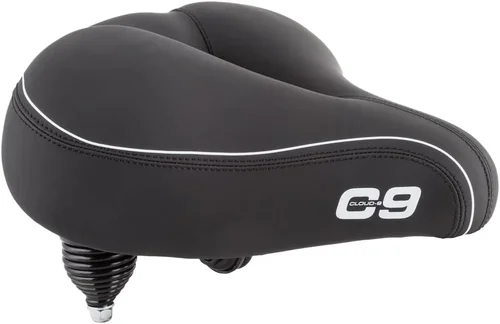
Best for Beginners: Sunlite Cloud-9 Cruiser – A plush, gel-filled seat with a wide profile and suspension springs. Great for new riders prioritizing comfort over performance.
Best for Advanced Users: Fizik Antares R3 – Lightweight, aerodynamic, and engineered for performance. Features adaptive padding and carbon rails for serious riders.
Conclusion: Making the Right Choice
Choosing the best ebike seat is about more than just cushioning—it’s about aligning your saddle with your body, riding style, and daily needs. From ergonomic design and material quality to budget and compatibility, every factor plays a role in your long-term comfort and enjoyment. Don’t rush the decision. Take the time to measure, test, and compare. Remember, the right seat won’t just make your rides more comfortable—it will encourage you to ride farther, more often, and with greater confidence.
Prioritize your needs: if you ride daily, invest in durability and support. If you’re a weekend warrior, focus on comfort and breathability. And if you’re on a budget, know that even affordable seats can deliver excellent performance when chosen wisely. With the insights from this guide, you’re now equipped to make a smart, informed purchase that enhances every mile.
So go ahead—upgrade your ride. Your back, your sit bones, and your future self will thank you.