
Selling an electric bike isn’t just about posting a listing and waiting for a buyer. In today’s competitive marketplace—where thousands of used e-bikes are listed daily across platforms like Facebook Marketplace, Craigslist, eBay, and specialized forums—your success hinges on strategy, presentation, and timing. Whether you’re upgrading to a newer model, switching back to a traditional bicycle, or simply decluttering your garage, knowing the best way to sell an ebike can mean the difference between a quick sale at full value and a months-long ordeal with lowball offers.
This comprehensive guide is designed for anyone looking to sell their electric bike efficiently, safely, and profitably. You’ll learn how to accurately assess your bike’s value, prepare it for sale, choose the right platform, craft a compelling listing, negotiate confidently, and close the deal without headaches. We’ll also cover common pitfalls that cost sellers hundreds—or even thousands—of dollars, plus insider tips from seasoned e-bike resellers and industry experts. With the global e-bike market projected to exceed $70 billion by 2026, demand for quality used models remains strong—but only if they’re presented correctly.
From understanding depreciation curves to mastering battery health disclosures, we’ll walk you through every step of the selling process. Whether you own a sleek commuter e-bike, a rugged fat-tire off-roader, or a folding model perfect for city dwellers, this guide will help you maximize your return while minimizing stress. Let’s dive into the key factors that determine how—and how well—you sell your ebike.
What to Look for When Buying Tuttio
1. Budget & Price Range
Before you even think about listing your ebike, you need to understand its realistic market value. E-bikes depreciate faster than traditional bicycles due to rapid technological advancements and battery degradation concerns. A new $3,000 e-bike might fetch only $1,800–$2,200 after one year of moderate use, depending on brand, condition, and battery health. Start by researching recent sold listings (not just “for sale” prices) on platforms like eBay, Facebook Marketplace, and Pinkbike Classifieds. Filter by your exact make, model, year, and region to get accurate comps.
Don’t forget to factor in optional accessories—like upgraded lights, racks, phone mounts, or spare batteries—which can add $100–$500 to your asking price if they’re in good condition. However, avoid overpricing based on sentimental value or original purchase price. Buyers are savvy and will quickly dismiss listings that don’t align with current market rates. Set your initial price 10–15% above your target to leave room for negotiation, but be prepared to drop it if there’s little interest after two weeks.
2. Performance Specifications
Buyers care deeply about performance specs because they directly impact usability and longevity. Key metrics include motor power (measured in watts), torque (Nm), battery capacity (Wh), range per charge, and top speed. For example, a 500W rear hub motor with 80Nm torque and a 672Wh battery will appeal more to hilly-terrain riders than a 250W front hub with half the capacity. Always disclose these details clearly in your listing—even if the manufacturer’s website lists them, many buyers won’t know how to interpret them.
Also mention whether your bike has pedal-assist levels (e.g., Eco, Tour, Sport, Turbo), regenerative braking (rare but valuable), or torque vs. cadence sensors. Torque sensors provide smoother, more natural assistance and are highly sought after. If your bike has been modified—such as a firmware unlock for higher speeds or a custom battery upgrade—disclose this upfront. While some buyers appreciate mods, others see them as red flags for potential warranty voids or safety issues.
3. Build Quality & Durability
The frame material, component quality, and overall build determine how long your e-bike will last—and how much buyers are willing to pay. Aluminum frames are standard and lightweight; carbon fiber is premium but rare in used models. Check for cracks, dents, or rust, especially around weld points and dropouts. Suspension forks should compress smoothly without leaks, and drivetrain components (chain, cassette, derailleur) should show minimal wear.
Pay special attention to the battery compartment and motor housing. Water damage is a dealbreaker—even minor corrosion can indicate deeper issues. If your bike has been stored outdoors or ridden in heavy rain without proper sealing, disclose it honestly. Buyers may still be interested if you offer a discount, but hiding moisture damage can lead to disputes or returns. A well-maintained bike with service records commands a higher price than one that looks clean but has hidden mechanical flaws.
4. Features & Functionality
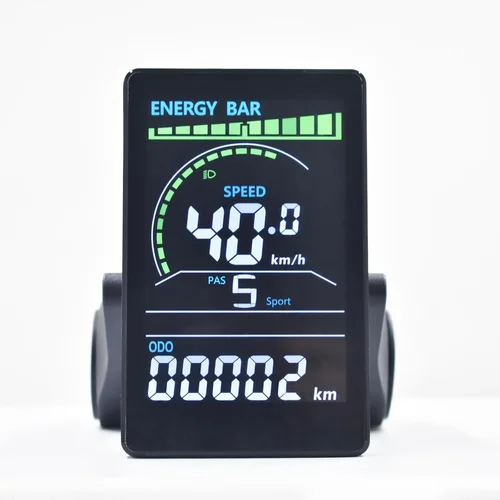
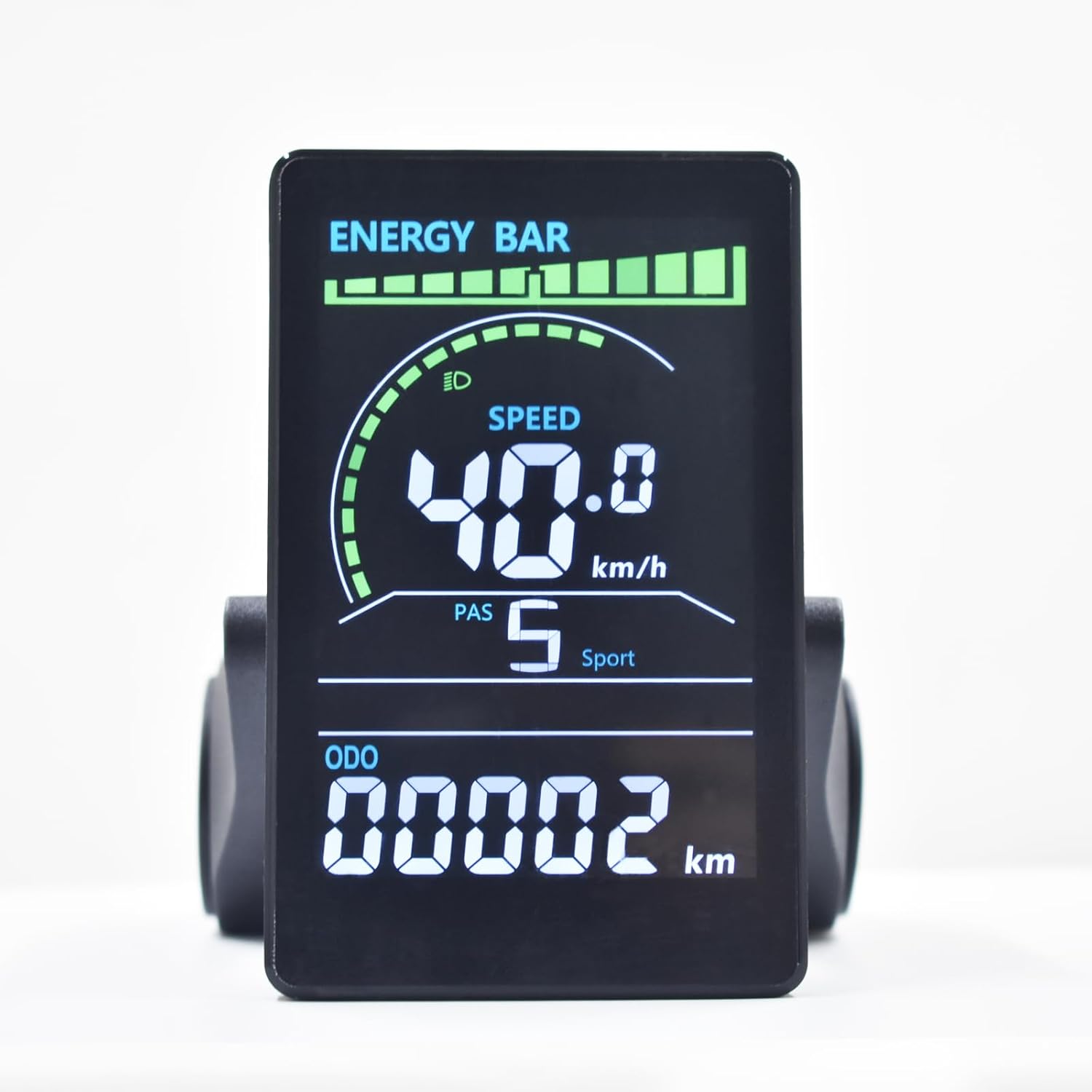
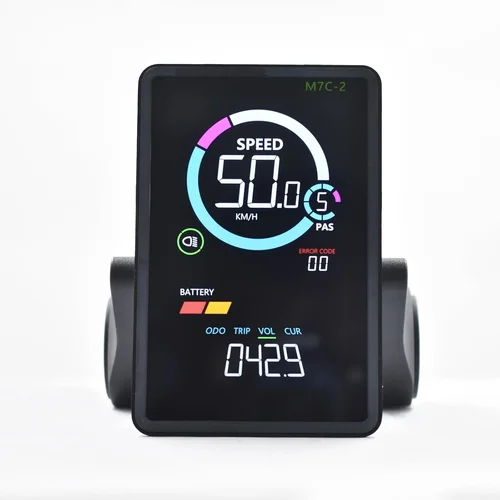
Modern e-bikes come packed with features that significantly influence resale value. Integrated lighting systems, smartphone connectivity (via Bluetooth or dedicated apps), GPS tracking, anti-theft alarms, and digital displays with ride analytics are all selling points. For instance, a Bosch Performance Line motor with a Kiox display offers real-time data and diagnostics—features that appeal to tech-savvy riders.
Folding mechanisms, step-through frames, and adjustable stems add versatility, especially for urban commuters or those with limited storage space. If your bike includes a rear rack, panniers, or child seat mounts, highlight them—they’re expensive add-ons that save buyers money. Conversely, if critical features like the display or throttle are malfunctioning, address them before listing. Repairing a $50 display could net you $200+ more in sale price.
5. Brand Reputation
Brand matters—a lot. Established names like Specialized, Trek, Rad Power Bikes, Bosch-equipped models, and VanMoof carry trust and resale value. Buyers associate these brands with better support, parts availability, and build quality. Niche or unknown brands may struggle to sell unless priced aggressively, even if the specs are comparable. If you own a lesser-known brand, emphasize unique strengths: “This Rattan e-bike has a 750W Bafang motor and 48V battery—rare for under $2,000 new.”
Research recalls or common failure points for your model. For example, early-generation VanMoof S3 bikes had notorious drivetrain issues, while some Juiced Bikes models faced battery recalls. If your bike was affected but repaired under warranty, mention it—it shows transparency and proactive maintenance. Avoid brands with poor customer service histories unless you’re pricing accordingly.
6. Warranty & Support
Transferable warranties are golden. If your e-bike still has 6–18 months left on the manufacturer’s warranty (typically covering motor, battery, and electronics), highlight this prominently. Many buyers prioritize warranty coverage over minor cosmetic flaws. Include the original purchase receipt and warranty card if possible—it adds legitimacy.
Even if the warranty has expired, note whether you’ve registered the bike with the manufacturer. Some brands offer extended support or discounted parts to registered owners. For DIY-friendly models like Rad Power Bikes, mention access to online forums, replacement parts, and repair guides. This reassures buyers they won’t be stranded if something breaks.
7. Size & Portability
Fit is crucial for e-bike usability. Include your bike’s frame size (in cm or inches), standover height, and weight. A 56cm frame suits riders 5’8″–6’0″, while step-through models accommodate shorter or mobility-limited users. Weight matters too—most e-bikes weigh 40–70 lbs; heavier models need motorized lifts or ramps for transport.
If your bike folds (like the Brompton Electric or Tern Vektron), demonstrate the folded dimensions and ease of operation in photos or video. Portability dramatically expands your buyer pool to apartment dwellers, RV owners, and public transit users. For non-folding bikes, mention if it fits in standard car trunks or bike racks—this info helps buyers plan logistics.
8. User Reviews & Ratings
Leverage third-party validation. If your model has strong reviews on sites like Electric Bike Review, BikeRadar, or Amazon, cite them: “Rated 4.7/5 on EBR for reliability and comfort.” This builds credibility, especially for lesser-known brands. Conversely, if your model has known flaws (e.g., weak brakes or short battery life), acknowledge them honestly—but explain how you’ve mitigated the issue (e.g., “Upgraded to hydraulic disc brakes last year”).
Include testimonials from friends or riding groups if applicable: “My cycling club loved this bike for weekend trail rides.” Social proof reduces buyer hesitation. Avoid fake reviews or exaggerated claims—they erode trust and can lead to post-sale disputes.
Different Types of Tuttio

Common Buying Mistakes to Avoid
❌ Mistake: Overpricing Based on Original Cost
Why it’s bad: E-bikes lose value quickly—often 30–40% in the first year. Listing a $3,000 bike for $2,800 after 12 months ignores market reality and deters serious buyers.
What to do instead: Research sold listings (not asking prices) and price competitively. Use tools like Kelley Blue Book for e-bikes or local marketplace filters to gauge fair value.
❌ Mistake: Skimping on Photos and Descriptions
Why it’s bad: Blurry, dark, or sparse photos make buyers assume the worst. Vague descriptions like “great condition” invite skepticism and lowball offers.
What to do instead: Take 10–15 high-resolution photos in natural light: overall shots, close-ups of the motor/battery, drivetrain, tires, and any flaws. Write a detailed description covering specs, usage history, maintenance, and reason for selling.
❌ Mistake: Ignoring Battery Health
Why it’s bad: Battery replacement costs $500–$1,200. Buyers will assume the worst if you don’t disclose capacity or cycle count.
What to do instead: Test your battery’s actual range vs. original specs. Mention charge cycles if known (e.g., “~300 cycles, still achieves 85% of original range”). Offer a recent battery health report if available.
❌ Mistake: Selling on the Wrong Platform
Why it’s bad: Listing a $4,000 cargo e-bike on Craigslist limits you to local, often inexperienced buyers. Conversely, selling a $1,200 commuter on eBay incurs high fees for minimal gain.
What to do instead: Match platform to bike type: Facebook Marketplace for local commuter sales, Pinkbike or MTBR for performance models, eBay for rare/niche bikes with national appeal.
❌ Mistake: Not Meeting Buyers Safely
Why it’s bad: Private sales carry risks—scams, theft, or unsafe meetups. Meeting in isolated areas or accepting wire transfers increases vulnerability.
What to do instead: Use public, well-lit locations (police stations have designated safe exchange zones). Accept cash or secure payment apps (Venmo, PayPal Goods & Services). Bring a friend and share your location.
❌ Mistake: Failing to Disclose Modifications
Why it’s bad: Undisclosed firmware hacks or motor upgrades can void warranties or create safety hazards. Buyers may demand refunds or leave negative feedback.
What to do instead: List all modifications clearly: “Speed unlocked to 28 mph via CFW firmware.” Explain why you made the change and provide documentation if possible.
❌ Mistake: Rushing the Sale
Why it’s bad: Accepting the first low offer out of desperation leaves money on the table. E-bikes often sell faster when priced right from day one.
What to do instead: Wait at least 7–10 days before considering price drops. Use the time to gather more photos, service records, or accessories that add value.
Budget Guidelines: How Much Should You Spend?
Entry-Level ($800–$1,500): Expect basic components, lower-capacity batteries (400–500Wh), and limited range (20–30 miles). Ideal for casual riders or short commutes. Brands like Ancheer or Ecotric dominate this tier—sell quickly by emphasizing affordability and simplicity.
Mid-Range ($1,500–$3,000): The sweet spot for most buyers. These bikes offer reliable motors (500–750W), decent batteries (500–700Wh), and better build quality. Models from Rad Power Bikes, Aventon, or Lectric XP are popular here. Highlight value-for-money and included accessories.
Premium ($3,000–$5,000): For enthusiasts and daily riders. Features include torque sensors, integrated tech, premium frames, and 700+ Wh batteries. Brands like Trek, Specialized, and Riese & Müller shine here. Emphasize performance, durability, and warranty coverage.
Luxury ($5,000+): Top-tier e-bikes with cutting-edge tech, carbon frames, and bespoke designs. Think Stromer, DYU King, or high-end Bosch systems. These attract collectors and serious riders—price competitively but don’t undervalue rarity or craftsmanship.
Expert Tips for Getting the Best Deal
- Time Your Sale Strategically: List in spring (March–May) when demand peaks. Avoid winter unless you’re in a warm climate. Holiday weekends (Memorial Day, Labor Day) also see high traffic.
- Use Multiple Platforms: Cross-list on Facebook Marketplace, OfferUp, and Craigslist for local reach, plus eBay or Reverb for broader exposure. Update all listings if you get an offer.
- Highlight Unique Selling Points: “Only 200 miles,” “Includes $300 worth of upgrades,” or “Garage-kept, never ridden in rain” stand out in crowded markets.
- Offer a Test Ride (Safely): Allow serious buyers to test ride in a controlled setting. Have them sign a liability waiver and bring ID. This builds trust and reduces returns.
- Bundle Accessories: Include helmets, locks, or spare tubes to justify a higher price. A $50 lock can make a $200 price bump feel reasonable.
- Respond Quickly: Top sellers reply within hours. Use auto-responders if needed: “Thanks for your interest! I’ll reply within 2 hours with details.”
- Know When to Walk Away: If a buyer insists on unrealistic demands (e.g., “I’ll pay half if you deliver”), politely decline. There are plenty of serious buyers.
- Document Everything: Save chat logs, payment receipts, and transfer documents. This protects you if disputes arise post-sale.
Frequently Asked Questions
Q: How do I determine my e-bike’s resale value?
A: Check completed/sold listings on eBay, Facebook Marketplace, and Pinkbike. Adjust for condition, mileage, battery health, and included accessories. Use depreciation guides (e.g., 30% off after Year 1) as a baseline.
Q: Should I service my e-bike before selling?
A: Yes—basic maintenance (chain lube, brake check, tire inflation) costs little but boosts perceived value. A $50 tune-up can increase sale price by $150+. Provide receipts to prove care.
Q: Can I sell my e-bike if the battery is degraded?
A: Absolutely. Disclose the issue honestly: “Battery holds ~70% capacity—still great for 25-mile commutes.” Price accordingly (10–20% below market) and consider offering the charger as a bonus.
Q: Is it better to sell locally or ship nationally?
A: Local sales avoid shipping risks and fees (e-bikes are heavy!). Ship only for rare models or if local demand is weak. Use freight services like BikeFlights for safe transport.
Q: How do I handle payment securely?
A: Cash is safest for local deals. For online sales, use PayPal Goods & Services (buyer protection) or escrow services. Never accept wire transfers or gift cards—they’re scam red flags.
Q: What if my e-bike has a recall?
A: Disclose it upfront. If repaired, provide documentation. If not, price significantly lower and explain the risk. Transparency builds trust.
Q: Can I transfer the warranty to the buyer?
A: Most manufacturers allow warranty transfers if the bike is registered. Contact customer service with the new owner’s info to complete the process.
Q: How long does it take to sell an e-bike?
A: Well-priced, high-demand models sell in 3–7 days. Niche or overpriced bikes may take weeks. Relist with improvements if stale.
Q: Should I include the original box and manual?
A: Yes! These add perceived value and show care. Scan manuals if originals are lost—digital copies still help.
Q: What’s the biggest turnoff for buyers?
A: Hidden damage, poor communication, or refusal to share battery health data. Honesty and responsiveness win sales.
Our Final Recommendations
Best for Budget-Conscious Buyers: Lectric XP 3.0 – Reliable, feature-packed, and easy to sell due to massive popularity. Price at $1,200–$1,400 used.
Best Overall Value: Rad Power Bikes RadCity 5 Plus – Excellent commuter with strong community support. List at $1,800–$2,200 with accessories.
Best Premium Option: Specialized Turbo Vado SL – Lightweight, tech-rich, and desirable. Fetch $3,000–$3,800 if well-maintained.
Best for Beginners: Aventon Level.2 – User-friendly, stylish, and affordable. Sell quickly at $1,400–$1,600 by highlighting ease of use.
Best for Advanced Users: Trek Allant+ 9.9S – High-performance Bosch system with premium components. Target $4,500+ with full service history.
Conclusion: Making the Right Choice
Selling your e-bike doesn’t have to be stressful or unprofitable. By understanding your bike’s true value, presenting it honestly and attractively, and choosing the right sales strategy, you can turn a used e-bike into quick cash—or trade-up funds—without the headaches. Remember: buyers aren’t just purchasing a machine; they’re investing in reliability, safety, and peace of mind. Your transparency, preparation, and responsiveness directly influence their confidence—and your final sale price.
Prioritize your goals: Do you want speed, maximum profit, or a hassle-free experience? Adjust your approach accordingly. Price competitively, document everything, and never skip the basics like clean photos and battery disclosure. The e-bike market is vibrant and growing, but competition is fierce. Stand out by being the seller who goes the extra mile—because in 2026, that’s what separates a quick sale from a forgotten listing.
Ready to sell? Start today: clean your bike, gather your docs, and craft a listing that tells its story. Your next buyer is out there—make it easy for them to say yes.