
Electric cargo bikes are revolutionizing family transportation. No longer just a niche curiosity, these powerful, practical machines are becoming the go-to solution for eco-conscious parents who want to ditch the minivan—or at least reduce their car dependency. Whether you’re ferrying kids to school, hauling groceries, or embarking on weekend adventures, an electric cargo bike can make daily errands easier, healthier, and more fun. But with so many models flooding the market in 2026, choosing the right one for your family’s unique needs can feel overwhelming.
This comprehensive buying guide is designed to cut through the noise. We’ve tested, researched, and analyzed the latest electric cargo bikes to bring you expert insights, real-world performance data, and actionable advice. You’ll learn how to evaluate key features like motor power, battery life, cargo capacity, and safety systems. We’ll walk you through budget considerations, common pitfalls, and smart shopping strategies—so you can invest in a bike that truly fits your lifestyle. By the end, you won’t just know which models are best; you’ll understand why they’re best for families like yours.
The electric cargo bike market has exploded in recent years, driven by rising fuel costs, environmental awareness, and urban infrastructure improvements. In 2026, we’re seeing smarter designs, longer-range batteries, and more family-focused features than ever before. From compact front-loaders ideal for city dwellers to long-tail workhorses built for suburban hauling, there’s a model for nearly every scenario. Brands like Rad Power Bikes, Tern, Urban Arrow, and Riese & Müller are leading the charge with innovative engineering and user-centric designs. Whether you’re replacing a second car or simply looking for a greener way to get around, this guide will help you navigate the options with confidence.

What to Look for When Buying Tuttio
1. Budget & Price Range
Electric cargo bikes represent a significant investment, typically ranging from $2,500 to over $8,000. Your budget will heavily influence your options, but it’s crucial to view this purchase as a long-term value play rather than just an upfront cost. Entry-level models may save you money initially but could lack durability, range, or essential safety features. Mid-range bikes ($3,500–$5,500) often offer the best balance of quality, performance, and affordability for most families. Premium models ($6,000+) deliver top-tier components, extended warranties, and advanced tech—ideal if you plan to use the bike daily or in challenging conditions.
When setting your budget, factor in not just the bike itself but also accessories (child seats, rain covers, locks), maintenance, and potential savings on gas, parking, and car insurance. Many families find that their e-cargo bike pays for itself within 2–3 years by replacing car trips. Also, check for local incentives: several U.S. states and European countries now offer rebates or tax credits for electric bike purchases, which can significantly reduce your net cost.
2. Performance Specifications
Performance specs determine how well your cargo bike handles real-world demands. Key metrics include motor power (measured in watts), torque (Newton-meters), battery capacity (watt-hours), and range (miles per charge). For family use, we recommend a minimum of 500W motor power and 400Wh battery capacity. Higher torque (70+ Nm) is essential for climbing hills with kids and cargo onboard. Range varies widely—expect 30–70 miles on a single charge depending on terrain, load, and assist level.
Look for mid-drive motors (like those from Bosch or Shimano) over hub motors when possible. Mid-drives offer better weight distribution, efficiency, and hill-climbing ability, which is critical when carrying 100+ pounds of cargo. Also, consider pedal-assist levels and throttle availability. A responsive throttle can be a lifesaver when starting from a stop with a full load. Finally, check the bike’s maximum assisted speed—most are capped at 20 mph (Class 1/2) or 28 mph (Class 3)—and ensure it aligns with your local regulations and riding style.
3. Build Quality & Durability
A cargo bike is essentially a mini-van on two wheels, so it must be built to last. Frame material matters: aluminum alloys are lightweight and corrosion-resistant, while steel offers superior strength and shock absorption but adds weight. Look for reinforced frames with high load ratings—ideally 400+ pounds total capacity (rider + cargo). Weld quality, component sourcing, and weather resistance are equally important.
Inspect the drivetrain: internal gear hubs (like Shimano Alfine or Enviolo) are sealed and low-maintenance, making them ideal for wet or dirty conditions. Belt drives are quieter and cleaner than chains but require compatible frames. Brakes must be robust—hydraulic disc brakes are non-negotiable for safe stopping under heavy loads. Tires should be puncture-resistant and wide enough (2.2”+) for stability. Don’t overlook small details: sealed bearings, rust-proof fasteners, and powder-coated finishes all contribute to long-term reliability.
4. Features & Functionality
Family-friendly features can make or break your daily experience. Prioritize safety and convenience: integrated lighting (front and rear), reflective elements, and audible horns or bells are essential. Child seating options vary—some bikes include built-in benches, while others require aftermarket seats (look for ISO-compliant mounts). Rain covers, footrests, and handlebar steering for kids add comfort and security.
Storage solutions matter too. Front-loading “box” bikes (like the Urban Arrow) offer easy access and visibility for children, while long-tail models (like the RadWagon) provide open deck space for cargo boxes or pet carriers. Consider modularity: can you swap cargo boxes for passenger seats? Is there room for panniers or a rear rack? Tech features like smartphone integration, GPS tracking, and anti-theft alarms are increasingly common and worth considering if you live in a high-theft area. Finally, test the turning radius and maneuverability—some cargo bikes feel unwieldy in tight spaces.
5. Brand Reputation
Not all e-bike brands are created equal. Established companies with strong reputations—such as Tern, Riese & Müller, and Yuba—typically offer better engineering, customer service, and resale value. Research brand history: how long have they been making cargo bikes? Do they specialize in family models? Read independent reviews and check forums like Reddit’s r/ebikes or Electric Bike Report for real user feedback.
Beware of “me-too” brands that copy designs without refining them. Look for transparency: reputable brands publish detailed specs, provide clear warranty terms, and offer accessible support. Also, consider where the bike is assembled and serviced. Local dealer networks mean easier maintenance and faster repairs. Brands with U.S.-based service centers (like Rad Power Bikes) often have shorter wait times than those relying solely on overseas support.
6. Warranty & Support
A solid warranty is your safety net. Most quality e-cargo bikes come with a 1–2 year frame warranty and 1-year coverage on electrical components. Premium brands often extend this to 2–3 years. Pay attention to what’s covered: does the warranty include the battery? Motor? Display? Some brands offer “bumper-to-bumper” coverage, while others exclude wear items like tires and brake pads.
Support matters just as much. Can you get parts quickly? Is there a helpline or chat support? Check if the brand offers repair guides or video tutorials. Some companies, like Tern, provide lifetime frame warranties and global service networks—a huge advantage if you travel or move. Avoid brands with vague warranty language or no U.S. presence. A good warranty isn’t just about fixing problems; it’s a sign the company stands behind its product.
7. Size & Portability
Cargo bikes are inherently large, but size varies significantly. Front-loaders are wider and shorter, making them stable but harder to store. Long-tails are narrower but longer—great for tight parking but challenging to maneuver in alleys. Measure your garage, hallway, or apartment entryway before buying. Some models fold partially (like the Tern GSD) or have removable wheels for easier storage.
Weight is another factor. Even without cargo, these bikes weigh 60–90 pounds. If you need to carry it upstairs or load it onto a car rack, look for lightweight designs or integrated lifting aids. Consider step-through frames for easier mounting, especially if you’re transporting young children. Test the bike in person if possible—sit on it, lift it, and simulate loading it with groceries or a kid. Comfort and practicality trump specs on paper.
8. User Reviews & Ratings
Never rely solely on manufacturer claims. User reviews reveal real-world performance, reliability issues, and hidden strengths. Focus on verified purchasers and long-term owners (6+ months of use). Look for patterns: if multiple users report battery degradation after a year, that’s a red flag. Conversely, consistent praise for comfort or customer service is a strong endorsement.
Use multiple sources: Amazon, REI, specialized e-bike retailers, and YouTube reviews offer different perspectives. Pay attention to how brands respond to complaints—do they offer solutions or ignore feedback? Also, consider niche forums where experienced riders share detailed insights. Remember, no bike is perfect, but the best ones have overwhelmingly positive feedback with minor, manageable drawbacks.
Different Types of Tuttio

Common Buying Mistakes to Avoid
❌ Mistake: Prioritizing Price Over Quality
Why it’s bad: Cheap e-cargo bikes often use low-grade motors, weak frames, and unreliable batteries that fail under heavy use. You’ll end up spending more on repairs or replacements within a year.
What to do instead: Invest in a reputable brand with proven durability. A $4,000 bike that lasts 8 years is far cheaper per mile than a $2,500 model that needs a new motor after 18 months.
❌ Mistake: Ignoring Local Terrain
Why it’s bad: A bike with a weak motor or small battery will struggle on hills or long commutes, turning your daily ride into a frustrating chore.
What to do instead: Test ride on routes similar to your typical trips. Choose a mid-drive motor with high torque (75+ Nm) if you live in a hilly area, and opt for a 600Wh+ battery for extended range.
❌ Mistake: Overlooking Safety Features
Why it’s bad: Without proper lighting, brakes, or child restraints, you risk accidents—especially in traffic or poor weather.
What to do instead: Ensure the bike has hydraulic disc brakes, integrated LED lights, and certified child seats. Add reflective tape and a loud horn for extra visibility.
❌ Mistake: Buying Without Testing
Why it’s bad: Cargo bikes handle differently than regular bikes. What looks good online might feel unstable or uncomfortable in person.
What to do instead: Visit a local dealer for a test ride. Load it with weight (use sandbags or ask a friend to sit on the cargo area) to simulate real conditions.
❌ Mistake: Neglecting Storage and Maintenance
Why it’s bad: These bikes require regular upkeep—chain lubrication, brake adjustments, tire checks. Without it, performance degrades quickly.
What to do instead: Learn basic maintenance or find a reliable e-bike shop nearby. Choose models with belt drives or internal hubs to reduce upkeep.
❌ Mistake: Assuming All Accessories Are Compatible
Why it’s bad: Not all child seats, boxes, or racks fit every bike. Buying incompatible gear wastes money and creates safety hazards.
What to do instead: Check compatibility charts before purchasing accessories. Stick to manufacturer-recommended parts or widely compatible third-party brands like Thule or Weber.
❌ Mistake: Forgetting About Theft Risk
Why it’s bad: E-cargo bikes are expensive and attractive to thieves. A standard U-lock won’t protect the frame and wheels.
What to do instead: Invest in a heavy-duty lock (like a Kryptonite New York Fahgettaboudit), register your bike, and consider GPS tracking. Park in well-lit, secure areas whenever possible.
Budget Guidelines: How Much Should You Spend?
Entry-Level ($2,500–$3,500): These bikes offer basic functionality but often compromise on motor power, battery life, and build quality. Best for light use—short, flat commutes with minimal cargo. Examples include the RadWagon 4 and Aventon Abound. Expect shorter warranties and limited dealer support.
Mid-Range ($3,500–$5,500): The sweet spot for most families. You’ll get reliable mid-drive or high-quality hub motors, 500–700Wh batteries, and durable frames. Models like the Tern GSD S10 and Yuba Spicy Curry excel here. Expect 2-year warranties, good dealer networks, and family-friendly features.
Premium ($5,500–$7,500): For daily riders and serious haulers. These bikes boast top-tier components (Bosch Performance Line CX motors, Enviolo hubs), extended-range batteries (up to 1,000Wh), and premium finishes. Urban Arrow Family and Riese & Müller Load 75 fall here. Ideal if you replace car trips entirely.
Luxury ($7,500+): Top-of-the-line engineering with cutting-edge tech, custom configurations, and concierge-level service. The Riese & Müller Multicharger GT Vario and Urban Arrow Shorty High Performance exemplify this tier. Only necessary for extreme conditions or professional use.
Expert Tips for Getting the Best Deal
- Shop during off-peak seasons: Late fall and winter often bring discounts as retailers clear inventory. Many brands offer 10–15% off during Black Friday or end-of-year sales.
- Buy from authorized dealers: They provide better support, warranty service, and often include free assembly and tune-ups. Avoid gray-market imports.
- Negotiate bundled packages: Ask for discounts on accessories (child seats, rain covers, locks) when buying the bike. Some dealers offer “family bundles” at reduced rates.
- Check for rebates and incentives: States like California, Colorado, and New York offer e-bike rebates up to $1,000. The federal government may also introduce new incentives in 2026.
- Consider certified pre-owned: High-end brands like Tern and Urban Arrow offer refurbished models with full warranties at 20–30% off retail.
- Read the fine print on warranties: Some cover “wear and tear,” others don’t. Know what’s included before you buy.
- Test multiple models: Ride at least two different types (e.g., front-loader vs. long-tail) to understand which suits your lifestyle best.
- Join owner communities: Online forums often share exclusive promo codes, early access to sales, and insider tips on upcoming models.

Frequently Asked Questions
Q: Can an electric cargo bike really replace a car?
A: For many families, yes—especially for trips under 10 miles. If your daily routine includes school drop-offs, grocery runs, and short errands, an e-cargo bike can handle 70–80% of car trips. However, long-distance travel, heavy rain, or transporting multiple kids long distances may still require a vehicle.
Q: How safe are electric cargo bikes for children?
A: When equipped with certified child seats, safety harnesses, and proper supervision, they’re very safe. Look for bikes with low centers of gravity (like front-loaders) and always use helmets. Avoid riding in heavy traffic until you’re confident in your handling skills.
Q: What’s the average lifespan of an e-cargo bike?
A: With proper maintenance, a quality e-cargo bike can last 8–12 years. The battery typically needs replacement every 3–5 years (or 800–1,000 charge cycles), but frames and motors often outlast that.
Q: Do I need a special license or insurance?
A: In most U.S. states and European countries, no license is required for Class 1/2 e-bikes (20 mph max). Insurance isn’t mandatory but is recommended—some homeowners’ policies cover e-bike theft or damage.
Q: How do I charge the battery?
A: Most batteries charge via a standard wall outlet in 4–6 hours. You can remove the battery to charge indoors (ideal in apartments) or charge it on the bike. Avoid charging in extreme temperatures.
Q: Can I ride in the rain?
A: Yes, but take precautions. Use fenders, waterproof bags, and ensure all electrical connections are sealed. Dry the bike after wet rides to prevent corrosion.
Q: What if my kid outgrows the seat?
A: Many cargo bikes allow you to remove child seats and convert the space to cargo. Some models, like the Tern GSD, support adult passengers with optional bench seats.
Q: Are there financing options?
A: Yes! Brands like Rad Power Bikes, Tern, and Urban Arrow offer 0% APR financing through partners like Klarna or Affirm. This spreads the cost over 12–24 months with no interest.
Q: How much weight can they really carry?
A: Most family e-cargo bikes support 400–440 lbs total (rider + cargo). Check the manufacturer’s rated capacity—don’t exceed it for safety and warranty reasons.
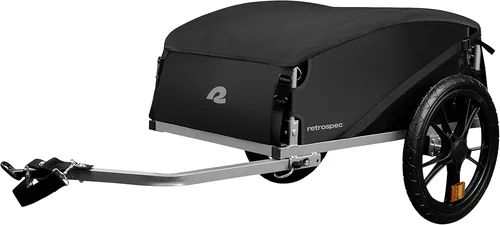
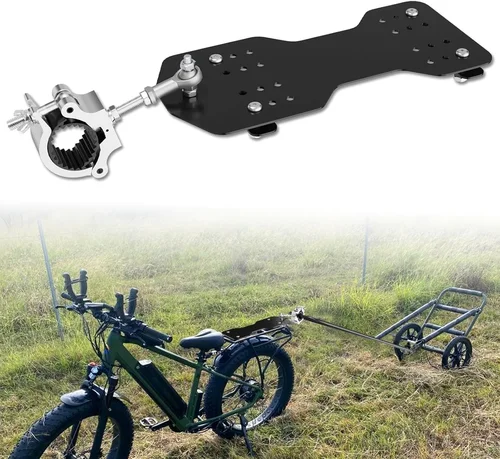
Q: Can I attach a trailer?
A: Some long-tail models support trailers, but front-loaders generally don’t. Check compatibility before buying. Trailers add versatility but affect handling.
Our Final Recommendations
Best for Budget-Conscious Buyers: Rad Power Bikes RadWagon 4 ($2,799) – A reliable long-tail with a 750W motor, 672Wh battery, and 350-lb cargo capacity. Great for suburban families on a tight budget.
Best Overall Value: Tern GSD S10 ($4,299) – Compact, powerful, and versatile. Features a Bosch Active Line motor, 500Wh battery (expandable to 1,000Wh), and fits in small spaces. Perfect for urban and suburban use.
Best Premium Option: Urban Arrow Family ($6,990) – The gold standard for front-loaders. Bosch Performance Line CX motor, 500Wh battery, and a spacious, safe cabin for two kids. Ideal for car-free city living.
Best for Beginners: Yuba Spicy Curry ($3,999) – User-friendly long-tail with a 750W motor, intuitive controls, and excellent dealer support. Comes with built-in child seat mounts and a rear rack.
Best for Advanced Users: Riese & Müller Multicharger GT Vario ($8,299) – A luxury long-tail with Enviolo continuously variable transmission, dual-battery option (1,400Wh total), and full suspension. Built for serious hauling and all-weather performance.
Conclusion: Making the Right Choice
Choosing the best electric cargo bike for your family isn’t just about specs or price—it’s about aligning the bike with your daily life, values, and long-term goals. Whether you’re reducing your carbon footprint, saving money on transportation, or simply enjoying more time outdoors with your kids, the right e-cargo bike can transform how you move through the world. We’ve covered everything from budget planning and performance metrics to safety features and smart shopping strategies. Now it’s your turn to prioritize what matters most: Is it cargo space? Child comfort? Hill-climbing power? Storage ease?
Take your time, test ride when possible, and don’t hesitate to ask questions. Remember, this is an investment in your family’s health, happiness, and sustainability. With the insights from this guide, you’re equipped to make a confident, informed decision. So go ahead—embrace the ride, ditch the traffic, and discover the joy of family adventures on two (electric) wheels. Your future self—and your kids—will thank you.