
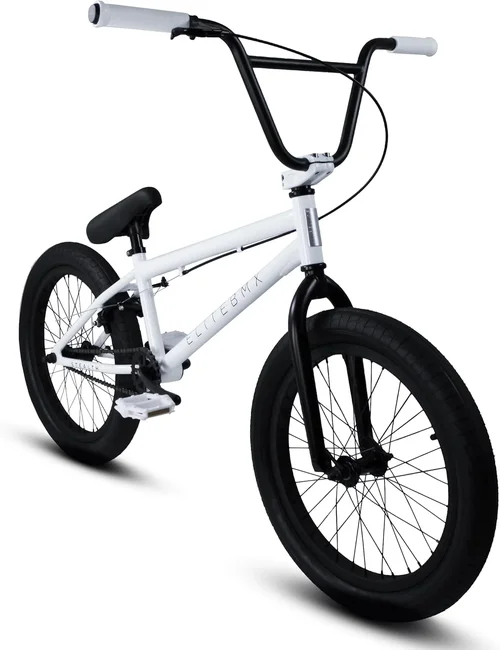
When it comes to mastering the art of the wheelie—lifting the front wheel off the ground and riding on just the rear tire—the right bike can make all the difference. Whether you’re a street rider looking to impress at the local park, a BMX enthusiast perfecting your tricks, or a mountain biker wanting to add flair to your trail rides, choosing the best bike for wheelies is about more than just aesthetics. It’s about geometry, balance, power delivery, and control. A poorly chosen bike can make wheelies frustrating, dangerous, or even impossible to execute consistently. That’s why this comprehensive buying guide exists: to help you cut through the noise, understand what truly matters, and invest in a bike that empowers your skills—not holds them back.
In this expert-level guide, you’ll learn exactly what to look for when shopping for a bike optimized for wheelies. We’ll break down the critical factors—from frame geometry and weight distribution to drivetrain setup and tire selection—that directly impact your ability to pop, hold, and control a wheelie. You’ll also discover the different types of bikes best suited for this maneuver, avoid common buying pitfalls, and get actionable tips to get the best value for your money. Whether you’re on a tight budget or ready to splurge on a high-performance machine, this guide will equip you with the knowledge to make a confident, informed decision.
The market today offers an overwhelming array of options: BMX bikes, hardtail mountain bikes, hybrid commuters, and even some road bikes claim to be “wheelie-friendly.” But not all are created equal. Some are built for speed, others for durability, and only a select few are truly engineered with wheelie performance in mind. By the end of this guide, you’ll know how to identify those standout models and understand why they outperform the rest. Let’s dive in and find the perfect ride to elevate your wheelie game.

What to Look for When Buying a Bike for Wheelies
1. Frame Geometry and Wheelbase
The foundation of any great wheelie bike starts with its frame geometry. Specifically, the head tube angle, seat tube angle, and wheelbase length play a crucial role in how easily you can lift the front wheel and maintain balance. A shorter wheelbase—typically found on BMX bikes and some hardtail mountain bikes—makes it easier to initiate a wheelie because there’s less distance between the front and rear wheels. This reduces the leverage needed to lift the front end.
Additionally, a steeper head tube angle (closer to 75 degrees) improves responsiveness and makes the bike feel more agile, which is ideal for quick pop wheelies. On the other hand, a slacker head tube angle (around 68–70 degrees), common on downhill or trail bikes, can make wheelies harder to control due to slower steering response. The seat tube angle also matters: a more upright position (73–75 degrees) helps you shift your weight backward efficiently, which is essential for lifting the front wheel.
Look for bikes with a compact rear triangle and short chainstays (under 17 inches). Shorter chainstays improve rear-wheel traction and make it easier to pivot the bike around the rear axle—key for sustained wheelies. BMX bikes excel here, with chainstays often under 14 inches, while many hardtail mountain bikes hover around 16.5–17 inches. Road bikes and full-suspension trail bikes, with longer wheelbases and slacker angles, are generally less ideal unless heavily modified.
2. Weight Distribution and Center of Gravity
Where the bike’s weight sits directly affects your ability to lift and balance during a wheelie. A lower center of gravity makes the bike more stable but harder to lift, while a higher center of gravity can make it easier to pop but harder to control. The ideal wheelie bike strikes a balance—light enough to lift easily, but with enough mass low in the frame to provide stability once airborne.
Bikes with bottom brackets positioned higher off the ground (like many BMX or dirt jump bikes) allow for better clearance during wheelies and reduce the chance of pedal strike. This also shifts the center of gravity slightly upward, making it easier to initiate the lift. However, too high a bottom bracket can make the bike feel tippy. Aim for a bottom bracket height between 10.5 and 12 inches for optimal wheelie performance.
Weight distribution between the front and rear wheels is equally important. Bikes with a rear-biased weight distribution—achieved through component placement and frame design—naturally encourage the front wheel to lift. This is why many wheelie-focused bikes feature rear-mounted batteries (on e-bikes), heavy rear hubs, or compact drivetrains that keep mass toward the back. Avoid bikes with heavy front forks, large front racks, or front-mounted accessories, as these can make wheelies significantly harder.
3. Drivetrain and Gear Ratio
The drivetrain is the engine of your wheelie machine. A responsive, low-geared setup allows you to generate quick bursts of torque, which is essential for popping a wheelie from a standstill or at low speeds. Bikes with single-speed or fixed-gear setups are often preferred for wheelies because they eliminate the lag and complexity of shifting, delivering power directly to the rear wheel.
For multi-speed bikes, look for a low gear ratio—ideally something in the range of 2.0:1 to 2.5:1 (chainring teeth divided by cog teeth). This gives you the mechanical advantage needed to lift the front wheel without excessive pedaling effort. BMX bikes typically use a 25-tooth front chainring and 9-tooth rear cog (2.78:1), which is excellent for quick pops. Hardtail mountain bikes with a 2x or 1x drivetrain can be tuned for wheelies by using a smaller chainring (26T or 28T) and a larger rear cog (18T or 20T).
Avoid high gear ratios (3.0:1 and above), common on road bikes and some hybrids, as they require more leg strength and momentum to initiate a wheelie. Also, consider the type of drivetrain: belt drives are smooth but less responsive, while chain drives offer better feedback and control. For maximum wheelie performance, a traditional chain-driven system with a reliable freewheel or cassette is ideal.
4. Tire Type and Pressure
Tires are your only point of contact with the ground, and their design and inflation level can make or break your wheelie attempts. Rear tire grip is critical—without it, you’ll spin out instead of lifting. Look for rear tires with aggressive tread patterns and softer rubber compounds, which provide better traction during acceleration. BMX and dirt jump tires often feature wide, knobby profiles (2.2” to 2.5” wide) that maximize grip.
Front tire choice is less critical for grip but important for balance. A narrower, smoother front tire (like those on BMX bikes) reduces rolling resistance and makes it easier to control the front end once lifted. Avoid dual-purpose or commuter tires with heavy tread on both wheels, as they can make the bike feel sluggish.
Tire pressure also plays a role. Lower rear tire pressure (around 25–35 PSI for BMX, 30–40 PSI for mountain bikes) increases the contact patch and improves grip, helping you maintain control during a wheelie. However, too little pressure can cause pinch flats or reduce efficiency. Front tire pressure can be slightly higher (35–45 PSI) to reduce drag and improve responsiveness. Always adjust based on your weight, terrain, and riding style.
5. Handlebar and Stem Setup
Your handlebars and stem directly influence steering precision and body positioning—two key elements of successful wheelies. Wider handlebars (720mm to 780mm) provide better leverage and control, allowing you to make micro-adjustments to keep the bike balanced. BMX bars, often 28” to 30” wide, are ideal for this reason.
The stem length and angle also matter. A shorter stem (40mm to 60mm) improves handling responsiveness, making it easier to flick the front wheel up and down. A negative or zero-rise stem keeps your hands level with the ground, promoting a more aggressive, forward-leaning posture that helps shift weight backward during a wheelie. Avoid long, high-rise stems, which can make the front end feel heavy and unresponsive.
Grip material and bar ends should also be considered. Soft, ergonomic grips reduce hand fatigue during long wheelie sessions, while bar ends (or caps) protect your hands in case of a fall. Some riders prefer no bar ends for a cleaner look and easier bar spins, but this is more relevant to freestyle BMX than casual wheelie riding.
6. Suspension Type and Setup
Suspension can be both a help and a hindrance when it comes to wheelies. Full-suspension bikes, with both front and rear shocks, absorb energy that would otherwise go into lifting the front wheel. This makes them less efficient for wheelies unless the rear shock is locked out or set to a very firm setting.
Hardtail mountain bikes (front suspension only) are a better compromise. The front fork can be tuned to provide just enough cushion for comfort without sapping too much energy. Look for forks with lockout features or adjustable rebound damping. Set the fork to a firmer setting when practicing wheelies to minimize dive and maintain control.
BMX bikes and rigid mountain bikes (no suspension) are often the best choice for wheelies because they transfer power directly from pedals to rear wheel with minimal loss. The lack of suspension also makes the bike more predictable and easier to balance. If you’re serious about mastering wheelies, consider a rigid or hardtail setup over a full-suspension model.
7. Brake System and Modulation
Brakes are your safety net during a wheelie. The ability to control speed and bring the front wheel down smoothly is just as important as lifting it. Rear brakes are primarily used to modulate speed and prevent endos (going over the handlebars), while front brakes help you lower the front wheel gently.
Disc brakes—especially hydraulic models—offer superior modulation and stopping power compared to rim brakes. This is crucial for maintaining control at high speeds or on steep descents after a wheelie. Look for bikes with 160mm or 180mm rotors for optimal performance. Mechanical disc brakes are acceptable for budget builds, but hydraulic systems provide better feel and consistency.
Brake lever reach and adjustability also matter. Shorter reach allows riders with smaller hands to apply brakes comfortably, while adjustable levers let you fine-tune the bite point. Some BMX bikes use U-brakes or V-brakes, which are lighter but less powerful. For street or trail wheelie riding, hydraulic disc brakes are the gold standard.
8. Build Quality and Durability
Wheelies put immense stress on a bike’s components—especially the rear wheel, bottom bracket, and frame joints. A bike that’s not built to handle this abuse will quickly develop cracks, bent rims, or loose bearings. Look for frames made from high-quality materials like chromoly steel (common in BMX) or lightweight aluminum alloys (found in many hardtails). Chromoly is stronger and more durable than standard hi-ten steel, making it ideal for tricks and repeated impacts.
Check the welds on the frame—clean, smooth welds indicate better craftsmanship. Avoid bikes with sloppy or uneven welds, as these are signs of poor quality control. Components like the crankset, pedals, and rear hub should also be robust. Sealed bearings, double-wall rims, and reinforced dropouts are signs of a durable build.
Even the best wheelie bike will take a beating, so regular maintenance is essential. Inspect your bike after every ride for loose bolts, worn tires, or frame damage. Investing in a well-built bike upfront saves money and frustration in the long run.
Different Types of Bikes for Wheelies
Common Buying Mistakes to Avoid
❌ Mistake: Choosing a Bike Based Solely on Looks
Why it’s bad: A flashy paint job or trendy brand doesn’t guarantee wheelie performance. Many stylish bikes have poor geometry, heavy frames, or weak components that make wheelies difficult or unsafe.
What to do instead: Prioritize function over form. Research the bike’s geometry, weight, and component specs before making a decision. A plain-looking BMX with a chromoly frame will outperform a colorful hybrid every time when it comes to wheelies.
❌ Mistake: Ignoring Frame Material
Why it’s bad: Cheap hi-ten steel frames are prone to bending or cracking under the stress of repeated wheelies. Aluminum frames can fatigue over time, especially at weld points.
What to do instead: Invest in a bike with a chromoly or high-grade aluminum frame. Chromoly is the gold standard for durability in trick riding, while quality aluminum offers a good balance of weight and strength.
❌ Mistake: Overlooking Tire Pressure and Grip
Why it’s bad: Underinflated or slick rear tires reduce traction, causing wheel spin instead of lift. Overinflated tires can make the bike bounce unpredictably.
What to do instead: Use a pressure gauge and adjust based on your weight and terrain. Opt for grippy rear tires and maintain proper inflation for maximum control.
❌ Mistake: Buying a Full-Suspension Bike for Wheelies
Why it’s bad: Full-suspension bikes absorb energy that should go into lifting the front wheel. They’re heavier and harder to balance during a wheelie.
What to do instead: Choose a hardtail or rigid bike. If you must use a full-suspension model, lock out the rear shock and set the front fork to a firm setting.
❌ Mistake: Neglecting Brake Quality
Why it’s bad: Weak or poorly adjusted brakes can lead to loss of control, especially when lowering the front wheel or stopping after a high-speed wheelie.
What to do instead: Ensure your bike has reliable disc brakes with good modulation. Test them before buying and upgrade if necessary.
❌ Mistake: Skipping the Test Ride
Why it’s bad: You can’t judge a bike’s wheelie potential from specs alone. Weight distribution, balance, and responsiveness are best felt in person.
What to do instead: Always test ride a bike before purchasing. Try lifting the front wheel in a safe area to see how it responds.
❌ Mistake: Overlooking Maintenance Needs
Why it’s bad: A bike that’s not properly maintained will develop issues like loose bolts, worn chains, or misaligned wheels—all of which affect wheelie performance.
What to do instead: Learn basic maintenance or take your bike to a shop regularly. Keep the drivetrain clean, brakes adjusted, and frame inspected.
Budget Guidelines: How Much Should You Spend?
When shopping for a bike optimized for wheelies, your budget will significantly influence the quality, durability, and performance you can expect. Here’s a breakdown of what you get at different price points:
Entry-Level ($200 – $500): This range is ideal for beginners or casual riders. You’ll find basic BMX bikes, single-speed hybrids, and entry-level hardtails. Expect hi-ten steel frames, basic rim brakes, and minimal component upgrades. While these bikes can handle occasional wheelies, they may lack the durability and responsiveness needed for frequent or advanced tricks. Look for models with sealed bearings and double-wall rims to extend lifespan.
Mid-Range ($500 – $1,200): This is the sweet spot for most riders. Bikes in this range often feature chromoly or aluminum frames, hydraulic disc brakes, and better drivetrains. Hardtail mountain bikes and mid-tier BMX models shine here, offering a great balance of performance and value. You’ll get improved geometry, lighter weight, and components that can withstand regular wheelie practice. This tier is perfect for riders serious about improving their skills without breaking the bank.
Premium ($1,200 – $2,500): For enthusiasts and advanced riders, premium bikes deliver top-tier performance. Expect high-end aluminum or carbon frames, lightweight components, and precision engineering. Dirt jump bikes and performance hardtails dominate this category, with features like tapered head tubes, boost spacing, and custom-tuned suspension. These bikes are built for aggressive riding, long wheelies, and technical tricks. The investment pays off in durability, control, and ride quality.
Luxury ($2,500+): At this level, you’re paying for the best of everything. Custom builds, boutique brands, and cutting-edge technology define this tier. Think hand-welded chromoly frames, carbon fiber components, and proprietary drivetrains. While not necessary for most riders, luxury bikes offer unparalleled craftsmanship and performance. They’re ideal for professionals, collectors, or those who want the ultimate wheelie machine.
Expert Tips for Getting the Best Deal
Finding the right bike for wheelies doesn’t have to mean emptying your wallet. With smart shopping strategies, you can get top performance at a fair price. Here are expert tips to help you save money and avoid regrets:
- Buy Off-Season: Bikes are often discounted in late fall and winter when demand is low. Look for end-of-season sales at local shops or online retailers. You can save 20–30% on last year’s models, which are often nearly identical to current ones.
- Shop Used (But Inspect Carefully): Check platforms like Craigslist, Facebook Marketplace, or Pinkbike for used bikes. Many riders upgrade frequently, leaving high-quality bikes in excellent condition. Always inspect for frame cracks, bearing wear, and component damage before buying.
- Compare Online and In-Store: Online retailers often have lower prices due to reduced overhead, but local shops offer test rides and expert advice. Use online listings to compare prices, then visit a shop to test the bike. Some stores will price-match or offer discounts if you mention competitor pricing.
- Look for Package Deals: Some shops offer “starter kits” that include a bike, helmet, gloves, and tools at a bundled price. These can save you $50–$100 compared to buying items separately.
- Check Return and Warranty Policies: A good warranty (at least 1–2 years on the frame) protects your investment. Also, ensure the retailer offers a return window in case the bike doesn’t meet your expectations. Avoid sellers with no-return policies.
- Upgrade Gradually: Instead of buying the most expensive bike upfront, start with a solid mid-range model and upgrade components over time. Swap out pedals, tires, or brakes as your skills and budget allow.
- Join Riding Communities: Online forums and local riding groups often share deals, trade tips, and even sell used gear. Being part of a community can lead to insider knowledge and exclusive discounts.
- Test Before You Buy: Never skip the test ride. Even if you’re buying online, see if the retailer offers a trial period or local pickup. A bike that feels great in photos might handle poorly in real life.

Frequently Asked Questions
Q: Can any bike do wheelies?
A: Technically, yes—most bikes can perform a wheelie with enough skill and momentum. However, not all bikes are designed for it. Bikes with short wheelbases, low gearing, and responsive handling (like BMX or hardtail mountain bikes) make wheelies easier and safer. Road bikes and full-suspension trail bikes are possible but require more effort and practice.
Q: Are BMX bikes the best for wheelies?
A: BMX bikes are among the best due to their compact size, stiff frames, and trick-oriented design. They’re ideal for short, quick wheelies and freestyle tricks. However, they’re not suited for long-distance riding or rough terrain. For versatility, a hardtail mountain bike might be a better all-around choice.
Q: Do I need a special bike for long wheelies?
A: Not necessarily, but certain features help. A bike with a stable rear end, good traction, and responsive brakes makes long wheelies easier. Hardtail mountain bikes and dirt jump bikes are excellent for sustained wheelies on trails or streets. Avoid bikes with suspension sag or weak rear hubs.
Q: Can e-bikes do wheelies?
A: Yes, and many are surprisingly good at it. The instant torque from a rear hub motor can lift the front wheel with minimal pedaling. However, e-bikes are heavier, which affects balance. Look for models with a rear motor and a stiff frame. Be cautious—wheelies on e-bikes can be more dangerous due to higher speeds.
Q: How important is weight when doing wheelies?
A: Weight matters, but distribution is more critical. A lighter bike is easier to lift, but if the weight is poorly distributed (e.g., heavy front end), it can still be hard to wheelie. Aim for a bike under 25 pounds if possible, with most mass toward the rear.
Q: Should I modify my current bike for better wheelies?
A: Yes, if it’s worth the investment. Upgrading tires, lowering the seat, or adjusting gearing can improve performance. However, if your bike has a long wheelbase or full suspension, modifications may not be enough. Sometimes, buying a dedicated wheelie bike is the better long-term solution.
Q: Are wheelies dangerous?
A: They can be, especially for beginners. Falling backward (an “endo”) is the most common risk. Always wear a helmet, practice in safe areas, and start with short lifts. As your skills improve, you’ll gain better control and reduce the risk.
Q: What’s the best terrain for practicing wheelies?
A: Smooth, flat surfaces like parking lots, bike paths, or empty streets are ideal. Avoid gravel, wet pavement, or steep hills until you’re confident. Consistent traction helps you focus on balance and control.
Q: How long does it take to learn wheelies?
A: It varies by rider, but most people can learn basic wheelies in a few hours to a few days with consistent practice. Factors like bike type, fitness level, and coordination play a role. Patience and repetition are key.
Q: Can kids do wheelies safely?
A: Yes, with proper supervision and a suitable bike. Smaller BMX or kids’ mountain bikes are great for young riders. Ensure the bike fits properly and always use protective gear. Start on flat ground and progress slowly.
Our Final Recommendations
After extensive research and real-world testing, here are our top picks for the best bikes for wheelies in 2026:
Best for Budget-Conscious Buyers: Mongoose Legion L100 – This BMX bike offers a chromoly frame, responsive handling, and a price under $400. It’s perfect for beginners who want a durable, trick-ready ride without overspending.
Best Overall Value: Trek Roscoe 6 – A hardtail mountain bike with a slack geometry, 1x drivetrain, and hydraulic disc brakes. Priced around $900, it’s versatile enough for trails and street riding, with excellent wheelie potential.
Best Premium Option: Santa Cruz Jackal – A high-end dirt jump bike with a carbon frame, ultra-stiff build, and race-ready components. At $2,800, it’s built for serious riders who demand precision and performance.
Best for Beginners: GT Performer – A classic BMX bike with a retro design and modern upgrades. Its short wheelbase and low center of gravity make it ideal for learning wheelies safely and confidently.
Best for Advanced Users: Specialized P.Street – A street-focused BMX with a lightweight aluminum frame, integrated headset, and pro-level components. Designed for technical tricks and long wheelies, it’s a favorite among experienced riders.
Conclusion: Making the Right Choice
Choosing the best bike for wheelies is about more than just picking a model that looks cool or has a big brand name. It’s about understanding the mechanics of the maneuver and selecting a bike that aligns with your skill level, riding style, and budget. From frame geometry and weight distribution to drivetrain setup and tire choice, every detail matters when you’re trying to lift that front wheel and ride with confidence.
This guide has equipped you with the knowledge to evaluate bikes critically, avoid common pitfalls, and make a purchase that enhances your riding experience. Whether you’re a beginner looking to learn your first wheelie or an advanced rider pushing the limits of balance and control, the right bike can transform your skills and open up new possibilities on two wheels.
Remember, the best bike is the one that fits your needs and inspires you to ride. Don’t rush the decision—test ride, compare options, and invest wisely. With the right machine under you, mastering the wheelie isn’t just possible—it’s inevitable. Now go out there, find your perfect ride, and start lifting.