

If you’re new to off-road riding and dreaming of tackling rugged trails, rocky climbs, muddy creek beds, and forest singletrack, an enduro motorcycle might be exactly what you’ve been searching for. Enduro bikes are purpose-built for adventure—combining the agility of motocross machines with the durability and features needed for long-distance trail riding. Unlike street-focused dual-sports or race-only motocrossers, true enduro motorcycles come street-legal (or near-street-legal) with features like lights, odometers, kickstands, and sometimes even turn signals. This makes them versatile enough to ride legally on backroads while still being capable of handling serious off-road terrain.
But choosing your first enduro bike can feel overwhelming. The market is flooded with options ranging from budget-friendly 125cc four-strokes to high-performance 450cc four-strokes that cost as much as a used car. Many beginners make costly mistakes—buying too much power, overlooking maintenance needs, or choosing a bike that doesn’t match their skill level or intended use. That’s where this guide comes in. We’ve tested, researched, and ridden dozens of models to bring you a clear, no-nonsense roadmap to finding the perfect beginner enduro motorcycle in 2026. Whether you’re planning weekend trail rides, weekend warrior adventures, or even local enduro competitions, this guide will help you avoid common pitfalls and invest wisely in a machine that grows with you.
The enduro segment has evolved significantly over the past few years. Manufacturers like KTM, Husqvarna, Yamaha, Kawasaki, Honda, and Beta have all refined their entry-level offerings with better suspension, lighter chassis, more user-friendly power delivery, and improved reliability. Electric options are also emerging, though still niche for true off-road use. At the same time, used markets remain strong, offering excellent value for beginners who want to learn without breaking the bank. In this comprehensive guide, we’ll walk you through every critical factor—from engine size and seat height to suspension travel and dealer support—so you can make an informed decision that aligns with your goals, budget, and riding style.
What to Look for When Buying a Beginner Enduro Motorcycle
1. Engine Size and Power Delivery
Engine displacement is one of the most important decisions for a beginner. Too little power and you’ll feel underwhelmed; too much and you risk losing control on technical terrain. For new riders, we strongly recommend starting with a 250cc four-stroke or a 300cc two-stroke. These engines offer a sweet spot of manageable torque, smooth throttle response, and enough grunt to climb hills or accelerate out of corners without overwhelming inexperience.
Four-strokes (like the Yamaha WR250F or KTM 250 EXC-F) are generally easier to ride thanks to their linear power delivery and forgiving nature. They’re also quieter and more fuel-efficient. Two-strokes (such as the Husqvarna TE 300 or KTM 300 EXC TPI) deliver sharper, snappier power that rewards precise throttle control—great for learning technique, but potentially intimidating if you’re still mastering balance and clutch control. Avoid 450cc four-strokes as a first bike unless you have prior off-road experience. Their peaky powerbands and high horsepower can easily overwhelm a novice, leading to stalling, tip-overs, or worse.
2. Seat Height and Ergonomics
Enduro bikes are tall—there’s no way around it. Suspension travel, ground clearance, and wheel size all contribute to a higher seat height compared to street bikes. Most beginner-friendly enduros sit between 36 and 38 inches off the ground. While this may seem daunting, proper ergonomics can make a huge difference in confidence and control.
Look for bikes with adjustable suspension preload or aftermarket lowering kits if you’re under 5’8″. Some manufacturers, like Beta and Sherco, offer “low” versions of their enduro models (e.g., Beta RR 250 Low or Sherco SE 300 Low), which reduce seat height by up to 2 inches without sacrificing suspension performance. Additionally, consider handlebar position, footpeg placement, and tank shape—these affect how naturally you can move your body while riding. A bike that feels cramped or unbalanced will hinder progress, no matter how good the specs look on paper.
Don’t underestimate the importance of standing comfortably. Enduro riding is done mostly standing, so your knees should bend naturally, your arms relaxed, and your eyes looking ahead—not down at the ground. Sit on multiple bikes if possible. Can you touch both feet flat? Can you shift your weight side-to-side easily? These small details add up to big confidence gains.
3. Weight and Maneuverability
Weight matters—especially when you’re learning. A lighter bike is easier to pick up after a fall, simpler to navigate tight trails, and less fatiguing over long rides. Most modern beginner enduros weigh between 220 and 250 pounds dry. Two-strokes tend to be lighter than four-strokes due to simpler engine design, but advances in materials have narrowed the gap significantly.
For example, the 2026 KTM 250 EXC-F weighs just 227 lbs, while the heavier Honda CRF250L Rally tips the scales at around 300 lbs—but note that the CRF250L is more of a dual-sport than a true enduro. True enduros prioritize off-road performance, so they’re built lighter and with more aggressive suspension. Avoid heavy adventure-style dual-sports unless you plan mostly on-road commuting with occasional dirt excursions.
Maneuverability also depends on wheelbase and steering geometry. Shorter wheelbases (like on the Yamaha YZ250X) make quick direction changes easier, ideal for tight singletrack. Longer wheelbases (like on the Kawasaki KLX300) offer more stability at speed but can feel sluggish in technical sections. As a beginner, prioritize agility over top-end stability—you’ll gain speed as your skills improve.
4. Suspension Quality and Tunability
Suspension is arguably the most critical component for off-road performance. It absorbs impacts, maintains tire contact with the ground, and keeps the bike stable over uneven terrain. Entry-level enduros typically come with inverted forks (USD forks) and linkage-type rear shocks—both signs of serious off-road intent.
Look for suspension with adjustable compression and rebound damping. This allows you to fine-tune the feel based on your weight, riding style, and terrain. For instance, softer settings help beginners stay comfortable on bumpy trails, while stiffer setups prevent bottoming out during jumps or hard landings. Brands like WP (KTM/Husqvarna), KYB (Yamaha/Kawasaki), and Showa (Honda) are industry leaders in suspension tech.
Avoid bikes with basic non-adjustable suspension unless you’re sticking to mild fire roads. Also, check travel numbers: 11–12 inches front and rear is standard for true enduros. Less than 10 inches suggests a dual-sport compromise. Remember, suspension wears out—factor in rebuild costs ($200–$400 every 30–50 hours of riding) when budgeting.
5. Reliability and Maintenance Requirements
Enduro riding is brutal on machinery. Rocks, mud, water crossings, and constant vibration take a toll. As a beginner, you don’t want to spend more time wrenching than riding. Choose a bike known for durability and ease of maintenance.
Japanese brands (Honda, Yamaha, Kawasaki, Suzuki) traditionally excel in reliability and parts availability. Their engines are overbuilt, service intervals are long, and local dealers stock common parts. European brands (KTM, Husqvarna, Beta, Sherco) offer cutting-edge performance but may require more frequent maintenance and specialized tools. For example, KTM’s TPI two-strokes need regular fuel filter changes and injector cleaning.
Check valve clearance intervals—some 250 four-strokes require checks every 15–20 hours, which can be tedious for a new rider. Also, consider oil change frequency, air filter accessibility, and whether the bike uses a carburetor or fuel injection (FI is more reliable in varied conditions). Electric starters are standard now, but carry a backup kickstart method if riding remote areas.
6. Street Legality and Registration
One of the biggest advantages of enduro motorcycles is their ability to legally ride on public roads—unlike motocross bikes. However, “street-legal” varies by state and country. In the U.S., most true enduros come with DOT-approved lights, mirrors, horn, and a VIN plate, but you’ll still need to register them as off-highway vehicles (OHVs) or convert them to street-legal status through state inspection.
Before buying, verify your local regulations. Some states (like California) require additional emissions equipment or prohibit certain modifications. Others allow full road use with minimal paperwork. If you plan to trailer your bike to trailheads, street legality may be less critical—but having the option adds flexibility.
Note: Many “enduro” models sold overseas aren’t street-legal in the U.S. Always confirm compliance with EPA, DOT, and state DMV requirements. KTM, Husqvarna, and Beta offer U.S.-spec EXC and RR models designed specifically for American regulations.
7. Brand Support and Dealer Network
Even the best bikes need occasional service. A strong dealer network ensures you can get parts, technical support, and warranty work without traveling hundreds of miles. Japanese brands dominate here—Honda and Yamaha have dealers in nearly every town. KTM and Husqvarna have expanded rapidly but may still be sparse in rural areas.
Consider also the availability of aftermarket support. Popular models attract a wide range of tires, exhausts, skid plates, and suspension upgrades. A bike with limited aftermarket parts will cost more to customize and maintain long-term. Online forums, YouTube tutorials, and local riding groups often center around specific brands—being part of an active community helps with troubleshooting and skill development.
8. Resale Value and Long-Term Usability
Your first enduro bike likely won’t be your last. As skills improve, you may crave more power, better suspension, or different handling. Choosing a model with strong resale value protects your investment. KTM, Husqvarna, and Beta hold value well due to their racing pedigree and enthusiast following. Honda and Yamaha are also solid choices, though they may depreciate slightly faster in the off-road niche.
Also think about long-term usability. Will this bike still be fun and capable in 2–3 years? A 250 four-stroke or 300 two-stroke remains competitive even as you advance, whereas a 125cc might feel limiting once you master basics. Avoid overly specialized machines unless you’re certain of your direction.
Different Types of Beginner Enduro Motorcycles

Common Buying Mistakes to Avoid

❌ Mistake: Choosing Based Solely on Horsepower
Why it’s bad: High horsepower doesn’t equal better riding—it equals higher risk for beginners. A 450cc enduro can easily outpace a new rider’s skill level, leading to loss of control, crashes, and injury.
What to do instead: Prioritize manageable power delivery over peak numbers. Test ride bikes and ask yourself: “Can I control this at low speeds?” If not, it’s too much bike.
❌ Mistake: Ignoring Seat Height and Physical Fit
Why it’s bad: A bike that’s too tall causes anxiety, reduces confidence, and increases the chance of dropping the bike—which leads to damage and discouragement.
What to do instead: Measure your inseam and compare it to seat height specs. Sit on the bike before buying. If you can’t touch both feet flat, look for lowering options or a different model.
❌ Mistake: Overlooking Maintenance Costs
Why it’s bad: Enduro bikes require regular servicing—valve checks, suspension rebuilds, air filter cleaning. Ignoring these leads to poor performance and expensive repairs.
What to do instead: Research service intervals and costs before buying. Factor in annual maintenance ($300–$800) when budgeting. Choose a bike with accessible components and clear service manuals.
❌ Mistake: Buying a Non-Street-Legal Bike Without Planning
Why it’s bad: If you can’t ride to the trail, you’ll need a truck and trailer—adding significant cost and hassle. Many riders underestimate logistics.
What to do instead: Confirm local laws and your transportation setup. If you must trailer, ensure your vehicle can handle the load. Consider a street-legal model for flexibility.
❌ Mistake: Skipping a Pre-Purchase Inspection (Used Bikes)
Why it’s bad: Used bikes can hide worn suspension, cracked frames, or engine issues. Buying blind risks a money pit.
What to do instead: Always inspect used bikes thoroughly—or bring a knowledgeable friend. Check for oil leaks, frame cracks, fork seals, and engine compression. Request service records.
❌ Mistake: Neglecting Protective Gear
Why it’s bad: Off-road riding is inherently risky. Without proper gear, even minor falls can cause serious injury.
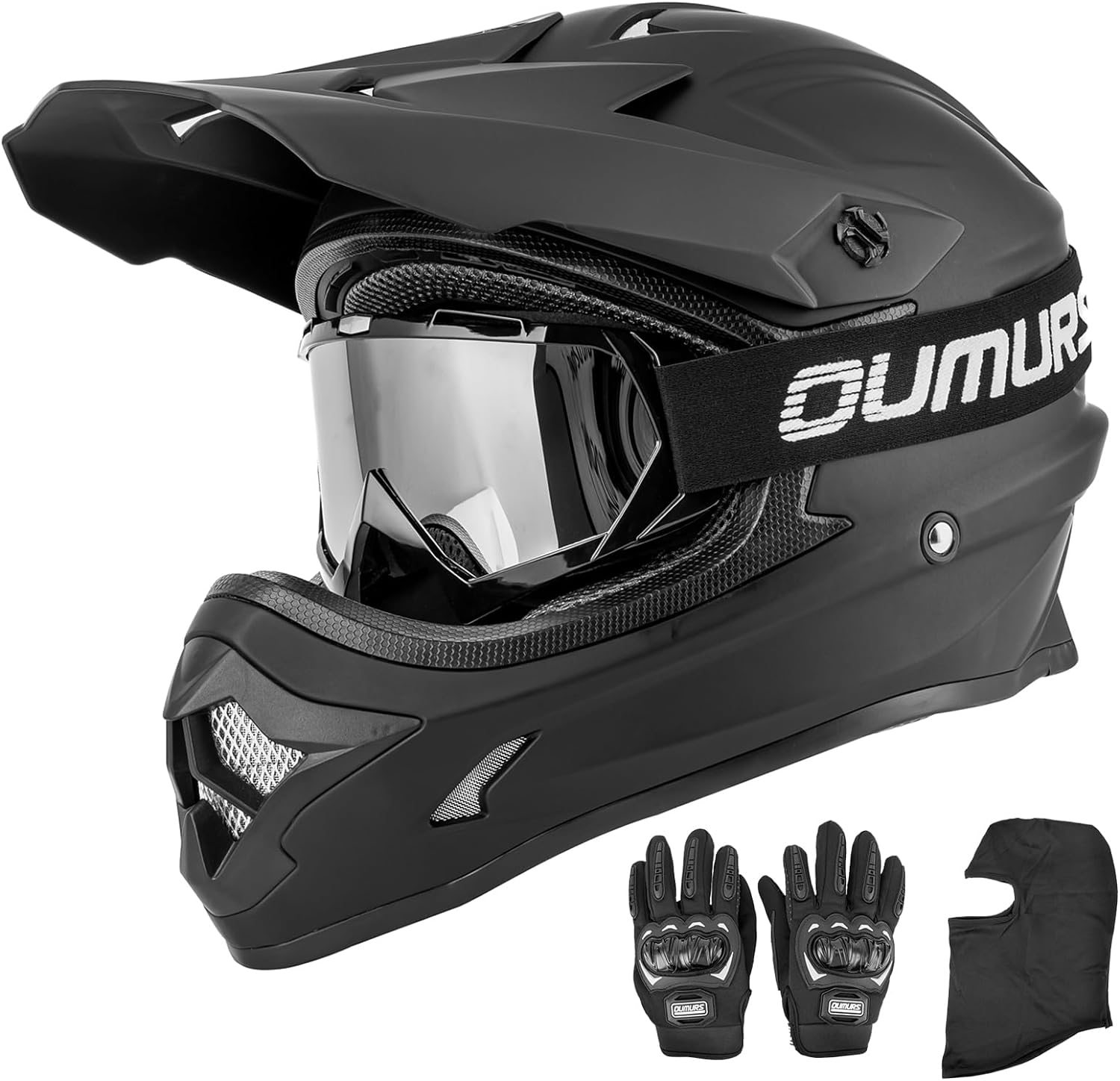
What to do instead: Budget for quality helmet, boots, gloves, chest protector, and knee braces—not just the bike. Safety gear is non-negotiable.
❌ Mistake: Expecting the Bike to Teach You
Why it’s bad: No motorcycle replaces proper instruction. Relying solely on trial-and-error leads to bad habits and accidents.
What to do instead: Take a beginner off-road course (AMA, MSF, or local clubs offer them). Learn fundamentals like body positioning, braking, and clutch control from experts.
Budget Guidelines: How Much Should You Spend?
Enduro motorcycles vary widely in price, but smart budgeting ensures you get the right tool without overspending. Here’s a realistic breakdown for 2026:
Entry-Level ($4,000–$6,500): This range covers quality used bikes (1–3 years old) like a 2023 KTM 250 EXC-F or 2022 Yamaha WR250F. These machines offer modern performance at a fraction of new prices. Expect minor wear but solid reliability if well-maintained. Ideal for riders who want to learn without major financial risk.
Mid-Range ($7,000–$9,000): The sweet spot for most beginners. New 250cc four-strokes and 300cc two-strokes fall here. You get current-year tech, full warranty, and dealer support. Models like the 2026 Husqvarna TE 250 or Kawasaki KLX230 SE offer excellent balance of performance, durability, and value.
Premium ($9,500–$12,000): For enthusiasts ready to invest in top-tier components. These include race-ready enduros with premium suspension, titanium valves, and advanced electronics (ride modes, traction control). Best for riders planning competitive enduro or extreme terrain. Examples: 2026 KTM 300 EXC TPI or Beta RR-S 300.
Luxury ($12,000+): Includes limited-edition models, full-custom builds, or electric enduros like the 2026 Zero FXE (with off-road kit). These prioritize cutting-edge innovation over practicality. Only recommended for experienced riders or those with deep pockets and specific needs.

Expert Tips for Getting the Best Deal
- Buy at the Right Time: End-of-season sales (September–November) offer the best discounts as dealers clear inventory for next year’s models. Avoid spring buying when demand peaks.
- Negotiate Extras: Even if the price is firm, ask for free gear (helmet, gloves), installation of accessories, or extended warranty coverage.
- Consider Certified Pre-Owned: Some dealers offer CPO programs with inspections, warranties, and service history—worth the slight premium for peace of mind.
- Check Online Marketplaces: Sites like Cycle Trader, Facebook Marketplace, and local forums often have better deals than dealerships—but inspect thoroughly.
- Join a Riding Club: Members often sell bikes privately at fair prices and can provide honest feedback on condition.
- Test Before You Buy: Never purchase without a test ride. Pay attention to clutch feel, throttle response, and how the bike handles slow-speed maneuvers.
- Read the Fine Print: Understand warranty terms—some cover only 6 months off-road use. Also, confirm return policies if buying online.
- Factor in Total Cost of Ownership: A cheaper bike with high maintenance needs may cost more long-term than a slightly pricier, reliable model.

Frequently Asked Questions
Q: Can I learn enduro on a dual-sport like the Honda CRF250L?
A: Yes, but with limitations. Dual-sports are great for mixed use and beginners due to lower seat heights and street legality. However, their suspension is softer, ground clearance lower, and power delivery less aggressive than true enduros. They’re perfect for fire roads and mild trails but struggle in technical singletrack. If you’re serious about off-road progression, aim for a dedicated enduro.
Q: Are two-strokes harder to maintain than four-strokes?
A: Not necessarily. Modern two-strokes like KTM’s TPI models use fuel injection and auto-lube systems, eliminating premix and reducing maintenance. However, they still require more frequent top-end rebuilds (every 50–80 hours) compared to four-strokes (100+ hours). Four-strokes need valve checks, which can be intimidating for new mechanics. Choose based on your comfort level.
Q: Do I need a special license to ride an enduro on public roads?
A: In most U.S. states, a standard motorcycle endorsement is sufficient if the bike is registered and insured. However, some states classify enduros as OHVs, restricting road use. Always check your DMV requirements.
Q: How often should I service my enduro bike?
A: Basic maintenance (air filter, oil, chain) should be done every 5–10 hours. Valve checks (four-strokes) every 15–20 hours. Suspension rebuilds every 30–50 hours. Keep a logbook to track intervals.
Q: Is electric enduro viable for beginners in 2026?
A: Electric bikes like the Zero FXE or Cake Kalk OR are improving rapidly, offering quiet operation and instant torque. However, range (30–60 miles off-road) and charging infrastructure remain challenges for long adventures. Best for short trail loops or eco-focused riders near home.
Q: Should I buy new or used?
A: Used offers better value for beginners. A 1–2-year-old bike has already taken the biggest depreciation hit and often comes with upgrades. Just ensure it’s been well-maintained and inspected.
Q: What’s the best way to learn enduro riding?
A: Take a structured course. Organizations like the AMA, MSF, and local enduro clubs offer beginner classes covering fundamentals like body position, braking, and obstacle navigation. Practice in a controlled environment before hitting remote trails.
Q: Can I convert a motocross bike to enduro?
A: Technically yes—add lights, VIN plate, and register it. But it’s rarely cost-effective. Motocross suspension is too stiff for trail riding, and the lack of lighting limits versatility. Better to buy a purpose-built enduro.
Q: How important is brand loyalty?
A: Not very. While brand communities exist, the best bike is the one that fits your needs, not your favorite color. Test multiple brands and choose based on feel, not reputation.
Q: What should I do if I drop the bike?
A: Stay calm. Most drops cause only cosmetic damage. Check for fluid leaks, bent levers, or cracked plastics. Learn to pick it up properly (use your legs, not your back). Carry a recovery strap for deep mud or steep hills.
Our Final Recommendations
Best for Budget-Conscious Buyers: 2023–2024 KTM 250 EXC-F (Used) – At $5,500–$6,500, this bike delivers race-level performance with excellent reliability. Lightweight, smooth power, and strong dealer support make it ideal for learning without overspending.
Best Overall Value: 2026 Yamaha WR250F – Priced around $8,799, the WR250F blends Japanese durability with competitive suspension and predictable power. It’s forgiving for beginners yet capable enough to grow with you.
Best Premium Option: 2026 Husqvarna TE 300 – At $10,299, this two-stroke masterpiece offers unmatched agility and trail feedback. Perfect for riders who want a lightweight, responsive machine for technical terrain.
Best for Beginners: 2026 Kawasaki KLX230 SE – Though technically a dual-sport, its 35.8-inch seat height, low weight (262 lbs), and user-friendly 233cc engine make it the most accessible entry point. Great for building confidence before stepping up.
Best for Advanced Progression: 2026 Beta RR 250 – With optional “Low” version and Italian craftsmanship, the Beta offers superb suspension and balanced performance. Ideal for riders planning to compete or tackle extreme trails soon.
Conclusion: Making the Right Choice
Choosing your first enduro motorcycle is an exciting milestone—but it shouldn’t be rushed. The right bike will build your confidence, teach you proper technique, and open doors to a lifetime of off-road adventure. Remember, no single model is perfect for everyone. Your ideal machine depends on your height, budget, riding goals, and local terrain.
Prioritize fit, manageability, and reliability over flashy specs or brand names. Start modestly, invest in quality gear, and commit to learning the fundamentals. As your skills grow, so will your appreciation for the machine beneath you. Whether you choose a humble 250 four-stroke or a featherweight 300 two-stroke, the journey begins with that first ride into the unknown.
So gear up, find a trail, and start exploring. The mountains, forests, and deserts are waiting—and with the right beginner enduro motorcycle, you’ll be ready to meet them head-on.