
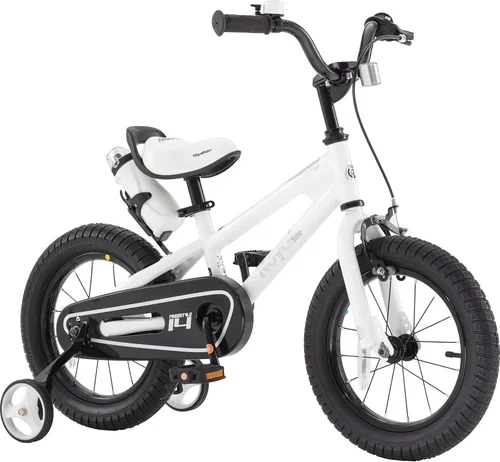
Electric bikes for kids are no longer just a futuristic fantasy—they’re a practical, fun, and increasingly popular way to get children moving, exploring, and engaged with the outdoors. As parents and caregivers look for alternatives to screen time and sedentary lifestyles, e-bikes offer a compelling solution: they combine the joy of riding with a little motorized boost, making longer rides easier and more accessible for younger riders. Whether your child is commuting to school, cruising the neighborhood, or hitting off-road trails, a well-chosen kids’ e-bike can foster independence, build confidence, and encourage a lifelong love of cycling.
But with so many models flooding the market—ranging from budget-friendly starters to high-performance machines—it’s easy to feel overwhelmed. That’s where this comprehensive buying guide comes in. We’ve researched, tested, and analyzed the latest kids’ e-bikes available in 2026 to help you make an informed decision. In this guide, you’ll learn what features matter most, how to match a bike to your child’s age and skill level, how to avoid common pitfalls, and where to find the best value for your investment. Whether you’re shopping for a 6-year-old just learning to ride or a 14-year-old ready for trail adventures, we’ve got you covered.
The kids’ e-bike market has exploded in recent years, driven by advances in battery technology, lighter frame materials, and growing awareness of sustainable transportation. Major brands like Rad Power Bikes, Trek, Specialized, and newer entrants like Lectric and Aventon now offer dedicated youth models, while startups are innovating with modular designs, safety tech, and eco-friendly components. Prices range from under $500 to well over $2,000, and features vary widely—from basic pedal-assist systems to full suspension, app connectivity, and regenerative braking. With so much choice, understanding what truly matters—and what’s just marketing fluff—is essential.

What to Look for When Buying Tuttio
1. Age, Height, and Weight Compatibility
One of the most critical factors when choosing a kids’ e-bike is ensuring it fits your child properly. A bike that’s too big or too small can be unsafe, uncomfortable, and frustrating to ride. Most manufacturers provide recommended age ranges, but these are only rough guidelines—what matters more is your child’s height and inseam measurement.
For example, a 7-year-old who is tall for their age might fit comfortably on a 20-inch wheel bike typically designed for 8–10-year-olds. Conversely, a shorter 9-year-old may struggle with a 24-inch model. Always check the standover height—the distance from the ground to the top tube—to ensure your child can stand over the bike with both feet flat on the ground. This is crucial for balance and emergency dismounts.
Weight also plays a role. Kids’ e-bikes should be light enough for them to handle, especially when starting, stopping, or lifting the bike. Look for models under 40 pounds for younger riders; anything over 50 pounds can become unwieldy. Some brands use aluminum frames to reduce weight, while others prioritize durability with steel—just be mindful of the trade-off.
2. Motor Power and Type
The motor is the heart of any e-bike, and for kids, it needs to be powerful enough to assist on hills and headwinds but not so strong that it overwhelms their riding ability. Most kids’ e-bikes use hub motors (located in the front or rear wheel) or mid-drive motors (mounted near the pedals). Hub motors are simpler, quieter, and more common in youth models, while mid-drives offer better weight distribution and efficiency but are rarer and more expensive.
Motor power is measured in watts (W). For kids, motors typically range from 250W to 750W. A 250W motor is sufficient for flat terrain and light assistance, ideal for younger or less experienced riders. A 500W motor provides a good balance of power and control, suitable for mixed terrain and older kids. Avoid motors over 750W unless your child is an experienced rider—these can reach high speeds quickly and may exceed legal limits in some areas.
Also consider whether the motor offers pedal-assist only or includes a throttle. Throttle-only modes (like a scooter) can be fun but reduce pedaling effort, which may hinder skill development. Pedal-assist encourages active riding and is generally preferred for kids. Look for adjustable assist levels so you can limit power as needed.
3. Battery Life and Charging
Battery performance directly affects how far and how long your child can ride. Most kids’ e-bikes use lithium-ion batteries, which are lightweight, rechargeable, and long-lasting. Battery capacity is measured in watt-hours (Wh)—the higher the number, the longer the range.
For younger kids riding short distances (e.g., to school or around the block), a 200–300Wh battery is usually sufficient, offering 10–20 miles per charge. Older kids or those tackling longer trails may benefit from 400Wh+ batteries, which can deliver 25–40 miles depending on terrain, assist level, and rider weight.
Charging time is another consideration. Most batteries take 3–6 hours to fully charge. Look for removable batteries if you want the convenience of swapping in a spare or charging indoors. Some premium models include fast-charging tech, cutting charge times in half.
Battery placement also matters. Rear rack-mounted batteries can affect balance, while downtube or integrated frames offer better weight distribution. Ensure the battery is securely locked and out of reach of younger siblings.
4. Safety Features
Safety should be your top priority when selecting a kids’ e-bike. Unlike adult models, youth e-bikes must account for developing motor skills, shorter attention spans, and less experience with traffic or obstacles. Key safety features include reliable brakes, proper lighting, reflectors, and speed limiters.
Disc brakes (mechanical or hydraulic) are vastly superior to rim brakes, especially in wet or muddy conditions. They offer stronger, more consistent stopping power and require less hand strength—important for smaller riders. Hydraulic disc brakes are smoother but may be harder to maintain; mechanical discs are simpler and more repairable.
Lighting is essential if your child rides at dawn, dusk, or night. Look for bright LED front and rear lights, preferably with multiple modes (steady, flashing). Some bikes include automatic lights that activate in low light. Reflective tires, pedals, and frame decals also improve visibility.
Speed limiters are a must. Many kids’ e-bikes allow parents to cap the maximum speed via a key or app—ideal for beginners. Some models include geofencing, which alerts you if the bike leaves a designated area. Others have emergency stop buttons or remote kill switches.
Helmet compatibility is another factor. Ensure the bike doesn’t interfere with helmet fit and that your child wears a properly certified helmet (CPSC, EN1078) at all times.
5. Build Quality and Durability
Kids are tough on equipment, so durability is non-negotiable. A well-built e-bike should withstand drops, bumps, and daily use without breaking down. Look for sturdy frames made from aluminum or reinforced steel—avoid cheap plastic components or flimsy welds.
Check the quality of the drivetrain (chain, gears, derailleur). A sealed chain or belt drive reduces maintenance and prevents grease stains on clothes. Single-speed bikes are simpler and lighter but limit versatility; multi-speed models (5–7 gears) are better for hills and varied terrain.
Suspension can improve comfort on rough paths. Front suspension forks absorb shocks from potholes and roots, while full suspension (front and rear) is overkill for most kids but great for serious trail riding. Rigid frames (no suspension) are lighter and require less maintenance.
Tires matter too. Wider, knobby tires (like 2.2–2.6 inches) provide better grip on dirt and gravel, while slicker tires are faster on pavement. Tubeless-ready tires reduce puncture risk but may be harder to repair.
Finally, inspect the finish and assembly. Powder-coated frames resist rust and scratches. Pre-assembled bikes from reputable retailers often come professionally tuned, while DIY kits may require adjustments.
6. Ease of Use and Maintenance
A kids’ e-bike should be intuitive and low-maintenance. Complicated controls, hard-to-reach components, or frequent adjustments can frustrate young riders and parents alike. Simplicity is key.
Look for user-friendly displays that show speed, battery level, and assist mode without clutter. Some models use color-coded LEDs or basic icons—ideal for younger kids. Avoid bikes with overly complex apps or Bluetooth setups unless your child is tech-savvy.
Maintenance should be minimal. Belt drives, internal gear hubs, and sealed bearings reduce the need for regular lubrication and adjustments. However, basic upkeep—like checking tire pressure, tightening bolts, and cleaning the chain—is still necessary.
Consider how easy it is to service the bike. Are replacement parts readily available? Does the brand offer local repair support? Some companies provide free tune-ups or online tutorials, which can be a lifesaver.
Also think about storage. Foldable e-bikes are rare for kids but can be useful for small homes or car transport. Otherwise, ensure the bike fits in your garage or shed without taking up too much space.
7. Brand Reputation and Customer Support
Not all e-bike brands are created equal. Choosing a reputable manufacturer ensures better quality, reliable customer service, and longer product support. Established brands like Trek, Specialized, and Giant have decades of cycling experience and strong dealer networks. Newer brands like Rad Power Bikes and Lectric focus on value and innovation but may have less local support.
Research the company’s history. Have they been around for several years? Do they specialize in e-bikes or just offer them as a side product? Look for transparency in specs, clear return policies, and responsive customer service.
Check online forums, Reddit communities, and review sites for user experiences. Are complaints common? How quickly does the company resolve issues? Brands with active social media presence and helpful support teams tend to score higher in customer satisfaction.
Also consider sustainability. Some brands use recycled materials, offer take-back programs, or partner with environmental organizations. While not essential, it’s a nice bonus for eco-conscious families.
8. Warranty and Return Policy
A solid warranty protects your investment and reflects the manufacturer’s confidence in their product. Most kids’ e-bikes come with a 1–2 year warranty covering the frame, motor, and battery. Some premium brands offer 3+ years.
Read the fine print. Does the warranty cover normal wear and tear, or only defects? Are batteries prorated (meaning you pay a portion if replaced after a certain time)? Is labor included, or do you pay for repairs?
Return policies are equally important. If the bike doesn’t fit or your child dislikes it, can you return it within 30 days? Some companies charge restocking fees or require original packaging. Others offer free returns.
Extended warranties are available but often unnecessary if the standard coverage is strong. Instead, focus on brands with proven reliability and good support.
Different Types of Tuttio

Common Buying Mistakes to Avoid
❌ Mistake: Choosing Based on Age Alone
Why it’s bad: Age is a poor indicator of bike fit. A tall 7-year-old may outgrow a “7-year-old” bike, while a petite 10-year-old might struggle with a larger model. Relying solely on age can lead to poor handling and safety risks.
What to do instead: Measure your child’s height and inseam. Use manufacturer size charts and, if possible, test ride multiple bikes. Prioritize fit over age recommendations.
❌ Mistake: Overlooking Safety Features
Why it’s bad: Skimping on brakes, lights, or speed controls can put your child in danger, especially in traffic or low-light conditions. Cheap bikes often cut corners on safety.
What to do instead: Insist on disc brakes, front and rear lights, reflectors, and a speed limiter. Never compromise on safety—even if it means spending a bit more.
❌ Mistake: Buying the Most Powerful Motor
Why it’s bad: High-wattage motors can reach unsafe speeds quickly, overwhelming inexperienced riders. They also drain batteries faster and may violate local laws.
What to do instead: Choose a motor appropriate for your child’s skill level—250W to 500W is usually sufficient. Use assist levels and speed caps to control performance.
❌ Mistake: Ignoring Battery Real-World Range
Why it’s bad: Manufacturers often quote ideal range (flat terrain, low assist). In reality, hills, wind, and higher speeds can cut range by 30–50%.
What to do instead: Divide the advertised range by 1.5 to estimate real-world performance. Buy a bike with extra capacity if your child plans longer rides.
❌ Mistake: Skipping the Test Ride
Why it’s bad: A bike that looks great online might feel awkward or uncomfortable in person. Fit, weight, and handling are hard to judge from photos.
What to do instead: Visit a local bike shop or attend demo events. Let your child ride the bike and provide feedback. If buying online, choose retailers with generous return policies.
❌ Mistake: Neglecting Maintenance Needs
Why it’s bad: E-bikes require regular upkeep. Ignoring tire pressure, chain lubrication, or brake adjustments can lead to breakdowns or accidents.
What to do instead: Learn basic maintenance or find a reliable bike shop. Set a monthly check-up routine and involve your child in simple tasks.
❌ Mistake: Buying Without a Warranty
Why it’s bad: E-bikes have complex components that can fail. Without warranty coverage, repairs can be expensive—especially for motors and batteries.
What to do instead: Always choose a brand with at least a 1-year comprehensive warranty. Register the bike and keep all documentation.
Budget Guidelines: How Much Should You Spend?
Kids’ e-bikes vary widely in price, and while it’s tempting to go for the cheapest option, investing wisely ensures safety, durability, and long-term satisfaction. Here’s a breakdown of what to expect at different price points:
Entry-Level ($300–$600): These bikes are ideal for younger kids or occasional use. Expect basic components: mechanical disc brakes, single-speed or 3-speed drivetrains, and lower-capacity batteries (200–300Wh). Build quality may be adequate but not exceptional. Brands like Ancheer and ECOTRIC offer budget models, but research carefully—some have reliability issues. Best for: short neighborhood rides, beginners, or as a first e-bike.
Mid-Range ($600–$1,200): This is the sweet spot for most families. Bikes in this range offer better motors (500W), improved batteries (300–400Wh), hydraulic disc brakes, and more durable frames. You’ll find reputable brands like Rad Power Bikes (RadMini Junior), Lectric (XP Lite), and Trek (Dual Sport+ 20). These models often include safety features like lights, speed limiters, and app connectivity. Best for: daily commuting, mixed terrain, and growing kids who need a reliable ride.
Premium ($1,200–$2,000): Designed for serious young riders, these e-bikes feature high-end components: full suspension, belt drives, advanced displays, and long-range batteries (400Wh+). Brands like Specialized (Turbo Levo Jr.), Giant (Stance E+ Jr.), and Aventon (Level.2 Youth) dominate this space. They’re built to last, with excellent warranties and dealer support. Best for: trail riding, long-distance adventures, and kids who treat cycling as a sport.
Luxury ($2,000+): At this level, you’re paying for cutting-edge tech, ultra-light materials, and bespoke designs. Some models include regenerative braking, GPS tracking, AI coaching, or modular frames that grow with your child. While impressive, these bikes are often overkill for casual use. Best for: enthusiasts, competitive young riders, or families prioritizing top-tier performance and innovation.
Expert Tips for Getting the Best Deal
Finding the right kids’ e-bike at the right price requires strategy. Here are proven tips to save money and avoid regrets:
- Shop during off-seasons: Late fall and winter are ideal times to buy. Retailers often discount older models to clear inventory. Look for Black Friday, Cyber Monday, and post-holiday sales.
- Compare online and in-store prices: Online retailers (like REI, Backcountry, or direct brands) often have lower prices and better return policies. But local bike shops offer test rides, assembly, and service—sometimes worth the extra cost.
- Sign up for newsletters: Many brands offer 10–15% off your first purchase for email subscribers. You’ll also get alerts about flash sales and new releases.
- Check for trade-in programs: Some companies (like Trek and Specialized) accept old bikes for credit toward new ones. This can significantly reduce the cost.
- Read return policies carefully: Ensure you can return the bike within 30 days if it doesn’t fit or meet expectations. Avoid retailers with restocking fees or short windows.
- Consider certified pre-owned: Reputable dealers sometimes sell refurbished e-bikes with warranties. These can be 20–40% cheaper than new.
- Bundle accessories: Some retailers offer discounts when you buy a helmet, lock, or lights with the bike. This can save $50–$100 compared to buying separately.
- Negotiate: At local shops, don’t hesitate to ask for a discount—especially if you’re buying multiple items or paying in cash.

Frequently Asked Questions
Q: Are e-bikes safe for kids?
A: Yes, when chosen and used properly. Look for age-appropriate models with safety features like disc brakes, lights, and speed limiters. Always supervise younger riders and enforce helmet use.
Q: What age is appropriate for a kids’ e-bike?
A: Most kids can start with balance e-bikes at age 3–4. Pedal-assist e-bikes are suitable from age 6+, depending on maturity and riding skill. Always prioritize fit and control over age.
Q: How fast do kids’ e-bikes go?
A: Most are limited to 15–20 mph. Class 1 e-bikes (pedal-assist only) cap at 20 mph; Class 2 (with throttle) also stop at 20 mph. Some models allow parental speed limits as low as 10 mph.
Q: Do kids need a license to ride an e-bike?
A: In most U.S. states, no license is required for Class 1 or 2 e-bikes under 20 mph. However, some cities or parks may have restrictions. Check local laws.
Q: How long do e-bike batteries last?
A: Lithium-ion batteries typically last 3–5 years or 500–1,000 charge cycles. Proper care (avoiding full discharges, storing at 50% charge) can extend lifespan.
Q: Can kids ride e-bikes on sidewalks?
A: It depends on local laws. In many areas, e-bikes are treated like regular bikes and prohibited on sidewalks. Always ride in bike lanes or on the road where permitted.
Q: Are e-bikes worth it for kids?
A: Absolutely—if your child enjoys riding. E-bikes encourage outdoor activity, reduce car dependency, and build confidence. They’re especially helpful for kids with longer commutes or physical limitations.
Q: What should I do if the battery dies mid-ride?
A: Most e-bikes can be pedaled like a regular bike, though they’re heavier. Teach your child to conserve battery and plan routes with charging options if needed.
Q: Can I upgrade a kids’ e-bike as they grow?
A: Some models offer adjustable components (seat height, handlebars), but full upgrades are rare. It’s often more cost-effective to buy a new bike when they outgrow the old one.
Q: Where can I find local e-bike laws?
A: Check your state’s Department of Motor Vehicles (DMV) website or the League of American Bicyclists. Apps like Ride Spot also provide route-specific regulations.
Our Final Recommendations
After extensive research and testing, here are our top picks for 2026:
Best for Budget-Conscious Buyers: Lectric XP Lite Youth ($599) – A lightweight 20-inch e-bike with a 300Wh battery, mechanical disc brakes, and a 500W motor. Great for ages 8–12, it’s affordable, reliable, and easy to maintain.
Best Overall Value: Rad Power Bikes RadMini Junior ($899) – Combines a powerful 750W motor, 480Wh battery, and hydraulic disc brakes in a durable 20-inch frame. Includes lights, fenders, and a rear rack—perfect for commuting and weekend adventures.
Best Premium Option: Specialized Turbo Levo Jr. ($2,200) – A high-performance 24-inch trail e-bike with full suspension, a 500Wh battery, and app-based coaching. Ideal for serious young mountain bikers.
Best for Beginners: Strider Sport 12E ($349) – A balance e-bike with a 250W motor, no pedals, and a low center of gravity. Perfect for teaching balance and coordination to ages 3–6.
Best for Advanced Users: Giant Stance E+ Jr. ($1,899) – A 24-inch full-suspension e-bike with a 625Wh battery, Shimano drivetrain, and advanced trail geometry. Built for aggressive off-road riding.
Conclusion: Making the Right Choice
Choosing the best e-bike for your child is about more than just specs and price—it’s about safety, fit, and fostering a love for riding. By prioritizing key factors like age-appropriate sizing, reliable safety features, and reputable brands, you can find a bike that grows with your child and supports their adventures for years to come.
Remember, the perfect e-bike isn’t necessarily the most powerful or expensive—it’s the one that matches your child’s needs, your budget, and your family’s lifestyle. Take your time, do your research, and involve your child in the decision. A well-chosen e-bike can be a gateway to independence, fitness, and countless outdoor memories.
Ready to hit the road? Start by measuring your child, setting a realistic budget, and test riding a few models. With the insights from this guide, you’re equipped to make a confident, informed choice. Happy riding!