
Off-road electric bikes—commonly known as off-road ebikes—have exploded in popularity over the past few years, and for good reason. These rugged, high-performance machines blend the freedom of traditional mountain biking with the power and convenience of electric assistance, opening up trails, backcountry routes, and technical terrain that were once out of reach for many riders. Whether you’re tackling steep mountain climbs, navigating rocky singletrack, or simply exploring remote dirt paths, an off-road ebike can transform your outdoor experience.
But with so many models flooding the market—from budget-friendly entry-level options to high-end, full-suspension beasts—choosing the right one can feel overwhelming. That’s where this guide comes in. We’ve spent countless hours researching, testing, and comparing the latest off-road ebikes on the market to bring you a comprehensive, expert-level buying guide tailored specifically for 2026. Whether you’re a seasoned trail rider looking to upgrade or a beginner eager to dip your toes into electric mountain biking, this guide will walk you through everything you need to know before making your purchase.
In this article, you’ll learn how to evaluate key factors like motor power, battery life, suspension systems, and build quality. We’ll break down the different types of off-road ebikes, highlight common mistakes to avoid, provide realistic budget guidelines, and share insider tips to help you get the best deal. By the end, you’ll have the knowledge and confidence to choose an off-road ebike that matches your riding style, terrain, and budget—so you can hit the trails with excitement and peace of mind.

What to Look for When Buying an Off-Road Ebike
1. Motor Power and Type
The motor is the heart of any electric bike, and for off-road use, it needs to deliver both power and control. Most off-road ebikes use mid-drive motors, which are mounted near the bike’s bottom bracket and drive the crankset directly. This setup offers superior weight distribution, better handling on technical terrain, and more efficient power transfer compared to hub motors. Mid-drive motors also allow the bike to use the drivetrain’s gears, which is crucial for climbing steep hills or navigating variable trail conditions.
When evaluating motor power, look for models with at least 500W of continuous output, though many high-performance off-road ebikes now feature motors rated between 750W and 1000W. Some even go beyond 1000W for extreme off-roading or cargo hauling. However, higher wattage doesn’t always mean better performance—torque (measured in Newton-meters or Nm) is often more important. A motor with high torque (75Nm or more) will provide strong, responsive assistance when you need it most, especially on steep climbs or loose terrain.
2. Battery Capacity and Range
Battery life is one of the most critical factors for off-road riders, who often cover long distances over varied terrain. Battery capacity is measured in watt-hours (Wh), which tells you how much energy the battery can store. A higher Wh rating generally means longer range, but real-world performance depends on several factors: terrain, rider weight, assist level, and riding style.
For off-road use, we recommend a minimum of 500Wh, with 600Wh to 750Wh being ideal for most riders. Some high-end models offer removable or dual-battery systems for extended adventures. For example, a 750Wh battery can provide 30–60 miles of range on moderate trails, depending on conditions. Always check the manufacturer’s range estimates under “eco” and “turbo” modes—this gives you a realistic idea of what to expect.
Battery placement also matters. Integrated batteries (built into the downtube) offer a sleek look and better weight distribution, while external or rear rack batteries can be easier to remove for charging but may affect handling. Look for batteries with at least a 2-year warranty and fast-charging capabilities (3–4 hours from empty to full).
3. Suspension System
Off-road riding demands a robust suspension system to absorb shocks, maintain traction, and improve control. Most off-road ebikes feature either front suspension (hardtail) or full suspension (dual suspension). Hardtail models have a front fork with travel ranging from 100mm to 140mm, which is sufficient for light to moderate trails. Full-suspension bikes add rear shock absorbers with 120mm to 180mm of travel, making them ideal for technical descents, jumps, and rough terrain.
When evaluating suspension, consider the fork and shock quality. Look for reputable brands like RockShox, Fox, or Marzocchi, which offer adjustable compression, rebound, and lockout features. Air-sprung forks are lighter and more tunable than coil springs, making them a favorite among performance-oriented riders. Also, check for lockout functionality—this allows you to stiffen the suspension for efficient climbing on smooth surfaces.
4. Frame Material and Build Quality
The frame is the foundation of your ebike, and for off-road use, it needs to be both strong and lightweight. Most off-road ebikes use aluminum alloy frames, which offer a good balance of durability, weight, and cost. High-end models may feature carbon fiber frames, which are lighter and absorb vibrations better but come at a premium price.
Look for frames with internal cable routing, which protects wires from dirt and damage, and reinforced motor mounts to handle the stress of high-torque motors. Weld quality, tube shaping, and geometry also play a role in ride feel and longevity. A slack head tube angle (under 67 degrees) improves stability on descents, while a steep seat tube angle enhances climbing efficiency.
Pay attention to the overall build quality—check for sturdy welds, smooth paint finishes, and well-integrated components. A poorly built frame can lead to cracks, creaks, or even failure under stress, especially on rough trails.
5. Tires and Wheels
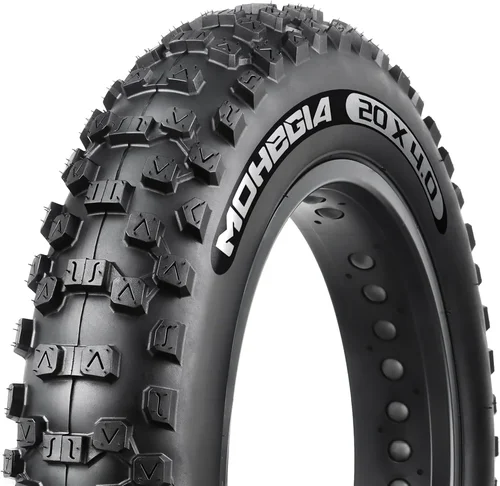
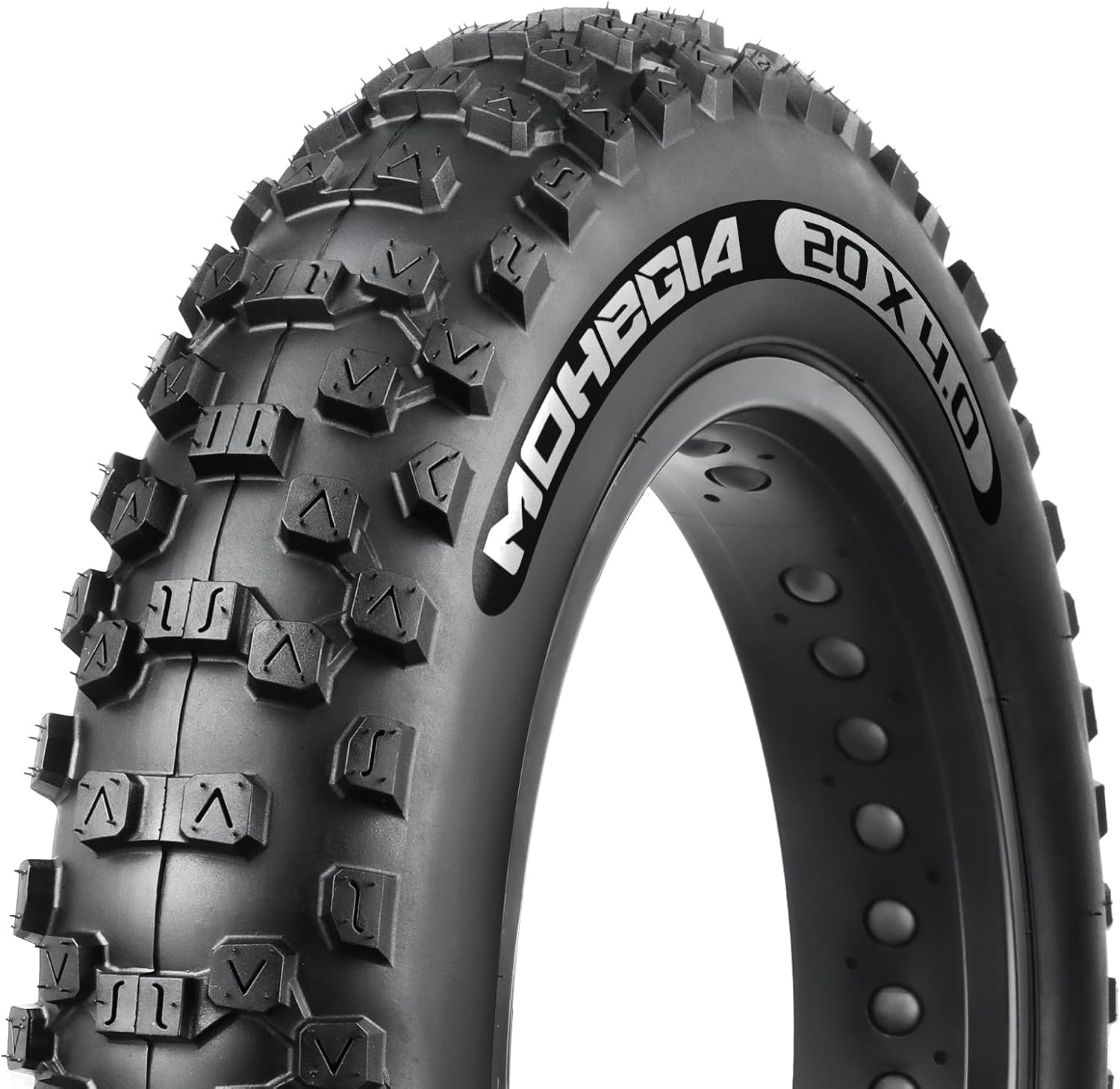
Tires are your bike’s only contact with the ground, so they’re critical for traction, comfort, and control. Off-road ebikes typically use wide, knobby tires ranging from 2.3” to 2.8” in width, mounted on 27.5” or 29” wheels. Wider tires provide better grip and cushioning, while larger wheels roll over obstacles more easily.
Look for tires with aggressive tread patterns designed for loose dirt, mud, or rocks. Tubeless-ready setups are a plus—they allow you to run lower tire pressures for better traction without the risk of pinch flats. Some models come with puncture-resistant casings or reinforced sidewalls, which are essential for rocky or thorny terrain.
Wheel strength is also important. Off-road ebikes experience more stress than road bikes, so look for double-walled rims with reinforced spokes. A 32-spoke rear wheel is standard, but 36-spoke wheels offer added durability for heavy riders or aggressive riding.
6. Braking System
Reliable brakes are non-negotiable for off-road riding, where sudden stops and steep descents are common. Most off-road ebikes use hydraulic disc brakes, which offer superior stopping power, modulation, and performance in wet or muddy conditions compared to mechanical disc or rim brakes.
Look for brakes with large rotors (180mm to 203mm) for better heat dissipation and stopping force. Brands like Shimano, SRAM, and Magura are known for their reliability and performance. Some high-end models feature four-piston calipers for even greater braking power, especially useful on long, technical descents.
7. Drivetrain and Gearing
The drivetrain determines how efficiently you can transfer power to the wheels and adapt to changing terrain. Most off-road ebikes use 1x (single chainring) drivetrains with wide-range cassettes (10–12 speeds), which simplify shifting and reduce weight. This setup is ideal for trail riding, where quick, reliable shifts are more important than having multiple chainrings.
Look for drivetrains from reputable brands like Shimano Deore, SLX, XT, or SRAM NX, GX, or X01. Higher-tier groupsets offer smoother shifting, better durability, and lighter weight. A clutch-equipped rear derailleur helps prevent chain slap on rough terrain, which is especially useful on full-suspension bikes.
For steep climbs, a low gear ratio (e.g., 10-51T cassette with a 32T chainring) is essential. This allows you to maintain cadence even on the steepest inclines, especially when combined with motor assist.
8. Weight and Portability
Off-road ebikes are inherently heavier than traditional mountain bikes due to the motor, battery, and reinforced frame. Most models weigh between 45 and 65 pounds, with full-suspension bikes on the heavier end. While weight is less of a concern on flat terrain, it can affect handling on tight trails or when lifting the bike over obstacles.
If you plan to transport your ebike frequently, consider weight and portability. Some models feature foldable frames or removable batteries, making them easier to load into a car or store in tight spaces. However, folding ebikes are generally not recommended for serious off-road use due to compromised frame strength.
9. Display and Connectivity
The display is your interface with the bike’s electronics, so it should be clear, responsive, and easy to use while riding. Most off-road ebikes come with color LCD or LED displays that show speed, battery level, assist mode, distance, and sometimes GPS or ride metrics.
Look for displays with backlighting for night riding and intuitive controls. Some high-end models offer Bluetooth connectivity, allowing you to sync with smartphone apps for route planning, ride tracking, or firmware updates. Brands like Bosch and Shimano offer advanced displays with customizable screens and diagnostics.
10. Brand Reputation and Customer Support
Not all ebike brands are created equal. Established brands like Trek, Specialized, Giant, Haibike, and Rad Power Bikes have a proven track record of quality, innovation, and customer support. They often offer better warranties, service networks, and access to replacement parts.
Research customer reviews and forums to gauge reliability and after-sales service. A brand with a strong reputation is more likely to stand behind its products and provide timely support if issues arise. Avoid unknown or no-name brands that may cut corners on components or lack proper support.
11. Warranty and Return Policy
A solid warranty is a sign of a manufacturer’s confidence in their product. Most reputable brands offer at least a 2-year warranty on the frame and motor, and 1 year on the battery and electronics. Some premium brands extend coverage to 3 or even 5 years.
Check the warranty terms carefully—some exclude certain components or require registration. Also, look for a generous return policy (30 days or more) that allows you to test the bike and return it if it doesn’t meet your expectations. This is especially important when buying online.
Different Types of Off-Road Ebikes

Common Buying Mistakes to Avoid
❌ Mistake: Prioritizing Price Over Performance
Why it’s bad: Buying the cheapest off-road ebike you can find often leads to disappointment. Low-cost models often use weak motors, small batteries, and poor-quality components that can’t handle real off-road conditions. You may end up with a bike that overheats on climbs, has poor range, or breaks down frequently.
What to do instead: Set a realistic budget based on your riding needs and invest in a bike with quality components. A mid-range model ($2,500–$4,000) often offers the best balance of performance, durability, and value.
❌ Mistake: Ignoring Battery Range
Why it’s bad: Off-road trails often cover long distances with no charging options. A bike with a small battery (under 500Wh) may leave you stranded or force you to ride in low-assist mode, reducing the fun and utility of the ebike.
What to do instead: Choose a bike with at least 600Wh of battery capacity and check real-world range estimates. Consider models with removable batteries or dual-battery compatibility for extended rides.
❌ Mistake: Overlooking Suspension Needs
Why it’s bad: Riding a hardtail on technical terrain can be uncomfortable and unsafe. Conversely, buying a full-suspension bike for mild trails adds unnecessary weight and cost.
What to do instead: Match the suspension type to your terrain. Use a hardtail for smooth trails and a full-suspension bike for rocky, rooty, or steep terrain.
❌ Mistake: Skipping the Test Ride
Why it’s bad: Ebikes feel different from traditional bikes. Without a test ride, you might end up with a bike that’s too heavy, poorly balanced, or uncomfortable.
What to do instead: Always test ride before buying, especially if purchasing online. Look for dealers that offer demo days or in-store trials.
❌ Mistake: Neglecting Maintenance Requirements
Why it’s bad: Off-road ebikes require regular maintenance—cleaning, lubrication, brake checks, and software updates. Ignoring this can lead to premature wear or failure.
What to do instead: Learn basic maintenance or find a local shop that services ebikes. Factor in ongoing costs when budgeting.
❌ Mistake: Buying Based on Looks Alone
Why it’s bad: A sleek design doesn’t guarantee performance. Some bikes look great but use outdated motors or weak frames.
What to do instead: Focus on specs, reviews, and brand reputation. A well-built bike may not be the flashiest, but it will last longer and perform better.
❌ Mistake: Not Checking Local Regulations
Why it’s bad: Some areas restrict ebike power, speed, or where they can be ridden. A 1000W bike may be illegal on certain trails.
What to do instead: Research local laws before buying. Class 1 and Class 3 ebikes are widely permitted, while high-power models may require special permits.
Budget Guidelines: How Much Should You Spend?
Entry-Level ($1,500 – $2,500): These bikes are ideal for beginners or casual riders. Expect aluminum frames, 500–600Wh batteries, 500–750W motors, and basic suspension. Components may be entry-tier (e.g., Shimano Altus or Tourney), and build quality can vary. Great for light trails and commuting, but may struggle on technical terrain.
Mid-Range ($2,500 – $4,500): This is the sweet spot for most off-road riders. You’ll find better motors (750–1000W), higher-capacity batteries (600–750Wh), and improved suspension (120–140mm travel). Drivetrains like Shimano Deore or SRAM NX offer reliable shifting, and frames are often more refined. These bikes handle a wide range of trails and offer excellent value.
Premium ($4,500 – $7,000): Designed for serious riders and enthusiasts. Expect top-tier components (Shimano XT, SRAM GX), full suspension, high-torque motors (85Nm+), and advanced features like Bluetooth connectivity, custom geometry, and lightweight frames. These bikes excel on technical trails and offer long-term durability.
Luxury ($7,000+): The best of the best. These bikes feature carbon frames, race-level suspension (Fox or RockShox), dual batteries, and cutting-edge electronics. They’re built for competitive riding, extreme terrain, or long-distance bikepacking. Only necessary for advanced users or professionals.
Expert Tips for Getting the Best Deal
- Buy during off-season sales: Late fall and winter are the best times to find discounts, as retailers clear out inventory for new models.
- Shop at authorized dealers: They offer better support, warranties, and often include free tune-ups or assembly.
- Compare online and in-store prices: Some retailers match online prices, so you can get the convenience of online shopping with in-person service.
- Look for demo or floor models: These are often discounted and in excellent condition, having been used for test rides.
- Check for trade-in programs: Some brands offer credit for your old bike, reducing the overall cost.
- Read the fine print on warranties: Understand what’s covered and for how long. Register your bike promptly.
- Test multiple bikes: Ride at least 2–3 models to compare feel, handling, and comfort.
- Ask about service plans: Some shops offer annual maintenance packages that can save money over time.
Frequently Asked Questions
Q: Can I ride an off-road ebike on regular bike trails?
A: It depends on local regulations. Many multi-use trails allow Class 1 and Class 3 ebikes, but some natural surface trails restrict motorized vehicles. Always check trail rules before riding.
Q: How long does the battery last?
A: Battery lifespan is typically 500–1,000 charge cycles, which translates to 3–5 years of regular use. Proper care—like avoiding extreme temperatures and not fully draining the battery—can extend its life.
Q: Are off-road ebikes hard to maintain?
A: They require similar maintenance to traditional mountain bikes, plus occasional motor and battery checks. Regular cleaning, lubrication, and brake adjustments are essential. Most issues can be handled by a skilled mechanic.
Q: Can I ride in the rain or mud?
A: Yes, most off-road ebikes are designed for wet conditions. However, avoid submerging the motor or battery, and dry the bike thoroughly after muddy rides to prevent corrosion.
Q: Do I need a special license or insurance?
A: In most U.S. states, no license or insurance is required for Class 1–3 ebikes. However, high-power models (over 750W) may be classified as mopeds or motorcycles and require registration.
Q: How fast can off-road ebikes go?
A: Most are limited to 20 mph (Class 1/2) or 28 mph (Class 3) on motor power. Off-road, speeds are typically lower due to terrain, but some high-performance models can exceed 30 mph.
Q: Can I upgrade components later?
A: Yes, many components like tires, brakes, and drivetrains can be upgraded. However, motor and battery upgrades are often limited by compatibility and warranty terms.
Q: Are off-road ebikes good for fitness?
A: Absolutely. Even with motor assist, you’re still pedaling and engaging your muscles. Using lower assist modes or turning off the motor increases workout intensity.
Q: What’s the difference between a mountain ebike and an off-road ebike?
A: The terms are often used interchangeably. “Off-road ebike” is a broader category that includes mountain, fat-tire, and trail ebikes designed for non-paved terrain.
Q: How do I transport an off-road ebike?
A: Use a hitch-mounted bike rack designed for heavy bikes (50+ lbs). Roof racks are not recommended due to weight and height. Some racks fold down for access to the trunk.
Our Final Recommendations
Best for Budget-Conscious Buyers: Rad Power Bikes RadRover 6 Plus – A reliable fat-tire hardtail with a 750W motor, 672Wh battery, and solid build quality under $2,000. Great for light trails and commuting.
Best Overall Value: Trek Powerfly 4 – A versatile full-suspension ebike with a Bosch Performance Line motor, 625Wh battery, and excellent trail geometry. Priced around $4,200, it’s a top choice for serious riders.
Best Premium Option: Specialized Turbo Levo SL Comp – Lightweight, full-suspension, and packed with tech. Features a 240W motor with 35Nm torque, 320Wh battery, and ultra-responsive handling. Ideal for technical trails and long rides.
Best for Beginners: Giant Stance E+ 2 – A well-balanced hardtail with a 625Wh battery, 80Nm motor, and user-friendly display. Priced around $3,000, it’s perfect for new riders exploring off-road terrain.
Best for Advanced Users: Haibike XDURO Nduro 10.0 – A high-performance enduro ebike with a 1000W motor, 720Wh battery, and full suspension. Built for aggressive riding, jumps, and steep descents. Priced at $7,500+, it’s a beast on the trails.
Conclusion: Making the Right Choice
Choosing the right off-road ebike is about more than just specs and price—it’s about finding a machine that matches your riding style, terrain, and goals. Whether you’re seeking adventure on remote trails, a fun way to commute, or a competitive edge in enduro racing, there’s an off-road ebike out there for you.
Remember to prioritize key factors like motor power, battery capacity, suspension, and build quality. Avoid common pitfalls like overspending on unnecessary features or underestimating maintenance needs. Take advantage of test rides, seasonal sales, and expert advice to make an informed decision.
Ultimately, the best off-road ebike is the one that gets you outside, keeps you riding, and brings you joy mile after mile. With the insights from this guide, you’re now equipped to make a confident, smart purchase—so go ahead, hit the trails, and experience the thrill of electric-powered adventure.