
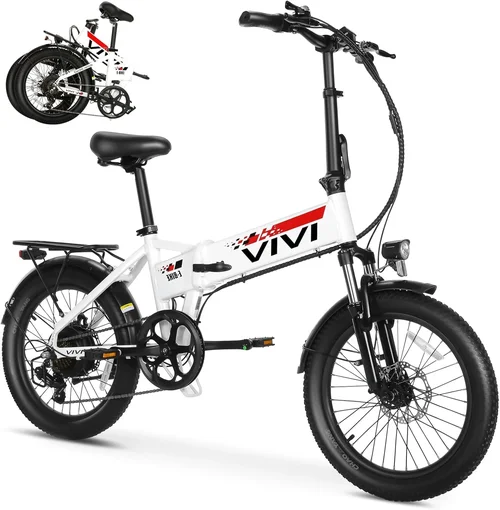
Electric bicycles—commonly known as e-bikes—have transformed the way adults commute, explore, and stay active. No longer just a niche product for tech enthusiasts or urban commuters, e-bikes have become mainstream, offering a sustainable, efficient, and enjoyable alternative to cars, public transit, and traditional bicycles. Whether you’re navigating city streets, tackling hilly trails, or simply looking for a low-impact way to stay fit, an adult electric bicycle can be a game-changer. With advancements in battery technology, motor efficiency, and smart integration, today’s e-bikes are more powerful, reliable, and user-friendly than ever before.
This comprehensive buying guide is designed to help you cut through the noise and make an informed decision. The market is flooded with options—ranging from budget-friendly models under $1,000 to high-performance machines exceeding $5,000—and choosing the right one can feel overwhelming. Our goal is to equip you with the knowledge and tools to evaluate your needs, understand key specifications, avoid common pitfalls, and ultimately select the best adult electric bicycle for your lifestyle. We’ll walk you through everything from motor types and battery life to frame materials, legal considerations, and long-term value.
By the end of this guide, you’ll have a clear understanding of what matters most when buying an e-bike, how different models compare across categories, and which features align with your priorities—whether that’s affordability, performance, portability, or durability. We’ve tested dozens of models, analyzed thousands of user reviews, and consulted with industry experts to bring you actionable insights. Whether you’re a first-time buyer or upgrading from an older model, this guide will help you ride away confident in your choice.

What to Look for When Buying an Adult Electric Bicycle
1. Budget & Price Range
Your budget is the foundation of your e-bike purchase. E-bikes vary dramatically in price, and while it’s tempting to go for the cheapest option, skimping on quality can lead to frustration, frequent repairs, and a shorter lifespan. Entry-level models typically start around $800 and offer basic functionality—ideal for light commuting or casual riding. Mid-range e-bikes ($1,500–$3,000) strike a balance between performance and affordability, featuring better motors, longer-range batteries, and improved components. Premium models ($3,000–$5,000) deliver top-tier engineering, advanced features like torque sensors and regenerative braking, and often come from reputable brands with strong warranties. Luxury e-bikes ($5,000+) are built for enthusiasts and professionals, offering carbon fiber frames, ultra-long range, and cutting-edge tech.
When setting your budget, consider not just the upfront cost but also long-term value. A $1,200 e-bike with a reliable motor and good battery may outperform a $900 model that requires constant maintenance. Also factor in potential add-ons like helmets, locks, lights, and insurance. Some retailers offer financing or payment plans, which can make higher-end models more accessible. Remember: a well-chosen e-bike is an investment in your health, convenience, and environmental impact.
2. Motor Type & Power
The motor is the heart of any e-bike, and understanding the differences between motor types is crucial. There are two primary configurations: hub motors and mid-drive motors. Hub motors are located in the front or rear wheel and are common in budget and mid-range e-bikes. They’re simple, reliable, and provide consistent power, making them great for flat terrain and casual riders. Rear hub motors offer better traction and a more natural riding feel, while front hub motors can feel twitchy on wet surfaces.
Mid-drive motors, found near the bike’s crankset, are more advanced and typically found on higher-end models. They leverage the bike’s gears, providing superior efficiency, better weight distribution, and smoother power delivery—especially on hills. Mid-drives are ideal for off-road riding, long-distance touring, and riders who want a responsive, bike-like experience. Motor power is measured in watts (W), with most e-bikes ranging from 250W to 750W. In the U.S., Class 1 and Class 2 e-bikes are limited to 750W, while Class 3 can reach up to 750W but with higher speed limits. Higher wattage doesn’t always mean better performance—efficiency, torque, and integration matter more.
Torque, measured in Newton-meters (Nm), is a better indicator of how well an e-bike handles hills and accelerates from stops. A motor with 50–80 Nm of torque will feel noticeably stronger than one with 30 Nm, especially on inclines. Look for motors from reputable manufacturers like Bosch, Shimano, Bafang, or Yamaha, which offer consistent performance and better support.
3. Battery Capacity & Range
Battery capacity determines how far you can ride on a single charge, and it’s one of the most critical factors for daily commuters and long-distance riders. Measured in watt-hours (Wh), battery capacity reflects the total energy stored. A 400Wh battery is typical for entry-level e-bikes and offers 20–40 miles of range, depending on terrain, rider weight, and assist level. Mid-range models often feature 500–625Wh batteries, providing 40–70 miles, while premium e-bikes may include 750Wh or even dual-battery systems for 80+ miles.
Range isn’t just about capacity—it’s also influenced by motor efficiency, assist mode usage, tire pressure, and weather conditions. Riding in Eco mode can double your range compared to Turbo mode. Lithium-ion (Li-ion) batteries are standard due to their high energy density, lightweight, and long lifespan (typically 500–1,000 charge cycles). Avoid older lead-acid or nickel-based batteries, which are heavier and degrade faster.
Battery placement also matters. Integrated batteries (built into the downtube) offer a sleek look and better weight distribution, while removable batteries make charging more convenient—especially if you don’t have easy access to an outlet near your bike. Some high-end models feature fast-charging capabilities, reducing charge time from 5 hours to under 2.
4. Frame Material & Build Quality
The frame is the skeleton of your e-bike, and its material directly affects weight, durability, and ride quality. Aluminum is the most common material due to its strength-to-weight ratio, corrosion resistance, and affordability. It’s used in everything from budget to premium models and offers a good balance of stiffness and comfort. Steel frames are heavier but provide a smoother ride due to their natural shock absorption—ideal for city commuting and touring. However, they’re prone to rust if not properly treated.
Carbon fiber frames are lightweight, stiff, and absorb vibrations well, making them popular in high-performance e-bikes. They’re significantly more expensive and less impact-resistant than aluminum, so they’re best suited for road or gravel e-bikes where weight savings matter. Titanium is the premium choice—light, strong, corrosion-proof, and incredibly durable—but it comes with a steep price tag and is rare in e-bikes.
Beyond material, pay attention to build quality. Look for clean welds, internally routed cables, and reinforced joints. A well-built frame should feel solid when you lift the bike and show no flex under load. Suspension systems also play a role: front suspension forks absorb bumps on rough roads, while full-suspension setups (front and rear) are essential for mountain e-bikes. However, suspension adds weight and cost, so only choose it if you plan to ride off-road.
5. Class & Legal Compliance
In the U.S., e-bikes are classified into three categories based on speed and pedal-assist behavior. Class 1 e-bikes provide pedal-assist only, with a maximum assisted speed of 20 mph. Class 2 models include a throttle that can propel the bike up to 20 mph without pedaling. Class 3 e-bikes offer pedal-assist up to 28 mph but no throttle. Understanding these classes is essential because they affect where you can ride—many bike paths and trails restrict Class 2 and 3 e-bikes.
Legal compliance also extends to motor power and braking systems. Most states limit motors to 750W, and all e-bikes must have functional brakes that can stop the bike within a safe distance. Some regions require helmets, lights, or registration for higher-class e-bikes. Always check local regulations before purchasing, especially if you plan to ride in multiple states or countries. Importing an e-bike with a 1,000W motor, for example, could result in fines or confiscation.
Additionally, consider safety features like integrated lights, reflective elements, and audible horns. These aren’t just conveniences—they’re essential for visibility and accident prevention, especially in urban environments.
6. Weight & Portability
E-bikes are inherently heavier than traditional bicycles due to the motor, battery, and reinforced frame. Most adult e-bikes weigh between 40 and 70 pounds, with some cargo or mountain models exceeding 80 pounds. While this doesn’t affect performance on flat terrain, it becomes a factor when lifting the bike onto a rack, carrying it upstairs, or storing it in a small apartment.
If portability is a priority, look for models with foldable frames, removable batteries, and lightweight materials. Folding e-bikes like the Brompton Electric or Tern Vektron are excellent for commuters who need to combine biking with public transit. However, folding mechanisms can add complexity and reduce structural rigidity, so test the bike’s stability before buying.
For non-folding models, consider the standover height and step-through design. Step-through frames (with a low or absent top tube) make mounting and dismounting easier, especially for riders with limited mobility or those wearing skirts or dresses. Some e-bikes also feature rear racks or front baskets for carrying groceries, backpacks, or child seats.
7. Display & Smart Features
The display is your interface with the e-bike, providing real-time data like speed, battery level, distance, and assist mode. Basic LCD screens show essential metrics, while color TFT displays offer navigation, Bluetooth connectivity, and app integration. High-end models may include GPS tracking, anti-theft alerts, and ride analytics through companion apps.
Smart features can enhance convenience and safety. For example, some e-bikes sync with fitness apps like Strava or Apple Health, allowing you to track calories burned and route history. Others offer over-the-air firmware updates, ensuring your bike stays up-to-date with the latest performance improvements. Voice control and smartphone unlocking are emerging features in premium models.
However, more tech doesn’t always mean better. Overly complex interfaces can be distracting, and app-dependent features may fail if your phone dies. Choose a display that matches your tech comfort level—simple and functional is often better than flashy and confusing.
8. Warranty & Customer Support
A strong warranty is a sign of a manufacturer’s confidence in their product. Most reputable brands offer at least a 1-year warranty on the entire bike, with 2–3 years on the battery and motor. Some premium brands, like Trek or Specialized, provide up to 5 years of coverage on key components. Always read the fine print: warranties often exclude wear-and-tear items like tires, brakes, and chains.
Customer support is equally important. Look for brands with responsive service teams, accessible repair centers, and clear return policies. Online-only retailers may offer lower prices but limited support, while local bike shops provide hands-on service and expertise. Consider purchasing from a dealer that offers free tune-ups or maintenance packages.
User reviews can reveal a lot about a brand’s reliability. Pay attention to comments about battery degradation, motor failures, and how quickly issues were resolved. A brand with a high return rate or frequent complaints about customer service should raise red flags.
Different Types of Adult Electric Bicycles

Common Buying Mistakes to Avoid
❌ Mistake: Ignoring Local Laws and Regulations
Why it’s bad: Riding an e-bike that doesn’t comply with local laws can result in fines, confiscation, or being banned from bike paths. For example, some cities prohibit throttle-assisted e-bikes or limit motor power to 500W.
What to do instead: Research your city, state, and country’s e-bike laws before purchasing. Choose a model that matches the legal class and power limits in your area.
❌ Mistake: Overlooking Test Rides
Why it’s bad: E-bikes feel different from regular bikes. A model that looks great online might be uncomfortable, too heavy, or poorly balanced in real life.
What to do instead: Always test ride before buying, especially if purchasing from a local shop. Pay attention to handling, seat comfort, and how the motor engages.
❌ Mistake: Choosing Based on Price Alone
Why it’s bad: The cheapest e-bike often has inferior components, poor battery life, and weak customer support, leading to higher long-term costs.
What to do instead: Focus on value, not just price. A mid-range e-bike with a reliable motor and good warranty may save you money over time.
❌ Mistake: Neglecting Maintenance Needs
Why it’s bad: E-bikes require regular maintenance like brake adjustments, tire checks, and battery care. Ignoring this can shorten the bike’s lifespan.
What to do instead: Learn basic maintenance or choose a dealer that offers service packages. Keep the battery charged and store it properly.
❌ Mistake: Buying Without Considering Storage
Why it’s bad: E-bikes are heavy and bulky. Storing one in a small apartment or on a high shelf can be impractical.
What to do instead: Measure your storage space and consider foldable or lightweight models if space is limited.
❌ Mistake: Skipping Safety Gear
Why it’s bad: E-bikes are faster than regular bikes, increasing the risk of injury in accidents. Helmets, lights, and reflective clothing are essential.
What to do instead: Invest in a quality helmet, front and rear lights, and a sturdy lock. Consider reflective clothing for night riding.
❌ Mistake: Not Planning for Charging
Why it’s bad: Running out of battery mid-commute can leave you stranded. Charging at work or on the go requires planning.
What to do instead: Choose a model with a removable battery or ensure you have access to outlets along your route. Carry a portable charger if needed.
Budget Guidelines: How Much Should You Spend?
- Entry-Level ($800–$1,500): Ideal for casual riders and short commutes. Expect basic hub motors, 400–500Wh batteries, and aluminum frames. Brands like Ancheer, Swagtron, and Ecotric offer decent value but may lack durability and support.
- Mid-Range ($1,500–$3,000): The sweet spot for most buyers. These e-bikes feature better motors (often mid-drive), longer-range batteries, and improved components. Models from Rad Power Bikes, Aventon, and Lectric are popular choices.
- Premium ($3,000–$5,000): For serious riders and enthusiasts. Expect high-end motors (Bosch, Shimano), 625–750Wh batteries, carbon or titanium frames, and advanced features like GPS and app integration. Trek, Specialized, and Riese & Müller lead this category.
- Luxury ($5,000+): Top-tier performance and craftsmanship. These e-bikes offer dual batteries, regenerative braking, custom builds, and lifetime support. Best for professionals, long-distance travelers, or collectors.
Expert Tips for Getting the Best Deal
- Buy during off-peak seasons: Late summer and early fall offer the best discounts as retailers clear inventory.
- Shop at local bike shops: They often provide free tune-ups, expert advice, and better warranties than online-only retailers.
- Check manufacturer websites: Some brands offer exclusive deals, referral programs, or trade-in discounts.
- Read independent reviews: Sites like Electric Bike Review, DC Rainmaker, and YouTube channels provide unbiased insights.
- Consider certified pre-owned: Many brands sell refurbished e-bikes with warranties at 30–50% off retail.
- Negotiate add-ons: Ask for free accessories like locks, lights, or helmets when purchasing.
- Verify return policies: Ensure you can return or exchange the bike within 14–30 days if it doesn’t meet expectations.
- Join loyalty programs: Some retailers offer points, discounts, or early access to sales for members.
Frequently Asked Questions
Q: How far can an e-bike go on a single charge?
A: Range varies widely based on battery capacity, terrain, rider weight, and assist level. Most e-bikes offer 20–70 miles per charge. A 500Wh battery typically provides 30–50 miles in mixed conditions.
Q: Do I need a license to ride an e-bike?
A: In most U.S. states, no license is required for Class 1, 2, or 3 e-bikes. However, some states require registration or insurance for higher-powered models. Always check local laws.
Q: Can I ride an e-bike in the rain?
A: Yes, most e-bikes are designed to handle light rain. Avoid submerging the battery or motor, and dry the bike after wet rides to prevent corrosion.
Q: How often should I charge the battery?
A: Charge regularly—ideally when the battery drops to 20–30%. Avoid letting it fully drain. Store the battery at 50–60% charge if not using the bike for weeks.
Q: Are e-bikes good for exercise?
A: Absolutely. Even with pedal-assist, you’re still pedaling and burning calories. Using lower assist levels increases workout intensity.
Q: Can I upgrade my e-bike’s battery?
A: Some models allow battery upgrades, but compatibility varies. Check with the manufacturer before purchasing a larger battery.
Q: What’s the difference between pedal-assist and throttle?
A: Pedal-assist provides power only when you pedal, while throttle lets you ride without pedaling. Throttle is common on Class 2 e-bikes.
Q: How long do e-bike batteries last?
A: Most Li-ion batteries last 3–5 years or 500–1,000 charge cycles. Proper care can extend lifespan.
Q: Are e-bikes safe?
A: Yes, when used responsibly. Wear a helmet, follow traffic laws, and maintain your bike. E-bikes are statistically safer than motorcycles.
Q: Can I take my e-bike on a plane?
A: Most airlines prohibit e-bike batteries due to fire risk. Some allow removal and transport in special cases, but check airline policies first.
Our Final Recommendations
- Best for Budget-Conscious Buyers: Rad Power Bikes RadCity 5 Plus – Excellent value at $1,699, with a 672Wh battery, 750W motor, and integrated lights.
- Best Overall Value: Aventon Level.2 – Priced at $1,799, it offers a mid-drive motor, 614Wh battery, and sleek design for urban and light trail use.
- Best Premium Option: Specialized Turbo Vado SL 5.0 – Lightweight, powerful, and packed with smart features, ideal for serious commuters.
- Best for Beginners: Lectric XP 3.0 – Affordable, foldable, and easy to ride, perfect for first-time e-bike owners.
- Best for Advanced Users: Trek Allant+ 9.9S – High-performance mid-drive motor, 720Wh battery, and premium components for long-distance and off-road riding.
Conclusion: Making the Right Choice
Choosing the best adult electric bicycle isn’t just about picking the most powerful or expensive model—it’s about finding the right fit for your lifestyle, budget, and riding goals. We’ve covered the essential factors: motor and battery performance, build quality, legal compliance, and long-term value. We’ve compared different types, highlighted common pitfalls, and provided actionable tips to help you navigate the market with confidence.
Remember, the best e-bike is the one you’ll actually ride. Whether you’re commuting to work, exploring nature, or simply enjoying the freedom of two wheels, your e-bike should enhance your life, not complicate it. Prioritize your needs, test ride when possible, and don’t be swayed by flashy features that don’t serve your purpose. With the insights from this guide, you’re now equipped to make a smart, informed decision.
Take your time, do your research, and when you find the right e-bike, you’ll wonder how you ever got by without it. Happy riding!