
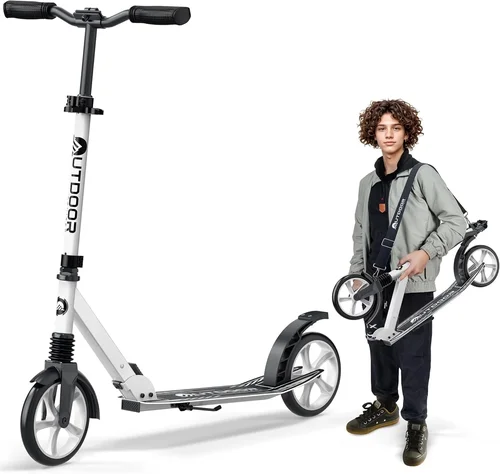
The mini electric scooter market has exploded in recent years, transforming from a niche urban mobility solution into a mainstream transportation option for commuters, students, and eco-conscious travelers alike. With rising fuel costs, increasing traffic congestion, and growing environmental awareness, more people are turning to compact, efficient, and fun-to-ride electric scooters as their go-to mode of short-distance travel. Whether you’re navigating busy city streets, zipping across campus, or simply looking for a convenient way to run errands without relying on a car, a mini electric scooter can be a game-changer. But with hundreds of models flooding the market—ranging from ultra-cheap knockoffs to high-performance machines—choosing the right one can feel overwhelming. That’s where this comprehensive buying guide comes in.
In this expert-level guide, we’ll cut through the noise and help you make an informed decision based on your specific needs, budget, and lifestyle. You’ll learn how to evaluate key performance metrics like speed, range, and battery life, understand what separates a durable build from a flimsy one, and discover which features truly matter (and which are just marketing fluff). We’ll also break down different categories of mini electric scooters, highlight common pitfalls to avoid, and provide actionable tips to get the best value for your money. By the end, you’ll have everything you need to confidently select a scooter that’s safe, reliable, and perfectly suited to your daily routine.

What to Look for When Buying a Mini Electric Scooter
1. Budget & Price Range
Your budget is the foundation of your purchase decision. Mini electric scooters span a wide price spectrum—from under $200 for basic models to over $1,500 for premium performance machines. While it’s tempting to go for the cheapest option, remember that price often correlates with quality, safety, and longevity. A $150 scooter might get you from point A to B, but it likely lacks essential features like regenerative braking, quality suspension, or a robust frame. On the other hand, spending $1,200+ may be overkill if you only need occasional use.
Set a realistic budget based on how frequently you’ll ride and what you expect from your scooter. For casual users making short trips a few times a week, a mid-range model ($400–$700) offers the best balance. Commuters or daily riders should consider investing in a higher-tier scooter with better components and warranty coverage. Always factor in potential long-term savings—like reduced public transit fares or gas expenses—when evaluating cost.
2. Performance Specifications
Performance specs define how well your scooter will handle real-world conditions. The three most critical metrics are top speed, range, and motor power. Top speed typically ranges from 12 mph for entry-level models to 25+ mph for performance scooters. While faster sounds better, consider your local laws—many cities cap e-scooter speeds at 15–20 mph, and riding too fast on uneven terrain increases accident risk.
Range refers to how far you can travel on a single charge. Most mini scooters offer between 8 and 25 miles, but real-world range depends on rider weight, terrain, speed, and weather. A 15-mile advertised range might drop to 10 miles if you’re riding uphill or carrying a backpack. Always look for independent test results rather than manufacturer claims.
Motor power, measured in watts (W), determines acceleration and hill-climbing ability. Entry-level scooters often have 250W motors, suitable for flat surfaces. For hills or heavier riders, aim for at least 350W–500W. Dual-motor setups (found in premium models) provide even better torque but add weight and cost.
3. Build Quality & Durability
A scooter’s build quality directly impacts safety, comfort, and lifespan. Start by examining the frame material: aluminum alloys (like 6061 or 7005) are lightweight yet strong, while cheaper models may use thin steel or low-grade aluminum that bends or cracks under stress. Check welds—clean, consistent welds indicate careful manufacturing; rough or uneven ones suggest poor quality control.
Tires matter too. Solid rubber tires are puncture-proof and low-maintenance but offer a rougher ride. Air-filled (pneumatic) tires provide better shock absorption and grip, especially on bumpy roads, but require occasional inflation and are prone to flats. Some models feature hybrid or honeycomb tires as a middle ground.
Suspension systems—whether front, rear, or dual—greatly improve ride comfort on uneven surfaces. While not essential for smooth pavements, they’re highly recommended for urban environments with potholes, curbs, or gravel. Finally, water resistance (rated by IP codes like IPX4 or IPX5) ensures your scooter can handle light rain or splashes, though never submerge it.
4. Features & Functionality
Modern mini electric scooters come packed with features that enhance usability and safety. Essential ones include a bright LED headlight for nighttime visibility, a rear brake light that activates when braking, and reflective elements for added safety. A clear, backlit LCD display showing speed, battery level, and mode is standard on mid-to-high-end models.
Regenerative braking recaptures energy during deceleration, slightly extending range—a valuable feature for eco-conscious riders. Cruise control maintains a steady speed without holding the throttle, reducing hand fatigue on longer rides. App connectivity (via Bluetooth) allows firmware updates, ride tracking, anti-theft locking, and customization of speed modes.
Other conveniences include foldable designs for easy storage, USB charging ports for devices, and multiple riding modes (Eco, Normal, Sport). Avoid scooters with overly complex interfaces or gimmicky features that add cost without real benefit. Focus on what you’ll actually use.
5. Brand Reputation
Not all brands are created equal. Established manufacturers like Xiaomi, Segway-Ninebot, Apollo, and Unagi have built reputations for reliability, customer service, and innovation. They invest in R&D, rigorous testing, and global support networks. In contrast, unknown brands selling on Amazon or AliExpress may offer tempting prices but often lack transparency about sourcing, safety certifications, or售后 support.
Research brand history: How long have they been in business? Do they publish third-party safety test results? Are their products certified by recognized bodies like UL (for electrical safety) or CE (European conformity)? Reading long-term user reviews on forums like Reddit or specialized e-scooter communities can reveal patterns of issues—like battery degradation after six months or poor售后 response times.
Reputable brands also tend to use higher-quality batteries (often from Samsung, LG, or Panasonic) and provide detailed manuals and troubleshooting guides. If something goes wrong, you’re far more likely to get help from a company with a physical presence and service centers.
6. Warranty & Support
A solid warranty is your safety net against defects and premature failures. Most reputable brands offer at least a 12-month warranty covering the motor, battery, and electronics. Premium models may include 18–24 months or even lifetime frame warranties. Pay attention to what’s covered: some warranties exclude “wear and tear” items like tires or brake pads, while others are voided if you modify the scooter.
Customer support quality varies widely. Look for brands that provide multiple contact channels (email, phone, live chat), respond within 24–48 hours, and have service centers in your region. Check if they offer replacement parts (like chargers or fenders) for purchase—this extends your scooter’s usable life. Avoid companies that only offer automated replies or disappear after the sale.
Also consider return policies. A 14–30 day return window lets you test the scooter in real conditions and return it if it doesn’t meet expectations. Some retailers (like Best Buy or REI) offer generous return windows, while direct-from-manufacturer purchases may be final.
7. Size & Portability
One of the main appeals of mini electric scooters is their compactness. But “mini” can mean different things: some weigh under 20 lbs and fold down smaller than a backpack, while others are heavier but more stable. Consider your storage and transport needs.
If you’ll carry it on public transit, up stairs, or into an office, prioritize lightweight models (under 25 lbs) with a secure folding mechanism. Look for scooters with a locking fold—so they don’t accidentally collapse while carrying—and ergonomic handles. Wheel size also affects portability: 6–8 inch wheels are common on ultra-portable models but struggle with bumps; 8–10 inch wheels offer a smoother ride but add bulk.
Measure your storage space—will it fit in your car trunk, under a desk, or in a closet? Some scooters have removable batteries, making them even easier to stow. If you live in an apartment without elevators, every pound counts.
8. User Reviews & Ratings
Never rely solely on manufacturer specs or marketing claims. Real-world user feedback reveals nuances that specs can’t capture—like how a scooter performs in cold weather, how quickly the battery degrades, or whether the app actually works. Check multiple sources: Amazon reviews (filter for verified purchases), YouTube video reviews (watch for long-term testing), and dedicated forums like EScooterForum.com or Reddit’s r/ElectricScooters.
Look for patterns: if multiple users report the same issue (e.g., “brakes failed after 3 months” or “range dropped by 40% in winter”), it’s likely a design flaw. Conversely, consistent praise for comfort, reliability, or customer service is a strong indicator of quality. Be wary of reviews that sound overly promotional or lack detail—they may be fake.
Also consider the reviewer’s profile: a 150-lb rider’s experience may differ drastically from a 220-lb rider’s, especially regarding range and hill performance. Seek out reviews that match your weight, usage frequency, and terrain.
Different Types of Mini Electric Scooters

Common Buying Mistakes to Avoid
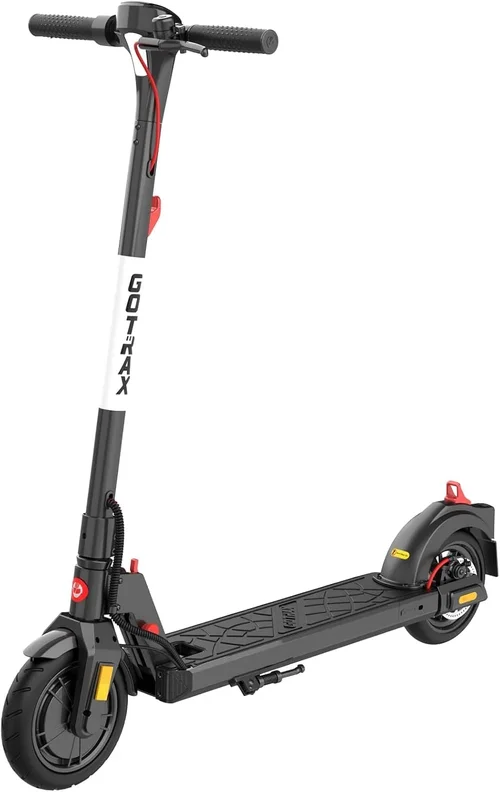
❌ Mistake: Ignoring Weight Limits
Why it’s bad: Every scooter has a maximum rider weight limit—typically between 220 and 330 lbs. Exceeding this limit strains the motor, drains the battery faster, reduces range, and can cause mechanical failure or accidents. Many buyers assume “it’ll be fine” and end up disappointed or unsafe.
What to do instead: Always check the manufacturer’s stated weight capacity and choose a scooter rated for at least 20–30 lbs above your current weight (to account for backpacks or cargo). If you’re near the upper end, opt for a performance model with a robust frame and high-wattage motor.
❌ Mistake: Prioritizing Speed Over Safety
Why it’s bad: High-speed scooters (20+ mph) require better brakes, suspension, and rider skill. Without these, sudden stops or uneven terrain can lead to falls. Many budget scooters advertise high speeds but skimp on braking systems—putting riders at serious risk.
What to do instead: Match speed to your environment and experience level. For city riding with traffic and pedestrians, 15–18 mph is plenty fast and much safer. Ensure the scooter has reliable disc or drum brakes (not just electronic braking) and consider wearing a helmet regardless of speed.
❌ Mistake: Overlooking Real-World Range
Why it’s bad: Manufacturers often quote range under ideal conditions: flat terrain, light rider, slow speed. In reality, hills, wind, cold weather, and heavier loads cut range significantly. Relying on advertised range can leave you stranded.
What to do instead: Assume real-world range is 20–30% less than advertised. If you need to travel 10 miles round-trip, choose a scooter rated for at least 15 miles. Carry a portable charger if possible, or plan charging stops.
❌ Mistake: Skipping the Test Ride
Why it’s bad: Comfort is subjective. A scooter that looks great on paper might have a stiff deck, wobbly handlebars, or uncomfortable ride quality. Buying without testing can lead to regret and wasted money.
What to do instead: If buying online, check the return policy and plan to test it immediately upon arrival. Visit local retailers or scooter shops that allow test rides. Pay attention to vibration, braking responsiveness, and overall feel.
❌ Mistake: Ignoring Local Laws
Why it’s bad: E-scooter regulations vary by city and country. Some places require helmets, ban riding on sidewalks, limit speeds, or prohibit certain models altogether. Getting fined or having your scooter confiscated is avoidable.
What to do instead: Research your local laws before purchasing. Check city transportation websites or contact your municipality. Choose a scooter that complies with local speed and equipment requirements.
❌ Mistake: Choosing Based on Looks Alone
Why it’s bad: Flashy colors, sleek designs, or celebrity endorsements don’t guarantee performance or durability. Some aesthetically pleasing scooters use cheap materials or lack essential safety features.
What to do instead: Focus on specs, build quality, and user feedback first. Style matters, but not at the expense of safety and reliability. A well-built scooter in a simple color will serve you better long-term.
❌ Mistake: Neglecting Maintenance Needs
Why it’s bad: Even the best scooters require basic upkeep: tire checks, brake adjustments, bolt tightening, and battery care. Ignoring maintenance leads to premature wear, reduced performance, and safety hazards.
What to do instead: Read the manual and establish a simple maintenance routine. Keep tires properly inflated (if pneumatic), clean the deck regularly, and store the scooter in a dry place. Invest in a basic toolkit for adjustments.
Budget Guidelines: How Much Should You Spend?
Entry-Level ($100–$300): These scooters are best for occasional use, kids, or as backup transport. Expect basic features: 12–15 mph top speed, 8–12 mile range, solid tires, minimal suspension, and limited warranties. Brands like Gotrax or Razor dominate this space. While affordable, they often lack durability and safety refinements—ideal for light, short trips but not daily commuting.
Mid-Range ($400–$700): This is the sweet spot for most buyers. Scooters in this tier offer reliable performance, better build quality, and useful features like LED lights, app connectivity, and improved braking. Models from Xiaomi, Segway, and Apollo shine here, delivering 15–20 mph speeds, 12–20 mile ranges, and decent suspension. Perfect for students, urban commuters, and weekend explorers.
Premium ($800–$1,200): Designed for serious riders who demand performance and comfort. These scooters boast 500W–800W motors, pneumatic tires, dual suspension, regenerative braking, and advanced displays. Range often exceeds 20 miles, and build quality is top-notch. Ideal for daily commuters, hilly areas, or those who ride in all weather conditions.
Luxury ($1,300+): The pinnacle of mini electric scooters, featuring cutting-edge tech, premium materials, and exceptional craftsmanship. Think carbon fiber components, swappable batteries, GPS tracking, and multi-year warranties. Brands like Unagi and Dualtron offer these. Best for enthusiasts, tech adopters, or professionals who rely on their scooter daily and want the absolute best.
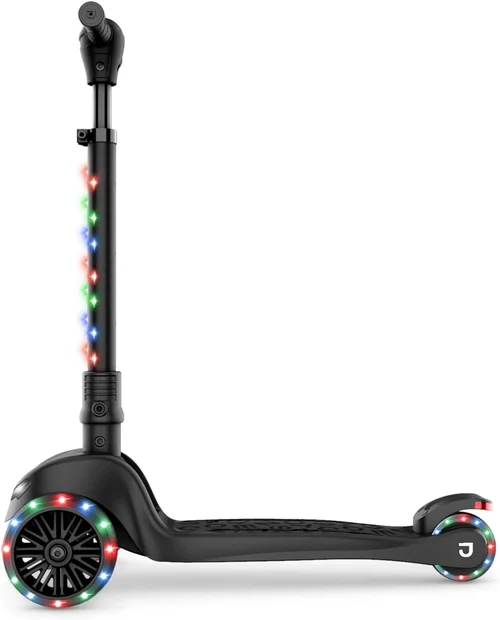
Expert Tips for Getting the Best Deal
- Buy during seasonal sales: Major discounts happen during Black Friday, Cyber Monday, Amazon Prime Day, and back-to-school seasons. Sign up for brand newsletters to get early access to deals.
- Compare retailers: Prices can vary significantly between direct-from-manufacturer sites, Amazon, Best Buy, and specialty e-scooter stores. Check for bundle deals (e.g., free helmet or lock).
- Consider refurbished or open-box: Certified refurbished models from reputable sellers often come with warranties and cost 20–40% less than new. Great for mid-range scooters.
- Read the fine print on warranties: Some brands require registration within 7–14 days of purchase to activate coverage. Keep your receipt and follow instructions precisely.
- Test before committing: If possible, rent a similar model through services like Lime or Bird to see how it feels in your city. Many local shops also offer demo days.
- Check return policies: Ensure you can return the scooter within at least 14 days if it doesn’t meet expectations. Avoid sellers with “all sales final” policies.
- Join owner communities: Forums and Facebook groups often share exclusive discount codes, maintenance tips, and alerts about upcoming sales.
- Negotiate with local dealers: Independent scooter shops may offer price matching or throw in free accessories if you ask politely.

Frequently Asked Questions
Q: How long do mini electric scooter batteries last?
A: Most lithium-ion batteries last 300–500 charge cycles before capacity drops to 80%. With regular use, that’s roughly 1.5–3 years. Proper care—avoiding full discharges, storing at 50% charge in cool places, and using the original charger—can extend lifespan.
Q: Can I ride my scooter in the rain?
A: Only if it has an IPX4 or higher rating. IPX4 means splash-resistant from any direction, suitable for light rain. Never submerge it or ride through deep puddles. Wet conditions also reduce tire grip, so ride slowly and brake gently.
Q: Are mini electric scooters legal where I live?
A: It depends. Many cities allow e-scooters on bike lanes and roads but ban them on sidewalks. Some require helmets, lights, or registration. Check your local Department of Transportation website or city ordinances before riding.
Q: How fast can a mini electric scooter go?
A: Most range from 12 to 25 mph. Entry-level models cap at 15 mph, while performance scooters can reach 25+ mph. Always obey local speed limits and ride responsibly.
Q: What’s the difference between hub motors and belt-driven motors?
A: Hub motors are built into the wheel—simple, quiet, and low-maintenance but less efficient on hills. Belt-driven motors use a belt and pulley system, offering better torque and hill-climbing but require occasional belt replacement. Most mini scooters use hub motors for simplicity.
Q: Can I take my scooter on a plane?
A: Generally no. Airlines prohibit lithium batteries over 100Wh in checked luggage, and most e-scooter batteries exceed this. Some smaller models with removable batteries under 160Wh may be allowed in carry-on, but check with your airline first.
Q: How do I maintain my scooter’s battery?
A: Charge regularly (don’t let it drop to 0%), avoid extreme temperatures, and store at 40–60% charge if unused for weeks. Use only the manufacturer’s charger to prevent damage.
Q: What should I do if my scooter breaks down?
A: First, check the warranty. Contact customer support with your model number and photos of the issue. For out-of-warranty repairs, find a local e-scooter repair shop or order parts directly from the manufacturer if available.
Q: Are there age restrictions for riding mini electric scooters?
A: Many states and countries require riders to be at least 16 years old. Some cities mandate helmets for riders under 18. Always verify local laws.
Q: Can I upgrade my scooter’s battery for more range?
A: In most cases, no. Batteries are integrated into the design and not user-replaceable. Attempting DIY upgrades can void warranties, cause fires, or damage the scooter. If you need more range, consider a model with a larger battery from the start.
Our Final Recommendations
Best for Budget-Conscious Buyers: Xiaomi Mi Essential – At around $350, it delivers exceptional value with a 12.4-mile range, 15 mph top speed, solid build quality, and reliable performance. Ideal for students and casual riders who want brand trust without breaking the bank.
Best Overall Value: Segway Ninebot ES2 – Priced around $500, this scooter offers a perfect blend of portability, performance (15.5 mph, 15-mile range), and features like LED underglow, app control, and shock absorption. A favorite among urban commuters for its balance of price and polish.
Best Premium Option: Apollo Air Pro – At $899, it’s a performance powerhouse with a 500W motor, 20-mile range, pneumatic tires, and dual suspension. Built for daily use on varied terrain, it’s the best mid-tier scooter for serious riders.
Best for Beginners: Gotrax GXL V2 – Affordable ($280), easy to ride, and packed with safety features like headlights, taillights, and a simple interface. Great for first-time riders or teens learning the ropes.
Best for Advanced Users: Unagi Model One – With dual 250W motors, a sleek magnesium frame, and a 20-mile range, this $990 scooter is built for enthusiasts who appreciate design, performance, and premium materials. Perfect for tech-savvy commuters who want the best.
Conclusion: Making the Right Choice
Choosing the right mini electric scooter isn’t just about picking the fastest or cheapest model—it’s about finding the perfect match for your lifestyle, needs, and environment. By focusing on key factors like performance, build quality, safety features, and real-world usability, you can avoid common pitfalls and invest in a scooter that will serve you reliably for years to come. Remember to prioritize safety, respect local laws, and never skip essential accessories like a helmet and lock.
Whether you’re commuting to work, exploring your city, or simply reducing your carbon footprint, a well-chosen mini electric scooter can transform your daily routine. Take your time, do your research, and don’t hesitate to test ride before you buy. With the insights from this guide, you’re now equipped to make a confident, informed decision. Happy riding—and welcome to the future of urban mobility!