
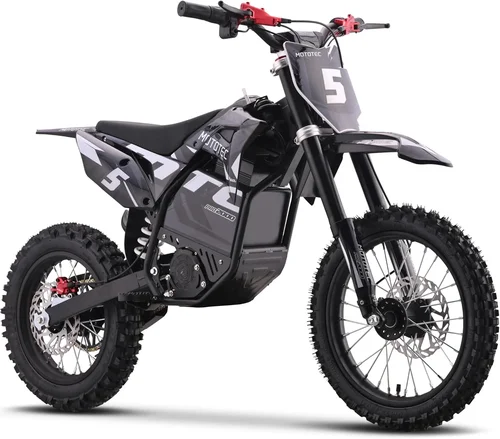
The electric motorcycle market has exploded in recent years, evolving from niche prototypes to serious contenders in the two-wheeled transportation space. As we move through 2026, these silent speedsters are no longer just eco-friendly alternatives—they’re high-performance machines that rival, and in some cases surpass, their gasoline-powered counterparts. Whether you’re a daily commuter tired of gas prices, an adventure seeker craving off-grid exploration, or a tech enthusiast drawn to cutting-edge innovation, there’s never been a better time to consider going electric.
This comprehensive buying guide is designed to cut through the noise and help you make an informed decision. We’ll walk you through every critical factor—from battery range and charging infrastructure to build quality and long-term ownership costs. You’ll learn how to match your riding style, budget, and lifestyle needs with the right electric motorcycle, avoid common pitfalls, and ultimately choose a machine that delivers both performance and peace of mind. By the end, you won’t just know what to buy—you’ll understand why it’s the right choice for you.
The landscape today is more diverse than ever. Brands like Zero Motorcycles, Energica, Harley-Davidson (LiveWire), Cake, and upstarts like Damon and Verge are pushing boundaries with sleek designs, instant torque, and smart connectivity features. Meanwhile, governments worldwide are incentivizing EV adoption, and charging networks continue to expand. With models ranging from under $10,000 to well over $40,000, there’s an electric motorcycle for nearly every rider profile. Let’s dive into what really matters when choosing your next ride.
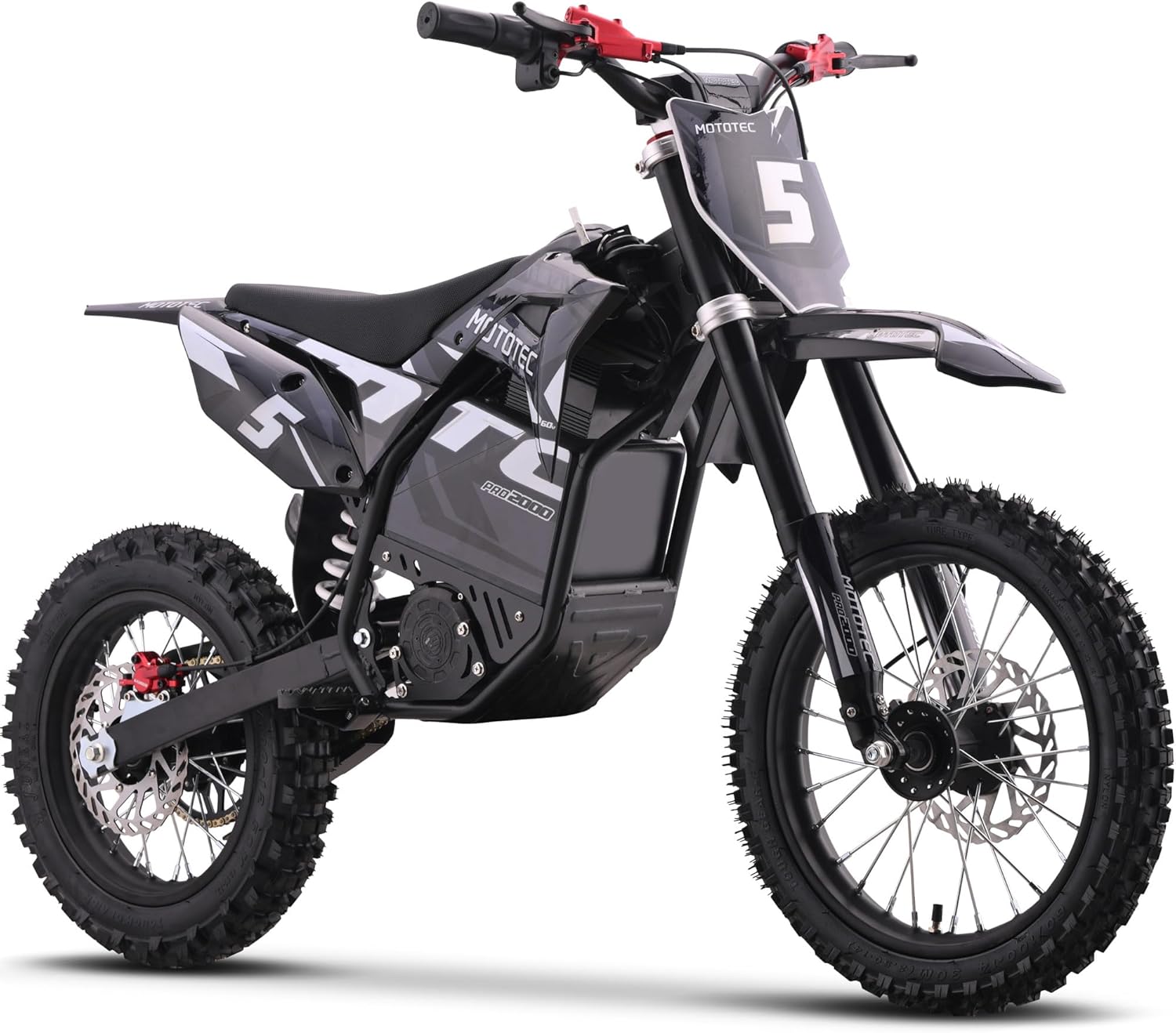
What to Look for When Buying an Electric Motorcycle
1. Budget & Price Range
Your budget is the foundation of your purchase decision—but it’s not just about the sticker price. Electric motorcycles come with significant long-term savings on fuel, maintenance, and insurance, which can offset a higher upfront cost. However, you still need to align your spending with realistic expectations.
Entry-level models typically start around $8,000–$12,000 and offer basic functionality: decent city range (60–100 miles), modest top speeds (60–80 mph), and essential safety features. Mid-range bikes ($15,000–$25,000) bring improved batteries, better suspension, faster charging, and more refined electronics. Premium models ($25,000+) deliver track-ready performance, advanced rider aids, premium materials, and brand prestige.
Don’t forget to factor in hidden costs: registration fees, potential home charging installation, gear (helmet, jacket, gloves), and optional accessories like luggage racks or heated grips. Also consider resale value—some brands hold their worth better than others due to reliability and brand loyalty.
2. Performance Specifications
Performance in electric motorcycles is measured differently than in gas bikes—but it’s just as critical. Key metrics include:
– Range: How far you can go on a single charge. Real-world range varies based on speed, terrain, rider weight, and weather. Always look for EPA-estimated or independent test results, not just manufacturer claims.
– Motor Power (kW or hp): Electric motors deliver peak torque instantly. A 30–50 kW motor is sufficient for city commuting; 70+ kW suits highway and sport riding.
– Top Speed: Most commuter e-motorcycles cap at 70–90 mph, while performance models exceed 120 mph.
– Acceleration (0–60 mph): Many electric bikes hit 60 mph in under 4 seconds—faster than most sport bikes—thanks to instant torque delivery.
– Charging Time: Level 1 (standard outlet) can take 8–12 hours; Level 2 (240V home charger) reduces this to 2–4 hours; DC fast charging (where available) can add 80% charge in under an hour.
Ask yourself: Will you be riding mostly in stop-and-go traffic, cruising highways, or exploring backroads? Your answer dictates the performance profile you need.
3. Battery Technology & Charging Infrastructure
The battery is the heart of any electric motorcycle. Lithium-ion remains the standard, but advancements in energy density, thermal management, and longevity are accelerating.
Look for batteries with:
– High kWh capacity (e.g., 10–20+ kWh for long-range models)
– Warranty coverage (typically 5–8 years or 10,000–20,000 miles)
– Removable or swappable options (useful for apartment dwellers without home charging)
– Fast-charging compatibility (CCS or CHAdeMO standards)
Charging infrastructure is improving but remains uneven. Urban riders often have access to public stations, while rural riders may rely solely on home charging. Check apps like PlugShare or ChargePoint to map nearby chargers along your regular routes. If you plan long-distance touring, ensure your bike supports DC fast charging and that compatible networks (like Electrify America) cover your travel corridors.
4. Build Quality & Durability
Electric motorcycles eliminate many moving parts (no engine, transmission, or exhaust), which reduces mechanical wear—but that doesn’t mean they’re immune to issues. Frame construction, suspension quality, brake systems, and weather sealing all impact longevity.
Premium brands use aircraft-grade aluminum frames, inverted forks, and radial-mount brakes. Waterproof connectors, sealed electronics, and corrosion-resistant finishes are essential if you ride in rain or snow. Check for IP ratings (Ingress Protection)—IP67 means dust-tight and protected against immersion in water up to 1 meter.
Also consider serviceability. Can you easily access the battery or motor for diagnostics? Are replacement parts readily available? Some boutique brands offer excellent performance but limited dealer networks, making repairs difficult outside major cities.
5. Features & Functionality
Modern electric motorcycles pack impressive tech suites. Beyond basic ride modes (Eco, Sport, Rain), look for:
– Regenerative braking: Recovers energy during deceleration, extending range.
– Smartphone integration: Apps for ride tracking, GPS navigation, remote diagnostics, and anti-theft alerts.
– TFT displays: High-resolution screens with customizable layouts, turn-by-turn directions, and connectivity status.
– Rider aids: Traction control, cornering ABS, wheelie control, and adaptive cruise control (on select models).
– Keyless ignition & biometric access: Found on high-end models for added convenience and security.
While these features enhance the experience, avoid “feature bloat.” Focus on what you’ll actually use. A minimalist commuter doesn’t need a 10-inch touchscreen, but a tourer might appreciate integrated navigation and heated grips.
6. Brand Reputation & Ecosystem
Not all electric motorcycle brands are created equal. Established players like Zero and Energica have years of real-world data, robust dealer networks, and proven reliability. Newer entrants may offer innovative designs but lack long-term track records.
Research:
– Customer satisfaction ratings (J.D. Power, Consumer Reports, owner forums)
– Dealer availability in your area
– Software update frequency (firmware improvements can enhance performance over time)
– Community support (active user groups, third-party accessories)
A strong brand ecosystem also means better access to service, parts, and firmware updates—critical for maintaining performance and resale value.
7. Warranty & Support
Warranties vary widely. Most cover the frame for 2–3 years, the battery for 5–8 years, and the motor for 2–5 years. Some brands offer extended warranties or battery health guarantees (e.g., “80% capacity after 8 years”).
Read the fine print: Does the warranty require annual servicing at authorized dealers? Are software updates included? What’s the process for battery replacement if it degrades prematurely?
Customer support matters too. Can you reach a human quickly? Are technicians trained specifically on electric drivetrains? A 24/7 helpline or roadside assistance program adds valuable peace of mind.
8. Size, Weight & Ergonomics
Electric motorcycles can be heavier than gas bikes due to battery weight—often 400–600 lbs fully loaded. This affects low-speed maneuverability and parking stability.
Consider:
– Seat height: Can you flat-foot it at stops? Taller riders may prefer higher seats; shorter riders should look for low-slung designs.
– Weight distribution: Centralized batteries improve handling, but excess rear weight can make steering sluggish.
– Riding position: Sport bikes lean forward; cruisers offer relaxed postures; adventure models provide upright seating.
Test rides are invaluable. Even if you buy online, visit a dealer to sit on the bike and assess comfort, reach to controls, and overall fit.
Different Types of Electric Motorcycles

Common Buying Mistakes to Avoid
❌ Mistake: Focusing Only on Range
Why it’s bad: While range is important, fixating on the highest number can lead you to overpay for capability you don’t need. A 200-mile range is excessive for a 15-mile daily commute.
What to do instead: Calculate your typical daily mileage and add a 20–30% buffer for safety. Most urban riders get by comfortably with 80–120 miles of real-world range.
❌ Mistake: Ignoring Charging Practicality
Why it’s bad: Buying a bike with fast-charging capability is useless if you can’t access those chargers where you live or ride.
What to do instead: Audit your charging options before purchasing. Can you install a Level 2 charger at home? Are there reliable public stations along your routes?
❌ Mistake: Overlooking Total Cost of Ownership
Why it’s bad: A cheaper bike might seem like a bargain until you factor in poor reliability, expensive repairs, or rapid battery degradation.
What to do instead: Compare not just purchase price, but also maintenance costs, insurance rates, battery warranty terms, and expected lifespan.
❌ Mistake: Skipping the Test Ride
Why it’s bad: Electric motorcycles feel radically different from gas bikes—instant throttle response, no clutch, regenerative braking. What looks good on paper may feel unnerving in practice.
What to do instead: Always request a test ride, even if buying online. Many dealers offer demo days or rental programs.
❌ Mistake: Choosing Based on Looks Alone
Why it’s bad: Sleek designs can hide poor ergonomics, weak suspension, or inadequate cooling—leading to discomfort or mechanical issues.
What to do instead: Prioritize function over form. A less flashy bike that fits your body and riding style will bring more long-term satisfaction.
❌ Mistake: Neglecting Software & Updates
Why it’s bad: Many electric motorcycles rely on software for performance tuning, safety features, and bug fixes. Brands that abandon updates leave riders stranded with outdated systems.
What to do instead: Research the brand’s update history. Do they release regular firmware improvements? Is the app stable and feature-rich?
❌ Mistake: Assuming All EVs Are Low-Maintenance
Why it’s bad: While e-motorcycles have fewer mechanical parts, they still require tire rotations, brake fluid changes, suspension servicing, and battery health checks.
What to do instead: Review the maintenance schedule and factor in service costs. Some brands offer prepaid maintenance plans.
Budget Guidelines: How Much Should You Spend?
– Entry-Level ($8,000–$15,000): Ideal for new riders or budget-conscious commuters. Expect modest range (60–100 miles), basic electronics, and simpler builds. Examples: Super Soco TC Max, NIU NQi GT. Great for city use but limited on highways or long trips.
– Mid-Range ($15,000–$25,000): The sweet spot for most buyers. These bikes balance performance, range (100–150 miles), and features like TFT displays, multiple ride modes, and decent charging speeds. Examples: Zero SR/F, Cake Kalk&. Suitable for mixed urban/highway use and weekend adventures.
– Premium ($25,000–$35,000): For enthusiasts who want top-tier performance, build quality, and technology. Expect 150+ mile ranges, sub-4-second acceleration, advanced rider aids, and premium materials. Examples: Energica Experia, Harley-Davidson LiveWire ONE. Perfect for touring, sport riding, or as a second vehicle.
– Luxury ($35,000+): Cutting-edge innovation with bespoke design, ultra-fast charging, and concierge-level support. Examples: Damon Hypersport Premier, Verge TS Ultra. These are statement pieces—ideal for collectors, tech lovers, or those who prioritize exclusivity.
Expert Tips for Getting the Best Deal
– Time your purchase strategically: End-of-year clearance events (Q4) and new model year launches (spring) often bring discounts on outgoing models.
– Negotiate beyond price: Ask for free accessories (phone mounts, charging cables), extended warranties, or complimentary service packages.
– Buy where service exists: Even if a bike is cheaper online, purchasing from a local dealer ensures easier maintenance and warranty support.
– Check for demo units: Dealers often sell lightly used demo bikes at reduced prices with full warranty coverage.
– Leverage trade-ins: Some dealers accept gas motorcycles as trade-ins toward electric models—even if they’re not running.
– Read the return policy: Ensure you can return or exchange within 7–14 days if the bike doesn’t meet expectations.
– Join owner communities: Forums like Electric Motorcycle Forum or Reddit’s r/electricmotorcycles offer insider deals, group buys, and firsthand reviews.
– Consider financing options: Many manufacturers offer low APR financing or lease programs that make premium models more accessible.
Frequently Asked Questions
Q: How long do electric motorcycle batteries last?
A: Most lithium-ion batteries retain 80% of their original capacity after 5–8 years or 10,000–20,000 miles, depending on usage and care. Proper charging habits (avoiding 0% or 100% states regularly) can extend lifespan.
Q: Can I charge an electric motorcycle at home?
A: Yes! Most come with a standard Level 1 charger that plugs into a 120V outlet. For faster charging, install a 240V Level 2 charger—costs $500–$1,500 including installation.
Q: Are electric motorcycles safe?
A: Absolutely. They feature advanced braking systems, traction control, and often cornering ABS. Their lower center of gravity improves stability, though instant torque requires throttle discipline for new riders.
Q: Do electric motorcycles require a special license?
A: In most U.S. states and countries, a standard motorcycle license is required if the bike exceeds 20 mph or 30 mph, depending on local laws. Check your DMV regulations.
Q: What happens if the battery dies on the road?
A: Unlike running out of gas, a dead battery leaves you stranded. Always monitor your charge level, plan routes with charging stops, and carry a portable charger if possible. Some brands offer roadside assistance.
Q: Are spare batteries available?
A: Some models (like certain Zero and Cake bikes) offer removable/swappable batteries, but compatibility is brand-specific. Swapping isn’t as widespread as hoped yet.
Q: How do they perform in cold weather?
A: Cold reduces range and charging speed. Preconditioning the battery (warming it while plugged in) and using heated gear helps. Look for bikes with thermal management systems.
Q: Can I modify or upgrade my electric motorcycle?
A: Software tweaks (via official apps) are common, but hardware modifications are limited. Tampering with the motor or battery may void your warranty.
Q: Are there insurance discounts for electric motorcycles?
A: Some insurers offer 5–15% discounts for EVs due to lower risk profiles and safety features. Shop around and mention your bike’s eco-friendly status.
Q: Will electric motorcycles replace gas bikes?
A: Not entirely—but they’ll dominate urban commuting and sport segments. Gas bikes will persist for long-distance touring and off-road niches until charging infrastructure catches up globally.
Our Final Recommendations
– Best for Budget-Conscious Buyers: Super Soco TC Max – At under $10,000, it offers 75+ miles of range, retro styling, and reliable performance for city riders. Great entry point with minimal compromise.
– Best Overall Value: Zero SR/F – Priced around $18,000–$22,000, it delivers 120+ miles of range, 70+ mph top speed, premium build quality, and Zero’s proven reliability. Perfect blend of performance and practicality.
– Best Premium Option: Energica Experia – With 150+ miles of range, DC fast charging, and Italian craftsmanship, this adventure-tourer ($30,000+) is ideal for riders who want luxury and capability.
– Best for Beginners: NIU NQi GT – Lightweight, easy to handle, and packed with smart features like app connectivity and anti-theft tracking. Affordable and approachable for new riders.
– Best for Advanced Users: Damon Hypersport Premier – At $45,000+, it’s a tech marvel with 200+ mile range, predictive safety systems, and adaptive ergonomics. For those who want the absolute cutting edge.
Conclusion: Making the Right Choice
Choosing the right electric motorcycle isn’t just about specs or style—it’s about aligning your ride with your life. Whether you’re dodging traffic in downtown LA, carving mountain roads in Colorado, or exploring desert trails in Utah, there’s an electric motorcycle built for your journey.
Remember: prioritize your real-world needs over marketing hype. Test ride whenever possible, research ownership costs, and don’t underestimate the value of strong customer support. The best bike isn’t necessarily the fastest or most expensive—it’s the one that fits seamlessly into your routine, excites you every time you twist the throttle, and keeps you riding for years to come.
As battery tech improves and charging networks expand, electric motorcycles will only get better. But the right time to switch isn’t “someday”—it’s now. With this guide in hand, you’re equipped to make a confident, informed decision. So charge up, gear up, and embrace the silent revolution. Your perfect electric ride is waiting.