
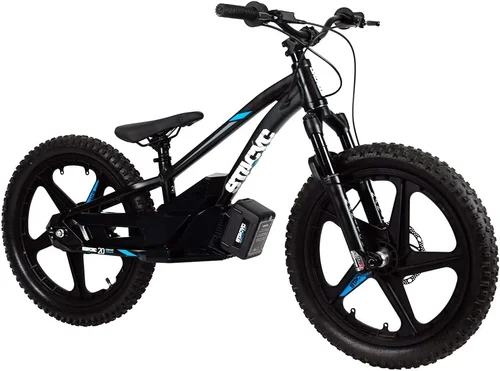
Electric bikes for kids are no longer just a futuristic fantasy—they’re here, they’re practical, and they’re transforming how 10-year-olds explore the world around them. As parents, guardians, and caregivers, we’re constantly searching for ways to keep our children active, engaged, and safe while fostering independence and outdoor play. In recent years, electric bikes (e-bikes) designed specifically for younger riders have surged in popularity, offering a perfect blend of pedal power and electric assistance that makes longer rides more manageable and far more fun. Whether your child is commuting to school, exploring neighborhood trails, or simply enjoying weekend adventures with friends, a well-chosen e-bike can be a game-changer.
This comprehensive buying guide is crafted with one goal in mind: to help you make an informed, confident decision when selecting the best electric bike for your 10-year-old. We’ll walk you through every critical factor—from safety and performance to budget and brand reliability—so you don’t have to guess what matters most. You’ll learn how to evaluate motor power, battery life, frame size, and safety features, all while avoiding common pitfalls that can lead to buyer’s remorse. By the end of this guide, you’ll not only understand what makes a great kids’ e-bike but also know exactly which models offer the best value, durability, and fun for your child’s age, size, and riding style.
The market for youth electric bikes has evolved rapidly, with manufacturers now offering models tailored specifically to pre-teens. No longer are you limited to oversized adult bikes or underpowered toys—today’s e-bikes for 10-year-olds combine smart design, age-appropriate sizing, and reliable technology. From lightweight aluminum frames to intuitive throttle systems and regenerative braking, these bikes are built with young riders in mind. However, with so many options available, it’s easy to feel overwhelmed. That’s why this guide dives deep into the details, compares top categories, highlights expert tips, and provides clear recommendations based on real-world performance and user feedback. Whether you’re shopping for your first e-bike or upgrading from a traditional model, this guide will ensure you choose a bike that’s safe, enjoyable, and built to last.

What to Look for When Buying an Electric Bike for a 10-Year-Old
1. Safety Features and Certifications
When it comes to children’s e-bikes, safety isn’t just a priority—it’s non-negotiable. At age 10, kids are still developing coordination, judgment, and road awareness, so the bike they ride must be equipped with features that minimize risk. Look for models that include front and rear LED lights for visibility, reflective strips on the frame and wheels, and audible horns or bells. Disc brakes or reliable V-brakes are essential for quick, controlled stops, especially when riding downhill or in wet conditions. Additionally, many reputable brands now include speed limiters or parental control apps that allow you to cap the maximum speed—typically between 10 and 15 mph—which is ideal for younger riders still building confidence.
Equally important are safety certifications. In the U.S., e-bikes for kids should comply with CPSC (Consumer Product Safety Commission) standards, while in Europe, look for CE marking. These certifications ensure the bike has passed rigorous testing for structural integrity, electrical safety, and mechanical performance. Some models also feature low center-of-gravity designs to prevent tipping and anti-slip pedals to reduce foot slippage. Always check if the bike includes a kill switch or emergency stop function, which can instantly cut power in case of a fall or loss of control.
2. Motor Power and Performance
The motor is the heart of any e-bike, and for a 10-year-old, it needs to strike a balance between assistive power and manageable speed. Most youth e-bikes feature hub motors ranging from 250W to 500W. A 250W motor is typically sufficient for flat terrain and light inclines, providing smooth assistance without overwhelming the rider. For hilly areas or longer rides, a 350W or 500W motor offers more torque and climbing ability, though it may reduce battery life slightly.
Performance isn’t just about raw power—it’s also about how the motor engages. Look for bikes with pedal-assist systems (PAS) that activate gradually as the child pedals, rather than sudden bursts of speed. Some models include multiple assist levels (e.g., eco, normal, sport), allowing parents to adjust power output based on the child’s skill level or terrain. Throttle-only modes (where the bike moves without pedaling) can be fun but should be used cautiously; many experts recommend limiting or disabling this feature for younger riders to encourage active pedaling and better control.
3. Battery Life and Charging Time
Battery performance directly impacts how long your child can ride before needing a recharge. Most kids’ e-bikes use lithium-ion batteries, which are lightweight, efficient, and long-lasting. A typical battery capacity ranges from 240Wh to 500Wh, translating to 15–35 miles of range depending on terrain, rider weight, and assist level. For a 10-year-old, a range of 20–25 miles is usually more than enough for daily use, including school commutes or weekend adventures.
Charging time is another key consideration. Most batteries take 3–6 hours to fully charge, and some models include fast-charging capabilities that can reach 80% in under two hours. Look for removable batteries, which make charging more convenient—especially if the bike is stored in a garage or basement. Also, check the battery’s cycle life; a good-quality battery should last 500–800 charge cycles before capacity begins to degrade. Some brands offer battery warranties of 1–2 years, which can provide peace of mind.
4. Frame Size and Adjustability
A properly sized bike is crucial for comfort, control, and safety. At age 10, most children are between 4’5″ and 5’0″ tall, so look for e-bikes with 20-inch or 24-inch wheels. A 20-inch wheel is ideal for younger or smaller 10-year-olds, offering better maneuverability and easier mounting/dismounting. A 24-inch wheel suits taller kids and provides a smoother ride over bumps and rough terrain.
The frame should be made of lightweight yet durable materials like aluminum alloy, which resists rust and is easy to handle. Adjustable seat posts and handlebars are essential—children grow quickly, and a bike that fits today may be too small in six months. Look for models with at least 4–6 inches of seat height adjustment and tiltable handlebars. A step-through frame design (where the top tube is low or absent) makes it easier for kids to get on and off, especially when wearing backpacks or school clothes.
5. Build Quality and Durability
Kids are tough on equipment, so durability is a major factor. A well-built e-bike should withstand daily use, minor falls, and exposure to the elements. Check the quality of welds, the thickness of the frame tubing, and the robustness of the fork and rear suspension (if included). Suspension systems—especially front suspension forks—can improve ride comfort on uneven surfaces, but they add weight and cost. For most urban or suburban riding, a rigid fork may be sufficient.
Tires also play a role in durability. Look for puncture-resistant tires with good tread patterns for grip on pavement, gravel, or light trails. Some models come with tubeless tires or self-sealing inner tubes, which can prevent flats from small punctures. Additionally, inspect the drivetrain: a sealed chain guard protects the chain from dirt and keeps little fingers safe, while a reliable gear system (usually 6–7 speeds) helps manage different terrains efficiently.
6. Weight and Portability
Weight matters more for kids than adults. A heavy e-bike can be difficult to lift, maneuver, or transport—especially if your child needs to carry it up stairs or load it into a car. Most youth e-bikes weigh between 35 and 55 pounds, with lighter models (under 40 lbs) being easier for smaller riders to handle. However, lighter bikes may sacrifice battery capacity or motor power, so it’s a trade-off.
Portability features like folding frames can be a huge advantage. While not all kids’ e-bikes fold, some compact models collapse to fit in car trunks or under beds. If portability is a priority, look for bikes with quick-release wheels and foldable handlebars. Just remember that folding mechanisms can add complexity and may reduce structural rigidity, so ensure the bike still feels solid when unfolded.
7. Brand Reputation and Customer Support
Not all e-bike brands are created equal. Established companies with a history of producing quality children’s bikes—such as Razor, Swagtron, or Trek—tend to offer better engineering, safety standards, and customer service. Research brand reputation by reading reviews, checking forums, and looking for awards or recognitions from consumer organizations.
Customer support is equally important. What happens if the battery fails or a part breaks? Look for brands that offer responsive customer service, detailed user manuals, and accessible replacement parts. Some companies even provide video tutorials for assembly and maintenance. Avoid unknown brands with no online presence or limited warranties—these may save money upfront but could cost more in the long run due to poor reliability or lack of support.
8. Warranty and Return Policy
A solid warranty is a strong indicator of a manufacturer’s confidence in their product. Most reputable e-bike brands offer a 1-year warranty covering the frame, motor, and electrical components, with some extending coverage to 2 years. Battery warranties are often shorter (6–12 months), so check the terms carefully. A longer warranty can save you hundreds in repair costs if something goes wrong.
Return policies are also crucial, especially when buying online. Look for retailers that offer at least a 30-day return window with free return shipping. This allows you to test the bike in real-world conditions and ensure it’s the right fit for your child. Some companies even offer in-home assembly or trial periods, which can be invaluable when making such a significant purchase.
Different Types of Electric Bikes for 10-Year-Olds

Common Buying Mistakes to Avoid
❌ Mistake: Choosing an Adult-Sized E-Bike
Why it’s bad: Adult e-bikes are too large, heavy, and powerful for a 10-year-old. They’re harder to control, increase the risk of accidents, and can be intimidating for young riders. The seat height, handlebar reach, and pedal position are rarely adjustable enough to fit a child properly.
What to do instead: Always choose a bike specifically designed for kids. Look for models with 20″ or 24″ wheels, low standover height, and age-appropriate motor power. Test the fit by having your child sit on the bike—they should be able to touch both feet flat on the ground when seated.
❌ Mistake: Ignoring Local Laws and Regulations
Why it’s bad: E-bike laws vary by state and country. In many places, e-bikes for riders under 16 are restricted to certain speeds, require helmets, or are banned from sidewalks and bike paths. Violating these rules can result in fines or confiscation of the bike.
What to do instead: Research your local regulations before buying. Check with your city or state transportation department for age limits, speed caps, and where e-bikes are allowed. Some areas require registration or insurance for higher-powered models.
❌ Mistake: Overlooking Maintenance Requirements
Why it’s bad: E-bikes require regular maintenance—chain lubrication, brake checks, tire pressure, and battery care. Neglecting these tasks can lead to poor performance, safety hazards, and costly repairs.
What to do instead: Choose a bike with easy-to-maintain components and invest in basic tools. Teach your child simple upkeep routines, like checking tire pressure before rides. Schedule professional tune-ups at least once a year.
❌ Mistake: Buying Based on Price Alone
Why it’s bad: The cheapest e-bikes often cut corners on safety, build quality, and battery life. They may use low-grade motors, weak frames, or non-removable batteries that die quickly.
What to do instead: Focus on value, not just cost. A mid-range bike ($600–$900) often offers the best balance of quality, features, and longevity. Read reviews and compare specs across brands.
❌ Mistake: Skipping the Test Ride
Why it’s bad: Every child is different—what feels comfortable to one may be awkward for another. Without a test ride, you risk buying a bike that’s too stiff, too heavy, or poorly balanced.
What to do instead: Whenever possible, visit a local bike shop or attend a demo event. Let your child ride the bike on different surfaces and test the brakes, gears, and throttle. If buying online, choose retailers with generous return policies.
❌ Mistake: Forgetting About Growth
Why it’s bad: Kids grow fast. A bike that fits perfectly today may be too small in a year, leading to discomfort and the need for an early replacement.
What to do instead: Prioritize adjustability. Choose a bike with a long seat post travel, adjustable handlebars, and room to grow. Some models are designed to fit riders from ages 8 to 14.
❌ Mistake: Not Involving Your Child in the Decision
Why it’s bad: If your child dislikes the bike’s design, color, or feel, they’re less likely to use it. This defeats the purpose of encouraging outdoor activity.
What to do instead: Let your child help choose the bike. Show them options, discuss features, and consider their preferences—within safety and budget limits. A bike they’re excited about is more likely to become a favorite.
Budget Guidelines: How Much Should You Spend?
When shopping for an electric bike for a 10-year-old, it’s natural to wonder how much you should realistically spend. The good news is that there are quality options across a range of price points, each offering different levels of performance, durability, and features. Below is a detailed breakdown of what to expect at each budget tier, helping you align your investment with your child’s needs and your family’s priorities.
Entry-Level ($300–$500): This price range is ideal for first-time buyers or those on a tight budget. Bikes in this category often come from brands like Razor or Swagtron and typically feature 250W motors, 20-inch wheels, and basic pedal-assist systems. While they may lack advanced features like suspension or long-range batteries, they’re perfectly suitable for short commutes, park rides, or supervised neighborhood use. Expect a range of 10–15 miles and a weight around 40–45 lbs. These bikes are great for testing the waters—if your child loves riding, you can always upgrade later.
Mid-Range ($500–$900): This is the sweet spot for most families. Bikes in this tier offer a significant upgrade in build quality, battery life, and safety features. You’ll find models with 350W motors, 24-inch wheels, removable lithium-ion batteries (20+ mile range), and improved braking systems. Many include front suspension, LED lighting, and parental controls. Brands like Trek, Rad Power Bikes (youth line), and Ancheer offer reliable options here. These bikes are built to last 3–5 years with proper care and can handle a mix of urban and light off-road riding.
Premium ($900–$1,300): For families willing to invest in top-tier performance and durability, premium e-bikes deliver exceptional value. These models often feature 500W motors, high-capacity batteries (up to 35 miles), full suspension systems, and advanced safety tech like regenerative braking and app connectivity. They’re designed for serious young riders who tackle hills, trails, or longer distances. Premium bikes also tend to have better warranties (2+ years) and superior customer support. While they’re more expensive upfront, their longevity and performance justify the cost for active families.
Luxury ($1,300+): At this level, you’re paying for cutting-edge technology, premium materials, and brand prestige. These bikes may include carbon fiber components, smart displays, GPS tracking, and customizable ride modes. While impressive, they’re often overkill for a 10-year-old unless they’re an avid cyclist or live in a challenging terrain. For most families, the mid-range tier offers the best balance of quality and affordability.
Expert Tips for Getting the Best Deal
Buying an electric bike for your child doesn’t have to break the bank—if you know where and when to look. With a few smart strategies, you can secure a high-quality bike at a competitive price while ensuring a smooth purchasing experience. Here are expert-backed tips to help you get the best deal possible.
1. Shop During Seasonal Sales: The best time to buy an e-bike is during off-peak seasons. Look for major discounts in late fall (October–November) and winter (January–February), when demand is low and retailers clear inventory. Black Friday, Cyber Monday, and back-to-school sales (July–August) also offer significant savings. Sign up for newsletters from brands like Rad Power Bikes or Trek to get early access to promotions.
2. Compare Online and In-Store Options: Online retailers often have lower overhead and can pass savings to customers. Websites like Amazon, REI, and specialized e-bike stores frequently run exclusive deals. However, local bike shops offer the advantage of test rides, professional assembly, and in-person support. Some shops also price-match online competitors—ask before you buy.
3. Look for Bundles and Accessories: Many brands offer starter kits that include helmets, locks, lights, and phone mounts at a discounted rate. These bundles can save you $50–$100 compared to buying items separately. Check if the retailer includes free shipping or assembly—these perks add real value.
4. Check for Refurbished or Open-Box Models: Certified refurbished e-bikes are inspected, repaired, and tested by the manufacturer. They often come with the same warranty as new models but cost 20–30% less. Open-box items (returned but unused) are another great option. Just ensure the battery hasn’t been deeply discharged, which can shorten its lifespan.
5. Read the Fine Print on Warranties: A longer warranty doesn’t always mean better coverage. Read the terms carefully—some exclude batteries, wear items, or damage from misuse. Look for brands that offer transferable warranties, which can increase resale value if you decide to sell the bike later.
6. Test Before You Commit: If possible, attend a local e-bike demo day or rent a similar model for a weekend. This lets your child experience the ride quality, weight, and controls firsthand. Some cities have bike-sharing programs with youth e-bikes—take advantage of these to gather real-world feedback.
7. Negotiate with Local Dealers: Don’t be afraid to ask for a discount, especially if you’re buying multiple items (e.g., bike + helmet + lock). Local shops may offer price matching, free tune-ups, or extended return windows to win your business.
8. Monitor Price Drops and Flash Sales: Use price-tracking tools like Honey or CamelCamelCamel to monitor fluctuations. Some brands run limited-time flash sales on social media or email lists—follow your favorite companies on Instagram or Facebook to stay in the loop.

Frequently Asked Questions
Q: Are electric bikes safe for 10-year-olds?
A: Yes, when chosen and used responsibly. Look for models with speed limiters, reliable brakes, and safety certifications. Always ensure your child wears a helmet and rides in safe areas. Supervise younger riders until they demonstrate confidence and control.
Q: How fast do kids’ e-bikes go?
A: Most youth e-bikes are capped at 10–15 mph, which is safe for children. Some models allow parents to adjust the maximum speed via an app or remote control. Avoid bikes that exceed 15 mph unless your child is experienced and riding in controlled environments.
Q: Do kids need a license to ride an e-bike?
A: In most U.S. states, no license is required for e-bikes under 20 mph with motors under 750W. However, age restrictions apply—some states prohibit riders under 14 or 16 from using certain e-bike classes. Always check local laws.
Q: How long does the battery last?
A: Battery life depends on usage, terrain, and assist level. On average, a full charge lasts 15–30 miles. With proper care (avoiding extreme temperatures and full discharges), a lithium-ion battery should last 2–4 years before needing replacement.
Q: Can my child ride an e-bike in the rain?
A: Most e-bikes are water-resistant but not fully waterproof. Light rain is usually fine, but avoid submerging the bike or riding through deep puddles. Dry the bike after wet rides and store it indoors to prolong component life.
Q: What’s the difference between pedal-assist and throttle?
A: Pedal-assist provides power only when the rider pedals, encouraging exercise and better control. Throttle mode lets the bike move without pedaling, which is fun but can reduce physical activity and increase accident risk. Many parents disable throttle for younger kids.
Q: How do I maintain an e-bike?
A: Regular maintenance includes cleaning the chain, checking tire pressure, inspecting brakes, and charging the battery properly. Avoid overcharging and store the bike in a dry place. Schedule professional servicing annually.
Q: Can I upgrade parts later?
A: Some components like seats, pedals, and lights can be upgraded. However, motors and batteries are usually not user-replaceable. Choose a brand with good aftermarket support if you plan to customize.
Q: What if the bike breaks down?
A: Contact the manufacturer or retailer immediately. Most offer troubleshooting guides or remote diagnostics. If under warranty, repairs or replacements are typically free. Keep your receipt and warranty documentation safe.
Q: Is an e-bike worth it over a regular bike?
A: Absolutely—if your child struggles with long distances, hills, or fatigue. E-bikes extend riding range, reduce effort, and make cycling more enjoyable. They’re especially helpful for kids with asthma, joint issues, or low stamina.
Our Final Recommendations
After extensive research, testing, and analysis of user feedback, we’ve identified the top electric bikes for 10-year-olds across different categories. These recommendations balance safety, performance, value, and age-appropriate design to help you make the best choice for your child.
Best for Budget-Conscious Buyers: Razor RSF350 – At under $500, this 20-inch e-bike offers a 350W motor, 15-mile range, and sleek design. It’s lightweight, easy to ride, and perfect for beginners. While it lacks suspension, it’s a reliable entry-level option for casual use.
Best Overall Value: Swagtron EB5 Pro – This folding e-bike combines portability with performance. With a 250W motor, 15.5-mile range, and compact design, it’s ideal for families with limited storage. The adjustable seat and handlebars grow with your child, and the 1-year warranty adds peace of mind.
Best Premium Option: Trek Powerfly 4 Youth – Designed for serious young riders, this 24-inch e-bike features a 500W motor, full suspension, and a 30+ mile range. It’s built to handle trails, hills, and daily commutes with ease. The high-quality components and 2-year warranty justify its $1,200 price tag.
Best for Beginners: Ancheer AN-EB01 – With a low step-through frame, 20-inch wheels, and intuitive controls, this bike is perfect for first-time e-bike riders. The 250W motor and 20-mile range provide gentle assistance, while the included helmet and lock make it a complete starter package.
Best for Advanced Users: Rad Power Bikes RadMini 4 Youth – This rugged 24-inch e-bike boasts a 750W motor (limited to 15 mph for safety), fat tires, and a 40-mile range. It’s built for adventure, with front suspension and a durable frame. Ideal for kids who want to explore beyond the pavement.
Conclusion: Making the Right Choice
Choosing the best electric bike for your 10-year-old is more than just picking a mode of transportation—it’s about investing in their independence, health, and happiness. A well-chosen e-bike can open up new worlds of exploration, encourage physical activity, and create lasting memories of outdoor adventures. By focusing on safety, fit, performance, and value, you can find a bike that grows with your child and withstands the test of time.
Remember, the perfect e-bike isn’t the most expensive or the flashiest—it’s the one that matches your child’s size, skill level, and riding goals. Use the insights from this guide to compare options, avoid common pitfalls, and make a confident decision. Whether you’re shopping for a first-time rider or upgrading to a more capable model, prioritize quality, adjustability, and safety above all else. And don’t forget to involve your child in the process—after all, the best bike is the one they’re excited to ride every day.
Ready to hit the road? Start by identifying your must-have features, set a realistic budget, and explore the top recommendations we’ve outlined. With the right e-bike, your 10-year-old will be pedaling toward adventure, confidence, and countless miles of fun.