
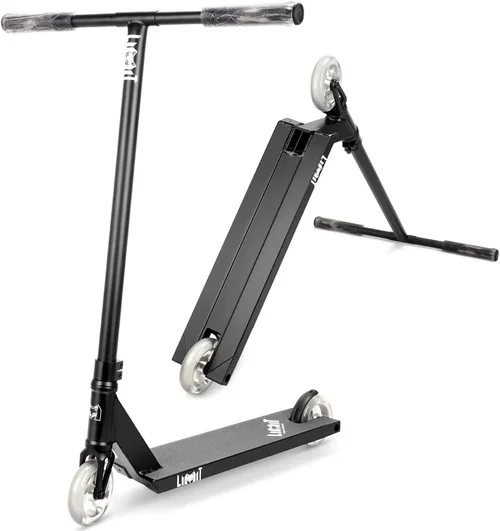
Motor scooters have evolved far beyond their humble beginnings as simple urban runabouts. In 2026, they’re smarter, faster, more efficient, and more accessible than ever—offering a compelling alternative to cars, public transit, and even bicycles for daily commuting, weekend adventures, or eco-conscious travel. Whether you’re navigating congested city streets, zipping through college campuses, or simply looking for a fun and affordable way to get around, the right motor scooter can transform your mobility experience. But with dozens of brands, hundreds of models, and a dizzying array of features, specs, and price points, choosing the best one for your needs can feel overwhelming.
That’s exactly why this comprehensive buying guide exists. We’ve spent months researching, testing, and analyzing the latest motor scooters on the market to bring you an expert-level breakdown of what truly matters when making this important purchase. You’ll learn how to evaluate performance, build quality, safety, value, and usability—not just based on flashy marketing claims, but on real-world performance and long-term reliability. From budget-friendly entry-level models to high-performance electric beasts, we’ll help you cut through the noise and find the scooter that fits your lifestyle, budget, and riding goals.
The motor scooter market in 2026 is more dynamic than ever. Electric models dominate thanks to advances in battery technology, instant torque delivery, and falling production costs. Traditional gas-powered scooters still hold ground in certain niches—especially for longer-range or rural use—but electrics are rapidly gaining market share due to their lower operating costs, minimal maintenance, and environmental benefits. Meanwhile, smart features like app connectivity, regenerative braking, LED lighting, and anti-theft systems are becoming standard even on mid-tier models. With so many options available, the key isn’t just finding “the best” scooter—it’s finding your best scooter.

What to Look for When Buying a Motor Scooter
1. Budget & Price Range
Your budget is the single most important starting point. Motor scooters span an enormous price spectrum—from under $300 for basic electric kick scooters to over $5,000 for premium maxi-scooters with car-like features. Setting a realistic budget upfront prevents overspending and helps narrow your options significantly. However, don’t just focus on the sticker price: consider total cost of ownership, including insurance (if required), maintenance, charging/fuel costs, and potential accessories like helmets, locks, or storage bags.
A common mistake is opting for the cheapest model available, only to discover it lacks essential features like adequate range, reliable brakes, or weather resistance. Conversely, splurging on a high-end model with features you’ll never use is equally wasteful. Aim for the sweet spot where price aligns with your actual needs. For most urban commuters, a scooter in the $800–$1,500 range offers the best balance of performance, durability, and value.
2. Performance Specifications
Performance isn’t just about top speed—it’s a combination of motor power, acceleration, range, hill-climbing ability, and braking efficiency. For electric scooters, motor power is typically measured in watts (W), with 250W to 500W suitable for flat urban riding, 500W to 1,000W for moderate hills, and 1,000W+ for aggressive performance or heavier riders. Gas scooters are rated in cubic centimeters (cc), where 50cc models are slow but fuel-efficient, while 150cc–300cc models offer car-like speeds.
Range is equally critical. Electric scooters usually advertise ranges between 15 and 60 miles per charge, but real-world range depends heavily on rider weight, terrain, speed, and weather. A scooter claiming “40-mile range” might only deliver 25 miles if you’re riding uphill at full throttle. Always check independent test results or user reviews for realistic range estimates.
Acceleration matters too—especially in traffic. Look for scooters with responsive throttle control and strong low-end torque (a hallmark of good electric motors). Finally, never overlook braking: disc brakes (front and/or rear) are vastly superior to drum or foot brakes, especially in wet conditions or emergency stops.
3. Build Quality & Durability
A scooter is only as good as its construction. Cheap plastic bodies, flimsy frames, and poorly sealed electronics may save money upfront but lead to frequent repairs, safety issues, and premature failure. Look for scooters with aluminum or reinforced steel frames, IP-rated water resistance (IP54 or higher is ideal), and quality components from reputable suppliers.
Pay attention to细节 like weld quality, bolt tightness, cable routing, and switch durability. Test the suspension (if equipped)—even basic spring or hydraulic suspension makes a huge difference on rough roads. For electric models, check the battery enclosure: is it securely mounted? Is there ventilation to prevent overheating? Gas scooters should have sturdy exhaust systems and well-sealed carburetors or fuel injection.
Durability also extends to tires. Pneumatic (air-filled) tires offer better shock absorption and grip than solid rubber, but they’re prone to punctures. Some newer models use honeycomb or foam-filled tires as a compromise. If you ride daily or in areas with debris, pneumatic tires with puncture-resistant liners are worth the extra maintenance.
4. Features & Functionality
Modern scooters come packed with features that enhance safety, convenience, and usability. Essential features include bright LED headlights and taillights, turn signals (increasingly common even on budget models), and a clear, readable dashboard or display. For electric scooters, a digital display showing speed, battery level, trip distance, and riding mode is standard on mid-range and up.
Smart features are becoming mainstream. Many 2026 models offer Bluetooth connectivity via companion apps that allow you to track rides, lock/unlock the scooter, adjust power modes, monitor battery health, and even locate your scooter if stolen. Regenerative braking—which recaptures energy during deceleration to extend range—is now found on most electric scooters above $600.
Storage is another often-overlooked feature. Under-seat compartments, front baskets, or rear racks can make a scooter far more practical for errands or commuting. Similarly, consider ease of folding (for portability) and weight—if you need to carry it upstairs or onto public transit, anything over 35 pounds becomes cumbersome.
5. Brand Reputation & Reliability
Not all scooter brands are created equal. Established names like Vespa, Honda, Yamaha, and Piaggio have decades of engineering experience and global service networks. In the electric space, brands like Segway-Ninebot, Dualtron, Apollo, and Gotrax have built strong reputations for innovation and reliability.
Research brand history: How long have they been making scooters? Do they specialize in electrics or gas? Check customer service reviews—responsive support can save you weeks of frustration if something goes wrong. Avoid obscure brands with no online presence, vague warranties, or inconsistent product quality. A reputable brand may cost slightly more, but it often means better build quality, longer lifespan, and easier access to parts and service.
Also consider regional availability. A scooter popular in Europe may be hard to service in North America, and vice versa. Stick to brands with local dealers or certified repair centers unless you’re comfortable doing your own maintenance.
6. Warranty & Support
A solid warranty is a strong indicator of a manufacturer’s confidence in their product. Most reputable scooter brands offer at least a 1-year warranty, with premium models sometimes extending to 2–3 years. Pay close attention to what’s covered: does it include the motor, battery, controller, and frame? Or only cosmetic defects?
Battery warranties are especially important for electric scooters. Lithium-ion batteries degrade over time, and replacement can cost $200–$500. Look for warranties that cover battery capacity loss (e.g., “guaranteed to retain 70% capacity after 500 cycles”). Avoid brands that offer only 90-day warranties or exclude key components.
Customer support matters too. Can you reach a human being quickly? Are replacement parts readily available? Do they offer repair guides or video tutorials? A good warranty is useless if you can’t get help when you need it.
7. Size & Portability
Size affects everything from maneuverability to storage. Full-size scooters (like maxi-scooters) offer comfort and stability but are heavy and hard to store in small apartments. Compact or folding models sacrifice some comfort for portability—ideal for students, office workers, or multi-modal commuters who combine scooting with buses or trains.
Consider wheel size: smaller wheels (8–10 inches) are more agile but less stable on rough surfaces; larger wheels (12–16 inches) provide better ride quality and obstacle clearance. Weight distribution also matters—a well-balanced scooter feels more stable and easier to control.
If you plan to travel with your scooter, check airline policies. Most airlines allow folding electric scooters under 300Wh battery capacity in carry-on or checked baggage, but larger models may be restricted.
8. User Reviews & Real-World Feedback
Spec sheets tell part of the story—real user experiences tell the rest. Read verified purchase reviews on retailer sites, watch YouTube ride tests, and join scooter forums or Facebook groups. Look for patterns: do multiple users report the same issue (e.g., battery drain, brake failure)? Are complaints about customer service widespread?
Be wary of overly positive reviews that read like marketing copy—they’re often fake. Instead, focus on detailed, balanced reviews that mention both pros and cons. Pay special attention to long-term owners (6+ months) who can speak to durability and reliability.
Different Types of Motor Scooters

Common Buying Mistakes to Avoid
❌ Mistake: Ignoring Local Laws and Regulations
Why it’s bad: Riding an illegal scooter can result in fines, impoundment, or even accidents due to mismatched road rules. Many cities restrict electric scooters to bike lanes or impose speed limits, while gas scooters often require registration and a motorcycle license.
What to do instead: Research your local Department of Motor Vehicles (DMV) or transportation authority guidelines before buying. Ensure your scooter complies with speed, power, lighting, and licensing requirements.
❌ Mistake: Prioritizing Top Speed Over Real-World Usability
Why it’s bad: A scooter that hits 45 mph sounds impressive, but if it can’t climb hills, has weak brakes, or dies after 10 miles, it’s impractical for daily use.
What to do instead: Focus on balanced performance—adequate speed for your route, sufficient range, reliable braking, and comfortable ride quality. Test ride if possible.
❌ Mistake: Overlooking Maintenance Requirements
Why it’s bad: Gas scooters need regular oil changes, belt replacements, and carb cleaning. Electric scooters require battery care, tire checks, and firmware updates. Neglect leads to breakdowns.
What to do instead: Choose a scooter with manageable maintenance needs for your skill level. Electric scooters generally require less upkeep, but don’t assume they’re “maintenance-free.”
❌ Mistake: Buying Based Solely on Price
Why it’s bad: The cheapest scooter often costs more in the long run due to repairs, short lifespan, or poor performance that forces an early upgrade.
What to do instead: Calculate total cost of ownership over 2–3 years, including energy/fuel, maintenance, and potential resale value. Invest in quality.
❌ Mistake: Skipping the Test Ride
Why it’s bad: Specs don’t reveal how a scooter feels—its balance, throttle response, seat comfort, or vibration levels. What looks great on paper may be unpleasant to ride.
What to do instead: Always test ride before buying, especially for mid-to-high-end models. If buying online, choose retailers with generous return policies.
❌ Mistake: Ignoring Safety Gear
Why it’s bad: Scooters offer minimal protection in collisions. Without a helmet, lights, and reflective gear, you’re at high risk in traffic.
What to do instead: Budget for a DOT/ECE-certified helmet, high-visibility clothing, and additional lighting. Safety gear is non-negotiable.
❌ Mistake: Assuming All “Eco-Friendly” Scooters Are Equal
Why it’s bad: Some budget electric scooters use low-quality batteries with high environmental impact and short lifespans, negating their green benefits.
What to do instead: Look for scooters with recyclable batteries, energy-efficient motors, and brands committed to sustainable manufacturing.
Budget Guidelines: How Much Should You Spend?
Entry-Level ($200 – $600): This tier includes basic electric kick scooters and ultra-compact models. Expect modest range (10–20 miles), limited speed (15–20 mph), and minimal features. Ideal for short, flat commutes or casual use. Build quality varies widely—stick to known brands like Gotrax or Segway for reliability.
Mid-Range ($600 – $1,500): The sweet spot for most buyers. These scooters offer 20–40 miles of range, speeds of 25–35 mph, better suspension, disc brakes, and smart features like app connectivity. Models like the Apollo City or Gotrax GXL V2 excel here. Great for daily commuting with occasional hills.
Premium ($1,500 – $3,500): For enthusiasts and serious commuters. Expect high-performance motors (800W–2,000W), long-range batteries (40–80 miles), premium suspension, dual disc brakes, and advanced tech like regenerative braking and GPS tracking. Brands like Dualtron and Nanrobot dominate this space.
Luxury ($3,500+): Top-tier maxi-scooters and hyper-performance electrics. These include car-like amenities: heated grips, large storage, full wind protection, cruise control, and premium audio systems. Models like the Yamaha XMAX 300 or Vespa GTS 300 offer unmatched comfort and style for long-distance or luxury-oriented riders.
Expert Tips for Getting the Best Deal
1. Time Your Purchase Strategically: Scooter sales peak during spring and summer, but the best deals often come in late fall or winter when demand drops. Black Friday, Cyber Monday, and end-of-year clearance events can yield 15–30% discounts.
2. Buy Direct from Manufacturers or Authorized Retailers: Avoid third-party sellers on marketplaces like Amazon unless they’re verified. Authorized dealers offer better warranties, genuine parts, and reliable support.
3. Look for Bundled Deals: Some brands offer packages including helmets, locks, or extended warranties at a discount. These can save $50–$150 compared to buying separately.
4. Consider Refurbished or Open-Box Models: Certified refurbished scooters from reputable sellers often come with full warranties and cost 20–40% less than new. Ideal for budget-conscious buyers.
5. Negotiate Add-Ons: If buying in-store, ask for free accessories or service packages. Many dealers will throw in a helmet or first tune-up to close the sale.
6. Check Return and Trial Policies: Opt for retailers offering at least a 14-day return window or a “test ride” program. This lets you evaluate the scooter risk-free.
7. Join Owner Communities: Forums and social media groups often share exclusive discount codes, flash sales, or group-buy opportunities.
8. Monitor Battery Technology Updates: New battery chemistries (like solid-state) may arrive soon. If you’re not in urgent need, waiting 6–12 months could get you better range and longevity.

Frequently Asked Questions
Q: Are electric scooters legal where I live?
A: Laws vary by city, state, and country. In the U.S., most states allow electric scooters under 20 mph on bike paths or roads, but some require helmets or restrict usage. Gas scooters often need registration and a license. Always check local DMV or transportation authority rules.
Q: How long do electric scooter batteries last?
A: Most lithium-ion batteries last 500–1,000 charge cycles before capacity drops to 70–80%. With daily use, that’s typically 2–4 years. Proper care—avoiding extreme temperatures and deep discharges—can extend lifespan.
Q: Can I ride a scooter in the rain?
A: Only if it has adequate water resistance (IP54 or higher). Avoid submerging it or riding through deep puddles. Gas scooters are generally more weather-resistant than budget electrics.
Q: Do I need insurance for my scooter?
A: It depends on your location and scooter type. Gas scooters above 50cc usually require liability insurance. Electric scooters under 20 mph often don’t, but check local laws—some cities mandate coverage.
Q: How fast can a 50cc gas scooter go?
A: Typically 30–40 mph, though modifications can increase speed. However, modified scooters may violate emissions or safety regulations.
Q: Can I take my electric scooter on a plane?
A: Most airlines allow folding electric scooters with batteries under 300Wh in checked or carry-on baggage. Larger batteries (up to 500Wh) may require airline approval. Always check with your carrier beforehand.
Q: What’s the difference between hub motors and belt-driven motors?
A: Hub motors are built into the wheel—simple, quiet, and low-maintenance but less efficient on hills. Belt-driven motors (common in gas scooters) offer better torque and serviceability but require periodic belt replacement.
Q: How much does it cost to charge an electric scooter?
A: Very little. A full charge typically uses 0.5–2 kWh, costing $0.06–$0.25 depending on local electricity rates. Over a year, that’s often less than $20.
Q: Are scooters safe for beginners?
A: Yes, with proper training and gear. Start with a lower-power model, practice in empty parking lots, and always wear a helmet. Avoid busy roads until confident.
Q: Can I upgrade my scooter’s battery or motor?
A: Some models allow upgrades, but it’s complex and may void warranties. Performance electrics like Dualtron offer modular designs, but most consumer scooters are not user-upgradable.
Our Final Recommendations
Best for Budget-Conscious Buyers: Gotrax GXL V2 – At under $600, it delivers reliable 25 mph speed, 20-mile range, and solid build quality. Perfect for students and short commuters who want value without sacrificing essentials.
Best Overall Value: Apollo City 2026 – Priced around $1,200, it offers 35 mph top speed, 40-mile range, dual suspension, and app connectivity. A near-perfect blend of performance, comfort, and features for daily urban use.
Best Premium Option: Dualtron Thunder 3 – With a 2,400W motor, 75-mile range, and top-tier components, this $2,800 beast handles any terrain. Ideal for enthusiasts who demand maximum performance.
Best for Beginners: Segway Ninebot MAX G30LP – User-friendly, stable, and packed with safety features like automatic headlights and regenerative braking. Its 40-mile range and 18.6 mph speed make it safe and practical for new riders.
Best for Advanced Users: Ninebot KickScooter GT2 – Dual motors, 62 mph top speed, 62-mile range, and carbon fiber construction. Built for thrill-seekers and long-distance riders who refuse to compromise.
Conclusion: Making the Right Choice
Choosing the best motor scooter isn’t about finding the fastest, flashiest, or most expensive model—it’s about matching the right tool to your unique needs, environment, and lifestyle. Whether you’re a college student navigating campus, a professional dodging traffic, or an eco-warrior reducing your carbon footprint, there’s a scooter designed for you. By focusing on key factors like budget, performance, build quality, and real-world usability—and avoiding common pitfalls—you’ll make a decision you won’t regret.
Remember: the best scooter is the one you’ll actually ride. Don’t get seduced by specs alone. Test ride when possible, read honest reviews, and prioritize safety and reliability over gimmicks. And once you’ve made your choice, invest in good gear and practice responsible riding. The open road (or bike lane) awaits—ride smart, ride safe, and enjoy the freedom that only a great scooter can deliver.