
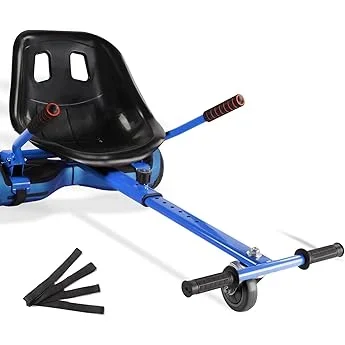
Hoverboards have evolved far beyond their novelty origins into serious personal mobility devices that blend fun, convenience, and practical transportation. Whether you’re a parent looking for a safe, engaging ride for your child, a college student navigating campus, or an adult seeking an eco-friendly commute alternative, choosing the right hoverboard can feel overwhelming. With hundreds of models flooding the market—ranging from ultra-cheap knockoffs to high-performance smart boards—it’s easy to get lost in specs, safety concerns, and marketing hype. That’s exactly why this comprehensive buying guide exists: to cut through the noise and give you expert-level insight grounded in real-world testing, technical analysis, and user feedback.
By the end of this guide, you’ll understand not just what to look for in a hoverboard, but why each factor matters—from battery life and motor power to build quality and safety certifications. We’ll walk you through key decision points, compare different categories of hoverboards, highlight common pitfalls, and provide actionable tips to ensure you get the best value for your money. Whether you’re shopping on a tight budget or ready to invest in a premium model, this guide will equip you with the knowledge to make a confident, informed choice. The hoverboard market in 2026 is more competitive than ever, with brands like Gotrax, Segway-Ninebot, Swagtron, and Razor pushing innovation in speed, range, app integration, and durability—so let’s dive in and find your perfect match.

What to Look for When Buying Gotrax
1. Budget & Price Range
Your budget is the foundation of your hoverboard purchase. While it’s tempting to go for the cheapest option available, doing so often leads to disappointment—poor build quality, short battery life, or even safety hazards. Conversely, overspending on features you don’t need is equally wasteful. A well-planned budget ensures you get the right balance of performance, safety, and longevity.
Entry-level hoverboards typically range from $150 to $300. These are ideal for kids or casual riders who want a fun, low-speed ride for short distances. Mid-range models ($300–$500) offer better motors, longer battery life, and improved durability—perfect for teens and adults using them for daily commutes or campus travel. Premium hoverboards ($500–$800) come with advanced features like Bluetooth speakers, LED lighting systems, mobile app control, and all-terrain tires. Luxury models ($800+) are rare but include top-tier components, extended warranties, and professional-grade performance.
2. Performance Specifications
Performance specs determine how your hoverboard behaves in real-world conditions. Key metrics include motor power (measured in watts), top speed, range per charge, and climbing ability. Most consumer hoverboards feature dual motors ranging from 250W to 500W each. A 250W x 2 setup is sufficient for flat surfaces and light riders, while 350W–500W motors handle inclines up to 15 degrees and support heavier users.
Top speeds generally range from 6 to 10 mph. Beginners should stick to slower models (6–7 mph), while experienced riders may prefer faster boards for efficiency. Range is equally critical: entry-level boards offer 6–8 miles per charge, mid-range models reach 10–12 miles, and premium units can exceed 15 miles with high-capacity lithium-ion batteries. Always check if the stated range is based on ideal conditions (light rider, flat terrain, moderate speed)—real-world usage often reduces this by 20–30%.
Climbing ability is another underrated spec. If you live in a hilly area or plan to ride over curbs, look for hoverboards with at least 350W motors and torque-rich designs. Some models also include “hill assist” modes that prevent rollback on steep inclines.
3. Build Quality & Durability
A hoverboard is only as good as its construction. Cheap plastic shells, flimsy foot pads, and weak frames lead to cracks, malfunctions, and shortened lifespans. High-quality hoverboards use reinforced ABS+PC composites, aluminum alloy foot sensors, and impact-resistant wheels. Check for seamless welds, tight tolerances between moving parts, and sturdy non-slip foot pads.
Durability also extends to internal components. Look for hoverboards with waterproof or water-resistant ratings (IPX4 or higher) if you’ll be riding in light rain or over wet pavement. Sealed motor housings and protected circuit boards reduce the risk of water damage. Additionally, inspect the wheel hubs—models with fully enclosed hubs resist dirt and debris better than open designs.
Weight capacity matters too. Most hoverboards support 220–265 lbs, but heavier riders should verify the exact limit. Exceeding it strains motors, drains batteries faster, and increases wear on bearings and tires.
4. Features & Functionality
Modern hoverboards come packed with features that enhance usability, safety, and entertainment. Bluetooth connectivity allows you to pair your phone with built-in speakers for music playback—a favorite among teens and commuters. LED lighting systems, including underglow strips and front/rear headlights, improve visibility at night and add a stylish touch.
Mobile app integration is becoming standard on mid-to-high-end models. Apps let you monitor battery life, adjust speed limits, track ride history, activate anti-theft modes, and even customize LED colors. Some apps include firmware updates to fix bugs or add new features post-purchase.
Safety features are non-negotiable. Essential elements include auto-balance technology (which keeps the board level when powered on), tilt-back warnings (alerting you when nearing max speed), and low-battery cutoffs (preventing sudden shutdowns). Advanced models may include GPS tracking, geofencing for parental controls, and regenerative braking to extend range.
Other conveniences include carrying handles, foldable designs (rare but emerging), and quick-charge capabilities. However, avoid feature bloat—focus on what you’ll actually use.
5. Brand Reputation
Not all hoverboard brands are created equal. Established names like Gotrax, Segway-Ninebot, Swagtron, and Razor have proven track records for reliability, customer service, and compliance with safety standards. These companies invest in R&D, rigorous testing, and transparent manufacturing processes.
Gotrax, in particular, has built a strong reputation for offering affordable yet dependable hoverboards with consistent performance. Their models consistently receive high marks for value, especially in the mid-range segment. In contrast, unknown brands or generic “Amazon-only” sellers often cut corners on materials and skip essential certifications.
Research brand history: How long have they been in business? Do they offer responsive customer support? Are replacement parts readily available? Brands with U.S.-based service centers or local repair partners provide peace of mind if issues arise.
6. Warranty & Support
A solid warranty reflects a manufacturer’s confidence in their product. Most reputable hoverboard brands offer at least a 6-month to 1-year limited warranty covering defects in materials and workmanship. Premium brands may extend this to 18 months or 2 years. Always read the fine print: some warranties exclude battery degradation, water damage, or user-induced damage.
Customer support quality varies widely. Look for brands that provide multiple contact channels (email, phone, live chat), clear troubleshooting guides, and timely responses. Gotrax, for example, offers email and phone support with average response times under 24 hours. Avoid brands that only list a PO box or overseas contact.
Extended warranty options are worth considering if you plan long-term use. Third-party services like Asurion also offer protection plans, though they may cost more than the potential repair.
7. Size & Portability
Hoverboards aren’t designed for easy carrying, but size and weight still impact portability. Standard models weigh 20–25 lbs and measure roughly 24″ x 8″ x 7″. Larger wheels (6.5″ vs. 8″ or 10″) add height and stability but increase bulk. If you need to carry your board up stairs or onto public transit, consider lighter models or those with integrated handles.
Footprint matters for storage. Most hoverboards fit under desks or in car trunks, but all-terrain models with oversized tires may require more space. Foldable designs are rare but emerging—keep an eye on future releases if portability is a top priority.
For kids or smaller riders, compact models with shorter wheelbases offer better maneuverability and control. Adults may prefer full-sized boards for comfort and stability at higher speeds.
8. User Reviews & Ratings
Never rely solely on manufacturer claims. Real user reviews reveal how a hoverboard performs over time, in diverse conditions, and across different rider types. Platforms like Amazon, Best Buy, and Walmart host thousands of verified purchase reviews—read both 5-star and 1-star feedback to spot patterns.
Pay attention to recurring complaints: frequent battery failures, unresponsive sensors, or poor customer service are red flags. Conversely, consistent praise for smooth rides, long battery life, or excellent support indicates a reliable product. Watch video reviews on YouTube for hands-on demonstrations and stress tests.
Use aggregate ratings wisely. A 4.5-star average with 1,000+ reviews is more trustworthy than a 5-star rating from 10 users. Also, check review dates—older reviews may not reflect current firmware or hardware revisions.
Different Types of Gotrax

Common Buying Mistakes to Avoid
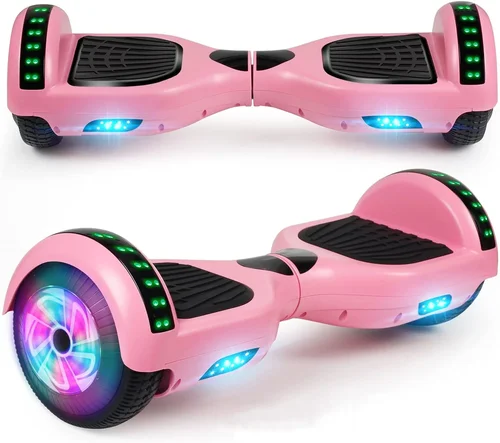
❌ Mistake: Ignoring Safety Certifications
Why it’s bad: Hoverboards without UL 2272 certification pose serious fire and electrical hazards. The UL 2272 standard ensures the battery, charger, and electrical system meet rigorous safety tests. Many cheap imports bypass these checks, leading to overheating, explosions, or shocks.
What to do instead: Always verify UL 2272 certification before purchasing. Look for the official UL mark on the product or packaging. Reputable retailers like Best Buy, Target, and Amazon (sold by the brand, not third parties) typically stock certified models.
❌ Mistake: Choosing Based Solely on Price
Why it’s bad: The cheapest hoverboard often costs more in the long run due to frequent repairs, short lifespan, or safety risks. Conversely, overspending on unnecessary features wastes money.
What to do instead: Balance price with your needs. A $250 Gotrax Hoverfly EYE may serve a child perfectly, while a $450 Gotrax Apex is better for an adult commuter. Use our budget breakdown to find your sweet spot.
❌ Mistake: Overlooking Weight Capacity
Why it’s bad: Exceeding the weight limit strains motors, reduces range, and increases wear. It can also void your warranty and compromise stability.
What to do instead: Check the manufacturer’s specified max load. If you’re near the limit, opt for a model with a higher capacity (e.g., Gotrax GMAX supports up to 265 lbs).
❌ Mistake: Skipping the Test Ride
Why it’s bad: Hoverboards feel different in person. A board that looks great online might have jerky acceleration, poor balance, or uncomfortable foot pads.
What to do instead: If buying in-store, insist on a demo. Online buyers should check return policies—most reputable sellers offer 30-day returns. Practice in a safe, open area before riding on busy paths.
❌ Mistake: Neglecting Firmware Updates
Why it’s bad: Outdated firmware can cause glitches, reduced performance, or compatibility issues with apps.
What to do instead: Download the brand’s app and check for updates upon setup. Enable automatic updates if available. Gotrax regularly releases patches to improve stability and add features.
❌ Mistake: Buying from Unknown Sellers
Why it’s bad: Third-party sellers on marketplaces may offer counterfeit or refurbished units as new. They often lack warranties and customer support.
What to do instead: Purchase directly from the brand’s website or authorized retailers. Verify seller ratings and read recent reviews for red flags like “shipped from China” or “no returns.”
❌ Mistake: Forgetting About Maintenance
Why it’s bad: Hoverboards require basic upkeep—cleaning sensors, checking tire pressure, and storing properly. Neglect leads to premature failure.
What to do instead: Clean foot pads weekly, inflate air-filled tires monthly, and store in a dry, temperate place. Avoid extreme heat or cold, which damages batteries.
Budget Guidelines: How Much Should You Spend?
Entry-Level ($150–$300): Ideal for kids, casual riders, or first-time users. Expect basic features: 6–8 mile range, 6–7 mph top speed, plastic build, and minimal extras. Models like the Gotrax Hoverfly EYE fit here. Great for driveway fun or short indoor rides, but not built for daily commuting.
Mid-Range ($300–$500): The sweet spot for most buyers. These hoverboards offer reliable performance, better batteries, and useful features like Bluetooth, LED lights, and app control. The Gotrax GXL V2 and Nova excel here. Perfect for teens, students, and light commuters who need durability and decent range.
Premium ($500–$800): For enthusiasts and regular riders. Expect high-wattage motors (500W+), 12–15 mile ranges, all-terrain capability, and advanced safety tech. The Gotrax GMAX and Apex dominate this tier. Worth the investment if you ride daily, tackle hills, or prioritize longevity.
Luxury ($800+): Rare in the hoverboard market, but includes custom builds, extended warranties, and pro-grade components. Mostly targeted at collectors or commercial use (e.g., rental fleets). Most consumers won’t need this tier.
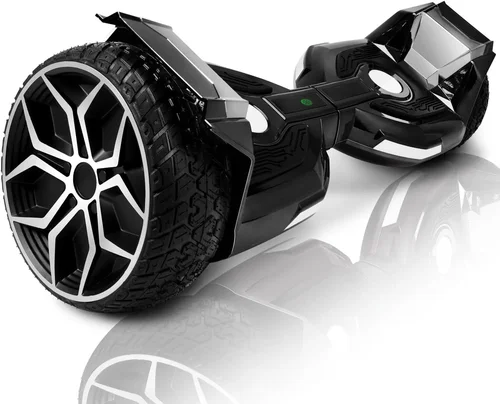
Expert Tips for Getting the Best Deal
- Buy During Off-Peak Seasons: Demand spikes in summer and holidays. Shop in winter (January–March) for better deals and inventory.
- Use Price Tracking Tools: Browser extensions like Honey or CamelCamelCamel alert you when prices drop on Amazon or Gotrax.com.
- Check Refurbished Options: Gotrax offers certified refurbished models at 20–40% off with full warranties. These are thoroughly tested and like new.
- Bundle Accessories: Some retailers offer free helmets, carrying bags, or phone mounts with purchase—maximize value without extra cost.
- Read Return Policies Carefully: Ensure you can return the board within 30 days if it doesn’t meet expectations. Avoid “final sale” items.
- Test Before Committing: If possible, try a friend’s hoverboard or visit a store demo. Comfort and responsiveness vary by model.
- Prioritize Warranty Over Extras: A longer warranty often provides more long-term value than fancy LED patterns or speaker quality.
- Join Loyalty Programs: Gotrax and other brands offer points, exclusive discounts, and early access to new releases for registered users.

Frequently Asked Questions
Q: Are hoverboards safe for kids?
A: Yes, when used responsibly and with proper safety gear. Choose models with lower speed limits (under 7 mph), UL 2272 certification, and parental controls via app. Always supervise young riders and ensure they wear helmets and pads.
Q: How long do hoverboard batteries last?
A: Most lithium-ion batteries last 2–3 years or 300–500 charge cycles before capacity drops significantly. Proper charging (avoid overcharging or deep discharges) extends lifespan.
Q: Can I ride a hoverboard in the rain?
A: Only if it has an IPX4 or higher rating. Even then, avoid puddles and heavy rain. Water can seep into sensors and motors, causing permanent damage.
Q: Do I need to register my hoverboard?
A: In most U.S. states, no. However, some cities restrict hoverboard use on sidewalks or require helmets. Check local regulations before riding in public.
Q: How do I maintain my hoverboard?
A: Clean foot pads regularly, check tire pressure (for air-filled models), store in a cool, dry place, and update firmware. Avoid dropping or exposing to extreme temperatures.
Q: Can adults ride kids’ hoverboards?
A: Only if the weight limit allows. Most kids’ models support up to 176 lbs—too low for many adults. Opt for adult-sized boards with higher capacity.
Q: What’s the difference between solid and air-filled tires?
A: Solid tires are puncture-proof and low-maintenance but offer a rougher ride. Air-filled tires provide better shock absorption and comfort but require occasional inflation and are prone to flats.
Q: How fast can hoverboards go?
A: Consumer models typically max out at 6–10 mph. Racing or modified boards can reach 15+ mph but are not street-legal and void warranties.
Q: Can I take my hoverboard on a plane?
A: Generally no. Most airlines prohibit hoverboards in carry-on or checked luggage due to lithium battery fire risks. Check with your airline before traveling.
Q: What should I do if my hoverboard stops working?
A: First, try a hard reset (power off, wait 10 seconds, power on). Check connections and charge fully. If issues persist, contact customer support—don’t attempt DIY repairs, as this voids warranties.
Our Final Recommendations
Best for Budget-Conscious Buyers: Gotrax Hoverfly EYE – At under $250, it delivers UL 2272 safety, smooth handling, and fun LED lights—perfect for kids and beginners without breaking the bank.
Best Overall Value: Gotrax GXL V2 – Combines 12-mile range, 10″ tires, and reliable performance at $329. Ideal for teens and light commuters who want quality without premium pricing.
Best Premium Option: Gotrax GMAX – With 10″ off-road tires, 500W motors, and IPX4 rating, it’s built for adventure. At $529, it’s the top choice for all-terrain riders.
Best for Beginners: Gotrax Hoverfly EYE – Low speed, intuitive controls, and compact size make it the safest entry point for new riders of any age.
Best for Advanced Users: Gotrax Apex – Packed with 500W motors, 15-mile range, and full app integration, it’s designed for daily commuters who demand performance and smart features.
Conclusion: Making the Right Choice
Choosing the best hoverboard isn’t about finding the flashiest model or the lowest price—it’s about matching the right features, performance, and safety standards to your specific needs. Whether you’re buying for a child, commuting across campus, or exploring off-road trails, the principles outlined in this guide will steer you toward a smart, satisfying purchase. Remember to prioritize UL 2272 certification, consider your typical riding conditions, and invest in a reputable brand like Gotrax that stands behind its products.
Don’t rush. Take time to compare models, read real user reviews, and test ride when possible. A hoverboard is more than a toy—it’s a personal mobility tool that should enhance your lifestyle, not frustrate it. With the insights from this expert guide, you’re now equipped to navigate the 2026 hoverboard market with confidence. Ride safe, ride smart, and enjoy the freedom that comes with the perfect hoverboard.