
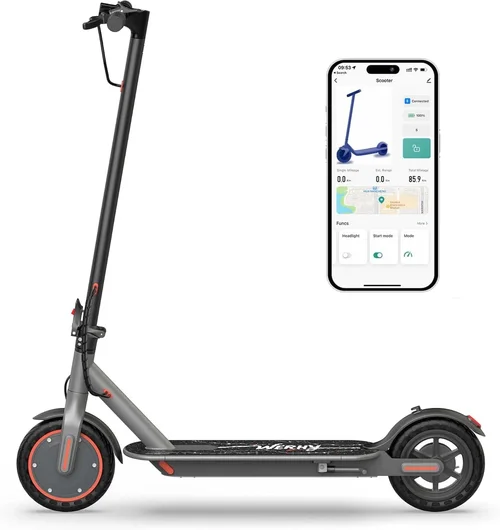
Electric scooters have evolved from niche urban curiosities into serious transportation solutions—and in 2026, the market is more competitive, innovative, and accessible than ever. Whether you’re commuting across city streets, zipping through campus pathways, or simply looking for a fun, eco-friendly way to get around, choosing the right electric scooter can feel overwhelming. With dozens of brands, hundreds of models, and rapidly advancing technology, it’s easy to get lost in specs, price tags, and marketing claims. That’s exactly why this guide exists: to cut through the noise and give you a clear, expert-backed roadmap to finding the best electric scooter for your unique needs.
In this comprehensive buying guide, you’ll learn how to evaluate every critical aspect of an electric scooter—from motor power and battery life to build quality, safety features, and real-world usability. We’ll walk you through the key factors that separate a decent scooter from a great one, compare different categories based on use cases, highlight common pitfalls to avoid, and provide actionable tips to help you get the best deal. Whether you’re a first-time buyer or upgrading from an older model, this guide equips you with the knowledge to make a confident, informed decision. By the end, you won’t just know what to buy—you’ll understand why it’s the right choice for you.
The electric scooter market in 2026 is defined by rapid innovation and increasing consumer demand. Major players like Segway-Ninebot, Xiaomi, Unagi, and emerging brands like Apollo and Inokim continue to push boundaries in performance, design, and smart integration. At the same time, budget-friendly options from companies like Gotrax and Hiboy have made e-scooters accessible to a wider audience. This diversity means there’s truly something for everyone—but it also means more complexity in choosing. Performance ranges from under 10 mph for basic models to over 40 mph for high-end performance scooters. Battery technology has improved significantly, with many models now offering 20–40 miles of real-world range. Meanwhile, features like app connectivity, regenerative braking, suspension systems, and IP-rated water resistance are becoming standard even in mid-tier models. Understanding this landscape is the first step toward finding your ideal ride.

What to Look for When Buying Gotrax
1. Budget & Price Range
Your budget is the foundation of your decision. Electric scooters span a wide price spectrum, from under $300 for entry-level models to over $3,000 for premium performance machines. Setting a realistic budget helps narrow your options and prevents overspending on features you don’t need. For most casual riders, a scooter between $500 and $1,200 offers the best balance of performance, durability, and value. However, if you plan to use your scooter daily for commuting or long distances, investing more upfront can save you money in the long run by reducing maintenance and replacement costs.
When evaluating price, consider total cost of ownership—not just the sticker price. Factor in potential repairs, battery replacements (typically every 300–500 charge cycles), and accessories like helmets, locks, or lights. A slightly more expensive scooter with a better warranty and higher-quality components often proves cheaper over time. Also, be wary of extremely low-priced models; they often cut corners on safety, build quality, and battery life, which can lead to frustration and added expenses down the line.
2. Performance Specifications
Performance is where many buyers get overwhelmed by numbers, but focusing on a few key specs will clarify your choice. The most important performance metrics are motor power (measured in watts), top speed, and range. Motor power typically ranges from 250W (suitable for flat terrain and light riders) to 2,000W or more (for steep hills and heavy loads). A 500W–800W motor is ideal for most urban commuters, providing enough torque for moderate inclines without excessive energy drain.
Top speed should align with your riding environment. In cities with speed limits (often 15–20 mph), a scooter that maxes out at 18–20 mph is sufficient and often safer. High-speed models (25+ mph) are thrilling but require more skill, better braking systems, and increased caution. Range, or how far the scooter can go on a single charge, is influenced by battery capacity (measured in watt-hours, or Wh), rider weight, terrain, and speed. Look for real-world range estimates—manufacturers often quote ideal conditions, but in practice, you’ll get 20–30% less. A 36V 10.4Ah battery (about 374Wh) typically delivers 15–25 miles, which suits most daily commutes.
3. Build Quality & Durability
A scooter’s build quality determines how well it holds up over time. Look for a sturdy frame made from aircraft-grade aluminum or reinforced steel—materials that resist bending and corrosion. Check the weight capacity; most scooters support 220–300 lbs, but heavier riders should opt for models rated for 300+ lbs to ensure stability and longevity. The deck should be wide enough for comfortable footing, and the tires matter greatly: solid rubber tires are puncture-proof but offer a rougher ride, while pneumatic (air-filled) tires provide better shock absorption and grip but require maintenance.
Pay attention to细节 like weld quality, hinge mechanisms (for folding models), and cable routing. Poorly routed cables can snag or wear out quickly. Also, consider the scooter’s IP rating for water and dust resistance. An IP54 rating means it can handle light rain and splashes, while IP65 or higher offers better protection for wet conditions. For daily commuters in variable weather, this can be a deciding factor.
4. Features & Functionality
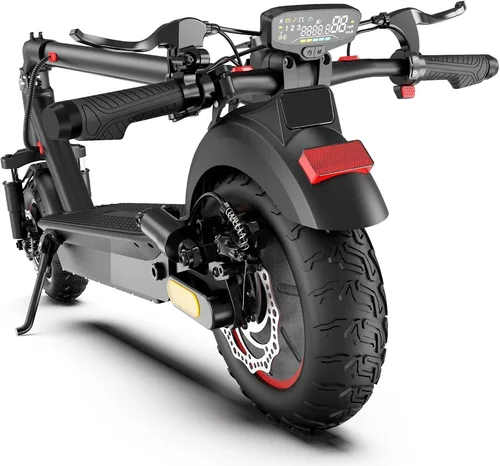
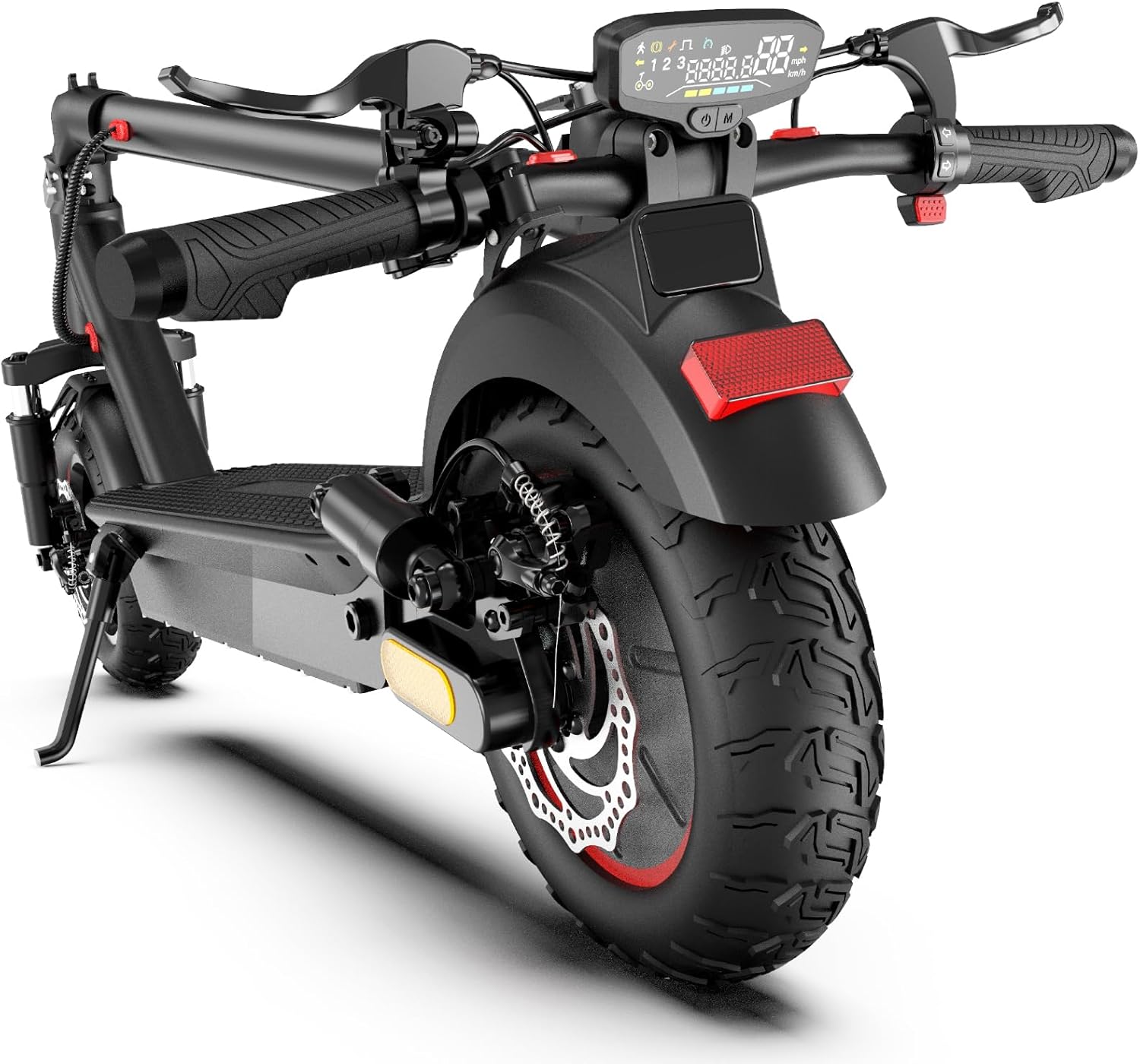
Modern electric scooters come packed with features that enhance safety, convenience, and ride quality. Key features to consider include regenerative braking (which recaptures energy during braking to extend range), dual braking systems (disc + electronic), and suspension (front, rear, or dual). Suspension is especially important if you ride on uneven pavement, potholes, or gravel—it significantly improves comfort and control.
Lighting is another critical feature. Look for bright LED headlights, taillights, and side reflectors for visibility at night. Some models include turn signals and brake-activated lights, which are excellent for safety. App connectivity allows you to monitor battery life, adjust speed modes, track rides, and even lock the scooter remotely. While not essential, these smart features add convenience and peace of mind. Other nice-to-haves include a digital display with speed, battery, and trip data, USB charging ports, and customizable ride modes (eco, sport, etc.).
5. Brand Reputation
Not all brands are created equal. Established brands like Segway-Ninebot, Xiaomi, and Unagi have proven track records for reliability, customer service, and innovation. They invest in R&D, rigorous testing, and global support networks. In contrast, lesser-known or off-brand manufacturers may offer lower prices but often lack consistent quality control and long-term support.
Research brand reputation by reading user reviews, checking forums like Reddit’s r/ElectricScooters, and looking at third-party testing sites. Pay attention to how the company handles recalls, software updates, and customer complaints. A brand with a strong reputation is more likely to honor warranties, provide replacement parts, and stand behind its products. Gotrax, for example, has built a solid reputation for affordable, reliable entry-level scooters, making it a popular choice for beginners and budget-conscious buyers.
6. Warranty & Support
A good warranty is a sign of a manufacturer’s confidence in its product. Most reputable brands offer at least a 12-month warranty covering defects in materials and workmanship. Premium models may include 18–24 months or even lifetime frame warranties. Pay close attention to what’s covered: batteries often have shorter warranties (6–12 months) due to their limited lifespan, while motors and controllers may be covered longer.
Customer support is equally important. Can you easily reach a human? Is there a local service center or authorized repair shop? Brands with strong support networks make troubleshooting and repairs much easier. Avoid companies with vague warranty terms or no clear contact information. A solid warranty and responsive support can save you hundreds in repair costs and downtime.
7. Size & Portability
If you plan to carry your scooter on public transit, store it under a desk, or take it on trips, portability is crucial. Look for a lightweight model (under 30 lbs is ideal) with a compact fold. The folding mechanism should be quick, secure, and not require tools. Some scooters fold down to the size of a small suitcase, while others remain bulky even when folded.
Consider the handlebar width and deck size—too wide, and it’s hard to maneuver in tight spaces; too narrow, and it feels unstable. Also, check if the scooter has a carrying handle or strap. For apartment dwellers or students, a portable scooter can be a game-changer. However, lighter scooters often sacrifice durability or performance, so find a balance that fits your lifestyle.
8. User Reviews & Ratings
Never rely solely on manufacturer specs. Real user reviews reveal how a scooter performs in everyday conditions—something specs can’t capture. Look for patterns in reviews: if multiple users report the same issue (e.g., battery draining quickly, brakes failing), it’s likely a real problem. Pay attention to reviews from riders with similar weight, usage, and terrain as you.
Use trusted platforms like Amazon, Best Buy, or specialized e-scooter forums. Watch video reviews on YouTube for hands-on demonstrations of speed, braking, and folding. Reviews also often include photos of wear and tear after months of use, which can highlight durability issues. A scooter with consistently high ratings across multiple platforms is usually a safe bet.
Different Types of Gotrax
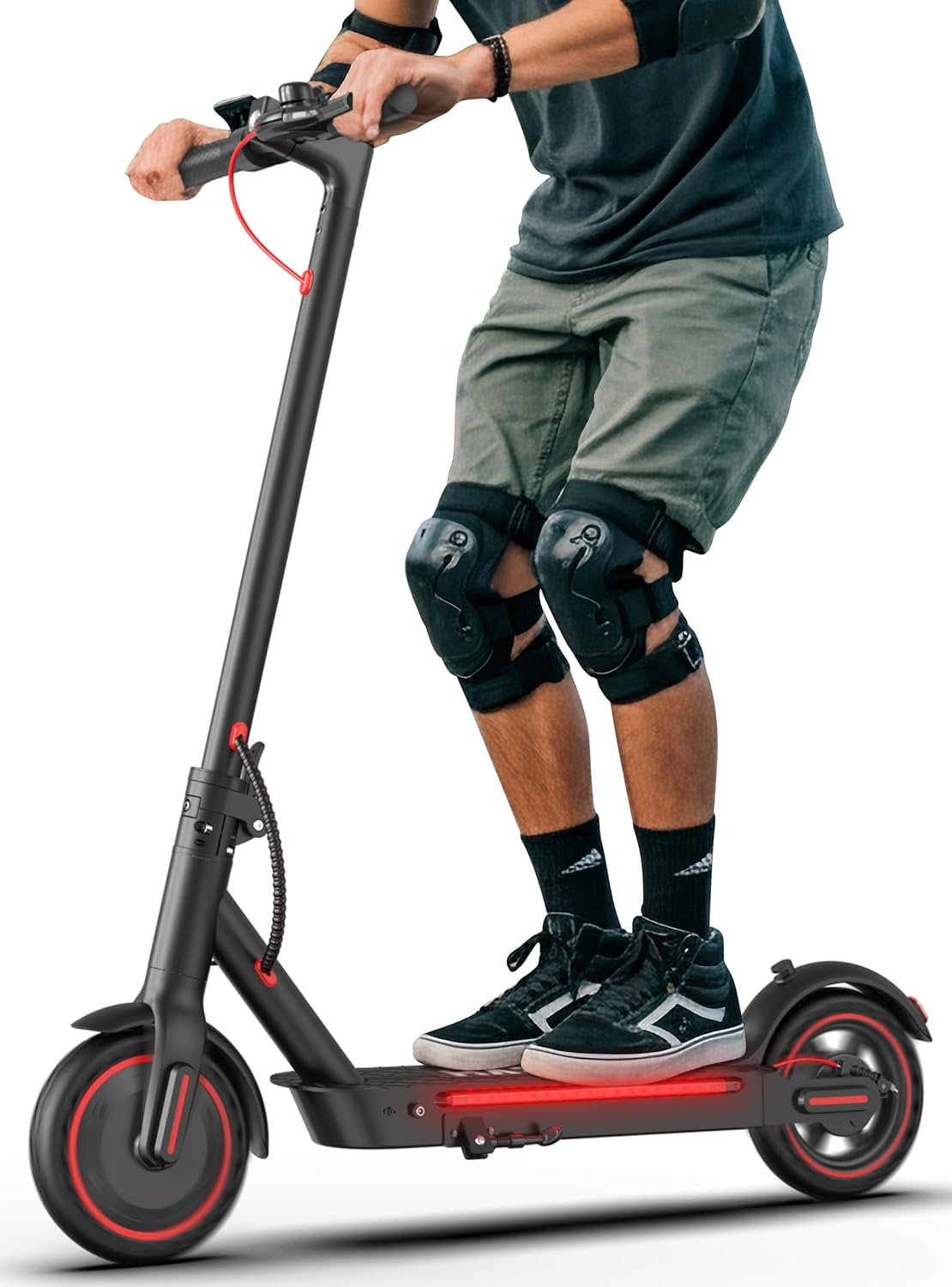
Common Buying Mistakes to Avoid
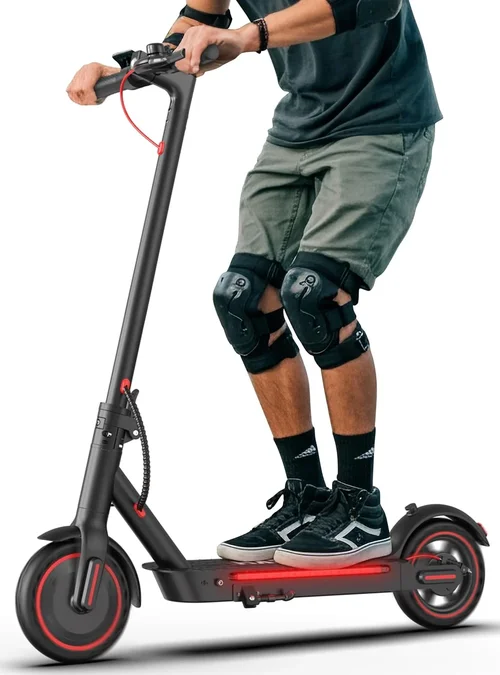
❌ Mistake: Prioritizing Top Speed Over Real-World Usability
Why it’s bad: A scooter that hits 30 mph sounds impressive, but if it can’t maintain that speed uphill or has weak brakes, it’s more dangerous than useful. High speed without control increases accident risk, especially for inexperienced riders.
What to do instead: Focus on balanced performance. Choose a scooter with adequate speed for your environment (15–20 mph for cities) and prioritize strong brakes, stability, and rider comfort. Test ride if possible.
❌ Mistake: Ignoring Weight and Portability Needs
Why it’s bad: A heavy scooter (40+ lbs) is difficult to carry upstairs, onto buses, or store in small spaces. Many buyers regret choosing a powerful but bulky model that ends up sitting in the garage.
What to do instead: Consider how and where you’ll use the scooter. If portability matters, look for models under 30 lbs with a secure, one-hand fold. Balance weight with performance based on your routine.
❌ Mistake: Overlooking Battery Realism
Why it’s bad: Manufacturers often quote range under ideal conditions (flat ground, light rider, slow speed). In reality, range drops significantly with hills, wind, and heavier loads. Relying on advertised range can leave you stranded.
What to do instead: Look for real-world range estimates from user reviews. Choose a scooter with at least 20–30% more range than you need. For a 10-mile commute, aim for a 15-mile scooter.
❌ Mistake: Skipping Safety Features
Why it’s bad: Weak brakes, poor lighting, or no suspension can turn a fun ride into a hazardous one. Many accidents happen due to inadequate stopping power or low visibility.
What to do instead: Always choose a scooter with dual braking (disc + electronic), bright front and rear lights, and reflectors. Suspension is a plus for comfort and control on rough roads.
❌ Mistake: Buying Based on Price Alone
Why it’s bad: The cheapest scooter often uses low-quality batteries, weak motors, and flimsy frames. These may fail within months, costing more in repairs or replacements than a better model would have.
What to do instead: Invest in quality within your budget. A $600 scooter with a good warranty and durable build is smarter than a $300 one that breaks in six months.
❌ Mistake: Not Researching Local Laws
Why it’s bad: Electric scooter regulations vary by city and country. Some places restrict speed, require helmets, or ban riding on sidewalks. Buying a high-speed scooter only to find it’s illegal to ride can be frustrating.
What to do instead: Check local laws before buying. Choose a scooter that complies with speed limits and safety requirements in your area. Some models have speed limiters for this reason.
❌ Mistake: Ignoring After-Sales Support
Why it’s bad: If your scooter breaks and the brand offers no support, you’re stuck with a costly repair or replacement. Poor customer service can turn a great product into a nightmare.
What to do instead: Choose brands with strong reputations for support. Read reviews about warranty claims and repair experiences. Local service centers are a big plus.
Budget Guidelines: How Much Should You Spend?
Entry-Level ($200–$400): These scooters are ideal for casual riders, students, or those trying e-scooters for the first time. Expect modest performance: 15–18 mph top speed, 10–15 mile range, and basic features. Build quality is functional but not rugged. Brands like Gotrax and Hiboy dominate this space with reliable, no-frills models. Great for short commutes on flat terrain, but not suited for hills or daily heavy use.
Mid-Range ($500–$1,200): This is the sweet spot for most buyers. Scooters in this range offer excellent value with 20–25 mph speeds, 20–30 mile ranges, better brakes, suspension, and improved build quality. Models like the Segway Ninebot MAX G30 or Xiaomi Mi Electric Scooter 4 Pro fall here. They’re durable enough for daily commuting, handle moderate hills, and include features like app connectivity and LED displays. Ideal for urban riders who want reliability without breaking the bank.
Premium ($1,300–$2,500): For enthusiasts and serious commuters, premium scooters deliver top-tier performance. Expect 25–35 mph speeds, 30–40 mile ranges, dual motors, advanced suspension, and high-capacity batteries. Brands like Unagi, Apollo, and Inokim offer sleek designs, premium materials, and smart features. These scooters are built to last, with excellent warranties and support. Perfect for long commutes, hilly cities, or riders who want the best experience.
Luxury ($2,500+): At this level, you’re paying for cutting-edge technology, extreme performance, and luxury finishes. Scooters like the Dualtron Thunder or Kaabo Wolf King offer 40+ mph speeds, 50+ mile ranges, and race-car-like handling. They’re overkill for most riders but ideal for off-road adventures, speed demons, or tech enthusiasts. Build quality is exceptional, and features like customizable ride modes, regenerative braking, and app integration are standard.
Expert Tips for Getting the Best Deal
1. Buy During Seasonal Sales: The best time to buy is during Black Friday, Cyber Monday, or end-of-summer clearance events. Many retailers discount older models to make room for new inventory. Sign up for brand newsletters to get early access to deals.
2. Compare Retailers: Prices can vary significantly between Amazon, Best Buy, Walmart, and direct-from-brand websites. Sometimes the manufacturer offers exclusive colors, extended warranties, or free shipping. Check return policies—some retailers offer longer trial periods.
3. Look for Refurbished or Open-Box Deals: Certified refurbished scooters from reputable sellers often come with warranties and can save you 20–30%. These are typically returned items that have been inspected and repaired.
4. Test Before You Buy: If possible, visit a local store or attend an e-scooter demo event. Feeling the scooter’s weight, fold, and ride quality makes a huge difference. Online reviews are helpful, but hands-on experience is irreplaceable.
5. Check Return and Trial Policies: Some brands offer 14–30 day trial periods. If the scooter doesn’t meet your expectations, you can return it. This is especially valuable for online purchases where you can’t test ride first.
6. Bundle Accessories: Some retailers offer package deals with helmets, locks, and lights at a discount. Buying these together can save money compared to purchasing separately.
7. Monitor Price Drops: Use tools like Honey or CamelCamelCamel to track price history and get alerts when a scooter drops in price. Patience can pay off with significant savings.
8. Consider Financing Options: Some brands offer 0% APR financing for 6–12 months. This can make a premium scooter more affordable without upfront cost, as long as you pay it off on time.
Frequently Asked Questions
Q: How long do electric scooter batteries last?
A: Most lithium-ion batteries last 300–500 full charge cycles, which translates to 1–3 years of daily use. After that, capacity gradually declines. Proper care—like avoiding extreme temperatures and not draining the battery to 0%—can extend lifespan.
Q: Can I ride an electric scooter in the rain?
A: It depends on the IP rating. Scooters with IP54 or higher can handle light rain, but avoid deep puddles or heavy downpours. Never submerge the scooter or charge a wet battery. Dry it thoroughly after wet rides.
Q: Do I need a license or helmet?
A: Laws vary by location. In many U.S. cities, no license is required, but helmets are recommended or mandatory for minors. Always check local regulations and wear a helmet for safety.
Q: How fast can electric scooters go?
A: Speeds range from 15 mph (entry-level) to over 40 mph (high-performance models). Most commuter scooters max out at 18–25 mph, which is sufficient and safer for urban environments.
Q: Can I take my scooter on public transit?
A: Many transit systems allow folded scooters, but policies vary. Check with your local transit authority. Lightweight, compact models are easier to bring aboard.
Q: How do I maintain my electric scooter?
A: Regular maintenance includes checking tire pressure (for pneumatic tires), cleaning the deck and wheels, inspecting brakes, and keeping the battery charged. Avoid overcharging and store in a dry, temperate place.
Q: What’s the difference between hub motors and belt drives?
A: Hub motors are built into the wheel, offering direct drive with less maintenance. Belt drives use a belt and pulley system, which can be quieter but require occasional belt replacement. Hub motors are more common in modern scooters.
Q: Can I upgrade my scooter’s battery?
A: Some models allow battery upgrades, but it’s not common and may void the warranty. Check with the manufacturer. Upgrading often requires compatible electronics and proper installation.
Q: Are electric scooters eco-friendly?
A: Yes, compared to cars, e-scooters produce far fewer emissions and use less energy. However, their environmental impact depends on battery production and electricity sources. Choosing a durable scooter with a long lifespan maximizes eco-benefits.
Q: What should I do if my scooter breaks down?
A: First, check the warranty. Contact the manufacturer or retailer for support. Keep records of purchase and repairs. For out-of-warranty issues, look for authorized repair shops or DIY fixes (if you’re experienced).
Our Final Recommendations
Best for Budget-Conscious Buyers: Gotrax GXL V2 – At under $400, this scooter offers reliable performance, 15.5 mph speed, 12-mile range, and a sturdy build. It’s perfect for students and casual riders who want affordability without sacrificing safety.
Best Overall Value: Segway Ninebot MAX G30 – Priced around $800, this mid-range champion delivers 18.6 mph, 40-mile range, IPX5 water resistance, and excellent build quality. It’s durable, feature-rich, and ideal for daily commuting.
Best Premium Option: Unagi Model One – At $1,299, the Unagi combines sleek design, dual motors, 20 mph speed, and a lightweight carbon fiber frame. It’s perfect for urban professionals who value style and performance.
Best for Beginners: Xiaomi Mi Electric Scooter 3 – With intuitive controls, 18.6 mph speed, 18.6-mile range, and a user-friendly app, this scooter is ideal for first-time riders. It’s reliable, well-reviewed, and easy to master.
Best for Advanced Users: Apollo Phantom – For riders who demand power, this $1,899 scooter offers dual 1,200W motors, 38 mph top speed, 40-mile range, and full suspension. It’s built for performance and long-distance riding.
Conclusion: Making the Right Choice
Choosing the best electric scooter in 2026 isn’t about finding the fastest or most expensive model—it’s about finding the one that fits your lifestyle, budget, and riding needs. By focusing on key factors like performance, build quality, safety, and support, you can avoid common pitfalls and make a decision you’ll be happy with for years. Whether you’re commuting to work, exploring your city, or just enjoying the ride, the right scooter can transform how you move.
Remember, the best scooter is the one you’ll actually use. Prioritize your must-have features, read real user reviews, and don’t rush the decision. Take advantage of trial periods, seasonal sales, and expert advice to get the best value. And always ride safely—wear a helmet, follow local laws, and stay aware of your surroundings.
With the insights from this guide, you’re now equipped to navigate the electric scooter market with confidence. Your perfect ride is out there—go find it.