
If you own a Gotrax electric scooter, knowing what your charger looks like is essential for safe and efficient charging. This guide breaks down the physical design, key components, compatibility, and how to spot counterfeit chargers—so you can keep your scooter powered up without risk.
If you’ve recently bought a Gotrax electric scooter—or you’re thinking about it—you’ve probably noticed that it comes with a small, unassuming black box: the charger. At first glance, it might look like any other power adapter, but don’t be fooled. The Gotrax charger is specifically engineered to work with Gotrax scooters, and understanding what it looks like, how it works, and why it matters can save you time, money, and even prevent safety hazards.
Electric scooters are becoming a go-to mode of transportation for commuters, students, and eco-conscious riders. Gotrax, a popular brand in the e-scooter market, offers a range of models like the GXL, G2, G3, and G4, each with its own battery and charging requirements. While the scooters themselves are sleek and modern, the charger is often overlooked—until it stops working or gets lost. That’s when knowing exactly what a Gotrax charger looks like becomes crucial.
In this guide, we’ll walk you through every detail of the Gotrax charger: its physical appearance, technical specs, compatibility across models, how to identify genuine units, and tips for safe use and storage. Whether you’re replacing a lost charger, troubleshooting charging issues, or just curious, this article will give you everything you need to know.
Key Takeaways
- Gotrax chargers have a distinct black or gray compact design with a built-in LED indicator light and a standard barrel connector tip.
- They typically output 29.4V or 42V DC depending on the scooter model, so always match the voltage to your device.
- The charger plug is usually 3.5mm or 4.0mm in diameter, with a center-positive polarity—check your scooter’s manual to confirm.
- Genuine Gotrax chargers include safety certifications like UL, CE, or FCC listed on the label—missing labels may indicate a fake.
- Using the wrong charger can damage your battery or pose fire risks, so never substitute with generic alternatives.
- Store and handle your charger properly—avoid bending cords, exposing it to moisture, or leaving it plugged in indefinitely.
- Always buy replacement chargers from Gotrax or authorized retailers to ensure compatibility and safety.
📑 Table of Contents
What Does a Gotrax Charger Look Like?
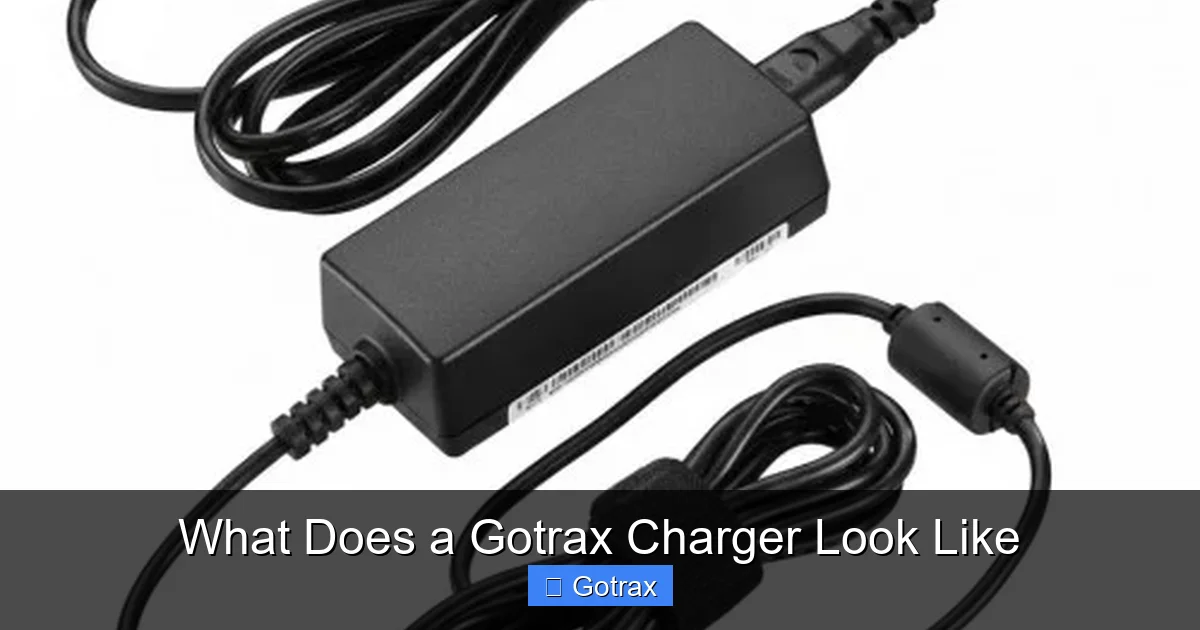
The Gotrax charger is designed to be compact, lightweight, and easy to carry—perfect for on-the-go riders. Most models come with a charger that’s about the size of a standard smartphone charger, measuring roughly 3.5 inches long, 1.5 inches wide, and 1 inch thick. It’s typically molded from durable black or dark gray plastic, giving it a sleek, minimalist look that matches the aesthetic of Gotrax scooters.
One of the most recognizable features is the built-in LED indicator light, usually located near the output cord. This light turns red when the charger is actively charging your scooter and switches to green when the battery is fully charged. This simple visual cue helps you know at a glance whether your scooter is ready to ride.
The input side of the charger (the part that plugs into the wall) has a standard two-prong AC plug, compatible with North American outlets. The output side features a cylindrical barrel connector—commonly 3.5mm or 4.0mm in diameter—that plugs directly into the charging port on your Gotrax scooter. The connector is center-positive, meaning the center pin carries the positive charge, which is important for compatibility.
On the body of the charger, you’ll find a label with key information: the brand name “Gotrax,” the model number, input voltage (usually 100–240V AC), output voltage (such as 29.4V or 42V DC), and safety certifications like UL, CE, or FCC. These markings are not just for show—they confirm that the charger meets electrical safety standards.
Physical Dimensions and Design
Gotrax chargers are built for portability. Unlike bulky laptop chargers, these are slim and lightweight, making them easy to toss into a backpack or scooter storage compartment. The housing is usually made of high-impact ABS plastic, which resists cracking and wear from daily use.
The cords are another key design element. The AC input cord is typically around 4 feet long, giving you flexibility when plugging into outlets. The DC output cord is shorter, usually about 2–3 feet, and connects to the scooter. Both cords are reinforced at the stress points where they meet the charger body to prevent fraying—a common issue with cheaper chargers.
The barrel connector is angled slightly to reduce strain when plugged in, and the tip is gold-plated in some models to improve conductivity and reduce corrosion over time. This attention to detail ensures a stable connection and efficient power transfer.
Color and Branding
While most Gotrax chargers are black, some older or special edition models may come in gray or white. The color doesn’t affect performance, but it can help you match your charger to your scooter’s design. The Gotrax logo is usually embossed or printed on the side of the charger, often in silver or white lettering for contrast.
You might also see model numbers like “GXL-CHARGER” or “G4-AC29V” printed on the label. These help identify which scooter the charger is intended for. For example, the Gotrax G4 typically uses a 42V charger, while the G2 and G3 use 29.4V models.
Gotrax Charger Specifications and Technical Details
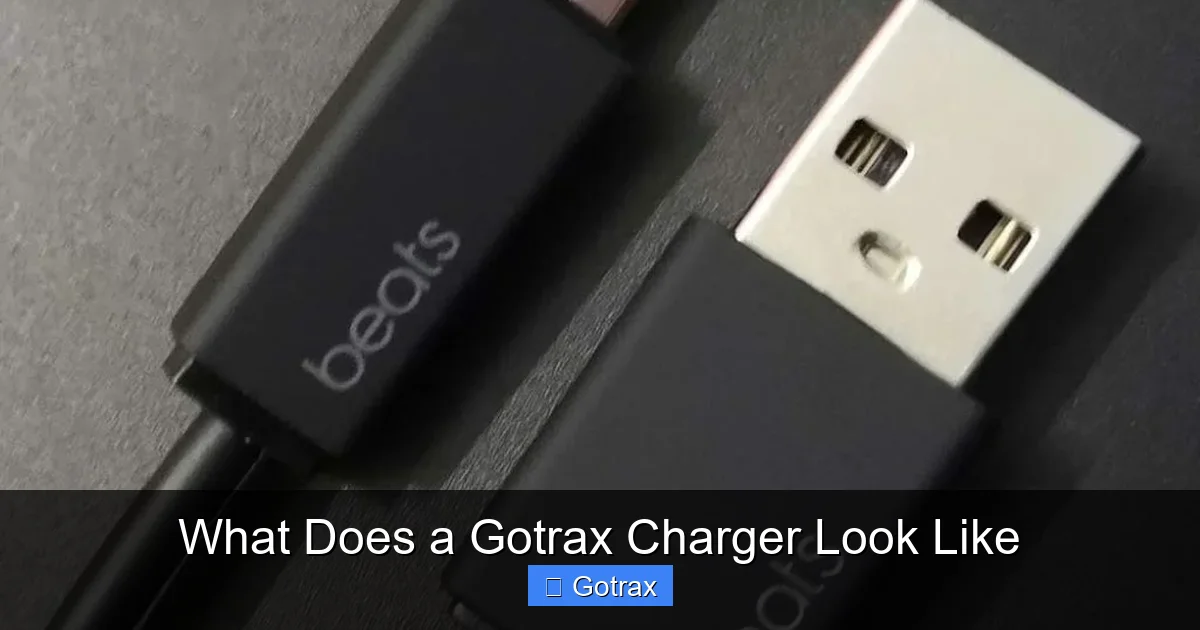
Visual guide about What Does a Gotrax Charger Look Like
Image source: engineersnetwork.org
Understanding the technical specs of your Gotrax charger is essential for safe and effective use. Using the wrong charger can damage your scooter’s battery, reduce its lifespan, or even cause overheating and fire hazards.
Most Gotrax scooters use lithium-ion batteries, which require precise voltage and current to charge safely. The charger acts as a regulator, converting household AC power (120V in the U.S.) into the lower DC voltage needed by the battery.
Voltage and Amperage
The most common output voltages for Gotrax chargers are 29.4V and 42V. The 29.4V chargers are typically used for models like the G2, G3, and GXL, which have 250W to 350W motors and 36V battery systems (note: the charger outputs slightly higher than the battery voltage to enable charging). The 42V chargers are used for higher-performance models like the G4, which has a 500W motor and a 48V battery system.
Amperage (measured in amps) determines how fast the charger can deliver power. Most Gotrax chargers output between 1.5A and 2.5A. A higher amperage means faster charging, but only if your scooter’s battery can handle it. For example, a 2.5A charger will charge a G4 scooter faster than a 1.5A charger, but using a 2.5A charger on a G2 could overload the system.
Always check your scooter’s user manual or the label on the battery to confirm the correct voltage and amperage. Never use a charger with a higher voltage than recommended—this can cause irreversible damage.
Input and Output Ratings
The input side of the charger is designed to work with standard household outlets. Most Gotrax chargers accept 100–240V AC at 50/60Hz, making them compatible with outlets in the U.S., Canada, Europe, and many other countries. This wide input range means you can use your charger while traveling internationally, as long as you have the right plug adapter.
The output is direct current (DC), which is what the battery needs. The output voltage is clearly labeled on the charger—look for something like “Output: 29.4V ⎓ 2.0A” or “42V ⎓ 1.8A.” The symbol “⎓” indicates DC power.
Safety Certifications
Genuine Gotrax chargers are certified by recognized safety organizations. Look for labels like:
– **UL Listed** (Underwriters Laboratories): Indicates the charger meets U.S. safety standards.
– **CE Marking**: Confirms compliance with European health and safety regulations.
– **FCC Certified**: Ensures the charger doesn’t emit harmful electromagnetic interference.
These certifications are usually printed on the charger’s label. If you don’t see them—or if the label looks blurry, missing, or tampered with—it could be a counterfeit.
Compatibility: Which Gotrax Models Use Which Chargers?
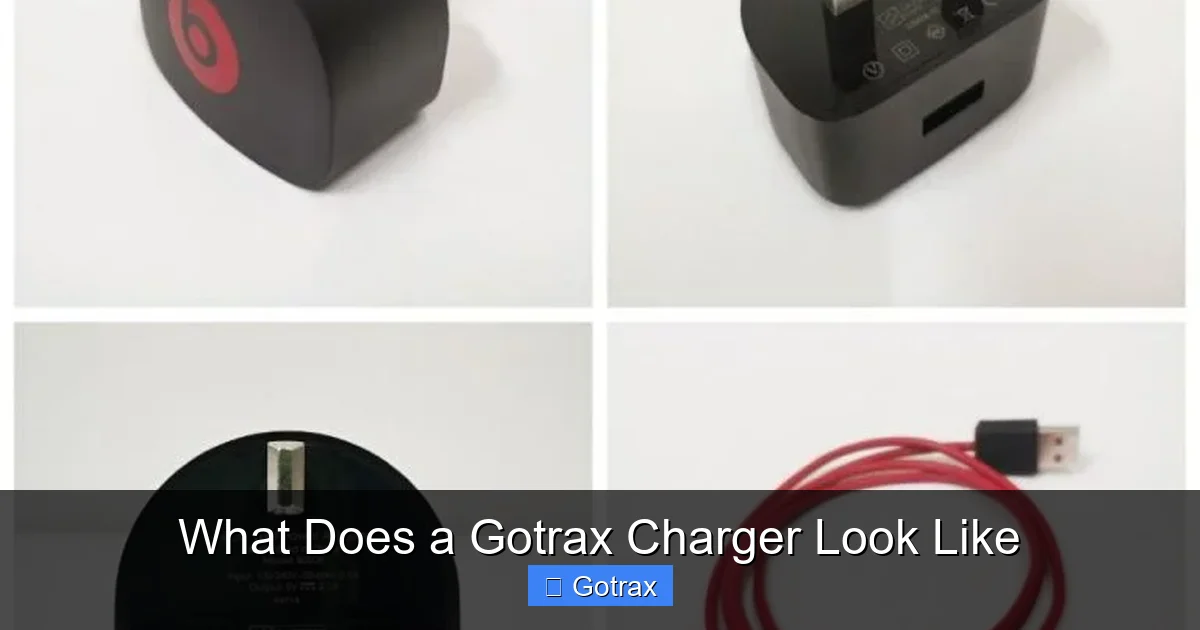
Visual guide about What Does a Gotrax Charger Look Like
Image source: engineersnetwork.org
Not all Gotrax chargers are interchangeable. While they may look similar, using the wrong charger can lead to poor performance or damage. Here’s a breakdown of which models use which chargers:
Gotrax G2 and G3
The Gotrax G2 and G3 scooters both use a 29.4V 2.0A charger with a 3.5mm barrel connector. These models have 36V lithium-ion batteries and are designed for casual riders and short commutes. The charger takes about 4–6 hours to fully charge the battery from empty.
Gotrax GXL and GXL V2
The GXL and GXL V2 also use a 29.4V charger, but some versions may have a slightly different amperage (1.8A or 2.0A). The connector size is the same (3.5mm), so these chargers are often compatible with the G2 and G3. However, always double-check the label to be sure.
Gotrax G4
The Gotrax G4 is a higher-end model with a 48V battery system. It requires a 42V 1.8A or 2.0A charger with a 4.0mm barrel connector. This charger is not compatible with the G2, G3, or GXL. Using a 29.4V charger on a G4 will result in very slow charging or no charging at all.
Gotrax XR and XR Elite
The XR and XR Elite models also use a 29.4V charger, similar to the G2 and G3. However, the XR Elite may come with a slightly higher amperage charger (2.5A) for faster charging. Again, check the label to confirm compatibility.
Gotrax Apex and Apex Pro
These newer models use a 42V charger, similar to the G4. The Apex Pro, in particular, has a high-capacity battery and benefits from a 2.5A charger for quicker recharge times.
How to Identify a Genuine Gotrax Charger
With the rise in popularity of Gotrax scooters, counterfeit chargers have flooded the market. These fake chargers may look similar, but they often lack proper safety features and can be dangerous. Here’s how to spot a genuine Gotrax charger:
Check the Label
A real Gotrax charger will have a clear, legible label with the following information:
– Brand name: “Gotrax”
– Model number (e.g., “G4-AC42V”)
– Input: 100–240V AC, 50/60Hz
– Output: 29.4V or 42V DC, with amperage (e.g., 2.0A)
– Safety certifications: UL, CE, FCC
– Manufacturer or distributor info
If the label is missing, smudged, or has spelling errors, it’s likely a fake.
Examine the Build Quality
Genuine Gotrax chargers are well-made with sturdy plastic, smooth seams, and no loose parts. The cords should be thick and flexible, not flimsy or kinked. The barrel connector should fit snugly into your scooter’s charging port without wobbling.
Test the LED Light
When plugged in, the LED should light up red immediately. If it flickers, stays off, or changes color erratically, the charger may be defective or counterfeit.
Buy from Authorized Retailers
To avoid fakes, purchase your charger directly from Gotrax.com, Amazon (sold by Gotrax), or authorized dealers like Best Buy or Walmart. Avoid third-party sellers on eBay or unknown websites offering “too good to be true” prices.
Tips for Safe Charging and Maintenance
Proper care of your Gotrax charger ensures it lasts longer and keeps your scooter safe. Here are some best practices:
Use the Right Charger
Always use the charger that came with your scooter or a Gotrax-approved replacement. Never use a generic or universal charger, even if the voltage seems close.
Avoid Overcharging
While most Gotrax chargers have built-in protection to stop charging when the battery is full, it’s still best not to leave your scooter plugged in overnight or for extended periods. Overcharging can reduce battery life over time.
Keep It Dry and Cool
Never charge your scooter in the rain or in humid environments. Moisture can damage the charger and create electrical hazards. Store the charger in a dry, cool place when not in use.
Inspect Regularly
Check the charger and cords for signs of wear, such as fraying, cracks, or exposed wires. If you notice any damage, stop using it immediately and replace it.
Don’t Bend the Cords
Avoid wrapping the cords too tightly or bending them at sharp angles. This can damage the internal wires and lead to failure.
Unplug When Not in Use
Even when not charging, leaving the charger plugged into the wall can waste energy and pose a fire risk. Unplug it when you’re done.
What to Do If You Lose or Break Your Charger
Losing your charger can be frustrating, but it’s not the end of the world. Here’s what you can do:
Contact Gotrax Support
Visit Gotrax.com and use their customer support portal to order a replacement. You’ll need your scooter’s model number, which is usually on the deck or under the footplate.
Check Compatibility
When ordering a replacement, make sure it matches your scooter’s voltage and connector size. Gotrax offers model-specific chargers on their website.
Avoid Third-Party Alternatives
While third-party chargers may be cheaper, they often lack safety certifications and can damage your scooter. Stick with Gotrax or authorized brands.
Consider a Backup Charger
If you rely on your scooter for daily commuting, consider buying a second charger to keep at home or work. This way, you’re never without power.
Conclusion
The Gotrax charger may seem like a small, simple accessory, but it plays a vital role in keeping your electric scooter running safely and efficiently. Knowing what it looks like—its size, color, connector type, and labeling—helps you identify genuine units, avoid counterfeits, and ensure compatibility with your scooter model.
From the compact black design to the LED charging indicator, every detail of the Gotrax charger is designed with the rider in mind. Understanding its technical specs, such as voltage and amperage, empowers you to make informed decisions when replacing or maintaining your charger.
More importantly, using the correct charger and following safety guidelines protects your investment and reduces the risk of battery damage or fire. Always buy from trusted sources, inspect your charger regularly, and never compromise on quality.
Whether you’re a daily commuter or a weekend rider, your Gotrax scooter deserves the right charger. Now that you know what a Gotrax charger looks like and how to use it properly, you can ride with confidence—knowing your scooter is always ready to go.
Frequently Asked Questions
What voltage is a Gotrax charger?
Most Gotrax chargers output either 29.4V or 42V DC, depending on the scooter model. The G2, G3, and GXL use 29.4V, while the G4 and Apex models use 42V.
Can I use a different charger for my Gotrax scooter?
No, you should only use a charger designed for your specific Gotrax model. Using the wrong voltage or connector can damage the battery or pose safety risks.
How long does it take to charge a Gotrax scooter?
Charging time varies by model and battery capacity, but most Gotrax scooters take between 4 to 6 hours to fully charge from empty.
Is it safe to leave my Gotrax charger plugged in overnight?
While the charger has overcharge protection, it’s best not to leave it plugged in for extended periods. Unplug once the battery is fully charged to preserve battery life.
How can I tell if my Gotrax charger is genuine?
Look for clear labeling, safety certifications (UL, CE, FCC), and purchase from Gotrax or authorized retailers. Avoid chargers with blurry labels or no branding.
What should I do if my Gotrax charger stops working?
First, check for visible damage or loose connections. If the charger is faulty, contact Gotrax support for a replacement. Do not attempt to repair it yourself.