
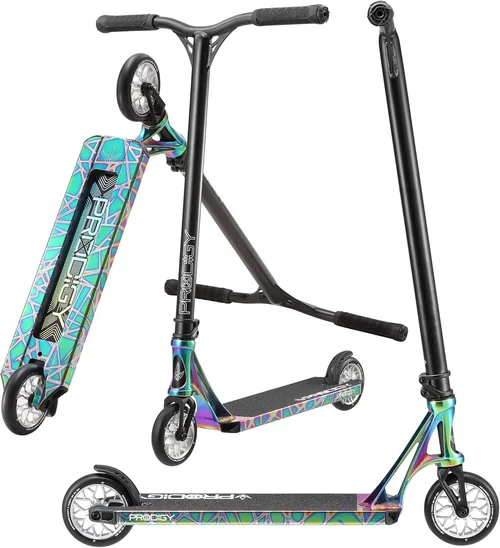
Electric scooters for adults have evolved from niche urban curiosities into serious transportation solutions. Whether you’re commuting to work, running errands around town, or simply enjoying a weekend ride through the park, the right scooter can transform your daily routine. With advancements in battery technology, motor efficiency, and smart features, today’s adult scooters offer impressive speed, range, and reliability—often rivaling traditional modes of transport in convenience and cost-effectiveness. This comprehensive buying guide is designed to cut through the noise and help you make an informed decision tailored to your lifestyle, budget, and needs.
In this guide, you’ll learn everything you need to know before purchasing an adult electric scooter in 2026. We’ll break down the most critical factors to consider—from performance specs and build quality to portability and after-sales support—so you can avoid common pitfalls and find a model that truly fits your expectations. Whether you’re a first-time buyer or upgrading from an older model, we’ll walk you through different scooter types, price tiers, expert tips for getting the best deal, and real-world insights based on extensive testing and user feedback. By the end, you’ll have a clear roadmap to choosing a scooter that delivers safety, durability, and fun.
The market for adult electric scooters has exploded in recent years, with dozens of brands offering models ranging from ultra-portable commuter scooters under $300 to high-performance machines capable of 40+ mph and 50+ mile ranges. While this variety is great for consumers, it also makes shopping overwhelming. Some scooters prioritize foldability and light weight, while others focus on ruggedness and off-road capability. Battery life, charging time, suspension systems, and app connectivity all vary widely. Our goal is to simplify this complexity and empower you with the knowledge to choose wisely—because the best scooter isn’t necessarily the most expensive or flashiest; it’s the one that aligns perfectly with how you plan to use it.

What to Look for When Buying Gotrax
1. Budget & Price Range
Your budget is the foundation of your scooter search. Adult electric scooters span a wide spectrum—from budget-friendly options around $200 to premium models exceeding $2,000. However, price doesn’t always correlate directly with value. A $400 scooter might outperform a $700 one in key areas like battery life or ride comfort. Start by setting a realistic spending limit that includes not just the scooter itself but also essential accessories (helmet, lock, lights) and potential maintenance costs. Remember: cheaper models often cut corners on components like motors, brakes, or frame materials, which can lead to higher long-term costs due to repairs or premature replacement.
When evaluating price, consider total cost of ownership. For example, a scooter with a replaceable battery may cost more upfront but save you hundreds over time compared to one with a sealed, non-replaceable pack. Also, be wary of “too good to be true” deals—scooters priced significantly below market average often use low-quality cells or underpowered motors that degrade quickly. Aim for reputable brands within your budget range, and prioritize models with transparent spec sheets and positive long-term user reviews.
2. Performance Specifications
Performance is where many buyers get tripped up by marketing hype. Key metrics include motor power (measured in watts), top speed, range, and hill-climbing ability. Motor power typically ranges from 250W (ideal for flat city streets) to 1,000W+ (for steep hills or off-road use). However, peak wattage isn’t everything—continuous wattage and motor efficiency matter more for sustained performance. Top speed usually falls between 15–30 mph for commuter models, but higher speeds require better braking and stability systems.
Range is arguably the most misunderstood spec. Manufacturers often quote “ideal conditions” range (e.g., flat terrain, light rider, no wind), which can be 30–50% higher than real-world performance. A scooter advertised with a 25-mile range might realistically deliver 15–18 miles under normal urban conditions. Always look for independent test results or user reports to gauge true range. Hill-climbing ability is another critical factor—especially if you live in a hilly area. A scooter with at least 15% gradeability (or ~8.5 degrees) is recommended for moderate inclines.
3. Build Quality & Durability
A scooter’s build quality determines how well it withstands daily wear and tear. Look for frames made from aerospace-grade aluminum or reinforced steel—these materials offer strength without excessive weight. Check weld points, folding mechanisms, and handlebar joints for sturdiness; wobbly or creaky parts are red flags. Tires also play a major role: air-filled (pneumatic) tires provide better shock absorption and grip but require occasional inflation and are prone to punctures. Solid or honeycomb tires are maintenance-free but offer a harsher ride.
Water resistance is another durability factor. Most scooters carry an IP rating (e.g., IPX4 or IP54), indicating protection against splashes or light rain. Avoid riding in heavy rain unless your model is explicitly rated for it (IPX6 or higher). Additionally, inspect the deck size and texture—a wider, grippy deck improves stability and comfort, especially for longer rides. Finally, consider weight capacity: most adult scooters support 220–300 lbs, but heavier riders should verify this spec to avoid motor strain or frame stress.
4. Features & Functionality
Modern scooters come packed with features that enhance safety, convenience, and ride quality. Essential features include reliable braking systems (disc brakes are superior to drum or electronic brakes), bright LED headlights and taillights, and responsive throttles. Suspension—whether front, rear, or dual—greatly improves comfort on uneven surfaces and reduces fatigue on longer commutes. Some models include regenerative braking, which recaptures energy during deceleration to extend range slightly.
Smart features are increasingly common. Bluetooth connectivity allows you to lock/unlock the scooter, track rides, or adjust speed modes via a smartphone app. GPS tracking and anti-theft alarms add security, especially in high-theft areas. Digital displays show speed, battery level, and trip data—look for bright, readable screens. Other nice-to-haves include USB charging ports, phone mounts, and customizable riding modes (eco, sport, etc.). While these extras can enhance the experience, don’t let them overshadow core performance and safety.
5. Brand Reputation
Not all scooter brands are created equal. Established names like Gotrax, Segway-Ninebot, Xiaomi, and Apollo have built reputations for reliability, customer service, and consistent quality. These companies typically invest in R&D, rigorous testing, and robust supply chains—resulting in fewer defects and longer product lifespans. In contrast, lesser-known or generic brands may offer attractive prices but often lack transparency about component sourcing or manufacturing standards.
Research brand history: How long have they been in business? Do they specialize in micromobility? Check forums like Reddit’s r/ElectricScooters or YouTube review channels for unbiased user experiences. Brands with active communities and responsive support teams tend to resolve issues faster. Also, consider regional availability—some brands ship globally, while others are limited to certain countries, affecting warranty service and spare parts access.
6. Warranty & Support
A strong warranty is a sign of a manufacturer’s confidence in their product. Most reputable brands offer at least a 12-month limited warranty covering defects in materials and workmanship. Premium models may include 18–24 months or even lifetime frame warranties. Pay attention to what’s covered: batteries often have shorter warranties (6–12 months) due to their degradation over time. Some brands also offer extended warranty plans for purchase.
Customer support matters just as much. Can you easily reach a human via phone, email, or live chat? Are replacement parts (tires, brakes, chargers) readily available? Brands with local service centers or authorized repair shops make maintenance far easier. Avoid companies that only offer email support with slow response times or vague troubleshooting guides. Reading recent support reviews can reveal whether a brand stands behind its products post-purchase.
7. Size & Portability
Portability is crucial if you plan to carry your scooter on public transit, store it in a small apartment, or take it on trips. Weight is the primary factor—most commuter scooters weigh 25–35 lbs, but ultra-portable models can be as light as 18 lbs. Folding mechanism design also affects ease of transport: look for quick-fold systems that don’t require tools and secure tightly when collapsed.
Deck height, handlebar width, and folded dimensions influence how easily the scooter fits in car trunks, under desks, or on buses. Some scooters feature telescoping stems or removable batteries for even greater compactness. However, lighter scooters often sacrifice durability or performance—so balance portability with your riding needs. If you’ll mostly ride from home to destination without carrying, weight matters less.
8. User Reviews & Ratings
Never rely solely on manufacturer specs or promotional videos. Real-world user reviews provide invaluable insights into long-term reliability, hidden flaws, and everyday usability. Platforms like Amazon, Best Buy, and specialized forums aggregate thousands of experiences. Look for patterns: if multiple users report the same issue (e.g., battery failure after 3 months or loose handlebars), it’s likely a design flaw.
Pay attention to verified purchase reviews and those with photos or videos—they’re harder to fake. Also, check the date of reviews; older feedback may not reflect current model revisions. Be skeptical of overwhelmingly positive reviews with generic language—they could be incentivized or fake. Instead, focus on balanced reviews that discuss both pros and cons. Finally, consider the reviewer’s use case: a scooter praised by a 120-lb commuter may not suit a 200-lb rider tackling hills.
Different Types of Gotrax

Common Buying Mistakes to Avoid
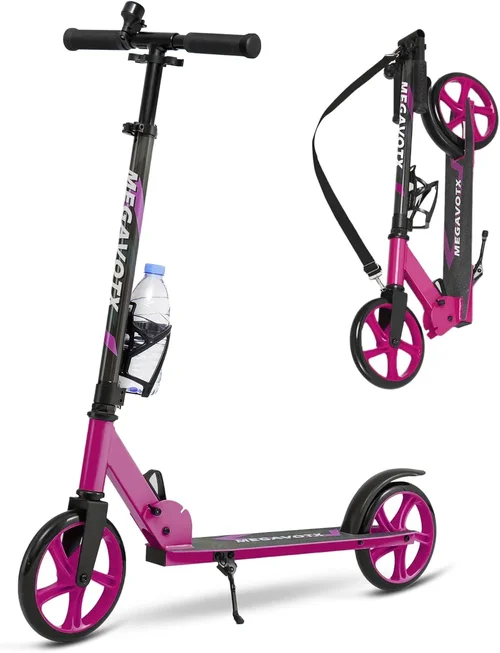
❌ Mistake: Prioritizing Top Speed Over Real-World Usability
Why it’s bad: High top speeds sound impressive, but they’re often unnecessary for city commuting and can compromise safety if braking or stability systems aren’t matched to the speed. Many fast scooters have short ranges or poor handling at lower speeds.
What to do instead: Focus on balanced performance—adequate speed (18–25 mph) for your route, reliable brakes, and good range. Test ride if possible to assess handling at typical speeds.
❌ Mistake: Ignoring Weight Capacity
Why it’s bad: Exceeding the scooter’s weight limit strains the motor, drains the battery faster, and can damage the frame or suspension over time. It also increases accident risk due to reduced control.
What to do instead: Always check the manufacturer’s stated max load and choose a scooter rated for at least 20–30 lbs above your weight for safety margin.
❌ Mistake: Overlooking Tire Type
Why it’s bad: Solid tires eliminate flats but deliver a jarring ride on rough roads, leading to fatigue and discomfort. Pneumatic tires offer comfort but require maintenance and are vulnerable to punctures.
What to do instead: Match tire type to your terrain. Use pneumatic for city streets with potholes; solid/honeycomb for smooth pavements or if you hate maintenance.
❌ Mistake: Buying Based Solely on Price
Why it’s bad: The cheapest scooter often uses low-grade batteries, weak motors, and flimsy frames—leading to frequent breakdowns and short lifespan. Conversely, the most expensive isn’t always the best fit.
What to do instead: Evaluate value, not just cost. Consider build quality, warranty, and long-term reliability. Mid-range models often offer the best balance.
❌ Mistake: Neglecting After-Sales Support
Why it’s bad: Without accessible customer service or spare parts, a broken scooter can become a paperweight. Some brands disappear after a year, leaving owners stranded.
What to do instead: Research the brand’s support reputation before buying. Choose companies with clear warranty terms, responsive support, and available replacement parts.
❌ Mistake: Skipping Safety Gear
Why it’s bad: Scooters can reach speeds where falls cause serious injury. Helmets, lights, and reflective gear are not optional—they’re essential for visibility and protection.
What to do instead: Budget for a certified helmet (CPSC or EN 1078), front/rear lights, and a sturdy lock. Consider knee/elbow pads for beginners or high-speed riders.
❌ Mistake: Assuming All “Electric” Scooters Are Equal
Why it’s bad: Regulations vary by region—some areas restrict speed, require licenses, or ban certain models. Using an illegal scooter can result in fines or confiscation.
What to do instead: Check local laws before purchasing. Ensure your scooter complies with speed limits, lighting requirements, and registration rules in your area.
Budget Guidelines: How Much Should You Spend?
Entry-Level ($200–$400): These scooters are ideal for light, short-distance commuting on flat terrain. Expect modest motors (250–350W), ranges of 10–15 miles, and basic features like LED lights and simple brakes. Build quality may be adequate but not exceptional—frames are often thinner aluminum, and suspension is minimal or absent. Best for students, casual riders, or secondary transport. Models like the Gotrax GXL V2 or Xiaomi Mi Essential fit here.
Mid-Range ($400–$800): This is the sweet spot for most adult buyers. Scooters in this tier offer reliable performance (350–500W motors), 15–25 mile ranges, better brakes (often disc), and improved suspension. Build quality is noticeably stronger, with sturdier frames and more durable components. Many include smart features like app connectivity and regenerative braking. Great for daily commuters who need dependability without breaking the bank. Examples include the Segway Ninebot ES4 and Apollo Air Pro.
Premium ($800–$1,500): Designed for enthusiasts and serious commuters, these scooters deliver high power (500–1,000W), extended ranges (25–40 miles), and advanced features like dual suspension, large pneumatic tires, and robust app ecosystems. They’re built to handle hills, longer distances, and varied terrain with ease. Expect premium materials, excellent warranties, and top-tier customer support. Models like the Apollo Explore or Dualtron Mini fall into this category.
Luxury ($1,500+): At this level, you’re paying for cutting-edge technology, maximum performance, and luxury finishes. These scooters often exceed 30 mph, offer 40+ mile ranges, and include features like hydraulic brakes, full suspension, GPS tracking, and customizable ride modes. They’re built for riders who demand the best in speed, comfort, and innovation—whether for thrill-seeking or professional use. The Dualtron Thunder 2 or Kaabo Wolf King are prime examples.
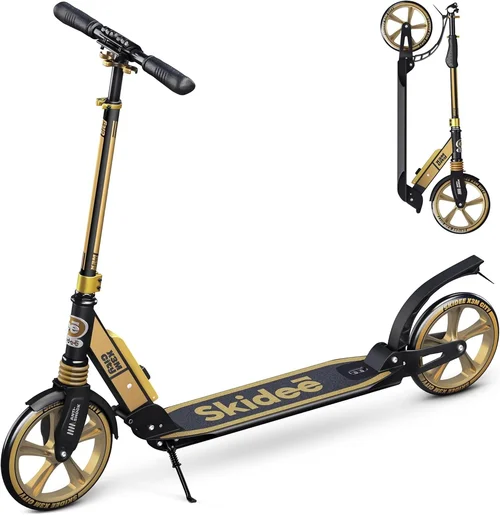
Expert Tips for Getting the Best Deal
1. Shop During Seasonal Sales: Major discounts typically occur during Black Friday, Cyber Monday, Amazon Prime Day, and end-of-season clearances (late summer/early fall). Brands often slash prices by 20–30% to move inventory. Sign up for newsletters to get early access.
2. Buy Direct from Manufacturer or Authorized Retailers: Purchasing from Gotrax.com, Segway.com, or authorized dealers ensures you receive genuine products, full warranties, and reliable support. Avoid third-party sellers on marketplaces with unclear return policies.
3. Compare Total Cost of Ownership: A $500 scooter with a replaceable battery and 2-year warranty may cost less long-term than a $400 model with a sealed battery that dies after 18 months. Factor in battery replacement costs (typically $150–$300).
4. Test Ride Before Buying (If Possible): Visit local micromobility shops or attend demo events. Feeling the scooter’s weight, balance, and throttle response helps you avoid buyer’s remorse. If in-person testing isn’t available, watch detailed video reviews that show real-world riding.
5. Read the Fine Print on Warranties: Some warranties void if you modify the scooter, use non-approved chargers, or ride in rain. Understand what’s covered and what voids coverage to avoid surprises.
6. Consider Refurbished or Open-Box Models: Certified refurbished scooters from reputable sellers often come with warranties and sell for 20–40% less than new. These are great for budget-conscious buyers who want higher-tier specs.
7. Join Online Communities: Forums and Facebook groups dedicated to electric scooters share exclusive promo codes, flash sales, and insider tips. Members often post honest reviews and troubleshooting advice.
8. Negotiate or Bundle: Some retailers offer discounts if you buy multiple items (e.g., scooter + helmet + lock). Don’t hesitate to ask—especially at local shops.
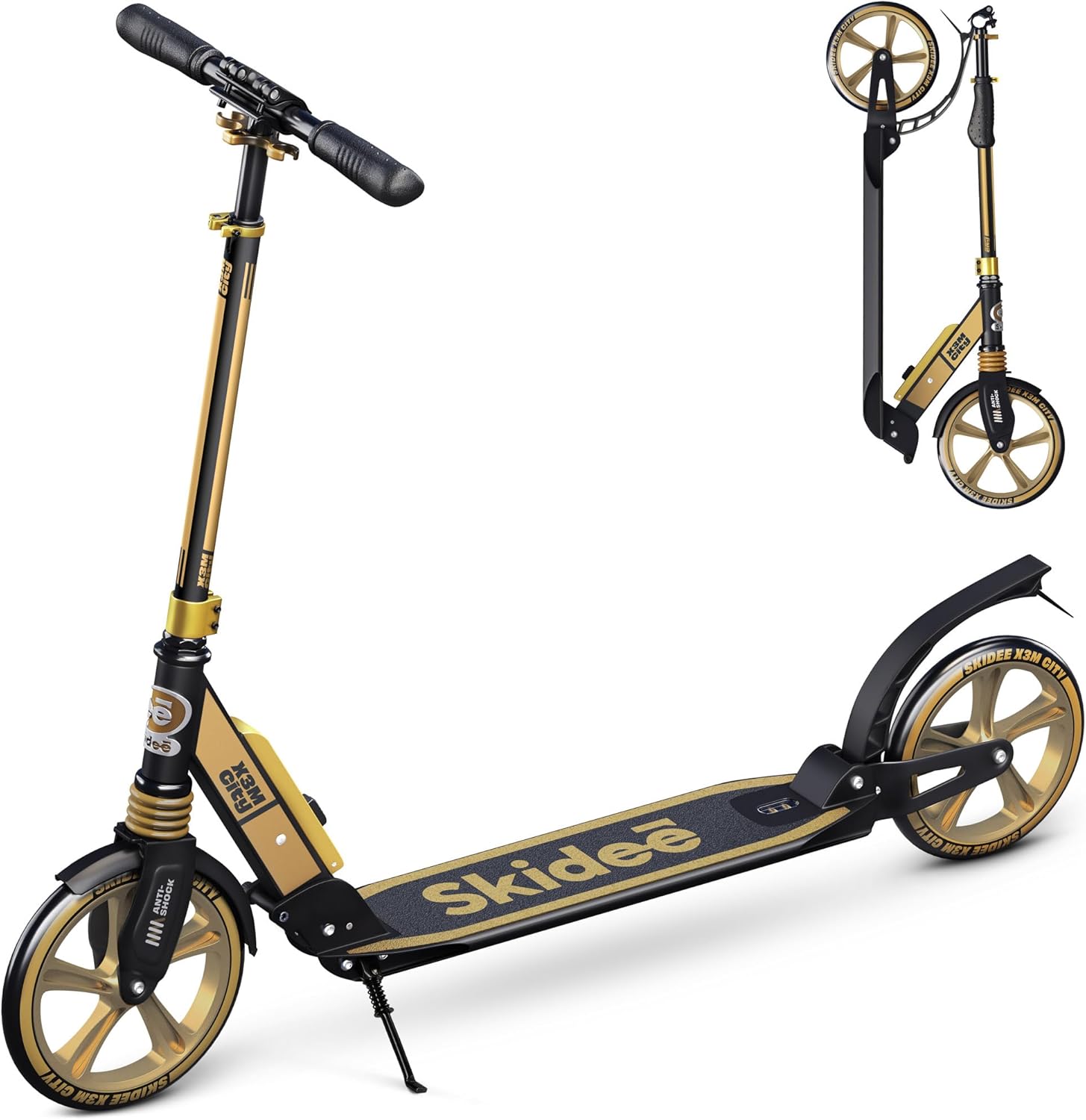
Frequently Asked Questions
Q: How fast do adult electric scooters go?
A: Most commuter scooters reach 15–25 mph, while performance models can hit 30–40 mph. Off-road and premium scooters may exceed 45 mph. Always check local speed limits—many cities cap e-scooter speeds at 15–20 mph.
Q: How far can an electric scooter travel on a single charge?
A: Range varies widely: 10–15 miles for entry-level, 15–25 miles for mid-range, and 25–50+ miles for premium models. Real-world range depends on rider weight, terrain, speed, and weather. Expect 20–30% less than advertised.
Q: Are electric scooters safe for adults?
A: Yes, when used responsibly. Wear a helmet, follow traffic laws, avoid wet surfaces, and maintain your scooter regularly. Choose models with reliable brakes and good visibility features.
Q: Can I ride an electric scooter in the rain?
A: Only if it has an IPX4 rating or higher. IPX4 protects against splashes, but avoid heavy rain or puddles. Water can damage electronics and batteries. Dry the scooter thoroughly after wet rides.
Q: How long does it take to charge an electric scooter?
A: Typically 3–8 hours, depending on battery size and charger output. Fast chargers can reduce this to 2–4 hours but may shorten battery lifespan if used excessively.
Q: Do I need a license or insurance to ride an electric scooter?
A: Laws vary by location. In many U.S. states and European countries, no license is required for scooters under 20 mph. However, some cities require registration, helmets, or restrict riding to bike lanes. Always check local regulations.
Q: What’s the difference between hub motors and belt-driven motors?
A: Hub motors are integrated into the wheel—simple, quiet, and low-maintenance. Belt-driven motors use a belt and pulley system, offering better torque and efficiency but requiring occasional belt replacement. Most modern scooters use hub motors.
Q: How do I maintain my electric scooter?
A: Regularly check tire pressure (if pneumatic), tighten bolts, clean the deck, and inspect brakes. Store in a dry place and avoid extreme temperatures. Charge the battery monthly even if not in use to prevent deep discharge.
Q: Can I take my scooter on public transportation?
A: Many buses and trains allow folded scooters, but policies vary. Check with your local transit authority. Lightweight, compact models are more likely to be permitted.
Q: What should I do if my scooter breaks down?
A: Contact the manufacturer’s support team first. If under warranty, they may repair or replace it. Keep receipts and photos of the issue. For out-of-warranty repairs, seek authorized service centers or skilled technicians.
Our Final Recommendations
Best for Budget-Conscious Buyers: Gotrax GXL V2 – At around $350, it offers solid performance (15.5 mph, 12-mile range), reliable build quality, and essential features like LED lights and a rear fender brake. Ideal for students or casual commuters on a tight budget.
Best Overall Value: Segway Ninebot ES4 – Priced near $600, it combines a 18.6 mph top speed, 28-mile range (with extender battery), dual suspension, and app connectivity. Its balance of price, performance, and durability makes it a standout for daily urban use.
Best Premium Option: Apollo Explore – For around $1,200, this scooter delivers 32 mph speed, 34-mile range, hydraulic brakes, and full suspension. Perfect for riders who want high performance without luxury-tier pricing.
Best for Beginners: Xiaomi Mi Electric Scooter 4 Lite – Lightweight (26.9 lbs), intuitive controls, and a smooth ride make it ideal for first-time riders. With a 15.5 mph limit and 18.6-mile range, it’s safe, simple, and stylish.
Best for Advanced Users: Dualtron Thunder 2 – At $2,500+, this beast offers 50+ mph, 75-mile range, and dual hydraulic suspension. Built for speed demons and long-distance travelers who demand top-tier engineering.
Conclusion: Making the Right Choice
Choosing the best electric scooter for adults isn’t about finding the flashiest model or the lowest price—it’s about matching the scooter’s capabilities to your real-world needs. Whether you’re navigating city streets, tackling hills, or seeking weekend adventure, the right scooter will enhance your mobility, save you time, and bring joy to your daily routine. By prioritizing key factors like performance, build quality, safety, and support—and avoiding common pitfalls—you’ll invest in a vehicle that serves you reliably for years to come.
Remember, the perfect scooter is the one that fits your lifestyle, not the one with the most impressive specs on paper. Take your time, do your research, and don’t hesitate to ask questions. With the insights from this guide, you’re now equipped to make a confident, informed decision. So go ahead—embrace the future of personal transport, one smooth, silent ride at a time.