

This guide walks you through how to ride a Gotrax hoverboard from unboxing to smooth cruising. You’ll learn balance, control, safety tips, and troubleshooting—all in simple, easy-to-follow steps.
Key Takeaways
- Start on a flat, open surface: Choose a smooth, level area free of obstacles to practice safely.
- Wear protective gear: Always use a helmet, knee pads, and elbow pads to prevent injuries.
- Master balance before moving: Stand on the hoverboard while holding support to get comfortable with your stance.
- Lean gently to steer: Shift your weight forward to go, backward to stop, and side to side to turn.
- Charge fully before first use: A full charge ensures optimal performance and battery life.
- Practice stopping and turning: Learn how to dismount safely and control speed early on.
- Check tire pressure and battery regularly: Maintenance keeps your Gotrax hoverboard running smoothly.
How to Ride a Gotrax Hoverboard: A Complete Beginner’s Guide
So, you’ve got your hands on a shiny new Gotrax hoverboard—congratulations! Whether it’s your first self-balancing scooter or you’re upgrading from an older model, learning how to ride a Gotrax hoverboard can be both exciting and a little intimidating. But don’t worry. With the right approach, patience, and a few safety precautions, you’ll be gliding around like a pro in no time.
This guide is designed for absolute beginners. We’ll cover everything from unboxing your Gotrax hoverboard to mastering turns, stopping smoothly, and maintaining your device. By the end, you’ll feel confident, safe, and ready to enjoy all the fun your hoverboard has to offer.
Let’s get started!
What You’ll Need Before You Begin
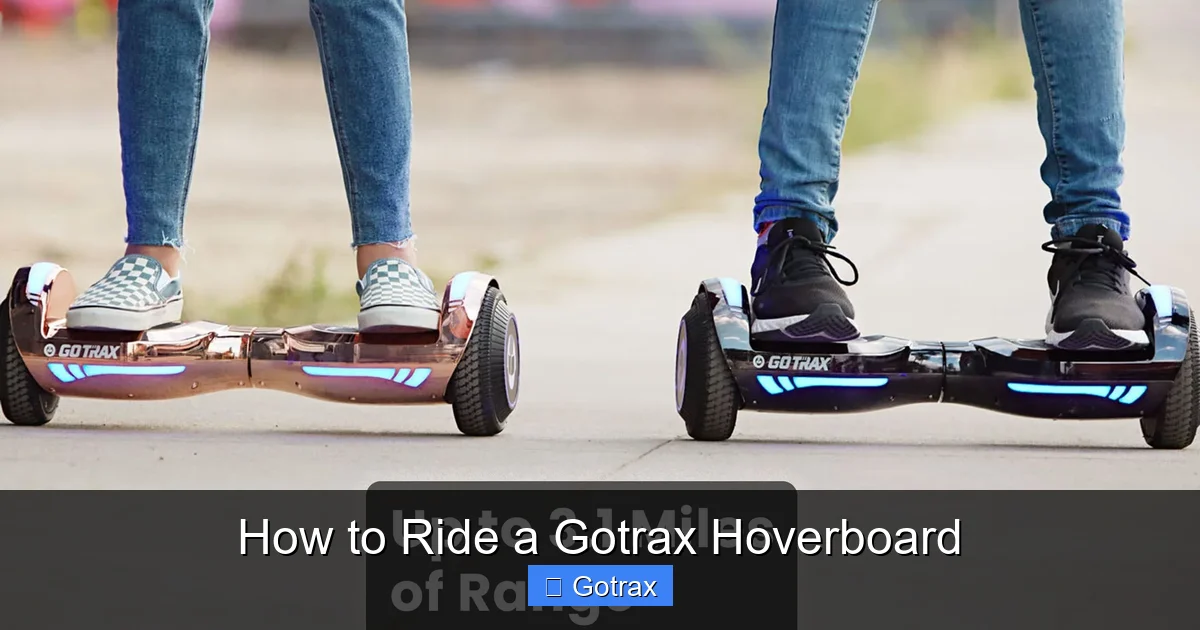
Visual guide about How to Ride a Gotrax Hoverboard
Image source: gotrax.com
Before you even think about stepping onto your Gotrax hoverboard, make sure you have the essentials ready. Preparation is key to a safe and successful first ride.
Safety Gear
Safety should always come first. Gotrax hoverboards are designed to be stable and user-friendly, but falls can still happen—especially when you’re learning. Here’s what you should wear:
- Helmet: A properly fitted helmet is non-negotiable. Look for one that meets safety standards like CPSC or ASTM.
- Knee and Elbow Pads: These protect your joints from scrapes and impacts.
- Wrist Guards: Optional but helpful, especially if you tend to catch yourself with your hands when falling.
- Closed-Toe Shoes: Avoid sandals or bare feet. Sneakers with good grip are ideal.
Choosing the Right Location
Your practice area matters just as much as your gear. Pick a spot that’s:
- Flat and Smooth: Concrete driveways, empty parking lots, or indoor gymnasiums work best. Avoid grass, gravel, or uneven surfaces.
- Free of Obstacles: No curbs, potholes, toys, or pets that could trip you up.
- Well-Lit: If you’re practicing in the evening, make sure the area is brightly lit.
- Quiet and Low-Traffic: You don’t want cars, bikes, or pedestrians getting in your way.
Check Your Hoverboard
Before your first ride, do a quick inspection:
- Battery Level: Make sure it’s fully charged. A low battery can cause sudden shutdowns.
- Tire Condition: Look for cracks, wear, or debris stuck in the wheels.
- Foot Pads: Ensure they’re clean and responsive. Dirt or moisture can affect sensitivity.
- Power Button: Test that it turns on and the LED lights are working.
Step 1: Charge Your Gotrax Hoverboard
You might be eager to hop on, but patience pays off. A fully charged battery ensures your hoverboard performs at its best and reduces the risk of unexpected power loss.
How to Charge
- Locate the charging port on the side of your hoverboard (usually near the rear wheel).
- Plug in the Gotrax charger that came with your model.
- Connect the charger to a wall outlet.
- The LED light on the charger will turn red while charging and green when complete.
- Charge for at least 3–4 hours for a full battery, even if the light turns green sooner.
Pro Tip: Avoid overcharging. Unplug once fully charged to extend battery life.
Step 2: Power On and Calibrate
Once charged, it’s time to turn on your hoverboard and make sure it’s ready to ride.
Turning It On
- Place the hoverboard on a flat, stable surface.
- Press and hold the power button for 2–3 seconds until the LED lights flash.
- Wait for the board to self-balance—this usually takes 10–15 seconds.
- You’ll hear a beep or see the lights stabilize, indicating it’s ready.
Calibration (If Needed)
If your hoverboard feels unbalanced or drifts to one side, it may need calibration:
- Turn off the hoverboard.
- Place it on a perfectly level surface.
- Press and hold the power button for 5–7 seconds until the lights flash rapidly.
- Release and wait for the board to recalibrate (about 10 seconds).
- Turn it back on normally.
Note: Calibration is rarely needed for new boards, but it’s good to know how to do it.
Step 3: Get Comfortable Standing On the Hoverboard
Now comes the fun part—actually stepping onto the hoverboard. But don’t rush it. Start slow and build confidence.
Find a Support
Stand next to a wall, railing, or sturdy piece of furniture. You’ll use this for balance as you get used to the feel.
Step On Gently
- Place one foot on the foot pad, near the center. Keep your weight light.
- Wait for the hoverboard to stabilize—it may tilt slightly as it senses your presence.
- Slowly place your other foot on the opposite pad.
- Keep your knees slightly bent and your arms out for balance.
- Hold onto your support until you feel steady.
Tip: Don’t look down at your feet. Keep your eyes forward—this helps with balance.
Practice Balancing
Spend 2–3 minutes just standing still. Feel how the hoverboard responds to your weight. Shift your weight slightly forward, backward, and side to side. Notice how the board tilts but stays level.
This step is crucial. The more comfortable you are standing still, the easier it will be to move.
Step 4: Learn to Move Forward and Backward
Once you’re balanced, it’s time to start moving. Gotrax hoverboards use tilt sensors—leaning forward makes you go, leaning back makes you stop or reverse.
Moving Forward
- Keep your posture upright but relaxed.
- Gently shift your weight forward by leaning from your ankles—not your waist.
- The hoverboard will begin to move forward slowly.
- Start with small leans. Even a slight tilt can get you moving.
- Keep your arms out for balance and look ahead, not down.
Pro Tip: Imagine you’re walking—small, controlled movements work best.
Stopping
- To stop, gently lean back from your ankles.
- The hoverboard will slow down and come to a smooth stop.
- Don’t jerk backward—this can cause you to lose balance.
- Practice stopping from slow speeds first.
Moving Backward
- Lean back slightly more than you would to stop.
- The hoverboard will begin to reverse.
- Use small movements—backward speed is usually slower than forward.
- Keep your body centered and avoid leaning too far back.
Warning: Most beginners find backward movement tricky. Practice in a safe, open area and go slow.
Step 5: Master Turning
Turning on a Gotrax hoverboard is all about weight distribution. Unlike a skateboard, you don’t turn the wheels manually—you lean.
How to Turn Left
- Shift your weight slightly to your right foot.
- Press down gently with your right heel.
- The right wheel will slow or stop, causing the board to pivot left.
- Keep your upper body facing forward to maintain balance.
How to Turn Right
- Shift your weight to your left foot.
- Press down with your left heel.
- The left wheel slows, and the board turns right.
- Again, keep your torso stable and look where you’re going.
Practice Wide Turns First
Start with gentle, wide turns. Don’t try sharp corners until you’re confident. Use a large open space and practice turning in both directions.
Tip: Think of it like skiing—lean into the turn, not away from it.
Step 6: Learn to Dismount Safely
Knowing how to get off your hoverboard is just as important as riding it. A bad dismount can lead to falls.
Safe Dismounting Steps
- Slow down and come to a complete stop.
- Keep your knees bent and your weight centered.
- Step off with one foot first—usually your dominant foot.
- Place that foot firmly on the ground.
- Quickly step off with your other foot.
- Once both feet are on the ground, turn off the hoverboard.
Never jump off! Always step off gently to avoid tripping or tipping the board.
Step 7: Practice, Practice, Practice
Like any new skill, riding a Gotrax hoverboard takes time. Don’t expect to master it in one session.
Daily Practice Tips
- Start with 10–15 minute sessions: Short, frequent practice is better than one long session.
- Focus on one skill at a time: Master balance, then forward motion, then turning.
- Use cones or markers: Set up a simple obstacle course to practice weaving and stopping.
- Ride with a friend: Having someone nearby can boost confidence and help in case of a fall.
- Record yourself: Watching a video can help you spot balance or posture issues.
Common Beginner Mistakes to Avoid
- Leaning too far: Small shifts are enough. Over-leaning causes loss of control.
- Looking down: Keep your eyes up to maintain balance and direction.
- Starting on uneven ground: Always practice on flat, smooth surfaces.
- Ignoring the battery: A low battery can cause sudden stops or reduced power.
- Rushing the process: Take your time. Confidence builds with repetition.
Troubleshooting Common Issues
Even with proper use, you might run into a few hiccups. Here’s how to fix common problems.
Hoverboard Won’t Turn On
- Check the battery—charge it fully.
- Ensure the power button is pressed firmly.
- Look for loose connections or damaged wires.
- Try a hard reset: unplug the battery for 10 seconds, then reconnect.
Drifting or Pulling to One Side
- Recalibrate the hoverboard (see Step 2).
- Check tire pressure—both wheels should be equally inflated.
- Ensure the foot pads are clean and free of debris.
- Test on a perfectly level surface.
Sudden Stops or Jerky Movement
- Low battery—charge immediately.
- Obstacle detection—hoverboards may stop if they sense a curb or drop.
- Overheating—let the board cool down if it feels hot.
- Firmware issue—check Gotrax’s website for updates.
Foot Pads Not Responding
- Clean the pads with a dry cloth.
- Make sure your shoes aren’t too thick or slippery.
- Check for moisture or dirt under the pads.
- Restart the hoverboard to reset the sensors.
Maintenance Tips to Keep Your Gotrax Hoverboard Running Smoothly
A little care goes a long way in extending the life of your hoverboard.
Daily Care
- Wipe down the surface with a dry cloth after each use.
- Check the tires for debris or wear.
- Store in a cool, dry place—avoid extreme heat or cold.
Weekly Maintenance
- Inspect the foot pads for cracks or looseness.
- Check the battery level and charge if below 50%.
- Look for loose screws or damaged parts.
Battery Care
- Avoid draining the battery completely.
- Charge after each use, even if not fully depleted.
- Don’t leave it plugged in overnight regularly.
- Store with 50–60% charge if not using for weeks.
Safety Tips for Every Ride
Even experienced riders should follow these safety rules:
- Never ride at night without lights: Gotrax hoverboards have built-in LED lights—use them!
- Avoid wet or slippery surfaces: Water can damage electronics and reduce traction.
- Don’t exceed the weight limit: Most Gotrax models support up to 220 lbs.
- Stay off public roads: Hoverboards are for sidewalks, parks, and private property.
- Supervise kids: Children should always ride with adult supervision.
- Follow local laws: Some areas have restrictions on hoverboard use.
Conclusion: You’ve Got This!
Learning how to ride a Gotrax hoverboard might feel challenging at first, but with patience and practice, it becomes second nature. Remember to start slow, wear your safety gear, and choose the right environment. Focus on balance, gentle movements, and safe dismounting.
Every expert was once a beginner. Celebrate small wins—your first forward glide, your first smooth turn, your first full ride without falling. Before you know it, you’ll be zipping around with confidence and style.
Gotrax hoverboards are built for fun, safety, and durability. Take care of yours, ride responsibly, and enjoy the ride!