
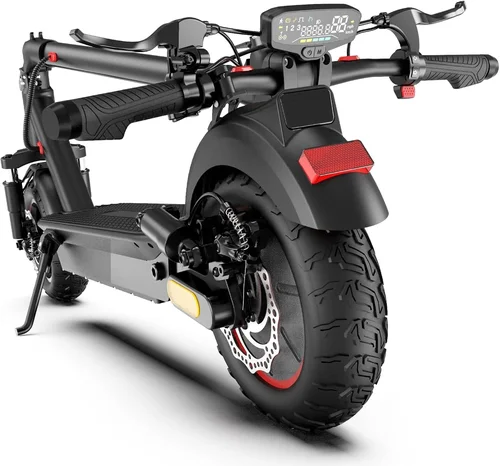
Electric scooters have evolved from niche urban gadgets to mainstream mobility solutions, reshaping how millions commute, explore cities, and reduce their carbon footprint. In 2026, the market is more competitive than ever—offering a dizzying array of models across price points, performance tiers, and feature sets. Whether you’re a student navigating campus, a professional dodging traffic, or a weekend adventurer seeking eco-friendly thrills, choosing the right electric scooter can feel overwhelming. That’s why this comprehensive buying guide exists: to cut through the noise, clarify your priorities, and help you make a confident, informed decision.
This guide is designed for real people with real needs. You’ll learn not just what specs matter—like range, speed, and motor power—but also how those specs translate into everyday usability. We’ll walk you through budget considerations, build quality red flags, hidden costs, and even how to avoid common pitfalls that trip up first-time buyers. By the end, you won’t just know which scooter to buy—you’ll understand why it’s the right fit for your lifestyle. The electric scooter landscape in 2026 is mature, innovative, and packed with value, but only if you know where to look.
—
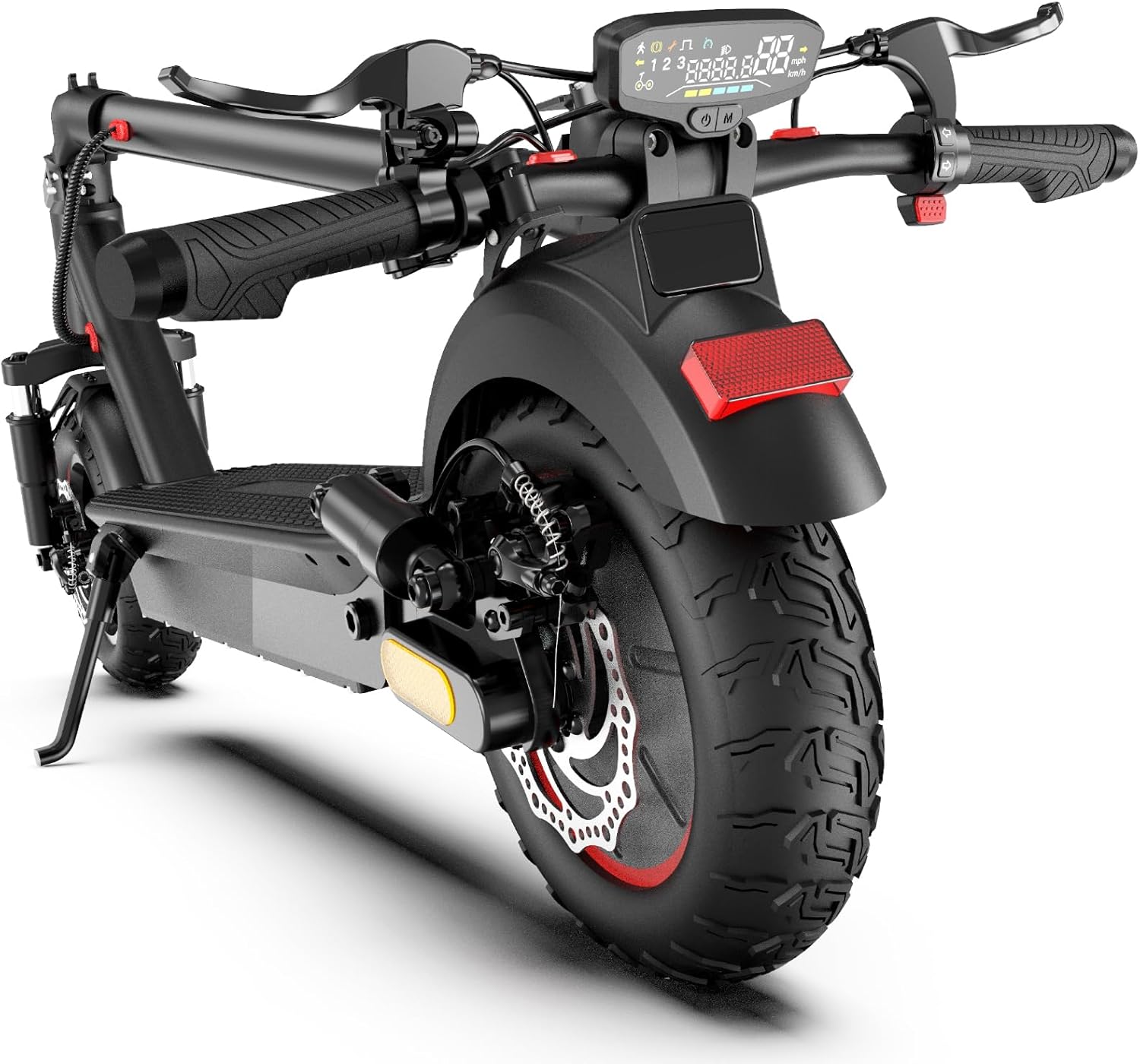
What to Look for When Buying Gotrax
1. Budget & Price Range
Your budget is the foundation of your purchase decision—and it’s more nuanced than just picking the cheapest or most expensive model. Electric scooters in 2026 span from under $300 to well over $2,000, with significant differences in performance, durability, and features at each tier. A sub-$400 scooter might get you from point A to B, but it likely won’t handle hills, last more than a year, or offer reliable braking. On the other hand, spending $1,500+ doesn’t automatically guarantee perfection—some premium models prioritize aesthetics over practicality.
When setting your budget, consider total cost of ownership, not just the sticker price. Factor in potential repair costs, replacement parts (like tires or batteries), and whether the scooter includes essential accessories like lights, fenders, or a bell. Also, ask yourself: how often will I use this? If it’s daily commuting, investing in a mid-range or premium model pays off in longevity and comfort. For occasional weekend rides, a budget-friendly option may suffice.
2. Performance Specifications
Performance isn’t just about top speed—it’s a blend of motor power, range, acceleration, and hill-climbing ability. In 2026, most commuter scooters feature brushless hub motors ranging from 250W to 1,000W. A 250W motor is fine for flat city streets but struggles on inclines above 10%. For hilly terrain or heavier riders (over 180 lbs), aim for at least 500W, with 800W+ ideal for consistent performance.
Range is equally critical. Manufacturers often quote “ideal condition” ranges based on light riders, flat roads, and moderate speeds. Real-world range is typically 20–30% lower. If you need to travel 10 miles round-trip daily, don’t buy a scooter advertised with a 12-mile range—opt for one rated at 15–18 miles to account for variables like wind, stops, and battery degradation over time.
Speed matters too, but legality often dictates practical limits. Many cities cap e-scooter speeds at 15–20 mph for safety and regulatory compliance. While some models can hit 25–30 mph, exceeding local limits may void insurance or lead to fines. Always check your city’s regulations before prioritizing raw speed.
3. Build Quality & Durability
A scooter is only as good as its weakest component. In 2026, look for aircraft-grade aluminum frames, reinforced folding mechanisms, and IP ratings for water and dust resistance (IP54 or higher is recommended for urban use). Cheap plastics, flimsy stems, or poorly welded joints are red flags—even if the specs look impressive on paper.
Tires are another durability hotspot. Solid rubber tires are puncture-proof but offer a harsher ride and less grip on wet surfaces. Pneumatic (air-filled) tires provide better shock absorption and traction but require occasional maintenance and are vulnerable to flats. Some newer models use honeycomb or semi-pneumatic tires as a middle ground—offering decent comfort without air pumps.
Weight capacity is often overlooked but crucial. Most scooters support 220–265 lbs, but exceeding this limit strains the motor, reduces range, and accelerates wear. If you’re near or above the stated limit, choose a model with a higher rating and reinforced deck.
4. Features & Functionality
Modern electric scooters come loaded with features, but not all are worth the premium. Essential features include bright LED headlights and taillights (with brake activation), a clear digital display showing speed, battery level, and mode, and responsive electronic or disc brakes. Regenerative braking—which recaptures energy during deceleration—is becoming standard on mid-tier and above models and can extend range by 5–10%.
Connectivity features like Bluetooth app integration, GPS tracking, and ride analytics are nice-to-haves but rarely essential. However, if you live in a high-theft area, built-in alarms or remote locking via app can provide peace of mind. Similarly, cruise control reduces hand fatigue on long rides, while multiple speed modes let you tailor performance to conditions.
Avoid “gimmick” features like built-in speakers or RGB lighting unless they align with your actual needs. These often drain the battery faster and add unnecessary complexity.
5. Brand Reputation
Not all brands are created equal. Established names like Gotrax, Segway-Ninebot, Xiaomi, and Apollo have spent years refining their designs, sourcing quality components, and building reliable customer support networks. Gotrax, in particular, has carved out a strong reputation in the affordable-to-mid-range segment, offering solid performance at competitive prices with consistent firmware updates and accessible spare parts.
Newer or lesser-known brands may offer tempting deals, but they often cut corners on testing, use generic batteries, or lack service centers. Check if the brand has a physical presence in your country—warranty claims are far easier to resolve when local support exists. Also, look for third-party certifications like UL 2271 (for battery safety) or CE marking, which indicate adherence to international safety standards.
6. Warranty & Support
A good warranty is a sign of manufacturer confidence. In 2026, expect at least a 12-month limited warranty on major components (motor, battery, controller). Premium brands often offer 18–24 months, sometimes extendable with registration. Pay close attention to what’s covered: batteries typically degrade over time and may only be covered for capacity loss below 70% within the warranty period.
Customer support quality varies widely. Read recent reviews mentioning warranty claims—did the company respond promptly? Were replacement parts shipped quickly? Avoid brands with vague warranty terms or those that require you to ship the entire scooter at your expense for minor repairs.
7. Size & Portability
If you plan to carry your scooter on public transit, store it under a desk, or lift it up stairs, portability is non-negotiable. Weight typically ranges from 22 lbs (ultraportable models) to 45+ lbs (high-performance beasts). Folding mechanisms should be quick, secure, and not rattle during rides. Look for scooters with foldable handlebars or stem locks that prevent accidental unfolding.
Deck size affects comfort—especially for longer rides. A narrow deck forces awkward foot placement, while a wide one offers stability but reduces portability. Wheel size also plays a role: 6–8 inch wheels are compact but bumpier; 10-inch wheels handle cracks and potholes better but add bulk.
Consider where you’ll store the scooter. If space is tight, measure your closet, car trunk, or office corner before buying. Some models include carrying straps or wheels on the stem for easier transport when folded.
8. User Reviews & Ratings
Specs tell one story; real-world experience tells another. Always read recent user reviews—not just the star rating, but detailed comments about reliability, customer service, and long-term performance. Look for patterns: if multiple users report battery failure after six months, that’s a red flag, even if the spec sheet looks great.
Pay attention to reviews from riders similar to you in weight, usage frequency, and terrain. A scooter praised by a 130-lb student in flat Amsterdam may disappoint a 200-lb commuter in hilly San Francisco. Video reviews on YouTube can also reveal build quality issues or handling quirks not evident in photos.
Avoid relying solely on Amazon or retailer reviews—some are incentivized or fake. Cross-check with independent forums like Reddit’s r/ElectricScooters or specialized review sites for balanced perspectives.
—
Different Types of Gotrax

—
Common Buying Mistakes to Avoid
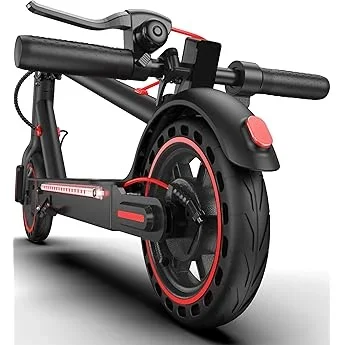
❌ Mistake: Prioritizing Top Speed Over Real-World Usability
Why it’s bad: High-speed scooters often sacrifice range, braking efficiency, and stability. Many urban areas restrict e-scooter speeds, making 30 mph capability irrelevant—and potentially illegal.
What to do instead: Focus on consistent performance at legal speeds (15–20 mph). Ensure the scooter has reliable brakes and handles well at those speeds. Speed is useless if you can’t stop safely.
❌ Mistake: Ignoring Local Laws and Regulations
Why it’s bad: Riding an illegal scooter can result in fines, confiscation, or insurance issues. Some cities ban e-scooters on sidewalks or require helmets and lights.
What to do instead: Research your city’s e-scooter laws before buying. Choose a model that complies with local speed limits, lighting requirements, and parking rules.
❌ Mistake: Buying Based Solely on Advertised Range
Why it’s bad: Manufacturers test range under ideal conditions—light rider, flat road, no wind. Real-world range is almost always shorter.
What to do instead: Divide the advertised range by 1.3 to estimate real-world performance. Always buy a scooter with at least 20% more range than your daily needs.
❌ Mistake: Overlooking Maintenance Requirements
Why it’s bad: Pneumatic tires need air, brakes wear down, and batteries degrade. Neglecting maintenance leads to breakdowns and safety hazards.
What to do instead: Learn basic upkeep: check tire pressure weekly, inspect brake pads monthly, and store the scooter indoors to prolong battery life.
❌ Mistake: Choosing the Cheapest Option Without Considering Longevity
Why it’s bad: Budget scooters often use low-quality batteries and motors that fail within a year, costing more in replacements than a mid-range model would have.
What to do instead: View your purchase as a long-term investment. Spending $100 more upfront can save $300 in repairs over two years.
❌ Mistake: Not Testing Before Buying
Why it’s bad: A scooter that looks great online might feel unstable, uncomfortable, or poorly balanced in person.
What to do instead: Visit a local retailer or borrow a friend’s model for a test ride. Pay attention to handlebar height, deck space, and ride smoothness.
❌ Mistake: Ignoring Theft Risk
Why it’s bad: E-scooters are easy targets for thieves, especially in dense urban areas.
What to do instead: Invest in a high-quality U-lock or chain lock. Choose models with built-in alarms or GPS tracking. Never leave your scooter unattended in high-risk zones.
—
Budget Guidelines: How Much Should You Spend?
Entry-Level ($250–$400): Ideal for casual riders, students, or short campus commutes. Expect 8–12 mile range, 15 mph top speed, and basic features like LED lights and electronic brakes. Build quality is adequate but not rugged—best for light use on smooth surfaces. Models like the Gotrax G4 or GKS fall here.
Mid-Range ($450–$700): The sweet spot for most urban commuters. These scooters offer 15–25 mile ranges, 20–25 mph speeds, pneumatic tires, and better suspension. They’re durable enough for daily use and often include app connectivity and regenerative braking. The Gotrax XR Elite and GMAX Ultra exemplify this tier.
Premium ($750–$1,200): For enthusiasts and professionals who demand reliability, performance, and advanced features. Expect 30+ mile ranges, dual motors, hydraulic brakes, full suspension, and robust frames. These handle hills, long distances, and varied terrain with ease. Great for delivery riders or multi-modal commuters.
Luxury ($1,200+): Top-tier models with cutting-edge tech, premium materials, and exceptional build quality. Often include carbon fiber components, smartphone integration, and extended warranties. While impressive, they’re overkill for most users—reserve for serious riders or those prioritizing status and innovation.
—
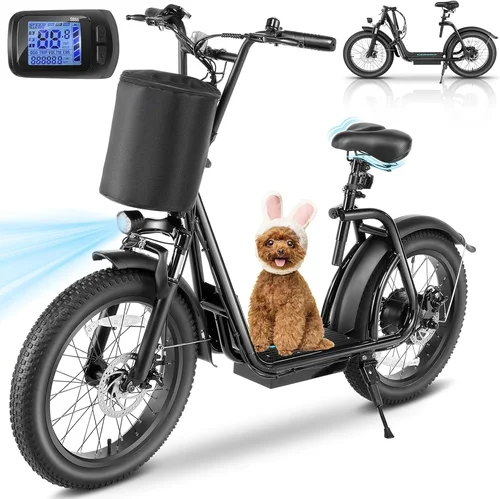
Expert Tips for Getting the Best Deal
1. Time Your Purchase Around Sales Cycles: Major discounts occur during Black Friday, Cyber Monday, Amazon Prime Day, and back-to-school seasons (July–August). Gotrax often runs promotions during these periods, sometimes offering $50–$100 off or free accessories.
2. Buy Direct from the Manufacturer: Gotrax.com frequently offers exclusive bundles, extended warranties, or free shipping not available on third-party retailers. You also get direct access to customer support and firmware updates.
3. Check Refurbished or Open-Box Options: Certified refurbished scooters from Gotrax or reputable sellers come with warranties and cost 20–30% less than new. These are often returned items with minor cosmetic flaws but full functionality.
4. Compare Return Policies: Ensure the seller offers at least a 14-day return window. Some retailers charge restocking fees or require you to cover return shipping—read the fine print.
5. Look for Bundle Deals: Some retailers include helmets, locks, or phone mounts at no extra cost. These add-ons can save $50–$100 if purchased separately.
6. Join Loyalty Programs: Sign up for Gotrax’s email list or loyalty program to receive early access to sales, discount codes, and product launch announcements.
7. Test Ride When Possible: If a local store carries Gotrax models, take advantage. Feeling the ride quality, fold mechanism, and display clarity makes a huge difference in satisfaction.
8. Consider Financing Options: Gotrax and some retailers offer 0% APR financing for 6–12 months. This lets you spread payments without interest—ideal if cash flow is tight but you need a reliable scooter now.
—

Frequently Asked Questions
Q: How long do electric scooter batteries last?
A: Most lithium-ion batteries last 300–500 charge cycles before capacity drops below 80%. With daily use, that’s roughly 1–2 years. Proper care—like avoiding full discharges and storing at 50% charge in winter—can extend lifespan.
Q: Can I ride my Gotrax in the rain?
A: Gotrax models with IP54 rating can handle light rain and splashes, but avoid heavy downpours or puddles. Water can damage the motor, battery, or electronics. Always dry the scooter thoroughly after wet rides.
Q: Is it safe to charge overnight?
A: Modern Gotrax scooters have overcharge protection, so leaving them plugged in overnight is generally safe. However, avoid charging on flammable surfaces or in extreme temperatures.
Q: What’s the difference between hub motors and chain drives?
A: Gotrax uses hub motors (integrated into the wheel), which are quieter, require less maintenance, and are more efficient than chain-driven systems. Chain drives are rare on consumer e-scooters in 2026.
Q: Can I upgrade my scooter’s battery?
A: Most Gotrax models have non-removable batteries sealed within the deck. Upgrading isn’t user-friendly and may void the warranty. If you need more range, consider a model with a larger battery from the start.
Q: Do I need insurance for my electric scooter?
A: In most U.S. states, no—but it’s wise to check. Some cities require liability insurance, especially for rental scooters. Homeowner’s or renter’s insurance may cover theft or damage.
Q: How do I maintain my Gotrax scooter?
A: Clean the deck and tires regularly, check bolt tightness monthly, lubricate the folding mechanism, and keep the battery between 20–80% charge when storing long-term. Replace worn brake pads promptly.
Q: What should I do if my scooter stops working?
A: First, check the basics: is it charged? Is the power button pressed? Is the kickstand down? If issues persist, contact Gotrax support with your serial number and purchase proof. Most problems are covered under warranty.
Q: Are electric scooters eco-friendly?
A: Yes—compared to cars, e-scooters produce far fewer emissions per mile. Even accounting for electricity generation and manufacturing, they’re significantly greener over their lifespan.
Q: Can kids ride Gotrax scooters?
A: Gotrax offers age-appropriate models like the GKS, designed for riders 8–14 with speed limiters and lower weight capacity. Always supervise young riders and ensure they wear helmets.
—
Our Final Recommendations
Best for Budget-Conscious Buyers: Gotrax G4 – At under $400, it delivers reliable 15-mile range, 15 mph speed, and solid build quality. Perfect for students or occasional riders who want value without sacrificing essentials.
Best Overall Value: Gotrax XR Elite – With 18-mile range, 20 mph speed, pneumatic tires, and a comfortable ride, it strikes the ideal balance for daily commuters. Priced under $500, it’s hard to beat.
Best Premium Option: Gotrax GMAX Ultra – For those who commute long distances or face hilly terrain, the GMAX Ultra’s 40-mile range, dual suspension, and 25 mph top speed make it a standout. Worth the $750 investment for serious riders.
Best for Beginners: Gotrax GKS – Lightweight, speed-capped at 10 mph, and equipped with parental controls, it’s the safest entry point for teens and first-time riders.
Best for Advanced Users: Gotrax Apex – Built for off-road adventures, the Apex boasts a 1000W motor, all-terrain tires, and rugged construction. Ideal for trail explorers or those who refuse to be limited by pavement.
—
Conclusion: Making the Right Choice
Choosing the right electric scooter in 2026 isn’t about finding the flashiest specs or the lowest price—it’s about aligning your purchase with your lifestyle, needs, and long-term goals. Whether you’re dodging traffic on a Gotrax XR Elite or exploring trails on an Apex, the best scooter is the one that gets you where you need to go safely, reliably, and enjoyably.
Remember: prioritize real-world performance over marketing claims, invest in quality within your budget, and never skip the test ride if possible. The electric scooter revolution is here to stay, and with the right knowledge, you can be part of it without regret. So take your time, do your research, and when you find that perfect match—hit the road with confidence. Your future self will thank you.