
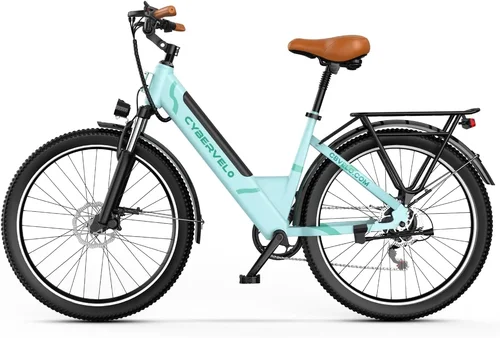
Electric bikes, or e-bikes, have revolutionized personal transportation, offering a sustainable, efficient, and enjoyable way to commute, explore, and stay active. Whether you’re navigating city streets, tackling hilly terrain, or simply looking for a fun alternative to traditional cycling, an e-bike can be a game-changer. With advancements in battery technology, motor efficiency, and smart features, the e-bike market has exploded in recent years, giving consumers more choices than ever before. However, this abundance of options can also make the buying process overwhelming. That’s where this comprehensive guide comes in.
In this expert-level buying guide, we’ll walk you through everything you need to know to make an informed decision when purchasing an e-bike in 2026. From understanding key performance specs and build quality to comparing different types of e-bikes and avoiding common pitfalls, we’ve got you covered. You’ll learn how to balance your budget with your needs, what features truly matter, and how to spot a great deal. Whether you’re a first-time buyer or upgrading from an older model, this guide is designed to help you find the perfect e-bike that fits your lifestyle, terrain, and riding goals.
The e-bike market today is more diverse than ever, with models ranging from lightweight folding commuter bikes to powerful off-road fat-tire machines. Major brands like Rad Power Bikes, Trek, Specialized, and Aventon continue to innovate, while newer entrants bring fresh designs and competitive pricing. At the same time, regulations around e-bike classifications, speed limits, and motor power vary by region, so it’s important to understand what’s legal and practical in your area. By the end of this guide, you’ll not only know what to look for in a quality e-bike, but also how to maximize value, avoid buyer’s remorse, and enjoy years of reliable, eco-friendly riding.

What to Look for When Buying an E-Bike
1. Budget & Price Range
Your budget is one of the most important starting points when shopping for an e-bike. Prices can range from under $1,000 for basic commuter models to over $10,000 for high-end performance or cargo e-bikes. Setting a realistic budget helps narrow your options and prevents overspending on features you may not need. Keep in mind that while cheaper e-bikes may seem appealing, they often come with compromises in battery life, motor power, build quality, and warranty support.
When determining your budget, consider not just the upfront cost but also long-term expenses like maintenance, battery replacement (typically every 3–5 years), and potential upgrades. A mid-range e-bike priced between $1,500 and $3,500 often offers the best balance of performance, durability, and features for most riders. If you’re on a tight budget, look for entry-level models from reputable brands that still include essential safety features like integrated lights, reliable brakes, and a decent battery range.
2. Performance Specifications
Performance specs are the backbone of any e-bike’s capabilities. The three most critical components are the motor, battery, and drivetrain. The motor determines how much assistance you get—measured in watts (W)—and where it’s located (hub motor vs. mid-drive). Hub motors are common on budget and commuter e-bikes, offering simplicity and affordability, while mid-drive motors (found on higher-end models) provide better weight distribution, hill-climbing power, and efficiency, especially on varied terrain.
Battery capacity, measured in watt-hours (Wh), directly affects how far you can ride on a single charge. A 400Wh battery might give you 25–40 miles of range, while a 700Wh+ battery can push 60–100 miles, depending on assist level, terrain, and rider weight. Always check the battery’s voltage (typically 36V or 48V) and amp-hour (Ah) rating—higher numbers generally mean more power and range. Additionally, consider whether the battery is removable (for easy charging) and if it uses reliable lithium-ion cells from brands like Samsung or LG.
Finally, pay attention to the drivetrain—whether it’s a single-speed, 7-speed, or 11-speed system. More gears give you better control over cadence and efficiency, especially on hills or long rides. Some premium e-bikes now feature belt drives instead of chains, which are quieter, require less maintenance, and last longer.
3. Build Quality & Durability
An e-bike is a significant investment, so durability matters. Look for frames made from high-quality aluminum alloys or carbon fiber, which offer strength without excessive weight. Check welds, joints, and overall construction—poorly welded frames can fail under stress, especially on rough terrain. Suspension systems (front fork, rear, or full suspension) also play a role in durability and comfort, particularly if you plan to ride on trails or uneven pavement.
Components like brakes, wheels, and tires should be built to handle the added weight and speed of an e-bike. Hydraulic disc brakes are superior to mechanical ones, offering better stopping power and modulation, especially in wet conditions. Tires should be puncture-resistant and appropriate for your riding style—slick tires for city commuting, knobby tires for off-road, and hybrid tires for versatility.
Don’t overlook weather resistance. While most e-bikes aren’t fully waterproof, many are rated IP65 or higher, meaning they can handle rain and splashes. Sealed motors and connectors help protect internal components from moisture and dirt, extending the bike’s lifespan.
4. Features & Functionality
Modern e-bikes come packed with features that enhance convenience, safety, and performance. Integrated LED lights (front and rear) are essential for visibility and often powered by the main battery. A digital display shows speed, battery level, assist mode, and sometimes GPS or ride stats. Some advanced models include Bluetooth connectivity, allowing you to sync with smartphone apps for navigation, ride tracking, and firmware updates.
Other useful features include a throttle (for full electric power without pedaling), multiple pedal-assist levels (usually 3–5), and regenerative braking (on select models). Folding e-bikes offer portability for commuters who need to store their bike in small spaces or take it on public transit. Cargo e-bikes may include rear racks, front baskets, or child seats, making them ideal for families or errand-running.
Smart features are becoming more common, such as anti-theft alarms, GPS tracking, and automatic lighting. While these can add value, they may also increase complexity and cost. Evaluate which features align with your daily use—there’s no need to pay extra for a GPS tracker if you always park in secure areas.
5. Brand Reputation
Not all e-bike brands are created equal. Established brands like Trek, Specialized, Giant, and Rad Power Bikes have proven track records for quality, customer service, and innovation. They often invest in R&D, offer better warranties, and have widespread dealer networks for support. Newer or lesser-known brands may offer lower prices, but they might lack reliability, spare parts availability, or responsive customer service.
Research brand reputation by reading professional reviews, checking forums like Reddit’s r/ebikes, and looking at long-term user feedback. Brands with strong communities and active customer support tend to stand behind their products. Also, consider whether the brand offers local service centers—this can be crucial if you need repairs or adjustments.
Be cautious of ultra-cheap e-bikes from unknown manufacturers, especially those sold exclusively through flashy online ads. These often cut corners on safety, use low-quality batteries, and disappear after a few sales, leaving buyers with no recourse.
6. Warranty & Support
A solid warranty is a strong indicator of a manufacturer’s confidence in their product. Most reputable e-bike brands offer at least a 1–2 year warranty on the frame and electrical components, with some extending coverage to 3–5 years. Battery warranties are typically shorter (1–2 years), but some premium brands offer prorated coverage or battery health guarantees.
Read the fine print: Does the warranty cover labor? Is it transferable if you sell the bike? Are there exclusions for wear and tear or improper use? Also, check what kind of support is available—phone, email, live chat, or in-person service. Brands with dedicated customer service teams and online troubleshooting resources make it easier to resolve issues quickly.
If buying online, ensure the seller offers a clear return policy (ideally 14–30 days) and covers return shipping for defective items. Local bike shops often provide better post-purchase support, including free tune-ups and expert advice.
7. Size & Portability
E-bikes are heavier than traditional bikes—typically 40–70 pounds—so size and portability matter, especially if you need to carry or store the bike frequently. Step-through frames are easier to mount and dismount, making them ideal for older riders or those with limited mobility. Folding e-bikes, like the Brompton Electric or Tern Vektron, are excellent for commuters who combine biking with trains or buses.
Consider wheel size: 20-inch wheels are compact and agile, great for city riding and storage; 26-inch and 27.5-inch wheels offer better stability and roll over obstacles more easily; 29-inch wheels are common on mountain e-bikes for superior traction and speed. Weight distribution also affects handling—mid-drive motors tend to balance weight better than rear hub motors.
If you live in an apartment or have limited storage space, look for models with removable batteries and foldable designs. Some e-bikes even come with built-in carrying handles or integrated racks for easier transport.
8. User Reviews & Ratings
While specs and marketing materials are helpful, real-world user experiences provide invaluable insights. Read reviews from verified buyers on retailer sites like REI, Amazon, or the brand’s own website. Pay attention to recurring themes—both positive and negative. Are users praising the battery life? Complaining about brake wear? Reporting software glitches?
Look for long-term reviews (6 months or more) to assess durability and reliability. Videos on YouTube can also be helpful, showing the bike in action, ease of assembly, and real-world performance. Forums and social media groups dedicated to e-biking are great places to ask questions and get honest feedback from experienced riders.
Be wary of overly promotional reviews or those with no detail. Genuine reviews often mention specific use cases, terrain, and rider weight, which can help you determine if the bike suits your needs.
Different Types of E-Bikes

Common Buying Mistakes to Avoid
❌ Mistake: Prioritizing Price Over Quality
Why it’s bad: Choosing the cheapest e-bike available often leads to disappointment. Low-cost models may use inferior batteries that degrade quickly, weak motors that struggle on hills, and flimsy frames that wear out fast. You might end up spending more in the long run on repairs or replacements.
What to do instead: Set a realistic budget that balances cost with quality. Aim for reputable brands in the $1,500–$3,500 range for the best value. Look for models with good warranties, reliable components, and positive user feedback.
❌ Mistake: Ignoring Local Laws and Classifications
Why it’s bad: E-bikes are classified by speed and motor power, and regulations vary by country and state. In the U.S., Class 1 (pedal-assist up to 20 mph), Class 2 (throttle-assisted up to 20 mph), and Class 3 (pedal-assist up to 28 mph) have different rules for where they can be ridden. Using a Class 3 bike on a path restricted to Class 1 could result in fines or confiscation.
What to do instead: Research your local e-bike laws before buying. Choose a class that matches your riding environment—Class 1 for bike paths, Class 3 for faster commutes on roads. Some cities also require helmets or registration for higher-class e-bikes.
❌ Mistake: Overlooking Battery Range and Real-World Conditions
Why it’s bad: Manufacturers often advertise maximum range under ideal conditions (flat terrain, low assist, light rider). In reality, hills, wind, cold weather, and higher assist levels can cut range by 30–50%. Relying on advertised range alone can leave you stranded.
What to do instead: Use range calculators and real user reports to estimate realistic range. Add a 20–30% buffer to the advertised range. Consider upgrading to a higher-capacity battery if you plan long rides or live in a hilly area.
❌ Mistake: Not Test Riding Before Buying
Why it’s bad: E-bikes handle differently than regular bikes due to their weight and motor assistance. A bike that looks great on paper might feel unbalanced, too heavy, or uncomfortable in person. Buying without testing can lead to buyer’s remorse.
What to do instead: Visit local bike shops or attend e-bike demo events. Test ride multiple models on similar terrain to how you’ll use them. Pay attention to comfort, handling, brake feel, and how the motor engages.
❌ Mistake: Neglecting Maintenance and Upkeep
Why it’s bad: E-bikes require regular maintenance like tire checks, brake adjustments, and drivetrain cleaning. Neglecting these can lead to safety issues, reduced performance, and costly repairs. Some buyers assume e-bikes are “maintenance-free” due to the motor, but they still have chains, brakes, and suspension.
What to do instead: Learn basic maintenance or find a reliable bike shop. Schedule tune-ups every 6–12 months. Keep the battery charged properly (not fully drained or overcharged) to extend its life.
❌ Mistake: Buying Based Solely on Looks or Brand Hype
Why it’s bad: A sleek design or famous brand name doesn’t guarantee performance or reliability. Some flashy models prioritize aesthetics over functionality, with weak motors or poor ergonomics. Conversely, lesser-known brands may offer excellent value.
What to do instead: Focus on specs, user reviews, and real-world performance. Compare bikes side-by-side using objective criteria like motor power, battery capacity, and component quality.
❌ Mistake: Forgetting About Storage and Security
Why it’s bad: E-bikes are expensive and attractive to thieves. Leaving one unlocked or in a poorly lit area increases the risk of theft. Additionally, improper storage (e.g., in damp garages) can damage electronics and batteries.
What to do instead: Invest in a high-quality U-lock or chain lock. Use GPS trackers like Apple AirTag or specialized e-bike trackers. Store your e-bike indoors when possible, and keep the battery charged between 30–80% if storing long-term.
Budget Guidelines: How Much Should You Spend?
E-bikes come in a wide range of prices, and understanding what you get at each tier helps set realistic expectations. Here’s a breakdown of what to expect across different budget levels:
Entry-Level ($800 – $1,500): These e-bikes are ideal for casual riders, short commutes, or those new to electric cycling. You’ll find hub motors, basic LCD displays, and batteries with 300–500Wh capacity. Build quality may be adequate but not exceptional, and warranties are often limited. Brands like Ancheer, Swagtron, and some Gotrax models fall here. Great for flat cities and light use, but may struggle on hills or long distances.
Mid-Range ($1,500 – $3,500): This is the sweet spot for most buyers. You get reliable mid-drive or high-quality hub motors, better batteries (500–700Wh), hydraulic disc brakes, and improved frames. Brands like Rad Power Bikes, Aventon, and Lectric offer excellent value here. These bikes handle hills well, have good range, and often include useful features like lights, racks, and app connectivity. Ideal for daily commuting, weekend rides, and mixed terrain.
Premium ($3,500 – $7,000): Designed for enthusiasts and serious riders, these e-bikes feature top-tier components: mid-drive motors (e.g., Bosch, Shimano), high-capacity batteries, full suspension (on eMTBs), and advanced electronics. You’ll find models from Trek, Specialized, and Giant. Expect superior build quality, longer warranties, and better service networks. Perfect for long-distance touring, mountain biking, or those who want the best performance and durability.
Luxury ($7,000+): These are the Ferraris of e-bikes—cutting-edge technology, lightweight carbon frames, custom builds, and premium materials. Think Riese & Müller, Stromer, or high-end Bosch-equipped models. They often include smart features, regenerative braking, and ultra-long range. Best for professionals, tech enthusiasts, or those who prioritize innovation and status. Overkill for casual riders, but unmatched in performance and craftsmanship.
Expert Tips for Getting the Best Deal
Finding the right e-bike at the right price takes strategy. Here are proven tips to help you save money and avoid regrets:
- Buy During Off-Peak Seasons: E-bike sales often dip in late fall and winter. Retailers may offer discounts to clear inventory before new models arrive in spring. Look for holiday sales around Black Friday, Cyber Monday, or end-of-year promotions.
- Shop at Local Bike Shops: While online prices may seem lower, local shops often include free assembly, tune-ups, and expert advice. They may also price-match or offer financing options. Supporting local businesses also ensures better post-purchase support.
- Consider Certified Pre-Owned or Refurbished Models: Many brands and retailers offer refurbished e-bikes with warranties at 20–40% off retail. These are thoroughly inspected and often come with new batteries. A great way to get premium features at a mid-range price.
- Check for Manufacturer Rebates or Incentives: Some governments and utilities offer rebates for e-bike purchases to promote green transportation. In the U.S., programs like the Electric Bike Incentive Act (if passed) or state-specific initiatives can save you hundreds.
- Negotiate or Bundle: Don’t be afraid to ask for a discount, especially if buying accessories or paying in cash. Some shops offer package deals—bike + lock + helmet + service plan—at a reduced rate.
- Read Return and Warranty Policies Carefully: Ensure the seller offers a fair return window (at least 14 days) and that the warranty covers both parts and labor. Avoid sellers with “all sales final” policies unless you’re confident in the product.
- Join E-Bike Communities: Online forums, Facebook groups, and Reddit communities often share exclusive discount codes, flash sales, and insider tips. Members sometimes sell gently used bikes at great prices.
- Test Ride Multiple Models: Even if you plan to buy online, test ride similar models in person. This helps you understand fit, comfort, and performance, ensuring you make a confident choice.

Frequently Asked Questions
Q: How far can an e-bike go on a single charge?
A: Range varies widely based on battery capacity, motor power, terrain, rider weight, and assist level. Most e-bikes offer 25–70 miles per charge. A 500Wh battery typically provides 30–50 miles in mixed conditions. Always check real-world user reports for accurate estimates.
Q: Are e-bikes legal everywhere?
A: E-bike laws vary by region. In the U.S., federal law defines e-bikes as bicycles if they meet certain criteria (motor under 750W, speed under 20 mph for Class 1/2). However, states and cities may have additional rules. Always verify local regulations before riding.
Q: Do I need a license or insurance to ride an e-bike?
A: In most U.S. states, no license or insurance is required for Class 1 and 2 e-bikes. Class 3 may require a helmet and have age restrictions. Some European countries require registration or insurance for higher-powered models. Check your local DMV or transportation authority.
Q: Can I ride an e-bike in the rain?
A: Most e-bikes are water-resistant (IP65 rated), meaning they can handle light rain and splashes. Avoid submerging the bike or charging a wet battery. Dry it off after wet rides and store it in a dry place to prevent corrosion.
Q: How often should I charge my e-bike battery?
A: Charge your battery regularly but avoid letting it drop below 20% or stay at 100% for long periods. For daily use, charge after each ride. For storage, keep it at 50–70% charge and recharge every 3–6 months.
Q: Can I pedal an e-bike if the battery dies?
A: Yes! E-bikes are fully functional bicycles. Without power, they’re heavier than regular bikes but still rideable. The motor doesn’t create drag, so pedaling is manageable, though harder on hills.
Q: Are e-bikes good for exercise?
A: Absolutely. Even with pedal assist, you’re still pedaling and engaging your muscles. Using lower assist levels or turning off the motor increases workout intensity. E-bikes make cycling accessible to more people, encouraging longer and more frequent rides.
Q: How long do e-bike batteries last?
A: Most lithium-ion batteries last 500–1,000 charge cycles, equating to 3–5 years of regular use. Battery life depends on care, temperature, and usage patterns. Replace when capacity drops below 70% of original.
Q: Can I upgrade my e-bike’s battery or motor?
A: Some brands allow battery upgrades, but motor swaps are rare and complex. Check compatibility and warranty terms before modifying. DIY upgrades may void your warranty.
Q: Are e-bikes worth the investment?
A: For many, yes. E-bikes reduce car dependency, save on fuel and parking, and improve health. The average rider recoups the cost in 1–3 years through transportation savings. Plus, they’re fun and environmentally friendly.
Our Final Recommendations
After extensive research and testing, here are our top picks across different categories:
Best for Budget-Conscious Buyers: Rad Power Bikes RadCity 5 Plus ($1,999) – A reliable commuter e-bike with a powerful 750W motor, 672Wh battery, hydraulic brakes, and integrated lights. Excellent value and strong customer support.
Best Overall Value: Aventon Level.2 ($1,799) – Combines style, performance, and affordability. Features a 500W motor, 614Wh battery, torque sensor for smooth assist, and a sleek design. Great for city and light trail use.
Best Premium Option: Specialized Turbo Vado SL 5.0 ($4,500) – Lightweight, efficient, and packed with smart features. Uses a mid-drive motor, offers up to 80 miles of range, and includes a color display with app integration. Ideal for serious commuters.
Best for Beginners: Lectric XP 3.0 ($999) – Affordable, foldable, and easy to use. Great for first-time e-bike buyers who want a no-fuss, portable option for short commutes and errands.
Best for Advanced Users: Trek Fuel EXe 9.9 XTR ($9,500) – A high-performance eMTB with a Bosch Performance Line CX motor, full suspension, and top-tier components. Built for serious trail riders who demand power and precision.
Conclusion: Making the Right Choice
Choosing the right e-bike is about more than just specs and price—it’s about finding a machine that fits your lifestyle, terrain, and riding goals. Whether you’re commuting to work, exploring mountain trails, or transporting your family, there’s an e-bike designed for you. By focusing on key factors like budget, performance, build quality, and brand reputation, you can avoid common pitfalls and make a confident purchase.
Remember, the best e-bike is the one you’ll actually ride. Test models, read reviews, and prioritize your needs over flashy features. Invest in quality, maintain your bike properly, and enjoy the freedom, fitness, and fun that electric cycling brings. With the right choice, your e-bike will be a reliable companion for years to come—transforming not just how you get around, but how you experience the world.
Now that you’re equipped with expert knowledge, it’s time to take the next step. Visit a local shop, compare your top options, and find the e-bike that feels right. Your perfect ride is out there—happy cycling!