
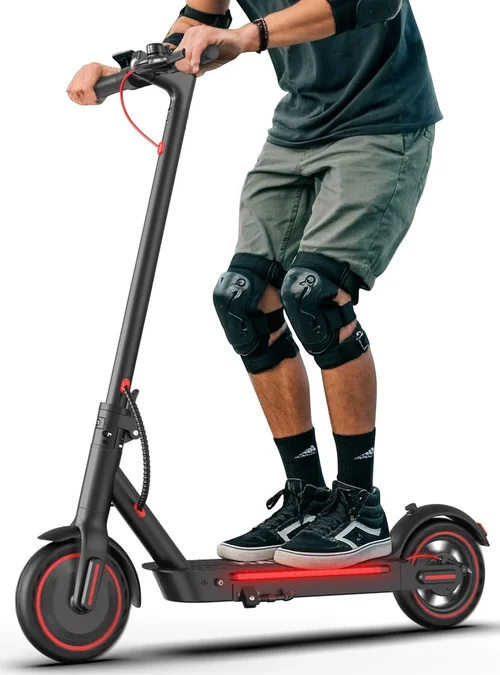
Electric scooters have evolved from niche urban curiosities into serious transportation solutions—offering speed, convenience, and eco-friendliness in one sleek package. Whether you’re commuting across town, running errands, or just enjoying a weekend ride, the right electric scooter can transform how you move through your day. But with hundreds of models flooding the market in 2026—from ultra-budget options under $300 to high-performance beasts pushing $3,000—it’s easy to feel overwhelmed. That’s exactly why this guide exists: to cut through the noise, clarify your priorities, and help you make a confident, informed decision.
In this comprehensive buying guide, you’ll learn everything you need to know before hitting “buy now.” We’ll break down the most critical factors that separate a decent scooter from a great one—things like motor power, battery life, build quality, and real-world performance. You’ll discover how different types of scooters serve different lifestyles, avoid common pitfalls that trip up first-time buyers, and get expert-backed tips on timing your purchase for maximum savings. Plus, we’ll share our top recommendations across multiple categories so you can find the perfect match for your needs, budget, and riding style. By the end, you won’t just know what to buy—you’ll understand why it’s the right choice for you.
The electric scooter market in 2026 is more dynamic than ever. Major brands like Gotrax, Segway-Ninebot, Xiaomi, and Apollo continue to innovate, while new entrants bring fresh designs and competitive pricing. Battery technology has improved significantly, offering longer ranges and faster charging times. Safety features like dual braking systems, LED lighting, and suspension are now standard even on mid-tier models. Meanwhile, smart connectivity—via Bluetooth apps, GPS tracking, and customizable ride modes—has become a key differentiator. With so much progress, there’s never been a better time to invest in an e-scooter. But with great variety comes great responsibility: choosing wisely means understanding what truly matters for your unique situation.
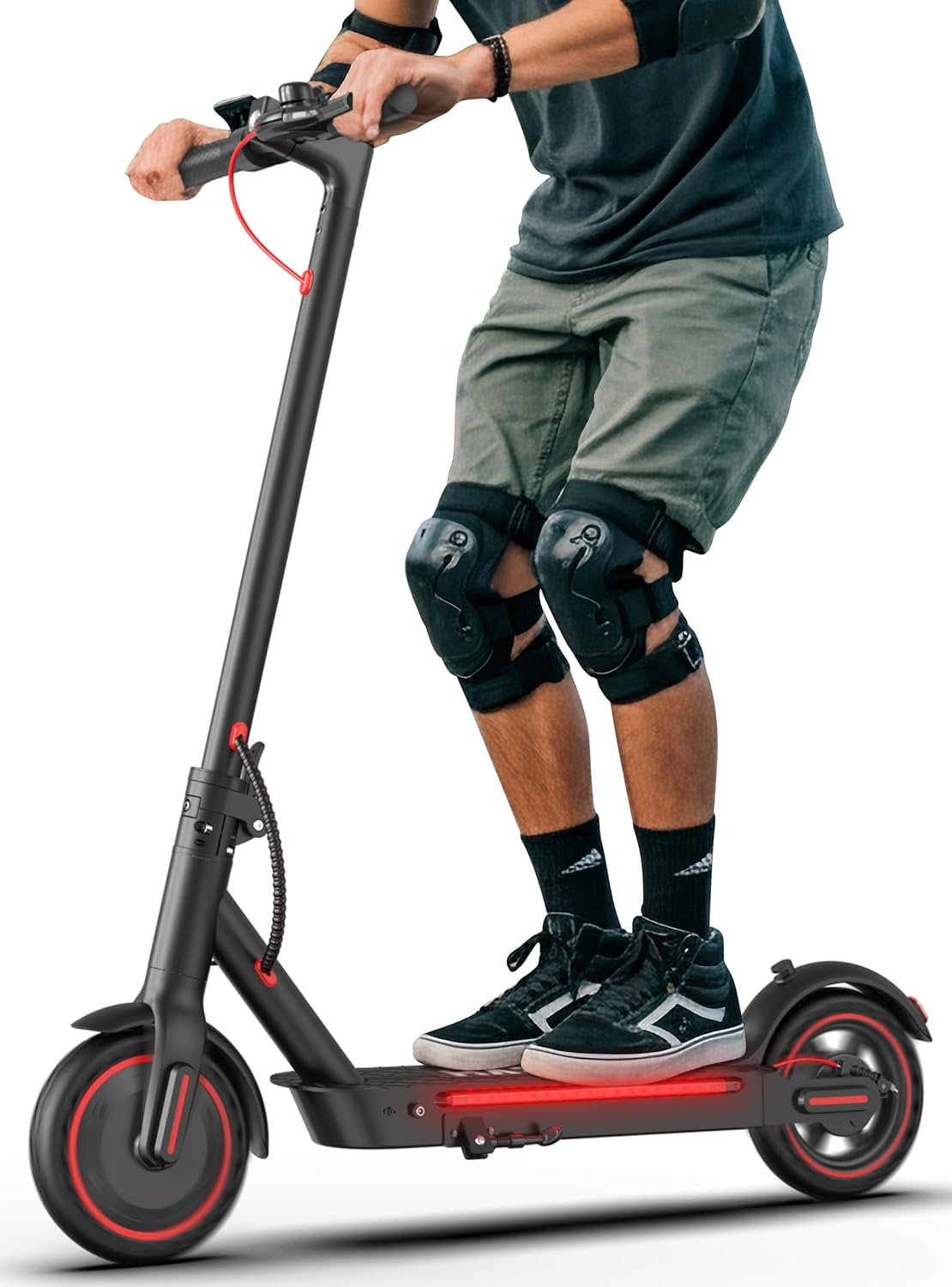
What to Look for When Buying Gotrax
1. Budget & Price Range
Your budget is the foundation of your entire decision-making process. Electric scooters span a wide price spectrum, and while it’s tempting to go for the cheapest option, doing so often leads to disappointment down the road. A sub-$300 scooter might seem like a steal, but it likely comes with weak motors, short battery life, flimsy frames, and minimal safety features. On the flip side, spending $2,000+ doesn’t guarantee perfection—some premium models prioritize speed over comfort or durability.
Instead of fixating on the lowest price, think in terms of value. Ask yourself: What am I getting for my money? For most casual riders, a scooter in the $400–$800 range offers the best balance of performance, reliability, and features. This tier typically includes decent motors (250W–500W), lithium-ion batteries with 15–25 miles of range, and sturdy aluminum frames. If you plan to use your scooter daily for commuting or longer trips, consider stretching into the $900–$1,500 range for better suspension, higher top speeds, and improved weather resistance. Always leave room in your budget for essential accessories like a helmet, lock, and possibly a phone mount.
2. Performance Specifications
Performance isn’t just about speed—it’s about how well the scooter handles real-world conditions. The three core specs to evaluate are motor power, top speed, and range.
Motor power, measured in watts (W), determines acceleration and hill-climbing ability. A 250W motor works fine on flat terrain but struggles with inclines. For city riding with occasional hills, aim for at least 350W–500W. Enthusiasts or those tackling steep gradients should look for dual motors or units rated 800W and above.
Top speed matters less than you might think. Most urban riders cruise between 12–18 mph, and many cities legally cap e-scooter speeds at 15–20 mph. However, having headroom (e.g., a 20–25 mph max) gives you flexibility and confidence when needed.
Range—the distance you can travel on a single charge—is often overstated by manufacturers. Always check real-world user reviews, as advertised ranges assume ideal conditions (flat ground, light rider, no wind). A scooter claiming 30 miles might realistically deliver 18–22 miles. For daily commutes under 10 miles round-trip, a 15–20 mile range is sufficient. Longer trips require 25+ miles.
3. Build Quality & Durability
A scooter is only as good as its weakest component. Look for a frame made from aircraft-grade aluminum or reinforced steel—materials that resist bending and corrosion. Check hinge mechanisms (if foldable), stem stability, and deck thickness. A wobbly stem or creaky deck signals poor engineering.
Water resistance is another critical durability factor. While no consumer e-scooter is fully waterproof, an IP54 or IP65 rating means it can handle light rain and splashes. Avoid riding in heavy downpours unless your model explicitly supports it (e.g., IPX7). Also inspect tire type: solid tires never puncture but offer a rougher ride; pneumatic (air-filled) tires provide better shock absorption but require maintenance.
Weight capacity is often overlooked but vital. Most scooters support 220–265 lbs, but if you’re near or above that limit, choose a model rated for 300+ lbs to ensure safety and longevity.
4. Features & Functionality
Modern electric scooters come packed with features that enhance safety, convenience, and ride quality. Prioritize based on your usage:
– Braking System: Disc brakes (mechanical or hydraulic) offer superior stopping power compared to electronic or drum brakes. Dual braking (front + rear) is ideal.
– Suspension: Front, rear, or dual suspension absorbs bumps and improves comfort, especially on uneven pavement.
– Lighting: Bright front LED headlights and rear brake lights are essential for night riding. Some models include side reflectors or turn signals.
– Display & Controls: A clear LCD or LED display shows speed, battery level, and mode. Intuitive controls (thumb throttle vs. twist grip) affect ease of use.
– Smart Features: Bluetooth app connectivity lets you track rides, lock the scooter remotely, update firmware, and customize speed modes. GPS anti-theft tracking is a bonus for urban riders.
– Portability: Folding mechanisms should be quick and secure. Weight under 30 lbs makes carrying manageable; over 40 lbs becomes cumbersome.
5. Brand Reputation
Not all brands are created equal. Established names like Gotrax, Segway-Ninebot, and Xiaomi have proven track records for reliability, customer service, and parts availability. Gotrax, in particular, has built a strong reputation for offering affordable, beginner-friendly scooters without sacrificing core functionality.
Research brand history: How long have they been in business? Do they honor warranties promptly? Are replacement parts (like batteries or tires) readily available? Avoid obscure brands with no online presence or customer reviews—they’re risky investments.
Also consider regional support. If you live in the U.S., buying from a brand with local service centers or authorized repair shops saves headaches if something breaks.
6. Warranty & Support
A solid warranty is your safety net. Most reputable brands offer 6–12 months of coverage, with some extending to 18–24 months on premium models. Pay attention to what’s covered: motor, battery, controller, and frame defects should all be included. Exclusions like tires, brakes, or water damage are common but reasonable.
Customer support responsiveness matters too. Can you reach someone via phone, email, or live chat? Are troubleshooting guides available? Read recent reviews mentioning warranty claims—delayed responses or denied repairs are red flags.
7. Size & Portability
If you’ll be carrying your scooter onto public transit, storing it in a small apartment, or taking it on trips, portability is non-negotiable. Measure folded dimensions and weigh the scooter yourself if possible. A compact fold (under 45” x 18” x 8”) fits easily in car trunks or under desks.
Handlebar height should match your stature—too low causes back strain; too high reduces control. Adjustable stems are a plus. Deck size affects foot placement comfort; wider decks (6”+) suit taller riders or those wearing boots.
Remember: lighter isn’t always better. Ultra-light scooters often sacrifice structural integrity. Aim for a balance—under 35 lbs is ideal for most adults.
8. User Reviews & Ratings
Spec sheets tell part of the story; real user experiences tell the rest. Scour Amazon, Reddit (r/ElectricScooters), YouTube reviews, and specialized forums like ESG (Electric Scooter Guide). Look for patterns: Do multiple users report the same battery issues? Is the app buggy? Does the scooter handle wet roads poorly?
Be wary of overly positive or vague reviews—they may be incentivized. Focus on detailed, long-term feedback from owners who’ve used the scooter for months. Pay special attention to comments about after-sales service and durability.
Different Types of Gotrax

Common Buying Mistakes to Avoid
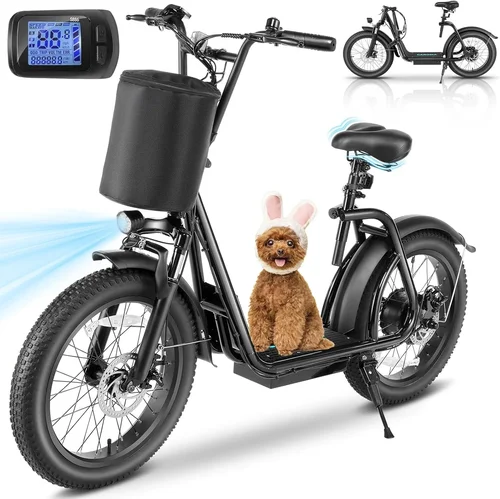
❌ Mistake: Prioritizing Price Over Performance
Why it’s bad: The cheapest scooter often costs more in the long run due to frequent breakdowns, short battery life, and poor ride quality. You’ll end up replacing it within a year.
What to do instead: Set a realistic budget based on your usage. Invest in a mid-range model with proven reliability—it’ll pay dividends in comfort, safety, and longevity.
❌ Mistake: Ignoring Real-World Range Claims
Why it’s bad: Manufacturers test range under perfect lab conditions. In reality, wind, hills, rider weight, and cold weather can cut range by 30–50%.
What to do instead: Divide the advertised range by 1.5 to estimate real-world performance. Always choose a scooter with at least 20% more range than your daily needs.
❌ Mistake: Overlooking Safety Features
Why it’s bad: Weak brakes, dim lights, or no suspension increase accident risk—especially at night or on wet roads.
What to do instead: Ensure your scooter has reliable brakes (preferably disc), bright LEDs, and some form of suspension if you ride on uneven surfaces.
❌ Mistake: Buying Without Testing
Why it’s bad: Comfort is subjective. A scooter that looks great online might feel unstable or uncomfortable in person.
What to do instead: Visit local retailers or rental services to test ride models. Pay attention to throttle response, braking feel, and overall balance.
❌ Mistake: Neglecting Local Laws
Why it’s bad: Some cities ban e-scooters on sidewalks, require helmets, or limit speeds. Riding illegally can result in fines or confiscation.
What to do instead: Check your city’s regulations before buying. Choose a scooter that complies with local speed and power limits.
❌ Mistake: Skipping the Warranty Check
Why it’s bad: Without coverage, a $200 battery replacement could negate your savings.
What to do instead: Read the warranty terms carefully. Prefer brands with transparent policies and responsive support.
❌ Mistake: Forgetting About Maintenance
Why it’s bad: Pneumatic tires need air, brakes wear out, and batteries degrade. Neglect leads to unsafe riding conditions.
What to do instead: Learn basic maintenance or find a local shop that services e-scooters. Budget for annual tune-ups.
Budget Guidelines: How Much Should You Spend?
– Entry-Level ($250–$450): Ideal for teens, students, or occasional riders. Expect 150W–250W motors, 8–12 mile range, basic LCD displays, and minimal suspension. Great for paved paths and short trips. Models like the Gotrax GXL V2 fit here.
– Mid-Range ($500–$900): The sweet spot for most buyers. Offers 350W–500W motors, 15–25 mile range, better brakes, and improved build quality. Suitable for daily commuting, errands, and light hills. Gotrax G4 and Xiaomi Mi Electric Scooter 3 fall into this category.
– Premium ($1,000–$2,000): For serious riders who demand performance and durability. Features include 800W+ motors, dual suspension, 25–40 mile range, app connectivity, and robust frames. Perfect for hilly cities or longer commutes. Consider the Apollo City or Segway Ninebot Max G30P.
– Luxury ($2,000+): Top-tier engineering with cutting-edge tech, premium materials, and exceptional ride quality. These scooters often include regenerative braking, GPS tracking, customizable ride modes, and extended warranties. Best for enthusiasts or professionals. Examples: Dualtron Thunder 2, Kaabo Wolf King GT.

Expert Tips for Getting the Best Deal
– Buy During Off-Peak Seasons: Scooter sales dip in winter (November–February). Retailers often discount older models to clear inventory. Black Friday and post-holiday sales offer deep discounts.
– Compare Retailers: Prices vary between Amazon, brand websites, Best Buy, and specialty stores. Check for exclusive bundles (free helmet, extended warranty) or price-match guarantees.
– Sign Up for Newsletters: Brands like Gotrax send early access to sales and promo codes to subscribers. You could save 10–20% just by joining their email list.
– Consider Refurbished Models: Certified refurbished scooters from reputable sellers come with warranties and cost 20–40% less. Ideal for budget-conscious buyers.
– Read Return Policies: Ensure you can return the scooter within 14–30 days if it doesn’t meet expectations. Some retailers charge restocking fees—avoid these.
– Test Before Committing: Many cities have e-scooter rental programs (Lime, Bird). Rent a model similar to what you’re considering to gauge real-world performance.
– Bundle Accessories: Buying a helmet, lock, and phone mount separately adds up. Look for starter kits that include essentials at a discount.
– Monitor Firmware Updates: Some brands release performance improvements via app updates. A scooter bought today might ride better tomorrow—check update history.

Frequently Asked Questions
Q: How long do electric scooter batteries last?
A: Most lithium-ion batteries retain 80% capacity after 500–800 charge cycles, translating to 2–4 years of daily use. Proper care (avoiding full discharges, storing at 50% charge in winter) extends lifespan.
Q: Can I ride my scooter in the rain?
A: Only if it has an IP54 rating or higher. Light drizzle is usually fine, but avoid puddles, heavy rain, and submersion. Water damage typically voids warranties.
Q: Are electric scooters legal in my city?
A: Laws vary widely. Some cities allow sidewalk riding; others restrict scooters to bike lanes or roads. Check local ordinances regarding speed limits, helmet requirements, and registration.
Q: How fast can electric scooters go?
A: Entry-level models max out at 15–18 mph. Performance scooters reach 30–40 mph, while racing models exceed 50 mph. Always wear protective gear at high speeds.
Q: Do I need insurance for my electric scooter?
A: In most U.S. states, no—but liability coverage through homeowners or renters insurance is wise. Some European countries require third-party insurance.
Q: Can I take my scooter on a plane?
A: Most airlines prohibit lithium batteries over 100Wh in checked luggage. Scooters with removable batteries under 160Wh may be allowed in cabin baggage—check with your airline first.
Q: What’s the difference between hub motors and belt-driven motors?
A: Hub motors (built into the wheel) are simpler, quieter, and require less maintenance. Belt-driven systems offer better torque and efficiency but need periodic belt replacement.
Q: How do I maintain my scooter’s battery?
A: Charge regularly (don’t let it drop below 20%), avoid extreme temperatures, and store at 40–60% charge if unused for weeks. Use the manufacturer’s charger only.
Q: Are folding scooters less durable?
A: Not necessarily. High-quality folding mechanisms (like those on Gotrax G4) are engineered for thousands of folds. Inspect hinges and latches periodically for wear.
Q: Can I upgrade my scooter’s battery?
A: Generally no—batteries are integrated and require technical expertise to replace. Some premium models offer swappable packs, but this is rare in consumer scooters.
Our Final Recommendations
– Best for Budget-Conscious Buyers: Gotrax GXL V2 ($349) – Reliable entry-level scooter with 18.6 mph top speed, 12-mile range, and solid build quality. Perfect for students and short commutes.
– Best Overall Value: Gotrax G4 ($649) – Combines 20 mph speed, 25-mile range, dual suspension, and IPX4 water resistance. Excellent for daily urban riding.
– Best Premium Option: Apollo City 2026 ($1,499) – Dual motors (1,000W total), 35-mile range, app connectivity, and premium suspension. Ideal for demanding commuters.
– Best for Beginners: Xiaomi Mi Electric Scooter 3 ($599) – User-friendly interface, stable ride, and trusted brand reputation. Great first scooter with room to grow.
– Best for Advanced Users: Dualtron Thunder 2 ($2,799) – 5,400W dual motors, 75-mile range, and top speed of 50 mph. Built for speed demons and long-distance adventurers.
Conclusion: Making the Right Choice
Choosing the best electric scooter isn’t about finding the fastest or most expensive model—it’s about matching the right tool to your lifestyle. Whether you’re a student navigating campus, a professional commuting downtown, or an enthusiast craving weekend thrills, there’s a scooter designed for you. By focusing on key factors like budget, performance, build quality, and real-world usability, you’ll avoid costly mistakes and invest in a ride that delivers joy, convenience, and reliability for years to come.
Remember: the perfect scooter fits your needs, not marketing hype. Test when you can, read real reviews, prioritize safety, and don’t rush the decision. And once you’ve made your choice, ride responsibly—wear a helmet, follow local laws, and respect pedestrians and traffic.
Your ideal electric scooter is out there. With the insights from this guide, you’re now equipped to find it confidently. Happy riding!