
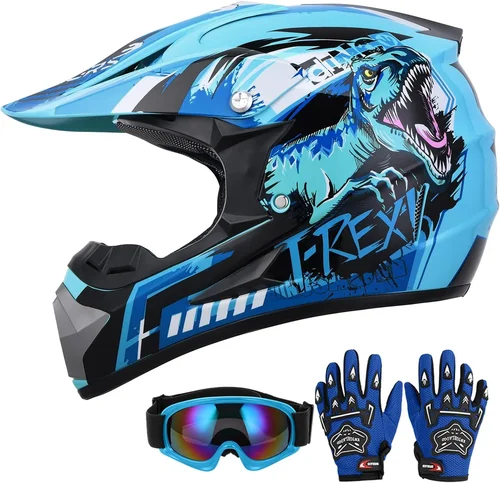
When it comes to introducing young riders to the thrilling world of off-road motorcycling, choosing the right youth dirt bike is one of the most important decisions a parent or guardian can make. These machines aren’t just toys—they’re tools for building confidence, developing motor skills, and fostering a lifelong passion for adventure. But with so many models, brands, and technical specifications flooding the market in 2025, the selection process can quickly become overwhelming. That’s where this comprehensive buying guide comes in.
This guide is designed to cut through the noise and deliver expert-level insights tailored specifically for parents, guardians, and young riders who want to make an informed, safe, and value-driven purchase. Whether you’re buying your child’s first bike or upgrading to something more advanced, you’ll learn how to evaluate key factors like engine size, build quality, safety features, and long-term durability. We’ll walk you through everything from budget considerations and brand reputation to common pitfalls and pro tips for getting the best deal. By the end, you’ll have a clear roadmap to confidently choose a youth dirt bike that matches your rider’s skill level, physical size, and riding goals.
The youth dirt bike market in 2025 is more diverse and competitive than ever. From electric-powered beginner models to high-performance two-stroke machines for teens, manufacturers are pushing innovation in safety, performance, and sustainability. Brands like Honda, Yamaha, Kawasaki, KTM, and newer electric players like Sur Ron and Razor are all vying for attention with feature-rich designs and improved reliability. However, not all bikes are created equal—some prioritize flashy looks over functionality, while others may be over-engineered for casual trail riding. This guide will help you separate marketing hype from real-world performance, ensuring you invest in a bike that delivers both fun and safety.

What to Look for When Buying Youth Dirt Bikes
1. Rider Age, Height, and Skill Level
The most critical factor when selecting a youth dirt bike is matching the machine to the rider’s physical size and experience. A bike that’s too tall, heavy, or powerful can be intimidating or even dangerous for a beginner, while an underpowered model may frustrate a more advanced young rider. Most manufacturers design youth bikes with specific age ranges in mind—typically from 3 to 16 years old—but height and inseam measurements are even more telling. A child who is shorter or taller than average for their age may need a bike outside the standard recommendations.
For beginners aged 3–6, look for bikes with low seat heights (under 24 inches), lightweight frames (under 80 lbs), and automatic or semi-automatic transmissions. These features allow young riders to focus on balance and control without managing complex clutch and gear systems. As riders grow and gain confidence—typically between ages 7 and 12—they can transition to bikes with manual clutches, larger engines (50cc to 110cc), and adjustable suspensions. Teen riders (13+) often benefit from full-sized youth models with 125cc to 150cc engines, which offer more power and better handling on varied terrain.
2. Engine Type and Displacement
Engine size, measured in cubic centimeters (cc), directly impacts a bike’s power, speed, and suitability for different skill levels. Youth dirt bikes typically range from 50cc to 150cc, with electric models offering equivalent power through battery and motor configurations. Two-stroke and four-stroke engines are the two main types, each with distinct advantages.
Two-stroke engines are lighter, simpler, and deliver more power per cc, making them popular for racing and aggressive trail riding. However, they require premixed fuel (gas and oil) and tend to be louder and less fuel-efficient. Four-stroke engines, on the other hand, are smoother, more reliable, and easier to maintain. They’re ideal for beginners and casual riders who prioritize reliability over raw performance. Electric youth dirt bikes are gaining popularity due to their quiet operation, instant torque, and zero emissions. Models like the Razor MX650 or Sur Ron LBX offer impressive performance with minimal maintenance, though battery life and charging time remain considerations.
For most young riders, a 50cc to 110cc four-stroke engine strikes the best balance of power, control, and safety. These engines provide enough thrust to handle hills and rough trails without overwhelming a novice. As riders progress, upgrading to a 125cc or 150cc model allows for more aggressive riding and longer adventures.
3. Build Quality and Durability
A youth dirt bike must withstand falls, bumps, and rough handling—especially in the hands of a learning rider. Build quality encompasses frame material, suspension components, wheel strength, and overall construction. Look for bikes with steel or aluminum frames that offer a good balance of strength and weight. Avoid flimsy plastics or poorly welded joints, which can fail under stress.
Suspension is another critical component. Quality front forks and rear shocks absorb impacts from jumps and uneven terrain, improving comfort and control. Entry-level bikes may have basic coil springs, while higher-end models feature adjustable hydraulic suspensions. Wheels should be sturdy, with reinforced rims and durable tires designed for off-road use. Knobby tires provide better traction on dirt, mud, and gravel, whereas smoother treads are better suited for pavement or hard-packed trails.
Durability also extends to electrical systems, brakes, and drivetrain components. Check for sealed wiring, reliable ignition systems, and brake types—drum brakes are common on budget models, but disc brakes (especially hydraulic ones) offer superior stopping power and are worth the upgrade for safety.
4. Safety Features and Design
Safety should never be an afterthought when choosing a youth dirt bike. The best models come equipped with features designed to protect young riders and give parents peace of mind. Key safety elements include adjustable throttle limiters, which allow adults to control maximum speed—ideal for beginners still mastering control. Kill switches, engine cut-off levers, and remote shut-off systems (on some electric models) add another layer of security.
Frame geometry also plays a role in safety. A low center of gravity improves stability, reducing the risk of tipping. Handlebars should be appropriately sized and positioned for the rider’s height, allowing for comfortable control without overreaching. Footpegs should be wide and textured to prevent slipping, and controls (throttle, brakes, clutch) must be easy to operate with small hands.
Protective gear is non-negotiable, but the bike itself should support safe riding. Look for models with enclosed chains (to prevent clothing or limbs from getting caught), sturdy fenders, and minimal exposed moving parts. Some advanced models even include GPS tracking or geofencing, allowing parents to monitor location and set virtual boundaries.
5. Brand Reputation and Reliability
Not all youth dirt bike brands are created equal. Established manufacturers like Honda, Yamaha, Kawasaki, and KTM have decades of experience building reliable, high-performance motorcycles. Their youth models benefit from rigorous testing, proven engineering, and widespread dealer support. These brands often lead in innovation, offering features like electric start, adjustable suspensions, and fuel injection even on smaller bikes.
Newer or lesser-known brands may offer lower prices, but they often cut corners on materials, warranties, or customer service. While budget-friendly options can be tempting, they may lack durability or spare parts availability, leading to higher long-term costs. Research brand reviews, check forums, and ask local dealers about reliability and service history. A bike from a reputable brand may cost more upfront but can save money and frustration over time.
Electric bike brands like Sur Ron, Cake, and Razor are disrupting the market with innovative designs and eco-friendly operation. While still evolving, these brands are gaining trust for their build quality and performance. However, ensure that replacement batteries and technical support are accessible in your area before committing.
6. Warranty and Customer Support
A solid warranty is a strong indicator of a manufacturer’s confidence in their product. Most reputable brands offer at least a one-year limited warranty covering defects in materials and workmanship. Some extend coverage to two or three years, especially on higher-end models. Read the fine print: warranties often exclude normal wear items like tires, chains, and brake pads, and may require regular maintenance to remain valid.
Customer support is equally important. Can you easily find replacement parts? Is there a local dealer or service center? Brands with strong dealer networks (like Honda and Yamaha) typically offer better support, including maintenance guides, training, and repair services. Online-only brands may ship parts quickly but lack hands-on assistance.
Consider extended warranty options if available, especially for electric models where battery replacement can be costly. Also, check return policies—some retailers allow returns within 30 days if the bike doesn’t fit or meet expectations.
7. Price and Value for Money
Youth dirt bikes range from under $500 for basic electric models to over $4,000 for high-performance gas-powered machines. While price is a major factor, it shouldn’t be the only one. A cheaper bike may save money upfront but cost more in repairs, replacements, or early upgrades. Conversely, the most expensive model isn’t always the best choice—especially if it’s overkill for a beginner.
Value for money means balancing cost with features, durability, and long-term usability. A mid-range bike ($1,000–$2,500) often offers the best compromise, providing quality construction, reliable performance, and room to grow. Look for models with upgrade potential—such as adjustable suspensions or removable speed limiters—that allow the bike to evolve with the rider.
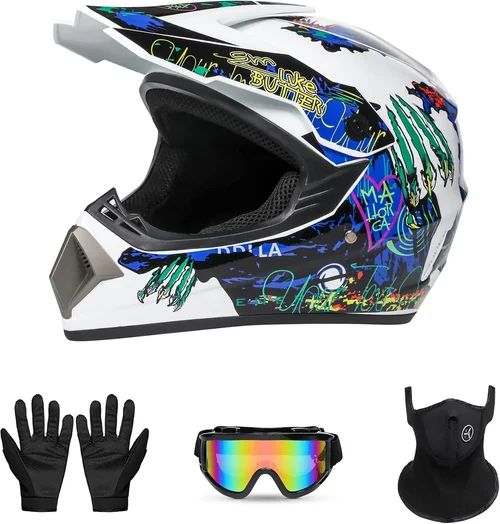
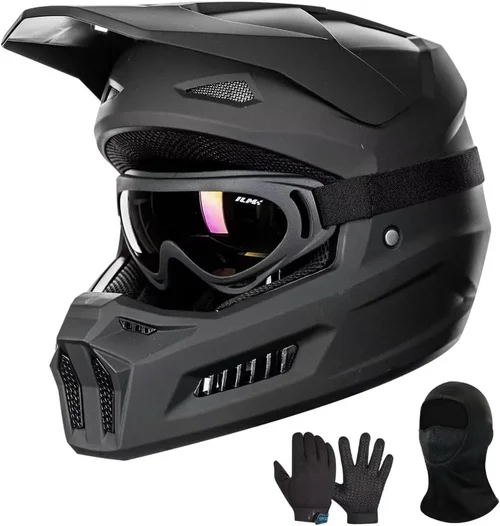
Don’t forget to factor in additional costs: safety gear (helmet, gloves, boots, chest protector), maintenance tools, fuel or charging equipment, and possible registration or insurance. These can add $300–$600 to the total investment.
8. User Reviews and Real-World Feedback
Before making a final decision, consult user reviews from parents, riders, and mechanics. Online forums, YouTube reviews, and retailer sites (like RevZilla, MotoSport, or Amazon) offer valuable insights into real-world performance. Look for consistent themes: Does the bike start easily? Is it easy to maintain? Are parts readily available?
Pay attention to reviews that mention long-term use—some bikes perform well initially but develop issues after a few months. Also, consider the reviewer’s context: a bike praised by a competitive teen rider may not suit a cautious beginner. Balance professional reviews with community feedback to get a well-rounded perspective.
Local riding clubs or motocross tracks can also be great resources. Ask other parents what bikes their kids use and why. Hands-on experience and word-of-mouth recommendations often reveal truths that specs sheets can’t.
Different Types of Youth Dirt Bikes

Common Buying Mistakes to Avoid
❌ Mistake: Choosing a Bike Based Solely on Price
Why it’s bad: Opting for the cheapest bike available often leads to poor build quality, frequent breakdowns, and safety concerns. Budget models may lack essential features like proper suspension or reliable brakes, putting young riders at risk.
What to do instead: Focus on value, not just cost. Invest in a mid-range bike from a reputable brand that offers durability, safety, and room to grow. Consider total cost of ownership, including maintenance and gear.
❌ Mistake: Ignoring Rider Fit and Size
Why it’s bad: A bike that’s too tall or heavy can be difficult to control, increasing the risk of falls and injuries. Conversely, a bike that’s too small may limit progress and frustrate the rider.
What to do instead: Measure your child’s height and inseam. Test ride multiple models if possible. Ensure the rider can touch the ground comfortably and reach all controls without strain.
❌ Mistake: Overlooking Safety Features
Why it’s bad: Skimping on safety features like throttle limiters, kill switches, or disc brakes can compromise rider protection, especially for beginners.
What to do instead: Prioritize bikes with adjustable speed controls, reliable braking systems, and protective design elements. Always pair the bike with certified safety gear.
❌ Mistake: Buying Too Much Bike Too Soon
Why it’s bad: High-performance bikes with large engines can overwhelm new riders, leading to loss of control and accidents. Power should match skill level.
What to do instead: Start with a smaller, manageable bike and upgrade as skills improve. Many brands offer progression paths with compatible models.
❌ Mistake: Neglecting Maintenance Requirements
Why it’s bad: Gas-powered bikes require regular oil changes, air filter cleaning, and chain adjustments. Electric bikes need battery care and software updates. Ignoring maintenance shortens lifespan and risks failure.
What to do instead: Learn basic maintenance or find a reliable service center. Choose bikes with accessible parts and clear service manuals.
❌ Mistake: Not Researching Local Laws and Trails
Why it’s bad: Some areas restrict youth dirt bike use on public land or require registration, insurance, or safety courses. Riding illegally can result in fines or confiscation.
What to do instead: Check local regulations before buying. Join a riding club or find approved trails to ensure legal and safe riding opportunities.
Budget Guidelines: How Much Should You Spend?
Entry-Level ($400–$800): This tier includes basic electric mini bikes and small gas-powered models ideal for toddlers and young beginners. Expect simple designs, limited power, and minimal features. Great for backyard fun but not suited for serious trail riding. Examples: Razor MX350, Honda CRF50F.
Mid-Range ($800–$2,500): The sweet spot for most families. These bikes offer reliable four-stroke engines, better suspension, and safety features like throttle limiters. Suitable for ages 6–12 and capable of handling moderate trails. Examples: Yamaha TT-R110E, Kawasaki KLX110R.
Premium ($2,500–$4,000): Designed for advanced youth riders and competitive use. Features include high-performance engines, adjustable suspensions, electric start, and race-inspired designs. Ideal for teens and experienced riders. Examples: KTM 125 SX, Honda CRF150F.
Luxury ($4,000+): Top-tier electric and gas models with cutting-edge technology, premium materials, and professional-grade performance. Often used in racing or by enthusiasts. Examples: Sur Ron Storm Bee, Yamaha YZ125.
Expert Tips for Getting the Best Deal
- Buy Off-Season: Late fall and winter are ideal times to purchase, as dealers offer discounts to clear inventory before the spring riding season.
- Shop Local Dealers: While online retailers offer convenience, local dealers provide test rides, service, and immediate support. Negotiate for free gear or maintenance packages.
- Look for Package Deals: Some retailers bundle bikes with helmets, gloves, and maintenance kits at a discounted rate.
- Consider Used Bikes: Well-maintained used models can offer significant savings. Inspect thoroughly or bring a mechanic.
- Check Manufacturer Rebates: Brands like Honda and Yamaha often run seasonal promotions or financing offers.
- Read Return Policies: Ensure you can return or exchange the bike if it doesn’t fit or meet expectations.
- Test Ride When Possible: Let your child try the bike to assess comfort and control. Many dealers allow short test rides.
- Join Riding Communities: Online forums and local clubs often share deals, reviews, and trade opportunities.

Frequently Asked Questions
Q: What age is appropriate for a youth dirt bike?
A: Most kids can start as young as 3 years old on electric mini bikes. Gas-powered models are typically suitable from age 6 and up, depending on size and maturity. Always prioritize safety and supervision.
Q: Are electric dirt bikes safe for kids?
A: Yes, when used properly. Electric bikes are quieter, easier to control, and often include speed limiters. However, they still require protective gear and adult supervision.
Q: How fast do youth dirt bikes go?
A: Speeds vary widely. Mini electric bikes reach 10–15 mph, while 110cc gas models can hit 30–40 mph. High-performance 125cc bikes may exceed 50 mph. Use throttle limiters to control speed.
Q: Do I need to register a youth dirt bike?
A: It depends on your location and where you ride. Off-road use on private land usually doesn’t require registration, but public trails or roads may have specific rules.
Q: How often should I maintain a youth dirt bike?
A: Gas bikes need oil changes every 10–20 hours, air filter cleaning every few rides, and chain lubrication regularly. Electric bikes require battery checks and software updates. Follow the owner’s manual.
Q: Can a youth dirt bike be used for racing?
A: Yes, many models are designed for motocross or trail racing. Look for race-ready features like reinforced frames, high-performance engines, and adjustable suspensions.
Q: What safety gear is essential?
A: A DOT-approved helmet, gloves, boots, chest protector, and goggles are minimum requirements. Consider knee and elbow pads for added protection.
Q: How long will a youth dirt bike last?
A: With proper maintenance, a quality bike can last 5–10 years or more. Electric models may need battery replacements after 3–5 years.
Q: Can I upgrade a youth dirt bike as my child grows?
A: Some models allow upgrades like larger wheels, better suspension, or performance kits. However, eventually, a full-size upgrade may be necessary.
Our Final Recommendations
Best for Budget-Conscious Buyers: Honda CRF50F – Reliable, durable, and perfect for young beginners. Low maintenance and widely supported.
Best Overall Value: Yamaha TT-R110E – Excellent balance of performance, safety, and affordability. Great for trail riding and skill development.
Best Premium Option: KTM 125 SX – High-performance two-stroke engine, race-ready suspension, and lightweight design for competitive riders.
Best for Beginners: Razor MX650 – Electric power, quiet operation, and adjustable speed make it ideal for first-time riders.
Best for Advanced Users: Sur Ron Storm Bee – Full-size electric bike with impressive range, power, and tech features for serious young riders.
Conclusion: Making the Right Choice
Choosing the best youth dirt bike in 2025 is about more than just picking a cool-looking machine—it’s about matching the right tool to the right rider. By considering factors like age, skill level, safety, build quality, and long-term value, you can make a decision that supports your child’s growth, confidence, and love for the sport. Avoid common pitfalls, invest wisely, and always prioritize safety over speed or style.
Remember, the perfect bike is one that fits your rider, fits your budget, and fits your lifestyle. Whether you’re hitting the trails, practicing in the backyard, or preparing for competition, the right youth dirt bike can open the door to years of adventure. Take your time, do your research, and enjoy the journey—both on and off the bike.