
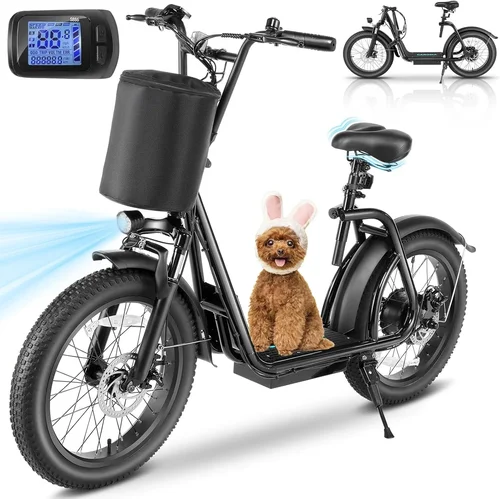
Electric scooters have evolved far beyond their humble beginnings as kids’ toys. Today, they’re serious transportation solutions—especially for adults seeking eco-friendly, cost-effective, and convenient ways to navigate city streets, commute to work, or simply enjoy a relaxed ride through the park. Among the many styles available, sit-down electric scooters stand out as a game-changer for comfort, stability, and accessibility. Unlike traditional stand-up models that require balance and core strength, sit-down scooters offer a seated riding position, making them ideal for longer trips, riders with mobility concerns, or anyone who just wants to cruise in comfort.
This comprehensive buying guide is designed to help you cut through the noise and make an informed decision when choosing the best sit-down electric scooter for your needs. Whether you’re a first-time buyer or upgrading from a basic model, we’ll walk you through every critical factor—from performance specs and build quality to budget considerations and hidden pitfalls. By the end of this guide, you’ll know exactly what to look for, how to avoid common mistakes, and which models deliver the best value in 2026.
The market for adult electric scooters has exploded in recent years, with dozens of brands flooding the space—some reputable, others less so. Sit-down models, in particular, have gained traction due to their ergonomic design and versatility. They’re no longer niche products; they’re mainstream mobility tools used by commuters, seniors, delivery workers, and urban explorers alike. With advancements in battery technology, motor efficiency, and smart features, today’s sit-down scooters offer impressive range, speed, and durability—all while remaining surprisingly affordable. This guide will help you navigate that crowded landscape with confidence.

What to Look for When Buying a Sit-Down Electric Scooter
1. Budget & Price Range
Your budget is the foundation of your purchase decision. Sit-down electric scooters vary widely in price, from under $300 for basic models to over $2,000 for high-end, feature-rich machines. Setting a realistic budget helps narrow your options and prevents overspending on features you don’t need—or underspending on a scooter that won’t meet your expectations.
Entry-level models typically cost between $250 and $500. These are great for casual use, short commutes, or riders on a tight budget. However, they often come with limitations: shorter range (10–15 miles), lower top speeds (10–15 mph), and less robust builds. Mid-range scooters ($500–$1,000) offer a sweet spot for most buyers, balancing performance, comfort, and durability. You’ll find better motors, longer-lasting batteries, and improved suspension systems in this tier. Premium models ($1,000–$1,800) are built for serious riders—think daily commuters, long-distance travelers, or those who prioritize safety and comfort. These often include advanced features like regenerative braking, smartphone integration, and weather-resistant designs. Finally, luxury scooters ($1,800+) cater to enthusiasts and professionals, offering top-tier components, extended warranties, and cutting-edge tech.
2. Performance Specifications
Performance is where sit-down scooters truly differentiate themselves. Key specs to evaluate include motor power, top speed, range, and hill-climbing ability. These determine how well the scooter will handle your daily routes and riding conditions.
Motor power is measured in watts (W). Most sit-down scooters range from 250W to 1,000W. A 250W–350W motor is sufficient for flat terrain and light loads, but may struggle on inclines. For city commuting with hills, aim for 500W or higher. Dual-motor setups (common in premium models) provide extra torque and acceleration, ideal for heavier riders or steep grades.
Top speed typically ranges from 12 mph to 25+ mph. While higher speeds are exciting, they also increase wear on components and reduce range. Most adults find 15–20 mph to be a practical sweet spot—fast enough for efficiency, slow enough for safety in urban environments.
Range—the distance you can travel on a single charge—is arguably the most important spec. It depends on battery capacity (measured in watt-hours, or Wh), rider weight, terrain, and riding style. Entry-level scooters offer 10–15 miles, mid-range models 15–25 miles, and premium units 25–40+ miles. Always check real-world reviews, as manufacturers often quote ideal conditions that don’t reflect everyday use.
Hill-climbing ability is another critical factor. Look for scooters that can handle 10–15% grades comfortably. This is especially important if you live in a hilly area or plan to ride on inclines regularly. A scooter with a strong motor and good weight distribution will perform better on slopes without overheating or stalling.
3. Build Quality & Durability
A scooter is only as good as its construction. Poor build quality leads to frequent breakdowns, safety risks, and a shortened lifespan. When evaluating durability, focus on frame material, wheel type, suspension, and weather resistance.
Most sit-down scooters use aluminum or steel frames. Aluminum is lighter and resistant to rust, making it ideal for urban use. Steel is heavier but more rigid and durable, often found in commercial-grade models. Look for reinforced joints, welded seams, and thick tubing—these indicate a well-built frame.
Wheels come in two main types: pneumatic (air-filled) and solid (rubber or polyurethane). Pneumatic tires offer superior shock absorption and grip, especially on uneven surfaces, but are prone to punctures. Solid tires are maintenance-free and puncture-proof but provide a harsher ride. Many mid-to-high-end models use hybrid or honeycomb tires—solid cores with air-like cushioning—for the best of both worlds.
Suspension systems vary from none to dual hydraulic setups. Basic models may have no suspension, relying on tire cushioning alone. Mid-range scooters often include front or rear spring suspension, while premium models feature full suspension (front and rear) for a smooth ride over potholes, curbs, and gravel. If you plan to ride on rough terrain or long distances, suspension is non-negotiable.
Weather resistance is another durability factor. Look for scooters with IP ratings (Ingress Protection). An IPX4 rating means splash-resistant—fine for light rain. IPX5 or higher offers protection against water jets, making the scooter suitable for wet conditions. Avoid riding in heavy rain unless the scooter is explicitly rated for it, as water damage can fry electronics and void warranties.
4. Features & Functionality
Modern sit-down scooters come packed with features that enhance safety, convenience, and user experience. While not all are essential, some can significantly improve your riding enjoyment.
Lighting is crucial for visibility and safety. Front headlights, rear brake lights, and side reflectors are standard on most models. Some premium scooters include LED strips, turn signals, and automatic lighting that adjusts based on ambient light. Always prioritize scooters with bright, energy-efficient LEDs.
Braking systems vary widely. Basic models use mechanical disc or drum brakes, which are reliable but require manual adjustment. Mid-range and premium scooters often feature electronic or regenerative braking, which recaptures energy during deceleration and extends battery life. Hydraulic disc brakes offer the best stopping power and are common in high-performance models. Look for scooters with dual braking systems (e.g., front disc + rear electronic) for maximum safety.
Smart features are increasingly common. These include Bluetooth connectivity, smartphone apps for tracking speed, range, and ride history, GPS navigation, anti-theft alarms, and firmware updates. While not essential, these features add convenience and can help you monitor your scooter’s health over time.
Other useful features include USB charging ports (to power your phone), adjustable seats, foldable designs for storage, and built-in storage compartments. Some models even offer heated grips or cup holders—small luxuries that make a big difference on long rides.
5. Brand Reputation
Not all scooter brands are created equal. Choosing a reputable manufacturer ensures better quality control, customer support, and access to replacement parts. Established brands like Gotrax, Segway-Ninebot, Apollo, and EMOVE have built trust through consistent performance and reliable service.
Research brand history, customer reviews, and industry awards. Look for companies that specialize in electric mobility—not just those jumping on the trend. Brands with a strong presence in the e-scooter market are more likely to invest in R&D, offer better warranties, and respond quickly to issues.
Also consider regional availability. Some brands dominate in North America, while others are more popular in Europe or Asia. If you’re in the U.S., for example, Gotrax and Segway are widely available and supported. In Europe, brands like Dualtron and Inokim are more common. Local support matters—especially if you need repairs or spare parts.
Avoid unknown or “no-name” brands sold exclusively through third-party marketplaces. These often lack transparency, use low-quality components, and disappear after a few sales. If a brand has no website, customer service number, or verifiable history, steer clear.
6. Warranty & Support
A strong warranty is a sign of confidence in a product’s quality. Most reputable scooter brands offer at least a 6-month to 1-year warranty, covering defects in materials and workmanship. Premium models may include 2-year or even lifetime frame warranties.
Read the fine print. Some warranties exclude batteries, tires, or damage from misuse. Others require registration within a certain timeframe. Make sure you understand what’s covered and what voids the warranty (e.g., water damage, modifications, or unauthorized repairs).
Customer support is just as important. Look for brands with responsive service teams, accessible contact methods (phone, email, live chat), and clear return policies. Check online forums and review sites to see how quickly companies resolve issues. A scooter is a complex machine—having reliable support can mean the difference between a quick fix and a months-long headache.
Also consider repairability. Can you easily replace the battery, motor, or controller? Are parts available locally or online? Some brands design their scooters with modular components, making DIY repairs feasible. Others use proprietary parts that require professional service—often at a high cost.
7. Size & Portability
Even though sit-down scooters are generally larger than stand-up models, portability still matters—especially if you need to store them in small spaces or transport them in a car.
Look for foldable designs. Most sit-down scooters can fold at the stem or seat post, reducing their footprint for storage. Some models fold completely, allowing them to be carried like a suitcase. Weight is another factor—lighter scooters (under 50 lbs) are easier to lift and maneuver, but may sacrifice stability. Heavier models (60–80 lbs) are more robust but harder to transport.
Consider dimensions when folded. A compact folded size (under 40” long) fits easily in car trunks, under desks, or in closets. Measure your intended storage space before buying. Also check handlebar width—narrower bars are better for tight spaces.
If you plan to take your scooter on public transit or carry it upstairs, weight and foldability are critical. Some brands offer optional carrying bags or wheels for easier transport. These add convenience but may increase the overall cost.
8. User Reviews & Ratings
Never rely solely on manufacturer claims. Real-world user reviews provide invaluable insights into performance, reliability, and hidden flaws. Platforms like Amazon, Reddit, YouTube, and specialized e-scooter forums are goldmines of honest feedback.
Look for patterns in reviews. If multiple users report the same issue—like battery degradation after six months or poor customer service—it’s likely a real problem. Pay attention to long-term reviews (6+ months), as they reveal durability and maintenance needs.
Watch video reviews for a visual assessment of build quality, ride comfort, and feature functionality. Seeing a scooter in action is often more informative than reading specs. Also check for professional reviews from trusted sources like Electric Scooter Insider, ScooterGrid, or TechRadar.
Be cautious of overly positive or suspiciously negative reviews. Some may be fake or incentivized. Focus on detailed, balanced feedback from verified purchasers. And remember: no scooter is perfect. The goal is to find one that meets your specific needs with minimal compromises.
Different Types of Sit-Down Electric Scooters
Common Buying Mistakes to Avoid
❌ Mistake: Prioritizing Price Over Quality
Why it’s bad: Choosing the cheapest scooter often leads to disappointment. Low-cost models use inferior batteries, weak motors, and flimsy frames that wear out quickly. You may end up spending more on repairs or replacements than if you’d bought a better scooter initially.
What to do instead: Set a realistic budget based on your needs. If you can’t afford a mid-range model now, save a bit longer. A $700 scooter that lasts 3 years is a better investment than a $300 one that breaks in 6 months.
❌ Mistake: Ignoring Real-World Range Claims
Why it’s bad: Manufacturers often advertise range under ideal conditions—light rider, flat terrain, moderate speed. In reality, range drops significantly with heavier loads, hills, or aggressive riding.
What to do instead: Divide the advertised range by 1.5 to estimate real-world performance. If a scooter claims 30 miles, expect 15–20 miles in typical use. Always choose a model with at least 20% more range than you think you’ll need.
❌ Mistake: Overlooking Weight Capacity
Why it’s bad: Exceeding the scooter’s weight limit strains the motor, drains the battery faster, and increases wear on components. It can also void your warranty.
What to do instead: Check the maximum load rating and add 10–15 lbs for safety. If you weigh 180 lbs, choose a scooter rated for at least 220 lbs. Heavier riders should look for models with reinforced frames and dual motors.
❌ Mistake: Skipping the Test Ride
Why it’s bad: Comfort is subjective. A scooter that looks great on paper may feel unstable, too stiff, or poorly balanced in person. Seat height, handlebar position, and suspension all affect ride quality.
What to do instead: Test ride whenever possible. Visit local dealers, attend e-mobility expos, or borrow from friends. If buying online, choose retailers with generous return policies (30 days or more).
❌ Mistake: Neglecting Maintenance Needs
Why it’s bad: Electric scooters require regular upkeep—tire checks, brake adjustments, battery care. Ignoring maintenance leads to reduced performance, safety risks, and costly repairs.
What to do instead: Learn basic maintenance tasks or find a local repair shop. Keep a maintenance log and follow the manufacturer’s guidelines. Invest in a toolkit and spare parts like fuses or brake pads.
❌ Mistake: Buying Without Researching Local Laws
Why it’s bad: E-scooter regulations vary by city and state. Some areas restrict speed, require helmets, or ban scooters on sidewalks. Riding illegally can result in fines or confiscation.
What to do instead: Check your local transportation authority’s website. Know the legal speed limit, where you can ride, and whether registration or insurance is required. Choose a scooter that complies with local laws.
❌ Mistake: Falling for “Too Good to Be True” Deals
Why it’s bad: Scooters sold at suspiciously low prices often use counterfeit parts, lack safety certifications, or are refurbished units sold as new. They may also come with no warranty or support.
What to do instead: Buy from authorized retailers or the brand’s official website. Avoid third-party sellers with no reviews or contact information. If a deal seems unbelievable, it probably is.
Budget Guidelines: How Much Should You Spend?
Your budget should align with how you plan to use the scooter. Here’s a breakdown of what to expect at different price points:
Entry-Level ($250–$500): These scooters are best for casual riders, students, or those on a tight budget. Expect basic features: 250W–350W motor, 10–15 mile range, minimal suspension, and plastic components. Brands like Gotrax and Razor offer reliable options in this range. Ideal for short trips under 5 miles on flat terrain.
Mid-Range ($500–$1,000): This is the sweet spot for most buyers. Scooters in this tier offer 500W–750W motors, 15–25 mile range, better suspension, and improved build quality. You’ll find models from Segway, EMOVE, and Apollo with features like LED lighting, app connectivity, and foldable designs. Perfect for daily commuting and moderate hills.
Premium ($1,000–$1,800): Designed for serious riders, these scooters deliver high performance and comfort. Expect 750W–1,000W motors, 25–40 mile range, full suspension, hydraulic brakes, and weather resistance. Brands like Dualtron and Inokim dominate this space. Ideal for long commutes, hilly cities, or riders who value reliability.
Luxury ($1,800+): These are the Ferraris of electric scooters. Built with aerospace-grade materials, dual motors, regenerative braking, and smart tech, they offer unmatched speed, range, and durability. Models like the Dualtron Thunder or Apollo Pro are built for enthusiasts and professionals. Only recommended if you ride daily or need top-tier performance.
Expert Tips for Getting the Best Deal
- Buy During Sales Seasons: Major discounts happen during Black Friday, Cyber Monday, and end-of-season clearances (August–September). Sign up for brand newsletters to get early access to deals.
- Shop at Authorized Retailers: Buying from official dealers ensures authenticity, warranty coverage, and access to support. Avoid gray-market sellers.
- Compare Prices Across Platforms: Check Amazon, Walmart, Best Buy, and the brand’s website. Prices can vary by $100 or more. Use price-tracking tools like Honey or CamelCamelCamel.
- Look for Bundles: Some retailers offer free accessories (helmets, locks, phone mounts) with purchase. These can save $50–$100 in add-ons.
- Check Return Policies: Choose retailers with at least a 30-day return window. This gives you time to test the scooter and return it if it doesn’t meet expectations.
- Negotiate with Local Dealers: Independent shops may offer discounts, free assembly, or extended warranties if you ask. It never hurts to inquire.
- Consider Refurbished Models: Certified refurbished scooters from reputable brands are often 20–30% cheaper and come with warranties. They’re a great way to get premium features at a lower cost.
- Read the Fine Print on Warranties: Some brands offer “lifetime” warranties but only cover the frame. Make sure you understand what’s included and how to file a claim.
Frequently Asked Questions
Q: Are sit-down electric scooters safe for seniors?
A: Yes, many sit-down scooters are designed with seniors in mind. Features like low step-through frames, comfortable seats, and stable bases make them safer and easier to use than stand-up models. Look for scooters with wide wheels, good suspension, and responsive brakes. Always wear a helmet and practice in a safe area first.
Q: How long do electric scooter batteries last?
A: Most lithium-ion batteries last 300–500 charge cycles, which translates to 1–3 years of daily use. Battery life depends on usage, charging habits, and storage conditions. Avoid draining the battery completely and store it at 50% charge if not using for long periods.
Q: Can I ride a sit-down scooter in the rain?
A: It depends on the IP rating. Scooters with IPX4 can handle light splashes but shouldn’t be ridden in heavy rain. IPX5 or higher models are safer for wet conditions. Always dry the scooter after riding in the rain and avoid deep puddles.
Q: How fast do sit-down electric scooters go?
A: Speeds range from 12 mph (entry-level) to 25+ mph (premium). Most adults find 15–20 mph to be a comfortable and safe speed for urban riding. Higher speeds reduce range and increase wear.
Q: Do I need a license to ride an electric scooter?
A: In most U.S. states, no license is required for scooters under 20 mph. However, some cities require registration, helmets, or restrict where you can ride. Check your local laws before riding.
Q: Can I take my scooter on public transportation?
A: Many transit systems allow folded scooters on buses and trains. Check with your local provider for size and weight limits. Compact, lightweight models are more likely to be permitted.
Q: How much weight can a sit-down scooter carry?
A: Most models support 220–300 lbs. Heavy-duty commercial scooters can handle up to 400 lbs. Always check the manufacturer’s weight limit and stay within it for safety and performance.
Q: What’s the difference between hub motors and belt-driven motors?
A: Hub motors are built into the wheel, offering direct drive and low maintenance. Belt-driven motors use a belt and pulley system, providing smoother acceleration but requiring periodic belt replacement. Hub motors are more common in sit-down scooters due to their simplicity.
Q: How do I maintain my electric scooter?
A: Regular maintenance includes checking tire pressure, tightening bolts, cleaning the deck, and inspecting brakes. Charge the battery regularly and store it in a cool, dry place. Follow the manufacturer’s maintenance schedule.
Q: Can I upgrade my scooter’s battery?
A: Some models allow battery upgrades, but it’s not common. Modifying the battery can void your warranty and pose safety risks. Consult the manufacturer before attempting any upgrades.
Our Final Recommendations
Best for Budget-Conscious Buyers: Gotrax GXL V2 – At under $400, this compact sit-down scooter offers solid performance, a 15-mile range, and a foldable design. Ideal for students and short commutes.
Best Overall Value: Segway Ninebot ES6 – Priced around $800, it delivers 20-mile range, 18 mph top speed, and excellent build quality. Perfect balance of price, performance, and features.
Best Premium Option: Apollo Explore – With a 750W motor, 30-mile range, and full suspension, this $1,300 scooter is built for serious riders who want comfort and reliability.
Best for Beginners: EMOVE Cruiser – Easy to ride, with a low step-through frame, comfortable seat, and intuitive controls. Great for first-time buyers and casual riders.
Best for Advanced Users: Dualtron Thunder 2 – A $2,500 powerhouse with dual motors, 75-mile range, and top speeds over 40 mph. Built for enthusiasts who demand peak performance.
Conclusion: Making the Right Choice
Choosing the best sit-down electric scooter isn’t just about picking the fastest or most feature-packed model—it’s about finding the right fit for your lifestyle, budget, and riding needs. By focusing on key factors like performance, build quality, and brand reputation, you can avoid common pitfalls and invest in a scooter that will serve you well for years to come.
Remember, the “best” scooter is the one that matches your daily routine, terrain, and comfort preferences. Whether you’re commuting to work, running errands, or exploring your city, a well-chosen sit-down scooter can transform your mobility experience. Take your time, do your research, and don’t hesitate to test ride before you buy.
With the insights from this guide, you’re now equipped to make a confident, informed decision. Happy riding—and welcome to the future of urban transportation.