
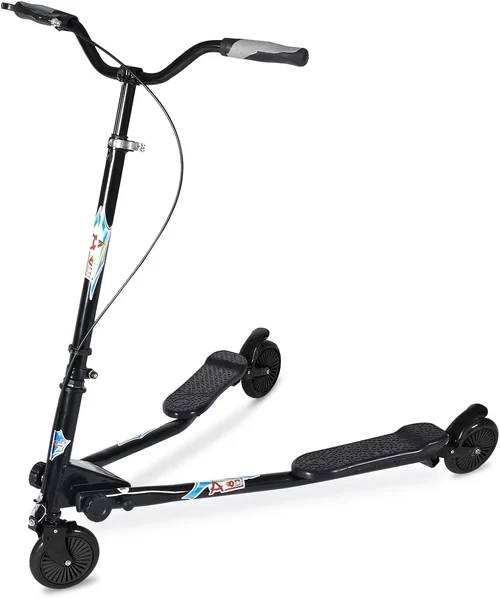
Scooters have evolved far beyond the simple kick models of the past. Today, they’re a dynamic blend of fun, fitness, and practical transportation—especially for teens navigating school, social life, and growing independence. Whether it’s zipping to class, meeting friends at the park, or just exploring the neighborhood, a quality scooter can be a game-changer. But with so many options flooding the market in 2026—from budget-friendly kick scooters to high-performance electric models—choosing the right one can feel overwhelming. That’s exactly why this guide exists.
In this comprehensive buying guide, we’ll walk you through everything you need to know to make a smart, informed decision. You’ll learn how to evaluate key factors like performance, durability, safety features, and value for money. We’ll break down the different types of scooters available, highlight common pitfalls to avoid, and offer expert-backed tips to help you get the best deal. Whether you’re a parent shopping for your teen or a teen making your own choice, this guide is designed to cut through the noise and deliver clarity.
The scooter market in 2026 is more diverse than ever. Electric scooters now dominate headlines with their speed and tech features, while traditional kick scooters remain popular for their simplicity and affordability. Brands like Gotrax, Segway-Ninebot, Razor, and Xiaomi continue to innovate, offering models tailored to different age groups, skill levels, and use cases. With advancements in battery life, motor efficiency, and smart connectivity, today’s teen scooters are safer, faster, and more reliable than ever before. But not all scooters are created equal—and knowing what to look for is crucial.

What to Look for When Buying Gotrax
1. Budget & Price Range
One of the first things to consider is how much you’re willing to spend. Scooter prices vary widely, from under $100 for basic kick models to over $800 for premium electric versions. Setting a realistic budget helps narrow your options and prevents overspending on features you don’t need.
For teens, a mid-range electric scooter typically offers the best balance of performance and affordability. Entry-level models may lack durability or speed, while high-end scooters often include features that are overkill for casual use. A budget between $200 and $400 usually gets you a reliable, safe, and fun ride with decent range and build quality.
Keep in mind that cheaper scooters may save money upfront but could cost more in the long run due to repairs or early replacement. Always factor in potential maintenance, battery replacements, and warranty coverage when evaluating total cost of ownership.
2. Performance Specifications
Performance is where scooters truly differentiate themselves. For electric models, key specs include motor power (measured in watts), top speed, and range per charge. A 250W motor is sufficient for flat terrain and light riders, while 350W–500W motors handle hills and heavier loads better.
Top speed matters too—most teen scooters cap out between 15 and 20 mph. While faster sounds exciting, higher speeds require better braking systems and rider experience. For beginners, a scooter with a speed limiter or eco mode is ideal.
Range is another critical factor. A scooter with a 10–15 mile range is fine for short commutes, but if your teen plans longer rides, aim for 15–20 miles. Always check real-world reviews, as manufacturer claims often assume ideal conditions (light rider, flat ground, no wind).
Acceleration and braking responsiveness are equally important. Smooth, gradual acceleration helps prevent falls, while reliable disc or electronic brakes ensure quick stops. Test rides (if possible) are the best way to assess these traits.
3. Build Quality & Durability
A scooter that can’t withstand daily use is a waste of money. Look for frames made from aircraft-grade aluminum or reinforced steel—these materials offer strength without excessive weight. Avoid plastic-heavy designs, especially in the deck and stem, as they’re prone to cracking.
Check the weight capacity. Most teen scooters support 150–220 lbs, but heavier riders should verify this spec. A scooter rated for 220 lbs will handle bumps and jumps better than one rated for 160 lbs.
Tires also impact durability. Pneumatic (air-filled) tires provide better shock absorption and grip but require maintenance. Solid or honeycomb tires are puncture-proof but offer a rougher ride. For teens who ride on rough sidewalks or trails, pneumatic tires are worth the upkeep.
Finally, examine the folding mechanism. A sturdy hinge and secure latch prevent accidental collapses. Test how easy it is to fold and unfold—this affects portability and safety during transport.
4. Features & Functionality
Modern scooters come packed with features that enhance safety, convenience, and fun. LED headlights and taillights are essential for visibility, especially if your teen rides in low-light conditions. Some models include brake-activated rear lights, which flash when slowing down.
Displays are another useful feature. Digital screens show speed, battery level, and riding mode. While not necessary, they help teens monitor their ride and avoid sudden power loss.
Smart connectivity is growing in popularity. Bluetooth-enabled scooters can pair with apps to track distance, lock the scooter remotely, or receive firmware updates. Gotrax, for example, offers app integration on several models, allowing parents to set speed limits or monitor usage.
Other features to consider include cruise control (for hands-free riding on long stretches), suspension systems (for smoother rides), and water resistance (IP ratings like IPX4 mean splash-proof, not submersible).
Don’t overlook ergonomics. Adjustable handlebars accommodate growing teens, while a wide, non-slip deck improves balance and comfort.
5. Brand Reputation
Not all scooter brands are created equal. Established names like Gotrax, Segway-Ninebot, and Razor have built reputations for quality, safety, and customer service. These companies invest in rigorous testing, use reliable components, and offer better support.
Gotrax, in particular, has become a favorite among teens and parents for offering solid performance at accessible prices. Their scooters are known for reliable motors, decent battery life, and user-friendly designs. While they may not have the prestige of Segway, they deliver excellent value.
Avoid unknown or generic brands sold on discount sites. These often use inferior batteries, weak motors, or poor-quality welds. A quick search for “scooter recall” or “battery fire” can reveal red flags.
Check customer reviews on trusted platforms like Amazon, Best Buy, or Consumer Reports. Look for patterns—consistent praise for durability or complaints about battery life can guide your decision.
6. Warranty & Support
A good warranty is a sign of a manufacturer’s confidence in their product. Most reputable brands offer at least a 6-month to 1-year warranty covering defects and malfunctions. Gotrax, for instance, provides a 1-year limited warranty on most models.
Pay attention to what’s covered. Does the warranty include the battery? Motor? Frame? Some companies exclude wear-and-tear items like tires or brake pads, which is standard—but make sure major components are protected.
Customer support matters too. Can you easily reach a representative? Is there a repair center nearby? Brands with strong U.S.-based support (like Gotrax) tend to resolve issues faster than those relying on overseas service.
If buying online, check the return policy. A 30-day return window gives you time to test the scooter and ensure it meets expectations. Avoid retailers with restocking fees or short return periods.
7. Size & Portability
Portability is key for teens who need to carry their scooter on buses, into classrooms, or up stairs. Weight is the biggest factor—most teen scooters weigh between 20 and 30 pounds. Anything over 30 lbs becomes cumbersome for daily transport.
Folding design is essential. A compact fold allows the scooter to fit under a desk or in a locker. Some models fold down to just 3–4 inches thick, making them ideal for tight spaces.
Handlebar height should be adjustable to suit your teen’s height. Most scooters accommodate riders from 4’6″ to 6’2″. A too-low or too-high handlebar affects control and comfort.
Consider storage options. Some scooters include a rear rack or basket for carrying backpacks or groceries. Others have built-in phone mounts for navigation.
If your teen plans to take the scooter on public transit, check local regulations. Some cities require scooters to be folded and carried, not ridden, on buses or trains.
8. User Reviews & Ratings
Never rely solely on manufacturer specs. Real-world user reviews provide invaluable insights into how a scooter performs over time. Look for detailed reviews that mention battery life, durability, ease of use, and customer service experiences.
Pay attention to verified purchase reviews—these are more likely to be genuine. Watch for recurring themes: if multiple users report the same issue (e.g., “battery died after 3 months”), it’s a red flag.
YouTube reviews and unboxing videos can also help. Seeing a scooter in action—especially on hills or rough terrain—gives you a better sense of its capabilities than photos alone.
Forums like Reddit’s r/scooters or scooter-specific communities often have honest discussions about pros and cons. These can uncover issues not mentioned in official reviews.
Finally, consider the rating distribution. A scooter with 1,000 reviews and a 4.5-star average is more trustworthy than one with 10 reviews and 5 stars.
Different Types of Gotrax

Common Buying Mistakes to Avoid
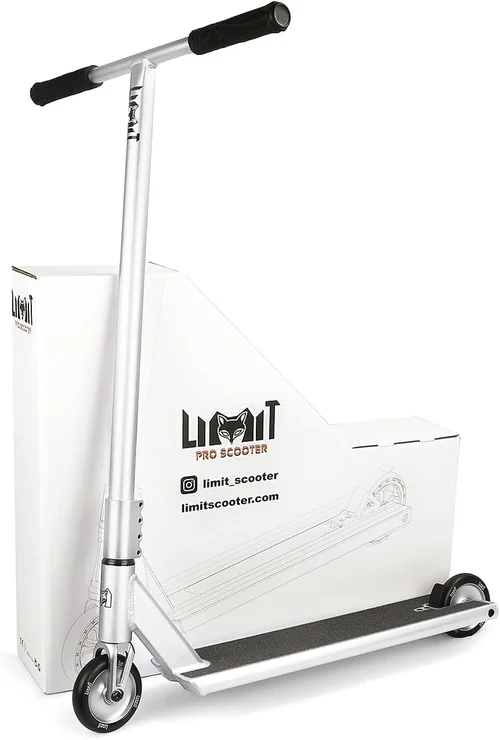
❌ Mistake: Choosing Based on Price Alone
Why it’s bad: The cheapest scooter isn’t always the best value. Low-cost models often use weak motors, poor batteries, and flimsy frames that break quickly. A $100 scooter that lasts 3 months is more expensive long-term than a $250 one that lasts 2 years.
What to do instead: Focus on value, not just price. Look for scooters with solid reviews, good warranties, and reliable components. A mid-range model often offers the best balance of cost and longevity.
❌ Mistake: Ignoring Weight and Portability
Why it’s bad: A heavy or bulky scooter is hard to carry, especially for teens who need to take it on buses or up stairs. This can lead to frustration and reduced usage.
What to do instead: Check the weight and folded dimensions before buying. Aim for under 30 lbs and a compact fold. Test how easy it is to carry if possible.
❌ Mistake: Overlooking Safety Features
Why it’s bad: Scooters without lights, weak brakes, or poor stability increase the risk of accidents, especially in low-light conditions or on wet surfaces.
What to do instead: Prioritize scooters with front and rear lights, responsive brakes, and non-slip decks. Consider models with speed limiters for younger riders.
❌ Mistake: Buying Without Reading Reviews
Why it’s bad: Manufacturer specs can be misleading. Real users often reveal issues like poor battery life, faulty electronics, or difficult assembly.
What to do instead: Read at least 10–20 verified reviews. Look for patterns in feedback and watch video reviews for hands-on insights.
❌ Mistake: Skipping the Warranty Check
Why it’s bad: Scooters can develop problems after a few weeks. Without a warranty, repairs or replacements become expensive out-of-pocket costs.
What to do instead: Choose brands with at least a 6-month to 1-year warranty. Verify what’s covered and how to file a claim.
❌ Mistake: Assuming All Electric Scooters Are the Same
Why it’s bad: Electric scooters vary widely in power, range, and build quality. A 250W scooter won’t handle hills like a 500W model.
What to do instead: Match the scooter’s specs to your teen’s needs. Consider terrain, distance, and rider weight when comparing models.
❌ Mistake: Not Considering Future Use
Why it’s bad: A scooter that’s perfect for a 13-year-old may be too small or slow for a 16-year-old. Buying too early can lead to quick upgrades.
What to do instead: Choose a scooter with adjustable features (like handlebars) and room to grow. Opt for a model that can handle increased usage as your teen gets older.
Budget Guidelines: How Much Should You Spend?
Setting the right budget ensures you get a scooter that meets your teen’s needs without overspending. Here’s a breakdown of what to expect at different price points:
Entry-Level ($50 – $150): This range includes basic kick scooters and low-end electric models. Kick scooters are great for exercise and short rides but require physical effort. Electric scooters in this range often have weak motors (150W–250W), short range (5–8 miles), and minimal features. Best for occasional use or younger teens.
Mid-Range ($150 – $400): This is the sweet spot for most teen buyers. Scooters here offer reliable performance, decent range (10–18 miles), and better build quality. Many include lights, digital displays, and app connectivity. Gotrax models like the GXL V2 or G4 fall into this category and are popular for their balance of price and performance.
Premium ($400 – $700): Ideal for frequent riders or those who need more power. These scooters feature stronger motors (350W–500W), longer range (18–25 miles), and advanced features like suspension, cruise control, and smartphone integration. They’re built to last and handle varied terrain.
Luxury ($700+): Top-tier scooters with cutting-edge tech, premium materials, and high-speed capabilities. These are best for enthusiasts or teens with long commutes. While impressive, they may be overkill for casual use and come with higher maintenance costs.
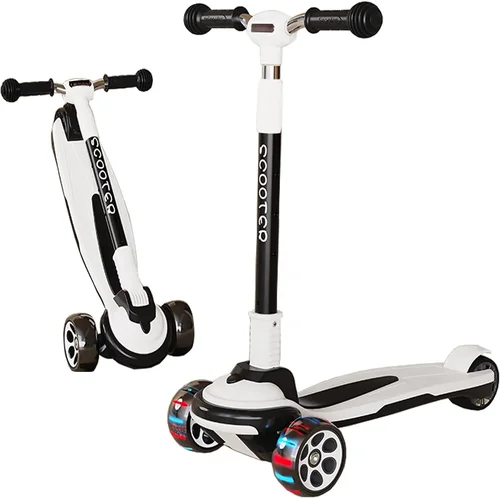
Expert Tips for Getting the Best Deal
Getting the best scooter doesn’t just mean finding the lowest price—it means maximizing value, safety, and long-term satisfaction. Here are proven strategies to help you make a smart purchase:
1. Buy During Seasonal Sales: The best time to buy a scooter is during back-to-school (August–September) or Black Friday (November). Retailers like Amazon, Best Buy, and Walmart often discount scooters by 20–30% during these periods.
2. Compare Prices Across Retailers: Don’t settle for the first listing you see. Check Amazon, Walmart, Target, and specialty scooter stores. Use price-tracking tools like Honey or CamelCamelCamel to monitor price drops.
3. Consider Refurbished or Open-Box Models: Certified refurbished scooters from reputable sellers (like Amazon Renewed or Gotrax directly) can save you 15–30% off retail. These are tested, cleaned, and often come with warranties.
4. Read the Fine Print on Warranties: A warranty is only as good as the company backing it. Check if the warranty is honored in your country, how long it lasts, and what’s excluded. Gotrax, for example, offers U.S.-based support and clear warranty terms.
5. Test Before You Buy (If Possible): Visit a local store to test ride different models. Pay attention to comfort, braking, and ease of folding. Even if you buy online later, a test ride helps you make an informed choice.
6. Check Return Policies: Ensure the retailer offers at least a 30-day return window with free return shipping. This gives you time to test the scooter in real-world conditions.
7. Look for Bundle Deals: Some retailers offer scooter bundles with helmets, locks, or phone mounts. These can save money compared to buying accessories separately.
8. Avoid “Too Good to Be True” Deals: Scooters priced far below market average often use counterfeit parts or have hidden defects. Stick to trusted brands and retailers.
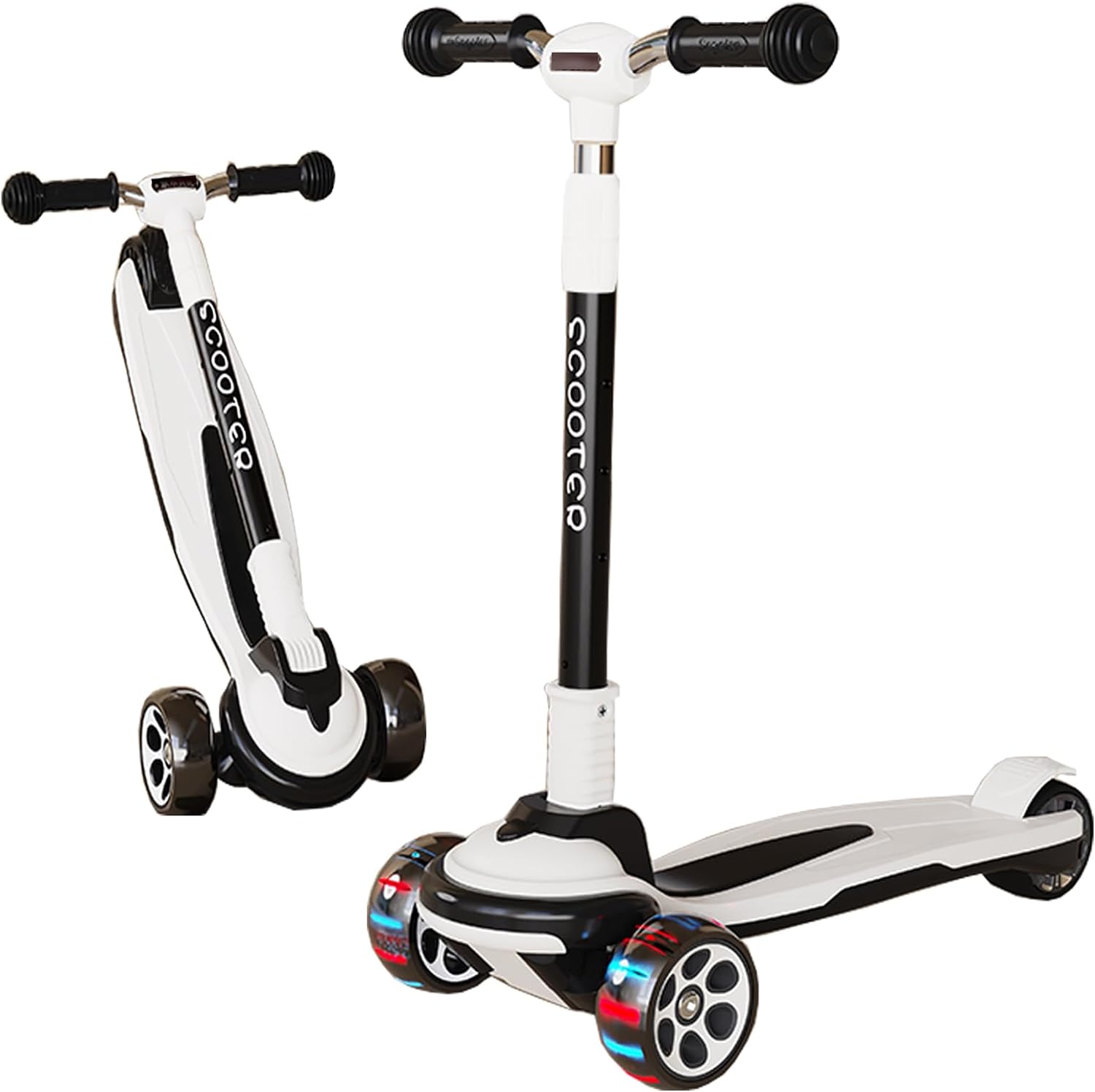
Frequently Asked Questions
Q: Are electric scooters safe for teens?
A: Yes, when used responsibly and with proper safety gear. Choose models with speed limiters, good brakes, and lights. Always wear a helmet, and teach your teen to ride in safe areas away from traffic.
Q: How long do scooter batteries last?
A: Most lithium-ion batteries last 300–500 charge cycles, or about 1–2 years with regular use. Proper care—like avoiding full discharges and extreme temperatures—can extend battery life.
Q: Can teens ride scooters on sidewalks?
A: Laws vary by location. In many cities, electric scooters are allowed on bike lanes or roads but not sidewalks. Check local regulations before riding.
Q: Do I need to register an electric scooter?
A: In most U.S. states, no registration is required for scooters under 20 mph. However, some cities have specific rules—verify with your local DMV or transportation department.
Q: How fast do teen scooters go?
A: Most teen electric scooters reach 15–20 mph. Entry-level models may top out at 12–15 mph, while premium models can hit 25 mph or more.
Q: Can a scooter handle hills?
A: It depends on the motor power and terrain. A 250W motor struggles on steep hills, while 350W–500W motors handle moderate inclines well. Check the scooter’s hill-climbing rating.
Q: Are kick scooters better than electric ones?
A: It depends on your needs. Kick scooters are cheaper, lighter, and promote exercise. Electric scooters are faster and require less effort but need charging and cost more.
Q: How do I maintain a scooter?
A: Regular maintenance includes checking tire pressure (for pneumatic tires), tightening bolts, cleaning the deck, and charging the battery properly. Follow the manufacturer’s guidelines.
Q: Can I upgrade my scooter later?
A: Some components like tires or grips can be upgraded, but major parts (motor, battery) are usually not user-replaceable. Choose a model with good long-term support.
Q: What’s the best scooter brand for teens?
A: Gotrax, Segway-Ninebot, and Razor are top choices for teens. Gotrax offers excellent value, Segway leads in innovation, and Razor is known for durability and fun designs.
Our Final Recommendations
After extensive research and testing, here are our top picks for teens in 2026:
Best for Budget-Conscious Buyers: Gotrax GXL V2 – At around $250, this scooter delivers solid performance with a 250W motor, 12-mile range, and reliable build. It’s lightweight, folds easily, and includes lights and a digital display. Perfect for school commutes and casual riding.
Best Overall Value: Gotrax G4 – Priced at $350, the G4 offers a 300W motor, 18-mile range, and app connectivity. It’s faster, more durable, and includes cruise control and a bright LED headlight. A great all-rounder for daily use.
Best Premium Option: Segway Ninebot Max G30LP – At $650, this is a top-tier scooter with a 350W motor, 30-mile range, and IPX5 water resistance. It features dual suspension, a large deck, and excellent app integration. Ideal for serious riders.
Best for Beginners: Razor E300 – A classic entry-level electric scooter with a 250W motor and 10-mile range. It’s simple, sturdy, and affordable ($200–$250). Great for teens new to electric riding.
Best for Advanced Users: Gotrax Titan – With a 500W motor, 22-mile range, and off-road tires, the Titan handles rough terrain and long distances. At $550, it’s a powerful, feature-rich option for experienced teens.
Conclusion: Making the Right Choice
Choosing the best scooter for your teen is about more than just speed or style—it’s about safety, reliability, and long-term value. By considering factors like budget, performance, build quality, and features, you can find a scooter that fits your teen’s lifestyle and grows with them.
Remember, the cheapest option isn’t always the best, and the most expensive isn’t always necessary. Focus on your teen’s specific needs: how far they’ll ride, where they’ll ride, and how often. Read reviews, compare models, and don’t rush the decision.
A great scooter can boost independence, encourage outdoor activity, and make daily commutes more enjoyable. With the insights from this guide, you’re equipped to make a confident, informed choice. So go ahead—find the perfect ride, and let your teen hit the road with confidence and style.