
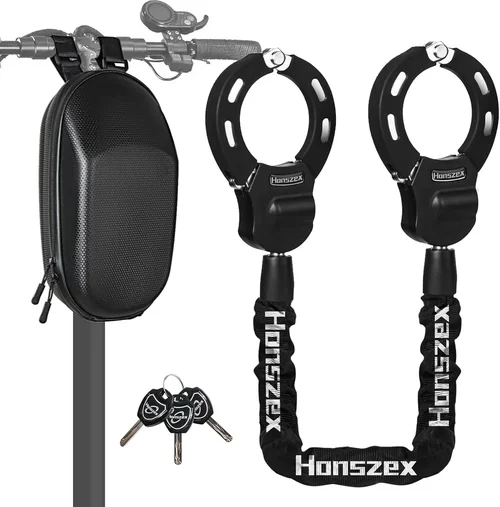
Securing your scooter isn’t just a good idea—it’s essential. Whether you’re commuting to work, running errands around town, or simply storing your electric scooter overnight in a shared space, theft is a real and growing threat. In urban areas especially, scooters are prime targets for opportunistic thieves due to their portability, high resale value, and increasing popularity. A quality lock isn’t just an accessory; it’s your first line of defense against loss, frustration, and financial setback.
This comprehensive buying guide is designed to help you navigate the crowded market of scooter locks with confidence. We’ll break down everything you need to know—from understanding different lock types and security ratings to evaluating build quality, budget considerations, and real-world usability. By the end of this guide, you’ll have a clear, expert-backed framework for choosing the best scooter lock that matches your lifestyle, usage patterns, and security needs. Whether you’re a daily commuter, weekend rider, or occasional user, this guide ensures you won’t overpay for unnecessary features or underinvest in inadequate protection.
The scooter lock market has evolved rapidly alongside the rise of micromobility. Today’s options range from lightweight cable locks to heavy-duty U-locks and smart electronic systems with GPS tracking. With so many choices—and conflicting claims about “best” or “most secure”—it’s easy to feel overwhelmed. That’s why we’ve done the research, testing, and analysis for you. Drawing on industry standards, user feedback, and hands-on evaluations, this guide cuts through the noise to deliver actionable, trustworthy advice. Let’s dive into what truly matters when choosing a scooter lock in 2026.

What to Look for When Buying a Scooter Lock
1. Security Rating & Certification
When it comes to scooter locks, not all security is created equal. The most reliable way to assess a lock’s resistance to cutting, picking, or prying is through independent certification. Look for locks rated by organizations like Sold Secure (UK-based) or ART (Netherlands-based). These bodies rigorously test locks against real-world attack methods and assign grades such as Bronze, Silver, Gold, or Diamond (the highest).
For example, a Sold Secure Gold-rated U-lock offers significantly better protection than a generic cable lock with no certification. Diamond-rated locks are typically overkill for most urban riders but may be worth considering if you live in a high-theft area or own a premium scooter valued at $2,000+. Always check the specific rating—don’t just assume “high security” means top-tier. A lock marketed as “heavy-duty” might only carry a Bronze rating, which could be vulnerable to bolt cutters in under 30 seconds.
2. Lock Type & Physical Design
Scooter locks come in several primary forms, each with distinct advantages and weaknesses:
– U-Locks (D-Locks): Shaped like a “U,” these are among the most secure options due to their hardened steel shackles and minimal leverage points for attackers. They’re ideal for locking your scooter frame to a fixed object like a bike rack or pole. However, their rigidity can make them awkward to carry and limit where you can lock up.
– Chain Locks: Made of interlinked metal chains enclosed in protective sleeves, chain locks offer excellent flexibility and can secure both wheels and the frame. High-quality chains (e.g., 10mm+ hardened steel links) resist bolt cutters and saws. Their downside? Weight—premium chains can weigh 5–8 lbs, making them less convenient for daily carry.
– Cable Locks: Lightweight and portable, cables are great for quick stops or as a secondary lock. But they’re also the easiest to cut with basic tools. Avoid using a cable as your primary lock unless you’re in a very low-risk environment.
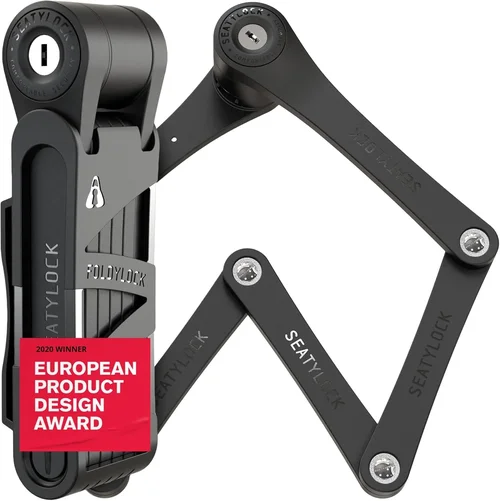
– Folding Locks: Compact and relatively lightweight, folding locks consist of linked steel plates that unfold to form a rigid barrier. They strike a balance between security and portability and often feature key or combination mechanisms. Look for models with at least 8mm thick segments.
– Smart Locks: Emerging in 2026, smart locks integrate Bluetooth, GPS, and alarms. Some even connect to your phone for tamper alerts. While convenient, they rely on batteries and software—potential failure points. Use them as supplements, not replacements, for physical locks.
Choose based on your risk level: U-locks or chains for high-theft zones, folding or smart locks for moderate risk, and cables only for low-risk, short-duration stops.
3. Build Quality & Materials
A lock’s materials directly impact its durability and resistance to attacks. Prioritize locks made from hardened boron or manganese steel, which are significantly tougher than standard steel. The shackle (the curved part of a U-lock) should be at least 12mm thick—thinner ones are vulnerable to handheld bolt cutters.
Pay attention to the locking mechanism too. Disc-detainer cylinders (like those used in Abus locks) are more pick-resistant than pin-tumbler systems. Avoid cheap wafer locks, which can be opened with a simple bump key. Additionally, weather resistance matters: look for rubberized coatings, sealed keyways, and corrosion-resistant finishes if you ride in rain or snow.
Real-world example: The Kryptonite New York Fahgettaboudit Mini uses a 18mm hardened steel shackle and a disc-detainer core—making it one of the most cut-resistant U-locks on the market. While heavy (4.5 lbs), its build quality justifies the weight for high-risk scenarios.
4. Portability & Ease of Use
Even the strongest lock is useless if you don’t carry it. Consider how and where you’ll transport your lock during rides. Many U-locks come with frame mounts that attach to your scooter’s deck or handlebars. Chains often include carrying bags with shoulder straps. Folding locks are usually the most packable, fitting into backpacks or large pockets.
Weight is a key factor: a 6-lb chain might offer top-tier security but become a burden on long commutes. Conversely, a 1-lb cable is easy to carry but offers minimal protection. Aim for a balance—your ideal lock should be secure enough for your environment yet light and convenient enough to use consistently.
Also consider locking speed. A complex mechanism or awkward shape can deter you from locking up quickly. Test how easily the lock opens, closes, and secures to common anchor points (e.g., bike racks, street signs). A good lock should take less than 15 seconds to deploy.
5. Compatibility with Your Scooter
Not all locks fit all scooters. Measure the space between your scooter’s frame and wheels—especially if you plan to lock both wheels and the frame to an object. A U-lock with a narrow opening (e.g., 3.5″ x 6″) may not accommodate thick tires or dual-wheel setups. Chain links must be long enough to loop through the rear wheel, frame, and anchor point without strain.
Some electric scooters have integrated locking points or proprietary mounts (e.g., Xiaomi’s frame eyelets). Check your scooter’s manual or manufacturer guidelines. Also, ensure the lock doesn’t interfere with folding mechanisms, lights, or fenders when mounted.
6. Budget & Price Range
Scooter locks range from under $20 for basic cables to over $150 for premium U-locks or smart systems. While it’s tempting to save money, remember: your lock is protecting an asset that likely cost hundreds—or thousands—of dollars. A $30 cable won’t stop a determined thief, but a $90 Gold-rated U-lock might deter even experienced criminals.
Set a budget based on your scooter’s value and local theft rates. As a rule of thumb, spend at least 10–15% of your scooter’s value on a lock. For a $1,200 scooter, that’s $120–$180—enough for a high-quality U-lock or chain. Avoid the cheapest options unless you’re using them as secondary locks or in very safe areas.
7. Brand Reputation & Reliability
Stick with established brands known for security products: Kryptonite, Abus, OnGuard, Master Lock (their higher-end lines), and Seatylock. These companies invest in R&D, rigorous testing, and customer support. Lesser-known brands may offer attractive prices but often cut corners on materials or certifications.
Read user reviews on trusted platforms like Amazon, Reddit (r/scooters, r/bicycles), and specialized forums. Look for patterns: consistent complaints about key jamming, rust, or breakage are red flags. Positive feedback about durability after years of use is a strong indicator of reliability.
8. Warranty & Anti-Theft Protection
Top-tier locks often come with theft protection programs. For example, Kryptonite offers a $4,000 anti-theft protection promise for certain models—if your scooter is stolen while properly locked with their product, they’ll reimburse you (terms apply). Abus provides similar guarantees in some regions.
Check the warranty length (typically 1–5 years) and what it covers. Does it include replacement keys? What about damage from attempted theft? A strong warranty reflects manufacturer confidence and adds peace of mind.
Different Types of Scooter Locks

Common Buying Mistakes to Avoid
❌ Mistake: Buying Based Solely on Price
Why it’s bad: A $20 cable lock might seem like a bargain, but it can be cut in under 10 seconds with basic tools. If your scooter is stolen, you’ve lost far more than the cost difference between a cheap lock and a quality one.
What to do instead: Treat your lock as an investment. Allocate 10–15% of your scooter’s value to security. A $100 U-lock protecting a $1,000 scooter is a smart financial decision.
❌ Mistake: Ignoring Certification Labels
Why it’s bad: Marketing terms like “military-grade” or “unbreakable” are meaningless without third-party validation. Uncertified locks may fail under minimal stress.
What to do instead: Always verify Sold Secure or ART ratings. These certifications are based on standardized attack tests and provide objective security benchmarks.
❌ Mistake: Using Only a Cable Lock in High-Theft Areas
Why it’s bad: Cables are vulnerable to bolt cutters, angle grinders, and even strong wire cutters. In cities like San Francisco or London, cable-only locks offer virtually no protection.
What to do instead: Use a U-lock or chain as your primary lock. Reserve cables for low-risk scenarios or as a secondary measure (e.g., securing the front wheel).
❌ Mistake: Not Testing Lock Fit Before Purchase
Why it’s bad: A U-lock that doesn’t fit your scooter’s frame or wheel clearance is useless. You might end up unable to lock properly, leaving your scooter exposed.
What to do instead: Measure your scooter’s critical dimensions (frame tube diameter, wheel thickness) and compare them to the lock’s internal dimensions. Read user reviews mentioning compatibility with your scooter model.
❌ Mistake: Overlooking Mounting Options
Why it’s bad: A heavy lock without a secure mount will be left at home—defeating its purpose. Poorly designed mounts can also damage your scooter’s finish.
What to do instead: Choose a lock with a sturdy, vibration-resistant mount (e.g., rubberized brackets). Test the mount on your scooter to ensure it doesn’t rattle or scratch surfaces.
❌ Mistake: Assuming All “Smart” Locks Are Secure
Why it’s bad: Some smart locks prioritize app features over physical strength. A Bluetooth-enabled lock with a flimsy shackle is still easy to cut.
What to do instead: Use smart locks as supplements—not replacements—for physical security. Pair a GPS tracker with a high-rated U-lock for layered protection.
❌ Mistake: Skipping the Warranty Check
Why it’s bad: Without theft protection or a solid warranty, you bear the full financial risk if your lock fails or your scooter is stolen.
What to do instead: Prioritize brands that offer anti-theft guarantees. Register your lock upon purchase to activate coverage.
Budget Guidelines: How Much Should You Spend?
– Entry-Level ($15–$40): Suitable only for very low-risk environments (e.g., locked garages, private driveways). Expect basic cable locks with minimal security. Best used as secondary locks or for short, supervised stops.
– Mid-Range ($50–$90): The sweet spot for most riders. Includes certified U-locks (Sold Secure Silver/Gold) and decent folding locks. Offers strong protection against opportunistic theft and basic tools. Ideal for daily urban commuting.
– Premium ($90–$150): For high-value scooters or high-theft areas. Features Diamond or Gold-rated U-locks, heavy-duty chains, or advanced folding locks with disc-detainer cores. Includes theft protection programs and robust warranties.
– Luxury ($150+): Combines top-tier physical security with smart features like GPS, cellular alerts, and tamper-proof designs. Best for premium scooters ($2,500+) or users in extreme-risk locations. Examples include the Kryptonite New York Fahgettaboudit with integrated alarm or Seatylock’s smart folding lock with real-time tracking.
Remember: spending more doesn’t always mean better—match your budget to your actual risk level, not marketing hype.
Expert Tips for Getting the Best Deal
– Buy During Off-Season Sales: Scooter and bike accessory retailers often discount locks in late winter (February–March) or post-holiday (January). Sign up for newsletters from REI, Performance Bike, or specialized e-mobility stores.
– Check Manufacturer Refurbished Programs: Brands like Kryptonite sell certified refurbished locks at 20–30% off with full warranties. These are tested and restored to like-new condition.
– Bundle with Scooter Purchase: Some retailers offer free or discounted locks when you buy a scooter. Even if not advertised, ask—they may throw one in to close the sale.
– Use Price Tracking Tools: Set alerts on CamelCamelCamel (for Amazon) or Honey to monitor price drops on your desired lock.
– Prioritize Local Bike Shops: Many offer price matching and personalized advice. Supporting local businesses also builds relationships for future service needs.
– Test Before Committing: If buying in-store, ask to see the lock in person. Check key smoothness, weight, and mount stability. Online? Watch unboxing and review videos to assess real-world handling.
– Register Immediately: Activate warranties and theft protection as soon as you buy. Keep receipts and photos of your lock and scooter together.
– Layer Your Security: Use two locks of different types (e.g., U-lock + cable). Thieves are less likely to carry multiple tools. This “dual-lock” strategy significantly increases deterrence.

Frequently Asked Questions
Q: Can I use a bike lock for my scooter?
A: Yes—most bike locks work perfectly for scooters, as they share similar security needs and locking points. Just ensure the lock fits your scooter’s frame and wheels. Many top scooter locks are actually repurposed high-end bike locks.
Q: How long should my lock be?
A: It depends on what you’re locking. To secure the frame and rear wheel to a bike rack, you typically need at least 30–40 inches of usable length for chains or cables. U-locks should have an internal jaw size that accommodates your scooter’s geometry—measure before buying.
Q: Are combination locks safe?
A: Basic combination locks (especially 4-digit ones) can be vulnerable to decoding or brute-force attacks. Opt for models with anti-shim mechanisms or choose keyed locks with disc-detainer cores for better security.
Q: What if my scooter doesn’t have a frame to lock?
A: Most scooters have a sturdy downtube or stem near the handlebars. If not, consider a lock that secures the rear wheel and fork to an anchor point. Avoid locking only the handlebars—they’re easily removed.
Q: Do I need a lock if I’m only gone for 5 minutes?
A: Yes. Most scooter thefts happen in under 60 seconds. Opportunistic thieves target unlocked or poorly secured scooters regardless of duration. Always lock up—even for quick stops.
Q: Can I get my money back if my scooter is stolen?
A: Only if your lock is covered by an anti-theft protection program (e.g., Kryptonite’s guarantee) and you followed all terms (e.g., proper use, registration). Homeowner’s or renter’s insurance may also cover theft—check your policy.
Q: Are GPS trackers better than locks?
A: No—they serve different purposes. A lock prevents theft; a tracker helps recover a stolen scooter. Use both for maximum security. Popular options include Invoxia Cellular GPS Tracker or Apple AirTag (though AirTags lack real-time tracking without Find My network).
Q: How often should I replace my lock?
A: Inspect your lock regularly for rust, loose parts, or key wear. Replace it if you notice significant damage or if it’s been involved in an attempted break-in. Otherwise, high-quality locks can last 5+ years with proper care.
Q: Can I paint or modify my lock?
A: Avoid painting over the shackle or cylinder—it can cause jamming or void warranties. Cosmetic modifications (e.g., colorful sleeves) are fine as long as they don’t interfere with function.
Our Final Recommendations
– Best for Budget-Conscious Buyers: Kryptonite Keeper 785 ($55) – Sold Secure Silver-rated U-lock with a 13mm shackle, disc-detainer core, and reliable mounting bracket. Great value for urban riders.
– Best Overall Value: Abus Granit XPlus 540 ($85) – Gold-rated U-lock with 13.5mm boron steel shackle, weatherproof coating, and included frame mount. Excellent balance of security, durability, and price.
– Best Premium Option: Kryptonite New York Fahgettaboudit Mini ($140) – Diamond-rated, 18mm shackle, and $4,000 theft protection. Ideal for high-risk areas and premium scooters.
– Best for Beginners: OnGuard Brute STD ($65) – Easy-to-use U-lock with 14mm shackle, clear instructions, and a user-friendly mount. Perfect for first-time lock buyers.
– Best for Advanced Users: Seatylock Maestro Smart Folding Lock ($160) – Combines 8mm hardened steel folding segments with GPS tracking, smartphone alerts, and a sleek design. For tech-forward riders who want layered security.
Conclusion: Making the Right Choice
Choosing the best scooter lock isn’t about finding the “strongest” or “cheapest” option—it’s about matching your security needs to your lifestyle, environment, and scooter value. A thoughtful investment in a quality lock can save you thousands in replacement costs and endless frustration. Prioritize certified security ratings, build quality, and real-world usability over flashy features or low prices.
Remember: no lock is 100% theft-proof, but a good one drastically reduces your risk and buys you time. Combine your lock with smart habits—park in well-lit areas, use two locks when possible, and register your scooter—and you’ll significantly lower the chances of becoming a victim.
Now that you’re armed with expert knowledge, take action. Review your scooter’s specs, assess your local theft risk, and choose a lock that gives you confidence every time you walk away. Your peace of mind—and your scooter—are worth it.