
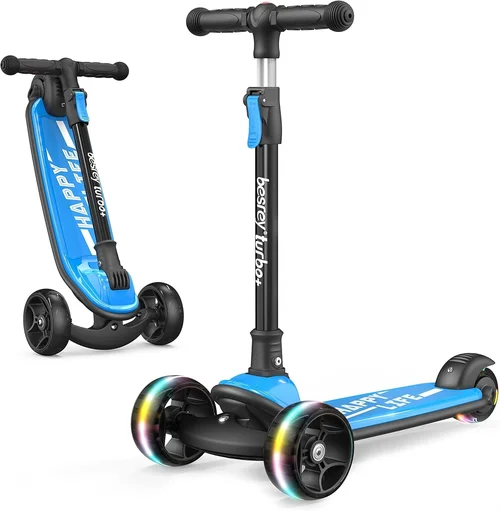
Electric scooters have evolved from niche urban toys into serious transportation solutions—especially for larger riders who need reliable, powerful, and durable machines. Whether you’re commuting across town, running errands, or simply enjoying a weekend ride, finding the right scooter isn’t just about speed or style. For heavier riders—typically those over 220 pounds—it’s about safety, stability, and long-term performance. Unfortunately, many mainstream scooters are built with average-weight users in mind, leaving larger riders frustrated by weak motors, flimsy frames, or short battery life under load.
This guide is designed specifically for you: someone who wants a scooter that doesn’t just hold your weight, but performs confidently while doing so. We’ll walk you through every critical factor—from motor power and deck size to warranty coverage and real-world durability—so you can make an informed decision without wasting money on underperforming models. By the end, you’ll know exactly what to look for, which brands truly deliver for larger riders, and how to avoid common pitfalls that lead to buyer’s remorse.
The market today offers more options than ever, but not all scooters are created equal—especially when it comes to supporting higher weights. Some manufacturers exaggerate weight limits or use lightweight materials that compromise structural integrity. Others skimp on battery capacity, assuming most users won’t push the scooter to its limits. Our goal is to cut through the marketing noise and give you expert-backed, practical advice tailored to your needs. Whether you’re 250 lbs or 350+ lbs, this guide will help you find a scooter that’s built to last, ride smoothly, and keep you safe mile after mile.

What to Look for When Buying Gotrax
1. Weight Capacity & Frame Strength
For larger riders, the most fundamental consideration is whether the scooter can safely and reliably support your weight. Most entry-level scooters list a maximum load of 220–250 lbs, but this often reflects ideal conditions—not real-world usage. Look for models rated for at least 300 lbs, with reinforced frames made from aircraft-grade aluminum or high-tensile steel. Pay close attention to the deck thickness and wheel axle construction; thin decks or weak axles can bend or crack under sustained heavy use. A sturdy frame isn’t just about safety—it directly impacts ride quality, braking efficiency, and overall longevity.
2. Motor Power & Torque
Motor power is measured in watts (W), and for heavier riders, anything below 500W is likely insufficient. A 500W motor may handle flat terrain at moderate speeds, but it will struggle on hills or when accelerating from a stop—common scenarios that drain performance and reduce battery life. Aim for at least 800W continuous power, with peak outputs of 1000W or more. Torque matters just as much as raw wattage: higher torque ensures quicker acceleration and better hill-climbing ability. Brushless motors are preferred for their efficiency, cooler operation, and longer lifespan compared to brushed alternatives.
3. Battery Capacity & Real-World Range
Battery specs can be misleading. Manufacturers often quote range based on lightweight riders traveling at low speeds on flat ground. For larger riders, expect 20–40% less range than advertised. Focus on battery capacity in watt-hours (Wh)—not just voltage or amp-hours. A 48V 15Ah battery (720Wh) will generally outperform a 36V 20Ah (720Wh) due to higher voltage delivering more efficient power to the motor. Lithium-ion (Li-ion) batteries are standard and reliable, but avoid cheaper lithium manganese or lead-acid options. Also check charging time: larger batteries may take 6–8 hours to recharge fully.
4. Tire Type & Suspension
Tires play a crucial role in comfort and control, especially for heavier loads. Solid rubber tires are puncture-proof but offer minimal shock absorption, leading to a jarring ride on rough pavement. Pneumatic (air-filled) tires provide superior cushioning and grip but require occasional maintenance and are vulnerable to flats. For larger riders, we recommend hybrid or tubeless pneumatic tires with reinforced sidewalls. Pair these with front and/or rear suspension (spring, hydraulic, or rubber-based) to absorb bumps and reduce fatigue on longer rides. Without proper suspension, repeated impact can damage the frame and electronics over time.
5. Deck Size & Foot Space
A cramped deck forces awkward foot placement, reducing balance and control—especially critical when carrying extra weight. Look for decks at least 7 inches wide and 20 inches long. Wider decks allow for natural stance and better weight distribution, while longer decks accommodate taller riders or those who prefer standing with feet parallel. Non-slip grip tape is essential, but ensure it’s high-quality and replaceable—cheap tape wears out quickly under heavy use. Some premium models feature ergonomic deck contours or raised edges for added security.
6. Braking System Reliability
Stopping power is non-negotiable for safety, particularly when riding at speed with added mass. Single-brake systems (usually rear drum or foot brake) are inadequate for larger riders. Opt for dual braking: disc brakes (mechanical or hydraulic) combined with electronic or regenerative braking. Disc brakes provide consistent stopping force even when wet or hot, while electronic brakes offer smooth deceleration. Avoid scooters that rely solely on regenerative braking—it’s inefficient under heavy loads and wears out quickly. Test braking responsiveness before purchasing if possible.
7. Build Quality & Weather Resistance
Cheap scooters often use thin welds, plastic components, and unsealed electronics—disasters waiting to happen for heavier users. Inspect weld points, folding mechanisms, and cable routing for robustness. IP ratings indicate water and dust resistance: IPX4 protects against splashes, but IPX5 or higher is ideal for rainy climates. Sealed motor housings and waterproof connectors prevent corrosion and electrical failures. Remember, a scooter that costs less upfront may cost more in repairs or replacements down the line.
8. Warranty & Customer Support
A strong warranty reflects manufacturer confidence in their product—especially important for high-stress use cases like supporting heavier riders. Look for at least a 12-month comprehensive warranty covering motor, battery, and frame. Some brands offer extended warranties or pro-rated coverage. Equally vital is customer support: can you easily reach a human? Are replacement parts readily available? Read user forums and reviews to see how companies handle complaints or defects. Brands with poor support often leave customers stranded with broken scooters and no recourse.
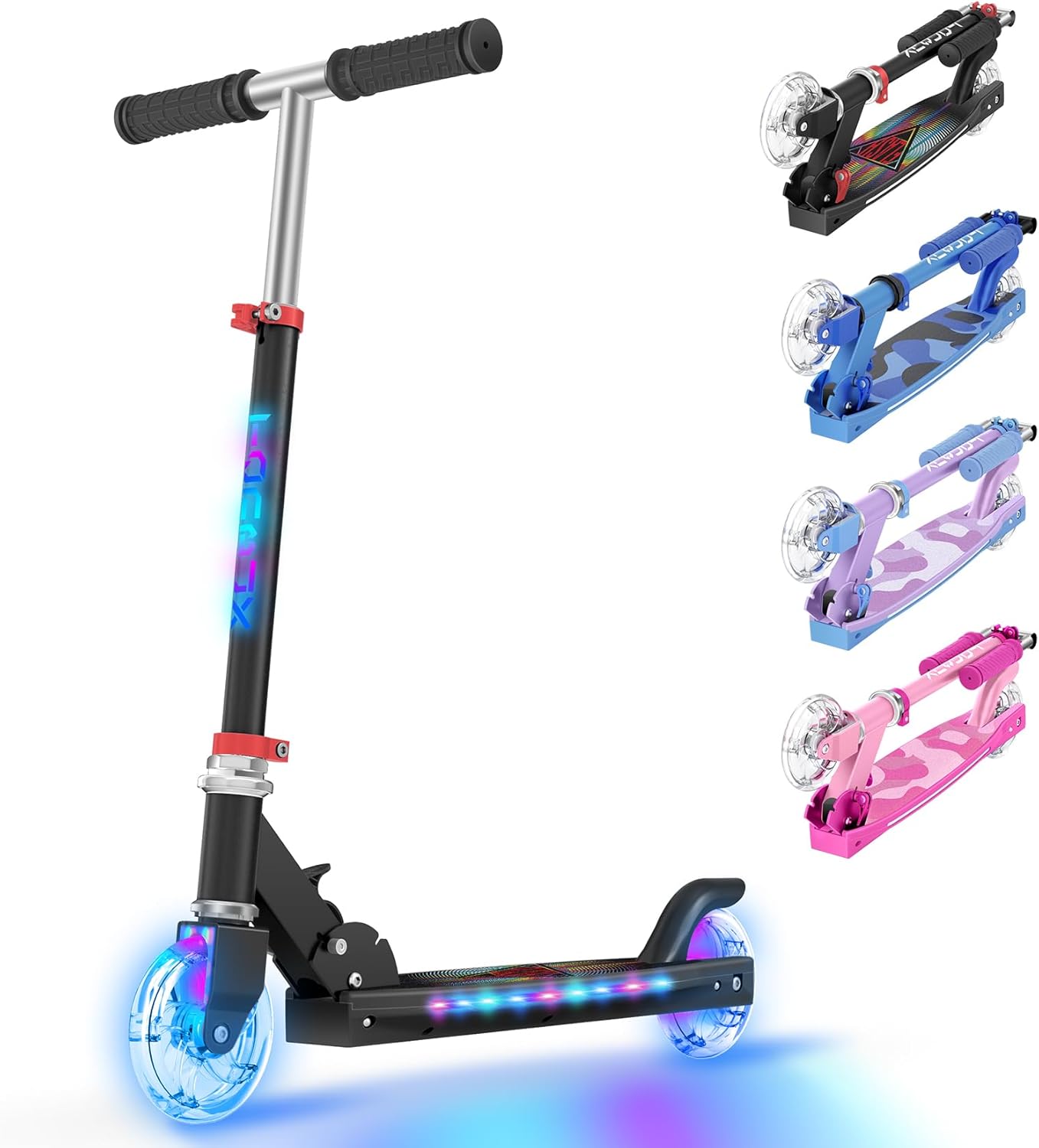
Different Types of Gotrax
Common Buying Mistakes to Avoid
❌ Mistake: Ignoring Real-World Weight Limits
Why it’s bad: Many scooters list a “max load” that assumes perfect conditions—light clothing, no cargo, flat roads. In reality, wind resistance, hills, and added gear increase stress on the motor and frame. Riding near or above the limit accelerates wear and can cause sudden failures.
What to do instead: Choose a scooter with a weight rating at least 50–100 lbs above your current weight. This safety margin ensures reliable performance and extends the scooter’s lifespan.
❌ Mistake: Prioritizing Speed Over Torque
Why it’s bad: High top speed sounds impressive, but without sufficient torque, the scooter will struggle to accelerate or climb inclines—especially with a heavier rider. You’ll end up crawling up hills or draining the battery rapidly.
What to do instead: Focus on motor torque and continuous wattage rather than peak speed. A scooter that accelerates smoothly and handles 10–15% grades is far more useful than one that hits 30 mph but bogs down on mild slopes.
❌ Mistake: Overlooking Suspension
Why it’s bad: Without suspension, every bump transmits shock directly to your body and the scooter’s frame. For larger riders, this accelerates fatigue and increases the risk of component failure over time.
What to do instead: Invest in a model with at least front suspension, preferably dual suspension. Even basic spring systems make a noticeable difference in comfort and control.
❌ Mistake: Choosing Solid Tires for City Riding
Why it’s bad: Solid tires eliminate puncture risks but offer zero shock absorption. On cracked sidewalks or potholed streets, the ride becomes harsh and uncomfortable—particularly taxing for heavier riders.
What to do instead: Opt for pneumatic or hybrid tires unless you live in an area with perfectly smooth pavement. The trade-off in maintenance is worth the dramatic improvement in ride quality.
❌ Mistake: Skipping the Test Ride
Why it’s bad: Specs don’t tell the whole story. A scooter might look great on paper but feel unstable, wobble at speed, or have mushy brakes when you actually ride it.
What to do instead: Whenever possible, test ride before buying. If purchasing online, choose retailers with generous return policies (30 days or more) so you can evaluate performance risk-free.
❌ Mistake: Neglecting Warranty Details
Why it’s bad: A “1-year warranty” might exclude the battery, motor, or water damage—common failure points for heavy-use scooters. You could be stuck paying hundreds for repairs.
What to do instead: Read the fine print. Ensure the warranty covers all major components and understand what voids it (e.g., water exposure, modifications). Prefer brands with transparent, user-friendly support.
Budget Guidelines: How Much Should You Spend?
Entry-Level ($200–$400): These scooters are best suited for light riders under 200 lbs using flat, smooth paths for short trips. Expect basic motors (250–350W), small batteries (under 300Wh), and minimal features. Weight capacity rarely exceeds 220 lbs, making them risky for larger users. While tempting for the price, they often lack durability and safety margins needed for heavier loads.
Mid-Range ($500–$900): This is the sweet spot for most larger riders. Scooters in this tier typically offer 500–800W motors, 400–700Wh batteries, and weight limits of 250–300 lbs. Many include front suspension, decent decks, and reliable braking. You’ll find better build quality and more honest spec reporting here. Models like the Gotrax GXL V2 or Segway Ninebot MAX (refurbished) fall into this category and perform well for riders up to 260 lbs.
Premium ($1,000–$1,800): Designed for serious commuters and heavier users, these scooters boast 800W–1200W motors, reinforced frames, dual suspension, and batteries exceeding 700Wh. Weight capacities often reach 330–350 lbs. Expect features like app connectivity, regenerative braking, and IPX5+ water resistance. Brands like Dualtron, Apollo, and Kaabo offer excellent options here—built to handle daily abuse from larger riders.
Luxury ($2,000+): Reserved for enthusiasts and professionals, luxury scooters deliver race-level performance with carbon fiber components, hydraulic brakes, and ultra-high-capacity batteries (1000Wh+). They support weights up to 400 lbs and excel on any terrain. While overkill for casual use, they’re ideal if you prioritize speed, range, and cutting-edge tech. Just remember: higher performance often means heavier weight and reduced portability.
Expert Tips for Getting the Best Deal
- Shop during off-seasons: Scooter sales peak in spring and summer. Buy in late fall or winter (November–February) for discounts of 15–30% as retailers clear inventory.
- Consider certified refurbished models: Reputable sellers like Segway, Gotrax, and Apollo offer refurbished scooters with full warranties at 20–40% off retail. These are often as good as new but thoroughly tested.
- Check multiple retailers: Prices vary significantly between Amazon, Best Buy, direct brand stores, and specialty e-scooter shops. Use price-tracking tools like Honey or CamelCamelCamel to spot drops.
- Read deep-dive reviews: Skip flashy YouTube ads. Look for long-term reviews from riders similar to your size and use case. Forums like Reddit’s r/scooters or ESG (Electric Scooter Guide) offer unfiltered user experiences.
- Negotiate add-ons: Some retailers throw in free helmets, phone mounts, or extended warranties if you ask—especially during slow sales periods.
- Verify return policies: Ensure you can return the scooter within 30 days if it doesn’t meet your needs. Some brands charge restocking fees or exclude used items.
- Join loyalty programs: Brands like Gotrax and Segway offer member discounts, early access to sales, and exclusive promo codes.
- Inspect before finalizing: If buying in-store, check for loose parts, smooth folding mechanisms, and responsive controls. For online purchases, record unboxing videos to document any damage.

Frequently Asked Questions
Q: Can I modify a scooter to support more weight?
A: Modifications like reinforcing the deck or upgrading the motor are possible but risky. Most void the warranty and can compromise safety if not done professionally. It’s almost always better to buy a scooter designed for your weight from the start.
Q: Will a higher weight reduce my scooter’s range significantly?
A: Yes—typically by 20–40%. Heavier loads require more power to accelerate and maintain speed, especially on hills. Always budget for reduced range and consider a spare battery if you rely on the scooter for daily commuting.
Q: Are off-road scooters worth it for city use?
A: Only if you frequently encounter rough pavement, curbs, or gravel. Off-road models are heavier, less efficient on smooth roads, and more expensive. For pure city riding, a high-capacity urban scooter with good suspension is usually sufficient.
Q: How do I maintain my scooter for longevity?
A: Regularly check tire pressure (if pneumatic), tighten bolts, clean the deck, and store in a dry place. Avoid overcharging the battery and recharge when it drops to 20–30%. Lubricate moving parts like the folding mechanism every few months.
Q: What’s the safest speed for larger riders?
A: There’s no universal answer, but stability decreases with speed and weight. Most experts recommend staying under 20 mph for heavier riders, especially on uneven surfaces. Always wear a helmet and protective gear.
Q: Can I ride in the rain?
A: Only if the scooter has an IPX4 rating or higher. Even then, avoid deep puddles and heavy downpours. Water can seep into electronics and cause irreversible damage. Dry the scooter thoroughly after wet rides.
Q: How often should I replace the battery?
A: Lithium-ion batteries last 300–500 full charge cycles. With daily use, expect 1.5–3 years of life. Signs of degradation include reduced range, longer charging times, or failure to hold a charge.
Q: Are there scooters specifically made for big and tall riders?
A: Yes—brands like Kaabo, Dualtron, and Apollo offer models with extended decks, high weight limits (350+ lbs), and ergonomic designs. Look for “high-capacity” or “heavy-duty” in the product name.
Q: What should I do if my scooter breaks under warranty?
A: Contact the manufacturer immediately with photos and a description of the issue. Keep all receipts and documentation. If they refuse service, escalate to consumer protection agencies or dispute the charge with your credit card company.
Q: Is insurance necessary for electric scooters?
A: In most U.S. states, no—but it’s wise if you ride frequently in traffic or high-risk areas. Some homeowners’ or renters’ policies cover liability, or you can purchase standalone scooter insurance for theft and damage.
Our Final Recommendations
Best for Budget-Conscious Buyers: Gotrax GXL V2 – With a 250 lb weight limit, it’s at the edge for larger riders, but its 360Wh battery, 25 mph top speed, and solid build offer surprising value under $500. Ideal for riders just under 250 lbs on flat terrain.
Best Overall Value: Segway Ninebot MAX G30LP – Rated for 265 lbs, this scooter delivers 350W continuous power (700W peak), 40-mile range, IPX5 water resistance, and excellent suspension. Priced around $800, it balances performance, durability, and features perfectly for heavier commuters.
Best Premium Option: Apollo Explore – Supporting up to 330 lbs, the Explore boasts a 1000W motor, 52V 18.2Ah battery (946Wh), dual hydraulic brakes, and full suspension. At ~$1,599, it’s built for demanding riders who need reliability and range without compromise.
Best for Beginners: Gotrax G4 – Simple controls, intuitive app, and a 220 lb capacity make it a gentle entry point. While not ideal for very heavy riders, it’s perfect for those easing into e-scooters at 200–230 lbs.
Best for Advanced Users: Dualtron Thunder 3 – A beast at 400 lb capacity, 5400W dual motors, and 2170Wh battery. This $3,500+ scooter handles any terrain and delivers hypercar acceleration. Only for serious enthusiasts with the budget and skill to match.
Conclusion: Making the Right Choice
Choosing the right electric scooter as a larger rider isn’t just about finding something that fits—it’s about investing in a machine that respects your weight, your safety, and your lifestyle. From motor power and frame strength to battery life and after-sales support, every detail matters when you’re pushing a scooter beyond typical limits. Don’t let flashy ads or low prices distract you from what truly counts: real-world performance under real-world conditions.
Prioritize your needs honestly. If you commute daily over hilly terrain, a mid-range or premium model with robust suspension and a high-capacity battery is non-negotiable. If you’re an occasional rider on smooth paths, a well-built budget option might suffice—but never compromise on weight rating or braking. And always remember: the cheapest scooter is rarely the best value in the long run.
Use this guide as your compass. Compare specs with skepticism, read user reviews with scrutiny, and test before you commit. Your perfect scooter is out there—one that doesn’t just carry you, but empowers you to ride with confidence, comfort, and control. Now go find it, and enjoy the freedom that comes with every mile.