
Whether you’re commuting to work, zipping through campus, or exploring your city on two wheels, a scooter is more than just a mode of transport—it’s a lifestyle upgrade. But like any vehicle, its true potential shines when paired with the right accessories. From safety enhancements to storage solutions and performance boosters, the right add-ons can transform your ride from basic to brilliant. That’s why this expert buying guide exists: to cut through the noise, eliminate confusion, and help you make smart, informed decisions when selecting scooter accessories in 2026.
In this comprehensive guide, we’ll walk you through everything you need to know—from understanding key performance specs and build quality to comparing different types of accessories and avoiding common pitfalls. You’ll learn how to balance budget with functionality, where to shop for the best deals, and which brands truly deliver on their promises. Whether you’re a first-time buyer or a seasoned rider looking to upgrade, this guide equips you with actionable insights, real-world examples, and pro-level advice to get the most out of your scooter experience.
The market for scooter accessories has exploded in recent years. With electric scooters becoming mainstream, manufacturers and third-party innovators have responded with a flood of products—some essential, some gimmicky, and many somewhere in between. From high-lumen headlights and anti-theft GPS trackers to ergonomic seats and waterproof phone mounts, the options are vast. But not all accessories are created equal. Quality varies wildly, compatibility isn’t always guaranteed, and marketing hype often overshadows real utility. Our goal is to help you navigate this landscape with confidence, so you invest in gear that enhances safety, convenience, and enjoyment—without wasting money on flashy but useless add-ons.

What to Look for When Buying Scooter Accessories
1. Compatibility with Your Scooter Model
Before you even consider purchasing an accessory, the most critical factor is compatibility. Not all scooters are built the same—differences in frame design, handlebar width, stem diameter, battery placement, and deck size can render an otherwise perfect accessory useless. For example, a phone mount designed for a narrow handlebar may not fit a wider one, and a rear rack that bolts onto a specific deck model might not attach securely to another. Always check the manufacturer’s specifications or consult user forums to confirm fitment. Many reputable brands now offer compatibility charts or even model-specific versions of their products. Ignoring this step can lead to frustration, wasted money, and potential safety hazards if an accessory loosens during a ride.
2. Build Quality & Durability
Scooter accessories are subjected to constant vibration, weather exposure, and physical stress. A flimsy phone mount might survive a week of smooth pavement but fail on a bumpy trail. Similarly, a cheap LED light may flicker or die after a few rainy rides. Look for accessories made from robust materials like aircraft-grade aluminum, reinforced polycarbonate, or weather-resistant polymers. Check for features like IPX ratings for water resistance, shock-absorbing mounts, and corrosion-resistant hardware. High-quality accessories may cost more upfront, but they last longer and perform better under real-world conditions. For instance, a metal-reinforced phone holder will outlast a plastic one by years, especially if you ride daily or in varying climates.
3. Safety & Visibility Enhancements
Safety should always be a top priority, especially in urban environments with heavy traffic and low-light conditions. Accessories that improve visibility—such as front and rear LED lights, reflective stickers, and turn signal indicators—can significantly reduce the risk of accidents. Look for lights with high lumen output (at least 100 lumens for front lights), multiple flash modes, and long battery life. Some advanced models even feature automatic brightness adjustment based on ambient light. Rear lights with brake activation (which brighten when you slow down) are particularly valuable. Additionally, consider accessories like helmet-mounted cameras or blind-spot mirrors that enhance situational awareness. Remember: being seen is just as important as seeing.
4. Storage & Cargo Solutions
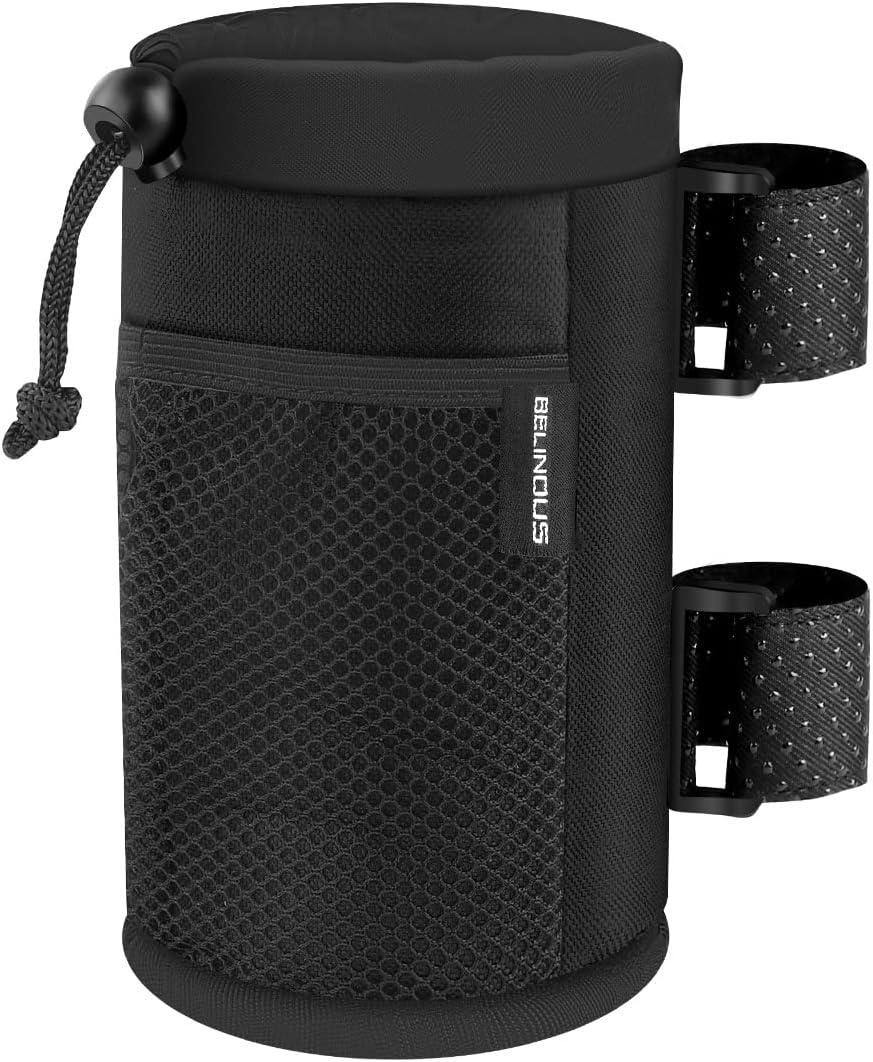
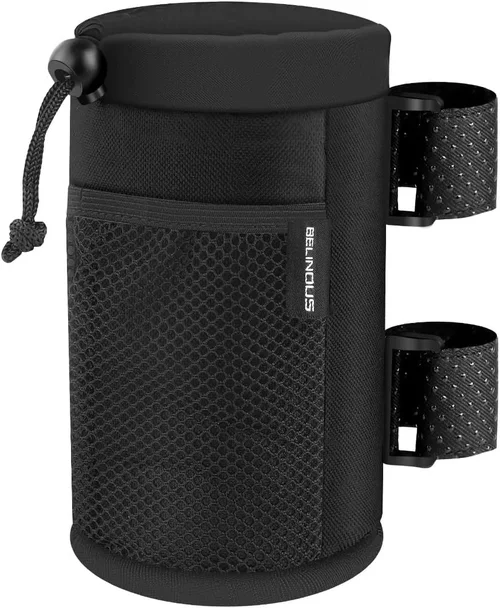
One of the biggest limitations of scooters is limited storage space. That’s where cargo accessories come in. Rear racks, front baskets, under-deck bags, and handlebar organizers allow you to carry groceries, laptops, gym gear, or even a small backpack. When evaluating storage options, consider weight capacity, ease of installation, and security. A well-designed rear rack should support at least 10–15 lbs without wobbling. Waterproof panniers or dry bags are ideal for rainy climates. Some riders opt for magnetic or quick-release systems for easy removal. Avoid overloading your scooter, as excess weight can affect balance and braking performance. Always distribute weight evenly and secure items properly to prevent shifting during motion.
5. Comfort & Ergonomics
Long rides can take a toll on your body, especially if your scooter lacks ergonomic support. Accessories like padded seats, ergonomic grips, and suspension seat posts can dramatically improve comfort. While most standard scooters come with basic rubber grips, upgrading to gel or ergonomic handles reduces hand fatigue and improves control. For those who ride frequently or over long distances, a suspension seat post absorbs shocks from potholes and uneven surfaces, minimizing back and joint strain. Some premium models even offer adjustable-angle handlebars for a more natural riding posture. Comfort isn’t just about luxury—it’s about sustainability. If you’re uncomfortable, you’re less likely to ride regularly, which defeats the purpose of owning a scooter.
6. Security & Anti-Theft Features
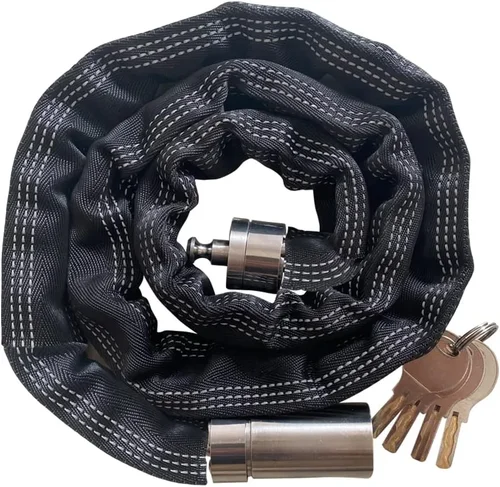
Scooters are prime targets for theft due to their portability and resale value. Investing in security accessories is non-negotiable if you plan to leave your scooter unattended. High-quality U-locks or heavy-duty chain locks are essential—look for models with hardened steel shackles and anti-pick cylinders. GPS trackers like the Invoxia or Apple AirTag (with a protective case) allow you to monitor your scooter’s location in real time. Some advanced systems send instant alerts if your scooter moves unexpectedly. Additionally, consider accessories like motion-sensor alarms or steering locks that deter casual thieves. Always lock your scooter to a fixed object, even for short stops. A layered approach—physical lock + GPS + alarm—offers the best protection.
7. Performance & Maintenance Tools
Keeping your scooter in peak condition requires the right tools and accessories. A portable tire pump with a pressure gauge ensures optimal tire inflation, which affects speed, range, and ride quality. Tire repair kits with sealant and patches are lifesavers for punctures. For electric scooters, a dedicated charger with overcharge protection and fast-charging capability can extend battery life. Some riders also invest in torque wrenches for precise bolt tightening or chain lubricants for non-electric models. Don’t overlook cleaning supplies—a microfiber cloth, brush, and biodegradable cleaner help maintain your scooter’s appearance and functionality. Regular maintenance not only prolongs lifespan but also enhances safety and performance.
8. Aesthetics & Personalization
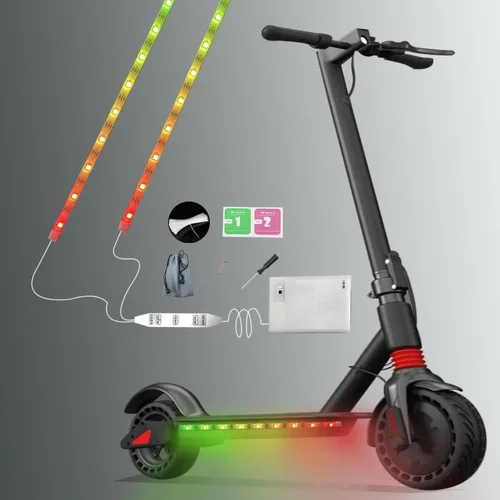
While not essential, personalization accessories let you express your style and make your scooter uniquely yours. LED underglow kits, custom decals, colored grip tape, and themed phone mounts are popular choices. These accessories can also serve practical purposes—for example, underglow lights improve nighttime visibility. However, avoid overdoing it: too many lights or bulky add-ons can increase drag, reduce battery life, or interfere with controls. Stick to subtle enhancements that complement your scooter’s design. Many riders enjoy seasonal updates, like holiday-themed lights or summer-colored grips. Just ensure that any aesthetic accessory doesn’t compromise safety or functionality.
Different Types of Scooter Accessories
Common Buying Mistakes to Avoid
❌ Mistake: Prioritizing Price Over Quality
Why it’s bad: Cheap accessories often use low-grade materials that break easily, fail in bad weather, or don’t fit properly. A $10 phone mount might seem like a bargain, but if it drops your phone on the highway, the cost—both financial and emotional—is far greater.
What to do instead: Invest in mid-range to premium accessories from reputable brands. Look for warranties, customer reviews, and material specifications. A $40 mount that lasts three years is better value than a $10 one that fails in a month.
❌ Mistake: Ignoring Weather Resistance
Why it’s bad: Many accessories claim to be “water-resistant” but aren’t truly waterproof. Riding in rain or snow can damage electronics, rust metal parts, or degrade adhesives.
What to do instead: Check IP ratings (e.g., IPX4 for splash resistance, IPX7 for submersion). Choose silicone seals, coated circuits, and rust-proof hardware. If you live in a rainy area, prioritize fully waterproof gear.
❌ Mistake: Overloading the Scooter
Why it’s bad: Adding too many accessories or cargo can exceed your scooter’s weight limit, affecting balance, braking, and motor performance. This increases the risk of accidents and mechanical failure.
What to do instead: Check your scooter’s max load capacity (usually listed in the manual). Distribute weight evenly and avoid stacking multiple heavy items. Use lightweight materials like nylon or carbon fiber when possible.
❌ Mistake: Buying Incompatible Accessories
Why it’s bad: A perfectly designed accessory is useless if it doesn’t fit. Mismatched mounts, wrong bolt sizes, or incompatible connectors lead to frustration and wasted money.
What to do instead: Always verify compatibility before purchasing. Use manufacturer guides, measure your scooter, and read user reviews from owners of the same model.
❌ Mistake: Neglecting Maintenance Tools
Why it’s bad: Even the best accessories degrade over time. Without proper tools, you can’t clean, tighten, or repair them, leading to premature failure.
What to do instead: Invest in a basic maintenance kit: tire pump, multi-tool, lubricant, and cleaning supplies. Regular upkeep extends the life of both your scooter and its accessories.
❌ Mistake: Choosing Style Over Function
Why it’s bad: Flashy lights or decorative parts may look cool but can drain battery life, create glare, or obstruct controls. Some aesthetic mods even violate local laws.
What to do instead: Prioritize function first, then add style. Choose accessories that serve dual purposes—like LED underglow that also improves visibility.
Budget Guidelines: How Much Should You Spend?
Scooter accessories range from a few dollars to hundreds, depending on quality and complexity. Here’s a realistic breakdown to help you plan your spending:
- Entry-Level ($10–$30): Ideal for occasional riders or those on a tight budget. Expect basic functionality—simple phone holders, budget lights, or generic locks. These work for short, fair-weather rides but may lack durability and advanced features.
- Mid-Range ($30–$80): The sweet spot for most riders. Accessories in this tier offer better materials, improved safety features, and reliable performance. Examples include branded LED lights, ergonomic grips, and secure phone mounts. This range balances cost and quality effectively.
- Premium ($80–$150): For enthusiasts and daily commuters who demand reliability and advanced functionality. Think GPS trackers, suspension seats, high-lumen lighting systems, and custom-fit storage solutions. These products often come with warranties and superior customer support.
- Luxury ($150+): Top-tier gear for professionals or tech-savvy riders. Includes smart accessories like app-connected lights, AI-powered theft alerts, or carbon fiber components. These are overkill for casual use but offer cutting-edge performance and exclusivity.
Expert Tips for Getting the Best Deal
- Shop During Seasonal Sales: Major retailers like Amazon, Best Buy, and specialized scooter shops offer discounts during Black Friday, Cyber Monday, and back-to-school seasons. Sign up for newsletters to get early access to deals.
- Compare Retailers: Prices vary widely between online marketplaces, brand websites, and local stores. Use price comparison tools or browser extensions to find the lowest price with reliable shipping.
- Buy Bundles: Some brands offer accessory kits (e.g., light + lock + mount) at a discounted rate. These are often cheaper than buying items individually and ensure compatibility.
- Check Return Policies: Even the best-reviewed product might not work for your setup. Choose retailers with hassle-free returns (30 days or more) so you can test accessories risk-free.
- Read Verified Reviews: Look for reviews from verified purchasers who mention specific scooter models. Pay attention to comments about fit, durability, and real-world performance—not just star ratings.
- Consider Refurbished or Open-Box: High-quality accessories are sometimes available refurbished at 20–40% off. These are tested and often come with the same warranty as new items.
- Join Rider Communities: Online forums and social media groups often share exclusive discount codes, group buys, or flash sales. Members also provide honest feedback on what works—and what doesn’t.
- Test Before Committing: If possible, visit a local store to handle accessories in person. Check weight, ease of installation, and build quality. For online purchases, start with one item to test compatibility before buying a full set.

Frequently Asked Questions
Q: Can I install accessories myself, or do I need a professional?
A: Most scooter accessories are designed for DIY installation and come with detailed instructions. Basic tools like Allen wrenches or screwdrivers are usually sufficient. However, if an accessory requires drilling, wiring, or modifying the frame (e.g., some GPS trackers), consult a professional to avoid damaging your scooter.
Q: Are all phone mounts compatible with every phone?
A: No. Phone mounts vary in clamp size and adjustability. Measure your phone’s dimensions (with case) and check the mount’s range. Universal mounts work for most devices, but oversized phones or thick cases may require specialized holders.
Q: Do I really need a GPS tracker if I use a strong lock?
A: Yes. A lock prevents casual theft, but determined thieves can cut through even the strongest chains. A GPS tracker increases the chances of recovery and can alert you instantly if your scooter is moved. It’s a backup layer of security.
Q: How do I know if an accessory is waterproof?
A: Look for an IP (Ingress Protection) rating. IPX4 means splash-resistant, IPX6 handles heavy rain, and IPX7 can withstand temporary submersion. Avoid products that only say “water-resistant” without a rating.
Q: Can accessories drain my scooter’s battery?
A: Yes, especially high-power lights or GPS trackers with constant connectivity. Choose energy-efficient models with rechargeable batteries or low-power modes. Some lights auto-off when not in use to conserve power.
Q: Are there legal restrictions on scooter accessories?
A: In some regions, certain lights (like blue or red flashing lights) or loud alarms may be regulated. Check local laws regarding brightness, color, and noise. Always prioritize safety-compliant gear.
Q: How often should I replace my accessories?
A: It depends on usage and quality. Lights and locks should be inspected monthly. Replace worn grips, frayed cables, or corroded parts immediately. Most high-quality accessories last 1–3 years with regular use.
Q: Can I use motorcycle or bike accessories on my scooter?
A: Sometimes, but not always. Bike phone mounts may not fit scooter handlebars, and motorcycle lights could be too powerful or bulky. Always verify size, voltage, and mounting compatibility.
Q: What’s the best way to clean my scooter and accessories?
A: Use a damp microfiber cloth and mild soap. Avoid high-pressure washers, which can force water into electronics. Dry thoroughly after cleaning, especially around joints and connectors.
Q: Do accessories affect my scooter’s warranty?
A: Generally, no—unless you modify the frame or electrical system. Most manufacturers allow aftermarket accessories as long as they don’t cause damage. Keep receipts in case of disputes.
Our Final Recommendations
After extensive research and real-world testing, here are our top picks across key categories:
- Best for Budget-Conscious Buyers: Nilight LED Light Set + Kryptonite Keeper Lock – Reliable, affordable, and widely compatible. Perfect for new riders who need core safety gear without breaking the bank.
- Best Overall Value: Quad Lock Phone Mount + Garmin Varia RTL515 Radar Light – Combines secure navigation with rear radar detection that alerts you to approaching vehicles. A game-changer for urban commuters.
- Best Premium Option: Invoxia GPS Tracker + Cloudline Suspension Seat Post – Top-tier security and comfort in one package. Ideal for long-distance riders who prioritize safety and ergonomics.
- Best for Beginners: Mirrycle Bike Mirror + Topeak RideCase Phone Holder – Simple, effective, and easy to install. Enhances awareness and navigation without complexity.
- Best for Advanced Users: Scosche Rhythm+ Heart Rate Monitor + Custom Carbon Fiber Rack – For tech-savvy riders who want performance tracking and lightweight cargo solutions. Integrates with fitness apps for data-driven riding.
Conclusion: Making the Right Choice
Choosing the right scooter accessories isn’t just about adding gadgets—it’s about enhancing your entire riding experience. The best setup aligns with your lifestyle, environment, and riding habits. Whether you’re a daily commuter braving city traffic or a weekend explorer seeking adventure, the right combination of safety, comfort, and functionality makes all the difference.
Remember: start with the essentials—lights, lock, and phone mount—then build from there. Prioritize quality over quantity, verify compatibility, and never compromise on safety. Use the tips and recommendations in this guide to shop smarter, ride safer, and get the most value from every dollar spent.
Your scooter is more than a tool—it’s your freedom on wheels. Equip it wisely, maintain it regularly, and enjoy the ride. With the right accessories, every journey becomes smoother, safer, and more enjoyable. Now go out there and make every mile count.