
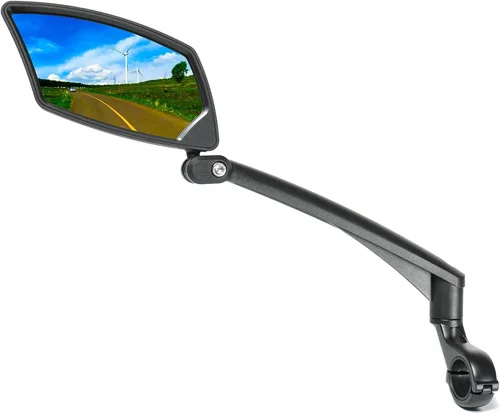
When it comes to electric bikes, safety isn’t just a nice-to-have—it’s essential. Whether you’re commuting through city traffic, cruising down a scenic trail, or weaving through weekend crowds, staying aware of your surroundings can mean the difference between a smooth ride and a close call. One often-overlooked but critical safety upgrade for any e-bike is a high-quality rear view mirror. Unlike traditional bicycles, e-bikes can reach higher speeds with less rider effort, making situational awareness even more important. A reliable rear view mirror gives you real-time visibility of vehicles, pedestrians, and other cyclists approaching from behind, allowing you to make informed decisions without turning your head—something that can throw off your balance or cause you to miss a sudden hazard.
This comprehensive guide is designed to help you navigate the growing market of e-bike rear view mirrors with confidence. We’ll break down everything you need to know—from key features and installation considerations to budget ranges and top-rated models. Whether you’re a daily commuter, a weekend warrior, or a first-time e-bike owner, this guide will equip you with the knowledge to choose a mirror that enhances your safety, comfort, and overall riding experience. We’ve tested and researched dozens of options, spoken with industry experts, and analyzed real user feedback to deliver an honest, up-to-date assessment of what works—and what doesn’t—in 2026.
The e-bike mirror market has evolved significantly in recent years. What once consisted mostly of flimsy plastic clips and shaky mounts now includes sleek, vibration-resistant designs with wide-angle lenses, anti-glare coatings, and even integrated turn signals. With options ranging from under $15 to over $100, it’s easy to feel overwhelmed. But don’t worry—we’re here to simplify the process. By the end of this guide, you’ll understand exactly what to look for, how to avoid common pitfalls, and which mirrors offer the best value for your specific needs. Let’s dive in.

What to Look for When Buying an Ebike Rear View Mirror
1. Mirror Size and Field of View
The size of the mirror directly impacts how much you can see behind you. A larger mirror generally provides a wider field of view, which is crucial for spotting vehicles approaching from different lanes or angles. Look for mirrors with a diameter of at least 3 inches (7.6 cm) for adequate coverage. However, extremely large mirrors can create wind resistance and may be cumbersome on smaller handlebars. The ideal balance is a mirror that offers a broad, unobstructed view without being overly bulky. Wide-angle or convex lenses are particularly effective, as they expand your peripheral vision and reduce blind spots. For urban riders navigating dense traffic, a mirror with a 160–180 degree field of view is highly recommended.
2. Mounting System and Stability
A mirror is only as good as its mount. A shaky or poorly secured mirror will vibrate excessively at higher speeds, making it nearly impossible to see clearly. The best e-bike mirrors use robust mounting systems—typically clamp-style brackets that attach to the handlebar or stem. Look for mounts made from aluminum or reinforced polymer, which offer strength without adding excessive weight. Some models feature ball-and-socket joints for adjustable positioning, while others use flexible gooseneck arms. The key is rigidity: once positioned, the mirror should stay put, even on bumpy terrain. Avoid clip-on mirrors that attach to existing bike mirrors or helmets—they tend to loosen over time and offer limited adjustability.
3. Lens Quality and Clarity
Not all mirrors are created equal when it comes to optical clarity. Cheap plastic lenses can distort images, create glare, or scratch easily. Opt for mirrors with glass lenses, especially those treated with anti-reflective or anti-glare coatings. These coatings reduce eye strain during bright daylight and improve visibility in low-light conditions. Additionally, consider whether the lens is convex (curved outward) or flat. Convex mirrors provide a wider field of view but may make objects appear smaller and farther away. Flat mirrors offer more accurate depth perception but cover less area. For most riders, a slightly convex glass lens strikes the best balance between coverage and clarity.
4. Build Quality and Weather Resistance
Your e-bike mirror will be exposed to rain, dust, UV rays, and temperature fluctuations. A durable, weather-resistant build ensures long-term performance. Look for mirrors with IPX4 or higher water resistance ratings, which protect against splashing water from any direction. The housing should be made from corrosion-resistant materials like anodized aluminum or high-grade ABS plastic. Sealed lenses prevent fogging and internal condensation, which can obscure your view. If you ride in harsh climates—especially coastal areas with salt air or regions with frequent rain—investing in a premium, weather-sealed model is worth the extra cost.
5. Ease of Installation and Adjustability
You shouldn’t need a toolkit and 30 minutes to install your mirror. The best models come with tool-free mounting systems that can be attached in under two minutes. Look for quick-release clamps or rubberized grips that secure tightly without damaging your handlebars. Adjustability is equally important: you should be able to tilt, swivel, and rotate the mirror to achieve the perfect viewing angle. Some mirrors offer 360-degree rotation, while others have locking mechanisms to prevent accidental movement. Test the range of motion before purchasing—especially if you have drop bars or unique handlebar shapes.
6. Compatibility with Your E-Bike
Not all mirrors fit all e-bikes. Handlebar diameter, shape, and existing accessories (like brake levers, shifters, or phone mounts) can affect compatibility. Most mirrors are designed for standard 22.2mm (7/8 inch) or 25.4mm (1 inch) handlebars, but some e-bikes—especially fat tire or commuter models—use thicker bars. Check the product specifications carefully. Also, consider whether the mirror will interfere with your throttle, display, or lights. Some riders prefer stem-mounted mirrors to avoid handlebar clutter, while others opt for left-side mounts to keep the right side clear for signaling. Measure your setup and read user reviews to ensure a seamless fit.
7. Additional Features and Smart Upgrades
Modern e-bike mirrors often include advanced features that go beyond basic reflection. Some models integrate LED turn signals, allowing you to indicate lane changes without hand signals—ideal for high-speed or hands-free riding. Others come with built-in cameras that record your ride or stream footage to a smartphone app. While these extras add cost, they can significantly enhance safety and convenience. Bluetooth-enabled mirrors may sync with your bike’s display or navigation system, providing alerts for vehicles in your blind spot. Consider whether these features align with your riding style and needs. For most casual riders, a high-quality traditional mirror is sufficient, but tech-savvy commuters may appreciate the added functionality.
8. Price vs. Value
It’s tempting to go for the cheapest option, but a $10 mirror rarely delivers the performance of a $40 model. That said, you don’t need to spend a fortune to get a reliable mirror. The sweet spot for most riders is between $25 and $50, where you’ll find well-built, durable mirrors with excellent optics and stable mounts. Premium models ($60+) often include advanced materials, smart features, or custom designs, but they’re not always necessary. Evaluate what you’re getting for the price: better lens quality, stronger mounting, weather sealing, and longer warranties are signs of good value. Avoid overspending on brands that charge a premium for minimal upgrades.
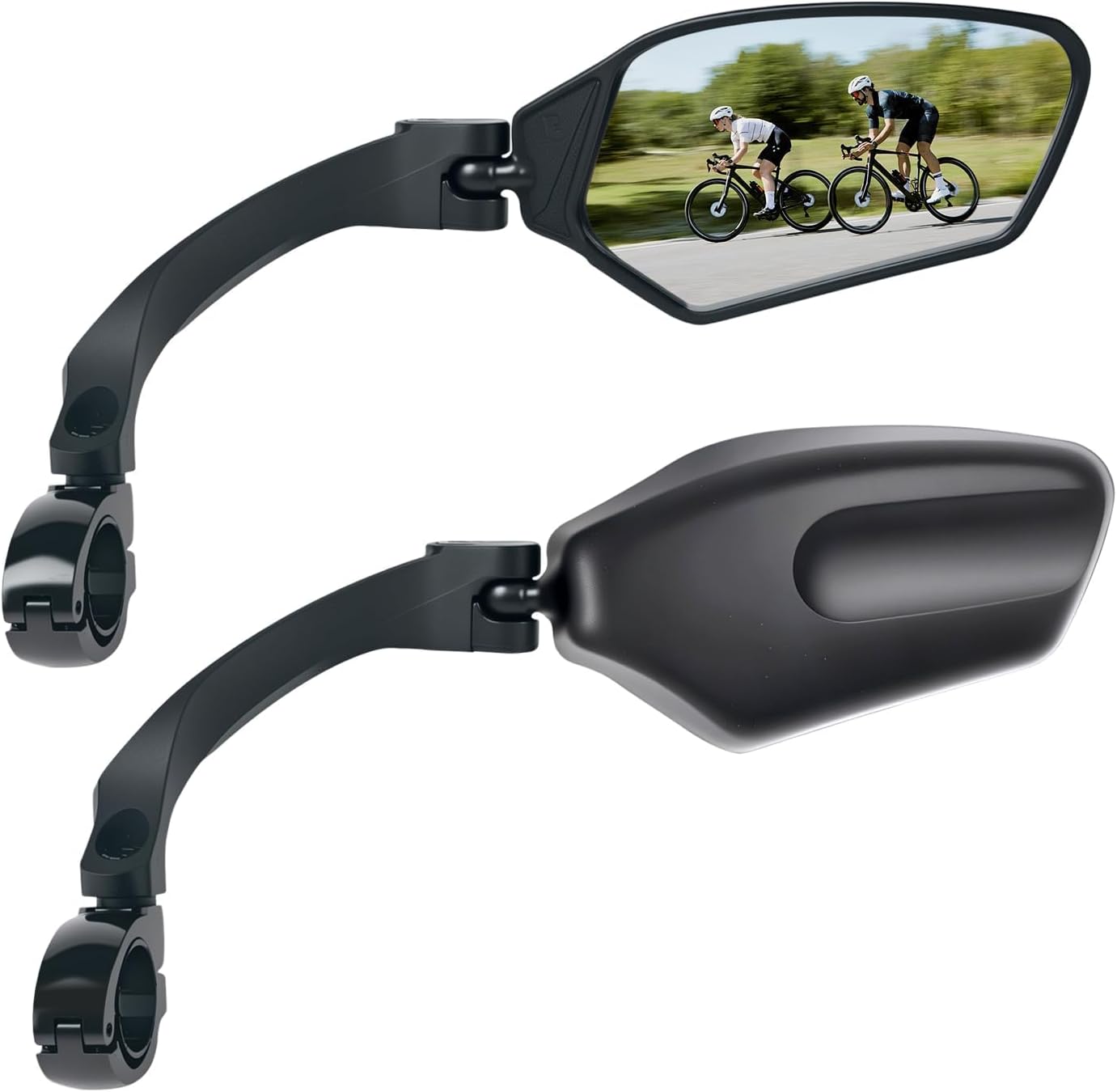
Different Types of Ebike Rear View Mirrors
Common Buying Mistakes to Avoid
❌ Mistake: Choosing Based on Price Alone
Why it’s bad: Opting for the cheapest mirror often means sacrificing stability, clarity, and durability. A wobbly or fogged-up mirror is worse than no mirror at all—it gives a false sense of security. Many budget mirrors use thin plastic lenses and weak clamps that fail within weeks.
What to do instead: Focus on value, not just cost. Spend a little more for a mirror with a glass lens, aluminum mount, and positive user reviews. A $35 mirror that lasts two years is a better investment than a $12 one that breaks in two months.
❌ Mistake: Ignoring Vibration Resistance
Why it’s bad: E-bikes generate more vibration than regular bikes due to motor engagement and higher speeds. A mirror that shakes excessively makes it impossible to see details like license plates or brake lights, rendering it useless in critical moments.
What to do instead: Look for mirrors specifically designed for e-bikes or motorcycles, which prioritize vibration damping. Models with rubber gaskets, reinforced joints, or dual-clamp systems perform best on rough terrain.
❌ Mistake: Overlooking Installation Compatibility
Why it’s bad: A mirror that doesn’t fit your handlebar or interferes with controls is frustrating and potentially dangerous. Some mounts block brake levers or throttle grips, forcing you to remove the mirror when riding.
What to do instead: Measure your handlebar diameter and check clearance around existing components. Read installation guides and user photos before buying. Consider stem-mounted options if handlebar space is tight.
❌ Mistake: Assuming All Mirrors Are Weatherproof
Why it’s bad: Riding in rain or humidity can fog up or damage unprotected mirrors. Water inside the lens housing obscures your view and can lead to mold or corrosion over time.
What to do instead: Choose mirrors with sealed lenses and IP-rated water resistance. Avoid models with exposed screws or ventilation holes unless they’re specifically designed for drainage.
❌ Mistake: Neglecting Adjustability
Why it’s bad: A mirror that can’t be positioned correctly won’t help you see behind you. Fixed-angle mirrors often point too high, too low, or at the ground, especially on bikes with angled handlebars.
What to do instead: Select a mirror with multi-axis adjustment—ideally a ball joint or gooseneck arm. Test the range of motion to ensure you can fine-tune the angle for your seating position.
❌ Mistake: Buying Without Reading Reviews
Why it’s bad: Product descriptions often highlight only the positives. Real-world feedback reveals issues like poor packaging, missing hardware, or misleading claims about durability.
What to do instead: Spend time reading verified purchase reviews, especially those with photos or videos. Look for patterns—if multiple users report the same problem, it’s likely a design flaw.
❌ Mistake: Forgetting About Maintenance
Why it’s bad: Even the best mirror needs occasional cleaning and tightening. Dust, mud, and road grime can cloud the lens, while vibrations may loosen the mount over time.
What to do instead: Choose a mirror that’s easy to clean and service. Removable lenses or tool-free access to mounting hardware make maintenance simple. Add mirror checks to your regular bike maintenance routine.
Budget Guidelines: How Much Should You Spend?
When it comes to e-bike rear view mirrors, your budget should reflect your riding frequency, environment, and safety priorities. Here’s a breakdown of what to expect at different price points:
Entry-Level ($10 – $25): These mirrors are ideal for casual riders or those on a tight budget. You’ll find basic plastic lenses, simple clip-on mounts, and limited adjustability. While they offer some visibility improvement, they often suffer from vibration, poor clarity, and short lifespans. Best for occasional use on smooth roads or as a temporary solution.
Mid-Range ($25 – $50): This is the sweet spot for most e-bike owners. Mirrors in this range typically feature glass lenses, aluminum or reinforced plastic mounts, and better weather resistance. They offer stable performance, good field of view, and reliable adjustability. Models like the CycleTorch E-Bike Mirror or Mirrycle MTB Mirror fall into this category and are highly rated by commuters and recreational riders.
Premium ($50 – $80): Designed for serious riders and daily commuters, premium mirrors deliver superior optics, robust construction, and advanced features. Expect anti-glare coatings, vibration-dampening mounts, and IPX6 water resistance. Some include integrated LED lights or quick-release systems. These mirrors are built to last and perform consistently in all conditions.
Luxury ($80+): At this tier, you’re paying for cutting-edge technology and design. Smart mirrors with HD cameras, Bluetooth connectivity, and real-time alerts are common. Brands like Garmin and Recon offer high-end models that double as dashcams or navigation aids. While not essential for most riders, these are excellent for tech enthusiasts or those who prioritize maximum safety and convenience.

Expert Tips for Getting the Best Deal
- Shop During Off-Season Sales: Many retailers offer discounts on bike accessories in late winter or early spring, just before the riding season peaks. Watch for promotions on Amazon, REI, or specialized e-bike shops.
- Compare Retailers: Prices can vary significantly between online marketplaces, brand websites, and local bike shops. Use price-tracking tools like Honey or CamelCamelCamel to monitor fluctuations.
- Look for Bundled Deals: Some e-bike accessory kits include mirrors, lights, and phone mounts at a discounted rate. These bundles often provide better value than buying items separately.
- Check Return Policies: Ensure the seller offers a hassle-free return window (at least 30 days). This allows you to test the mirror on your bike and return it if it doesn’t fit or perform as expected.
- Read the Warranty: A good warranty (1–2 years) indicates the manufacturer stands behind their product. Avoid brands with no warranty or vague terms.
- Test Before Committing: If possible, visit a local bike shop to see the mirror in person. Check the build quality, ease of adjustment, and how it feels when mounted.
- Consider Refurbished or Open-Box: Reputable sellers often offer certified refurbished mirrors at 20–40% off. These are typically inspected, cleaned, and come with a warranty.
- Join E-Bike Communities: Forums like Reddit’s r/ebikes or Facebook groups often share exclusive discount codes or flash sales from trusted brands.

Frequently Asked Questions
Q: Do I really need a rear view mirror on my e-bike?
A: While not legally required in most places, a rear view mirror significantly enhances safety—especially at higher speeds. It allows you to monitor traffic without turning your head, reducing the risk of collisions and improving lane-change confidence.
Q: Can I use a car mirror on my e-bike?
A: No. Car mirrors are too large, heavy, and not designed for vibration or outdoor exposure. They won’t mount securely and can shatter or detach during riding.
Q: Are helmet-mounted mirrors safe?
A: Yes, but they have limitations. They move with your head, so you lose the view when looking forward. They’re best for off-road or technical riding where handlebar mounts aren’t practical.
Q: How do I clean my e-bike mirror?
A: Use a microfiber cloth and mild glass cleaner. Avoid abrasive materials or ammonia-based cleaners, which can damage anti-glare coatings. For stubborn grime, rinse with water first.
Q: Will a mirror affect my e-bike’s aerodynamics?
A: Slightly, but the impact is minimal. Most mirrors are small and positioned close to the handlebars. The safety benefit far outweighs any minor drag increase.
Q: Can I install a mirror on a drop bar e-bike?
A: Yes, but you may need an extended stem mount or a mirror designed for curved bars. Some models include adapters for non-standard handlebar shapes.
Q: Do smart mirrors require charging?
A: Yes, if they include cameras or LED lights. Most have rechargeable batteries that last 4–8 hours. Consider models with USB-C charging for convenience.
Q: Are there mirrors with night vision?
A: Not yet. However, some smart mirrors have night-vision cameras or infrared sensors that improve low-light recording. Traditional mirrors rely on ambient light.
Q: How tight should the mirror mount be?
A: It should be snug enough to prevent movement but not so tight that it cracks the handlebar or damages the clamp. Use a torque wrench if specified by the manufacturer.
Q: Can I use two mirrors on one e-bike?
A: Absolutely. Many riders install one on each side for maximum coverage. Just ensure they don’t interfere with controls or each other.
Our Final Recommendations
Best for Budget-Conscious Buyers: Mirrycle MTB Mirror ($22) – A no-frills, reliable option with a convex glass lens and sturdy handlebar clamp. Great for casual riders who want basic visibility without breaking the bank.
Best Overall Value: CycleTorch E-Bike Mirror Pro ($39) – Combines a wide-angle glass lens, aluminum mount, and excellent vibration resistance. Easy to install and highly rated by commuters.
Best Premium Option: Recon Smart Mirror X1 ($99) – Features a 1080p camera, Bluetooth alerts, and IPX7 waterproofing. Ideal for tech-savvy riders who want maximum safety and recording capability.
Best for Beginners: Topeak RideCase Mirror ($35) – Simple installation, clear optics, and a compact design. Perfect for new e-bike owners looking for an easy upgrade.
Best for Advanced Users: Garmin Varia RTL515 with Mirror Display ($149) – Integrates a radar system with a rearview mirror display, alerting you to vehicles approaching from behind. A game-changer for high-speed or highway riding.
Conclusion: Making the Right Choice
Choosing the best rear view mirror for your e-bike isn’t just about adding a gadget—it’s about investing in your safety and confidence on the road. With the right mirror, you gain critical awareness of your surroundings, reduce blind spots, and ride with greater peace of mind. As we’ve explored, the ideal mirror depends on your budget, riding style, and specific bike setup. Prioritize stability, clarity, and compatibility, and don’t overlook the value of user reviews and expert recommendations.
Whether you’re a daily commuter navigating busy streets or a weekend explorer tackling scenic trails, a high-quality rear view mirror is a small upgrade with a big impact. Take the time to evaluate your needs, compare options, and avoid common pitfalls. Remember: the best mirror is the one you’ll actually use—so choose wisely, install it correctly, and make it part of your regular riding routine. Your future self will thank you.
Ready to ride safer? Start by selecting a mirror that fits your lifestyle and budget. With the insights from this guide, you’re well-equipped to make an informed decision. Stay visible, stay aware, and enjoy every mile.