
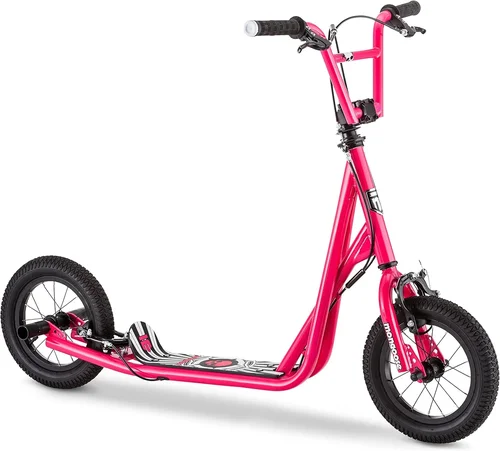
Portable electric scooters have revolutionized urban mobility, offering a clean, efficient, and fun way to navigate city streets, campus grounds, or even short commutes. Whether you’re dodging traffic jams, reducing your carbon footprint, or simply looking for a convenient alternative to public transit, these compact machines deliver impressive performance in surprisingly small packages. As we move deeper into 2026, the market has matured significantly—offering more reliable technology, longer battery life, smarter features, and better build quality than ever before. But with so many options flooding the market, choosing the right one can feel overwhelming. That’s where this comprehensive buying guide comes in.
This guide is designed to cut through the noise and help you make an informed decision based on your specific needs, lifestyle, and budget. You’ll learn how to evaluate key performance metrics like range, speed, and motor power, understand what truly matters in terms of portability and durability, and avoid common pitfalls that trip up first-time buyers. We’ll also break down different scooter categories, compare price tiers, highlight expert tips for scoring the best deal, and answer frequently asked questions based on real-world usage. By the end, you’ll have everything you need to confidently choose a portable electric scooter that fits seamlessly into your daily routine.
The portable electric scooter market in 2026 is more competitive and innovative than ever. Major brands like Gotrax, Xiaomi, Segway-Ninebot, and newer entrants like Inokim and Apollo are pushing boundaries with lightweight frames, regenerative braking, app connectivity, and even AI-assisted ride modes. At the same time, budget-friendly models continue to improve, making e-scooters accessible to students, commuters, and casual riders alike. With advancements in lithium-ion battery tech, improved suspension systems, and smarter safety features, today’s portable scooters aren’t just toys—they’re legitimate transportation solutions. This guide will walk you through every critical aspect so you can find the perfect balance of performance, convenience, and value.

What to Look for When Buying Gotrax
1. Budget & Price Range
Your budget is the foundation of your decision. Portable electric scooters span a wide spectrum—from under $300 for basic models to over $1,500 for high-end performance machines. Setting a realistic budget upfront helps narrow your options and prevents overspending on features you may not need. Consider not just the upfront cost but also long-term expenses like maintenance, replacement parts, and potential upgrades. For most casual riders, a mid-range scooter ($500–$800) offers the best balance of quality and affordability. However, if you plan to use your scooter daily for commuting or longer distances, investing in a premium model with better components and durability may save money over time by reducing repair frequency and extending lifespan.
2. Performance Specifications
Performance boils down to three core metrics: top speed, range, and motor power. Top speed typically ranges from 15 mph (24 km/h) on entry-level models to 25+ mph (40+ km/h) on performance-oriented scooters. While faster sounds better, consider your local laws—many cities cap e-scooter speeds at 15–20 mph for safety and legal compliance. Range refers to how far you can travel on a single charge, usually between 10 and 30 miles (16–48 km). Real-world range often falls short of manufacturer claims due to terrain, rider weight, and weather, so always subtract 15–20% from advertised numbers. Motor power, measured in watts (W), determines acceleration and hill-climbing ability. A 250W motor suits flat urban areas, while 500W or higher is ideal for hills or heavier riders.
3. Build Quality & Durability
A scooter’s frame material, wheel type, and overall construction dictate how well it holds up over time. Look for aircraft-grade aluminum or reinforced steel frames—these resist bending and corrosion better than cheaper alloys. Check hinge mechanisms if the scooter folds; weak joints are a common failure point. Wheels matter too: solid rubber tires require less maintenance but offer a rougher ride, while pneumatic (air-filled) tires provide better shock absorption but can puncture. IP ratings (like IPX4 or IP54) indicate water and dust resistance—essential if you’ll ride in rain or wet conditions. Always inspect welds, bolts, and deck texture; a well-built scooter feels solid and stable, not wobbly or creaky.
4. Features & Functionality
Modern portable scooters come packed with smart features that enhance convenience and safety. LED headlights and taillights improve visibility at night, while integrated brake lights add an extra layer of protection. Digital displays show speed, battery level, and sometimes ride mode—useful for monitoring your trip. App connectivity (via Bluetooth) allows firmware updates, ride tracking, anti-theft locking, and customization of acceleration curves. Regenerative braking recaptures energy during deceleration, slightly extending range. Some models include cruise control, which maintains speed without constant throttle pressure—great for long straightaways. While these features are nice, prioritize those that align with your usage. For example, a student commuting short distances may not need advanced GPS tracking, but bright lights and a reliable brake system are non-negotiable.
5. Brand Reputation
Not all brands are created equal. Established names like Gotrax, Xiaomi, and Segway-Ninebot have proven track records for reliability, customer service, and parts availability. They invest in R&D, rigorous testing, and global support networks. Lesser-known or generic brands might offer lower prices, but they often cut corners on quality control, use inferior batteries, or disappear when warranty claims arise. Research brand history: How long have they been in business? Do they have positive reviews across multiple platforms? Are replacement parts easy to find? A reputable brand gives you peace of mind and reduces the risk of being stranded with a broken scooter and no support.
6. Warranty & Support
A solid warranty is a strong indicator of a manufacturer’s confidence in their product. Most reputable brands offer at least a 12-month limited warranty covering defects in materials and workmanship. Premium models may include 18–24 months or even lifetime frame warranties. Read the fine print: Does it cover batteries? (Many don’t, as batteries degrade naturally.) Is labor included, or do you pay for repairs? Check if the company provides local service centers or requires you to ship the scooter back—shipping costs can add up. Also, assess customer support responsiveness: Can you reach a human quickly? Are FAQs and troubleshooting guides readily available? Good support can turn a frustrating experience into a smooth resolution.
7. Size & Portability
Since we’re talking about portable scooters, size and weight are crucial. Look for models that fold compactly—ideally under 35 inches long when folded—and weigh less than 30 pounds (13.6 kg) for easy carrying. Handlebar height should adjust to your comfort, and the folding mechanism should be intuitive and secure. Consider where you’ll store it: under a desk, in a closet, or in a car trunk? Some scooters feature telescopic stems or removable batteries to save space. Also, check wheel size: smaller wheels (6–8 inches) enhance portability but sacrifice ride comfort on rough pavement, while larger wheels (10+ inches) handle bumps better but add bulk.
8. User Reviews & Ratings
Never rely solely on manufacturer specs. Real user reviews reveal hidden flaws, quirks, and long-term reliability issues that specs sheets omit. Platforms like Amazon, Reddit (r/ElectricScooters), and specialized forums provide honest feedback from people who’ve lived with these scooters daily. Pay attention to recurring complaints—e.g., “battery died after 6 months” or “folding latch broke”—as these signal design flaws. Conversely, consistent praise for smooth rides, responsive brakes, or excellent customer service reinforces a model’s strengths. Look for reviews from users with similar weight, commute distance, and terrain to yours for the most relevant insights.
Different Types of Gotrax

Common Buying Mistakes to Avoid
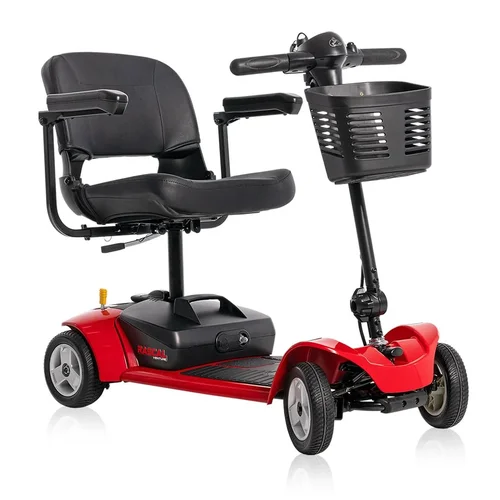
❌ Mistake: Prioritizing Price Over Quality
Why it’s bad: The cheapest scooters often use low-grade batteries, weak motors, and flimsy frames that fail prematurely. You might save $100 upfront but end up replacing the scooter within a year—costing more in the long run.
What to do instead: Set a minimum quality threshold. Even on a tight budget, aim for reputable brands with at least a 1-year warranty and IPX4 water resistance.
❌ Mistake: Ignoring Real-World Range Claims
Why it’s bad: Manufacturers test range under ideal conditions: flat ground, light rider, no wind. In reality, hills, headwinds, and heavier loads drain batteries faster. Relying on advertised range can leave you stranded.
What to do instead: Use the “80% rule”—multiply the claimed range by 0.8 to estimate real-world performance. If you need 15 miles, buy a scooter rated for at least 19 miles.
❌ Mistake: Overlooking Local Laws and Regulations
Why it’s bad: Many cities restrict e-scooter speed, require helmets, ban riding on sidewalks, or limit where you can park. Riding illegally can result in fines or confiscation.
What to do instead: Check your city’s transportation department website before buying. Choose a scooter with adjustable speed modes to comply with local limits.
❌ Mistake: Neglecting Safety Features
Why it’s bad: Poor lighting, weak brakes, or no reflectors increase accident risk, especially at night or in traffic.
What to do instead: Ensure your scooter has front and rear lights, a reliable braking system (disc or electronic), and reflective elements. Consider adding a helmet and wrist guards.
❌ Mistake: Buying Without Testing Portability
Why it’s bad: A scooter that’s too heavy or awkwardly shaped becomes a burden to carry up stairs or onto public transit.
What to do instead: If possible, test the scooter in person. Lift it, fold it, and simulate carrying it for 5–10 minutes. Aim for under 30 lbs and a compact fold.
❌ Mistake: Skipping the Warranty Fine Print
Why it’s bad: Some warranties exclude batteries, motors, or water damage—common failure points. You could pay hundreds for repairs that should be covered.
What to do instead: Read the warranty document carefully. Look for coverage duration, what’s included/excluded, and whether labor is covered.
❌ Mistake: Assuming All “Portable” Scooters Are Equal
Why it’s bad: Portability isn’t just about weight—it’s also fold size, handle ergonomics, and ease of stowing. A 28-lb scooter with a bulky fold may be harder to manage than a 32-lb one that collapses neatly.
What to do instead: Compare folded dimensions and consider your storage scenario. Measure your car trunk or office space if needed.
Budget Guidelines: How Much Should You Spend?
Entry-Level ($250–$400): Ideal for occasional use, short trips, or teens. Expect modest range (8–12 miles), speeds up to 15 mph, and basic features like LED lights and simple displays. Build quality varies—stick to known brands like Gotrax or Razor. These scooters are great for learning the ropes but may struggle on hills or with heavier riders.
Mid-Range ($500–$800): The sweet spot for most buyers. You’ll get 15–25 mile range, 18–20 mph top speed, better suspension, and more durable components. Features like app connectivity, regenerative braking, and improved lighting become common. Models in this tier, such as the Gotrax GXL V2 or Xiaomi Mi Electric Scooter Pro 2, offer excellent value and reliability for daily commuting.
Premium ($900–$1,500): Designed for enthusiasts and serious commuters. Expect high-performance motors (500W+), long-range batteries (25–35 miles), advanced suspension, and premium materials. These scooters handle hills effortlessly, offer smoother rides, and often include smart features like GPS tracking and customizable ride modes. Brands like Inokim, Apollo, and Dualtron dominate this space.
Luxury ($1,500+): For those who want the best of everything. Top-tier scooters boast dual motors, ultra-long range (40+ miles), off-road capabilities, and cutting-edge tech like AI-assisted stability control. They’re built to last years with minimal maintenance. While overkill for casual riders, they’re perfect for tech lovers, long-distance commuters, or anyone prioritizing performance and prestige.
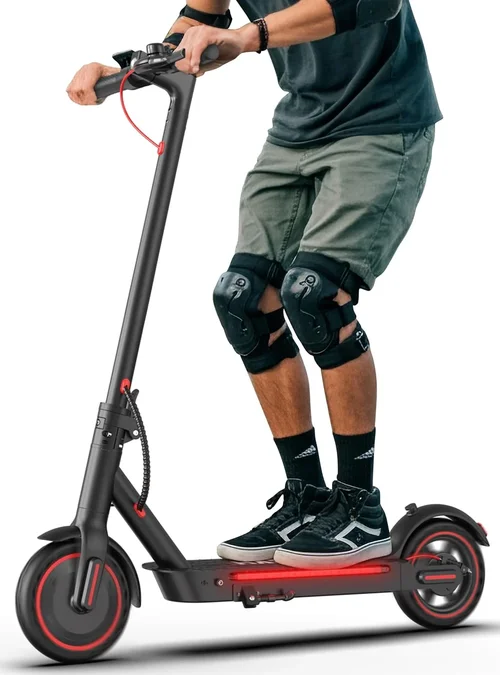
Expert Tips for Getting the Best Deal
1. Time Your Purchase Around Sales Cycles: Major discounts happen during Black Friday, Cyber Monday, Amazon Prime Day, and back-to-school season (July–August). Some brands also offer end-of-year clearance in December. Sign up for newsletters to get early access to deals.
2. Buy Direct from Manufacturer When Possible: Brands like Gotrax often offer exclusive bundles, extended warranties, or free shipping when you buy directly. You’ll also get faster customer service and easier returns.
3. Check Refurbished or Open-Box Options: Certified refurbished scooters from reputable sellers come with warranties and cost 20–40% less than new. They’re thoroughly tested and often indistinguishable from new units.
4. Read Return Policies Carefully: Some retailers charge restocking fees or won’t accept returns on assembled items. Aim for sellers with at least a 14-day return window and free return shipping.
5. Test Before You Buy (If Possible): Visit local e-scooter shops or events where you can test ride models. Feel the acceleration, braking, and comfort firsthand. Online reviews are helpful, but nothing beats real experience.
6. Consider Bundles and Accessories: Some deals include helmets, phone mounts, or carrying bags. While not essential, these can add value. Just ensure the scooter itself is high quality—don’t let freebies distract from core performance.
7. Monitor Price Tracking Tools: Use browser extensions like Honey or CamelCamelCamel to track price history and get alerts when your desired model drops.
8. Join Owner Communities: Forums and Facebook groups often share exclusive discount codes, flash sales, or group-buy opportunities you won’t find elsewhere.
Frequently Asked Questions
Q: How long do portable electric scooter batteries last?
A: Most lithium-ion batteries last 300–500 charge cycles before capacity drops to 80%. With daily use, that’s roughly 1.5–3 years. Proper care—like avoiding full discharges and storing at 50% charge in cool temps—can extend lifespan.
Q: Can I ride my scooter in the rain?
A: It depends on the IP rating. IPX4 means splash-resistant—okay for light drizzle but not heavy rain or puddles. IPX5 or higher offers better protection. Never submerge the scooter or ride through deep water, as it can damage the motor and electronics.
Q: Are portable electric scooters allowed on public transit?
A: Policies vary by city and transit agency. Many buses and trains allow folded scooters during off-peak hours, but some prohibit them entirely. Check your local transit rules before relying on this option.
Q: How much weight can a portable scooter support?
A: Most support 220–265 lbs (100–120 kg). Heavier riders should look for models rated for 300+ lbs, often found in performance or off-road categories. Exceeding the limit voids warranties and risks mechanical failure.
Q: Do I need insurance for my electric scooter?
A: In most U.S. states, no—but liability insurance is wise if you ride in traffic. Some homeowners’ policies cover e-scooter accidents, or you can buy standalone micro-mobility insurance for around $10/month.
Q: Can I upgrade my scooter’s battery for more range?
A: Generally, no. Batteries are integrated into the deck and require specialized tools and knowledge to replace. Attempting DIY upgrades can void warranties or cause safety hazards. Instead, consider a model with swappable batteries if range is critical.
Q: What’s the difference between hub motors and belt-driven motors?
A: Hub motors are built into the wheel—simple, quiet, and low-maintenance. Belt-driven systems use a belt to transfer power from a separate motor, offering more torque and better heat dissipation but requiring occasional belt replacement. Most portable scooters use hub motors for simplicity.
Q: How fast can I legally ride an electric scooter?
A: In the U.S., speeds are typically capped at 15–20 mph on bike lanes and roads. Some cities allow up to 25 mph in designated zones. Always check local regulations—riding too fast can result in fines or accidents.
Q: Is it safe to charge my scooter overnight?
A: Modern scooters have built-in battery management systems (BMS) that prevent overcharging. However, it’s safer to unplug once fully charged. Avoid charging on flammable surfaces or near water.
Q: What should I do if my scooter stops working?
A: First, check the basics: Is it charged? Is the power button pressed? Are there any error codes on the display? Consult the manual or contact customer support. Keep your receipt and warranty info handy for claims.
Our Final Recommendations
Best for Budget-Conscious Buyers: Gotrax GXL V2 – At around $350, it delivers solid 15.5 mph speed, 12-mile range, and reliable build quality. Perfect for students or short urban trips. Includes LED lights, app connectivity, and a sturdy aluminum frame.
Best Overall Value: Xiaomi Mi Electric Scooter Pro 2 – Priced near $650, it offers 28-mile range, 15.5 mph speed, excellent suspension, and a sleek design. Its reputation for durability and smart features makes it a top pick for daily commuters.
Best Premium Option: Inokim Quick 4 Super – At $1,300, it boasts a 37-mile range, 20 mph top speed, dual suspension, and a featherlight 26-lb frame. Ideal for those who want luxury portability without sacrificing performance.
Best for Beginners: Segway Ninebot ES2 – With a gentle learning curve, intuitive controls, and built-in ambient lighting, this $500 scooter is perfect for first-timers. It’s stable, easy to fold, and comes with a helpful app for guidance.
Best for Advanced Users: Apollo Explore – At $1,200, it features a 52V battery, 31-mile range, 28 mph speed, and robust suspension. Built for riders who demand power, range, and reliability on varied terrain.
Conclusion: Making the Right Choice
Choosing the best portable electric scooter isn’t about finding the flashiest model or the cheapest price—it’s about matching the right tool to your unique lifestyle. Whether you’re a student zipping across campus, a commuter dodging traffic, or an enthusiast exploring city trails, the perfect scooter balances performance, portability, safety, and value. By focusing on key factors like range, build quality, warranty, and real user feedback, you can avoid costly mistakes and invest in a ride that lasts.
Remember, the best scooter is the one you’ll actually use. Don’t let analysis paralysis stop you—start with your must-haves, set a realistic budget, and prioritize reliability over gimmicks. And once you’ve made your choice, ride responsibly: wear a helmet, follow local laws, and maintain your scooter regularly. With the right portable electric scooter, you’re not just buying a vehicle—you’re unlocking a smarter, greener, and more enjoyable way to move through the world. Happy riding!