
If you’re reading this, chances are you’ve been bitten by the off-road bug—or maybe you’re just looking for a fun, affordable way to tear up the dirt without breaking the bank. Pit bikes have surged in popularity over the past decade, and for good reason. These compact, high-performance machines offer an unbeatable blend of agility, power, and portability, making them perfect for backyard trails, motocross practice, or even urban exploration. Whether you’re a seasoned rider looking to sharpen your skills or a beginner eager to dip your toes into the world of off-road riding, choosing the right pit bike can make all the difference between an exhilarating ride and a frustrating experience.
That’s exactly why this guide exists. We’ve spent countless hours researching, testing, and comparing the latest models on the market to bring you a comprehensive, no-nonsense breakdown of what makes a pit bike truly great. From engine specs and build quality to brand reputation and budget considerations, we’ll walk you through every critical factor you need to know before making your purchase. By the end of this article, you won’t just know which pit bikes are the best—you’ll understand why they’re the best, and more importantly, which one is right for you. Whether you’re shopping for your first mini bike or upgrading from an older model, this guide is designed to help you make a confident, informed decision.
The pit bike market has evolved dramatically in recent years. Once seen as little more than scaled-down dirt bikes for kids, modern pit bikes now rival full-sized motorcycles in terms of performance, technology, and build quality. Brands like Honda, Kawasaki, Yamaha, and KTM have entered the space with serious contenders, while aftermarket manufacturers like SSR Motorsports, Pitster Pro, and Thumpstar continue to push the envelope with innovative designs and race-ready features. With so many options available—ranging from under $1,000 to well over $5,000—it’s easy to feel overwhelmed. But don’t worry: we’ve done the heavy lifting for you. In the sections that follow, we’ll break down everything you need to consider, compare different types and price tiers, highlight common pitfalls, and deliver expert-backed recommendations tailored to your needs and budget.

What to Look for When Buying a Pit Bike
1. Engine Performance & Displacement
The heart of any pit bike is its engine, and understanding how displacement, power delivery, and engine type affect performance is crucial. Most pit bikes come with four-stroke engines ranging from 110cc to 190cc, though some high-performance models feature 250cc or even larger displacements. For beginners, a 110cc to 140cc engine offers plenty of power without being overwhelming, while more experienced riders may prefer the torque and top-end speed of a 150cc to 190cc engine.
Two-stroke engines are less common in modern pit bikes but still appear in some racing-focused models due to their lightweight and high power-to-weight ratio. However, they require more maintenance and can be harder to control for new riders. Four-strokes, on the other hand, are smoother, more reliable, and easier to ride, making them ideal for most users. When evaluating engine performance, look at horsepower (HP) and torque ratings—these numbers give you a clearer picture of real-world capability than displacement alone. Also, consider whether the engine is air-cooled or liquid-cooled; liquid-cooled engines run cooler under heavy use and are better suited for extended riding sessions or hot climates.
2. Build Quality & Frame Construction
A pit bike’s frame is its skeleton—and just like with full-sized motorcycles, a strong, well-designed frame is essential for safety, handling, and longevity. Most quality pit bikes use high-tensile steel or chromoly frames, which offer an excellent balance of strength and weight. Avoid bikes with flimsy, thin-walled tubing or poorly welded joints, as these can fail under stress, especially during jumps or hard landings.
Look for reinforced swingarms, sturdy subframes, and properly gusseted joints. The suspension system is also part of the build quality equation. Quality pit bikes come with adjustable front forks and rear shocks that can be tuned for rider weight and terrain. Cheaper models often use non-adjustable, low-end suspension that bottoms out easily and provides poor damping. Additionally, check the quality of the welds, the thickness of the metal, and the overall fit and finish. A well-built pit bike should feel solid and balanced when you lift it or sit on it—there should be no rattles, loose parts, or visible defects.
3. Suspension & Handling
Suspension is what separates a fun ride from a punishing one. Good suspension absorbs impacts from jumps, ruts, and uneven terrain, keeping the wheels in contact with the ground and improving traction and control. Most mid- to high-end pit bikes feature inverted front forks (also called USD forks), which are stiffer and more responsive than conventional forks. The rear shock should be adjustable for preload, compression, and rebound to match your riding style and weight.
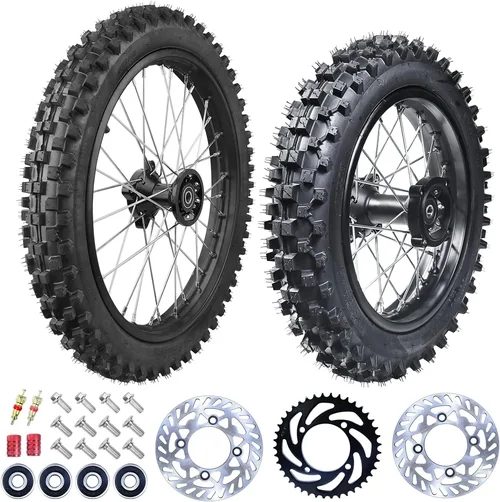
When evaluating handling, consider the wheelbase, rake angle, and center of gravity. A shorter wheelbase makes the bike more agile and easier to maneuver in tight spaces, while a longer wheelbase improves stability at higher speeds. Test rides are ideal for assessing how a bike feels in motion—does it feel twitchy or planted? Does it corner confidently? If you can’t test ride, look for detailed reviews that describe the bike’s behavior on different terrains. Also, pay attention to tire quality; knobby, grippy tires are essential for off-road traction, and reputable brands like Maxxis or Dunlop are a good sign.
4. Braking System
Brakes are not something you want to skimp on. A pit bike should come equipped with reliable, responsive brakes that can stop the bike quickly and safely, even under heavy load or after repeated use. Most modern pit bikes use hydraulic disc brakes on both the front and rear wheels, which offer superior stopping power and modulation compared to mechanical (cable-actuated) systems.
Look for brake components from trusted manufacturers like Nissin, Brembo, or Galfer. Check the size of the rotors—larger rotors (typically 180mm to 220mm) provide better heat dissipation and stopping force. Also, ensure the brake levers are adjustable and comfortable to reach. A common issue with cheaper pit bikes is brake fade, where the brakes lose effectiveness after prolonged use due to overheating. This is especially dangerous during downhill riding or racing. If possible, ask about the brake fluid type and whether the system is sealed or requires frequent maintenance.
5. Size, Weight & Rider Fit
Pit bikes are designed to be compact, but that doesn’t mean one size fits all. The right bike should match your height, weight, and riding experience. Most pit bikes have a seat height between 28 and 32 inches, which suits riders from about 4’10” to 6’2″. If you’re on the taller side, look for models with extended seat posts or aftermarket suspension kits that raise the ride height.
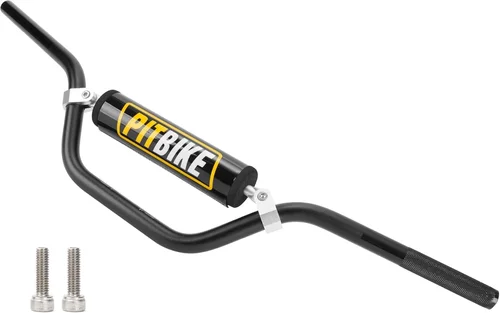
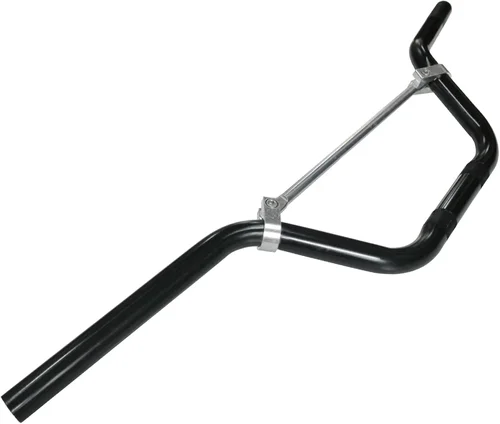
Weight is another critical factor. Lighter bikes (under 120 lbs) are easier to handle, lift, and transport, making them ideal for beginners or younger riders. Heavier bikes (130+ lbs) may offer more stability but can be harder to manage off-road or when loading onto a trailer. Consider your physical strength and whether you’ll be riding solo or with help. Also, check the footpeg position and handlebar width—comfortable ergonomics reduce fatigue and improve control. Some bikes offer adjustable handlebars or aftermarket options for customization.
6. Brand Reputation & Reliability
Not all pit bike brands are created equal. While there are many budget-friendly options from lesser-known manufacturers, sticking with reputable brands often means better engineering, higher-quality components, and more reliable performance. Established names like Honda (with their CRF110F and CRF125F), Kawasaki (KLX110R), and Yamaha (TT-R110E) have decades of experience building durable, user-friendly motorcycles.
Aftermarket brands like SSR Motorsports, Pitster Pro, and Thumpstar have also earned strong followings by offering high-performance bikes at competitive prices. These companies often focus on racing and stunt riding, so their bikes tend to be more aggressive and feature-rich. When evaluating a brand, look at customer reviews, warranty policies, and availability of parts and service. A brand with a strong support network makes maintenance and repairs much easier down the road. Avoid no-name brands that offer suspiciously low prices—these often cut corners on materials and safety.
7. Features & Functionality
Modern pit bikes come with a range of features that enhance usability, performance, and safety. Look for models with electric start (a huge convenience over kick-start), LED lighting (for night riding), and digital instrument clusters that display speed, RPM, and fuel level. Some high-end bikes even include traction control, launch control, or multiple riding modes—features once reserved for full-sized sport bikes.
Other useful features include a kill switch, side stand, and tool-less air filter access for easy maintenance. If you plan to ride on public trails or private tracks, check whether the bike meets local noise and emissions regulations. Some models come with quiet mufflers or are EPA-compliant, which can save you from fines or restrictions. Also, consider whether the bike has a fuel gauge or reserve tank—running out of gas mid-ride is no fun, especially in remote areas.
8. Warranty & Customer Support
A good warranty is a sign that a manufacturer stands behind its product. Most reputable brands offer at least a 6-month to 1-year limited warranty covering defects in materials and workmanship. Some premium models come with extended warranties of up to 2 years. Read the fine print carefully: many warranties exclude normal wear items like tires, brakes, and chains, and may require regular maintenance to remain valid.
Customer support is just as important. Can you easily reach a technician by phone or email? Are replacement parts readily available? Do they offer service manuals or video tutorials? Brands with strong support networks make ownership much less stressful. If you’re buying online, check the return policy and whether the seller offers assembly or setup services. Some retailers provide full prep and inspection before shipping, which can save you hours of work.
Different Types of Pit Bikes

Common Buying Mistakes to Avoid
❌ Mistake: Choosing Based on Price Alone
Why it’s bad: The cheapest pit bike isn’t always the best value. Low-cost models often use inferior components, poor-quality suspension, and weak engines that wear out quickly. You may end up spending more on repairs and replacements than if you’d bought a better bike upfront.
What to do instead: Focus on value, not just price. Look for bikes that offer the best combination of features, build quality, and reliability within your budget. A $1,800 bike with a solid frame and good suspension is often a smarter investment than a $1,000 bike that breaks down after a few rides.
❌ Mistake: Ignoring Rider Fit and Skill Level
Why it’s bad: A bike that’s too big, too powerful, or too stiff can be dangerous and discouraging for new riders. Conversely, an underpowered bike may frustrate experienced riders looking for a challenge.
What to do instead: Match the bike to your size, weight, and experience. Beginners should start with a 110cc to 140cc bike with smooth power delivery. Taller or heavier riders may need a model with adjustable suspension or a higher seat. Test ride when possible, or read detailed reviews from riders of similar size and skill.
❌ Mistake: Overlooking Maintenance Requirements
Why it’s bad: Pit bikes require regular maintenance—oil changes, air filter cleaning, chain lubrication, and brake checks. Neglecting these tasks leads to poor performance, safety issues, and costly repairs.
What to do instead: Choose a bike with accessible maintenance points and clear service instructions. Look for models with tool-less air filters, easy oil drain plugs, and durable chains. Set a maintenance schedule and stick to it. Consider buying a service manual or watching tutorial videos before your first ride.
❌ Mistake: Buying Without Researching the Brand
Why it’s bad: Some brands cut corners on safety and quality to offer low prices. These bikes may have weak frames, unreliable engines, or poor customer support.
What to do instead: Stick with reputable manufacturers or well-reviewed aftermarket brands. Check online forums, YouTube reviews, and customer feedback. Look for brands that offer warranties, replacement parts, and responsive customer service.
❌ Mistake: Skipping the Test Ride
Why it’s bad: Photos and specs don’t tell the whole story. A bike might look great on paper but feel awkward, unbalanced, or underpowered in real life.
What to do instead: Whenever possible, test ride the bike before buying. Pay attention to how it handles, how the suspension feels, and whether the controls are comfortable. If buying online, choose a retailer with a good return policy or local pickup option.
❌ Mistake: Forgetting About Transport and Storage
Why it’s bad: Pit bikes are small but still require proper transport and storage. A bike that’s too heavy or bulky can be hard to load into a car or store in a garage.
What to do instead: Consider the bike’s weight, dimensions, and whether it fits in your vehicle. Look for models with foldable handlebars or removable wheels for easier transport. Invest in a quality bike cover and secure storage solution to protect your investment.
❌ Mistake: Ignoring Safety Gear
Why it’s bad: Riding without proper safety gear increases the risk of serious injury. Helmets, gloves, boots, and protective clothing are essential, especially for off-road riding.
What to do instead: Budget for safety gear from day one. Invest in a DOT-approved helmet, armored jacket, knee and elbow pads, and sturdy boots. Safety should never be an afterthought.
Budget Guidelines: How Much Should You Spend?
Entry-Level ($800 – $1,500): This tier is ideal for beginners, kids, or casual riders. Bikes in this range typically have 110cc to 140cc four-stroke engines, basic suspension, and mechanical or entry-level hydraulic brakes. Expect features like kick-start, simple analog gauges, and minimal adjustability. While they may lack premium components, many entry-level models—like the Honda CRF110F or Kawasaki KLX110R—are surprisingly reliable and fun to ride. This is a great starting point if you’re new to off-road riding or on a tight budget.
Mid-Range ($1,500 – $3,000): This is the sweet spot for most buyers. Mid-range pit bikes offer a significant upgrade in performance, build quality, and features. You’ll find 150cc to 190cc engines, electric start, inverted front forks, adjustable rear shocks, and hydraulic disc brakes. Brands like SSR Motorsports and Pitster Pro dominate this category with models like the SSR SR150 and Pitster Pro X140. These bikes are capable of handling jumps, trails, and even light racing. They’re also easier to maintain and often come with better warranties.
Premium ($3,000 – $5,000): For serious riders and enthusiasts, premium pit bikes deliver race-ready performance. These machines feature high-output engines (up to 250cc), advanced suspension systems, lightweight chromoly frames, and top-tier components from brands like Showa or Öhlins. Models like the KTM 65 SX or Yamaha YZ85 (scaled for pit use) offer professional-level handling and durability. They’re built for competition, frequent use, and aggressive riding. If you’re training for motocross or want the best possible experience, this tier is worth the investment.
Luxury ($5,000+): At this level, you’re paying for cutting-edge technology, custom builds, or limited-edition models. These bikes may include features like traction control, launch control, data logging, or carbon fiber parts. They’re often hand-assembled or tuned by specialists and are aimed at professional racers or collectors. While not necessary for most riders, luxury pit bikes represent the pinnacle of performance and craftsmanship.
Expert Tips for Getting the Best Deal
1. Buy During Off-Season Sales: Pit bikes are most in demand during spring and summer. Shop in late fall or winter when dealers are clearing inventory. You can often save 10–20% during these periods.
2. Compare Online and Local Retailers: Online stores like RevZilla, Rocky Mountain ATV/MC, and Amazon often have competitive pricing and fast shipping. However, local dealers may offer assembly, test rides, and in-person support. Compare prices and services before deciding.
3. Look for Package Deals: Some retailers offer bundles that include gear, tools, or maintenance kits. These can save you money compared to buying items separately.
4. Check Manufacturer Rebates and Promotions: Brands like Honda and Kawasaki frequently run rebate programs or financing offers. Sign up for newsletters to stay informed.
5. Read the Fine Print on Warranties: Understand what’s covered and what’s not. Some warranties require proof of regular maintenance, so keep your service records.
6. Test Before You Buy: If possible, visit a dealership or attend a demo day. A 10-minute ride can reveal more than hours of research.
7. Consider Certified Pre-Owned: Many dealers offer inspected, warrantied used bikes at significant discounts. These are often better than private sales.
8. Negotiate Accessories and Setup: Even if the price is firm, ask for free gear, a discount on a helmet, or complimentary assembly. Dealers want to make the sale and may be flexible on extras.
Frequently Asked Questions
Q: Are pit bikes street legal?
A: In most states, pit bikes are not street legal due to lack of lighting, mirrors, and emissions compliance. They’re designed for off-road use only. Always check local laws before riding on public roads.
Q: Can adults ride pit bikes?
A: Absolutely. Many pit bikes are designed for riders up to 6’2″ and 200+ lbs. Look for models with higher seat heights and adjustable suspension for adult comfort.
Q: How fast do pit bikes go?
A: Speed varies by engine size. A 110cc bike may top out at 40–50 mph, while a 190cc performance model can reach 60–70 mph. Electric models offer instant torque and smooth acceleration.
Q: Do pit bikes require registration?
A: Generally, no—pit bikes used exclusively off-road do not need registration. However, if you plan to ride on private property with public access, check local regulations.
Q: How often should I change the oil?
A: Most manufacturers recommend oil changes every 10–20 hours of riding or every 3–6 months, whichever comes first. Use high-quality 10W-40 motorcycle oil.
Q: Can I modify my pit bike?
A: Yes, but modifications can void warranties and affect safety. Common upgrades include exhaust systems, air filters, and suspension tuning. Always use reputable parts and consult a mechanic if unsure.
Q: Are electric pit bikes worth it?
A: Electric pit bikes are quieter, require less maintenance, and offer instant power. However, they have limited range and longer recharge times. Great for casual riding, less ideal for long trails.
Q: How do I transport a pit bike?
A: Use a trailer, truck bed, or bike rack. Secure the bike with straps and wheel chocks. Remove the battery or fuel cap if traveling long distances.
Q: What’s the best pit bike for a 12-year-old?
A: The Honda CRF110F or Kawasaki KLX110R are excellent choices. They’re reliable, easy to ride, and come with adjustable power modes for safety.
Q: Can I race a pit bike?
A: Yes! Many organizations host pit bike races. Look for local motocross tracks or racing clubs that allow pit bike classes.
Our Final Recommendations
Best for Budget-Conscious Buyers: Honda CRF110F – Reliable, fuel-efficient, and backed by Honda’s legendary durability. Perfect for beginners and younger riders.
Best Overall Value: SSR Motorsports SR150 – Offers electric start, inverted forks, and a 150cc engine at a mid-range price. Great for teens and adults.
Best Premium Option: Pitster Pro X190R – Race-tuned suspension, 190cc engine, and lightweight frame. Ideal for competitive riders and serious enthusiasts.
Best for Beginners: Kawasaki KLX110R – Smooth power delivery, low seat height, and excellent build quality. A confidence-inspiring first bike.
Best for Advanced Users: Thumpstar 140R – High-performance engine, aggressive styling, and stunt-friendly design. Built for experienced riders who want to push limits.
Conclusion: Making the Right Choice
Choosing the best pit bike isn’t just about picking the fastest or most expensive model—it’s about finding the right balance of performance, reliability, and value for your specific needs. Whether you’re a beginner looking for a safe, fun introduction to off-road riding or a seasoned rider seeking a competitive edge, the market offers something for everyone. By focusing on key factors like engine performance, build quality, suspension, and brand reputation, you can avoid common pitfalls and make a purchase you’ll be happy with for years to come.
Remember, the best pit bike is the one that fits your skill level, matches your budget, and inspires you to get out and ride. Don’t rush the decision—take your time, do your research, and when possible, test ride before you buy. And once you’ve made your choice, invest in quality safety gear and commit to regular maintenance. A well-cared-for pit bike will reward you with countless hours of adventure, skill-building, and pure, unadulterated fun.
So what are you waiting for? The dirt is calling. Gear up, pick your ride, and hit the trail with confidence. Your perfect pit bike is out there—now go find it.