
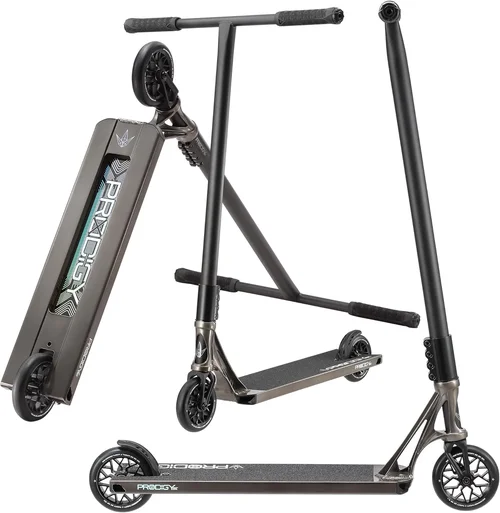
Motor scooters have evolved far beyond their retro roots. Today, they’re a smart, efficient, and increasingly stylish way to navigate urban environments—whether you’re commuting to work, running errands, or just enjoying the freedom of two wheels. With rising fuel costs, traffic congestion, and growing environmental awareness, more people than ever are turning to motor scooters as a practical alternative to cars and motorcycles. But with so many models on the market—ranging from budget-friendly electric kick scooters to high-performance gas-powered machines—it’s easy to feel overwhelmed.
This comprehensive buying guide is designed to cut through the noise and help you make an informed decision. Whether you’re a first-time buyer or upgrading from an older model, you’ll learn exactly what to look for, how to avoid common pitfalls, and which scooters deliver the best value for your needs. We’ll cover everything from performance specs and build quality to warranty support and real-world usability. By the end, you’ll have a clear roadmap to choosing the perfect motor scooter for your lifestyle, budget, and riding goals.
The motor scooter market in 2026 is more diverse and competitive than ever. Electric models dominate the entry-level and mid-range segments, offering quiet operation, zero emissions, and low maintenance. Meanwhile, gas-powered scooters still hold strong among riders who need longer range and faster refueling. Brands like Vespa, Honda, Yamaha, and emerging players like NIU and Segway-Ninebot are pushing innovation with smarter features, better batteries, and sleeker designs. With options spanning under $300 to over $5,000, there’s a scooter for nearly every use case—but only if you know how to evaluate them properly.
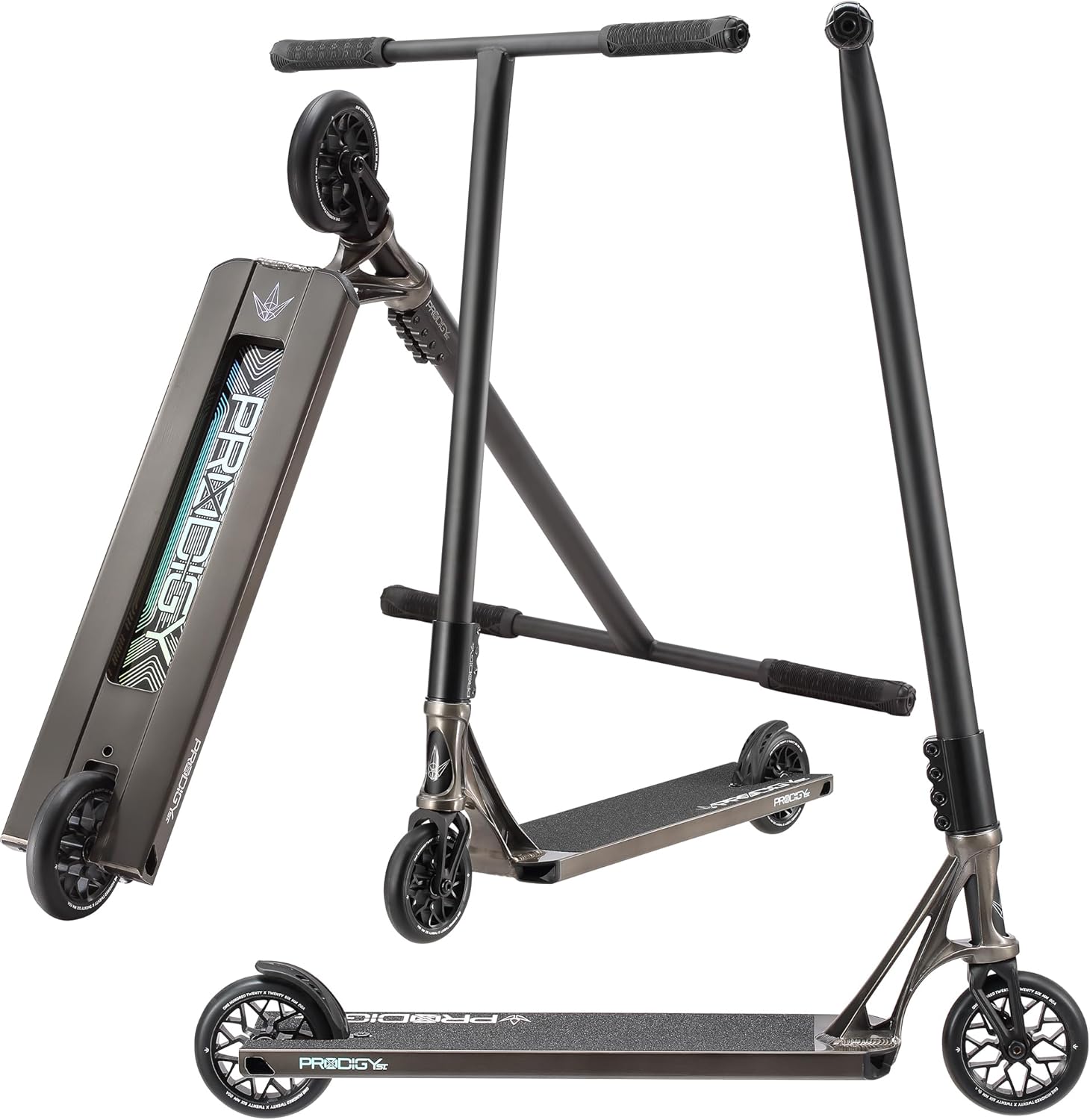
What to Look for When Buying a Motor Scooter
1. Budget & Price Range
Your budget is the foundation of your scooter-buying journey. It determines not only which models you can afford but also what kind of performance, features, and longevity you can expect. Motor scooters vary wildly in price—from under $300 for basic electric kick scooters to $5,000+ for premium gas or high-end electric models. Setting a realistic budget upfront helps narrow your options and prevents overspending on features you don’t need.
When determining your budget, consider not just the upfront cost but also long-term expenses. Electric scooters typically have lower operating costs—electricity is cheaper than gas, and there are fewer moving parts to maintain. However, battery replacement every 2–4 years can add $200–$500 to your total cost of ownership. Gas scooters, while often more affordable upfront in the mid-range, require regular oil changes, fuel, and more frequent mechanical servicing. Don’t forget to factor in insurance, registration (required in many states), helmets, locks, and potential parking fees.
A good rule of thumb: allocate 10–15% of your scooter’s price for accessories and safety gear. For example, if you buy a $1,500 scooter, budget an additional $150–$225 for a quality helmet, U-lock, phone mount, and possibly a cover. This ensures you’re fully equipped and safe from day one.
2. Performance Specifications
Performance is where scooters truly differentiate themselves. Key specs to evaluate include top speed, acceleration, range, motor power, and hill-climbing ability. These factors directly impact how practical and enjoyable your ride will be.
Top speed matters most if you plan to ride on roads with 35–45 mph speed limits. Most entry-level electric scooters cap out at 15–20 mph, which is fine for bike lanes and slow streets but may feel underpowered on faster roads. Mid-range models often reach 25–30 mph, while premium electric and gas scooters can hit 40+ mph. Keep in mind that higher speeds reduce range and increase wear on components.
Range is critical for commuters. Electric scooters typically offer 15–40 miles per charge, depending on battery capacity (measured in watt-hours, or Wh), rider weight, terrain, and speed. A 500Wh battery might give you 20 miles in ideal conditions, but only 12–15 in hilly areas or with a heavier rider. Gas scooters generally offer 60–100+ miles per tank, making them better for longer trips.
Motor power (measured in watts for electric, cc for gas) affects acceleration and hill performance. A 250W motor is fine for flat city riding, but 500W or higher is recommended if you live in a hilly area. Gas scooters with 50cc engines are suitable for city use, while 150cc+ models handle highways and steeper inclines with ease.
3. Build Quality & Durability
A scooter is an investment, and build quality determines how long it will last. Cheap scooters may save you money upfront but often fail within a year due to poor materials, weak frames, or subpar electronics. High-quality scooters use reinforced aluminum or steel frames, weather-resistant components, and reliable braking systems.
Inspect the frame for welds, joints, and overall sturdiness. A well-built scooter should feel solid when you shake it—no rattling or flexing. Suspension systems (front, rear, or both) improve comfort and control, especially on rough roads. Even basic spring or hydraulic suspension can make a big difference on pothole-filled streets.
Brakes are non-negotiable. Disc brakes (mechanical or hydraulic) offer superior stopping power compared to drum or foot brakes. Regenerative braking, common on electric scooters, not only improves safety but also extends battery life by converting kinetic energy back into charge.
Tires also affect durability and ride quality. Pneumatic (air-filled) tires provide better shock absorption and grip but are prone to punctures. Solid or honeycomb tires are puncture-proof but offer a harsher ride. Consider your local road conditions—potholes and debris favor pneumatic tires with good tread.
4. Features & Functionality
Modern scooters come packed with features that enhance convenience, safety, and usability. While not all are essential, some can significantly improve your riding experience.
Lighting is crucial for visibility and safety. Look for bright LED headlights, taillights, and turn signals. Some models include daytime running lights and brake-activated rear lights. Reflectors and side markers add extra visibility at night.
Digital displays show speed, battery level, range, and sometimes GPS or ride stats. Touchscreens and Bluetooth connectivity (for app integration) are becoming more common in premium models. Apps can track mileage, lock the scooter remotely, or even provide anti-theft alerts.
Storage is a practical consideration. Under-seat compartments, front baskets, or rear racks let you carry groceries, a backpack, or a small bag. Gas scooters often have larger storage bins than electric ones, but some e-scooters now include modular storage options.
Smart features like keyless ignition, USB charging ports, phone mounts, and app-based diagnostics are increasingly standard. While not deal-breakers, they add convenience and modern appeal.
5. Brand Reputation
Not all scooter brands are created equal. Established manufacturers like Honda, Yamaha, and Vespa have decades of engineering experience and global service networks. They offer reliable performance, widespread parts availability, and strong resale value. However, they often come at a premium price.
Emerging brands like NIU, Segway-Ninebot, and Gotrax focus on innovation, especially in the electric space. They frequently offer better tech features and lower prices but may have limited service centers or shorter track records. Research brand reputation through customer reviews, forum discussions, and third-party testing.
Look for brands that prioritize transparency—clear specs, honest range claims, and responsive customer service. Avoid no-name brands sold exclusively through online marketplaces with no verifiable history or support. A reputable brand may cost more upfront but saves you headaches down the road.
6. Warranty & Support
A strong warranty is a sign of confidence in a product’s quality. Most reputable scooter brands offer at least a 1-year warranty, with some extending to 2–3 years. Electric scooters often have separate warranties for the battery (typically 6–12 months) and the motor/frame (1–2 years).
Read the fine print: some warranties exclude wear items like tires, brakes, or batteries. Others require registration within a certain timeframe or proof of purchase. Check if the warranty is honored internationally if you travel.
Customer support matters just as much. Can you easily reach a human? Is there a service center nearby? Do they offer replacement parts? Brands with strong support networks (like Honda or Vespa) make maintenance and repairs far less stressful.
7. Size & Portability
Portability is a major advantage of scooters, especially in cities with limited parking or public transit access. If you plan to carry your scooter on buses, trains, or into offices, weight and foldability are critical.
Electric kick scooters are the most portable, often weighing 20–35 lbs and folding down to backpack size. Gas scooters are heavier (80–150+ lbs) and usually don’t fold, making them better suited for dedicated parking.
Consider wheel size: smaller wheels (8–10 inches) are more compact but less stable on rough terrain. Larger wheels (12–16 inches) offer better ride quality but reduce portability.
Measure doorways, elevators, and storage spaces where you’ll keep your scooter. A model that’s too wide or tall may not fit in your apartment or office.
8. User Reviews & Ratings
Never buy a scooter based solely on specs or marketing. Real-world user reviews reveal strengths and weaknesses you won’t find in brochures. Look for patterns in feedback—consistent complaints about battery life, braking, or build quality are red flags.
Check multiple sources: Amazon, Google Reviews, Reddit (r/scooters, r/electricscooters), and specialized forums like ScooterAdvice or ElectricScooterInsider. Pay attention to reviews from riders with similar needs—commuters, students, or weekend riders.
Be wary of fake reviews. Look for detailed, balanced feedback with photos or videos. Reviews that are overly positive or vague (“Great scooter!”) are often unreliable.
Different Types of Motor Scooters

Common Buying Mistakes to Avoid
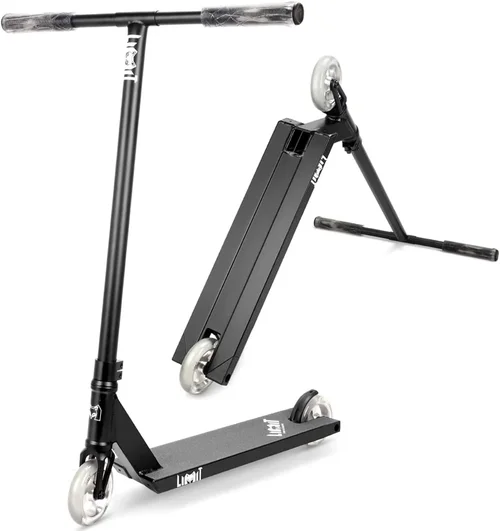
❌ Mistake: Prioritizing Price Over Quality
Why it’s bad: The cheapest scooter often costs more in the long run. Poor build quality leads to frequent repairs, safety risks, and early replacement. A $300 scooter that breaks after 6 months is more expensive than a $800 model that lasts 3+ years.
What to do instead: Focus on value, not just price. Invest in a reputable brand with good reviews and a solid warranty. Think of your scooter as a long-term investment in mobility and convenience.
❌ Mistake: Ignoring Local Laws and Regulations
Why it’s bad: Scooter laws vary by state and city. Some places require registration, insurance, or a license. Others ban certain types (e.g., gas scooters in bike lanes). Riding illegally can result in fines or confiscation.
What to do instead: Research your local laws before buying. Check with your DMV or city transportation department. Ensure your scooter meets legal requirements for speed, lighting, and emissions.
❌ Mistake: Overlooking Battery Life and Charging Time
Why it’s bad: A scooter with a 30-mile range sounds great—until you realize it takes 8 hours to charge. If you need to ride daily, long charging times can leave you stranded.
What to do instead: Look for scooters with fast-charging capabilities (e.g., 3–4 hours) or removable batteries. Consider buying a second battery if your commute exceeds half the stated range.
❌ Mistake: Not Test Riding Before Buying
Why it’s bad: Specs don’t tell the whole story. A scooter might look perfect on paper but feel uncomfortable, shaky, or underpowered in real life.
What to do instead: Visit a local dealer or attend a scooter demo event. Test ride multiple models. Pay attention to comfort, handling, and noise levels.
❌ Mistake: Skipping Safety Gear
Why it’s bad: Scooters offer less protection than cars or motorcycles. Without a helmet, reflective clothing, and lights, you’re at high risk in an accident.
What to do instead: Always wear a DOT-approved helmet. Use front and rear lights, even during the day. Consider protective gear like gloves and knee pads for longer rides.
❌ Mistake: Buying Based on Looks Alone
Why it’s bad: A stylish scooter with poor performance or reliability will quickly become a disappointment. Form should follow function.
What to do instead: Prioritize performance, safety, and durability. Choose a design you like, but only after confirming it meets your practical needs.
❌ Mistake: Ignoring Maintenance Requirements
Why it’s bad: All scooters need maintenance. Electric models require battery care and brake checks. Gas scooters need oil changes, air filter replacements, and tune-ups. Neglect leads to breakdowns.
What to do instead: Learn basic maintenance or find a reliable service shop. Follow the manufacturer’s maintenance schedule. Keep spare parts like fuses, bulbs, and tire patches on hand.
Budget Guidelines: How Much Should You Spend?
Entry-Level ($200 – $600): This tier includes basic electric kick scooters and low-end gas models. Expect modest performance (15–20 mph), limited range (10–15 miles), and minimal features. Best for short, flat commutes or occasional use. Brands like Gotrax, Xiaomi, and Razor dominate this space. While affordable, these scooters often lack durability and advanced safety features.
Mid-Range ($600 – $1,500): The sweet spot for most buyers. Electric scooters in this range offer 20–30 mph speeds, 20–35 mile ranges, and better build quality. Gas scooters include reliable 50cc models from Honda (Ruckus) or Yamaha (Vino). You’ll find improved suspension, disc brakes, and useful features like digital displays and storage. Ideal for daily commuters who want reliability without breaking the bank.
Premium ($1,500 – $3,500): For enthusiasts and serious riders. Electric models like the NIU NQi GT or Segway-Ninebot Max G30 offer 30+ mph speeds, 40+ mile ranges, and smart connectivity. Gas scooters include 150cc models like the Honda PCX or Yamaha XMAX, capable of highway speeds and long-distance travel. Expect premium materials, advanced safety systems, and excellent warranties.
Luxury ($3,500+): Top-tier scooters from brands like Vespa, BMW, or Aprilia. These combine high performance, luxury finishes, and cutting-edge tech. Features include full LED lighting, heated grips, GPS tracking, and app integration. Designed for riders who want the best in style, comfort, and performance—whether for daily use or weekend adventures.
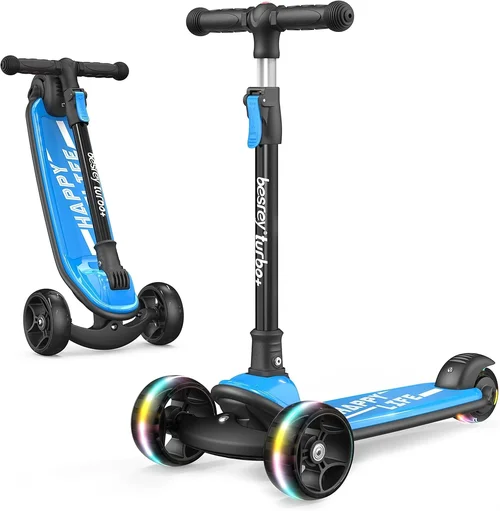
Expert Tips for Getting the Best Deal
1. Buy During Off-Season Sales: Scooter sales peak in spring and summer. Shop in late fall or winter for discounts. Black Friday, Cyber Monday, and end-of-year clearance events often feature significant markdowns.
2. Compare Online and In-Store Prices: Online retailers (Amazon, RevZilla, Scooter Centre) often have lower prices and wider selection. But local dealers may offer free assembly, test rides, and better warranty support. Use online prices as a benchmark when negotiating in-store.
3. Look for Bundle Deals: Some retailers offer packages with helmets, locks, and maintenance kits at a discount. These can save you 10–20% compared to buying items separately.
4. Check for Manufacturer Rebates: Brands like NIU and Segway occasionally offer rebates or trade-in programs. Sign up for newsletters to stay informed.
5. Consider Certified Pre-Owned: High-quality used scooters from reputable dealers can offer huge savings. Look for models with full service records and remaining warranty.
6. Read Return Policies Carefully: Some retailers charge restocking fees or only accept returns within 7–14 days. Ensure you have time to test the scooter thoroughly.
7. Test Ride Multiple Models: Don’t settle for the first scooter that looks good. Test ride at least 2–3 options to compare comfort, handling, and features.
8. Negotiate Add-Ons: If buying from a dealer, ask for free accessories (helmet, phone mount) or extended warranty coverage. Many are willing to sweeten the deal to close a sale.

Frequently Asked Questions
Q: Do I need a license to ride a motor scooter?
A: It depends on your location and the scooter’s engine size or power. In most U.S. states, electric scooters under 20 mph and gas scooters under 50cc do not require a license. However, 150cc+ gas scooters often require a motorcycle license. Always check your local DMV regulations.
Q: How long do electric scooter batteries last?
A: Most lithium-ion batteries last 500–1,000 charge cycles, which translates to 2–4 years with daily use. Battery life depends on usage, charging habits, and climate. Avoid draining the battery completely and store it at 50% charge if not used for long periods.
Q: Can I ride a scooter in the rain?
A: Most modern scooters are water-resistant (IP54 or higher), meaning they can handle light rain. However, avoid deep puddles, heavy downpours, and high-pressure water jets. Wet roads also reduce traction—ride slowly and brake gently.
Q: Are electric scooters better than gas scooters?
A: It depends on your needs. Electric scooters are quieter, cheaper to operate, and eco-friendly. Gas scooters offer longer range and faster refueling. For city commuting under 20 miles, electric is often better. For longer trips or areas without charging, gas may be preferable.
Q: How fast can a 50cc scooter go?
A: Most 50cc gas scooters top out at 30–35 mph. Electric 50cc equivalents (in terms of power) may reach 25–30 mph. Speed varies based on rider weight, terrain, and tuning.
Q: Can I take my scooter on public transportation?
A: Many transit systems allow folded electric scooters on buses and trains. Gas scooters are usually prohibited due to fuel and safety concerns. Check your local transit authority’s rules.
Q: What’s the best way to secure my scooter?
A: Use a high-quality U-lock or chain lock through the frame and a fixed object. Avoid cable locks—they’re easily cut. Park in well-lit, high-traffic areas. Consider a GPS tracker for added security.
Q: How often should I service my scooter?
A: Electric scooters: inspect brakes, tires, and battery every 3–6 months. Gas scooters: oil change every 1,000–2,000 miles, air filter every 3,000 miles. Follow the manufacturer’s maintenance schedule.
Q: Can I modify my scooter for better performance?
A: Yes, but proceed with caution. Upgrading batteries, motors, or exhaust systems can void warranties and may be illegal in some areas. Consult a professional mechanic before making modifications.
Q: What’s the difference between a scooter and a moped?
A: Traditionally, mopeds have pedals and small engines (under 50cc), while scooters have step-through frames and no pedals. Today, the terms are often used interchangeably, but “scooter” typically refers to larger, more powerful models.
Our Final Recommendations
Best for Budget-Conscious Buyers: Gotrax GXL V2 – At under $400, this electric scooter offers solid performance (18 mph, 15-mile range), a sturdy frame, and reliable brakes. Ideal for students and short commutes.
Best Overall Value: NIU NQi GT – Priced around $1,800, this electric scooter delivers 30 mph speed, 40+ mile range, and smart app features. Excellent build quality and low maintenance make it a top choice for daily riders.
Best Premium Option: Vespa Primavera 150 – For those who want style and performance, the Primavera combines Italian design with a 150cc engine, smooth ride, and premium finishes. Priced at $4,500+, it’s a luxury statement.
Best for Beginners: Honda Ruckus – This 50cc gas scooter is simple, reliable, and fun to ride. With a top speed of 30 mph and minimal maintenance, it’s perfect for new riders learning the ropes.
Best for Advanced Users: Yamaha XMAX 300 – A maxi scooter with a 292cc engine, 80+ mph top speed, and advanced features like traction control and smartphone integration. Built for long-distance comfort and performance.
Conclusion: Making the Right Choice
Choosing the best motor scooter isn’t just about picking the fastest or most stylish model—it’s about finding the right balance of performance, reliability, and value for your specific needs. Whether you’re navigating city streets on a compact electric scooter or cruising highways on a powerful maxi, the right choice will enhance your mobility, save you money, and bring joy to your daily routine.
Remember to prioritize safety, research thoroughly, and test before you buy. Don’t let flashy ads or low prices cloud your judgment. A scooter that fits your lifestyle, budget, and riding conditions will serve you well for years to come.
Take the time to evaluate your commute, terrain, and storage options. Read real user reviews, compare warranties, and consider long-term costs. With the insights from this guide, you’re equipped to make a confident, informed decision.
Your perfect scooter is out there—safe, efficient, and ready to take you wherever you need to go. Ride smart, ride safe, and enjoy the freedom of the open road.