
Mopeds have evolved far beyond their humble origins as simple, motorized bicycles. In 2026, they represent a smart, sustainable, and surprisingly stylish solution for urban commuting, weekend adventures, and everything in between. Whether you’re navigating congested city streets, looking to reduce your carbon footprint, or simply seeking an affordable alternative to car ownership, a moped can be a game-changer. But with so many options on the market—ranging from budget-friendly electric models to high-performance gas-powered machines—choosing the right one can feel overwhelming.
That’s exactly why this guide exists. We’ve spent months researching, testing, and comparing the latest mopeds to bring you a comprehensive, expert-level buying guide tailored for real-world use. You’ll learn how to evaluate performance, understand build quality, compare features, and avoid common pitfalls that trip up first-time buyers. Whether you’re a student, a commuter, or a weekend explorer, this guide will arm you with the knowledge to make a confident, informed decision. The moped market in 2026 is more diverse than ever, with innovations in battery technology, safety features, and design making these vehicles more practical and enjoyable than at any point in history.

What to Look for When Buying a Moped
1. Budget & Price Range
Your budget is the foundation of your moped-buying journey. Mopeds vary dramatically in price—from under $500 for basic electric models to over $5,000 for premium gas-powered or high-end e-mopeds with advanced features. Before you start browsing, determine how much you’re willing to spend, including not just the upfront cost but also long-term expenses like maintenance, insurance, and fuel or electricity.
Entry-level electric mopeds typically start around $400–$800 and are ideal for short commutes under 10 miles. These models often have smaller batteries, lower top speeds (15–20 mph), and limited range (15–25 miles per charge). Mid-range models ($800–$1,800) offer better build quality, longer range (30–50 miles), and improved safety features like LED lighting and disc brakes. Premium mopeds ($1,800–$3,500) often include lithium-ion batteries, regenerative braking, smartphone connectivity, and higher top speeds (up to 30 mph). Luxury or performance-oriented models can exceed $4,000 and may feature full suspension, GPS tracking, and even app-based diagnostics.
2. Performance Specifications
Performance is where many buyers get tripped up—especially when comparing electric vs. gas-powered mopeds. Key specs to evaluate include top speed, range, motor power, and hill-climbing ability.
Top speed matters if you plan to ride on roads with traffic or need to keep up with city flow. Most legal mopeds in the U.S. are capped at 30 mph, but some states allow faster models if they’re registered as scooters or motorcycles. Electric mopeds typically offer instant torque, meaning quick acceleration from a stop, while gas models may feel smoother at higher speeds.
Range is critical for daily commuters. Electric mopeds rely on battery capacity (measured in watt-hours or Wh). A 36V 10Ah battery (360Wh) might give you 20–30 miles, while a 48V 15Ah (720Wh) can push 40–60 miles. Gas mopeds, on the other hand, offer longer range—often 100+ miles per tank—but require regular refueling and maintenance.
Motor power is usually listed in watts (W) for electric models or cubic centimeters (cc) for gas. A 500W motor is sufficient for flat terrain and light loads, but 750W–1000W is better for hills or carrying heavier riders. Gas mopeds commonly range from 49cc to 150cc, with 49cc models being the most fuel-efficient and 150cc offering more power for highway use (where legal).
3. Build Quality & Durability
A moped is a long-term investment, so build quality should never be an afterthought. Look for sturdy frames made from steel or aluminum, preferably with rust-resistant coatings. Check weld points, handlebar joints, and footrests for solid construction. Cheap plastic body panels may look fine at first but can crack or fade quickly under sun and weather exposure.
Suspension systems also play a big role in durability and comfort. Basic models may have no suspension or only front suspension, which is fine for smooth city streets. However, if you plan to ride on rough roads or gravel, consider models with front and rear suspension. Quality tires—preferably pneumatic (air-filled) rather than solid rubber—also improve ride quality and reduce the risk of flats.
Water resistance is another often-overlooked factor. While no moped is fully waterproof, look for IP ratings (like IPX4 or higher) that indicate protection against splashing water. This is especially important if you ride in rainy climates or store your moped outdoors.
4. Features & Functionality
Modern mopeds come packed with features that enhance safety, convenience, and usability. Start with lighting: LED headlights, brake lights, and turn signals are essential for visibility and legal compliance in many areas. Some models even include daytime running lights and ambient underglow for added style and safety.
Digital displays are becoming standard, showing speed, battery level, trip distance, and sometimes even GPS navigation. Bluetooth connectivity allows you to pair your phone for call alerts, music control, or app-based diagnostics. Regenerative braking, common in higher-end e-mopeds, recaptures energy during braking to extend range.
Storage is another practical consideration. Look for under-seat compartments, front baskets, or rear racks. Some models include USB charging ports so you can power your phone on the go. Kickstands, mirrors, and horn quality also contribute to overall functionality.
5. Brand Reputation
Not all moped brands are created equal. Established brands like Vespa, Honda, Yamaha, and Piaggio have decades of experience and strong dealer networks. They offer reliable service, genuine parts, and consistent quality. However, they also come at a premium.
Newer or niche brands—especially in the electric space—can offer excellent value and innovation. Companies like Gotrax, Segway, NIU, and Super Soco have gained popularity for affordable, feature-rich e-mopeds. While they may lack the legacy of traditional manufacturers, many have built strong reputations through customer satisfaction and responsive support.
Research brand reputation by reading long-term user reviews, checking BBB ratings, and looking for recalls or widespread complaints. A brand with a history of honoring warranties and providing timely repairs is worth prioritizing, even if it costs a bit more upfront.
6. Warranty & Support
A solid warranty is a strong indicator of a manufacturer’s confidence in their product. Most reputable moped brands offer at least a 6-month to 1-year warranty covering the frame, motor, and battery. Premium models may include 2-year warranties or extended coverage options.
Pay close attention to what’s covered. Some warranties exclude wear-and-tear items like tires, brakes, and batteries—even though batteries degrade over time. Others may require registration within 30 days of purchase to be valid. Also, check if the warranty is honored locally or if you’ll need to ship the moped back to the manufacturer.
Customer support matters just as much. Can you reach a real person quickly? Are replacement parts readily available? Do they offer troubleshooting guides or video support? Brands with strong support networks make ownership far less stressful.
7. Size & Portability
Size affects not just where you can ride, but also where you can store and transport your moped. If you live in an apartment or need to take your moped on public transit, portability becomes crucial.
Electric mopeds are generally lighter than gas models, with weights ranging from 50 to 120 pounds. Some models feature foldable frames, making them easier to carry upstairs or stow in a car trunk. However, folding mechanisms can add complexity and reduce structural rigidity, so test the folding action before buying.
Gas mopeds tend to be heavier and bulkier, often requiring a trailer or truck for transport. They also need regular refueling, which may not be convenient if you lack access to gas stations.
Consider wheel size too. Smaller wheels (12–14 inches) are more maneuverable in tight spaces but less stable at higher speeds. Larger wheels (16–20 inches) offer better stability and comfort over bumps but reduce agility.
8. User Reviews & Ratings
Never buy a moped based solely on specs or marketing claims. Real-world user reviews provide invaluable insights into reliability, comfort, and long-term performance. Look for patterns in feedback—do multiple users report the same issue with the battery, brakes, or seat? Are complaints about customer service consistent?
Platforms like Amazon, Best Buy, and specialized forums (like ElectricScooterInsider or MopedArmy) are great sources. Pay attention to reviews from users with similar needs—e.g., daily commuters vs. weekend riders. Also, check for video reviews on YouTube, which often show the moped in action and highlight details photos can’t capture.
Different Types of Mopeds

Common Buying Mistakes to Avoid
❌ Mistake: Ignoring Local Laws and Regulations
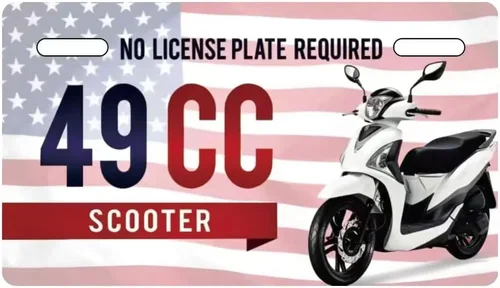
Why it’s bad: Moped laws vary widely by state and even city. In some places, electric mopeds under 20 mph don’t require registration or a license, while in others, anything with a motor must be registered as a motorcycle. Riding illegally can result in fines, impoundment, or accidents due to lack of insurance.
What to do instead: Check your state’s Department of Motor Vehicles (DMV) website before buying. Know the speed limits, helmet requirements, and whether you need a license or insurance. Some cities also restrict where mopeds can be ridden (e.g., bike lanes vs. roads).
❌ Mistake: Overlooking Battery Life and Charging Time
Why it’s bad: A moped with a short range or slow charging can leave you stranded or waiting hours for a recharge. Lithium-ion batteries degrade over time, so a 40-mile range today might be 25 miles in two years.
What to do instead: Choose a model with a removable battery if possible, so you can charge indoors. Look for fast-charging capabilities (e.g., 0–80% in 2 hours). Consider your daily mileage and add a 20% buffer to avoid range anxiety.
❌ Mistake: Choosing Style Over Substance
Why it’s bad: Flashy designs and retro aesthetics can be tempting, but they often come with compromises in performance, comfort, or durability. A moped that looks great but has a weak motor or poor suspension will frustrate you quickly.
What to do instead: Prioritize function first. Test ride if possible. Sit on the seat, check handlebar height, and feel the suspension. A comfortable, reliable moped will serve you better than a stylish one that breaks down often.
❌ Mistake: Skipping the Test Ride
Why it’s bad: Specs on paper don’t always match real-world performance. A moped might feel jerky, unbalanced, or uncomfortable after just a few minutes of riding.
What to do instead: Always test ride before buying, especially with higher-priced models. Many dealers and online retailers offer trial periods or in-store demos. Pay attention to acceleration, braking, steering, and overall comfort.
❌ Mistake: Neglecting Maintenance Requirements
Why it’s bad: Gas mopeds need regular oil changes, air filter replacements, and carburetor cleaning. Electric mopeds require battery care, tire checks, and software updates. Ignoring maintenance leads to breakdowns and costly repairs.
What to do instead: Read the owner’s manual and understand the maintenance schedule. Choose a model with accessible parts and clear instructions. Consider the availability of local service centers.
❌ Mistake: Buying Based Solely on Price
Why it’s bad: The cheapest moped often costs more in the long run due to frequent repairs, short battery life, or poor resale value. Conversely, overspending on features you don’t need is also wasteful.
What to do instead: Balance cost with value. Look for the best combination of price, performance, and reliability for your needs. A mid-range model with good reviews often offers the best long-term value.
❌ Mistake: Forgetting About Storage and Security
Why it’s bad: Mopeds are easy targets for theft, especially in urban areas. Without proper locks or storage, you could lose your investment overnight.
What to do instead: Invest in a high-quality U-lock or chain lock. Use a cover if storing outdoors. Consider models with built-in alarms or GPS tracking. If possible, store indoors or in a secure garage.
Budget Guidelines: How Much Should You Spend?
Entry-Level ($400–$800): Ideal for students, short commutes, or casual riders. Expect basic electric models with 15–25 mile range, 15–20 mph top speed, and minimal features. Build quality may be lower, and warranties are often limited. Great for trying out moped riding without a big commitment.
Mid-Range ($800–$1,800): The sweet spot for most buyers. These mopeds offer reliable performance, better batteries (30–50 mile range), improved safety features, and stronger frames. Many include digital displays, LED lighting, and app connectivity. Perfect for daily commuting and longer trips.
Premium ($1,800–$3,500): For enthusiasts and professionals who demand more. Expect high-capacity batteries, fast charging, regenerative braking, full suspension, and advanced tech like GPS and smartphone integration. These models are built to last and perform well in varied conditions.
Luxury ($3,500+): Top-tier mopeds with premium materials, custom designs, and cutting-edge technology. Often hand-built or from heritage brands like Vespa or Aprilia. Ideal for collectors, long-distance riders, or those who want the best of everything—no compromises.
Expert Tips for Getting the Best Deal
1. Buy During Off-Season: Mopeds sell best in spring and summer. Shop in late fall or winter for discounts as dealers clear inventory. You might save 10–20% during these periods.
2. Compare Online and In-Store Prices: Online retailers often have lower prices due to reduced overhead, but in-store buys let you test ride and get immediate support. Some stores match online prices—ask!
3. Look for Bundled Deals: Some sellers offer free helmets, locks, or extended warranties with purchase. These add-ons can be worth $100–$300 in value.
4. Check for Rebates and Incentives: Some states and utilities offer rebates for electric vehicles, including e-mopeds. Research local programs that could save you hundreds.
5. Negotiate the Price: Even with fixed online prices, you can often negotiate extras like free assembly, delivery, or accessories. Don’t be afraid to ask.
6. Read the Fine Print on Returns: Ensure the seller offers a reasonable return window (at least 14–30 days) and covers return shipping if the moped is defective.
7. Consider Certified Pre-Owned: Gently used mopeds from reputable dealers can offer significant savings with warranty coverage. Avoid private sellers unless you can inspect thoroughly.
8. Join Owner Communities: Forums and Facebook groups often share deals, discount codes, and insider tips. Members sometimes sell their own mopeds at fair prices.

Frequently Asked Questions
Q: Do I need a license to ride a moped?
A: It depends on your state and the moped’s specifications. In most states, electric mopeds under 20 mph and 750W don’t require a license. Gas mopeds under 50cc often fall into the same category. However, faster or more powerful models may require a motorcycle license. Always check local laws.
Q: How far can a moped go on a single charge or tank?
A: Electric mopeds typically range from 15 to 60 miles, depending on battery size, terrain, and rider weight. Gas mopeds can go 80 to 150+ miles per tank. Real-world range is usually 10–20% less than manufacturer claims.
Q: Are electric mopeds worth it compared to gas?
A: Electric mopeds are cheaper to operate, quieter, and eco-friendly, but have limited range and longer refueling times. Gas mopeds offer longer range and quicker refueling but require more maintenance and produce emissions. Choose based on your commute and priorities.
Q: Can I ride a moped in the rain?
A: Yes, but with caution. Most mopeds are water-resistant, not waterproof. Avoid deep puddles and heavy downpours. Dry the moped after riding and check electrical connections regularly.
Q: How long do moped batteries last?
A: Lithium-ion batteries typically last 500–1,000 charge cycles, or 2–4 years with regular use. Proper care—like avoiding full discharges and extreme temperatures—can extend life.
Q: Can I carry a passenger on a moped?
A: Only if the moped is designed for it. Most entry-level models are single-rider only. Dual-seat mopeds have reinforced frames and stronger motors. Check the manual and local laws.
Q: What’s the difference between a moped and a scooter?
A: Traditionally, mopeds have smaller engines (under 50cc) and may require pedaling to start. Scooters are fully motorized with step-through frames. Today, the terms are often used interchangeably, especially for electric models.
Q: How fast do mopeds go?
A: Most legal mopeds top out at 20–30 mph. Some high-performance models can reach 40+ mph but may require registration as motorcycles.
Q: Can I modify my moped for more speed?
A: Technically yes, but it’s often illegal and voids warranties. Modifications can also compromise safety and reliability. Stick to manufacturer specs unless you’re experienced and aware of the risks.
Q: Where can I charge an electric moped?
A: At home using a standard outlet. Some workplaces and public stations offer charging, but it’s still rare. Plan your routes around charging availability.
Our Final Recommendations
Best for Budget-Conscious Buyers: Gotrax MXL V2 – At under $600, this electric moped offers solid performance, 25-mile range, and a lightweight frame. Great for students and short commutes.
Best Overall Value: NIU NQi GT – Priced around $1,500, it delivers 60-mile range, fast charging, app connectivity, and a sleek design. Ideal for daily commuters who want reliability and style.
Best Premium Option: Super Soco CPX – With a 70-mile range, 40 mph top speed, and full suspension, this e-moped is perfect for those who want performance and comfort without going full luxury.
Best for Beginners: Segway E22 – Simple controls, stable ride, and a low step-through design make it ideal for new riders. Includes safety features like dual brakes and LED lights.
Best for Advanced Users: Vespa Elettrica – A premium Italian e-moped with top-tier build quality, 62-mile range, and smart features. For riders who want the best in design and technology.
Conclusion: Making the Right Choice
Choosing the best moped in 2026 isn’t just about picking the fastest or cheapest model—it’s about finding the right balance of performance, reliability, and value for your lifestyle. Whether you’re commuting to work, exploring the city, or simply looking for a fun way to get around, the right moped can transform your daily routine.
Remember to prioritize your needs: How far do you ride? What’s your budget? Do you need portability or storage? Use the factors, comparisons, and tips in this guide to narrow your options and avoid common pitfalls. Don’t rush the decision—take your time, test ride when possible, and read real user feedback.
Investing in a quality moped isn’t just a purchase; it’s a step toward smarter, greener, and more enjoyable transportation. With the right choice, you’ll enjoy years of reliable service, lower costs, and the freedom of the open road—or city street. So gear up, stay safe, and ride with confidence. Your perfect moped is out there—now you know how to find it.