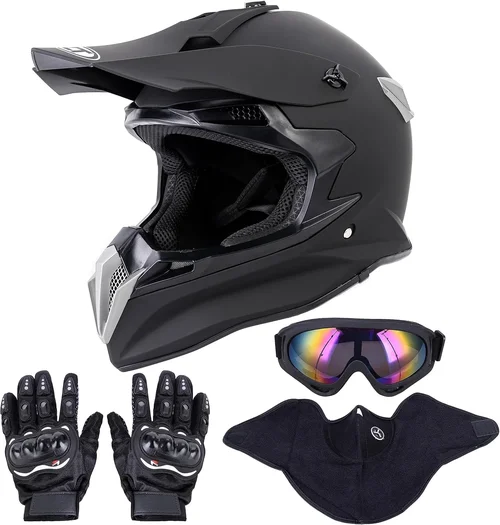
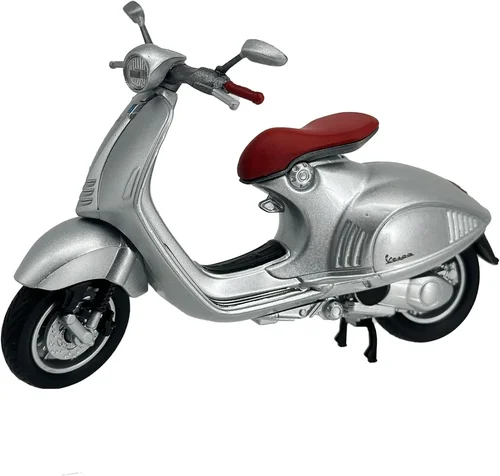
Electric moped-style e-bikes have taken urban transportation by storm in 2026. With rising fuel costs, increasing traffic congestion, and growing environmental awareness, more people than ever are turning to stylish, efficient, and eco-friendly alternatives for daily commuting and weekend adventures. These sleek, scooter-inspired e-bikes blend the comfort of a traditional bicycle with the convenience of a motorized ride—offering pedal-assist power, extended range, and a relaxed upright riding position that feels more like cruising on a moped than pedaling a standard bike.
This comprehensive buying guide is designed to help you navigate the crowded market of moped-style e-bikes with confidence. Whether you’re a first-time buyer looking for an affordable entry point or a seasoned rider seeking top-tier performance and premium features, we’ve got you covered. You’ll learn how to evaluate key factors like motor power, battery life, build quality, and brand reliability. We’ll also break down common pitfalls, compare different categories, offer budget-friendly advice, and share expert tips to ensure you get the best possible value for your investment. By the end of this guide, you’ll be equipped with everything you need to choose the perfect moped-style e-bike that fits your lifestyle, needs, and budget.
The moped-style e-bike market has exploded in recent years, with dozens of brands now offering models that range from budget-friendly commuter machines to high-end luxury rides with advanced tech integrations. From established names like Rad Power Bikes and Aventon to emerging innovators such as Heybike and Lectric, the options are vast—and sometimes overwhelming. These bikes typically feature step-through frames, wide saddles, fat tires for stability, integrated lighting, and powerful motors capable of speeds up to 20–28 mph. Some even include cargo racks, smartphone connectivity, and regenerative braking. As cities continue to expand bike lanes and adopt e-bike incentive programs, now is an ideal time to make the switch. This guide will cut through the noise and help you make a smart, informed decision.

What to Look for When Buying a Moped-Style E-Bike
1. Motor Power and Performance
The motor is the heart of any e-bike, and for moped-style models, it needs to deliver consistent, reliable power—especially when climbing hills or carrying heavy loads. Most moped e-bikes use hub motors (located in the front or rear wheel) or mid-drive motors (mounted near the pedals). Hub motors are common in this category due to their simplicity and cost-effectiveness, while mid-drives offer better weight distribution and efficiency but at a higher price point.
Look for motors rated between 500W and 750W for optimal performance. A 500W motor is sufficient for flat city commutes, but if you live in a hilly area or plan to carry groceries or a passenger, a 750W motor will provide the extra torque you need. Some high-end models even feature 1000W+ motors for serious off-road capability. Pay attention to whether the motor is rated as “continuous” or “peak”—continuous power reflects real-world usage, while peak power is a short burst during acceleration.
Also consider the type of pedal assist and throttle. Most moped-style e-bikes offer both, with multiple assist levels (e.g., Eco, Tour, Sport). A responsive throttle lets you accelerate without pedaling—ideal for stop-and-go traffic or when you’re tired. Test how smoothly the motor engages; jerky or delayed responses can ruin the riding experience.
2. Battery Capacity and Range
Battery life directly impacts how far you can go on a single charge—a critical factor for daily commuters or weekend explorers. Battery capacity is measured in watt-hours (Wh), which combines voltage (V) and amp-hours (Ah). A higher Wh rating generally means longer range, but real-world performance depends on terrain, rider weight, assist level, and weather conditions.
For most urban riders, a battery between 480Wh and 720Wh is ideal. This typically translates to 30–60 miles of range, depending on usage. For example, a 500Wh battery on Eco mode might give you 50+ miles, while using the throttle heavily could cut that down to 25 miles. Removable batteries are a huge plus—they allow you to charge indoors and swap in a spare for extended trips.
Look for lithium-ion batteries from reputable manufacturers like Samsung, LG, or Panasonic. Avoid no-name cells, as they may degrade faster or pose safety risks. Also check charging time: most batteries take 4–6 hours to fully charge, though some fast-charging models can reach 80% in under 3 hours.
3. Build Quality and Frame Material
A moped-style e-bike is an investment, so durability matters. The frame is the backbone of the bike, and its material affects weight, strength, and ride quality. Most models use aluminum alloy frames, which offer a great balance of lightness, corrosion resistance, and affordability. Steel frames are heavier but more durable and absorb road vibrations better—ideal for rough city streets.
Pay attention to welds, joints, and overall construction. A well-built frame should feel solid when you lift it and show no flex when riding over bumps. Look for reinforced dropouts, sturdy fork crowns, and secure battery mounts. Some premium brands use hydroformed tubing or internal cable routing for a cleaner look and added protection.
Suspension is another key element. Many moped e-bikes include front suspension forks and/or rear suspension seats to enhance comfort. While not all models have full suspension, even a basic spring or elastomer seat post can make a big difference on uneven pavement.
4. Tires and Traction
Fat tires (typically 3.0” to 4.0” wide) are a hallmark of moped-style e-bikes. They provide excellent stability, cushioning, and grip on various surfaces—from pavement to gravel to light trails. Wider tires also reduce the risk of pinch flats and improve handling at low speeds, which is helpful in crowded urban environments.
Check the tire brand and tread pattern. Kenda, CST, and Chaoyang are reliable manufacturers. Knobby treads offer better off-road traction, while smoother treads reduce rolling resistance on pavement. Tubeless-ready tires are a bonus—they allow you to run lower pressures for comfort without worrying about flats.
Tire pressure matters too. Most fat tires perform best between 15–25 PSI, but always refer to the sidewall recommendation. Underinflated tires increase rolling resistance and wear; overinflated ones feel harsh and reduce grip.
5. Braking System
Safety starts with stopping power. Moped-style e-bikes often weigh 60–80 pounds, so reliable brakes are non-negotiable. Disc brakes are standard on quality models, with mechanical (cable-actuated) and hydraulic (fluid-actuated) being the two main types.
Hydraulic disc brakes offer superior modulation, power, and consistency—especially in wet conditions—but require professional maintenance. Mechanical discs are easier to adjust at home but may need more frequent tuning. Avoid rim brakes (V-brakes) on e-bikes; they wear out quickly under the added stress of motor-assisted riding.
Look for dual-piston or quad-piston calipers for maximum stopping force. Some high-end models even feature regenerative braking, which recaptures energy during deceleration to extend range—though the effect is modest on most e-bikes.
6. Features and Functionality
Modern moped e-bikes come packed with features that enhance convenience, safety, and usability. Integrated LED lighting (front and rear) is essential for night riding and is often powered by the main battery. Look for bright, daylight-visible headlights and brake-activated taillights.
A digital display should show speed, battery level, assist mode, odometer, and trip data. Color screens with Bluetooth connectivity allow you to track rides via smartphone apps, receive notifications, or even lock the bike remotely. Some models include USB ports for charging devices on the go.
Other useful features include:
– Fenders to keep you dry in the rain
– Rear racks or front baskets for carrying cargo
– Kickstands (center or side)
– Phone mounts and integrated locks
– Horns or bells for alerting pedestrians
Consider how you’ll use the bike. If you commute daily, fenders and a rack are must-haves. For weekend joyrides, a comfortable saddle and suspension might matter more.
7. Weight and Portability
Moped-style e-bikes are generally heavier than traditional bikes due to the motor, battery, and robust frame. Expect weights between 55 and 85 pounds. While this isn’t an issue for street riding, it becomes important if you need to carry the bike upstairs, load it onto a car rack, or store it in a small apartment.
Some brands offer folding moped e-bikes, which can be a game-changer for urban dwellers with limited space. However, folding mechanisms add complexity and may reduce structural integrity. If portability is a priority, look for models with quick-release wheels or lightweight aluminum frames.
Always test how easy it is to lift and maneuver the bike when it’s powered off. A well-balanced design makes a big difference.
8. Brand Reputation and Customer Support
Not all e-bike brands are created equal. Established companies like Rad Power Bikes, Aventon, and Juiced Bikes have proven track records, extensive dealer networks, and responsive customer service. Emerging brands like Heybike, Lectric, and Swagtron offer great value but may have less mature support systems.
Research online reviews, especially on independent forums and YouTube. Look for patterns in complaints—frequent motor failures, poor battery life, or unresponsive support are red flags. Check if the brand offers local service centers or mail-in repair options.
Also consider the company’s transparency. Do they publish detailed specs? Are replacement parts readily available? A brand that stands behind its products will make ownership much smoother.
9. Warranty and After-Sales Service
A solid warranty protects your investment and reflects the manufacturer’s confidence in their product. Most reputable brands offer at least a 1-year comprehensive warranty covering the frame, motor, and electrical components. Premium brands may extend this to 2–3 years.
Pay close attention to what’s covered. Some warranties exclude wear items like tires, brakes, and batteries—or limit battery coverage to 6–12 months. Others offer prorated coverage, meaning you pay a percentage based on usage time.
Check the return policy too. Many online retailers allow 14–30 days to test the bike and return it if unsatisfied. In-store purchases may have shorter windows. Always read the fine print before buying.
Different Types of Moped-Style E-Bikes

Common Buying Mistakes to Avoid
❌ Mistake: Ignoring Local E-Bike Laws
Why it’s bad: E-bike regulations vary widely by state, city, and country. In the U.S., Class 1 and Class 2 e-bikes (up to 20 mph) are generally allowed on bike paths, while Class 3 (up to 28 mph) may be restricted. Some areas prohibit throttles or require helmets. Riding an illegal e-bike can result in fines or confiscation.
What to do instead: Check your local Department of Motor Vehicles or transportation authority website before buying. Choose a model that complies with your region’s speed, power, and equipment requirements.
❌ Mistake: Choosing Based Solely on Price
Why it’s bad: The cheapest e-bike isn’t always the best value. Low-cost models often use inferior components, weak motors, or poor-quality batteries that degrade quickly. You may end up spending more on repairs or replacements than if you’d bought a mid-range model upfront.
What to do instead: Focus on total cost of ownership. A $1,200 bike with a 2-year warranty and reliable parts may save you money long-term compared to a $700 bike that needs a new motor after six months.
❌ Mistake: Overlooking Test Rides
Why it’s bad: E-bikes feel different from regular bikes. The weight distribution, throttle response, and seat comfort can vary significantly between models. Buying online without testing can lead to buyer’s remorse.
What to do instead: Visit local dealers or attend e-bike demo events. If buying online, choose retailers with generous return policies (e.g., 30-day trials). Some brands even offer virtual fitting tools.
❌ Mistake: Neglecting Maintenance Needs
Why it’s bad: E-bikes require regular upkeep—brake adjustments, tire checks, chain lubrication, and battery care. Ignoring maintenance can shorten the bike’s lifespan and compromise safety.
What to do instead: Learn basic maintenance or find a local shop that services e-bikes. Keep a simple toolkit handy and follow the manufacturer’s maintenance schedule.
❌ Mistake: Underestimating Range Needs
Why it’s bad: Manufacturer range claims are often optimistic. Real-world conditions like hills, wind, and cold weather can reduce range by 30–50%. Running out of battery mid-commute is frustrating and potentially dangerous.
What to do instead: Calculate your typical round-trip distance and add a 20–30% buffer. If you ride 15 miles daily, aim for a bike with at least 25–30 miles of real-world range.
❌ Mistake: Skipping Insurance or Theft Protection
Why it’s bad: E-bikes are expensive and attractive to thieves. Without insurance, a stolen bike could cost you thousands. Standard homeowners’ policies may not cover e-bikes.
What to do instead: Consider specialized e-bike insurance (e.g., Velosurance, Markel) or add a rider to your home policy. Always use a high-quality U-lock and register your bike with services like Project 529.
❌ Mistake: Buying Without Considering Storage
Why it’s bad: Moped e-bikes are bulky. If you live in an apartment without secure storage, your bike could be exposed to weather or theft.
What to do instead: Measure your storage space before buying. Consider folding models or wall mounts. If outdoor storage is unavoidable, invest in a heavy-duty cover and lock.
Budget Guidelines: How Much Should You Spend?
Entry-Level ($500–$900): These bikes are ideal for casual riders or those on a tight budget. Expect basic components, lower-capacity batteries (360–480Wh), and simpler motors (350–500W). Brands like Swagtron, Ancheer, and Ecotric dominate this space. While functional for short, flat commutes, they may lack durability and long-term reliability. Great for trying out e-biking before upgrading.
Mid-Range ($900–$1,800): This is the sweet spot for most buyers. You’ll find well-built models with 500–750W motors, 500–720Wh batteries, and quality components from brands like Rad Power Bikes, Aventon, and Heybike. These bikes offer excellent range, comfort, and features like integrated lights, fenders, and racks. Perfect for daily commuting, errands, and weekend rides.
Premium ($1,800–$3,000): Designed for enthusiasts and serious commuters, these e-bikes boast advanced motors (750–1000W), high-capacity batteries (720–1000Wh), and premium materials. Look for hydraulic disc brakes, full suspension, smartphone integration, and extended warranties. Brands like Juiced Bikes, Benno, and Riese & Müller excel here. Ideal for hilly terrain, long distances, or cargo hauling.
Luxury ($3,000+): At this tier, you’re paying for cutting-edge technology, bespoke design, and top-tier craftsmanship. Expect carbon fiber frames, regenerative braking, GPS tracking, and AI-assisted riding modes. These bikes are as much about style and innovation as performance. Suitable for collectors, tech lovers, or those who want the absolute best.
Expert Tips for Getting the Best Deal
1. Buy During Off-Peak Seasons: Demand for e-bikes peaks in spring and summer. Shop in late fall or winter when retailers are clearing inventory. You’ll find better deals and more negotiating power.
2. Compare Retailers: Don’t limit yourself to one store. Check direct-from-manufacturer websites, big-box retailers (like REI or Best Buy), and specialty e-bike shops. Online retailers often have lower overhead and pass savings to customers.
3. Look for Bundle Deals: Some brands offer free accessories with purchase—helmets, locks, racks, or extra batteries. These can add $100–$300 in value and save you shopping hassle.
4. Consider Refurbished or Open-Box Models: Certified pre-owned e-bikes from reputable sellers can save you 20–40% off retail. Ensure they come with a warranty and have been professionally inspected.
5. Leverage Incentives: Many cities and states offer e-bike rebates or tax credits. California’s Clean Vehicle Rebate Project, for example, provides up to $1,000 for qualifying purchases. Check local programs before buying.
6. Test Before You Commit: If possible, rent or borrow a similar model for a weekend. This gives you real-world insight into comfort, handling, and usability.
7. Read the Fine Print on Returns: Understand the return window, restocking fees, and shipping costs. Some companies charge 10–15% to return a large item like an e-bike.
8. Join Owner Communities: Online forums and Facebook groups for specific brands can alert you to upcoming sales, common issues, and user tips. Knowledge is power.
Frequently Asked Questions
Q: Are moped-style e-bikes legal to ride on bike paths?
A: It depends on your location and the bike’s classification. In the U.S., Class 1 (pedal-assist only, up to 20 mph) and Class 2 (throttle-assisted, up to 20 mph) e-bikes are generally allowed on bike paths unless local laws prohibit them. Class 3 (up to 28 mph) may be restricted to roads. Always check local regulations.
Q: How fast do moped-style e-bikes go?
A: Most are limited to 20 mph (Class 2) or 28 mph (Class 3) for legal compliance. Some models can be unlocked for higher speeds, but this may void the warranty and violate local laws.
Q: Can I ride an e-bike in the rain?
A: Yes, most e-bikes are designed to handle light to moderate rain. However, avoid submerging the battery or motor in water. Dry the bike after wet rides and store it indoors when possible.
Q: How often should I charge the battery?
A: It’s best to charge after each ride, especially if the battery drops below 20%. Avoid letting it sit at 0% for long periods. Lithium-ion batteries prefer partial charges over full discharges.
Q: Do I need a license or insurance to ride an e-bike?
A: In most U.S. states, no license or insurance is required for Class 1–3 e-bikes. However, some countries (like Germany) require registration and insurance. Always verify local rules.
Q: Can I pedal an e-bike if the battery dies?
A: Absolutely. E-bikes are fully functional bicycles. Without power, they’re heavier than regular bikes but still rideable—just expect more effort, especially on hills.
Q: How long do e-bike batteries last?
A: A quality lithium-ion battery should last 500–1,000 charge cycles, or roughly 3–5 years with daily use. Capacity gradually declines over time, so range may shorten.
Q: Are moped e-bikes good for hills?
A: Yes, especially models with 750W+ motors and high torque. Look for bikes with hill-climbing ratings or user reviews mentioning steep terrain performance.
Q: Can I carry a passenger on a moped e-bike?
A: Only if the bike is specifically designed for it. Some cargo models include rear seats or platforms, but standard moped e-bikes are not rated for passengers. Check the manufacturer’s guidelines.
Q: What’s the difference between pedal assist and throttle?
A: Pedal assist provides power only when you’re pedaling, while a throttle lets you accelerate without pedaling (like a scooter). Most moped e-bikes offer both for maximum flexibility.
Our Final Recommendations
Best for Budget-Conscious Buyers: Heybike Cityscape – At around $899, this model offers a 500W motor, 48V 12.5Ah battery (600Wh), fat tires, and integrated lights. It’s reliable, stylish, and perfect for city commuting.
Best Overall Value: Rad Power Bikes RadCity 5 Plus – Priced at $1,699, it delivers a 750W motor, 672Wh battery, hydraulic brakes, and a host of commuter-friendly features. Rad’s excellent customer service and 1-year warranty make it a standout.
Best Premium Option: Juiced CrossCurrent X – With a 1,000W motor, 960Wh battery, and speeds up to 28 mph, this bike is built for performance. It includes a color display, fenders, rack, and regenerative braking—ideal for serious riders.
Best for Beginners: Aventon Level.2 – User-friendly, comfortable, and packed with safety features, the Level.2 ($1,599) is perfect for new e-bike owners. Its step-through frame and intuitive controls make it easy to ride.
Best for Advanced Users: Benno Boost E+ 10D – This high-end cargo moped ($3,499) features a 630Wh battery, Bosch motor, and modular cargo system. It’s built for versatility, durability, and long-distance touring.
Conclusion: Making the Right Choice
Choosing the right moped-style e-bike isn’t just about picking the shiniest model or the lowest price tag—it’s about finding a machine that aligns with your lifestyle, needs, and long-term goals. Whether you’re commuting to work, running errands, exploring trails, or simply enjoying the freedom of electric-assisted riding, the perfect e-bike is out there. By focusing on key factors like motor power, battery life, build quality, and brand support, you can avoid common pitfalls and make a confident purchase.
Remember, the best e-bike is the one you’ll actually ride. Prioritize comfort, reliability, and usability over flashy specs. Take advantage of test rides, read real user reviews, and don’t hesitate to invest a little more for peace of mind and longevity. With the right choice, your moped-style e-bike will become an indispensable part of your daily routine—saving you money, reducing your carbon footprint, and bringing joy to every mile.
Ready to make the switch? Start by defining your must-have features, set a realistic budget, and explore the top-rated models in your price range. The future of urban mobility is electric, stylish, and within your reach. Ride smart, ride safe, and enjoy the journey.