
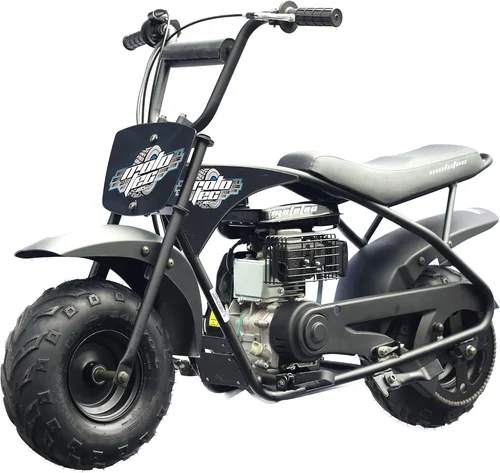
Minibikes have surged in popularity over the past few years, and it’s easy to see why. Whether you’re a thrill-seeking teen, a weekend trail rider, a parent looking for a safe and fun ride for your child, or an adult rediscovering the joy of two-wheeled adventure, minibikes offer an unbeatable mix of affordability, portability, and pure riding excitement. These compact machines—often powered by gas engines or electric motors—are designed for everything from backyard fun to off-road exploration, and they come in a surprising variety of styles and capabilities.
But with so many options flooding the market in 2026, choosing the right minibike can feel overwhelming. Prices range from under $300 to well over $2,000, and features vary dramatically. Some are built for speed and performance, while others prioritize safety and ease of use. Some fold up for easy storage, while others are rugged enough to tackle dirt trails. Without the right guidance, it’s all too easy to end up with a bike that doesn’t match your needs—or worse, one that’s unsafe or poorly made.
That’s exactly why this comprehensive buying guide exists. We’ve spent months researching, testing, and analyzing the latest minibikes available in 2026 to bring you the most up-to-date, expert-level advice. In this guide, you’ll learn how to evaluate key factors like engine power, build quality, safety features, and brand reliability. You’ll discover the different types of minibikes on the market, understand common pitfalls to avoid, and get actionable tips to help you find the best deal. Whether you’re shopping for your first minibike or upgrading to a higher-performance model, this guide will equip you with everything you need to make a smart, confident purchase.
The minibike market in 2026 is more diverse and competitive than ever. Electric models are gaining ground thanks to advances in battery technology, quieter operation, and lower maintenance. Meanwhile, gas-powered minibikes continue to dominate in terms of raw power and runtime, especially for off-road and recreational use. Brands like Razor, Coleman, Honda, and newer entrants like Segway and Super73 are pushing innovation with features like app connectivity, regenerative braking, and modular designs. At the same time, budget-friendly options from lesser-known manufacturers offer surprising value—if you know what to look for. With so much choice, the key is knowing your priorities and matching them to the right machine.

What to Look for When Buying a Minibike
1. Budget & Price Range
Your budget is the foundation of your minibike purchase. It determines not only what you can afford upfront but also what kind of performance, durability, and features you can expect. Minibikes range from basic electric models under $300 to high-end gas-powered or performance electric bikes exceeding $2,500. Setting a realistic budget early on will help you narrow your options and avoid overspending on features you don’t need.
When determining your budget, consider not just the initial cost but also long-term expenses. Gas-powered minibikes require fuel, oil changes, and occasional carburetor cleaning. Electric models need battery replacements every few years, and while they’re cheaper to operate, high-capacity batteries can cost $200–$400. Additionally, factor in safety gear—helmets, gloves, knee pads—and potential maintenance or repair costs. A slightly higher upfront investment in a quality bike often pays off in reliability and lower lifetime costs.
2. Performance Specifications
Performance is where minibikes truly differentiate themselves. The key specs to evaluate include engine or motor power, top speed, torque, acceleration, and range (for electric models). For gas-powered minibikes, engine displacement is measured in cubic centimeters (cc), with common sizes ranging from 49cc to 200cc. A 49cc engine is typically good for speeds up to 25–30 mph and is ideal for kids or casual riders. A 110cc or 125cc engine can reach 35–45 mph and is better suited for teens and adults. High-performance models with 196cc or 200cc engines can exceed 50 mph and are built for serious off-road use.
Electric minibikes use motor power measured in watts (W). Entry-level models often have 250W to 500W motors, providing speeds of 15–20 mph—perfect for neighborhood cruising. Mid-range electric bikes feature 750W to 1,000W motors, capable of 25–30 mph and better hill-climbing ability. Premium electric minibikes, like those from Super73 or Segway, can have 1,500W to 3,000W motors, delivering speeds over 40 mph and impressive torque for off-road terrain.
Range is critical for electric models. Most offer 10–25 miles per charge, depending on terrain, rider weight, and speed. Look for lithium-ion batteries (preferably removable) with at least 36V and 10Ah capacity for decent range. Fast-charging capability (under 4 hours) is a major plus.
3. Build Quality & Durability
A minibike is only as good as its construction. Poor build quality leads to frequent breakdowns, safety hazards, and a short lifespan. When evaluating durability, start with the frame. Look for high-tensile steel or reinforced aluminum—materials that resist bending and cracking under stress. Avoid bikes with thin, hollow tubing or plastic frames, which are common in ultra-budget models.
Check the suspension system. Front forks should be telescopic and sturdy, especially for off-road use. Rear suspension, if present, should absorb bumps without bottoming out. Tires matter too: knobby, pneumatic tires provide better grip on dirt and gravel, while slick or semi-slick tires are better for pavement. Solid rubber tires are maintenance-free but offer a harsher ride.
Weld quality is another telltale sign of durability. Inspect joints and welds for smoothness and consistency. Rough or uneven welds can indicate poor manufacturing. Also, look for sealed bearings, quality chain tensioners, and reinforced footpegs. A well-built minibike should feel solid when you lift it—no rattling or flexing.
4. Features & Functionality
Modern minibikes come packed with features that enhance safety, comfort, and usability. Key features to consider include:
– Braking System: Disc brakes (front and rear) offer superior stopping power, especially at higher speeds. Drum brakes are cheaper but less effective in wet or muddy conditions. Hydraulic disc brakes are best for performance models.
– Throttle Type: Twist-grip throttles are common and intuitive, while thumb throttles are easier for smaller hands. Some electric models offer pedal-assist or regenerative braking.
– Lighting: LED headlights and taillights improve visibility and safety, especially for evening rides. Some models include turn signals and brake lights.
– Suspension: Full suspension (front and rear) is ideal for rough terrain. Rigid frames are lighter and cheaper but less comfortable.
– Adjustability: Adjustable seat height, handlebars, and footpegs accommodate growing riders or multiple users.
– Portability: Folding frames, lightweight designs, and carrying handles make storage and transport easier—especially for electric models used for commuting.
Smart features are also emerging. Some 2026 models include Bluetooth connectivity, GPS tracking, ride analytics via smartphone apps, and anti-theft alarms. While not essential, these can add convenience and peace of mind.
5. Brand Reputation
Brand matters—especially in a market flooded with low-cost imitations. Established brands like Honda, Kawasaki, and Yamaha have decades of engineering experience and rigorous quality control. Their minibikes (like the Honda Z50 or Kawasaki KLX110) are known for reliability, parts availability, and resale value.
Electric-focused brands like Razor, Segway, and Super73 have built strong reputations for innovation and design. Razor dominates the youth market with safe, stylish electric minibikes, while Segway and Super73 cater to adults with high-performance, lifestyle-oriented models.
Be cautious with unknown or generic brands, especially those sold exclusively through online marketplaces. While some offer good value, others cut corners on safety and durability. Research the manufacturer’s history, customer service responsiveness, and warranty policies. Look for brands that provide detailed manuals, video tutorials, and accessible support.
6. Warranty & Support
A solid warranty is a strong indicator of a manufacturer’s confidence in their product. Most reputable brands offer at least a 90-day to 1-year warranty on parts and labor. Premium brands may extend coverage to 2 years or more. Pay attention to what’s covered: engine/motor, frame, electrical components, and wear items like tires and brakes.
Avoid brands with “limited” warranties that exclude common failures or require you to pay for shipping. Also, check if the warranty is honored by local dealers or only through the manufacturer. Some brands, like Honda, have nationwide dealer networks for easy service.
Customer support is equally important. Can you reach a real person by phone? Is there a responsive email or chat system? Are there online resources like FAQs, troubleshooting guides, or video tutorials? A brand that invests in support shows they care about long-term customer satisfaction.
7. Size & Portability
Minibikes are inherently compact, but size and weight vary significantly. Consider where and how you’ll use the bike. For backyard fun or garage storage, a heavier, non-folding model may be fine. But if you plan to transport it in a car, take it on trips, or store it in a small apartment, portability becomes crucial.
Electric minibikes often weigh 50–80 pounds, with some folding models under 50 pounds. Gas models can be heavier due to the engine and fuel tank. Look for features like foldable handlebars, removable batteries, and built-in carrying handles. Wheel size also affects portability: 10-inch wheels are common on smaller bikes, while 12–14 inch wheels offer better stability and ride quality.
Rider size matters too. Most minibikes accommodate riders up to 150–200 pounds, but high-performance models can support 250+ pounds. Check seat height and legroom—especially if buying for a growing teen or adult.
8. User Reviews & Ratings
Never rely solely on manufacturer descriptions. User reviews provide real-world insights into performance, reliability, and common issues. Platforms like Amazon, Walmart, and specialized forums (e.g., MinibikeTalk, Reddit’s r/minibikes) are goldmines of honest feedback.
Look for patterns in reviews. If multiple users report the same problem—like a weak clutch, battery failure, or poor assembly instructions—it’s a red flag. Conversely, consistent praise for durability, ease of use, or customer service is a good sign.
Pay attention to recent reviews (within the last 6–12 months), as manufacturers often update models to fix earlier flaws. Also, watch video reviews on YouTube for visual demonstrations of speed, handling, and build quality.
Different Types of Minibikes

Common Buying Mistakes to Avoid
❌ Mistake: Ignoring Safety Features
Why it’s bad: Minibikes can reach high speeds and are often used by inexperienced riders. Skipping essential safety features like disc brakes, proper lighting, and sturdy frames increases the risk of accidents and injuries.
What to do instead: Prioritize safety from the start. Choose bikes with front and rear disc brakes, LED lights, and a stable frame. Always pair the bike with a DOT-approved helmet, gloves, and protective gear—especially for kids and teens.
❌ Mistake: Overlooking Maintenance Requirements
Why it’s bad: Gas-powered minibikes require regular maintenance—oil changes, air filter cleaning, spark plug replacement, and carburetor tuning. Neglecting this leads to poor performance, engine failure, and costly repairs.
What to do instead: Read the owner’s manual before buying. Choose a model with accessible service points and available parts. If you’re not mechanically inclined, consider an electric minibike, which requires far less upkeep.
❌ Mistake: Buying Based on Looks Alone
Why it’s bad: A sleek design or cool graphics don’t guarantee performance or durability. Some flashy bikes are poorly engineered and prone to breakdowns.
What to do instead: Focus on specs, build quality, and user reviews. A plain-looking bike from a reputable brand is often a better long-term investment than a stylish one from an unknown manufacturer.
❌ Mistake: Not Considering Rider Age and Skill Level
Why it’s bad: A high-powered minibike is dangerous in the hands of a beginner or child. Conversely, a weak bike will frustrate an experienced rider.
What to do instead: Match the bike to the rider. Kids under 12 should start with electric models under 500W. Teens can handle 110cc gas or 1,000W electric bikes. Adults seeking performance should look at 196cc+ gas or 1,500W+ electric models.
❌ Mistake: Skipping the Test Ride
Why it’s bad: You can’t judge comfort, handling, or throttle response from specs alone. A bike that looks good on paper might feel unstable or uncomfortable in real life.
What to do instead: If possible, test ride the bike before buying. Visit a local dealer or attend a demo event. If buying online, choose retailers with generous return policies (30 days or more).
❌ Mistake: Ignoring Local Laws and Regulations
Why it’s bad: Minibikes are often classified as off-road vehicles and may not be street-legal. Riding on public roads without registration, insurance, or a license can result in fines or confiscation.
What to do instead: Check your state and local laws. Some areas allow minibikes on private property only. Others permit street use with modifications (lights, mirrors, VIN). Always ride responsibly and in designated areas.
❌ Mistake: Falling for “Too Good to Be True” Deals
Why it’s bad: Extremely low prices often indicate counterfeit parts, poor materials, or hidden defects. These bikes may fail quickly or pose safety risks.
What to do instead: Stick to reputable retailers and brands. If a deal seems suspicious, research the seller and read reviews. Remember: quality has a cost.
Budget Guidelines: How Much Should You Spend?
– Entry-Level ($300 – $600): Ideal for kids and casual riders. Expect basic electric models (250W–500W) or small gas bikes (49cc–70cc). Features are minimal—often no suspension, basic brakes, and limited range. Best for supervised use on flat terrain.
– Mid-Range ($600 – $1,200): The sweet spot for most buyers. Includes reliable electric bikes (750W–1,000W) and gas models (110cc–125cc) with better suspension, disc brakes, and improved build quality. Great for teens and adults, offering a balance of performance and value.
– Premium ($1,200 – $2,000): For enthusiasts and serious riders. High-performance electric (1,500W+) and gas (196cc+) models with full suspension, hydraulic brakes, and advanced features. Built for off-road use, long rides, and durability.
– Luxury ($2,000+): Top-tier machines from brands like Super73, Segway, or Honda. These offer cutting-edge tech, premium materials, long-range batteries, and exceptional craftsmanship. Best for collectors, commuters, or those who want the ultimate minibike experience.
Expert Tips for Getting the Best Deal
– Buy During Off-Season: Minibikes are most expensive in spring and summer. Shop in fall or winter for discounts and clearance sales.
– Compare Retailers: Check prices at Amazon, Walmart, Home Depot, and specialty dealers. Some offer price matching or bundle deals (e.g., bike + helmet).
– Look for Refurbished Models: Certified refurbished bikes from brands like Razor or Segway offer significant savings with full warranties.
– Sign Up for Alerts: Use price-tracking tools like Honey or CamelCamelCamel to monitor deals and get notified of drops.
– Check Return Policies: Choose retailers with at least 30-day returns and free return shipping. This gives you time to test the bike risk-free.
– Inspect Upon Delivery: Check for damage, missing parts, or assembly issues immediately. Report problems within the return window.
– Join Owner Communities: Forums and Facebook groups often share exclusive discount codes, maintenance tips, and resale opportunities.
– Consider Financing: Some retailers offer 0% APR financing for 6–12 months, making higher-end models more affordable.

Frequently Asked Questions
Q: Are minibikes safe for kids?
A: Yes, when used appropriately. Choose age- and size-appropriate models with speed limiters, training wheels (if needed), and parental controls. Always supervise young riders and enforce helmet use.
Q: Can I ride a minibike on the street?
A: In most areas, no. Minibikes are typically classified as off-road vehicles and are not street-legal without modifications and registration. Check local laws before riding on public roads.
Q: How long do minibike batteries last?
A: Electric minibike batteries typically last 2–4 years or 500–1,000 charge cycles, depending on usage and care. Avoid deep discharges and store in a cool, dry place to extend life.
Q: Do I need a license to ride a minibike?
A: It depends on your location and the bike’s power. In many states, minibikes under 50cc or 20 mph do not require a license if used on private property. For street use, a motorcycle license may be required.
Q: How fast do minibikes go?
A: Speeds vary widely. Entry-level electric bikes reach 15–20 mph, while high-performance gas models can exceed 50 mph. Always ride within your skill level and local speed limits.
Q: Can adults ride minibikes?
A: Absolutely. Many minibikes are designed for adult riders, with higher weight capacities (up to 300 lbs) and powerful engines. Models from Super73, Segway, and Honda are popular among adults.
Q: How do I maintain a gas-powered minibike?
A: Regular maintenance includes oil changes every 10–20 hours of use, air filter cleaning, spark plug replacement, and chain lubrication. Store with fuel stabilizer if not used for extended periods.
Q: What’s the difference between a minibike and a dirt bike?
A: Minibikes are smaller, lighter, and often less powerful than dirt bikes. They’re designed for casual riding, commuting, or backyard fun, while dirt bikes are built for serious off-road performance and competition.
Q: Can I upgrade my minibike?
A: Yes, many gas minibikes can be upgraded with performance exhausts, carburetors, or suspension kits. Electric models may allow battery or motor upgrades, but check compatibility and warranty terms first.
Q: Where is the best place to buy a minibike?
A: Reputable online retailers (Amazon, Walmart), specialty powersports dealers, and brand websites offer the best selection and support. Avoid unknown sellers on auction sites.
Our Final Recommendations
– Best for Budget-Conscious Buyers: Razor MX350 Dirt Rocket – A reliable, affordable electric minibike perfect for kids and beginners. Quiet, easy to ride, and backed by Razor’s strong reputation.
– Best Overall Value: Coleman CT200U-EX – A rugged 196cc gas minibike with excellent build quality, 40+ mph top speed, and low maintenance. Ideal for teens and adults.
– Best Premium Option: Super73-R Adventure – A high-performance electric minibike with 2,000W motor, 40+ mile range, and premium design. Perfect for adults seeking style and power.
– Best for Beginners: Honda Z50J – A classic, reliable gas minibike with a 49cc engine, smooth handling, and legendary Honda durability. Great for learning and casual riding.
– Best for Advanced Users: Lifan LF200-10 – A powerful 196cc off-road minibike with full suspension, hydraulic disc brakes, and aggressive styling. Built for serious trail riding.
Conclusion: Making the Right Choice
Choosing the best minibike in 2026 doesn’t have to be overwhelming. By focusing on your budget, performance needs, safety requirements, and intended use, you can narrow down the options and find a bike that delivers fun, reliability, and value. Remember to prioritize build quality over flashy features, read real user reviews, and always consider long-term costs like maintenance and battery life.
Whether you’re buying for a child’s first ride, a weekend adventure, or a daily commute, the right minibike can bring years of enjoyment. Take your time, do your research, and don’t rush the decision. With the insights from this guide, you’re now equipped to make a smart, informed purchase that matches your lifestyle and expectations.
Now it’s your turn. Revisit your priorities, compare your top choices, and take the next step toward your perfect minibike. The open road—or backyard trail—awaits.