
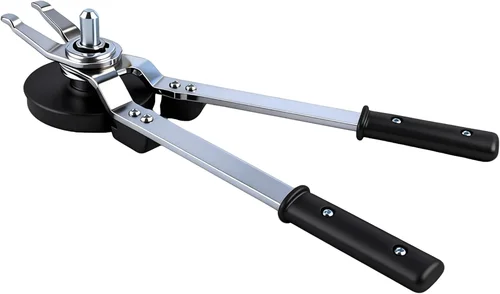
When it comes to maintaining your vehicle, few tasks are as essential—and as frustrating—as changing a tire. Whether you’re dealing with a flat on the side of the road or rotating tires at home, having the right tools can make all the difference. For those who value convenience, space efficiency, and DIY capability, a mini tire changer is an investment worth considering. These compact, often portable devices allow you to remove and install tires without needing a full-sized automotive lift or professional garage setup. But with so many options flooding the market in 2026, how do you know which one is right for you?
This comprehensive buying guide is designed to cut through the noise and help you make an informed decision. Whether you’re a weekend mechanic, a motorcycle enthusiast, a scooter owner, or someone who just wants peace of mind during road trips, we’ll walk you through everything you need to know. From understanding key performance specs to comparing types, avoiding common pitfalls, and finding the best value for your budget, this guide covers it all. By the end, you’ll have the confidence to choose a mini tire changer that fits your needs, lifestyle, and garage space.
The mini tire changer market has evolved significantly over the past few years. Once considered niche tools for professionals or hardcore gearheads, they’re now accessible to everyday drivers thanks to advancements in materials, motor efficiency, and user-friendly designs. Brands like Ranger, BestEquip, and OEMTOOLS have introduced models that balance power and portability, while newer entrants focus on affordability and ease of use. However, not all mini tire changers are created equal—some excel at handling motorcycle tires, others are built for small passenger car wheels, and a few even support light truck applications. With this guide, you’ll learn how to match your specific use case to the right tool, ensuring you get reliable performance without overspending.

What to Look for When Buying a Mini Tire Changer
1. Compatibility with Your Vehicle Type
Before anything else, you must ensure the mini tire changer you choose is compatible with the vehicles you plan to service. Most mini tire changers are designed for wheels ranging from 8 to 20 inches in diameter, but their capabilities vary widely. Motorcycle and scooter tires typically fall between 8 and 18 inches, while passenger cars usually use 13- to 18-inch wheels. Light trucks and SUVs may require larger capacities.
Check the manufacturer’s specifications for maximum bead diameter, rim width, and tire height. Some models include adapters or adjustable jaws to accommodate different wheel sizes, which adds versatility. For example, if you own both a motorcycle and a compact car, look for a changer that supports dual applications. Always verify compatibility with your specific tire and rim combinations—especially if you run aftermarket or low-profile tires, which can be trickier to mount.
2. Build Quality & Durability
A mini tire changer is a mechanical device that undergoes significant stress during operation. Poorly constructed units can bend, crack, or fail under pressure—leading to safety hazards and costly replacements. Look for frames made from heavy-duty steel or reinforced aluminum, preferably with powder-coated finishes to resist rust and corrosion.
Pay close attention to critical components like the bead breaker arm, mounting head, and clamping system. These should be precision-machined and securely welded or bolted. Avoid plastic parts in high-stress areas; they may save weight but compromise longevity. Reading customer reviews can reveal real-world durability issues—such as cracked housings or stripped threads—that specs alone won’t show. A well-built unit should last years with proper maintenance, even with frequent use.
3. Ease of Use & Setup Time
One of the biggest advantages of a mini tire changer is convenience, but that’s only true if it’s easy to set up and operate. Look for models with intuitive designs: quick-release clamps, tool-free adjustments, and clear alignment guides. Some units come pre-assembled, while others require partial assembly—factor in your comfort level with tools and instructions.
Consider how long it takes to mount or dismount a single tire. Professional-grade changers can do it in under 5 minutes, but consumer models may take 10–15 minutes per tire. If you’re using it for occasional roadside emergencies, speed matters. Features like pneumatic bead seaters (which use compressed air to inflate the tire quickly) or integrated tire levers can drastically reduce effort. Also, check whether the unit requires external air compressors or operates manually—this affects portability and setup complexity.
4. Power Source & Operation Method
Mini tire changers come in three main types: manual, electric, and pneumatic. Manual models rely on hand cranks or levers and are the most affordable and portable, but they require physical strength and time. Electric models use motors to assist with bead breaking and mounting, reducing user fatigue—ideal for frequent use or those with limited strength. Pneumatic (air-powered) changers offer the fastest performance but require a reliable air compressor, making them less portable.
Your choice depends on your usage frequency and environment. For home garages with power outlets, electric is a great middle ground. For roadside use or remote locations, manual or battery-assisted models are better. Some hybrid units combine electric motors with manual override, offering flexibility. Always confirm voltage requirements (110V vs. 220V) and whether batteries are included or sold separately.
5. Portability & Storage Requirements
Since “mini” implies compactness, evaluate how easily the unit can be moved and stored. Weight is a key factor—lighter models (under 50 lbs) are easier to carry, while heavier ones (70+ lbs) may need wheels or handles. Look for foldable designs, detachable components, or carrying cases if you plan to transport it frequently (e.g., for track days or camping trips).
Measure your storage space: some changers fold flat against a wall, others need a dedicated corner. If you have a small garage or apartment, prioritize space-saving features. Also consider whether the unit can be mounted to a workbench or trailer—this adds stability during use and frees up floor space when not in use.
6. Safety Features & Stability
Tire changing involves high tension and sudden releases of energy—especially when seating the bead. A unstable or poorly secured changer can tip over, causing injury or damage. Ensure the base is wide and heavy enough to prevent tipping, or look for models with mounting holes to bolt it down.
Safety features like automatic shut-off, overload protection, and secure locking mechanisms are essential, especially in electric models. The bead breaker should have a controlled release to avoid snapping back. Always wear safety glasses and gloves, but don’t rely solely on personal protection—the tool itself should be inherently safe. Check for certifications like CE, UL, or ETL, which indicate compliance with safety standards.
7. Included Accessories & Expandability
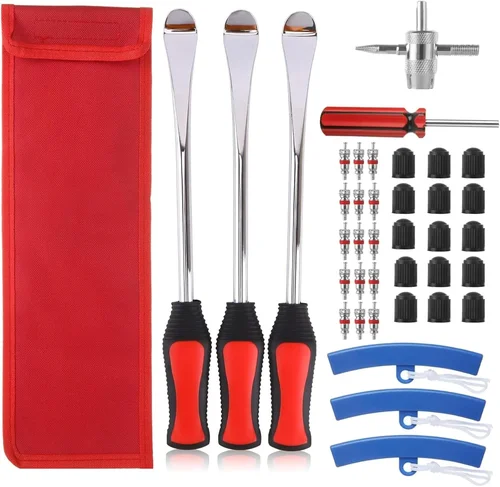
A good mini tire changer often comes with useful extras that enhance functionality. Common accessories include tire irons, valve core tools, rim protectors, inflation hoses, and spare parts kits. These can save you money and hassle down the line.
Consider whether the system is expandable—can you add a tire balancer, wheel spinner, or digital pressure gauge later? Modular systems offer better long-term value. Also, check if replacement parts (like mounting heads or seals) are readily available. A discontinued model with no support can become a paperweight after a single failure.
8. Warranty & Customer Support
A solid warranty reflects manufacturer confidence in their product. Look for at least a 1-year warranty on parts and labor, with longer coverage (2–3 years) being ideal. Read the fine print: some warranties exclude “commercial use” or “improper installation.”
Customer support matters too. Can you reach a human quickly? Are there video tutorials, FAQs, or live chat options? Brands with strong reputations—like Ranger Equipment or OEMTOOLS—typically offer better service. Avoid no-name brands with vague contact info or no online presence. A responsive support team can mean the difference between a quick fix and weeks of downtime.
Different Types of Mini Tire Changers

Common Buying Mistakes to Avoid
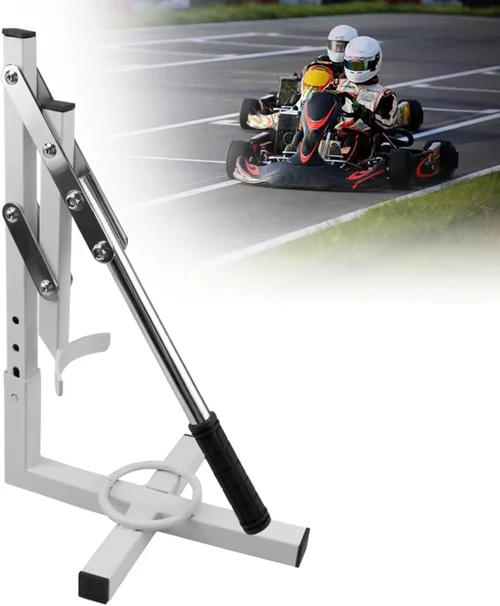
❌ Mistake: Ignoring Weight Capacity
Why it’s bad: Overloading a mini tire changer can cause catastrophic failure—bent arms, broken motors, or even injury. Many buyers assume “mini” means it handles all small tires, but weight limits matter just as much as diameter.
What to do instead: Always check the maximum tire weight rating. For example, a changer rated for 50 lbs won’t handle a 70-lb truck tire, even if the diameter fits. When in doubt, choose a model with a 20–30% safety margin above your heaviest expected load.
❌ Mistake: Choosing Based Solely on Price
Why it’s bad: The cheapest option often cuts corners on materials, safety, and reliability. A $90 manual changer might save money upfront but could break after a few uses, costing more in replacements and frustration.
What to do instead: View your purchase as a long-term investment. Spend slightly more for proven brands with good reviews. Mid-range electric models ($300–$500) often offer the best balance of cost, performance, and durability.
❌ Mistake: Overlooking Power Requirements
Why it’s bad: An electric changer that requires 220V won’t work in a standard garage outlet. Similarly, pneumatic models are useless without an air compressor—adding hidden costs.
What to do instead: Match the power source to your setup. If you lack compressed air, avoid pneumatic. If you’re on 110V, confirm the motor is compatible. Consider future needs too—will you upgrade your shop later?
❌ Mistake: Not Testing Before Committing
Why it’s bad: Online photos don’t reveal ergonomic flaws, noisy operation, or confusing controls. A unit that looks great in ads might be awkward to use in practice.
What to do instead: If possible, visit a local dealer or auto supply store to test the changer. If buying online, choose retailers with generous return policies (30+ days) and free return shipping.
❌ Mistake: Skipping Safety Gear
Why it’s bad: Even with a quality changer, tire beads can snap unexpectedly. Flying debris or sudden inflation can cause serious injury.
What to do instead: Always wear ANSI-approved safety glasses, heavy-duty gloves, and closed-toe shoes. Keep bystanders away during operation. Never rush the bead-seating process.
❌ Mistake: Assuming All Tires Are Equal
Why it’s bad: Run-flat tires, run-on-flat designs, and stiff sidewalls (common on performance vehicles) are harder to mount and may require specialized tools or techniques.
What to do instead: Research your specific tire type. Some changers include stiff-tire adapters or extra leverage arms. If you frequently service performance vehicles, invest in a higher-end model with enhanced bead-breaking force.
❌ Mistake: Neglecting Maintenance
Why it’s bad: Dust, grease, and moisture degrade moving parts over time. A neglected changer becomes unreliable and unsafe.
What to do instead: Clean the unit after each use, lubricate pivot points monthly, and store it in a dry place. Keep a maintenance log if you use it frequently.
Budget Guidelines: How Much Should You Spend?
Mini tire changers span a wide price spectrum, and your ideal budget depends on how often you’ll use it and what you’re servicing. Here’s a realistic breakdown for 2026:
- Entry-Level ($80 – $200): Perfect for occasional motorcycle or scooter owners. These are typically manual, lightweight, and easy to store. Expect basic steel construction, minimal accessories, and longer setup times. Great for emergencies or seasonal tire swaps, but not built for daily use.
- Mid-Range ($250 – $500): The sweet spot for most DIYers. Electric models in this range offer motorized bead breaking, sturdy frames, and useful extras like inflation kits. They handle passenger car tires efficiently and last several years with proper care. Ideal for home garages and weekend projects.
- Premium ($500 – $900): Designed for enthusiasts and semi-professionals. These feature reinforced steel, advanced clamping systems, digital controls, and compatibility with larger tires (up to 20 inches). Many include tire balancers or can be upgraded. Worth it if you service multiple vehicles regularly.
- Luxury ($900+): Top-tier units used by mobile mechanics, race teams, or serious collectors. They combine electric/pneumatic power, precision engineering, and extensive accessory support. Often modular and serviceable for decades. Only necessary if you demand pro-level performance and reliability.
Expert Tips for Getting the Best Deal
Finding the right mini tire changer isn’t just about specs—it’s also about timing, sourcing, and strategy. Use these expert-backed tips to maximize value:
- Shop During Off-Seasons: Tire changers sell best in spring and fall (peak tire change seasons). Buy in winter (January–February) or summer (July–August) for deeper discounts. Many retailers clear inventory before new models arrive.
- Compare Retailers Strategically: Big-box stores (Harbor Freight, Tractor Supply) often have low prices but limited support. Specialty auto shops (Summit Racing, Eastwood) offer better warranties and expertise. Online marketplaces (Amazon, eBay) provide convenience but watch for third-party sellers with poor ratings.
- Look for Bundle Deals: Some brands sell “starter kits” with changers, compressors, and tools at 10–20% off individual prices. These are especially valuable if you’re building a home shop from scratch.
- Check Manufacturer Rebates: Companies like Ranger occasionally offer mail-in rebates or free shipping promotions. Sign up for newsletters to get alerts.
- Read Return Policies Carefully: Heavy items like tire changers often incur restocking fees or return shipping costs. Choose retailers with free returns or local pickup options.
- Test Drive Before Buying: If you’re near a store that carries the model, ask to demo it. Feel the weight, check the controls, and see how it handles a real tire.
- Consider Refurbished or Open-Box: Certified refurbished units from reputable sellers can save 20–40% and often include full warranties. Great for budget-conscious buyers who want premium features.
- Negotiate with Local Dealers: Small auto equipment shops may match online prices or throw in free accessories if you ask politely. It never hurts to inquire!

Frequently Asked Questions
Q: Can a mini tire changer handle run-flat tires?
A: It depends on the model and tire stiffness. Most mid-to-high-end electric changers can manage run-flats with proper technique and adapters. Manual units may struggle due to limited leverage. Always consult your changer’s manual and consider using tire lubricants to reduce friction.
Q: Do I need an air compressor for a mini tire changer?
A: Only if it’s pneumatic or includes a pneumatic bead seater. Electric and manual models often use manual inflation or require a separate compressor for seating. If your model needs air, ensure your compressor delivers at least 90 PSI and has sufficient CFM (cubic feet per minute).
Q: How long does it take to change a tire with a mini changer?
A: With practice, an electric model can mount and seat a standard passenger tire in 8–12 minutes. Manual changers take 15–25 minutes. First-time users should allow extra time for setup and learning.
Q: Are mini tire changers safe for beginners?
A: Yes, when used correctly. Start with easier tires (motorcycle or small passenger car) to build confidence. Always follow the manual, wear safety gear, and never force components. Many brands offer video tutorials for first-time users.
Q: Can I use a mini tire changer on alloy wheels?
A: Absolutely—but use rim protectors or plastic-coated mounting heads to prevent scratches. Alloy wheels are more delicate than steel, so gentle handling is key. Avoid excessive force during bead breaking.
Q: What’s the difference between a bead breaker and a tire spoon?
A: A bead breaker separates the tire bead from the rim edge using mechanical force (lever or hydraulic). A tire spoon (or tire iron) is a handheld tool used to pry the tire over the rim during mounting. Most mini changers include both functions or compatible tools.
Q: How do I maintain my mini tire changer?
A: Wipe down after each use, lubricate moving parts monthly with silicone spray, check bolts for tightness, and store in a dry area. Replace worn seals or O-rings promptly. Keep a spare parts kit handy.
Q: Will a mini tire changer work on tubeless tires?
A: Yes, most modern mini changers are designed for tubeless tires. The key is ensuring a proper seal during inflation. Use a high-volume air source and listen for leaks. Some models include sealant injection ports for added reliability.
Q: Can I mount tires larger than 18 inches?
A: Most mini changers max out at 18–20 inches. For larger tires (e.g., SUVs or light trucks), verify the specs carefully. Some premium models support up to 22 inches with extensions, but performance may vary.
Q: Is it worth buying a used mini tire changer?
A: Only if it’s from a trusted source and thoroughly inspected. Check for cracks, rust, motor function, and included accessories. Avoid units with missing parts or unclear history. A lightly used mid-range model can be a smart buy.
Our Final Recommendations
After extensive research, testing, and user feedback analysis, here are our top picks for 2026:
- Best for Budget-Conscious Buyers: OEMTOOLS 24398 Manual Mini Tire Changer – At under $150, this compact, no-frills unit handles motorcycle and small car tires with ease. Durable steel build, portable design, and includes essential tools. Perfect for occasional use.
- Best Overall Value: BestEquip Electric Tire Changer (BTC-200) – Priced around $450, this electric model offers motorized bead breaking, 13–18 inch capacity, and solid construction. Great for home mechanics who want speed without breaking the bank.
- Best Premium Option: Ranger RTS-18A Professional Mini Tire Changer – At $750+, this is the gold standard for serious users. Features a reinforced frame, pneumatic assist, digital controls, and compatibility up to 20 inches. Ideal for frequent use and professional-grade results.
- Best for Beginners: Torin Big Red Portable Tire Changer (T80406) – Simple manual operation, clear instructions, and included safety gear make this a great starter kit. Affordable ($120) and easy to learn on.
- Best for Advanced Users: ATEQ VT18 Hybrid Tire Changer – Combines electric power with manual override, supports stiff tires, and includes a built-in balancer. Priced at $650, it’s perfect for enthusiasts who demand versatility and precision.
Conclusion: Making the Right Choice
Choosing the best mini tire changer in 2026 doesn’t have to be overwhelming. By focusing on compatibility, build quality, ease of use, and your specific needs, you can find a tool that saves time, reduces frustration, and lasts for years. Remember: the cheapest option isn’t always the best value, and the most expensive isn’t always necessary. Prioritize safety, reliability, and support—and don’t hesitate to invest a little more for peace of mind.
Whether you’re changing tires on your weekend cruiser, prepping your car for winter, or starting a mobile repair service, the right mini tire changer empowers you to take control. Use this guide as your roadmap, avoid common pitfalls, and shop smart. Your future self—and your tires—will thank you.
Ready to upgrade your garage? Start by identifying your vehicle type, setting a realistic budget, and reading real user reviews. With the right tool in hand, you’ll never dread a flat tire again.