
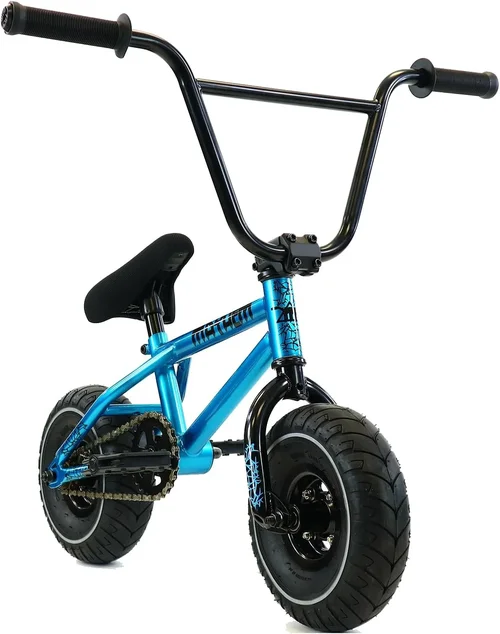
Mini bikes have evolved dramatically over the past decade, transforming from simple backyard toys into serious machines capable of thrilling off-road adventures, daily commuting, and even competitive racing. Whether you’re a parent looking for a safe first ride for your child, an adult seeking a compact and eco-friendly urban transport solution, or an off-road enthusiast craving high-octane fun on tight trails, the modern mini bike market offers something for everyone. With advancements in electric motor technology, battery efficiency, frame engineering, and safety features, today’s mini bikes are more powerful, reliable, and accessible than ever before. This comprehensive buying guide is designed to cut through the noise and help you make an informed decision—no matter your experience level, budget, or intended use.
In this guide, you’ll learn how to evaluate mini bikes based on critical factors like performance, build quality, safety, and value for money. We’ll walk you through the different types of mini bikes available—gas-powered, electric, youth models, adult-sized machines, and even street-legal variants—so you can match your needs to the right category. You’ll also discover common pitfalls to avoid, smart budgeting strategies, expert shopping tips, and real-world insights from riders who’ve tested these machines in various conditions. By the end, you’ll have a clear roadmap to finding the best mini bike for your lifestyle, whether you’re cruising city streets, tackling dirt trails, or simply enjoying weekend fun with family and friends. The mini bike market in 2026 is diverse, dynamic, and full of innovation—and this guide ensures you won’t get left behind.

What to Look for When Buying Mini Bikes
1. Budget & Price Range
Your budget is the foundation of any mini bike purchase. Prices can range from under $300 for basic youth models to over $3,000 for high-performance electric or gas-powered adult machines. Setting a realistic budget upfront helps narrow your options and prevents overspending on features you don’t need. Entry-level mini bikes are ideal for beginners or casual riders, while mid-range models offer better components, improved suspension, and longer battery life. Premium bikes come with advanced electronics, higher top speeds, and rugged construction suitable for serious off-roading. Remember: the cheapest option isn’t always the best long-term investment. A poorly built mini bike may require frequent repairs or fail prematurely, costing you more in the long run. Always factor in potential maintenance, replacement parts, and safety gear when calculating your total cost of ownership.
2. Performance Specifications
Performance is where mini bikes truly differentiate themselves. Key specs to evaluate include engine displacement (for gas models), motor power (for electric models), top speed, torque, acceleration, and range. Gas-powered mini bikes typically offer higher top speeds—some exceeding 50 mph—and longer run times without recharging, making them ideal for extended trail rides. Electric models, on the other hand, deliver instant torque, quiet operation, and zero emissions, which is perfect for urban environments or noise-sensitive areas. Battery capacity (measured in watt-hours or amp-hours) directly impacts how long you can ride before needing a recharge. For example, a 48V 20Ah battery provides roughly 960 watt-hours of energy, translating to 20–30 miles of range depending on terrain and rider weight. Always check the manufacturer’s claimed range under real-world conditions, as lab tests often overestimate performance. Additionally, consider hill-climbing ability—measured in degrees or percentage grade—especially if you plan to ride on inclines.
3. Build Quality & Durability
A mini bike’s build quality determines how well it withstands wear and tear over time. Look for frames made from high-tensile steel or aluminum alloys, which offer strength without excessive weight. Welded joints should be clean and reinforced, especially around stress points like the swingarm and footpeg mounts. Suspension systems—both front forks and rear shocks—should be adjustable and capable of absorbing impacts from rough terrain. Tires matter too: knobby off-road tires provide grip on dirt and gravel, while street-oriented treads are better for pavement. Check the quality of controls: throttle response should be smooth, brakes must be responsive (disc brakes are superior to drum), and handlebars should feel solid and ergonomic. Avoid bikes with flimsy plastics, loose bolts, or poorly aligned components—these are red flags for poor manufacturing. A well-built mini bike should feel stable at speed and inspire confidence during aggressive riding.
4. Features & Functionality
Modern mini bikes come packed with features that enhance safety, convenience, and ride quality. Essential features include LED lighting (headlight, taillight, turn signals), especially if you plan to ride at night or in low visibility. A digital dashboard or LCD display shows speed, battery level, trip distance, and sometimes even GPS tracking or ride modes. Regenerative braking—common in electric models—recovers energy during deceleration, extending range. Some high-end bikes offer Bluetooth connectivity, allowing you to monitor performance via a smartphone app. For youth models, look for adjustable speed limiters, parental controls, and automatic shutoff features. Kickstands, storage compartments, and foldable designs add practicality for commuting or transport. While extra features can be tempting, prioritize those that align with your actual usage. A mini bike with a built-in Bluetooth speaker might sound fun, but it’s unnecessary if you’re using it for serious trail riding.
5. Brand Reputation
Not all mini bike brands are created equal. Established manufacturers like Razor, Coleman, Honda, and specialized electric brands like Segway-Ninebot and Super73 have built reputations for reliability, customer service, and innovation. Research brand history: how long have they been in business? Do they specialize in mini bikes or are they a general outdoor gear company? Read customer testimonials and third-party reviews to gauge consistency in product quality. Brands with strong reputations often invest more in R&D, use higher-grade materials, and stand behind their products with better warranties. Avoid unknown or generic brands sold exclusively through online marketplaces—these often lack quality control and post-purchase support. A reputable brand may cost slightly more upfront, but the peace of mind and long-term reliability are worth it.
6. Warranty & Support
A solid warranty is a strong indicator of a manufacturer’s confidence in their product. Most reputable mini bike brands offer at least a one-year limited warranty covering defects in materials and workmanship. Premium models may include two- or three-year coverage, especially on critical components like motors and batteries. Pay attention to what’s included: does the warranty cover the battery (a common failure point in electric models)? Is labor covered, or only parts? Also, check the availability of customer support—can you reach a real person by phone or email? Are replacement parts readily available? Some brands have extensive dealer networks, while others rely solely on online support. A good warranty combined with responsive customer service can save you hundreds in repair costs and downtime. Always read the fine print and register your purchase to activate coverage.
7. Size & Portability
Mini bikes live up to their name by being compact, but size still varies significantly. Youth models are typically under 4 feet long and weigh less than 50 pounds, making them easy for kids to handle and store. Adult-sized mini bikes can be 5–6 feet long and weigh 100–200 pounds, requiring more space and strength to maneuver. Portability matters if you plan to transport your bike in a car, RV, or trailer. Look for foldable handlebars, removable batteries, or lightweight frames if you need to load and unload frequently. Wheel size also affects stability and ride comfort: 10–12 inch wheels are common on smaller models, while 14–16 inch wheels offer better ground clearance and smoother rides over bumps. Consider your storage space at home—can you fit the bike in a garage, shed, or apartment closet? A bike that’s too large or heavy may end up unused simply because it’s inconvenient to access.
8. User Reviews & Ratings
User reviews provide unfiltered insights into real-world performance, reliability, and customer satisfaction. Platforms like Amazon, Best Buy, and specialized forums (such as MiniBikeTalk or ElectricScooterInsider) are excellent sources. Look for patterns in feedback: do multiple users report the same issue, like battery degradation or brake failure? Are there consistent praises for comfort or ease of assembly? Be wary of reviews that seem overly promotional or lack detail—these may be fake. Instead, focus on verified purchases with photos or videos. Pay attention to long-term reviews (6+ months of use), as they reveal durability and maintenance needs. A bike with a 4.5-star average from hundreds of reviews is generally a safer bet than one with a perfect 5-star rating from just a handful of users. Reviews also help you understand how a bike performs in specific conditions—like wet weather, steep hills, or daily commuting.
Different Types of Mini Bikes
Common Buying Mistakes to Avoid
❌ Mistake: Prioritizing Price Over Quality
Why it’s bad: Choosing the cheapest mini bike often leads to disappointment. Low-cost models frequently use subpar materials, weak motors, and poor-quality controls that fail quickly. You may end up spending more on repairs or replacements than if you’d bought a better bike initially.
What to do instead: Focus on value, not just price. Look for bikes with solid reviews, reputable brands, and essential features that match your needs. A mid-range bike with a good warranty often offers the best long-term value.
❌ Mistake: Ignoring Safety Features
Why it’s bad: Mini bikes can reach high speeds, and without proper safety features, accidents can result in serious injury. Missing lights, weak brakes, or lack of protective gear increases risk significantly.
What to do instead: Always choose bikes with reliable disc brakes, LED lighting, and sturdy frames. For youth models, ensure speed limiters and parental controls are included. Never ride without a helmet, gloves, and protective clothing.
❌ Mistake: Overlooking Maintenance Requirements
Why it’s bad: Gas-powered mini bikes require regular oil changes, air filter cleaning, and carburetor tuning. Electric models need battery care and firmware updates. Ignoring maintenance leads to breakdowns and reduced lifespan.
What to do instead: Research the maintenance schedule before buying. Choose electric models if you prefer low upkeep, or ensure you have access to service centers for gas bikes. Keep a maintenance log and follow manufacturer guidelines.
❌ Mistake: Buying the Wrong Size
Why it’s bad: A bike too small or too large for the rider is uncomfortable, hard to control, and potentially dangerous. Youths on adult bikes may struggle with reach and weight, while adults on kids’ models risk instability.
What to do instead: Match the bike to the rider’s age, height, and weight. Check manufacturer sizing charts and, if possible, test ride before purchasing. Adjustable seats and handlebars help accommodate growth or different riders.
❌ Mistake: Skipping the Test Ride
Why it’s bad: Photos and specs don’t reveal how a bike feels in motion. A bike may look great online but feel jerky, unbalanced, or uncomfortable when ridden.
What to do instead: Whenever possible, test ride the bike. Visit local dealers, attend demo events, or buy from retailers with generous return policies. Pay attention to throttle response, braking, and overall comfort.
❌ Mistake: Not Checking Local Laws
Why it’s bad: In many areas, mini bikes are not street-legal without proper registration, insurance, and safety equipment. Riding illegally can result in fines, impoundment, or accidents due to lack of visibility.
What to do instead: Research local regulations before buying. Some states allow mini bikes on private property only, while others permit street use with DOT-approved lights, mirrors, and license plates. Choose a street-legal model if you plan to ride on public roads.
❌ Mistake: Ignoring Battery Life (Electric Models)
Why it’s bad: Electric mini bikes with small batteries offer limited range, requiring frequent recharging. This can be frustrating for daily commuters or long trail riders.
What to do instead: Check the battery’s watt-hour rating and real-world range. Opt for models with removable batteries so you can carry a spare. Consider upgrading to a higher-capacity battery if supported.
Budget Guidelines: How Much Should You Spend?
Entry-Level ($200 – $600): This tier includes basic youth mini bikes and entry-level electric models. Expect simple designs, lower top speeds (10–15 mph), and limited features. These are ideal for young riders or casual use in backyards or parks. Brands like Razor and Coleman dominate this space. While affordable, these bikes may lack durability and advanced safety features, so they’re best for supervised, low-intensity riding.
Mid-Range ($600 – $1,500): This is the sweet spot for most buyers. Mid-range mini bikes offer better build quality, improved suspension, stronger motors, and more features like LED lights and digital displays. Electric models in this range often provide 20–30 miles of range, while gas-powered versions deliver reliable performance for trail riding. Brands like Segway, Super73, and TrailMaster offer excellent options here. These bikes balance cost, performance, and longevity, making them ideal for daily use, commuting, or family fun.
Premium ($1,500 – $3,000): Premium mini bikes are built for enthusiasts and serious riders. They feature high-performance motors (up to 3,000W), advanced suspension systems, lightweight aluminum frames, and smart technology like app connectivity and regenerative braking. These bikes can reach speeds of 30–45 mph and are suitable for off-road adventures, long commutes, or weekend racing. Expect top-tier components, excellent warranties, and strong customer support. Models from brands like Cake, Sur Ron, and KTM are popular in this category.
Luxury ($3,000+): At the top end, you’ll find cutting-edge mini bikes designed for professionals, collectors, or extreme performance seekers. These machines often use aerospace-grade materials, custom tuning, and proprietary software. Some are street-legal with full lighting, mirrors, and registration kits. Others are built for competition, with race-tuned engines and suspension. While expensive, these bikes represent the pinnacle of mini bike engineering and are built to last for years with proper care.
Expert Tips for Getting the Best Deal
1. Buy During Off-Season Sales: Mini bikes are most popular in spring and summer. Retailers often offer discounts in fall and winter to clear inventory. Black Friday, Cyber Monday, and post-holiday sales are prime times to find deals of 20–30% off.
2. Compare Online and In-Store Prices: Online retailers like Amazon, RevZilla, and BikeBerry often have lower prices and wider selections than local shops. However, in-store purchases let you inspect the bike and sometimes negotiate. Use price-matching policies when available.
3. Look for Bundled Deals: Some sellers offer packages that include helmets, locks, batteries, or maintenance kits. These can save you money compared to buying items separately. Always calculate the total value to ensure it’s a real deal.
4. Check Manufacturer Rebates and Promotions: Brands occasionally run rebate programs, especially for new models. Sign up for newsletters to get early access to promotions and exclusive discounts.
5. Consider Refurbished or Open-Box Models: Certified refurbished mini bikes from reputable sellers often come with warranties and sell for 20–40% less than new. These are inspected, repaired, and tested to meet original standards.
6. Read Return and Exchange Policies: Make sure the seller offers a reasonable return window (at least 30 days) and covers return shipping for defective items. This protects you if the bike doesn’t meet expectations.
7. Test Before You Buy: If possible, attend demo days, visit dealerships, or borrow from friends. A test ride reveals handling, comfort, and performance in ways specs alone cannot.
8. Join Online Communities: Forums and social media groups dedicated to mini bikes often share exclusive discount codes, group buys, and insider tips. Members may also sell used bikes in excellent condition at fair prices.
Frequently Asked Questions
Q: Are mini bikes safe for kids?
A: Yes, when used appropriately. Youth mini bikes are designed with lower speeds, lightweight frames, and safety features like speed limiters and automatic shutoffs. Always supervise young riders, enforce helmet use, and choose age-appropriate models. Avoid letting children ride on public roads or steep terrain.
Q: Can I ride a mini bike on the street?
A: It depends on local laws. In many U.S. states, mini bikes are classified as off-road vehicles and cannot be ridden on public roads unless they are street-legal (DOT-approved with lights, mirrors, and registration). Check your state’s Department of Motor Vehicles (DMV) for specific regulations.
Q: How long do electric mini bike batteries last?
A: Most lithium-ion batteries last 500–1,000 charge cycles, which translates to 2–5 years of regular use. Battery life depends on usage patterns, charging habits, and climate. Avoid fully draining the battery and store it at 50% charge if not used for long periods.
Q: Do I need a license to ride a mini bike?
A: For off-road use on private property, no license is typically required. However, if the bike is street-legal and registered, you may need a motorcycle license or learner’s permit, depending on your state. Always verify local requirements.
Q: How fast can mini bikes go?
A: Speeds vary widely. Youth models max out at 10–15 mph, while adult electric bikes can reach 20–35 mph. High-performance gas models may exceed 50 mph. Always ride within safe limits for your skill level and environment.
Q: What’s the difference between a mini bike and a dirt bike?
A: Mini bikes are smaller, lighter, and often have lower power output than full-sized dirt bikes. They’re designed for casual riding, commuting, or youth use, while dirt bikes are built for serious off-road performance and competition.
Q: Can adults ride youth mini bikes?
A: Generally, no. Youth bikes are not designed to support adult weight and may lack the power, stability, and safety features needed. Choose an adult-sized model with appropriate weight capacity and performance.
Q: How do I maintain my mini bike?
A: Regular maintenance includes checking tire pressure, tightening bolts, cleaning air filters (gas models), charging batteries properly (electric models), and inspecting brakes and suspension. Follow the manufacturer’s maintenance schedule and keep a log.
Q: Are mini bikes environmentally friendly?
A: Electric mini bikes produce zero emissions during operation and are far more eco-friendly than gas-powered vehicles. Gas models emit pollutants and require fossil fuels, though they may be more efficient than cars for short trips.
Q: Where can I buy replacement parts?
A: Most reputable brands sell parts directly through their websites or authorized dealers. Online marketplaces like Amazon and eBay also carry common components. For rare or discontinued models, specialty forums and salvage yards may be helpful.
Our Final Recommendations
Best for Budget-Conscious Buyers: Razor MX350 Dirt Rocket – At under $400, this electric mini bike offers reliable performance, a 14-inch knobby tire, and a top speed of 14 mph. Perfect for kids and teens, it’s lightweight, easy to assemble, and backed by Razor’s strong reputation.
Best Overall Value: Segway Ninebot E22 – Priced around $1,200, this electric mini bike delivers 22 miles of range, a 20 mph top speed, and a sleek, foldable design. Ideal for urban commuting, it features LED lights, a digital display, and app connectivity.
Best Premium Option: Sur Ron Light Bee X – At $4,500, this high-performance electric mini bike rivals full-sized dirt bikes. With a 4,000W motor, 60+ mph top speed, and long-range battery, it’s built for serious off-road adventures and trail riding.
Best for Beginners: Coleman CT200U-EX – This gas-powered mini bike ($650) is simple to operate, durable, and great for learning basic riding skills. Its low center of gravity and reliable engine make it a favorite among first-time riders.
Best for Advanced Users: KTM Freeride E-XC – A premium electric mini bike ($5,000+) designed for experienced riders. It features advanced suspension, regenerative braking, and race-ready performance, making it ideal for competitive trail riding and technical terrain.
Conclusion: Making the Right Choice
Choosing the best mini bike in 2026 comes down to understanding your needs, setting a realistic budget, and doing thorough research. Whether you’re buying for fun, fitness, or function, the right mini bike can deliver years of enjoyment, convenience, and adventure. Prioritize safety, build quality, and performance over flashy features or low prices. Take advantage of expert tips, read real user reviews, and don’t rush the decision. Remember, the best mini bike isn’t necessarily the fastest or most expensive—it’s the one that fits your lifestyle, matches your skill level, and inspires you to ride. With the insights from this guide, you’re now equipped to make a confident, informed purchase. So gear up, hit the trails or streets, and enjoy the ride!