
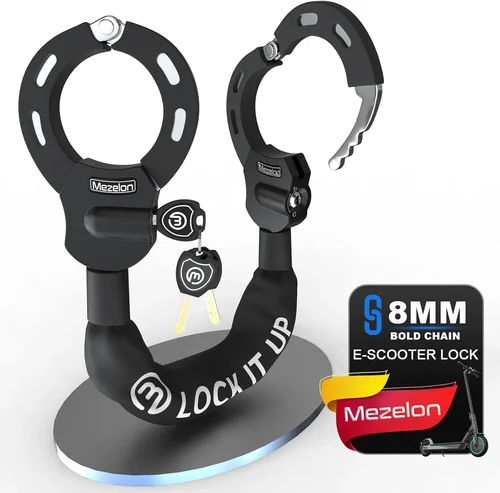
Scooters—whether electric or manual—have become a go-to mode of urban transportation for millions. They’re fast, efficient, eco-friendly, and perfect for short commutes or weekend joyrides. But with that convenience comes a major concern: theft. A high-quality scooter lock isn’t just an accessory—it’s essential security equipment. Without it, your investment could vanish in seconds, leaving you stranded and out hundreds (or even thousands) of dollars.
That’s why we created this comprehensive buying guide. Whether you’re a daily commuter, a weekend rider, or someone who just wants peace of mind when parking at the coffee shop, this guide will walk you through everything you need to know before buying a scooter lock in 2026. We’ll cover critical factors like build quality, locking mechanisms, portability, and real-world effectiveness. You’ll also learn about different types of locks, common pitfalls to avoid, budget considerations, and expert-backed tips to help you make a smart, informed decision.
The market for scooter locks has evolved rapidly. Gone are the days when a flimsy cable lock was your only option. Today, you’ll find smart U-locks with Bluetooth connectivity, heavy-duty chains with hardened steel links, and even GPS-enabled anti-theft systems. Brands like Kryptonite, Abus, OnGuard, and newer innovators like Litelok and Skunk Lock are pushing the boundaries of what a scooter lock can do. With so many choices, it’s easy to feel overwhelmed—but by the end of this guide, you’ll know exactly what to look for and which lock best fits your lifestyle, budget, and security needs.
—

What to Look for When Buying a Scooter Lock
1. Security Rating & Anti-Theft Certification
When it comes to scooter locks, not all security is created equal. One of the most important things to check is whether the lock has been independently tested and rated by recognized organizations. The two most trusted certifications are Sold Secure and ART (Netherlands-based). These organizations subject locks to rigorous attack simulations—using bolt cutters, angle grinders, lock picks, and leverage tools—to determine their resistance level.
Look for locks rated Sold Secure Bronze, Silver, or Gold (with Gold being the highest). For example, a Sold Secure Gold-rated U-lock like the Kryptonite New York Fahgettaboudit Mini offers exceptional protection against both opportunistic and determined thieves. In contrast, many budget cable locks carry no certification at all and can be cut with basic tools in under 10 seconds.
Why does this matter? Because a lock’s rating directly correlates with how long it will take a thief to break it. The longer it takes, the less likely they are to succeed—most thieves prefer quick, low-risk targets. A certified lock acts as both a physical and psychological deterrent.
2. Build Quality & Material Strength
The materials used in a lock determine its durability and resistance to attack. High-end locks typically feature hardened steel shackles (the curved part that goes around your scooter and anchor point), with diameters of 14mm or more. Thicker shackles are harder to cut or pry open. For example, the Abus Granit X-Plus 540 uses a 13mm hardened steel shackle and is known for its resilience against bolt cutters and leverage attacks.
Avoid locks made from soft metals or thin-gauge steel—they may look sturdy but can be compromised with minimal effort. Also, pay attention to the lock body (the mechanism housing). Look for reinforced, weather-resistant casings that protect internal components from tampering and environmental damage.
Another key detail: the finish. Powder-coated or zinc-plated surfaces resist rust and corrosion, which is crucial if you ride in rainy or humid climates. A lock that seizes up after a few months due to moisture exposure defeats its entire purpose.
3. Locking Mechanism & Key Design
The type of lock mechanism plays a huge role in both security and convenience. The most common types are:
– Double-bolt locking: The shackle locks on both sides, making it harder to pry open.
– Disc detainer: Found in high-security locks like Kryptonite’s Evolution series, these are extremely pick-resistant.
– Pin tumbler: Common in lower-cost locks, easier to pick but still effective when combined with other security features.
Key design is equally important. Look for keys with unique, non-duplicable profiles (some brands use patented key systems). Avoid locks that come with generic keys you can easily copy at any hardware store. High-end models often include 3–5 keys, with one or more being a “key code card” that allows you to order replacements directly from the manufacturer—critical if you lose your keys.
Also consider whether the lock uses a traditional key or a combination. While combo locks eliminate the risk of losing keys, they’re generally less secure and can be vulnerable to brute-force attacks or shimming. For maximum security, stick with keyed locks from reputable brands.
4. Portability & Weight
A lock is only effective if you actually carry it. Many riders abandon their locks because they’re too heavy or bulky. That’s why portability is a major factor—especially for commuters who need to carry their lock in a backpack or attach it to their scooter.
U-locks strike a good balance between security and portability. Models like the OnGuard Brute STD weigh around 2.5 lbs and come with mounting brackets that attach to your scooter’s frame. Chain locks offer flexibility but are heavier—expect 4–8 lbs for a decent-sized chain. Cable locks are the lightest (often under 1 lb) but provide minimal security.
Consider your daily routine. If you’re hopping on and off public transit, a lighter lock may be preferable. But if you’re leaving your scooter parked for hours in high-theft areas, the extra weight of a heavy-duty chain might be worth it.
5. Versatility & Locking Options
A great scooter lock should allow you to secure your scooter in multiple ways. At minimum, you should be able to lock the frame and one wheel to a fixed object (like a bike rack or street sign). Ideally, the lock should also accommodate locking both wheels or even the scooter to itself (e.g., looping through the handlebars and rear wheel).
Chain locks excel here—they’re flexible and can wrap around irregular objects. U-locks are more rigid but work well when paired with a secondary cable for the second wheel. Some smart locks, like the Litelok Core+, use a flexible yet cut-resistant band that combines the best of both worlds.
Also consider where you’ll be parking. In cities with dedicated scooter parking zones, a shorter U-lock may suffice. But in areas with limited infrastructure, a longer chain or cable gives you more options.
6. Smart Features & Connectivity
The rise of smart locks has transformed scooter security. These locks often include features like:
– Bluetooth unlocking: Use your smartphone to lock/unlock without fumbling for keys.
– Tamper alerts: Receive instant notifications if someone tries to move or cut your lock.
– GPS tracking: Some models integrate with tracking systems (though this usually requires a separate subscription).
– Auto-lock: The lock engages automatically when you walk away (within Bluetooth range).
Brands like Skunk Lock and Litelok offer models with these capabilities. While convenient, smart features come with trade-offs: higher cost, reliance on batteries, and potential software vulnerabilities. Always check battery life (most last 3–6 months) and whether the lock has a manual override (e.g., a physical key backup).
Smart locks are ideal for tech-savvy riders who value convenience and real-time monitoring—but they shouldn’t replace physical security. Always pair them with strong build quality and anti-theft certifications.
7. Weather Resistance & Longevity
Your lock will be exposed to rain, snow, dust, and temperature swings. A lock that fails after a few months due to rust or internal corrosion is worse than no lock at all. Look for IP ratings (Ingress Protection)—IP65 or higher means the lock is dust-tight and protected against water jets.
Additionally, consider the warranty. Reputable brands often offer 5–10 year guarantees against defects. Kryptonite, for instance, provides a limited lifetime warranty and even offers anti-theft protection plans that reimburse you if your scooter is stolen while properly locked with their product (terms apply).
Longevity also depends on maintenance. Even the best locks benefit from occasional lubrication (use graphite powder, not oil, which attracts dirt). Store your lock in a dry place when not in use, and wipe it down after rides in wet conditions.
8. User Reviews & Real-World Performance
Spec sheets and marketing claims don’t tell the whole story. Real user reviews reveal how a lock performs in everyday scenarios—how easy it is to use, how it holds up over time, and whether it truly deters theft.
Check platforms like Amazon, Reddit (r/scooters, r/bicycles), and specialized forums. Look for patterns: Do multiple users report the same issue (e.g., key jamming, bracket breaking)? Are there verified theft attempts where the lock held up?
Also pay attention to reviewer profiles. A lock praised by urban commuters in high-theft cities like San Francisco or London carries more weight than one reviewed by occasional weekend riders.
—
Different Types of Scooter Locks

—
Common Buying Mistakes to Avoid
❌ Mistake: Choosing Price Over Security
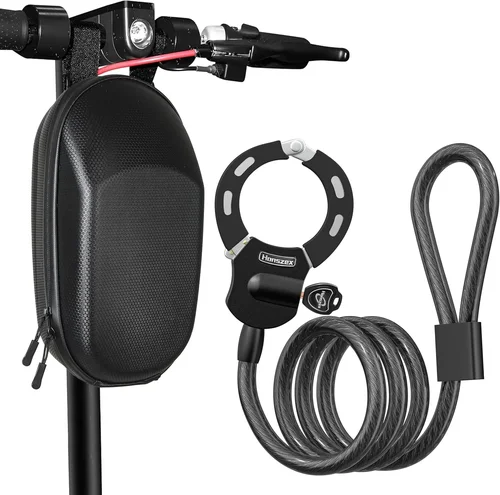
Why it’s bad: A $20 cable lock might seem like a bargain, but it offers virtually no real protection. Thieves can slice through most cables in under 15 seconds with basic tools. You’re essentially paying for a false sense of security.
What to do instead: Invest in at least a mid-tier U-lock or chain with a Sold Secure Bronze or Silver rating. Think of it as insurance—spending $80 on a lock to protect a $1,500 scooter is a smart trade-off.
❌ Mistake: Ignoring Where You Park
Why it’s bad: A lock that’s perfect for your suburban garage may be inadequate in a downtown theft hotspot. Matching your lock to your environment is crucial.
What to do instead: Assess your typical parking locations. If you regularly leave your scooter on busy streets overnight, prioritize high-security locks. For short stops in safe areas, a lighter option may suffice.
❌ Mistake: Not Securing the Frame
Why it’s bad: Locking only the wheel or fork leaves the rest of the scooter vulnerable. Thieves can simply remove the wheel and walk away with the rest.
What to do instead: Always lock the frame (and ideally one wheel) to a fixed object. Use a secondary cable if needed for the second wheel.
❌ Mistake: Buying Without Testing Fit
Why it’s bad: Some U-locks are too small to fit around standard bike racks or scooter frames. Others come with flimsy mounts that break easily.
What to do instead: Check internal dimensions before buying. Measure your scooter’s frame and common anchor points. Read reviews about mounting compatibility.
❌ Mistake: Overlooking Battery Life (for Smart Locks)
Why it’s bad: A dead smart lock leaves you stranded. Many users forget to charge or replace batteries until it’s too late.
What to do instead: Choose models with long battery life (6+ months) and low-battery alerts. Always carry a physical key as backup.
❌ Mistake: Skipping the Warranty Check
Why it’s bad: Without a solid warranty, you’re on your own if the lock fails or your scooter is stolen.
What to do instead: Buy from brands that offer anti-theft protection plans (e.g., Kryptonite’s Key Replacement Program). Register your lock upon purchase.
❌ Mistake: Assuming All “Heavy” Locks Are Secure
Why it’s bad: Weight doesn’t always equal strength. Some heavy locks use thick but soft steel that’s easy to cut.
What to do instead: Focus on material quality (hardened steel), certification, and user test results—not just weight.
—
Budget Guidelines: How Much Should You Spend?
– Entry-Level ($15–$40):
What to expect: Basic cable locks or lightweight U-locks with minimal security. Suitable only for low-risk areas and very short stops. No certifications. Best for kids’ scooters or temporary use.
– Mid-Range ($40–$100):
Sweet spot for most buyers. Includes certified U-locks (Sold Secure Bronze/Silver), decent chain locks, and some smart features. Offers strong protection for daily urban commuting. Examples: Kryptonite Keeper 785, Abus Bordo 6000.
– Premium ($100–$200):
For enthusiasts and professionals. High-end materials, Gold-level certifications, advanced locking mechanisms, and often include anti-theft guarantees. Ideal for expensive e-scooters left in high-theft zones. Examples: Kryptonite New York Fahgettaboudit, Litelok Core+.
– Luxury ($200+):
Top-tier features like integrated GPS, military-grade materials, and full smart ecosystems. Often used by delivery riders or in extreme security scenarios. Examples: Skunk Lock Pro, specialized armored chains.
—
Expert Tips for Getting the Best Deal
– Buy during off-seasons: Scooter lock sales often happen in late fall or winter when demand drops. Black Friday and Cyber Monday also offer solid discounts.
– Check manufacturer websites directly: Brands like Kryptonite and Abus frequently run exclusive promotions or bundle deals (e.g., lock + mounting bracket).
– Look for refurbished models: Many companies sell certified refurbished locks at 20–40% off with full warranties.
– Use price tracking tools: Set alerts on Amazon or CamelCamelCamel to catch price drops.
– Prioritize warranty over minor savings: A $10 cheaper lock with no warranty isn’t worth it if it fails in six months.
– Test mounting before committing: If buying in-store, ask to see how it attaches to a demo scooter.
– Bundle with other gear: Some retailers offer discounts when you buy a lock with a helmet, lights, or maintenance kit.
– Join rider communities: Forums and Facebook groups often share exclusive discount codes or flash sales.
—

Frequently Asked Questions
Q: Can I use a bike lock for my scooter?
A: Yes—most bike locks work perfectly for scooters, especially U-locks and chains. Just ensure the internal dimensions fit your scooter’s frame and wheels. Many scooter riders actually prefer high-end bike locks due to their proven security.
Q: How long should my lock be?
A: It depends on what you’re locking to. For standard bike racks, a 12–14 inch U-lock is usually sufficient. For larger objects or securing both wheels, look for 16+ inches or use a chain.
Q: Are combination locks safe?
A: Generally less secure than keyed locks. They’re vulnerable to shimming and brute-force attacks. Only use them in low-risk situations or as a secondary lock.
Q: Do I need to lock my scooter every time?
A: Absolutely. Even a 30-second stop can be enough for a thief. The “it’s just around the corner” mindset is how most scooters get stolen.
Q: What’s the best place to lock my scooter?
A: Choose well-lit, high-traffic areas with visible security cameras if possible. Always lock to immovable objects—avoid loose poles or trees that can be lifted over the top.
Q: Can smart locks be hacked?
A: While rare, Bluetooth vulnerabilities have been reported in some models. Stick to reputable brands with regular firmware updates and always use a physical key backup.
Q: How often should I maintain my lock?
A: Clean and lightly lubricate the keyway every 3–6 months. Wipe down the shackle after wet rides. Store indoors when not in use to prolong lifespan.
Q: Will insurance cover my scooter if it’s stolen?
A: Only if you used a certified lock and followed the policy’s requirements (e.g., locking the frame). Always check your insurer’s terms—some require Sold Secure Gold-rated locks.
Q: Are folding locks as secure as U-locks?
A: High-quality folding locks (like Abus Bordo Granit) can match U-lock security while being more compact. However, cheaper folding locks may have weak hinge points.
Q: Should I register my lock?
A: Yes! Many brands offer free registration that enables key replacement and activates anti-theft protection plans. It takes two minutes and could save you hundreds.
—
Our Final Recommendations
– Best for Budget-Conscious Buyers:
Kryptonite Keeper 785 – A reliable U-lock with Sold Secure Silver rating, durable build, and included mounting bracket. Great value under $50.
– Best Overall Value:
Abus Bordo 6000/80 – Folding lock with excellent portability, 13mm hardened steel links, and Sold Secure Gold certification. Perfect balance of security and convenience.
– Best Premium Option:
Kryptonite New York Fahgettaboudit Mini – The gold standard in U-locks. Nearly uncuttable, with a lifetime warranty and anti-theft protection plan.
– Best for Beginners:
OnGuard Brute STD – Easy to use, affordable, and comes with a sturdy mount. Ideal for new riders learning proper locking techniques.
– Best for Advanced Users:
Litelok Core+ – Revolutionary flexible lock made from layered, cut-resistant materials. Lightweight yet highly secure, with optional smart features.
—
Conclusion: Making the Right Choice
Choosing the right scooter lock isn’t just about picking the strongest or cheapest option—it’s about finding the perfect match for your lifestyle, environment, and scooter value. A thoughtful investment in a quality lock can mean the difference between peace of mind and a costly loss.
Remember: the best lock is the one you actually use. Prioritize security certifications, build quality, and real-world usability. Don’t fall for marketing gimmicks or assume that heavier always means safer. Read reviews, test fit when possible, and always lock your scooter properly—frame first, then wheels.
Your scooter is more than transportation; it’s freedom, efficiency, and fun. Protect it wisely. With the insights from this guide, you’re now equipped to make a confident, informed decision in 2026 and beyond. Ride safe, lock smart, and enjoy every mile.